Prague viburnum (Viburnum 'Pragense')
Viburnum 'Pragense', the Prague viburnum, is a versatile broadleaf evergreen valued for its creamy flowers and persistent berries. Hardy in Zones 5-8.
Scroll down to discover growing tips, care requirements, companion plants, and more
Complete Plant Information
Overview
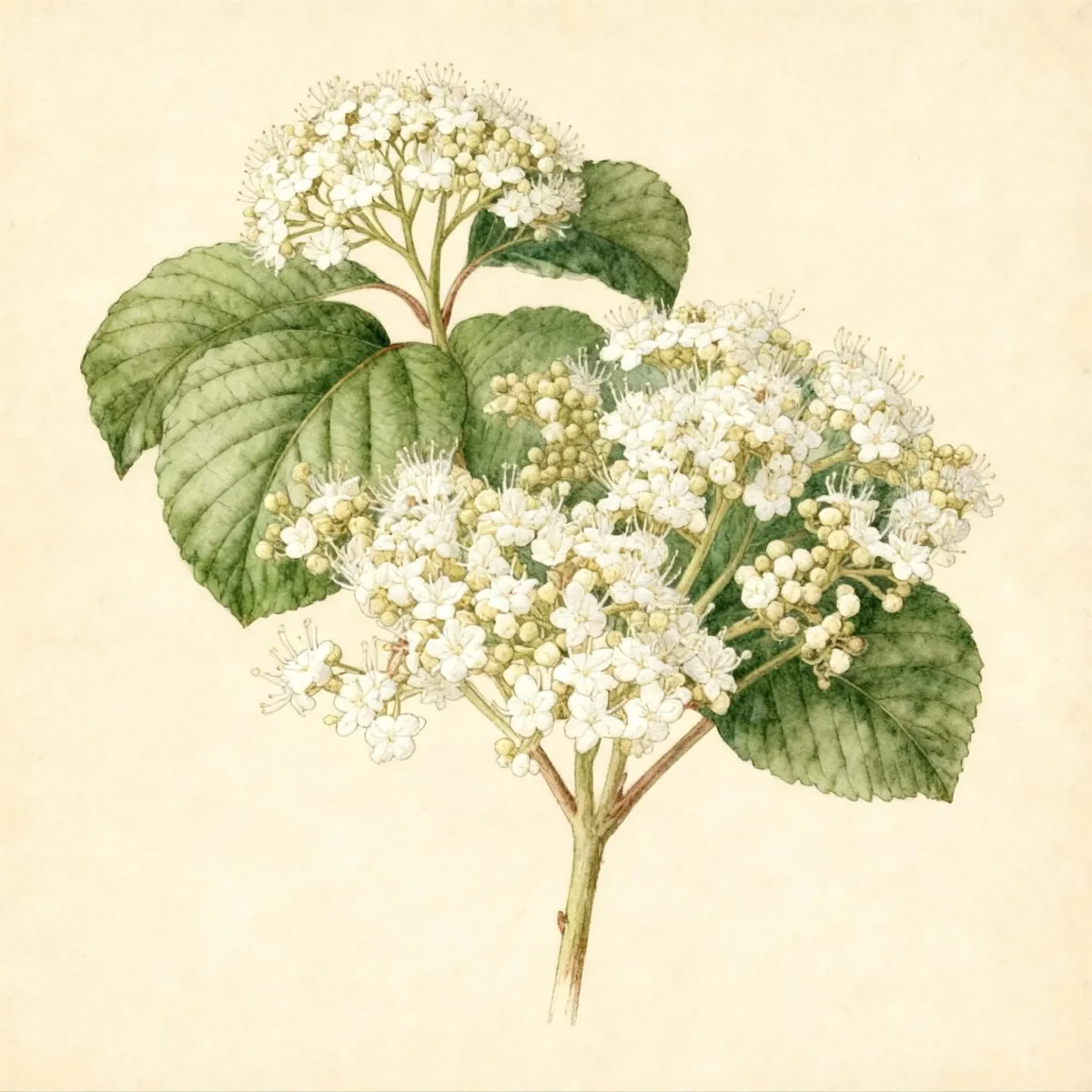
The Prague viburnum, scientifically known as Viburnum ‘Pragense’, is a highly valued, multi-stemmed shrub celebrated for its reliable evergreen foliage structure across much of the temperate US. This hybrid cultivar offers visual interest across multiple seasons, starting with its showy flower clusters in spring and concluding with glossy black berries that often linger deep into winter. Gardeners select Viburnum ‘Pragense’ for its versatility, as it adapts well to various formal and informal landscape settings.
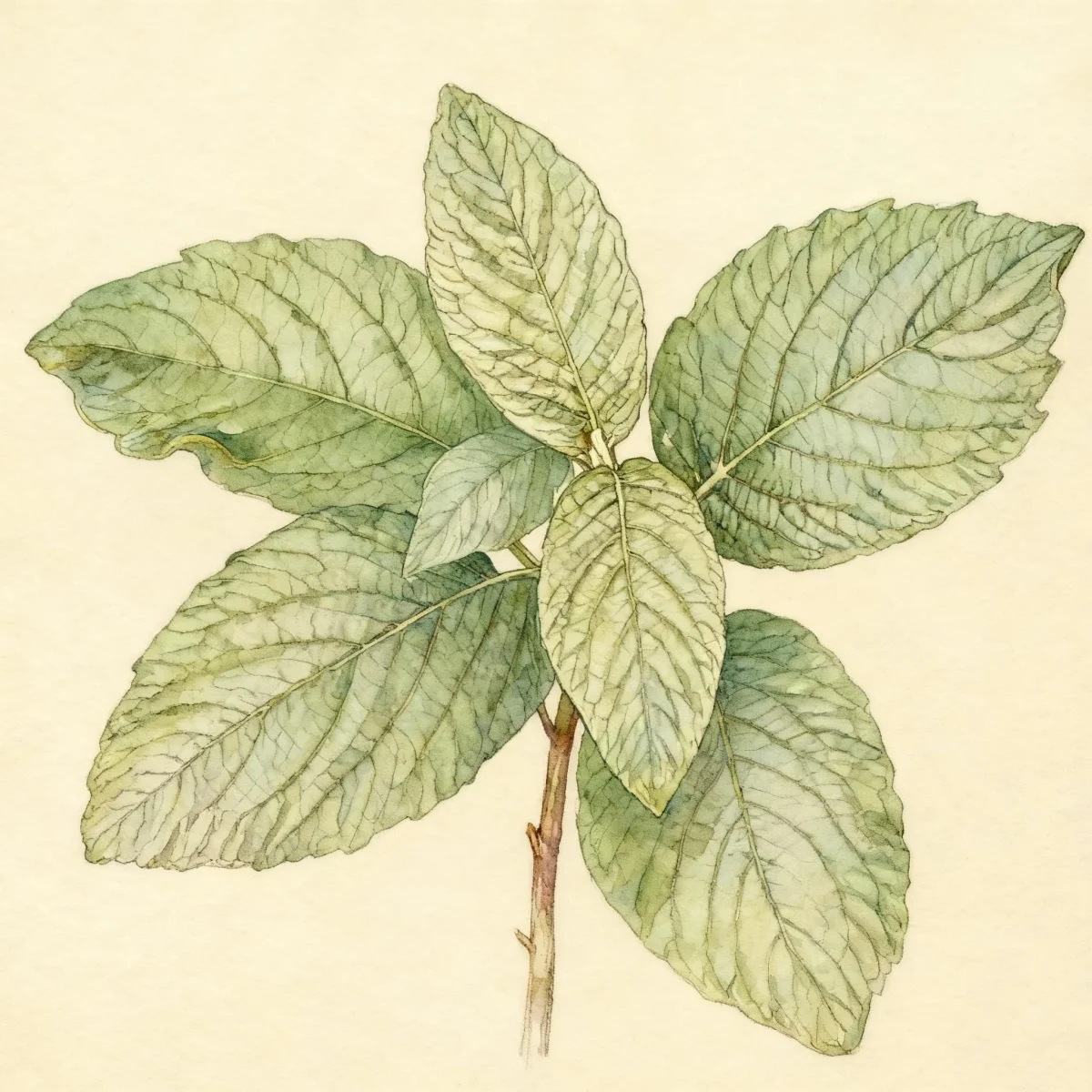
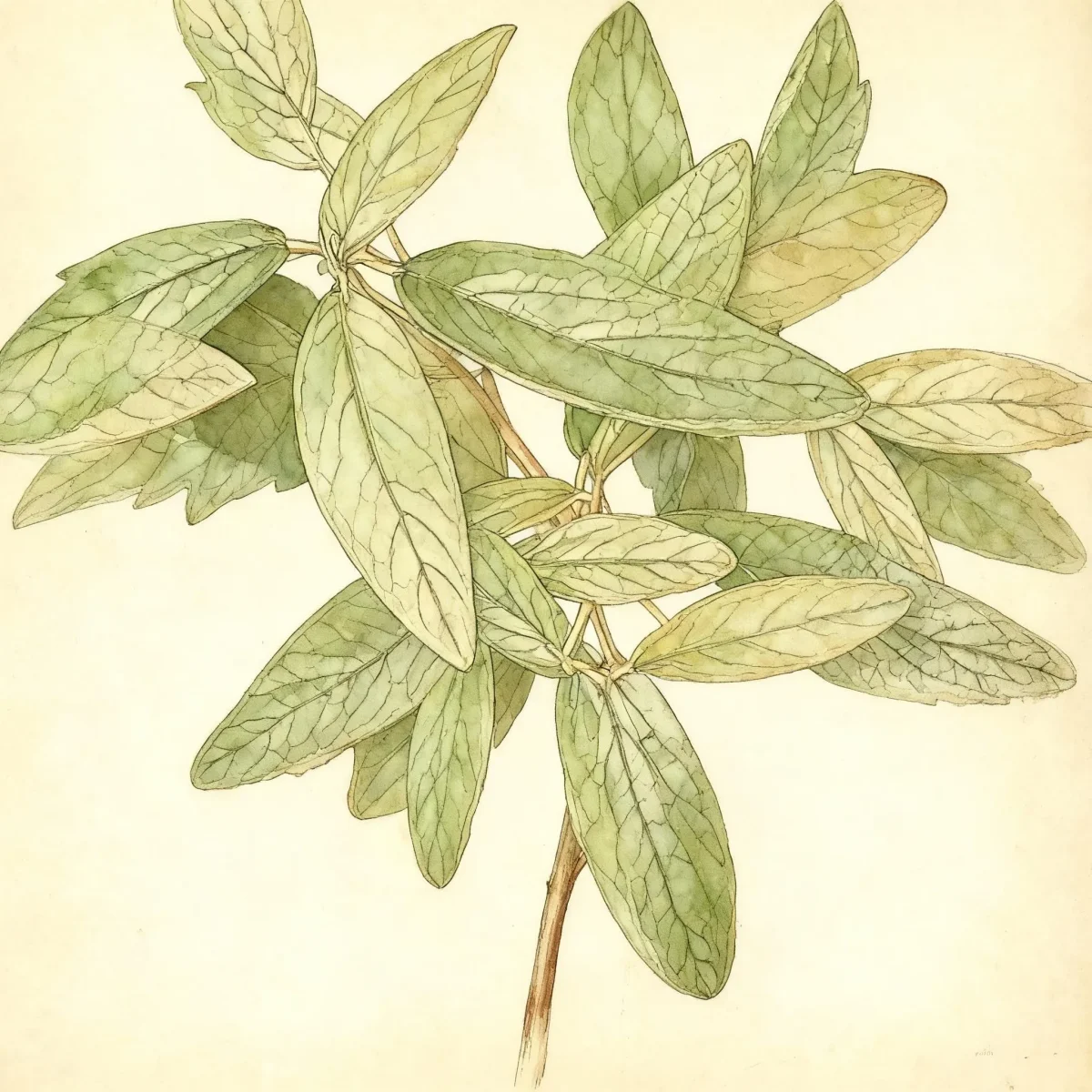
As a sturdy broadleaf evergreen, the Prague viburnum provides excellent screening and vertical element interest when mature, typically reaching heights and spreads between 10 to 12 feet. It is a strong performer that offers structure even when deciduous plants have dropped their leaves. Its attractive foliage, dark green and elliptic, ensures that the landscape remains visually interesting throughout the year.
This versatile plant is a favorite for foundation plantings and creating dense screens. Its ability to handle periods of sun or partial shade, combined with its attractive display, makes the Viburnum ‘Pragense’ a practical choice for gardeners seeking year-round structure and seasonal bloom impact.
Fast Facts
- Plant Family: Adoxaceae
- Plant Type: Broadleaf evergreen
- Hardiness Zones: USDA Zones 5-8
- Size at Maturity:
- Height: 10-12 ft
- Spread: 10-12 ft
- Bloom Time: May
- Bloom Description: Pink buds / ivory flowers
- Sun Exposure: Full sun to part shade
- Water Needs: Medium
- Maintenance Level: Medium
How to Grow
Plant the Prague viburnum in early fall or early spring to allow sufficient time for root establishment before extreme summer heats or harsh freezes arrive. Ensure placement in average, well-drained soil, as this species dislikes constantly soggy conditions. While it tolerates full sun, planting where it receives afternoon shade can benefit the foliage in very hot, southern climates.
Watering should be consistent, meeting its medium water needs, especially during the first few growing seasons. Once established, deep, infrequent watering is usually sufficient unless drought stress is evident. Fertility requirements are moderate; simple spring fertilization or incorporation of compost around the base usually suffices to maintain vigor.
Pruning is best handled selectively. If the shrub loses its desirable shape or requires revitalization, prune it back hard, even down to the ground. However, to preserve next year’s flowers, always prune immediately after the current blooming period concludes, as flower buds for the following year develop during the summer months.
A key consideration for Viburnum ‘Pragense’ relates to winter protection in colder zones. Foliage may suffer dieback, sometimes even to the ground, when subjected to sub-zero winter temperatures. In challenging winter climates, site this shrub where it is actively protected from harsh, desiccating winter winds to help maintain its evergreen character.
Landscape Uses
The robust structure and reliable evergreen nature of the Prague viburnum make it an excellent choice for significant landscape applications. It excels when utilized as a substantial screen or hedge, offering privacy and visual buffering throughout the year. The dense, multi-stemmed habit of Viburnum ‘Pragense’ quickly forms an effective barrier.
Beyond its functional use as screening, this specimen has considerable aesthetic appeal for mixed borders. The creamy white flowers in spring and the subsequent display of red-to-black fruit provide textural and color contrast against neighboring plantings. Consider using it as a specimen plant where its size and form can be fully appreciated, or mass it near formal foundation plantings for consistent green coverage.
When designing a border, pair the shrub with plants that complement its medium water needs and sun tolerance, such as hostas or ferns in shadier spots, or colorful perennials that benefit from full sun exposure. The overall impact of the Prague viburnum ensures a reliable, attractive backdrop for smaller, seasonal color accents.
Standout Features
Flower Qualities
- Showy
- Fragrant
Fruit Qualities
- Showy
Noteworthy Characteristics
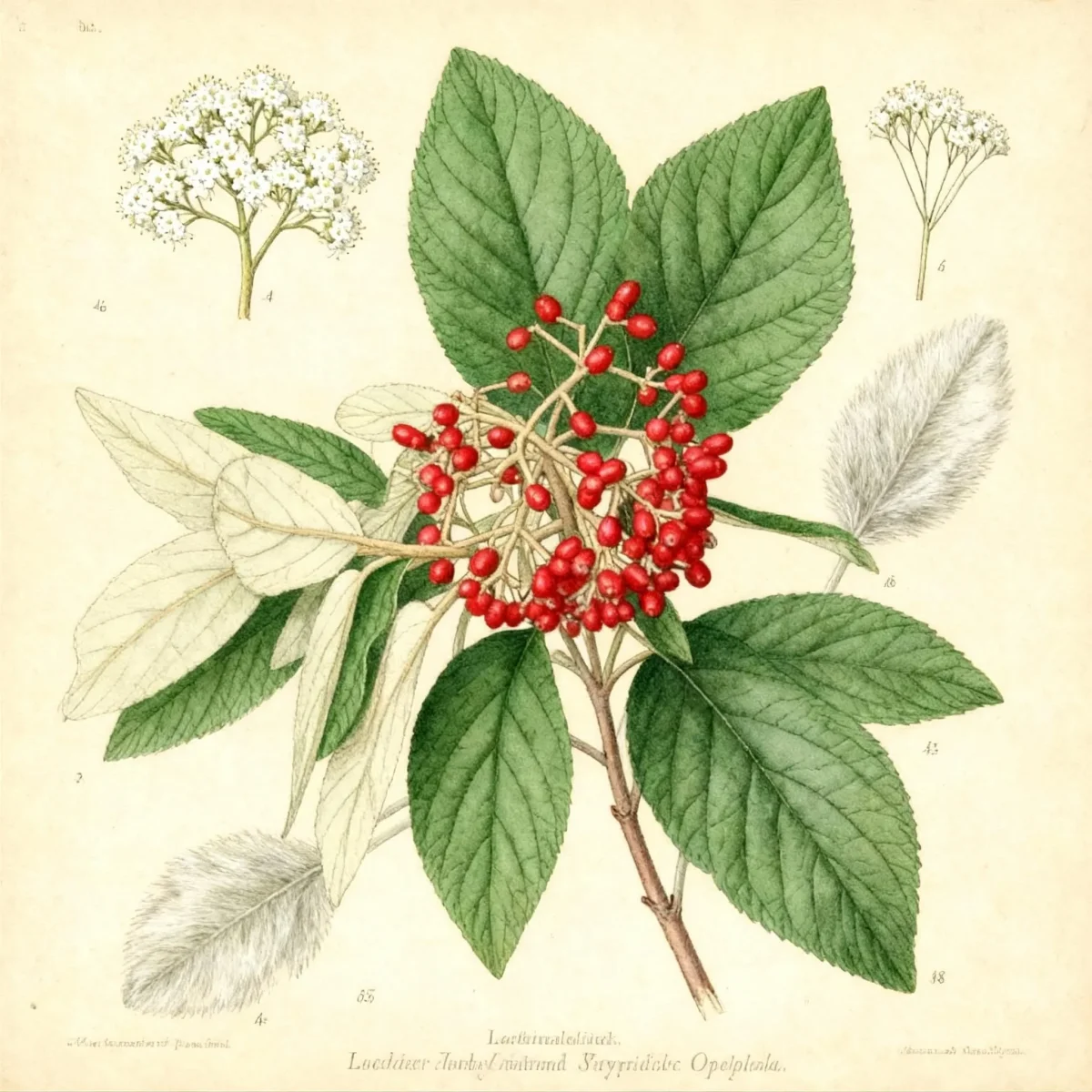
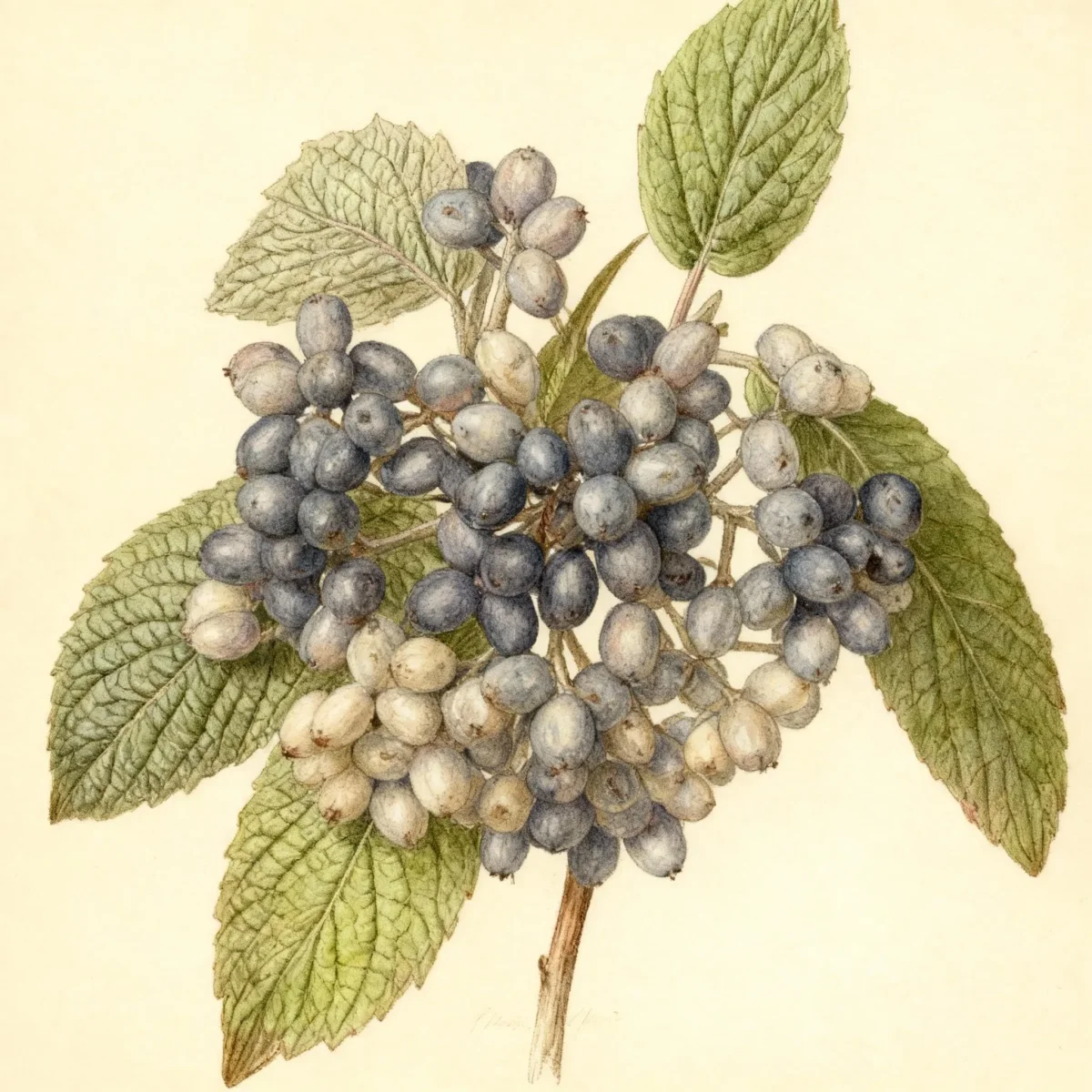
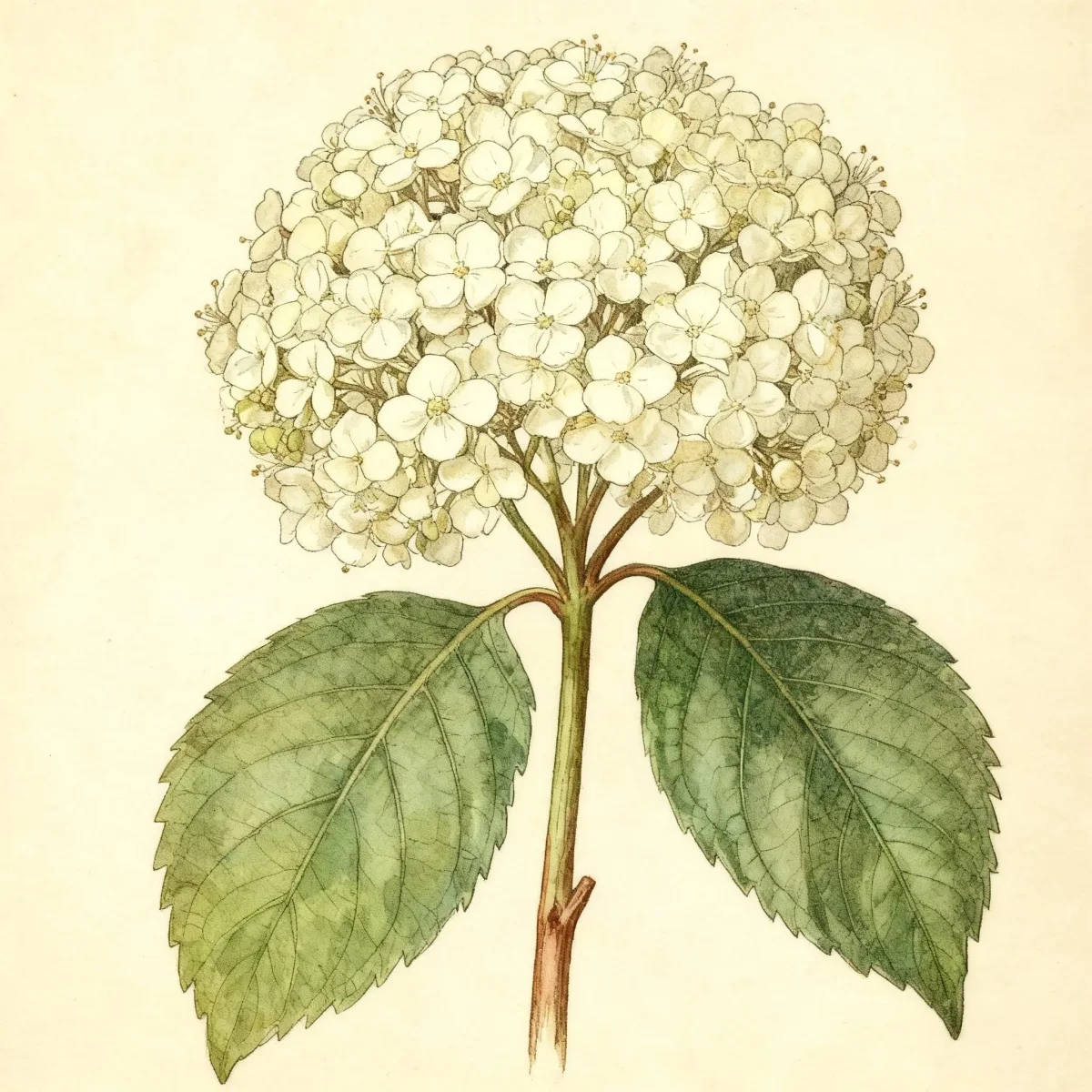
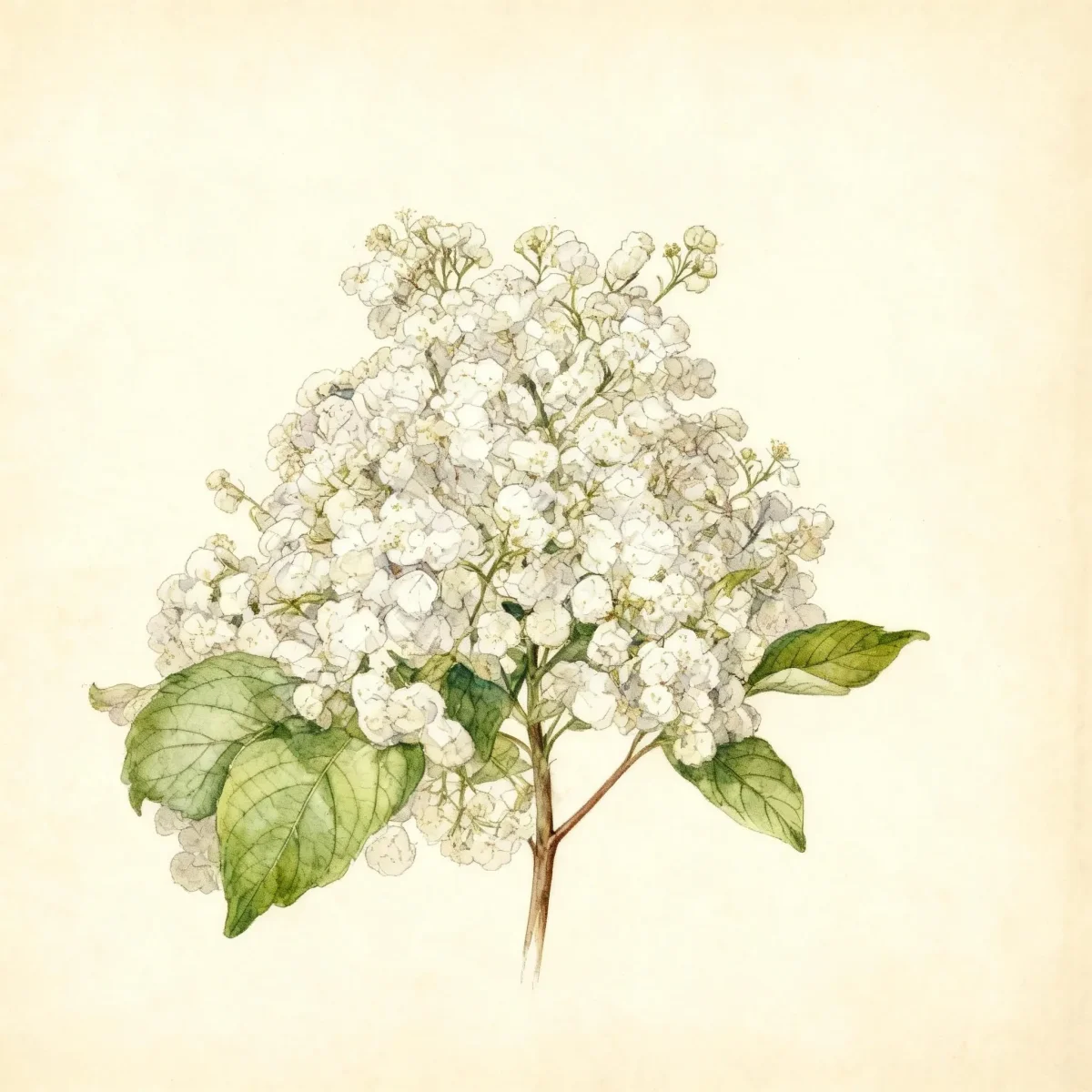
Viburnum ‘Pragense’ is a successful cross between V. Rhytidophyllum and V. Utile, resulting in an evergreen, multi-stemmed shrub known for its dense habit. It produces flat cymes of slightly fragrant, creamy white flowers that mature into berries persisting into December, first appearing red and then ripening to a glossy black. The elliptic, dark green leaves remain evergreen in warmer areas and provide good structure year-round unless damaged by severe cold.
Tolerances
Deer tend to avoid this plant
Potential Problems
While generally robust, the Prague viburnum can occasionally suffer from a few minor issues, requiring proactive garden management. Potential disease concerns include bacterial leaf spot and various mildews, which are often managed by ensuring excellent air circulation through proper spacing and timely pruning. Fungal issues like crown gall are less common but warrant vigilance, often signaling overly wet soil conditions or physical injury near the base.
Insect pests sometimes target Viburnum ‘Pragense’, most commonly aphids or scale insects that feed on the sap of new growth or older wood. Inspect the underside of leaves periodically, especially during warm spring weather, for early signs of infestation. Minor outbreaks can often be controlled effectively using insecticidal soaps or horticultural oils, applied according to product directions.
Frequently Asked Questions
What hardiness zones is Prague viburnum suitable for?
The Viburnum ‘Pragense’ is reliably hardy in USDA Zones 5 through 8.
How large does Viburnum ‘Pragense’ grow?
At maturity, the Prague viburnum typically achieves a height between 10 to 12 feet, with a comparable spread of 10 to 12 feet.
What sun exposure does Viburnum ‘Pragense’ need?
This plant performs best when situated in locations that receive full sun or partial shade.
When does Prague viburnum bloom?
Viburnum ‘Pragense’ produces its attractive blossoms in May, described as having pink buds opening into ivory flowers.
Conclusion
The Viburnum ‘Pragense’ stands out as a premier choice for structure and year-round appeal due to its dependable evergreen foliage and attractive seasonal displays. By paying attention to cultural needs—especially ensuring well-drained soil—gardeners can maximize the beauty of the Prague viburnum. Before planting, confirm that your site falls within USDA Hardiness Zones 5 through 8 and plan your pruning schedule around its bloom time for the best results.
Design Ideas
Utilizing Viburnum ‘Pragense’ near patios or seating areas maximizes enjoyment of its fragrant spring flowers. Since it forms a dense screen up to 12 feet tall, group three or five shrubs together along a property line where you need maximum privacy or noise abatement from an adjacent road. In foundation plantings, ensure the plant is set far enough away from the structure to accommodate its 10 to 12-foot mature spread, preventing future branch contact with siding or windows.
For a visually pleasing contrast, place the dark green, glossy leaves of the Prague viburnum against plants that feature fine texture or bright spring/summer color palettes that are quickly lost in winter. White or yellow-flowering spring bulbs look stunning bordering the base before the shrub fully leafs out. In fall, the structural shape of this viburnum provides an excellent dark anchor for containers filled with brightly colored mums or ornamental kale.
Wildlife Benefits
While not primarily known as a pollinator magnet, the spring flowers of the Viburnum ‘Pragense’ offer a source of nectar and fragrance that attracts early-season beneficial insects. More significantly, the berries of this shrub provide critical late-season food for local bird populations. Since the fruit often persists into late December, it offers a vital, reliable food source during lean winter months when many other edibles have been consumed or decomposed.