Corkscrew rush (Juncus effusus f. spiralis)
Discover the fascinating Corkscrew rush (Juncus effusus f. spiralis), featuring unique spiraled stems perfect for wet gardens.
Scroll down to discover growing tips, care requirements, companion plants, and more
Complete Plant Information
Overview
The Corkscrew rush, scientifically designated as Juncus effusus f. spiralis, is a highly sought-after ornamental rush prized for its dramatically twisted, upright green stems. These unique foliage structures provide exceptional vertical accent and textural contrast in landscapes, setting it apart from its smoother-stemmed relatives. This perennial thrives in consistently saturated conditions but adapts well to standard moist garden soils when properly maintained.
As a member of the grass-like wetland plants, Juncus effusus f. Spiralis offers low maintenance once established, making it an excellent choice for water features or rain gardens. Its ability to tolerate standing water alongside its visual appeal ensures its popularity among gardeners looking to introduce dynamic form into damp, sunny areas.
The charm of the Corkscrew rush lies entirely in its architectural foliage, which remains evergreen in warmer climates. When selecting this plant, gardeners are choosing texture and form over flashy blooms. Ensure proper placement to allow the spiraled stems of this Juncus effusus f. spiralis variety to be fully appreciated throughout the growing season.
Fast Facts
- Plant Family: Juncaceae
- Plant Type: Rush or Sedge
- Native Range: Cosmopolitan
- Hardiness Zones: USDA Zones 4-9
- Size at Maturity:
- Height: 1-1.5 ft
- Spread: 1-1.5 ft
- Bloom Time: June to August
- Bloom Description: Yellowish green to pale brown
- Sun Exposure: Full sun
- Water Needs: Wet
- Maintenance Level: Low
How to Grow
Planting the Corkscrew rush should occur when soil temperatures are warming, ensuring the plant has the entire warm season to establish its rhizomatous root system. It performs optimally in full sun, though it can tolerate part shade; however, direct sun usually encourages the tightest, healthiest growth of the spiraled stems. While it excels in standing water up to 4 inches deep, this rush also grows happily in any soil that stays consistently moist or wet.
Watering is crucial, as this plant requires perpetually moist to wet conditions to thrive; do not allow it to dry out, especially during establishment. Fertilization is rarely necessary if the plant is situated in its preferred boggy soil, as excessive nutrients can sometimes lead to leggy growth that compromises the tight coil of the stems. Maintenance is generally minimal.
For container gardening, bury the pot slightly in the soil to maintain soil moisture, or simply leave it standing in a saucer of water. In early spring, before new growth begins, it is important to cut back the old, dead foliage from the previous year. Juncus effusus f. spiralis spreads slowly via rhizomes and can self-seed, so be prepared to divide clumps if they become overcrowded or to control spread as needed.
Landscape Uses
The unique, contorted texture of the Corkscrew rush makes it indispensable for adding visual interest along transitional waterside plantings. It functions perfectly as a primary water plant at the edge of ponds, thriving happily in saturated margins or even submerged slightly. Because it tolerates wet soil exceptionally well, it is ideal for rain gardens or drainage swales where other ornamentals might struggle.
Its upright, spiraled form creates excellent textural contrast against broad-leafed bog plants or lower-growing groundcovers. Consider using Juncus effusus f. spiralis in contemporary patio containers, either massed alone or paired with moisture-loving annuals for year-round architectural flair. For a naturalized look, allow it to colonize moist pasture edges or stream banks where its erosion control capabilities can be utilized.
Twisted stems of the harvested Corkscrew rush are often used fresh or dried in unique floral arrangements, providing an immediate artistic element to bouquets. This versatility allows the plant to bridge the gap between formal water gardens and more informal, functional wet landscape solutions.
Standout Features
Flower Qualities
- Insignificant
Noteworthy Characteristics
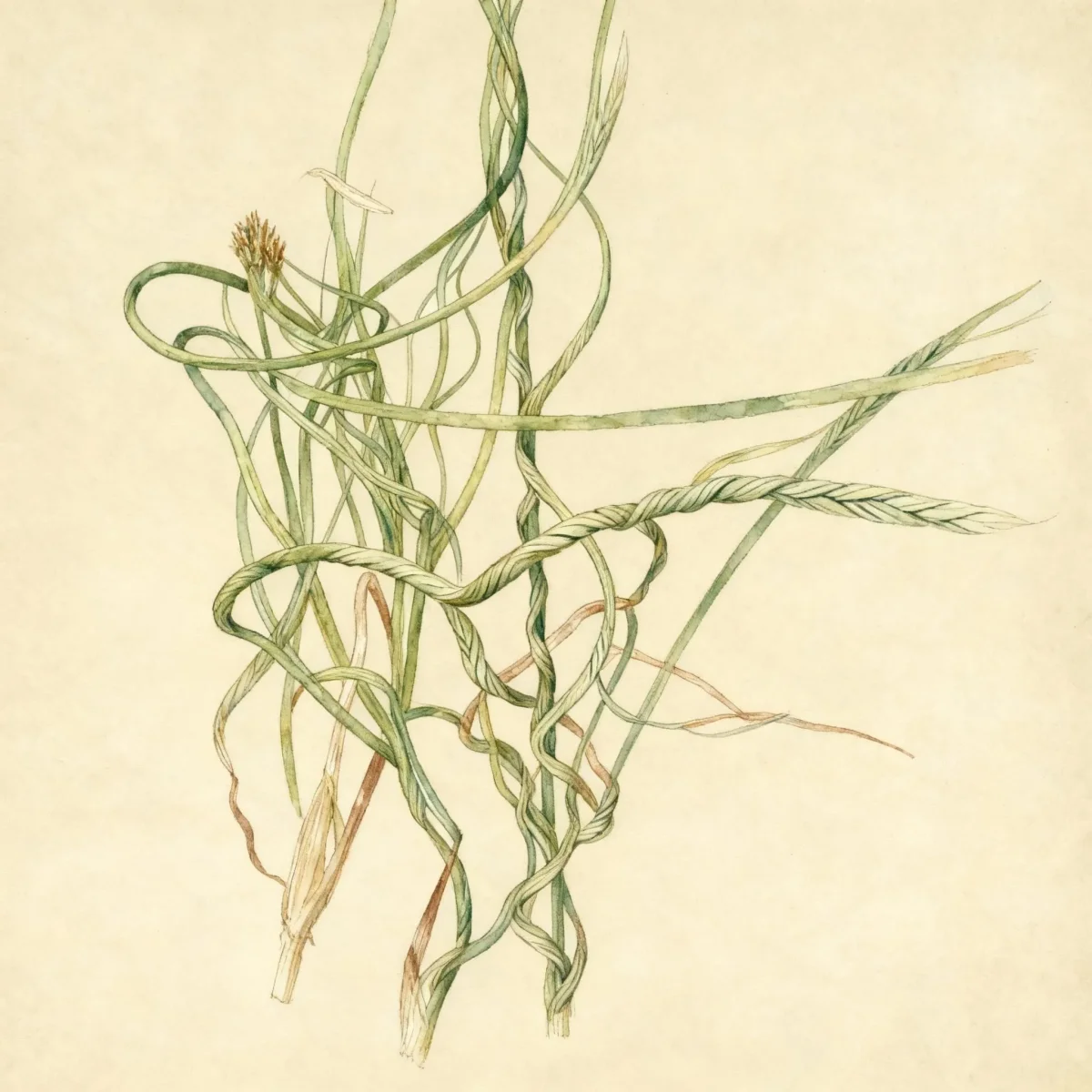
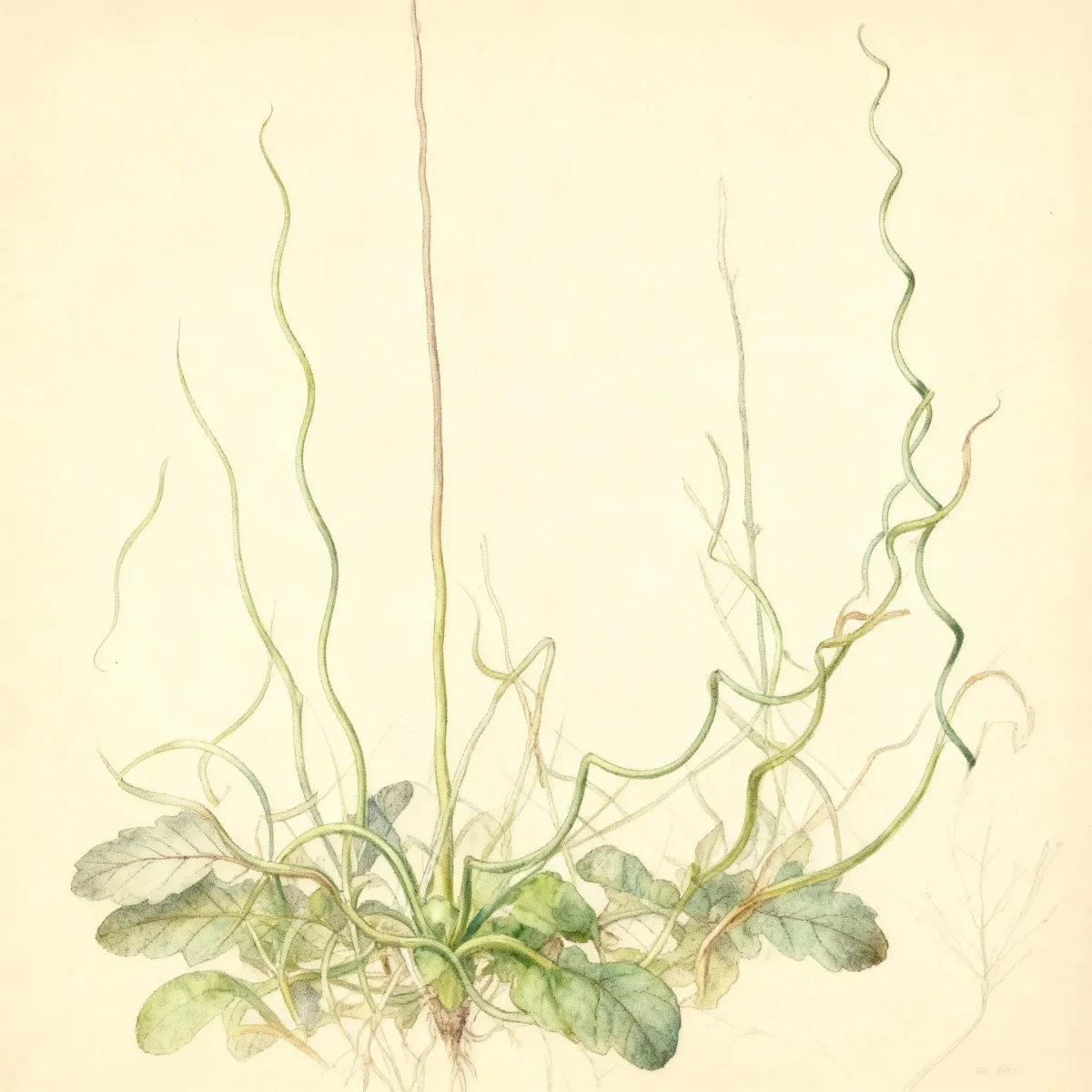
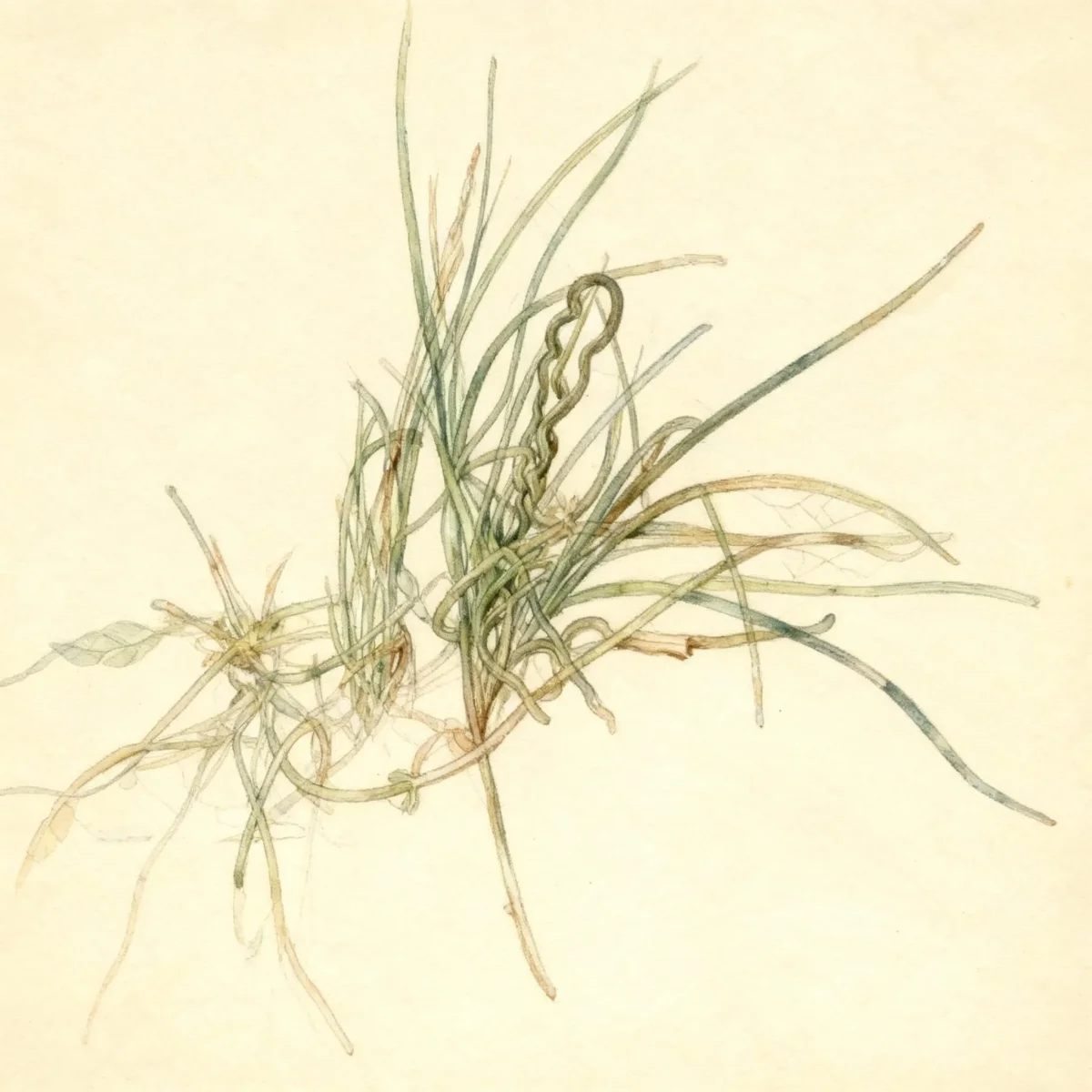
Forma spiralis, commonly known as corkscrew rush, features a tuft of cylindrical, tightly spiraled, corkscrew-like green stems (to 1/4” thick) which uncoil as they grow and spread out in all directions (both upright and prostrate) forming a somewhat contorted and tangled foliage mass. This grasslike-like, rhizomatous, wetland perennial is one of the true rushes, often found growing in ditches, bogs, and wet pastures. Clumps typically grow to 14-18” tall, offering excellent vertical accents with soft, upright, unjointed stems.
Tolerances
- Erosion
- Wet Soil
Potential Problems
The Corkscrew rush generally exhibits low susceptibility to serious pest or disease issues, allowing for its low maintenance designation. However, in overly damp or poorly draining situations, gardeners might occasionally observe fungal issues like rust, leaf spot, or stem rots. Management involves ensuring good air circulation, especially important when planting large groupings, and making sure overhead irrigation is avoided if standing water is not already present.
Frequently Asked Questions
What hardiness zones is Corkscrew rush suitable for?
The Corkscrew rush (Juncus effusus f. spiralis) is suitable for planting throughout USDA Hardiness Zones 4 through 9.
How large does Corkscrew rush grow?
This striking variety typically reaches a height between 1 and 1.5 feet, spreading to a similar width of 1 to 1.5 feet.
What sun exposure does Juncus effusus f. spiralis need?
This plant requires a location with full sun exposure to achieve its best growth and most defined stem structure.
When does Juncus effusus f. spiralis bloom?
Flowering occurs between June and August, producing small, yellowish green to pale brown blooms.
Conclusion
The Juncus effusus f. spiralis, or Corkscrew rush, is an invaluable structural plant for any garden area embracing wet soil or water features, thanks to its unique, spiraled texture and very low maintenance requirements. Successfully incorporating this fascinating rush depends on maintaining consistent moisture levels, particularly in full sun locations. Check your USDA zone compatibility today and plan to plant this architectural wonder near the water’s edge this spring.
Companion Planting
When designing a bog garden featuring Juncus effusus f. spiralis, select companions that share its fundamental need for wet feet and corresponding sun exposure. Excellent pairings include large-leaved plants such as Caltha palustris (Marsh Marigold) or Iris species adapted to boggy conditions, which provide broad textural contrast to the fine, coiled stems of the Corkscrew rush. For edging around hardscape elements, consider utilizing moisture-loving ferns or low-growing, creeping perennials that appreciate consistent dampness but do not compete aggressively with the rush’s spreading rhizomes.
Seasonal Care Calendar
Mid-to-late spring is the crucial time for maintenance, focusing on cutting back all remaining old, brown foliage from the previous season to encourage fresh, vibrant green shoots of Juncus effusus f. Spiralis. During the summer months, monitor water levels, especially in containers or shallow containers; ensure that the soil remains saturated or submerged by a few inches, as drought stress will quickly impact the health of the rush. In the autumn, the foliage may begin to yellow, particularly in cooler zones; however, if grown indoors or in very mild climates, the foliage tends to remain evergreen, requiring only light trimming as needed.