Burkwood viburnum (Viburnum × burkwoodii 'Conoy')
Viburnum × burkwoodii 'Conoy' is a compact, deciduous Burkwood viburnum valued for its fragrant spring flowers and glossy foliage.
Scroll down to discover growing tips, care requirements, companion plants, and more
Complete Plant Information
Overview
Viburnum × burkwoodii ‘Conoy’, commonly known as Burkwood viburnum, is a celebrated dense, multi-stemmed shrub prized for its adaptability and appealing seasonal displays. This hybrid introduces gardeners to its beautifully fragrant, creamy white blooms that appear reliably in April, offering significant early spring interest. Its compact, spreading habit makes the ‘Conoy’ cultivar particularly valuable for foundation plantings and formal settings where space is a consideration.
The appeal of this plant extends beyond its spring performance; the foliage is glossy, dark green, and remains attractive throughout the growing season. While the leaves may show attractive maroon tones in the fall, in warmer regions (Zones 7-8), the shrub can retain its leaves, offering evergreen screening qualities. Overall, Viburnum × burkwoodii ‘Conoy’ is a low-maintenance selection that provides structure, scent, and color contrast in a manageable size.
Fast Facts
- Plant Family: Adoxaceae
- Plant Type: Deciduous shrub
- Hardiness Zones: USDA Zones 5-8
- Size at Maturity:
- Height: 4-5 ft
- Spread: 7-8 ft
- Bloom Time: April
- Bloom Description: Creamy white
- Sun Exposure: Full sun to part shade
- Water Needs: Medium
- Maintenance Level: Low
How to Grow
Plant Viburnum × burkwoodii ‘Conoy’ during the cooler seasons, fall or early spring, to allow establishment before summer heat stress. This shrub thrives best in average, medium-moisture, well-drained soil, though it is noted for tolerating a range of soil types, preferring moist loams. Ensure the planting site receives adequate sun exposure—full sun yields the best flowering, but it tolerates partial shade.
Care requirements for this Burkwood viburnum are generally low once established. Maintain a consistent watering schedule during its first few seasons to encourage deep root growth. Mature plants develop good drought tolerance, minimizing the need for supplemental irrigation, especially during dry spells. Minimal pruning is needed; if aesthetic shaping is required, perform this immediately after flowering concludes in spring. Be aware that pruning spent blooms will sacrifice the subsequent summer fruit display.
For optimal flower production and potential fruit set, plant several shrubs in a grouping rather than relying on a single specimen, as this aids in cross-pollination. Monitor for pests, though Viburnum × burkwoodii ‘Conoy’ is notably resistant to serious insect or disease issues, simplifying seasonal care.
Landscape Uses
The ‘Conoy’ cultivar is exceptionally versatile in landscape design due to its size and dense branching pattern. It excels when used formally as a low hedge or effective screening element where a less aggressively tall shrub is desired. Because of its structure and spring fragrance, planting several specimens in groups along a walkway or near a patio ensures maximum enjoyment of its fragrant bloom.
Beyond hedging, this Burkwood viburnum functions beautifully in the middle to back layers of mixed shrub borders. Its tidy habit also makes it suitable for foundation plantings, providing year-round structure near buildings, particularly where the evergreen quality in warmer zones is beneficial. Consider pairing it with late-blooming shrubs or perennials to extend seasonal interest once its April flowers fade.
Standout Features
Flower Qualities
- Showy
- Fragrant
Fruit Qualities
- Showy
Noteworthy Characteristics
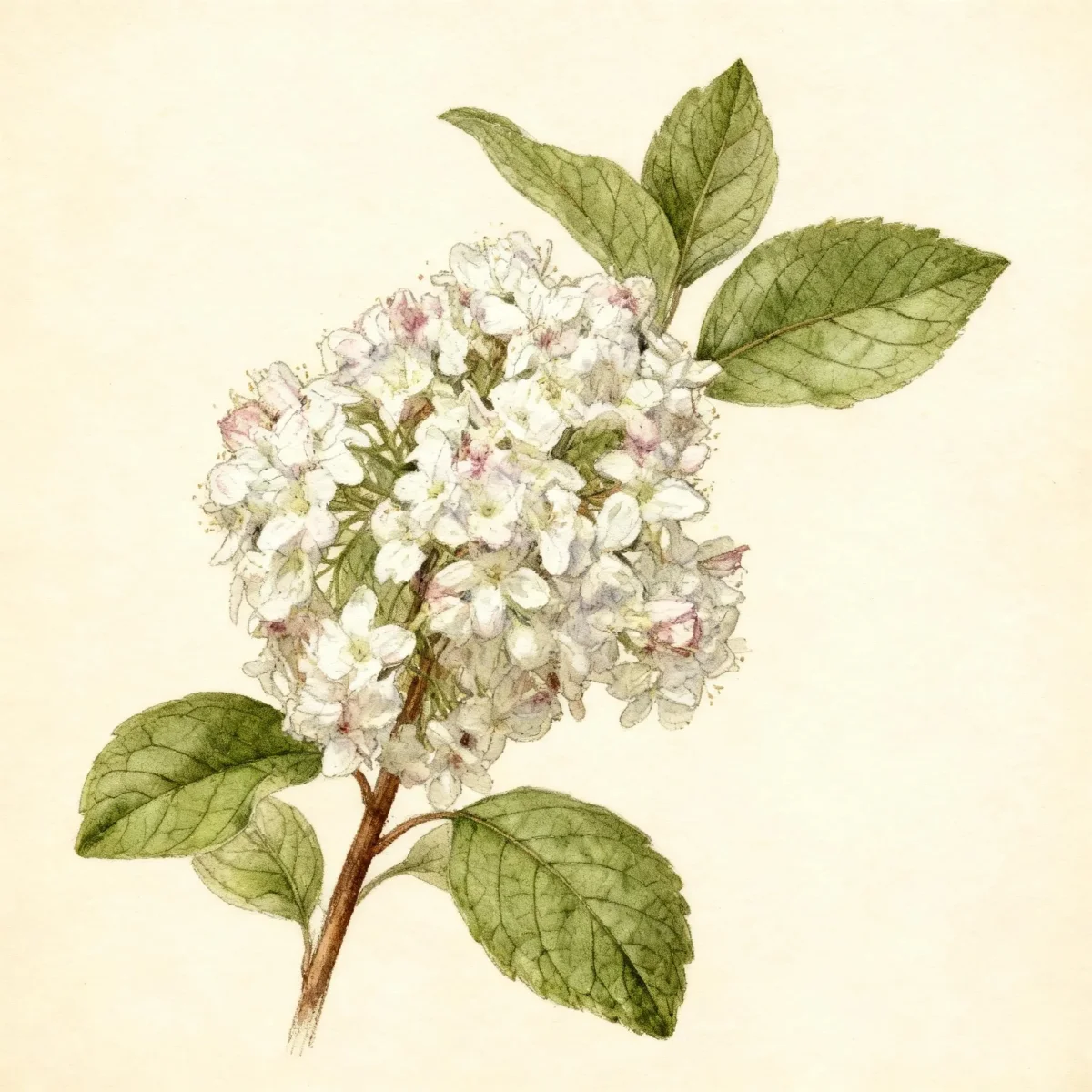
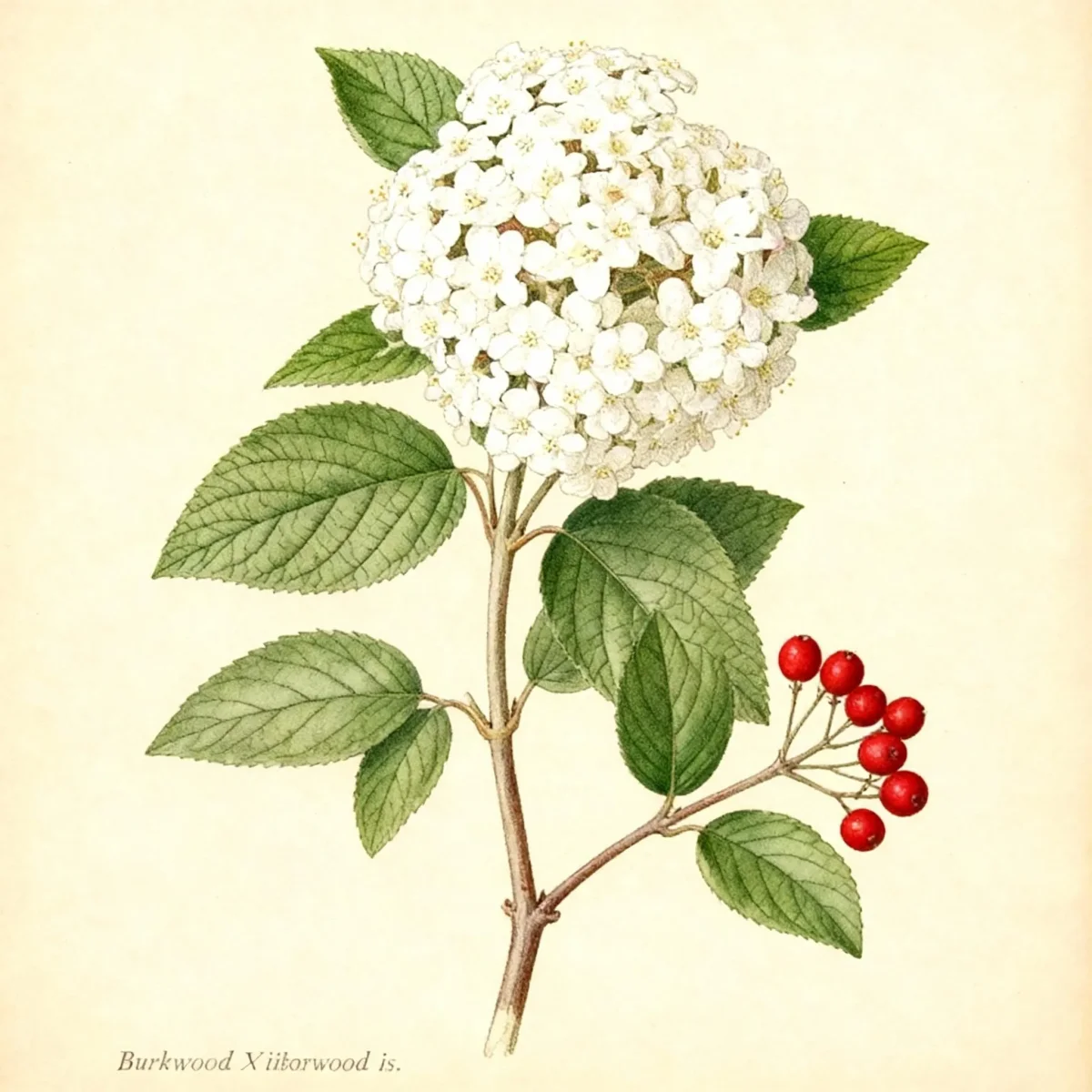
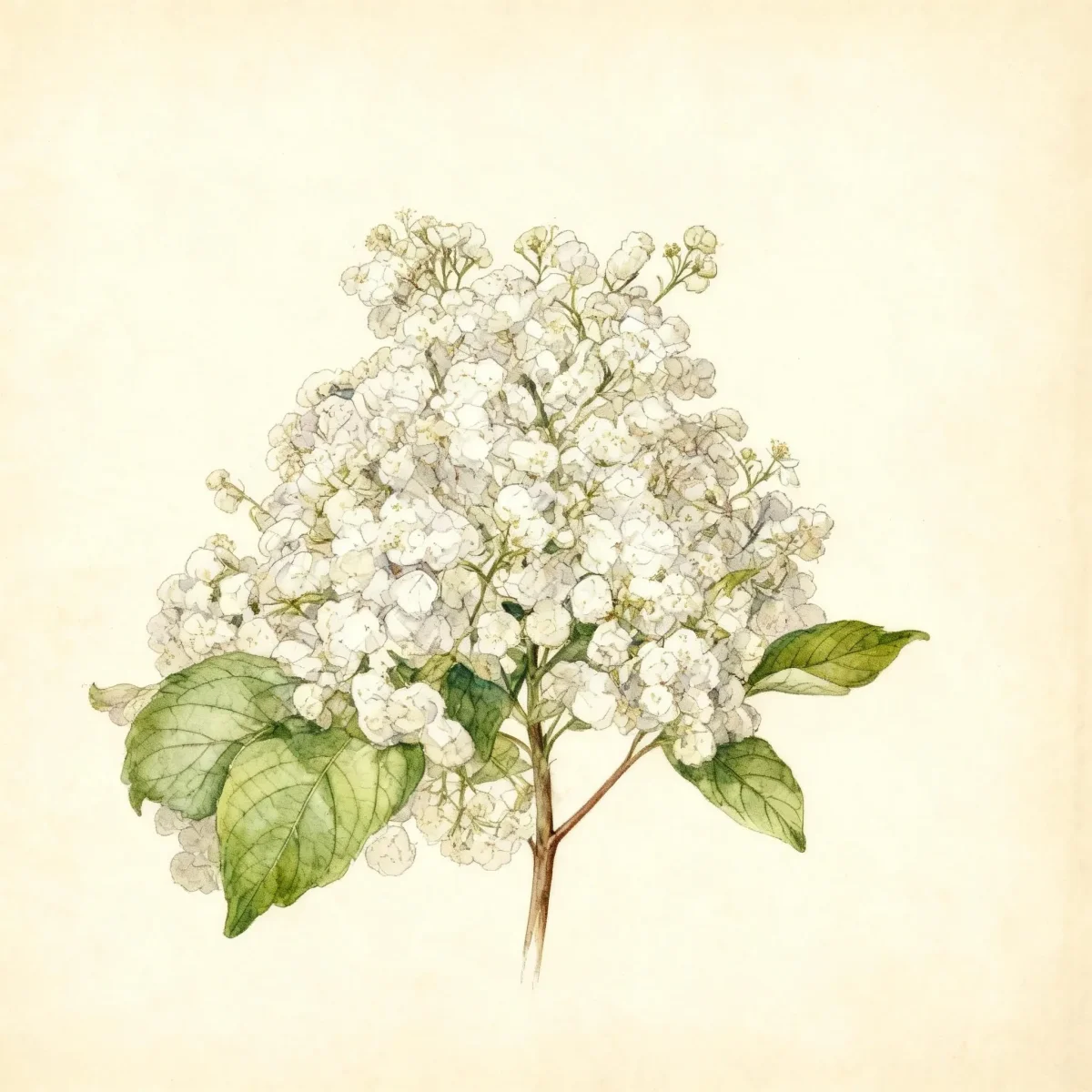
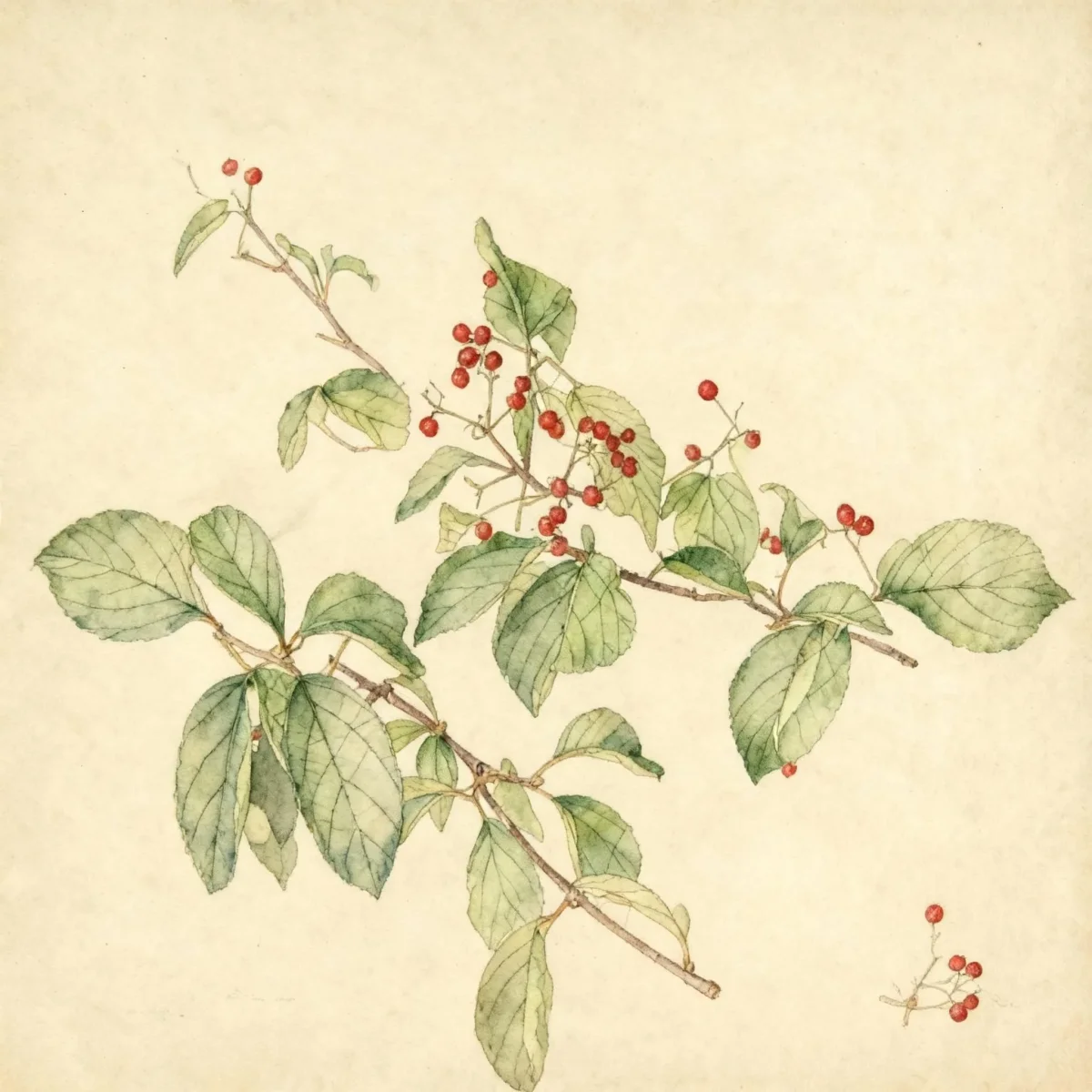
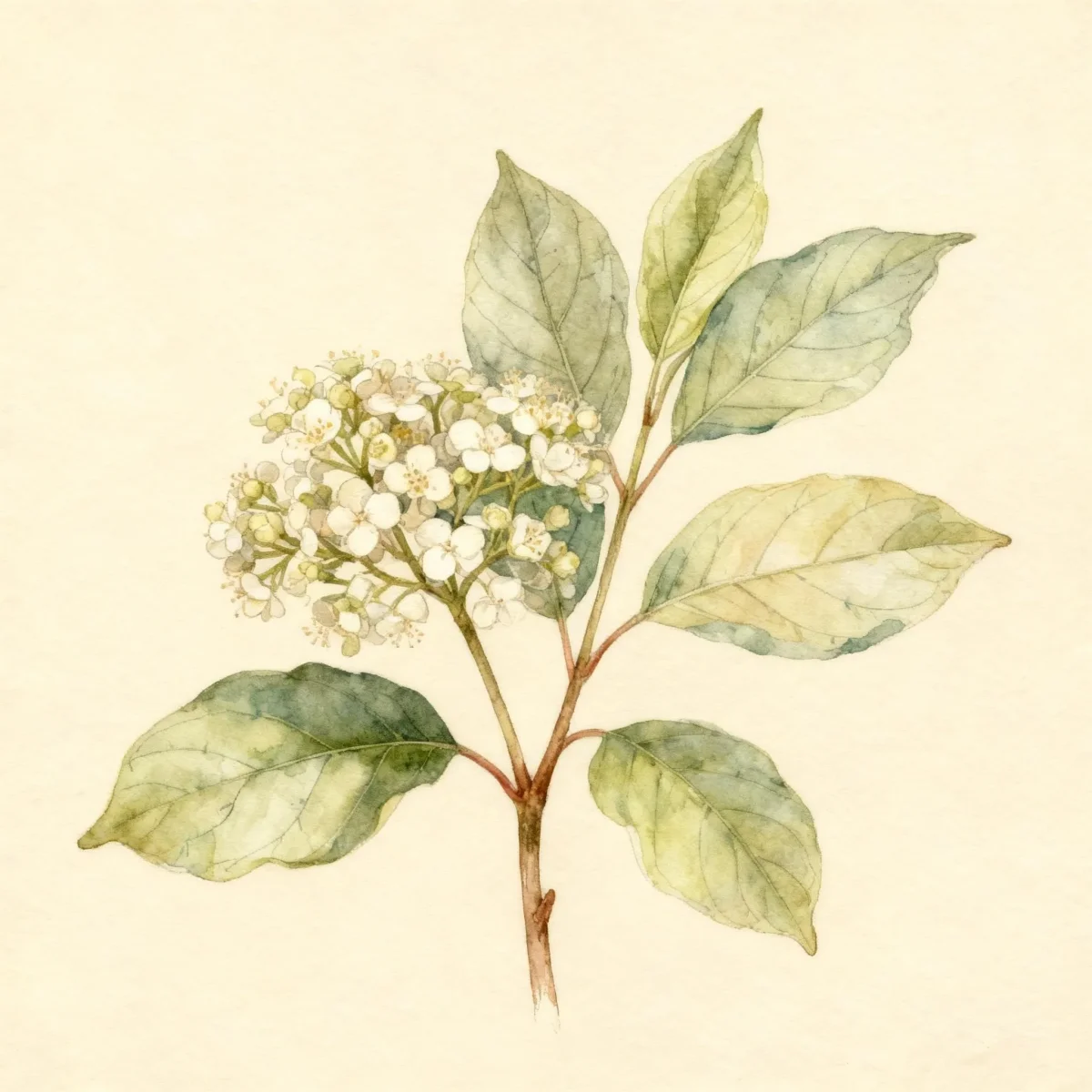
Viburnum × burkwoodii ‘Conoy’ is a densely-branched, multi-stemmed shrub, an introduction from the U.S. National Arboretum, best noted for its compact, spreading habit and glossy foliage compared to the species. It features fragrant, creamy white flowers borne in flat-topped umbels in April, followed by pendulous clusters of red drupes that ripen black. Its glossy dark green leaves turn maroon in fall but may remain evergreen in warmer USDA Zones 7 and 8.
Tolerances
- Drought
Potential Problems
This hybrid generally displays no serious insect or disease problems, contributing significantly to its low maintenance profile. Gardeners should remain vigilant for common viburnum issues, such as occasional scale or aphids, treating only if infestations become severe. Proper air circulation, achieved through appropriate spacing, helps prevent fungal issues like powdery mildew, though this cultivar is generally robust.
Frequently Asked Questions
What hardiness zones is Viburnum × burkwoodii ‘Conoy’ suitable for?
This reliable Burkwood viburnum is suitable for cultivation in USDA Hardiness Zones 5 through 8.
How large does Burkwood viburnum grow?
Viburnum × burkwoodii ‘Conoy’ typically matures to a height between 4 and 5 feet tall, spreading wider to 7 or 8 feet wide, maintaining a notably compact form.
When does Viburnum × burkwoodii ‘Conoy’ bloom?
This shrub produces its highly fragrant, creamy white blooms in April, providing excellent early-season fragrance and color.
What sun exposure does Burkwood viburnum need?
For the best display of flowers and foliage, plan to plant Viburnum × burkwoodii ‘Conoy’ where it receives full sun to partial shade conditions.
Conclusion
The Viburnum × burkwoodii ‘Conoy’ stands out as a superior landscape shrub due to its fragrant April flowers, manageable size, and low input requirements. This Burkwood viburnum provides elegant structure suitable for formal or informal settings alike. Before planting, confirm that your site falls within USDA Zones 5-8 and plan your installation during the ideal spring or fall window.
Companion Planting
Selecting appropriate neighbors is key to highlighting the attributes of Viburnum × burkwoodii ‘Conoy’. Since this viburnum prefers medium moisture and full sun to part shade, pair it with other adaptable, mid-sized shrubs like Dwarf Fothergilla or various Inkberry Holly cultivars (Ilex glabra) that share similar cultural needs. For spring garden interest beneath the canopy, consider low-growing, shade-tolerant perennials such as Hellebores or Japanese Forest Grass (Hakonechloa macra ‘Aureola’) to complement the glossy foliage.
Design Ideas
The compact, spreading nature of Viburnum × burkwoodii ‘Conoy’ makes it an excellent choice for creating formal, low-clipped hedges along walkways or property lines, offering better size control than many larger viburnums. When mass planted, it forms a textured screen that softens architectural lines. For a specimen planting, place it where its fragrant spring flowers can be easily appreciated, perhaps near windows or entryways, allowing its dense form to shine as a standalone feature.