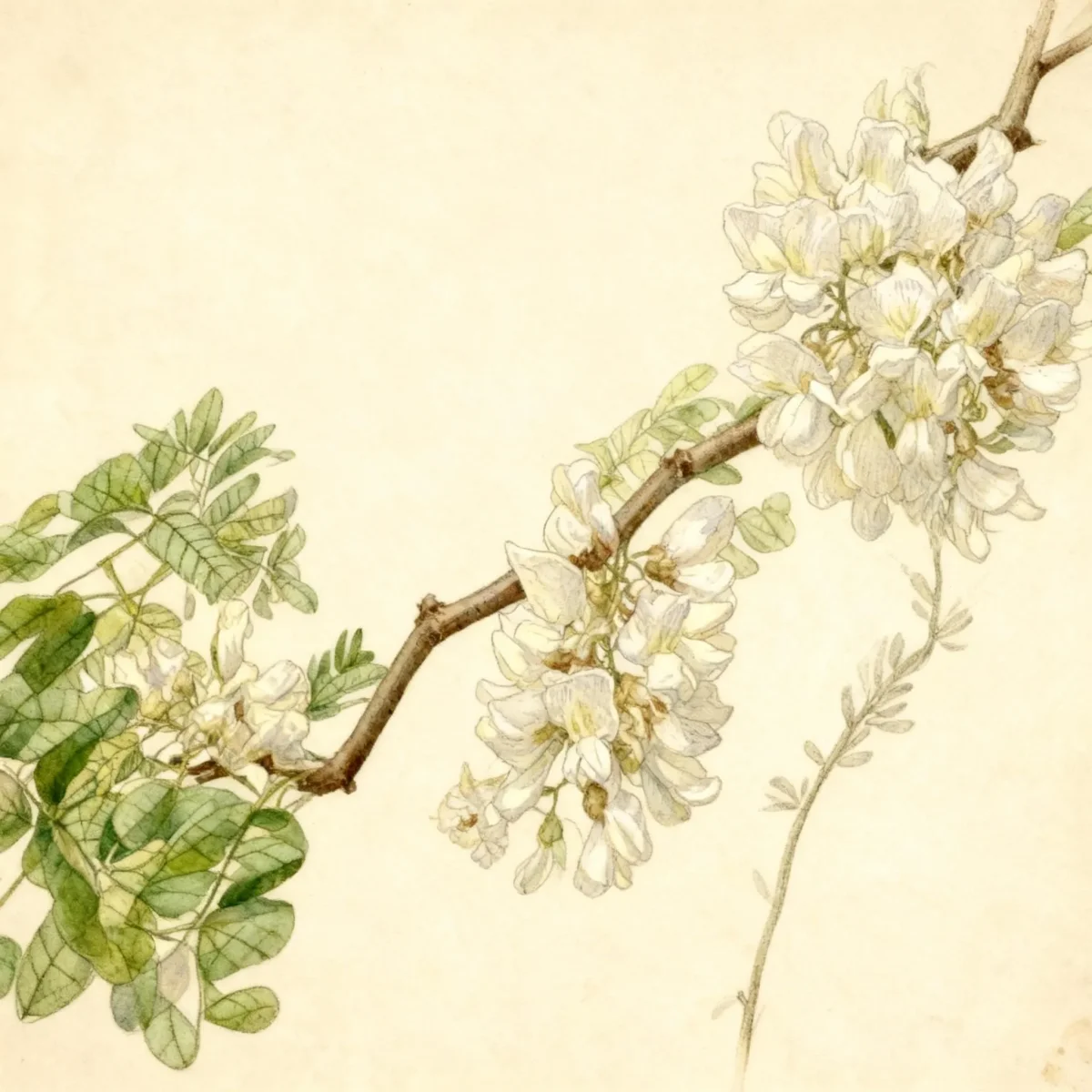
Persimmon (Diospyros virginiana 'Meader')
Diospyros virginiana 'Meader' Persimmon is a low-maintenance, self-fertile tree prized for edible fall fruit and durable form.
Scroll down to discover growing tips, care requirements, companion plants, and more
Complete Plant Information
Overview
The Diospyros virginiana ‘Meader’ cultivar offers gardeners an exceptionally manageable option within the American Persimmon lineage. Valued for its ornamental qualities, superior fruit production, and resilience, this tree is a worthwhile addition to many landscapes, especially where low maintenance is desired. The ‘Meader’ variety is specifically noted for being self-fertile, simplifying fruit production considerably compared to standard dioecious types.
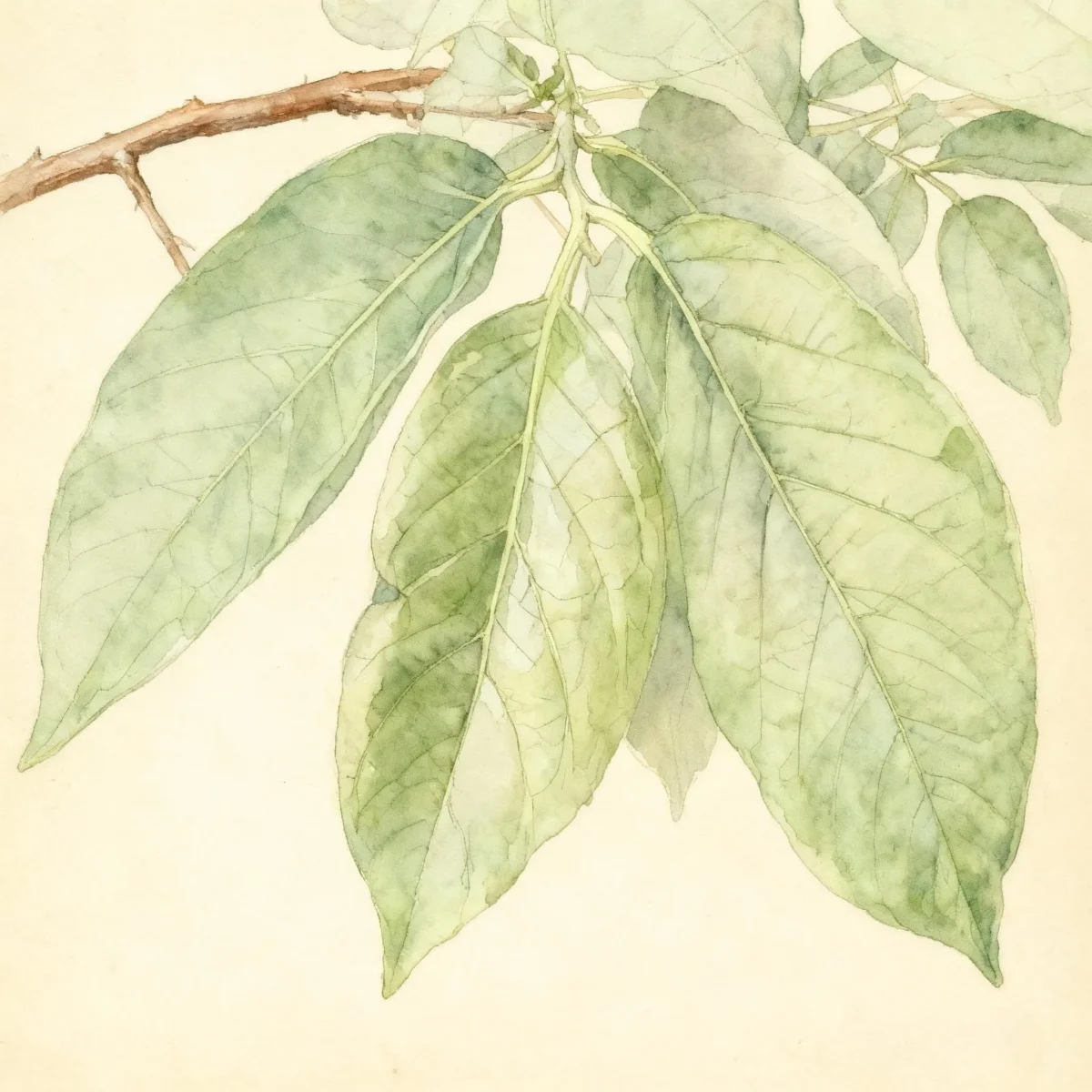
This deciduous tree features attractive, glossy foliage that transitions well into fall color before dropping, revealing distinctive, dark gray bark broken into attractive rectangular blocks—a key identifier even in winter. As a sturdy specimen, the Persimmon provides both aesthetic structure and practical benefits through its edible crop.
Growing reliably in tough conditions, the Diospyros virginiana ‘Meader’ is highly adaptable regarding soil type once established. Its low maintenance requirements combined with its dual function as an ornamental and a food source make it a standout choice for sustainable gardening practices.
Fast Facts
- Plant Family: Ebenaceae
- Plant Type: Tree
- Hardiness Zones: USDA Zones 4-9
- Size at Maturity:
- Height: 20-30 ft
- Spread: 15-20 ft
- Bloom Time: May to June
- Bloom Description: White to greenish-yellow
- Sun Exposure: Full sun to part shade
- Water Needs: Dry to medium
- Maintenance Level: Low
How to Grow
Planting Diospyros virginiana ‘Meader’ is best done in spring or fall when conditions are cooler, allowing the tree to establish its roots without the stress of summer heat. While this variety possesses a wide soil tolerance, aiming for average, dry to medium, well-drained soil will yield the best results. It adapts well to poor soils, reflecting its native persistence in glades and thickets, though it appreciates moist, sandy soils if available.
Maintenance for the Persimmon is generally low. Watering should be consistent until the tree is established; afterwards, it exhibits good drought tolerance. Fertilization is rarely necessary unless growth is severely stunted in extremely poor terrain. A key cultural note is that while standard persimmons often require a separate pollinator, the ‘Meader’ cultivar is self-fertile, ensuring fruit set even when planted alone.
Gardeners should be mindful of root suckers. Promptly remove any root suckers arising from the base if you wish to maintain a single-trunk specimen; otherwise, allowing them helps achieve a more naturalized effect over time. Foliage turns attractive shades of red and yellow in autumn, offering late-season visual interest.
Landscape Uses
The utility of Diospyros virginiana ‘Meader’ extends across various landscape roles, leveraging its manageable size and adaptability. It serves beautifully as an ornamental specimen tree where its structure and fall fruit add interest without overwhelming a space. Consider using it in Rain Gardens, as it performs well where drainage is adequate but moisture fluctuates, or in broader naturalized areas where its hardiness shines.
As a source of edible fruit, placing the Persimmon where the ripe harvest can be easily collected is practical. Whether clustered with other native woodland edge species or spaced as a singular focal point, its requirement for full sun promotes the best ripening. The wood itself is famously hard, making it a durable, long-lived feature in the garden design.
Because the fruit is best eaten when fully soft or processed, group plantings are less critical than for aesthetic screening. Focus on positioning it relative to pathways or patios if you plan to utilize the sweet, apricot-sized fruit that matures in the fall.
Standout Features
Fruit Qualities
- Showy
- Edible
Noteworthy Characteristics
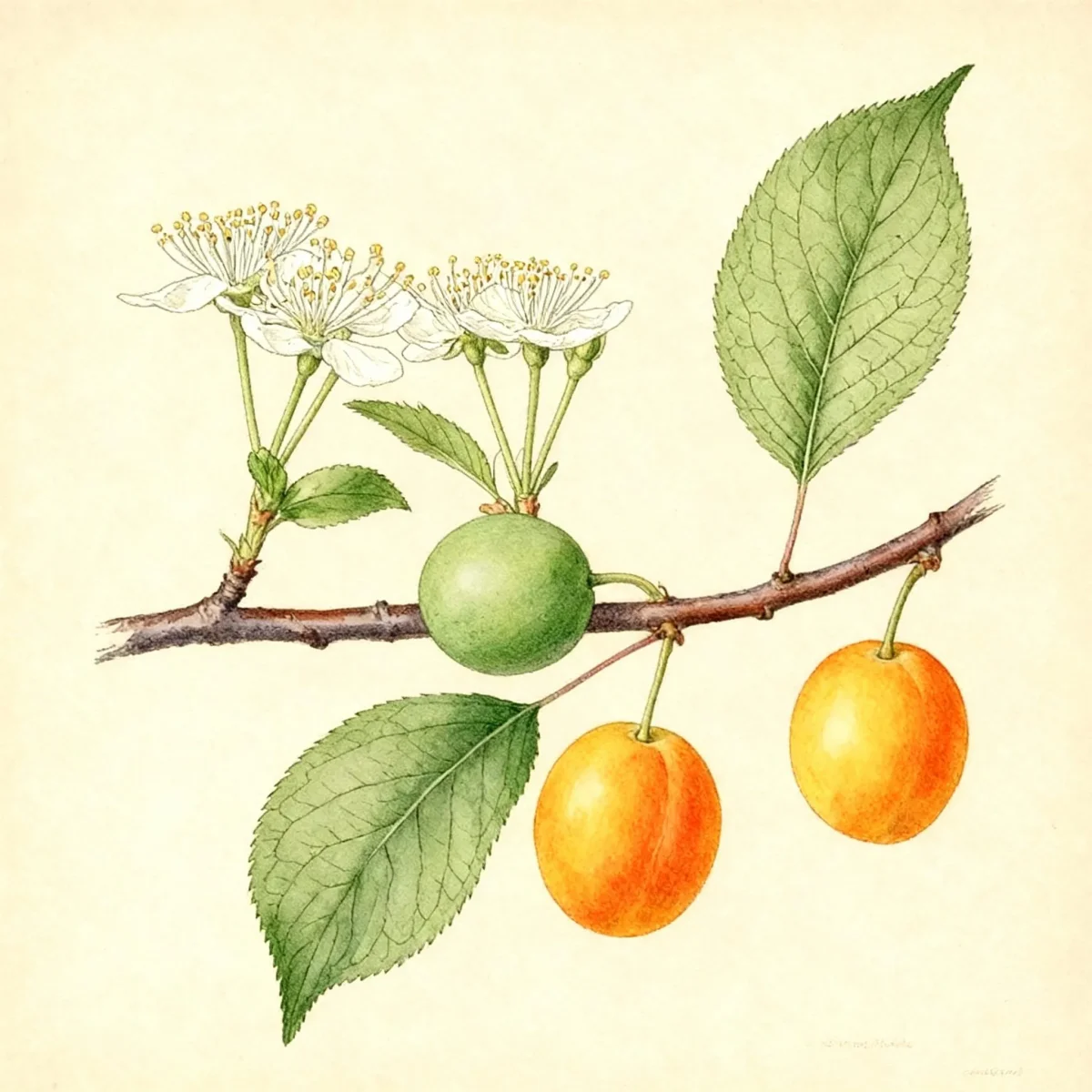
Diospyros virginiana, commonly called persimmon or American persimmon, is deciduous tree with a rounded oval crown that grows to 35-60’ tall. It is native from Connecticut to Kansas south to Florida and Texas. In Missouri, it typically occurs in rocky or dry open woods, limestone glades, prairies, thickets, abandoned fields and along roadsides (Steyermark). It is one of the easiest trees to identify in winter because of its distinctive thick, dark gray bark that is broken into rectangular blocks. Ovate to elliptic leaves (2-6” long) are glossy dark green above, and turn yellowish-green (infrequently reddish purple) in autumn. Fragrant, white to greenish-yellow flowers bloom in late spring, with the male flowers appearing in clusters and the female flowers appearing solitary. Plants are usually dioecious (separate male and female trees), but some trees have perfect flowers. Fruits are 1-2” in diameter and round to slightly flattened or oblong in shape. They mature in fall to an orange to reddish-purple color, and may persist on the tree into winter. The fruits are attractive to birds and other wildlife.Genus name comes from the Greek dios meaning divine and pyros meaning wheat or grain for this divine fruit.Specific epithet means of Virginia.‘Meader’ is a self-fertile cultivar (parthenocarpic) that produces seedless fruit if flowers are not pollinated. It typically grows to 30’ tall. It has superior ornamental qualities. Dark green foliage is attractive throughout the growing season before turning excellent shades of red and yellow in fall. Apricot-sized fruit (to 2” diameter) ripens in fall. ‘Meader’ was named after the late Elwin Meader of the University of New Hampshire
Tolerances
- Drought
- Clay Soil
- Dry Soil
- Shallow-Rocky Soil
- Air Pollution
Potential Problems
The Persimmon generally exhibits very few issues, making it highly sought after by low-input gardeners. There are generally no serious insect or disease problems associated with healthy specimens of Diospyros virginiana ‘Meader’. Occasionally, leaf spot may manifest, particularly in areas with prolonged moisture or high humidity.
If leaf spot appears, cultural adjustments are the primary control; ensure good air circulation around the tree and maintain proper soil drainage to reduce fungal pressure. Due to the low maintenance reputation of this cultivar, pesticides and fungicides are rarely necessary.
Frequently Asked Questions
What hardiness zones is Persimmon suitable for?
The adaptable Diospyros virginiana ‘Meader’ is suitable for USDA Hardiness Zones 4 through 9, offering flexibility across a wide climatic range.
How large does Diospyros virginiana ‘Meader’ grow?
This cultivar typically reaches a mature height between 20 and 30 feet, with an equivalent spread of 15 to 20 feet, creating a pleasant, rounded shape.
What sun exposure does Persimmon need?
For optimal growth and fruit production, the Persimmon performs best when situated in full sun, although it can tolerate part shade conditions.
When does Diospyros virginiana ‘Meader’ bloom?
Flowering occurs between May and June, producing small, inconspicuous white to greenish-yellow blooms.
Conclusion
The self-fertile Diospyros virginiana ‘Meader’ provides gardeners with an excellent combination of ornamental beauty and reliable edible harvest, all underlined by remarkable hardiness. Its ability to tolerate diverse soils, including clay and drought conditions, minimizes necessary intervention, keeping maintenance low. Before planting, confirm your local USDA zone overlaps with this tree’s reliable range of 4 to 9 for guaranteed long-term success.
Wildlife Benefits
The fruit produced by the Persimmon is a significant late-season food source for numerous wildlife species. As the vibrant, orange to reddish-purple fruits ripen in the fall, they attract birds and other animals, often persisting into winter, which provides crucial sustenance when other foraging options are scarce.
Attracting wildlife is a key benefit when incorporating this tree into an ecological landscape plan. Even though the fruits are astringent until fully ripe, their eventual sweetness makes them highly palatable once frost has occurred or the fruit has dropped. This interaction increases biodiversity in your yard.
Furthermore, the dense structure of the Diospyros virginiana ‘Meader’ offers excellent cover and nesting opportunities for smaller birds throughout the year, particularly beneficial when the tree retains its leaves well into the shoulder seasons.
Companion Planting
Due to the adaptability of the Persimmon, it pairs well with a variety of sturdy, native landscape companions that share similar cultural requirements for sun and soil drainage. Consider planting it near native grasses that thrive in dry to medium conditions, adding textural contrast to the lower canopy.
When designing a low-maintenance border, species that tolerate Clay Soil and Shallow-Rocky Soil, such as certain coneflowers or native asters, can serve as excellent groundcovers beneath the Diospyros virginiana ‘Meader’. Avoid overly vigorous herbaceous plants that might compete aggressively for moisture in its early establishment phase.
This tree also integrates well near specialized garden features like Rain Gardens, provided the planting bed offers adequate aeration. Ensure companion plants do not require constant supplemental watering, as the mature Persimmon prefers conditions to dry out somewhat between rains.