Witch hazel (Hamamelis × intermedia 'Aurora')
Hamamelis × intermedia 'Aurora' Witch hazel offers stunning, fragrant winter blooms with ribbon-like yellow petals. Low maintenance, shade tolerant.
Scroll down to discover growing tips, care requirements, companion plants, and more

Complete Plant Information
Overview
The Hamamelis × intermedia ‘Aurora’ stands out as a highly desirable specimen, primarily due to its spectacular mid-winter flowering display, providing essential color when little else is blooming. As a type of Witch hazel, it is noted for its spidery, often fragrant flowers that appear before the new foliage emerges. This hybrid brings together the best traits of Japanese and Chinese witch hazels, resulting in a robust, upright-spreading shrub perfect for brightening the dormant winter garden.
Cultivating Hamamelis × intermedia ‘Aurora’ is generally straightforward, requiring low maintenance once established and thriving in a variety of conditions, though full sun maximizes flower production. The resulting shrub offers structure throughout the year, culminating in a reliable annual show of deep yellow, ribbon-like petals. With moderate water needs and inherent tolerance for deer and clay soils, this Witch hazel is a practical and beautiful addition to many landscapes.
This particular cultivar is celebrated for having perhaps the largest flowers found on any witch hazel variety. Planting Hamamelis × intermedia ‘Aurora’ ensures year-round interest, moving from bare-stem winter color to attractive green foliage that provides good fall color before dropping.
Fast Facts
- Plant Family: Hamamelidaceae
- Plant Type: Deciduous shrub
- Hardiness Zones: USDA Zones 5-8
- Size at Maturity:
- Height: 10-12 ft
- Spread: 10-12 ft
- Bloom Time: January to March
- Bloom Description: Yellow petals with orange at the base
- Sun Exposure: Full sun to part shade
- Water Needs: Medium
- Maintenance Level: Low
How to Grow
The best time for planting Hamamelis × intermedia ‘Aurora’ is typically in the spring or fall when the plant is dormant, allowing it to establish roots before summer heat stress. Site this Witch hazel where it receives full sun for the most profuse flowering, although it tolerates part shade. It thrives in average, medium moisture, well-drained soils, preferring those that are acidic and organically rich for best performance.
Consistent moisture is crucial for a strong, healthy plant; allow summer droughts to be avoided, as this can lead to leaf scorch. While this shrub has some tolerance for clay soils, excellent drainage is mandatory. Maintenance is generally low, but gardeners should promptly remove any root suckers that emerge, especially those rising below the graft union, to maintain the desired cultivar shape.
Pruning should be done in the spring immediately after the shrub finishes flowering. Use this time to control its overall shape and size, removing any crossing or dead branches. Focus on maintaining good air circulation and an open structure to best display those spectacular winter blossoms.
Landscape Uses
The enduring appeal of Hamamelis × intermedia ‘Aurora’ lies in its function as a structure-providing focal point during the coldest months. It serves as a superior winter-flowering specimen, drawing the eye when the garden is otherwise muted. While it works perfectly as a striking standalone specimen, its capacity to reach 10 to 12 feet in height and spread makes it highly effective when used in shrub borders or planted in masses for a tall hedge or natural screen.
Consider placing the Hamamelis × intermedia ‘Aurora’ where its winter display can be easily viewed from a window or pathway. It integrates well into woodland garden settings, benefiting from the rich, moist soils typical of these areas. While primarily a winter interest plant, its foliage offers good yellow tones in autumn, bridging the gap between summer color and winter structure.
Standout Features
Flower Qualities
- Showy
- Fragrant
Noteworthy Characteristics
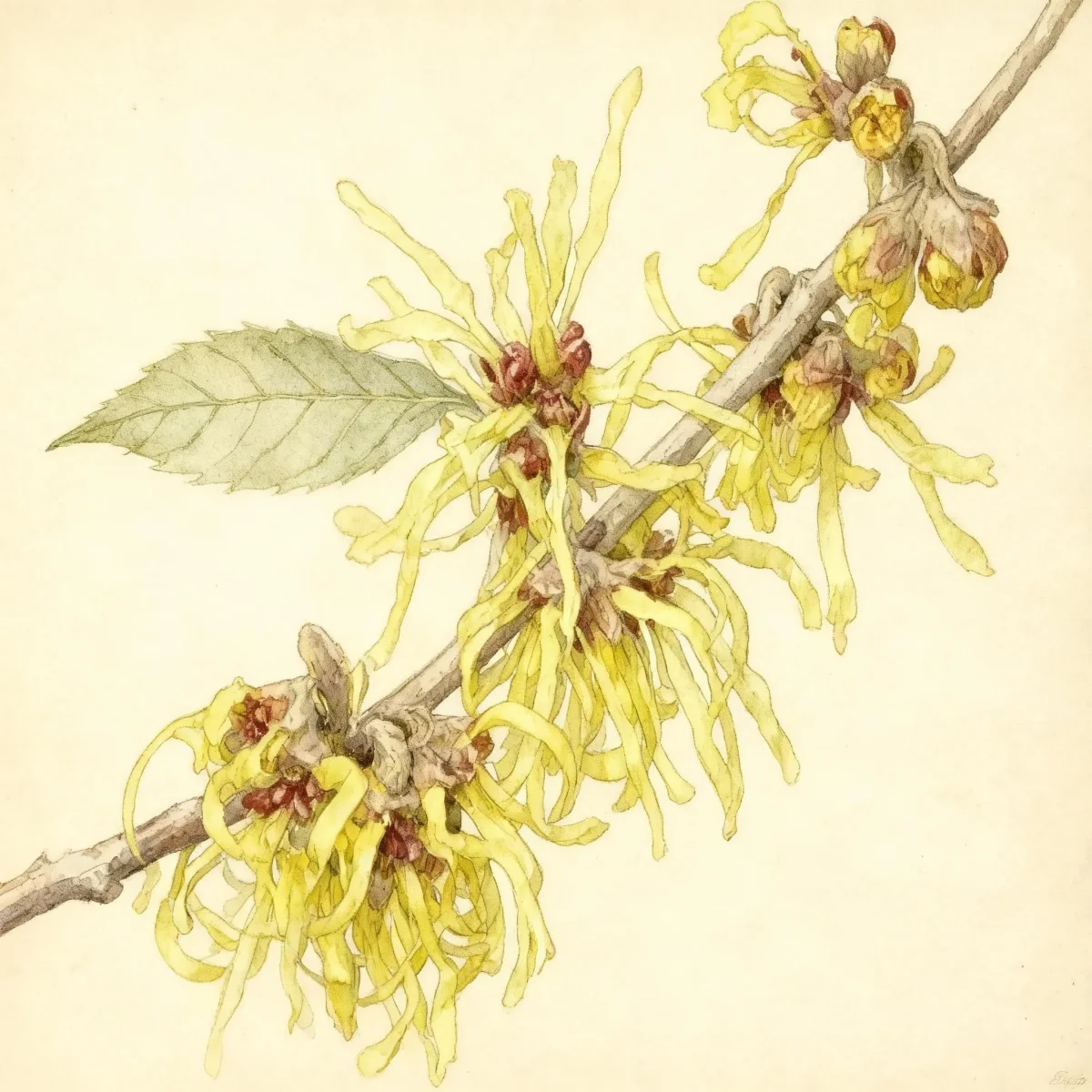
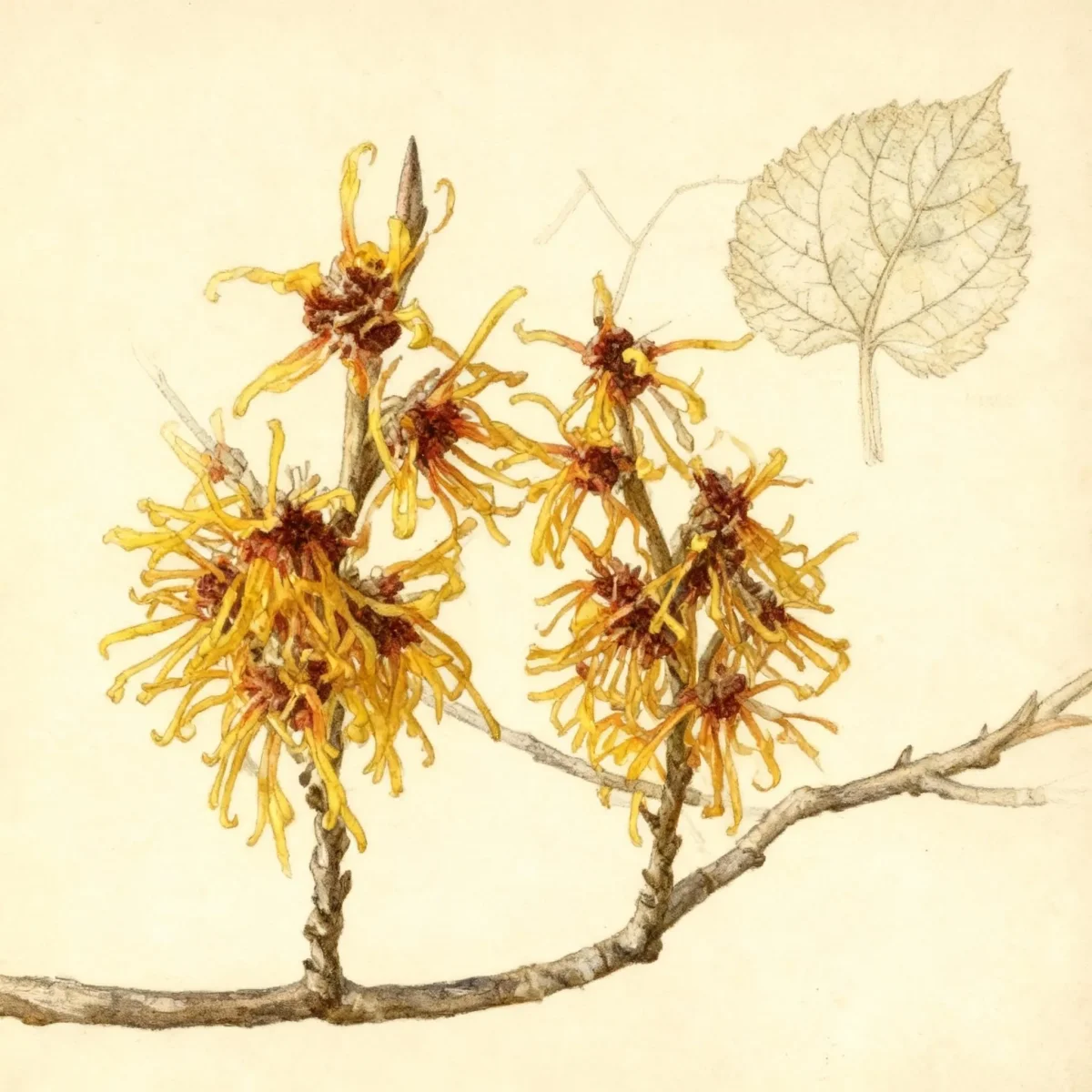
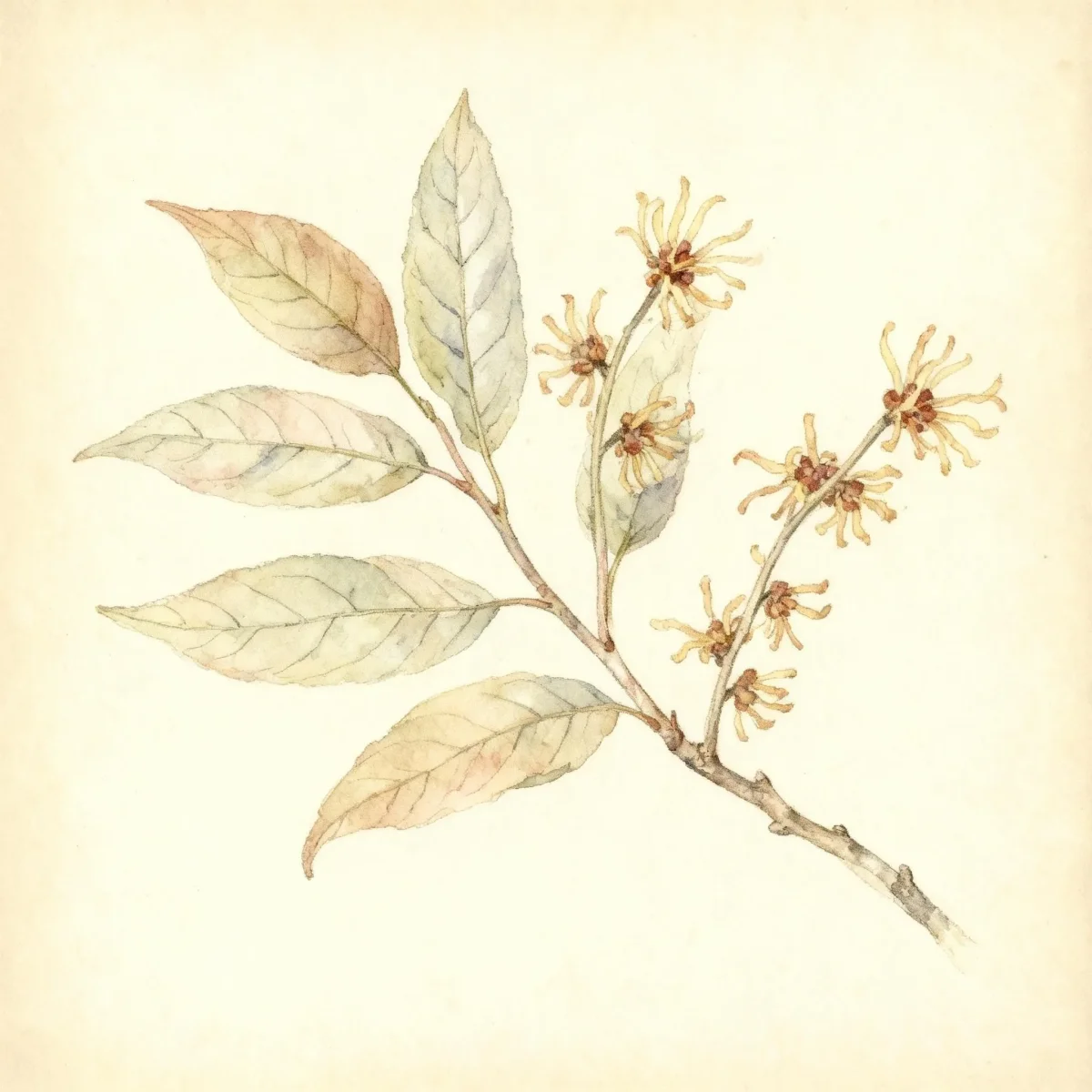
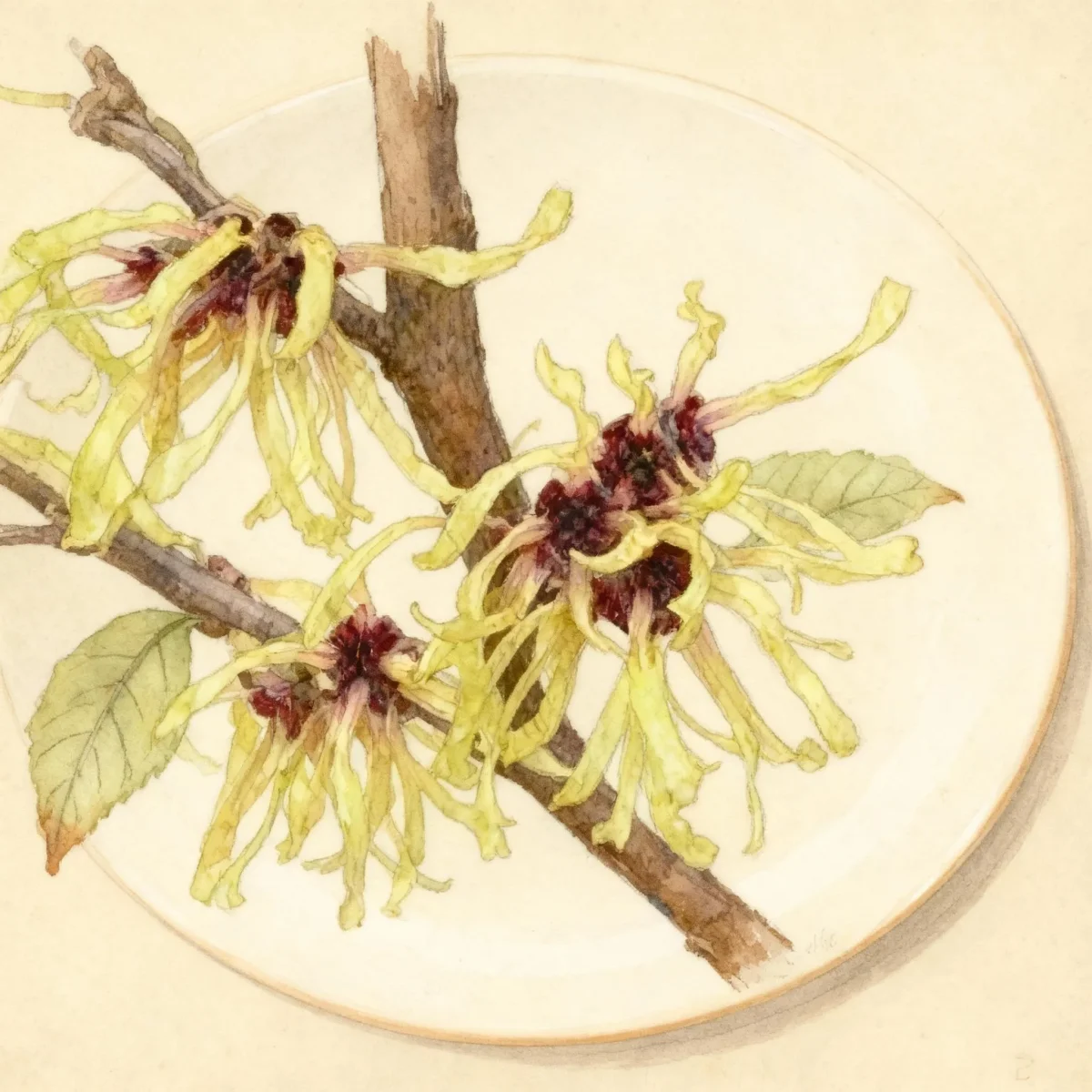
Hamamelis × intermedia hybrids are crosses between Japanese witch hazel (H. Japonica) and Chinese witch hazel (H. Mollis), yielding coarse, loosely-branched deciduous shrubs noted for spidery, fragrant mid- to late-winter flowers. The ‘Aurora’ cultivar is specifically recognized for having bright yellow flowers, perhaps the largest of any witch hazel, which bloom along bare stems from mid- to late winter. These flowers feature four narrow, ribbon-like yellow petals tinged with orange at the base, providing welcome color during dormancy.
Tolerances
- Deer
- Erosion
- Clay Soil
Potential Problems
While generally low-maintenance, Hamamelis × intermedia ‘Aurora’ can occasionally face minor insect or disease pressures. Foliage may sustain minor chewing damage from caterpillars or Japanese beetles during the growing season. Gardeners should also watch for potential pests like gall aphids, scale, leafrollers, and leafminers.
Fungal issues common to witch hazel include powdery mildew and occasional leaf spots or rots. Fortunately, insect and disease issues are typically not severe and rarely necessitate chemical intervention. Maintaining good air circulation through proper pruning helps minimize fungal outbreaks.
Frequently Asked Questions
What hardiness zones is Witch hazel suitable for?
Hamamelis × intermedia ‘Aurora’ is well-suited for USDA Hardiness Zones 5 through 8.
How large does Hamamelis × intermedia ‘Aurora’ grow?
This deciduous shrub typically matures to a height between 10 and 12 feet, with a spread of 10 to 12 feet wide.
What sun exposure does Witch hazel need?
For the absolute best flowering performance, plant Hamamelis × intermedia ‘Aurora’ in full sun, though it can successfully grow in areas receiving part shade.
When does Witch hazel bloom?
This plant provides crucial color from January to March, featuring yellow petals that have an orange tinting at the base.
Conclusion
The Hamamelis × intermedia ‘Aurora’ offers unparalleled value as a centerpiece plant, supplying highly showy and fragrant blooms during the bleakest part of the year. Planting this low-maintenance Witch hazel leverages its excellent structural form and established hardiness in zones 5-8. Assess your site conditions, ensuring adequate moisture and sun exposure, to enjoy the spectacular reward of this exceptional winter-flowering shrub.
Companion Planting
When planning a garden around your Hamamelis × intermedia ‘Aurora’, focus on companions that either offer contrasting late-season interest or thrive in similar acidic, moist, well-drained soil conditions. Good companions include early-blooming bulbs like snowdrops (Galanthus) or winter aconite (Eranthis hyemalis) which emerge concurrently with the witch hazel’s bloom. For evergreen structure against the winter display, consider planting shorter rhododendrons or hollies, as they appreciate the slightly acidic soil that witch hazel prefers.
Seasonal Care Calendar
Spring is the ideal time for any necessary pruning of Hamamelis × intermedia ‘Aurora’, tackling size control or shaping immediately after flowering concludes. During the summer months, pay close attention to watering, ensuring consistent moisture, especially during dry spells, to prevent leaf scorch. In the fall, rake away fallen debris, though fertilization is rarely required given the low maintenance nature of this shrub; if soil amendments are needed, apply them lightly in early spring before new growth begins.