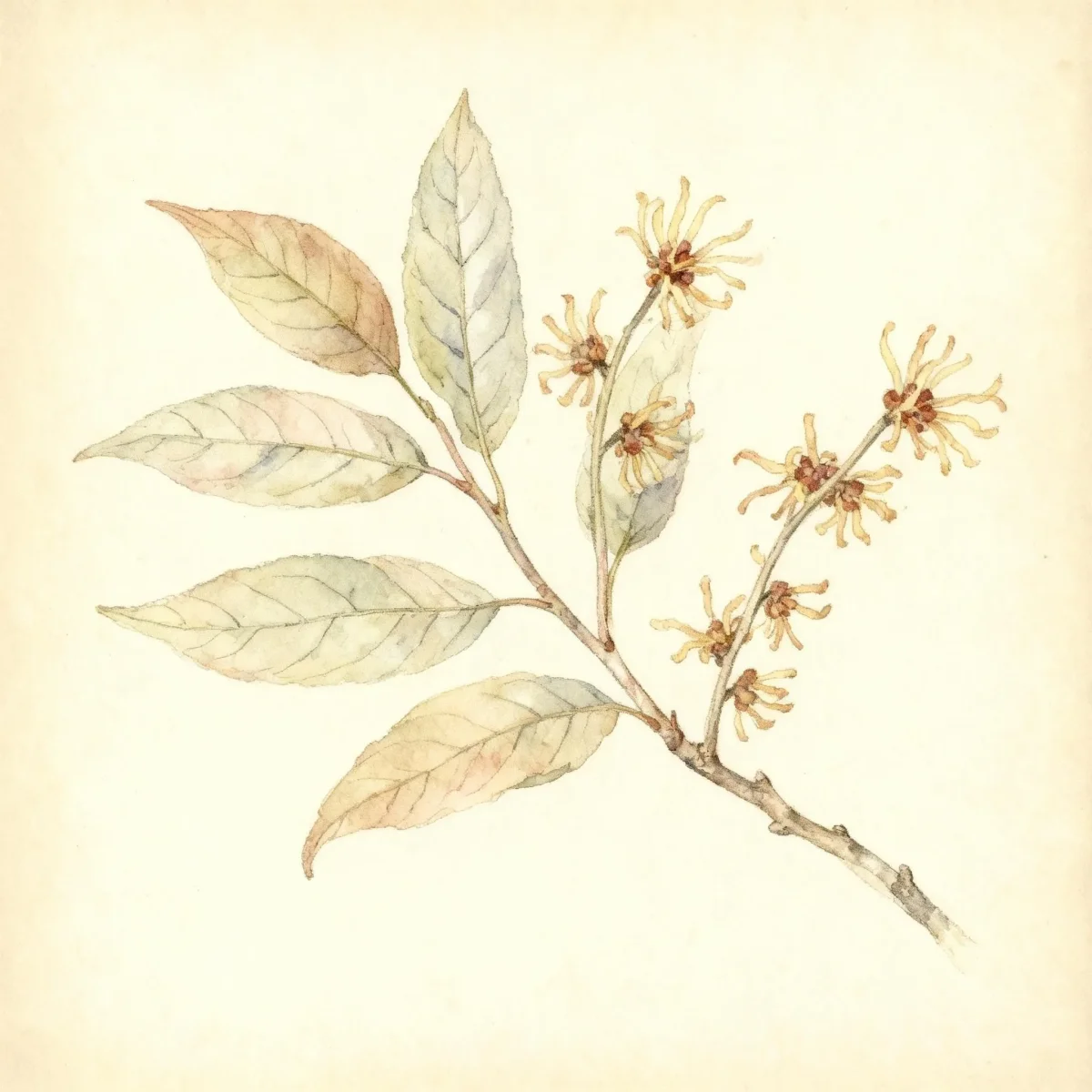
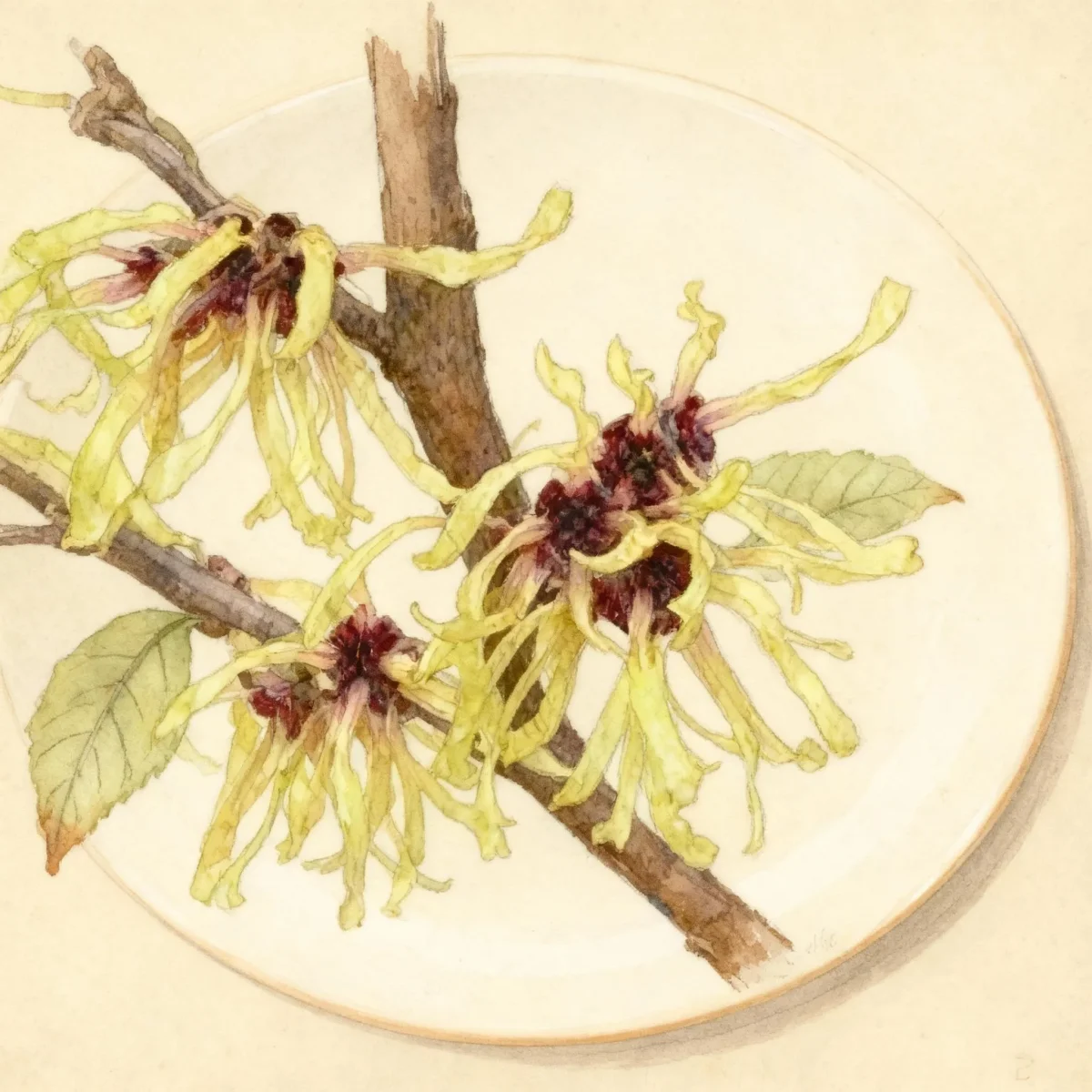
Witch hazel (Hamamelis × intermedia 'Doerak')
Hamamelis × intermedia 'Doerak' offers unique yellow, fragrant winter blooms, thriving as a low-maintenance landscape shrub.
Scroll down to discover growing tips, care requirements, companion plants, and more
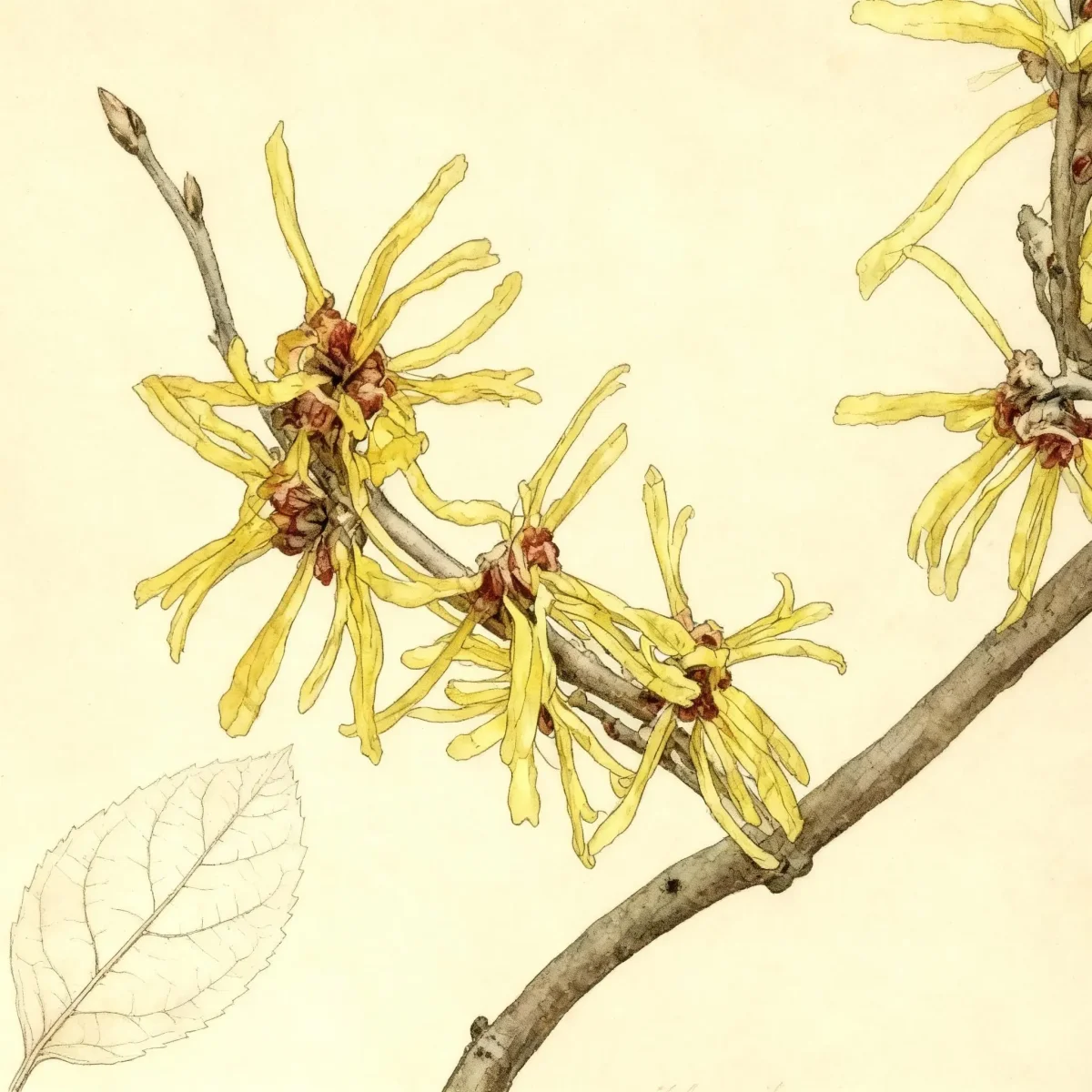
Complete Plant Information
Overview
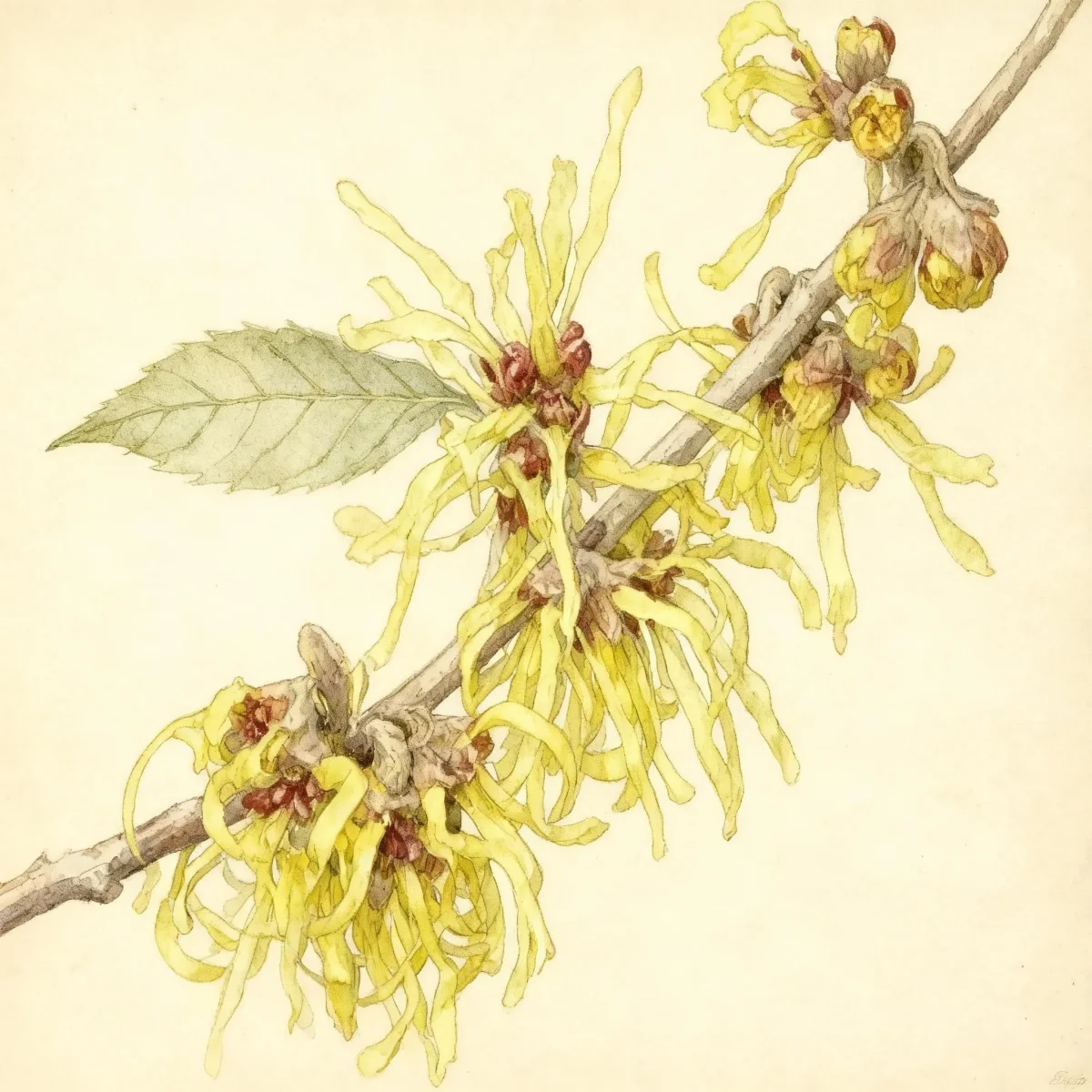
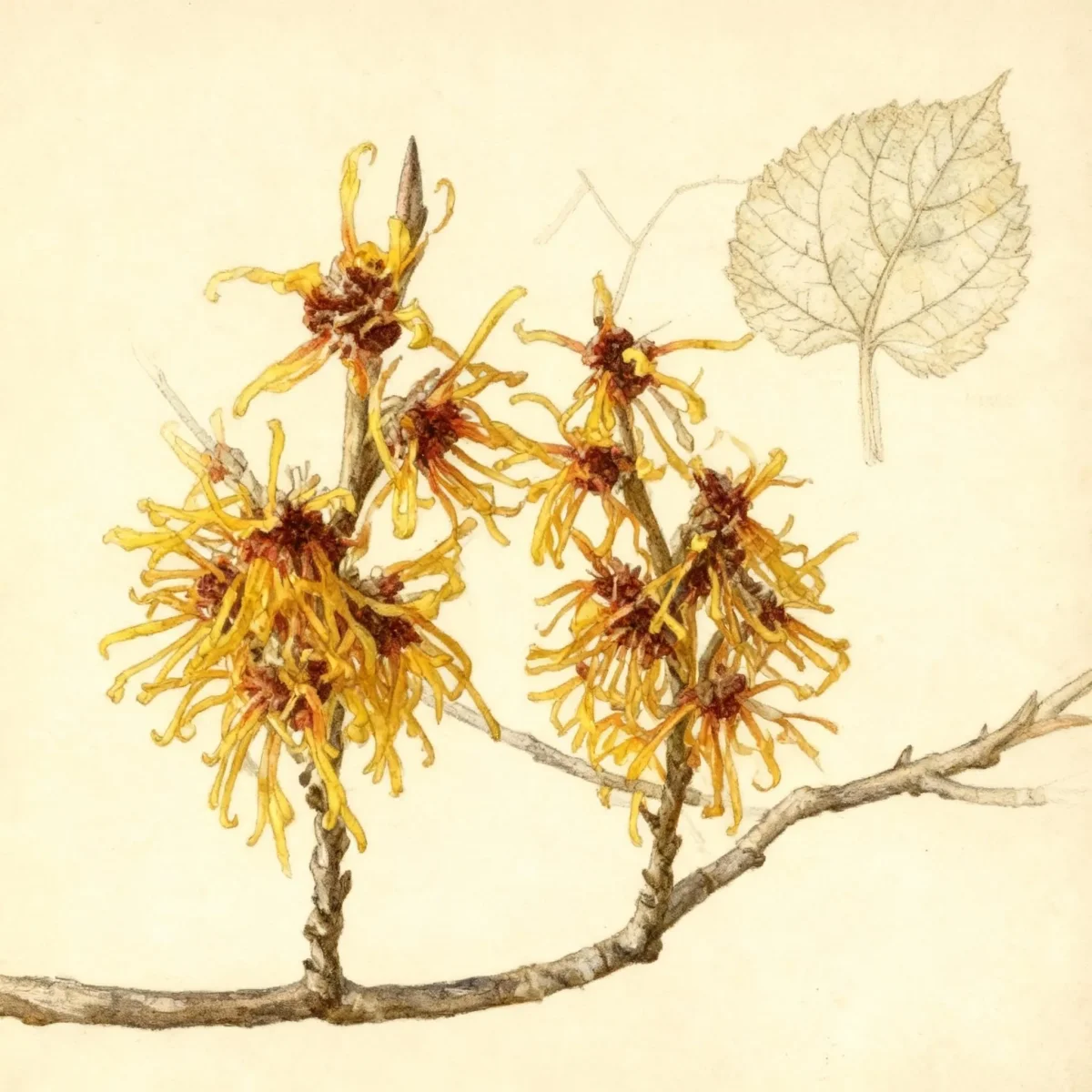
The Hamamelis × intermedia ‘Doerak’ is a highly valued deciduous shrub, celebrated primarily for providing critical beauty during the late winter landscape doldrums. This cultivar, a type of Witch hazel, features striking, spidery yellow flowers that ignite the garden months before most other woody plants begin to stir. Belonging to the Hamamelidaceae family, this hybrid contributes significant aesthetic interest when its foliage has dropped.
These shrubs mature into a rounded mound, offering substantial structure and year-round presence in the garden. Aside from its spectacular early bloom, Hamamelis × intermedia ‘Doerak’ is cherished for its low maintenance requirements and adaptability to various soil situations, making it a practical choice for medium to large landscape applications. Its flowers often carry a pleasant fragrance, enhancing the winter garden experience.
As a strong performer, the Witch hazel provides excellent structure in shrub borders or as a specimen planting where its winter flowers can be fully appreciated. Its ability to tolerate deer and erosion, coupled with a low need for intervention, establishes Hamamelis × intermedia ‘Doerak’ as a resilient and rewarding addition to the winter garden tapestry.
Fast Facts
- Plant Family: Hamamelidaceae
- Plant Type: Deciduous shrub
- Hardiness Zones: USDA Zones 5-8
- Size at Maturity:
- Height: 7-9 ft
- Spread: 7-9 ft
- Bloom Time: January to March
- Bloom Description: Yellow petals
- Sun Exposure: Full sun to part shade
- Water Needs: Medium
- Maintenance Level: Low
How to Grow
Planting your Hamamelis × intermedia ‘Doerak’ is best accomplished in the fall or early spring. Ensure the location provides full sun for the most abundant flowering, though it tolerates part shade. This Witch hazel thrives in average, medium moisture, well-drained soils. It prefers consistently moist, organically rich, and slightly acidic conditions; be warned that summer drought can lead to leaf scorch.
Maintenance for this shrub is generally low. While it shows some tolerance for clay soils, excellent drainage remains paramount to root health. Water consistently, especially during establishment and dry spells to maintain soil moisture. Fertilization is rarely necessary if the soil is rich, but spring pruning after flowering is recommended to control shape and size.
A crucial maintenance task for Hamamelis × intermedia ‘Doerak’ is monitoring the base of the plant. Promptly remove any root suckers that appear, particularly those rising from below the graft union, to maintain the integrity of the desired cultivar. Since disease and pest pressure is typically minor, chemical control is rarely required.
Landscape Uses
The Hamamelis × intermedia ‘Doerak’ excels as a superior winter-flowering shrub, making it an ideal choice for areas visible from windows or seating areas during colder months. It functions beautifully planted in shrub borders where it can showcase its unusual, spidery yellow blooms against evergreen backdrops. When sited for impact, it serves as an outstanding specimen plant.
For larger properties or screening needs, this Witch hazel can be effectively utilized in a tall hedge arrangement, providing deciduous structure through winter and significant visual interest in late winter. Its tolerance for erosion makes it suitable for sloped sites where its root system can help stabilize the soil while offering seasonal color. This hybrid blends well with early-blooming spring bulbs positioned at its base.
Standout Features
Flower Qualities
- Showy
- Fragrant
Noteworthy Characteristics
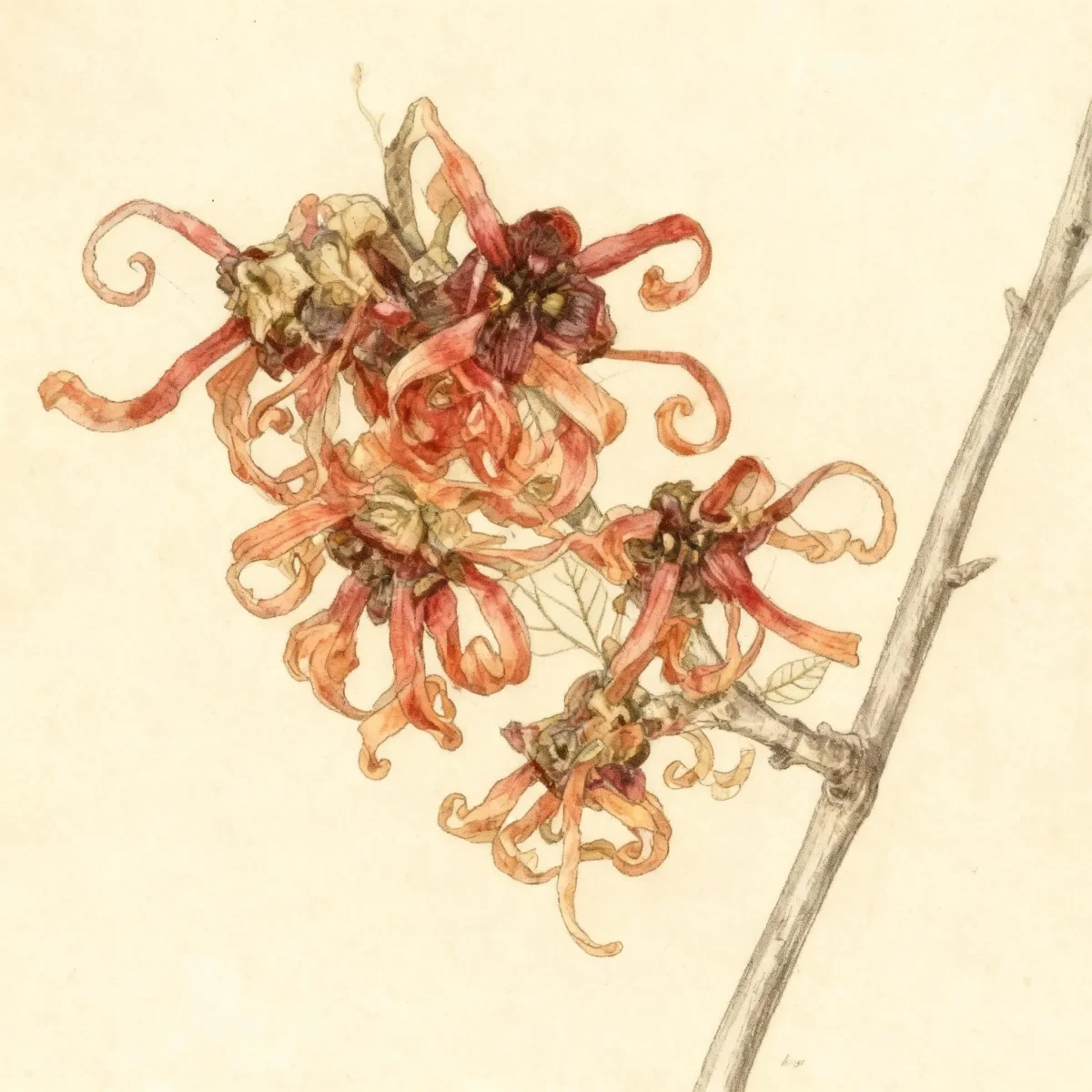
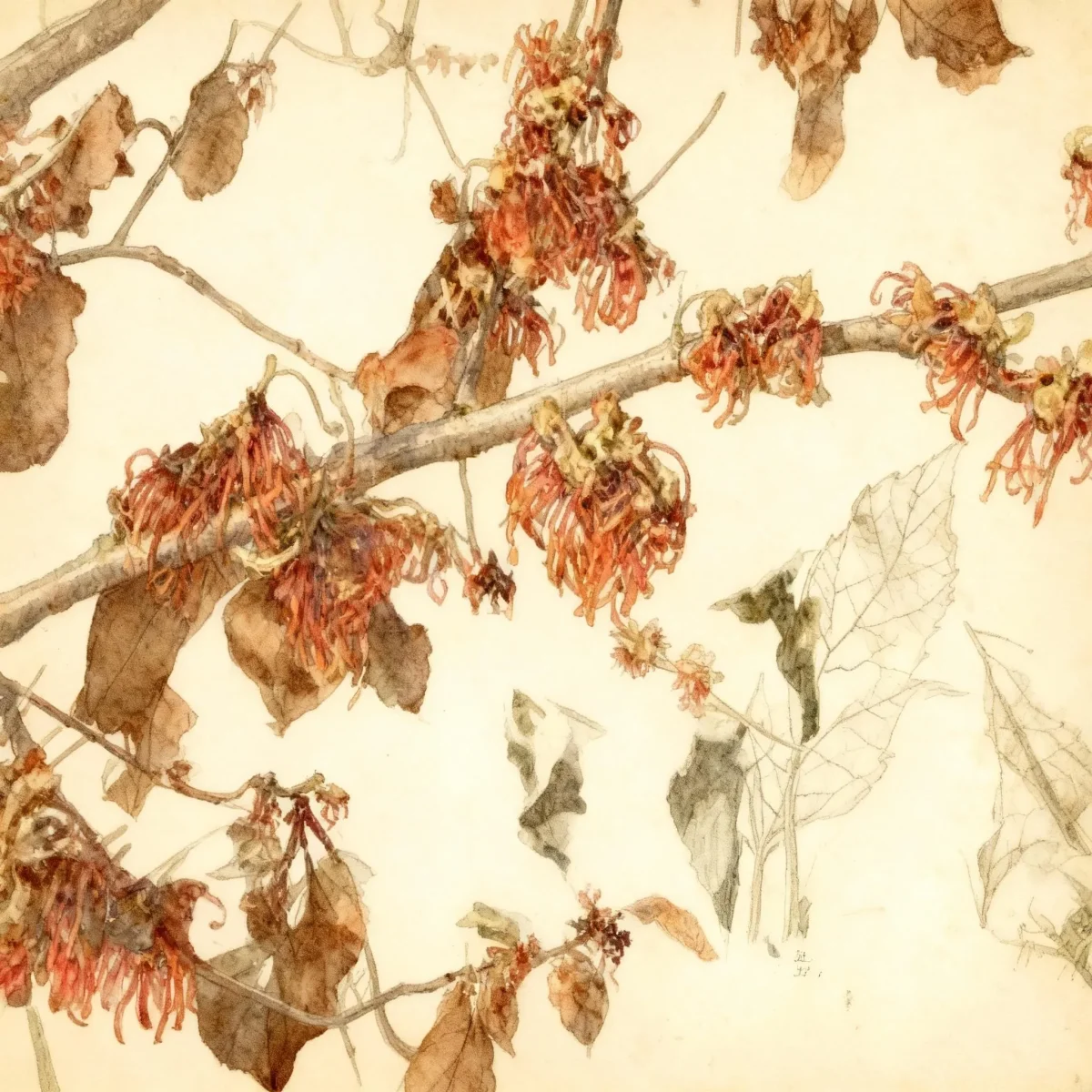
Hamamelis × intermedia hybrids are distinguished by their spidery, fragrant mid- to late-winter flowers appearing before the leaves emerge. The specific cultivar ‘Doerak’ showcases bright yellow, ribbon-like petals contrasting with a maroon-red calyx, maturing typically into a rounded mound between 7 to 9 feet tall and wide. While generally classified as an intermedia, its exact lineage is sometimes debated by botanical authorities.
Tolerances
- Deer
- Erosion
- Clay Soil
Potential Problems
Insect issues for the Witch hazel are generally minor, though gardeners should inspect foliage for potential chewing damage from caterpillars and Japanese beetles. Watch for sap-sucking pests such as gall aphids, scale insects, leafrollers, or leafminers, though these rarely necessitate aggressive intervention. The most common cultural issues involve fungal diseases like powdery mildew or occasional leaf spots, which are often managed naturally by ensuring good air circulation and avoiding overhead watering late in the day.
Frequently Asked Questions
What hardiness zones is Witch hazel suitable for?
The Hamamelis × intermedia ‘Doerak’ is reliable in USDA Hardiness Zones 5 through 8.
How large does Hamamelis × intermedia ‘Doerak’ grow?
This cultivar typically matures to a height and spread of 7 to 9 feet, forming a rounded shape.
When does Witch hazel bloom?
Flowering occurs from January through March, featuring its characteristic yellow petals before new foliage appears.
What sun exposure does Hamamelis × intermedia ‘Doerak’ need?
Optimal blooming occurs in full sun, although this Witch hazel will tolerate partial shade.
Conclusion
The Hamamelis × intermedia ‘Doerak’ brings unmatched winter spectacle to the landscape with its showy, fragrant yellow flowers. As a robust, low-maintenance shrub recognized for its ornamental qualities and soil tolerance, this Witch hazel is a reliable performer. Ensure you check your local USDA zone compatibility before planting this exceptional specimen or hedge plant this coming season.
Companion Planting
Selecting appropriate companions enhances the winter impact of this Witch hazel. Plant early-blooming bulbs such as Snowdrops (Galanthus) or Winter Aconite (Eranthis hyemalis) near the base; these emerge simultaneously with or slightly before the ‘Doerak’ blooms, creating carpets of early color under the bright yellow spidery flowers. For evergreen contrast throughout the year, consider pairing Hamamelis × intermedia ‘Doerak’ with dark-needled conifers like upright yews or dwarf Japanese black pines, which make the winter flowers pop even more dramatically.
Seasonal Care Calendar
Late winter (January–March) is peak appreciation time for this Witch hazel; avoid pruning during this period to preserve flower buds. Spring, immediately after flowering concludes, is the correct time for any necessary shaping or size reduction; this allows the shrub to set next year’s buds on new wood. During the summer months, monitor moisture levels closely, especially during hot, dry spells, as consistent moisture prevents leaf scorch, which can detract from late-season appearance. Fall is generally hands-off except for removing any debris or fallen leaves to minimize potential overwintering sites for disease spores.