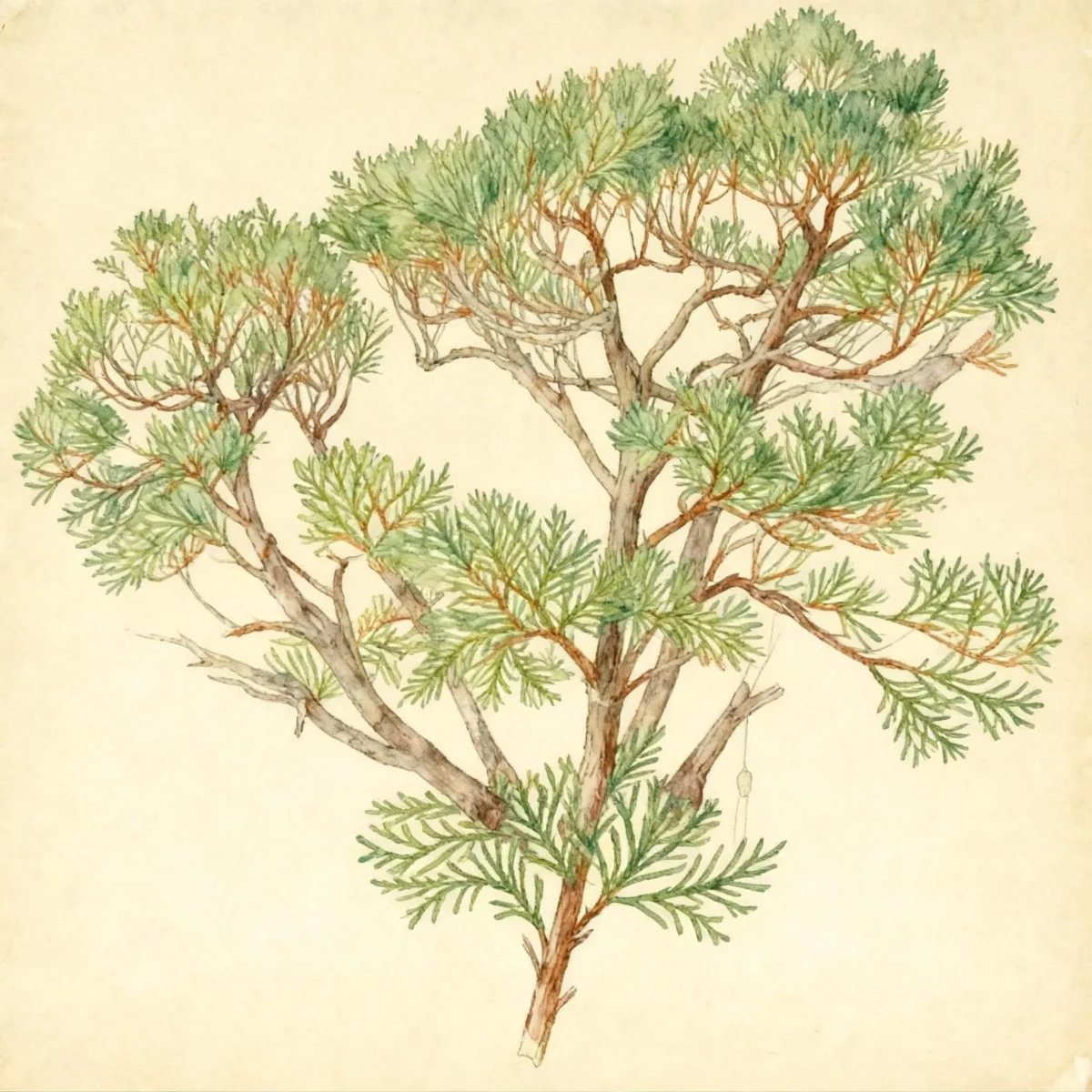
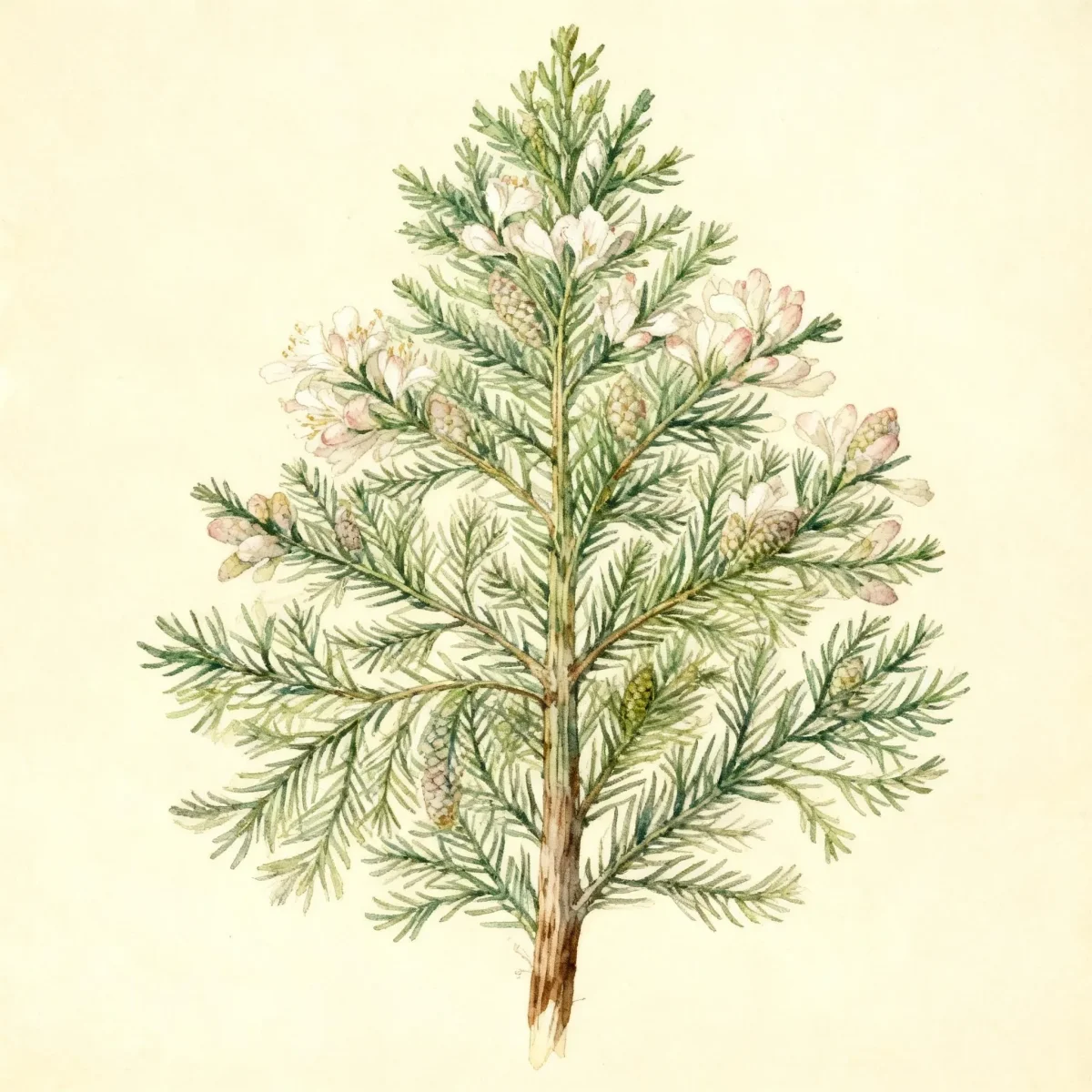
Juniper (Juniperus × pfitzeriana 'Daub's Frosted')
Juniperus × pfitzeriana 'Daub's Frosted' is a low-spreading, needled evergreen Juniper valued for its frosted blue-green foliage. Hardy Zones 4-9.
Scroll down to discover growing tips, care requirements, companion plants, and more
Complete Plant Information
Overview
Juniperus × pfitzeriana ‘Daub’s Frosted’ is a highly desirable, low-spreading needled evergreen shrub that provides excellent year-round color and texture. This specific cultivar of Juniper brightens the garden with unique two-toned foliage, where bright yellow new growth contrasts beautifully against the mature blue-green needles. As a tough, low-maintenance plant, this Juniper is invaluable for groundcover applications or softening foundation plantings throughout its wide hardiness range.
This compact Juniper is celebrated for its adaptability and resilience in challenging conditions, making it a staple for low-input landscapes. Its easygoing nature means that Juniperus × pfitzeriana ‘Daub’s Frosted’ thrives with minimal intervention once established, offering reliable structure even in poor soils. Gardeners often select this variety for its effective visual interest and dependable, spreading habit.
The overall effect of Juniperus × pfitzeriana ‘Daub’s Frosted’ is a dense, ground-hugging mat of frosted color. It successfully combines the durability expected of a good Juniper with superior aesthetic qualities, making it a functional powerhouse in foundation plantings or rock gardens.
Fast Facts
- Plant Family: Cupressaceae
- Plant Type: Needled evergreen
- Hardiness Zones: USDA Zones 4-9
- Size at Maturity:
- Height: 1-2 ft
- Spread: 3-6 ft
- Bloom Time: Non-flowering
- Bloom Description: Non-flowering
- Sun Exposure: Full sun
- Water Needs: Medium
- Maintenance Level: Low
How to Grow
Plant Juniperus × pfitzeriana ‘Daub’s Frosted’ in the spring or fall after the danger of hard frost has passed. Select a location that receives consistent full sun, as low light conditions can thin the desirable frosted foliage. This specific Juniper variety is easily grown in average, well-drained soils, but it demonstrates remarkable tolerance for various conditions, including clay soil structures.
Water newly planted specimens regularly to establish a deep root system. Once fully established, this Juniper exhibits significant drought tolerance, aligning with its medium water needs—aim for consistent moisture but never allow the soil to become waterlogged. This plant is intolerant of wet soils and drainage must be excellent to prevent root rot issues common to junipers in poor sites.
Maintenance for this Juniper is inherently low. While pruning is generally unnecessary to maintain its natural, low-spreading habit, light shearing can be employed if needed to keep the form compact or tidy the shape. Be mindful that this variety handles many city air pollutants well, making it a practical choice for urban and suburban gardens.
Landscape Uses
The low, spreading profile of Juniperus × pfitzeriana ‘Daub’s Frosted’ makes it an exceptional choice for wide applications where a tough ground cover or foundation accent is required. Its texture and color contrast beautifully against broadleaf evergreens or deciduous shrubs. Use it effectively cascading over retaining walls or establishing texture in dry, sunny slopes where erosion control is a concern.
This Juniper shines in rock gardens, softening hardscaping elements with its frosted, horizontal spread. It works ideally as a very low hedge bordering walkways or as an expansive, maintenance-free ground cover between larger specimen trees. Because the new growth has a distinct yellow hue, pair Juniperus × pfitzeriana ‘Daub’s Frosted’ with deep green or blue conifers to maximize the visual impact of its unique coloring.
Standout Features
Noteworthy Characteristics
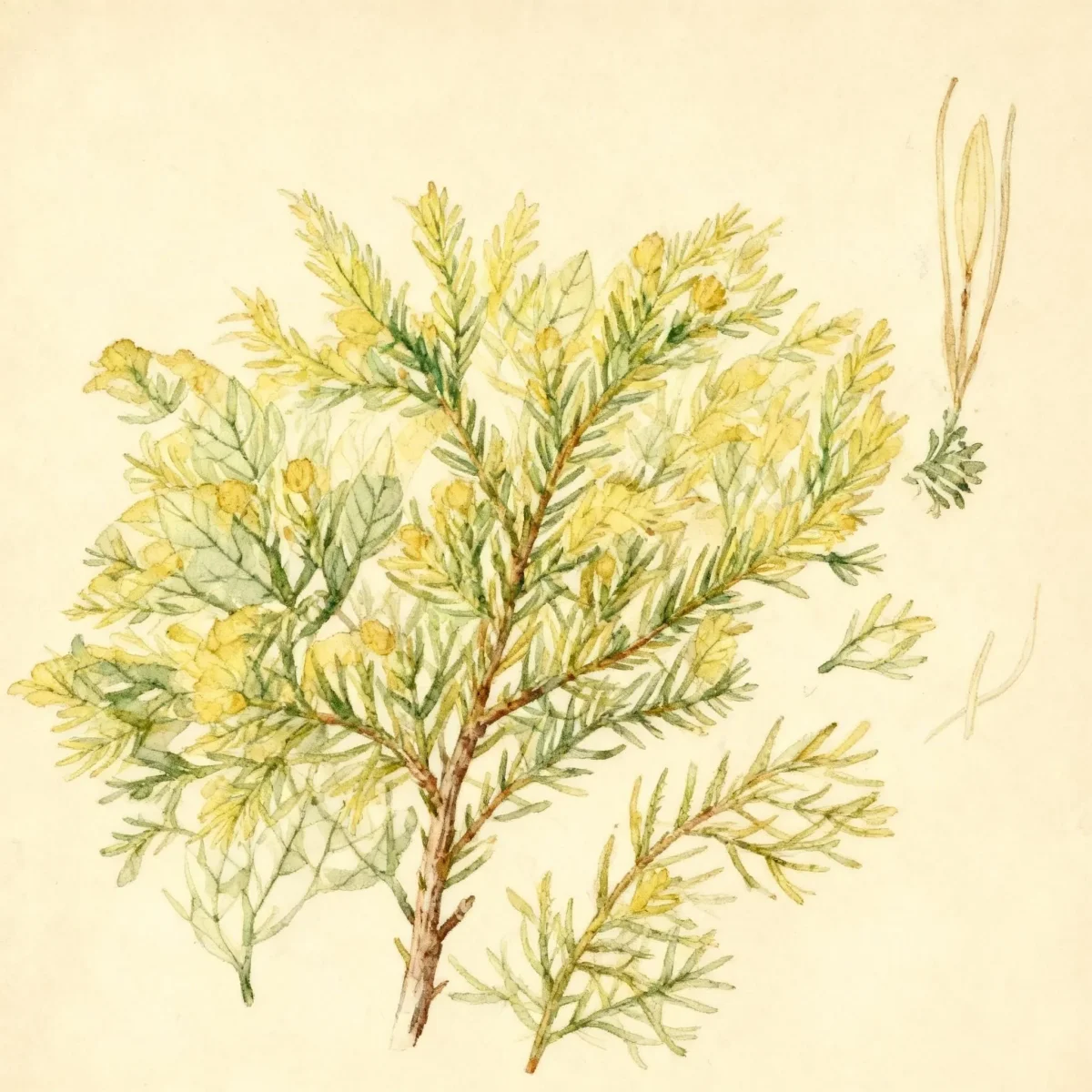
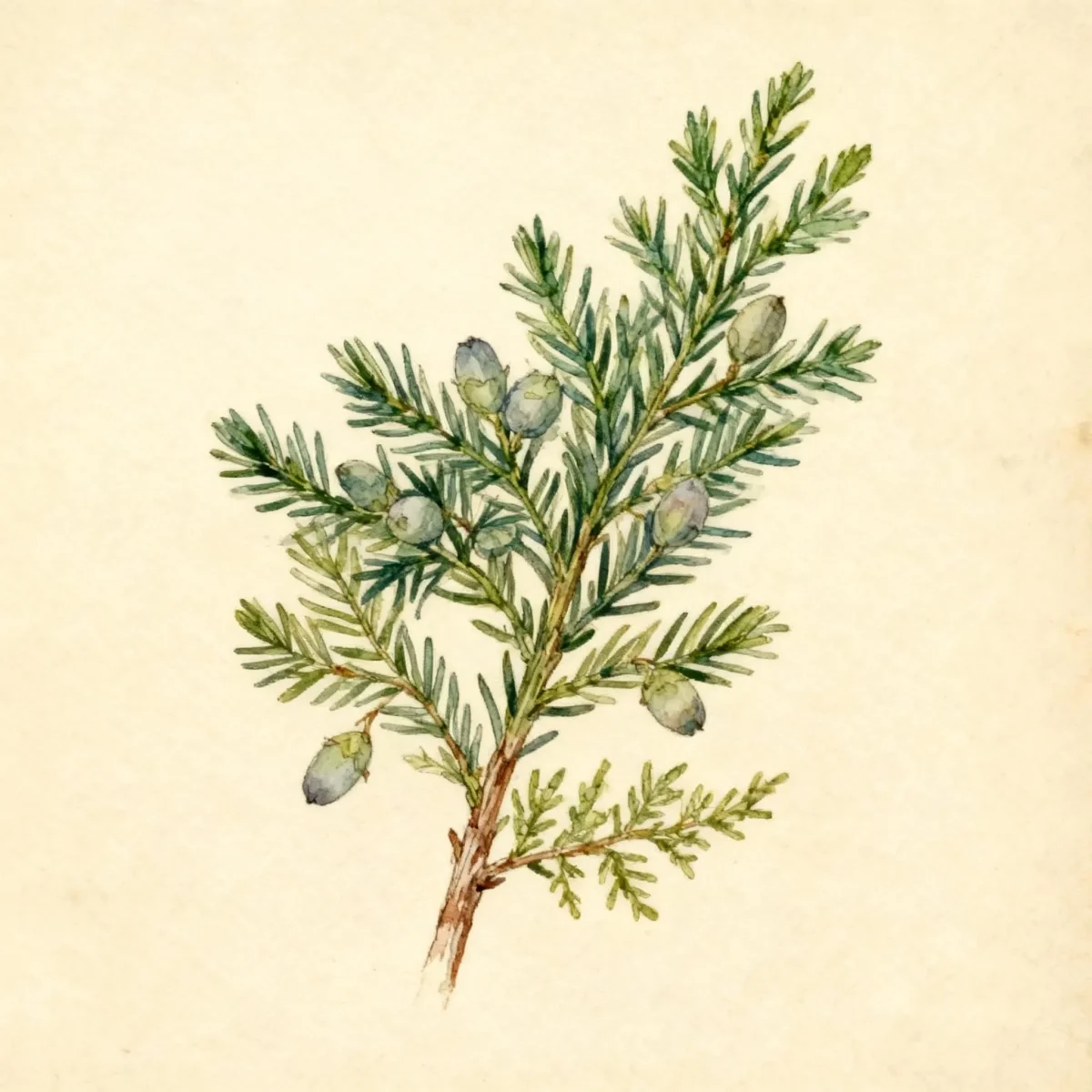
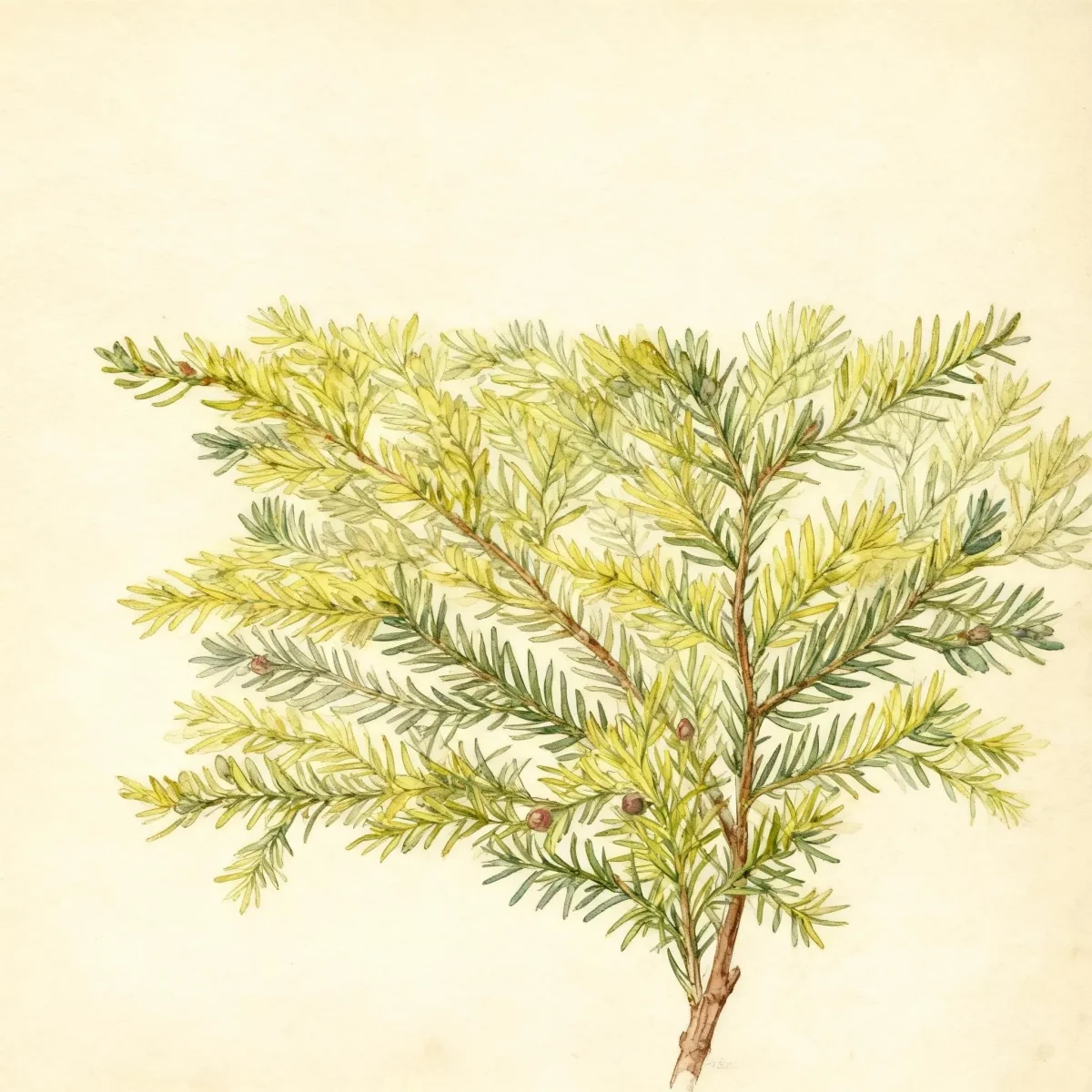
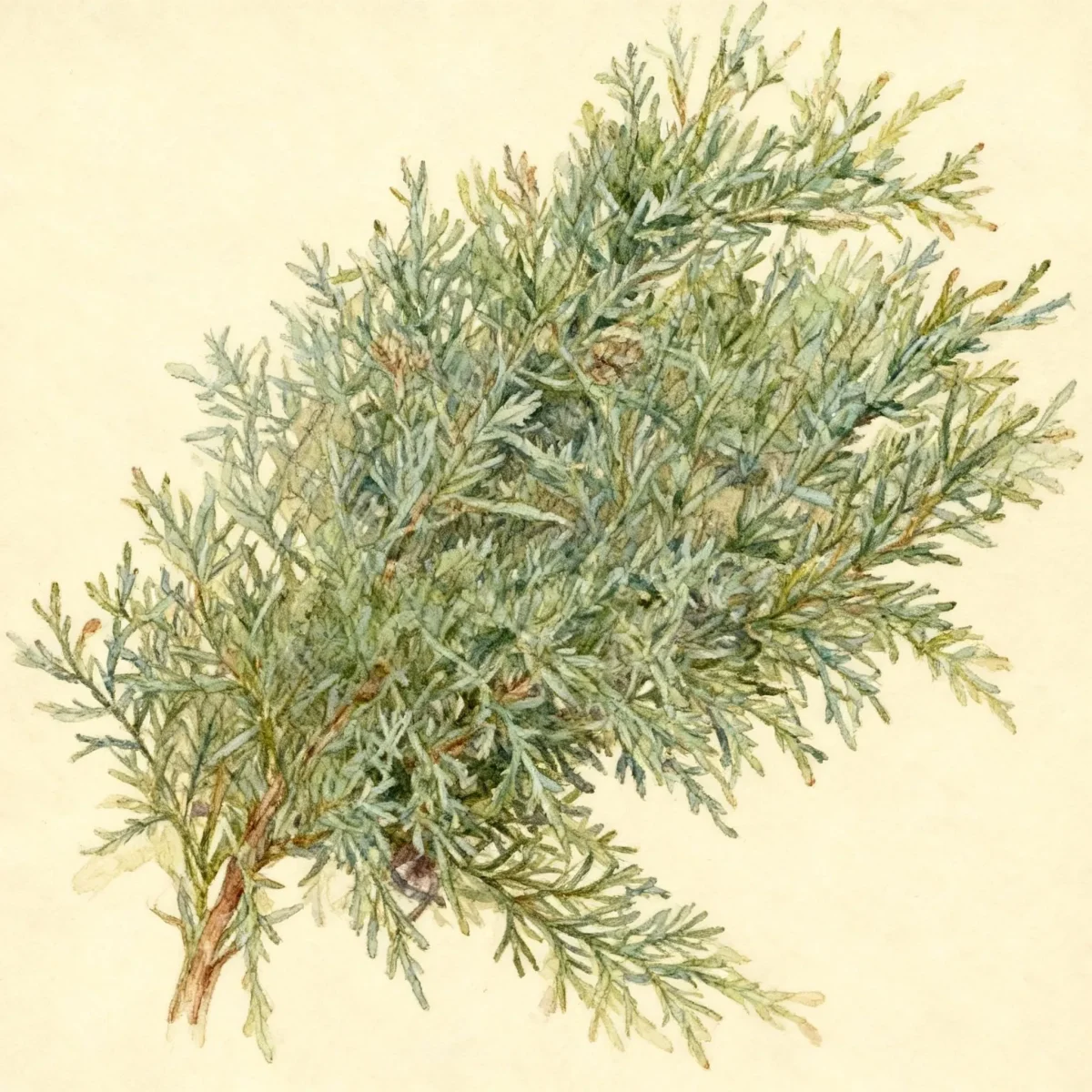
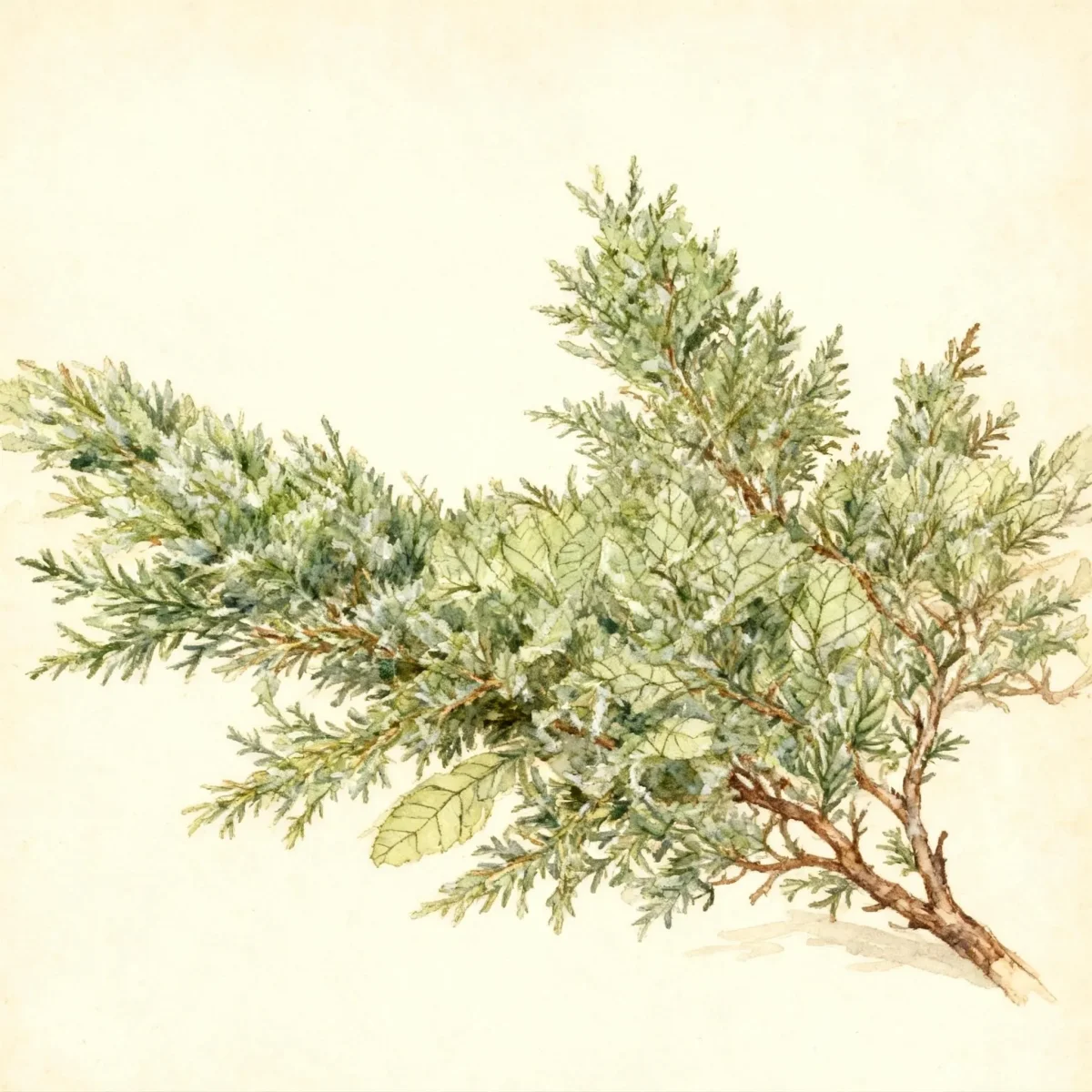
Juniperus × pfitzeriana is a hybrid designation that includes certain cultivars that are crosses between J. Chinensis and J. Sabina. Such cultivars in the Pfitzer Group are sometimes commonly called pfitzer juniper.Genus name comes from the Latin name for the juniper.‘Daub’s Frosted’ is a compact, low-spreading, evergreen shrub that typically grows to 1-2’ tall and spreads in an almost ground-hugging fashion to 3-6’ wide. It is noted for its two-toned foliage. New growth emerges yellow but matures to blue-green. Overall plant appearance is blue green foliage frosted with yellow new growth at the tips. ‘Daub’s Frosted’ is currently sold in commerce as a cultivar of Juniperus chinensis, Juniperus x media or Juniperus x pfitzeriana.
Tolerances
- Deer
- Drought
- Erosion
- Dry Soil
- Shallow-Rocky Soil
- Air Pollution
Potential Problems
Junipers, including Juniperus × pfitzeriana ‘Daub’s Frosted’, are susceptible to several fungal issues, most notably tip and needle blights. Proper air circulation and avoiding overhead watering can help mitigate fungal spread. In addition, watch for cedar-apple rust and related rust diseases, which spend a portion of their lifecycle on junipers, often requiring management if susceptible apples or cedars are nearby.
Root rot is a significant threat, particularly if the site has poor drainage or if the plant is subjected to overly wet soil conditions. Always amend heavy soils for drainage or select a higher, drier location. Canker can attack the bark or main stems, often entering through wounds; maintain plant health to bolster natural resistance.
Keep an eye out for occasional insect pests such as aphids, scale insects, bagworms, and webworms. Minor infestations can often be managed with horticultural oils or insecticidal soaps, but large outbreaks may require targeted chemical control based on pest identification.
Frequently Asked Questions
What hardiness zones is Juniper suitable for?
Juniperus × pfitzeriana ‘Daub’s Frosted’ is generally suitable for USDA Hardiness Zones 4 through 9.
How large does Juniperus × pfitzeriana ‘Daub’s Frosted’ grow?
This compact cultivar typically matures to a height between 1 and 2 feet tall, spreading widely between 3 and 6 feet wide.
What sun exposure does Juniper need?
This shrub requires full sun exposure to maintain its dense habit and maximize the two-toned color effect of its frosted foliage.
When does Juniper bloom?
Juniper is technically non-flowering, producing cones rather than traditional blossoms, and has no significant bloom time or description.
Conclusion
Juniperus × pfitzeriana ‘Daub’s Frosted’ is an exceptional choice for gardeners seeking low maintenance evergreen texture and unique coloration that persists throughout the year. Combining remarkable hardiness with tolerance to drought and poor soil, this compact Juniper provides valuable ground coverage. Before planting, confirm that your site offers full sun and well-draining media to ensure this beautiful Juniper thrives.
Companion Planting Ideas
When designing beds around Juniperus × pfitzeriana ‘Daub’s Frosted’, choose companions that thrive in similar full sun requirements and low-to-medium moisture levels. Consider pairing this spreading Juniper with upright, contrasting forms, such as upright ornamental grasses like Sporobolus species, which offer height without competing for ground space. For color contrast, low-growing, drought-tolerant perennials like Lavender (Lavandula) or Sedum varieties with dark foliage will beautifully offset the bright, frosted new growth of the Juniper.
Design Ideas: Mass Planting and Erosion Control
Because of its low, spreading nature and proven tolerance to erosion, this Juniper excels when planted in mass groupings on slopes or banks where traditional lawn grasses struggle. Mass plantings of 10 or more Juniperus × pfitzeriana ‘Daub’s Frosted’ create a uniform tapestry of blue-green and yellow that suppresses weeds effectively. Use them as living mulch in larger xeriscaped areas, ensuring the plants are spaced appropriately to allow for their mature spread of 3 to 6 feet.