Japanese kerria (Kerria japonica 'Simplex')
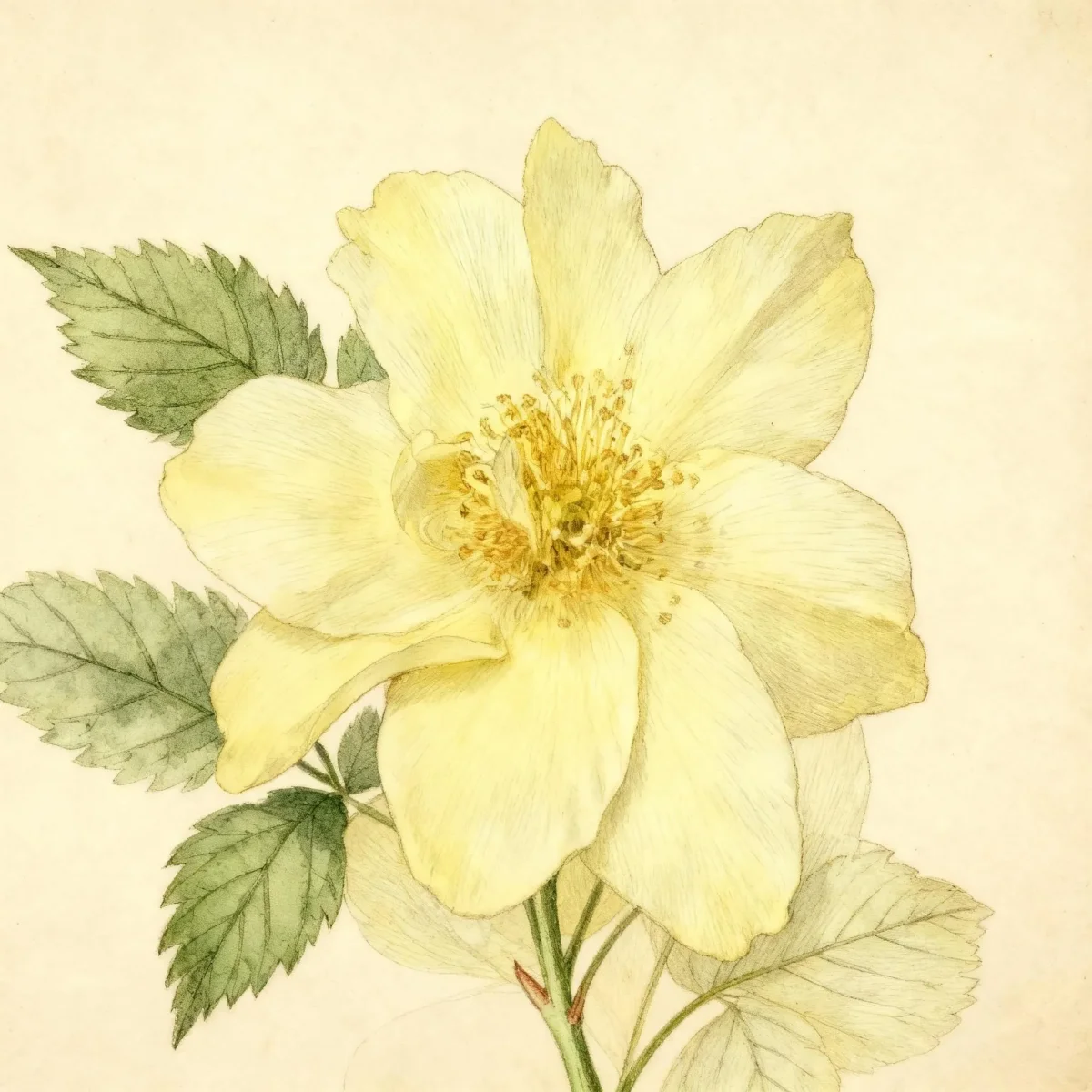
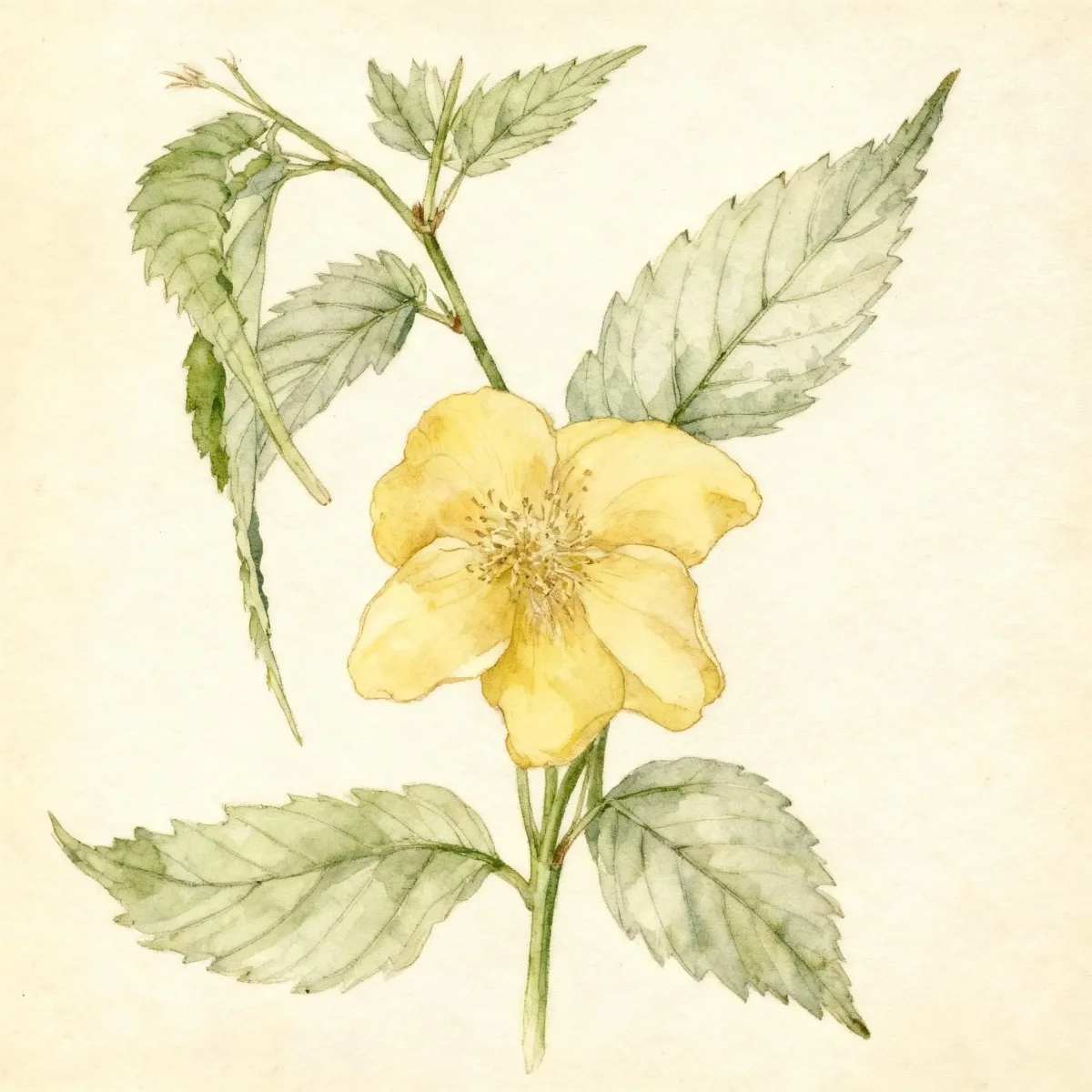
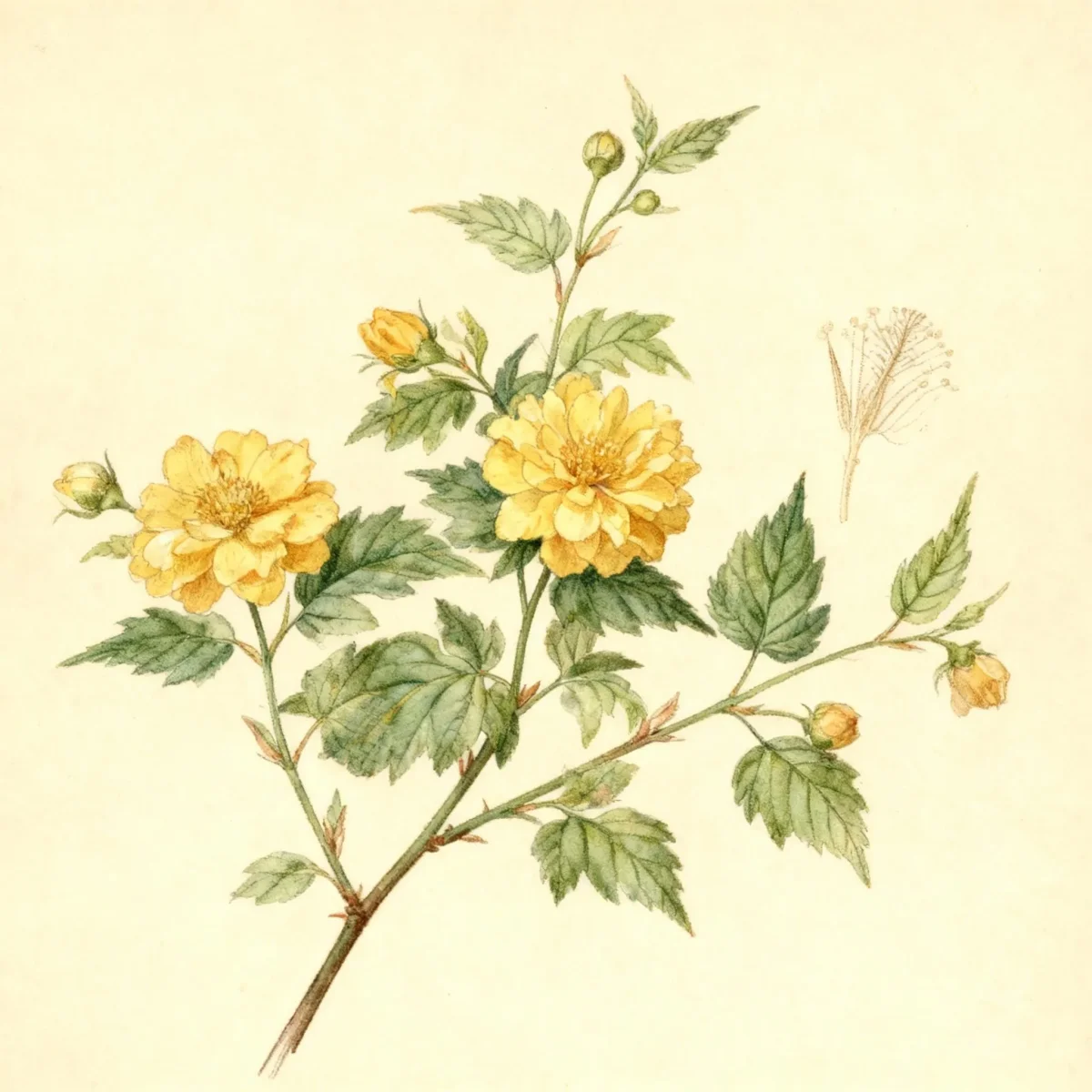
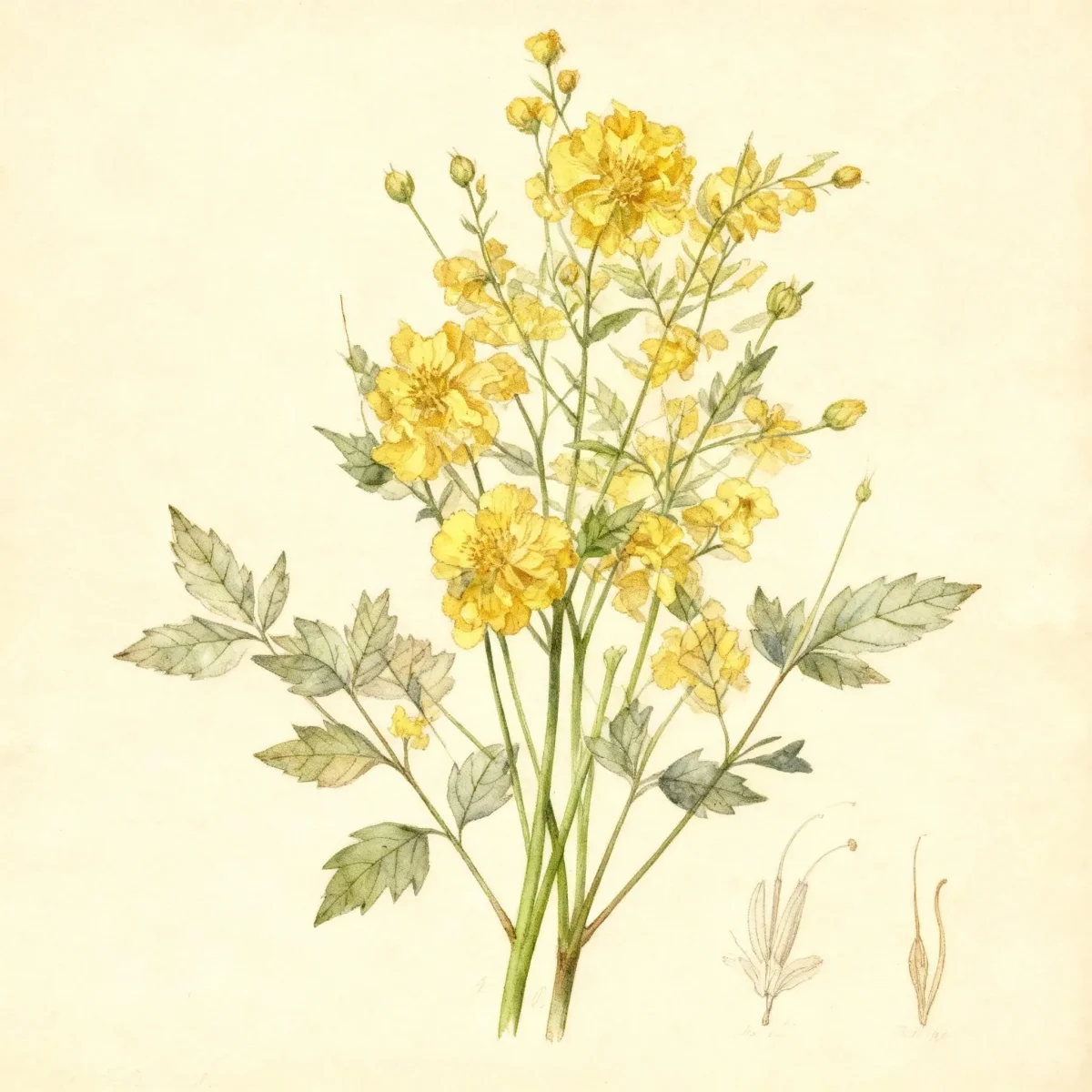
Kerria japonica 'Simplex' offers profuse, bright yellow spring flowers on graceful arching stems. This Japanese kerria is a tough shrub for shady spots.
Scroll down to discover growing tips, care requirements, companion plants, and more
Complete Plant Information
Overview
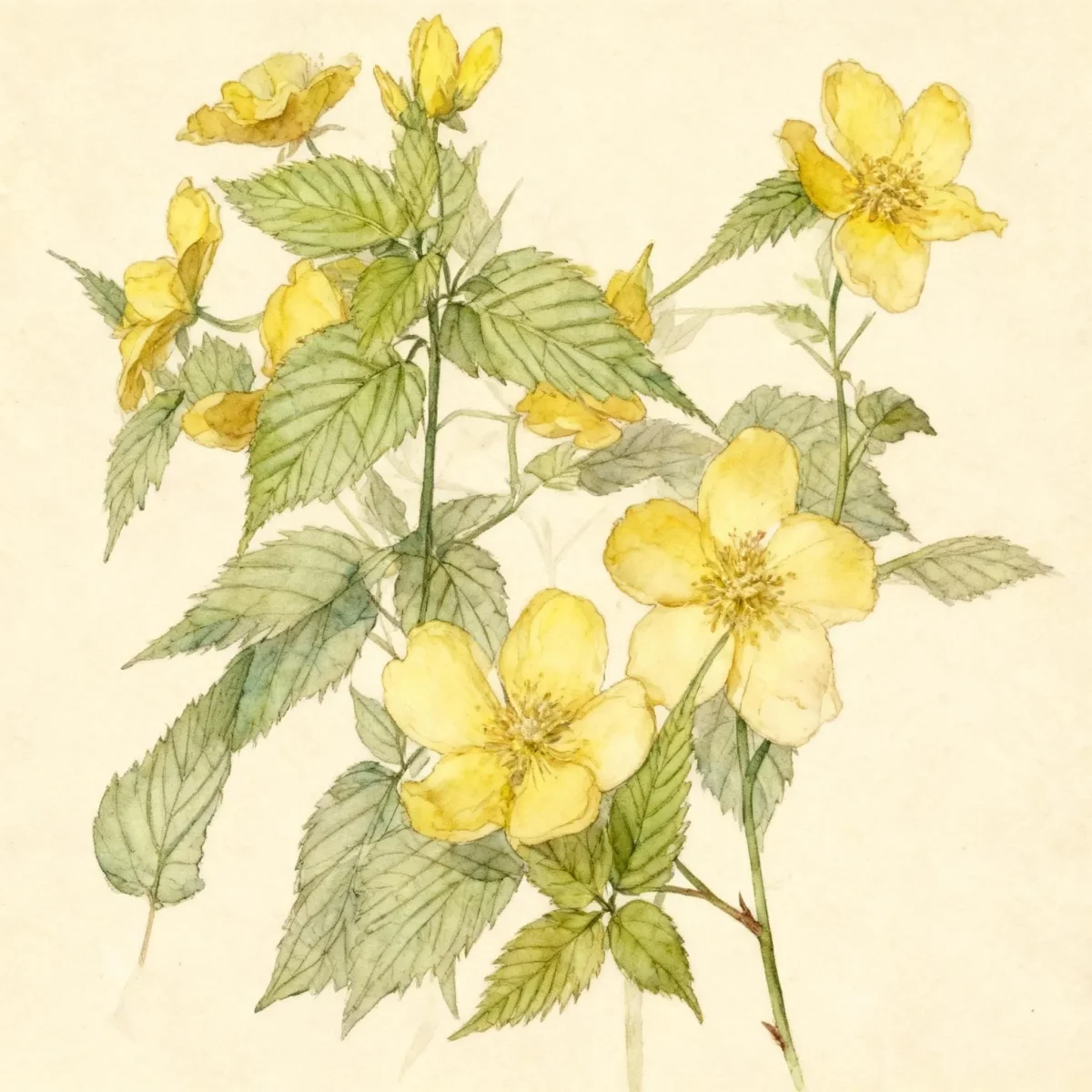
The Kerria japonica ‘Simplex’, commonly known as Japanese kerria, is highly valued for its virtually unparalleled bright yellow display in early to mid-spring. This tough yet graceful deciduous shrub provides excellent structure and seasonal interest, particularly when the slender, arching, yellowish-green stems illuminate the winter landscape. While revered for its spring bloom, the plant offers reliable performance across various conditions, making the Japanese kerria a dependable choice for shaded borders.
This specific cultivar, Kerria japonica ‘Simplex’, typically reaches 3 to 6 feet in height and spreads between 6 and 9 feet, forming a loose, mounding habit aided by its suckering nature. Its five-petaled, rose-like flowers are a cheerful sight around the Easter season in many regions. Gardeners appreciate its resilience and ability to thrive in areas where other flowering shrubs might struggle due to shade or less-than-ideal soil conditions.
Ultimately, incorporating Kerria japonica ‘Simplex’ into your garden plan ensures a reliable burst of color before many other shrubs awaken. Its low-profile pest and disease resistance contribute to its medium maintenance rating, making it an excellent foundation plant for woodland gardens or informal screening.
Fast Facts
- Plant Family: Rosaceae
- Plant Type: Deciduous shrub
- Hardiness Zones: USDA Zones 4-9
- Size at Maturity:
- Height: 3-6 ft
- Spread: 6-9 ft
- Bloom Time: April to May
- Bloom Description: Bright yellow
- Sun Exposure: Part shade
- Water Needs: Medium
- Maintenance Level: Medium
How to Grow
Establish your Kerria japonica ‘Simplex’] in spring or fall, ideally when the risk of extreme temperatures has passed. Plant in average, medium moisture, well-drained soils, ensuring the location provides part shade. While Japanese kerria tolerates full shade, be aware that too much sun can cause the flowers to pale. Loamy soils that are moderately fertile are preferred, and gardeners should actively work to avoid planting in heavy clay situations, although the plant shows some tolerance.
Watering should be consistent, aiming for medium moisture, especially while the plant is establishing a strong root system. Fertilization is rarely necessary; this is a tough plant that usually finds enough nutrients in standard garden soil. Pruning is critical for maximizing future bloom, as Kerria japonica ‘Simplex’ blooms exclusively on wood produced the previous year. Prune immediately after the main flowering period in spring concludes to encourage new wood development for the following year.
Be mindful of the plant’s assertive, suckering habit. Promptly address and remove any unwanted suckers that aggressively spread outside your desired area to maintain its form. For significant renovation or rejuvenation of an overgrown specimen, you may cut all stems back to the ground in early spring; however, this will sacrifice that year’s flowers.
Landscape Uses
The aesthetic appeal of Kerria japonica ‘Simplex’ makes it a versatile addition to various garden settings. It functions excellently as an attractive flowering shrub for the shadier parts of woodland gardens or providing essential mid-level structure to established shrub borders. Consider using it as a specimen plant to highlight its arching form, or mass plantings can create an informal, yet vibrant, screen or hedge.
Because of its medium stature (3–6 ft tall), this Japanese kerria is also suitable for incorporation into foundation plantings where dappled light is the primary available illumination. For a naturalized look, allow the suckering habit to work where space permits, letting the Kerria japonica ‘Simplex’ spread and colonize a naturalized area. Pair it with spring ephemerals or later-blooming shrubs that can fill the space as its primary bloom fades, maintaining seasonal interest.
Standout Features
Flower Qualities
- Showy
Noteworthy Characteristics
Kerria japonica, commonly called Japanese kerria or Japanese rose, is a tough-but-graceful, spring-flowering, deciduous shrub that is native to certain mountainous areas of China and Japan. It typically grows to 3-6’ tall and to 6-8’ wide on slender, arching, yellowish-green stems that remain an attractive green in winter. Single, five-petaled, rose-like, yellow flowers (to 1 1/2” diameter) bloom somewhat profusely in spring. Toothed, narrow, somewhat triangular, grayish green leaves (to 4” long) on the ‘Simplex’ cultivar provide texture, and the arching bright green to yellowish-green stems offer excellent winter color.
Tolerances
- Deer
- Heavy Shade
- Clay Soil
- Dry Soil
- Wet Soil
Potential Problems
Fortunately, Kerria japonica ‘Simplex’ rarely suffers from serious insect or disease infestations, contributing to its low-fuss reputation. However, it can occasionally become susceptible to fungal issues, including leaf spots, cankers, and various blights, especially in overly damp or humid conditions. Root rot is a risk if the plant is situated in waterlogged soil, so excellent drainage is crucial during establishment. Ensure good air circulation when pruning to minimize moisture buildup on the foliage.
Frequently Asked Questions
What hardiness zones is Japanese kerria suitable for?
The Japanese kerria is hardy and suitable for growing in USDA Zones 4 through 9.
How large does Kerria japonica ‘Simplex’ grow?
This shrub typically reaches a mature height between 3 and 6 feet, with a spread ranging from 6 to 9 feet wide.
What sun exposure does Japanese kerria need?
Kerria japonica ‘Simplex’ prefers part shade but is notably tolerant of full shade conditions, though flowering may be reduced in deep shadow.
When does Kerria japonica ‘Simplex’ bloom?
It produces its prolific, bright yellow blossoms primarily from April into May.
Conclusion
The Kerria japonica ‘Simplex’ stands out as a wonderfully resilient and cheerful spring bloomer, offering bright yellow color and essential winter stem interest. Its ability to handle a wide range of moisture and light conditions, including deep shade, makes the Japanese kerria a highly practical choice for difficult garden areas. Before planting, verify that your site matches the USDA Zone 4–9 requirements and ensure soil drainage is adequate for long-term vibrance.
Companion Planting
When siting Kerria japonica ‘Simplex’, consider companions that complement its bloom time or enjoy similar partly shaded conditions. Woodland plants that emerge in early spring, such as Epimediums or Hellebores, look beautiful framing its bright yellow flowers. For summer interest after the peak bloom has faded, try pairing it with textural shade lovers like Hostas, Astilbes, or large clumps of Ferns. These companions can help mask the leaves as the season progresses while appreciating the dappled light environment favored by the Japanese kerria.
Seasonal Care Calendar
Spring is the most critical time for maintenance involving Kerria japonica ‘Simplex’. After the main flush of flowers fades in late spring (usually May), perform prudent pruning to shape the shrub and remove any spent flowering wood. This action encourages vigorous new shoot growth that will develop the flower buds for the following spring display. In summer, monitor watering needs, especially during dry spells to maintain medium moisture levels, though established plants are quite drought-tolerant. Winter care is minimal; appreciate the bright green stems that provide significant visual appeal when deciduous trees are bare.