Leopard plant (Ligularia 'The Rocket')
Ligularia 'The Rocket', the Leopard plant, offers spectacular mid-summer lemon yellow spires above bold foliage in moist, shady spots.
Scroll down to discover growing tips, care requirements, companion plants, and more
Complete Plant Information
Overview
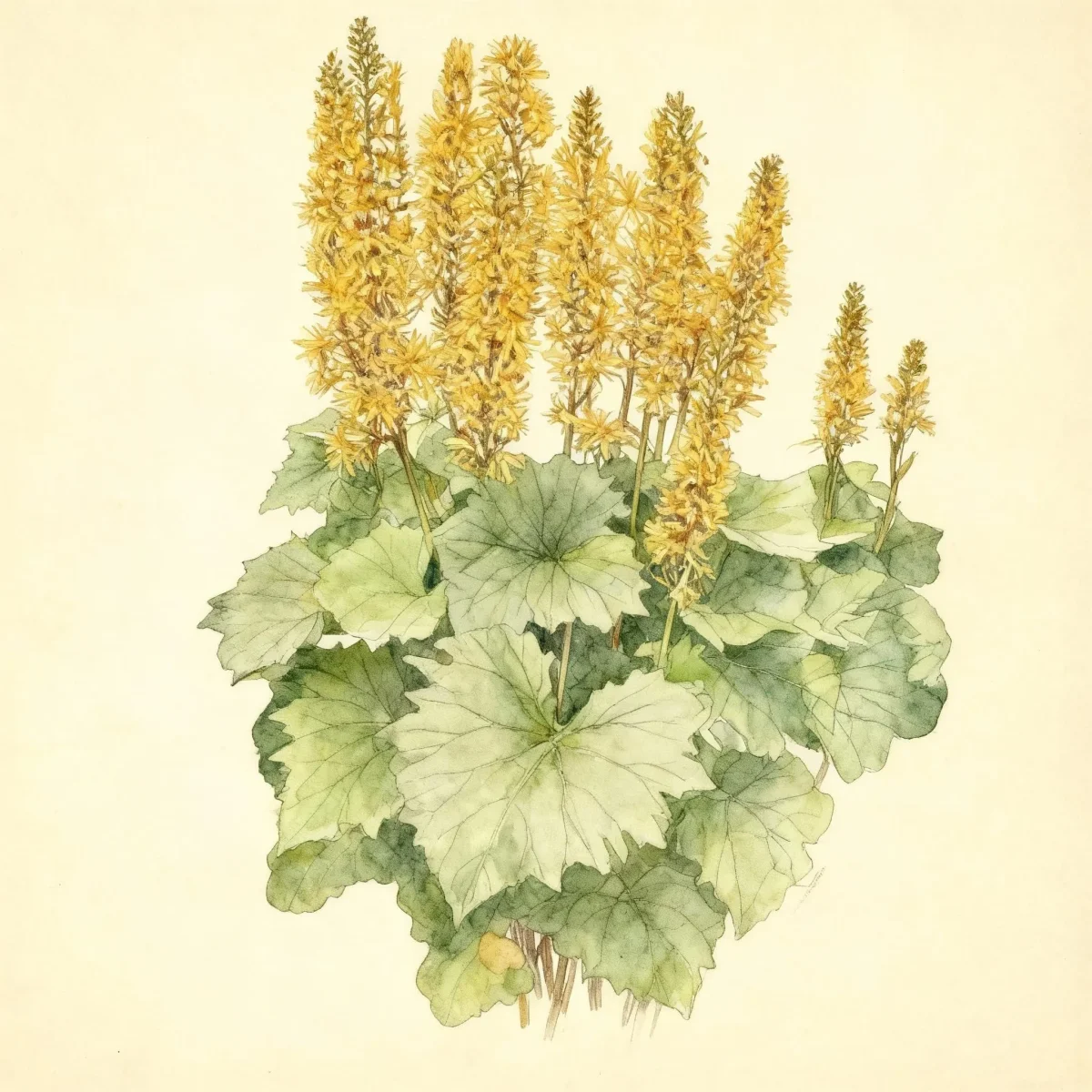
Ligularia ‘The Rocket’, commonly known as the Leopard plant, is an imposing, clump-forming perennial celebrated in shade gardens for its dramatic vertical accent. It produces striking, towering flower spikes adorned with bright, lemon-yellow, daisy-like blooms starting in mid-summer. The foliage itself is noteworthy, featuring large, triangular, heart-shaped leaves that create an attractive mounded base even before the bloom period begins.
This selection is ideal for gardeners seeking bold structure and reliable color where conditions are consistently moist and shading occurs. As a member of the Ligularia genus, the Leopard plant thrives in rich, humusy soils, demanding steady moisture throughout the growing season. Its vertical nature makes Ligularia ‘The Rocket’ an excellent focal point or specimen plant within partially shaded landscapes.
While incredibly rewarding, the cultural needs of Ligularia ‘The Rocket’ are specific; gardeners must ensure adequate hydration, especially during hot summers, to keep the distinctive leaves looking their best. By respecting its need for wet roots and afternoon shade, you can successfully incorporate this spectacular perennial throughout the shaded border, adding height and vibrance to woodland-style plantings.
Fast Facts
- Plant Family: Asteraceae
- Plant Type: Herbaceous perennial
- Hardiness Zones: USDA Zones 4-8
- Size at Maturity:
- Height: 3-5 ft
- Spread: 2-4 ft
- Bloom Time: June to July
- Bloom Description: Lemon yellow
- Sun Exposure: Part shade to full shade
- Water Needs: Medium to wet
- Maintenance Level: Medium
How to Grow
The optimal planting time for Ligularia ‘The Rocket’ is typically during the spring or early fall when temperatures are moderate. Select a location that offers rich, humusy soil amended with ample organic matter to retain necessary moisture. Because this plant thrives in consistently moist to wet conditions, it performs superbly in rain gardens or near water features. Ensure the site provides part shade, or dappled shade, avoiding harsh afternoon sun which can easily scorch the leaves.
Watering is perhaps the most critical aspect of caring for the Leopard plant. It absolutely must have moist soils that never dry out; budget for regular, deep watering, especially when summer heat spikes. While it benefits from regular feeding appropriate for perennials, prioritize soil health and moisture retention over heavy fertilization. Minimal pruning is needed, usually just removing spent flower stalks after blooming finishes.
Site selection requires planning, especially in challenging, hot summer climates. Although Ligularia ‘The Rocket’ is stunning, its leaves tend to wilt visibly when exposed to too much heat or sun. Furthermore, in shady spots, the flower spikes may lean toward brighter light sources, so position them where the available light is consistent and gentle throughout the day.
Landscape Uses
Ligularia ‘The Rocket’ is primarily employed in landscape designs that mimic its native moist woodland habitat. It is particularly effective when grouped or massed in very damp or wet areas, making it a superb choice for the ecological focus of a rain garden. Its height and dramatic spires make it an excellent specimen for the shaded border, provided the soil moisture requirements can be consistently met throughout the season.
Consider placing the Leopard plant along natural boundaries like streams, pond edges, or alongside boggy areas where other perennials struggle due to saturation. In design, pair its strong vertical, upright flower spikes with broad-leafed, lower-growing shade lovers like Hosta or Astilbe to create dynamic textural contrast. These yellow blooms offer a welcome contrast to the sea of blues and purples common in summer shade plantings.
If you have structural requirements, using Ligularia ‘The Rocket’ as a backdrop plant in deeply shaded beds provides essential vertical interest without demanding intense sunlight. Always ensure companion plants share the need for consistent moisture, as accommodating this plant’s thirst is key to its long-term success.
Standout Features
Flower Qualities
- Showy
Noteworthy Characteristics
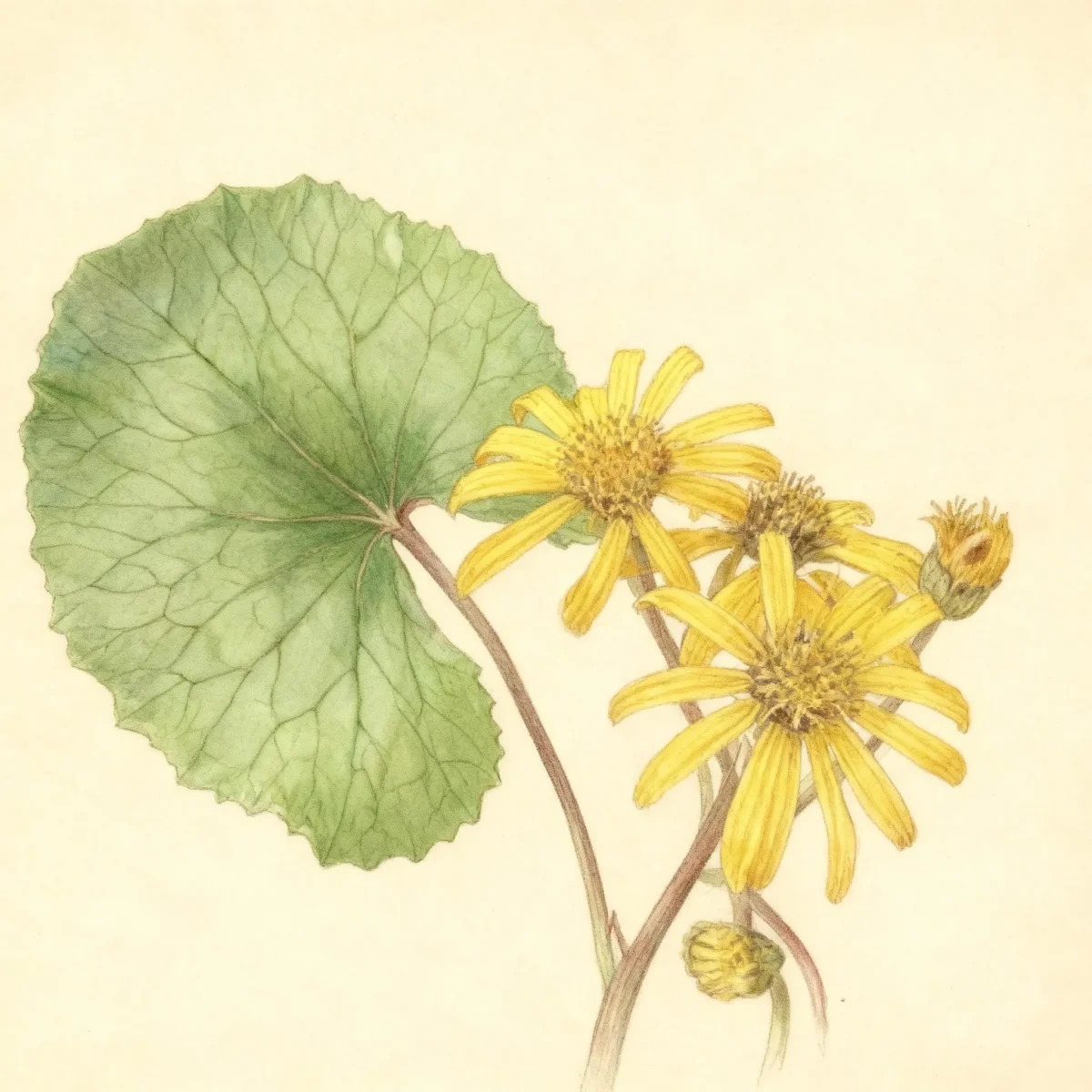
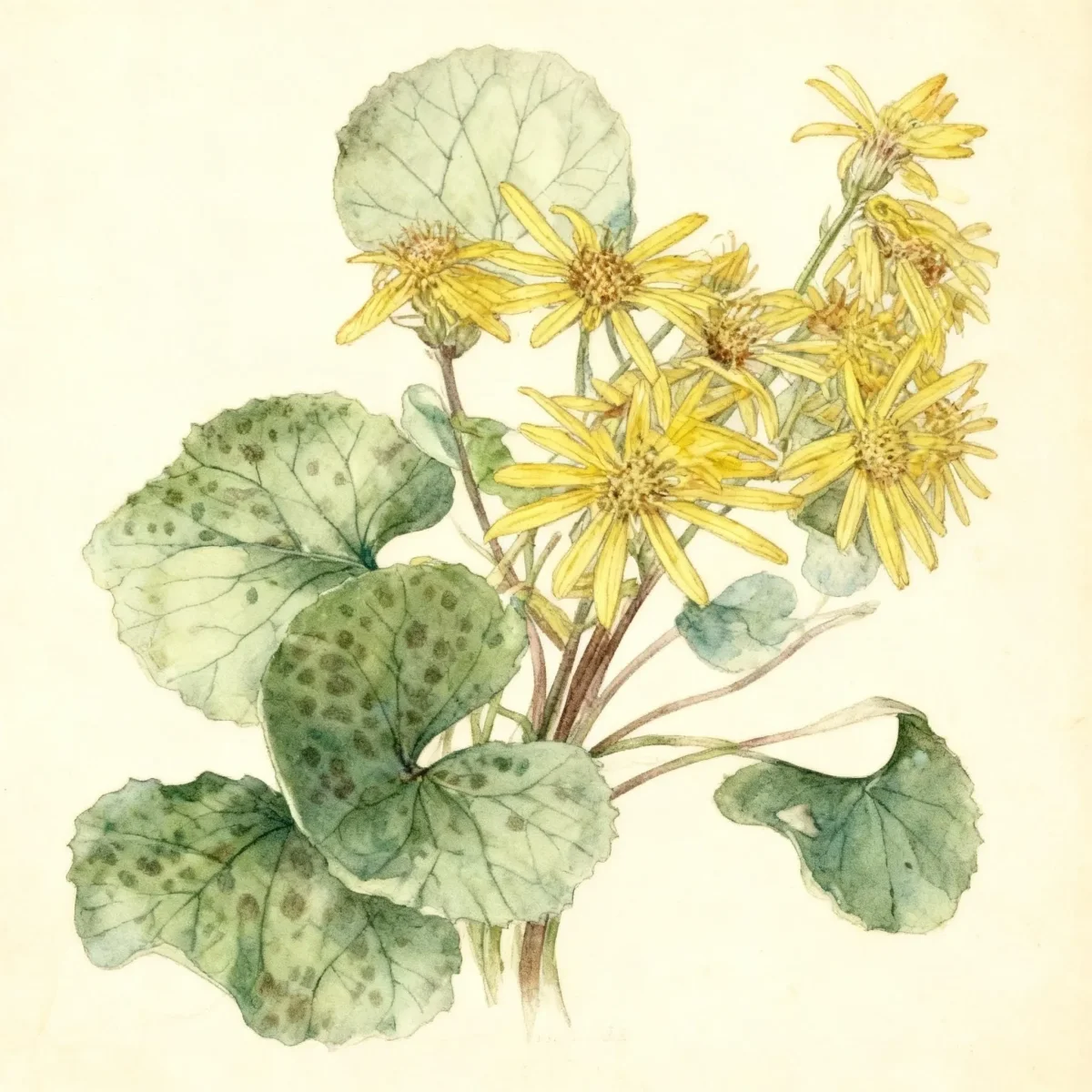
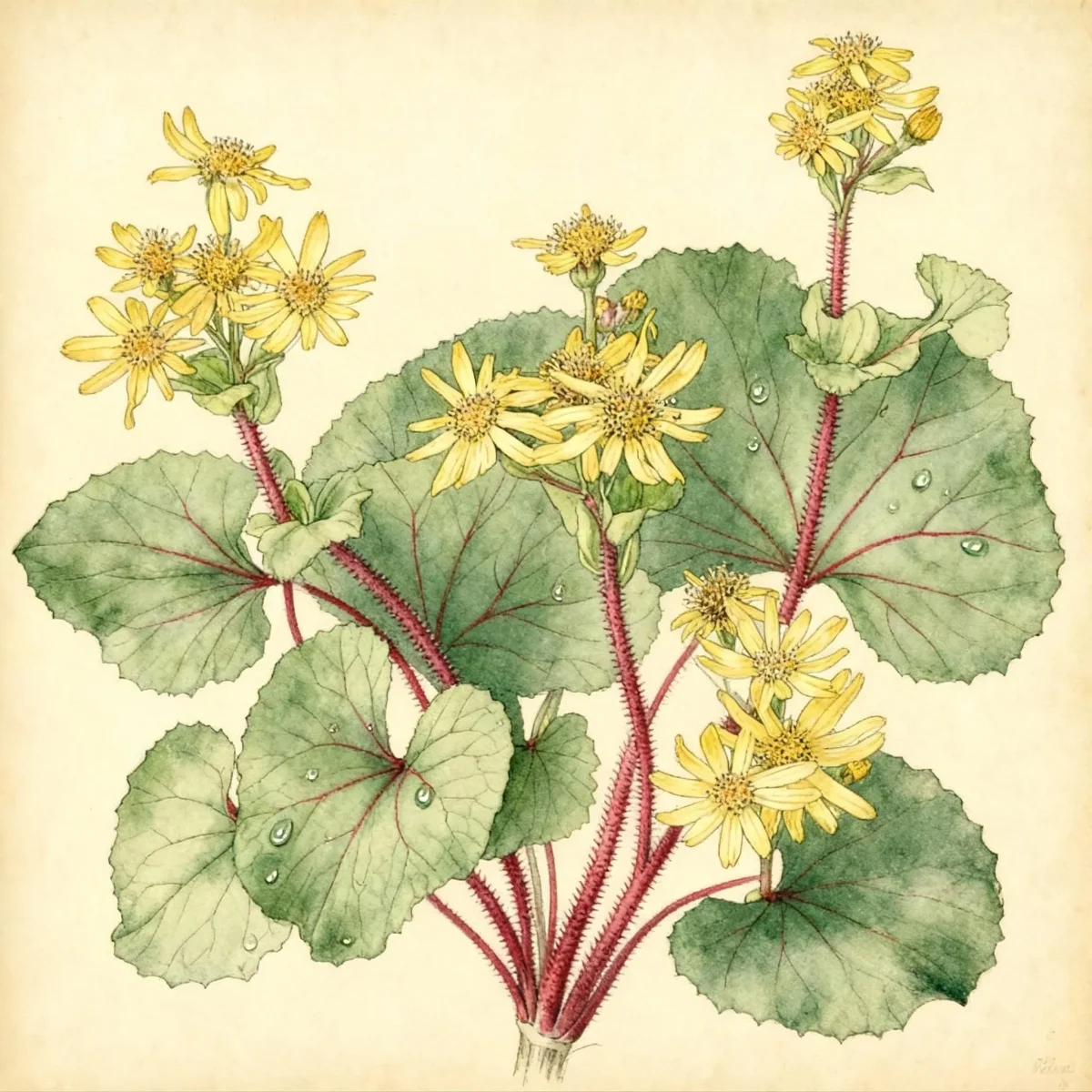
‘The Rocket’ is an imposing, clump-forming perennial with a mounded habit which is grown both for its foliage and for its spectacular flower spires. Large, long-petioled, coarsely-toothed, triangularly heart-shaped, mostly basal, light green leaves form a foliage mound attractive even when flowers are absent. Small, bright, lemon yellow, daisy-like flowers appear in dense racemes in mid-summer atop thick, purplish flower spikes towering above the foliage, sometimes reaching five feet tall.
Tolerances
- Heavy Shade
- Wet Soil
Potential Problems
The primary aesthetic issue with Ligularia ‘The Rocket’ relates to heat and sun exposure, which causes leaf wilting, even when soil moisture is technically adequate. To prevent this, ensure the plant receives substantial afternoon shade. Slugs and snails pose a significant threat to the large, lush foliage of the Leopard plant, often leaving behind large, ragged holes.
Management against pests should be proactive rather than reactive. Use slug and snail baits responsibly around the base of the plant, or employ physical barriers like copper tape. Maintaining extremely moist soil helps keep the leaves turgid, which can sometimes deter minor pest activity, but vigilance is always required for this succulent foliage.
Frequently Asked Questions
What hardiness zones is Ligularia ‘The Rocket’ suitable for?
The Leopard plant performs well in USDA Hardiness Zones 4 through 8.
How large does Ligularia ‘The Rocket’ grow?
This perennial typically reaches a mature height between 3 to 5 feet tall and spreads 2 to 4 feet wide.
What sun exposure does Ligularia ‘The Rocket’ need?
Ligularia ‘The Rocket’ prefers conditions ranging from part shade to full shade; it struggles in hot, direct afternoon sun.
When does Leopard plant bloom?
The Leopard plant sends up its flower spikes from June through July, displaying bright lemon yellow flowers.
Conclusion
Ligularia ‘The Rocket’ provides essential verticality, bold foliage, and dependable mid-summer color for the challenging shady, moist corners of the garden. By committing to its specific moisture needs, you ensure the spectacular visual impact of this Leopard plant remains unaffected by wilting or pest damage. Before planting, confirm your site offers consistent wet soil and relief from harsh afternoon sun to enjoy Ligularia ‘The Rocket’ for years to come.
Companion Planting Strategies
Because the Leopard plant requires substantial, consistent moisture, companion planting should focus on species that share wetland or bog-edge cultural needs. Hostas with blue or variegated foliage create excellent contrast beneath the towering yellow spires, provided they are moisture-loving varieties. Ferns such as Ostrich Fern (Matteuccia struthiopteris) thrive in similar part-shade, damp environments and offer complementary texture.
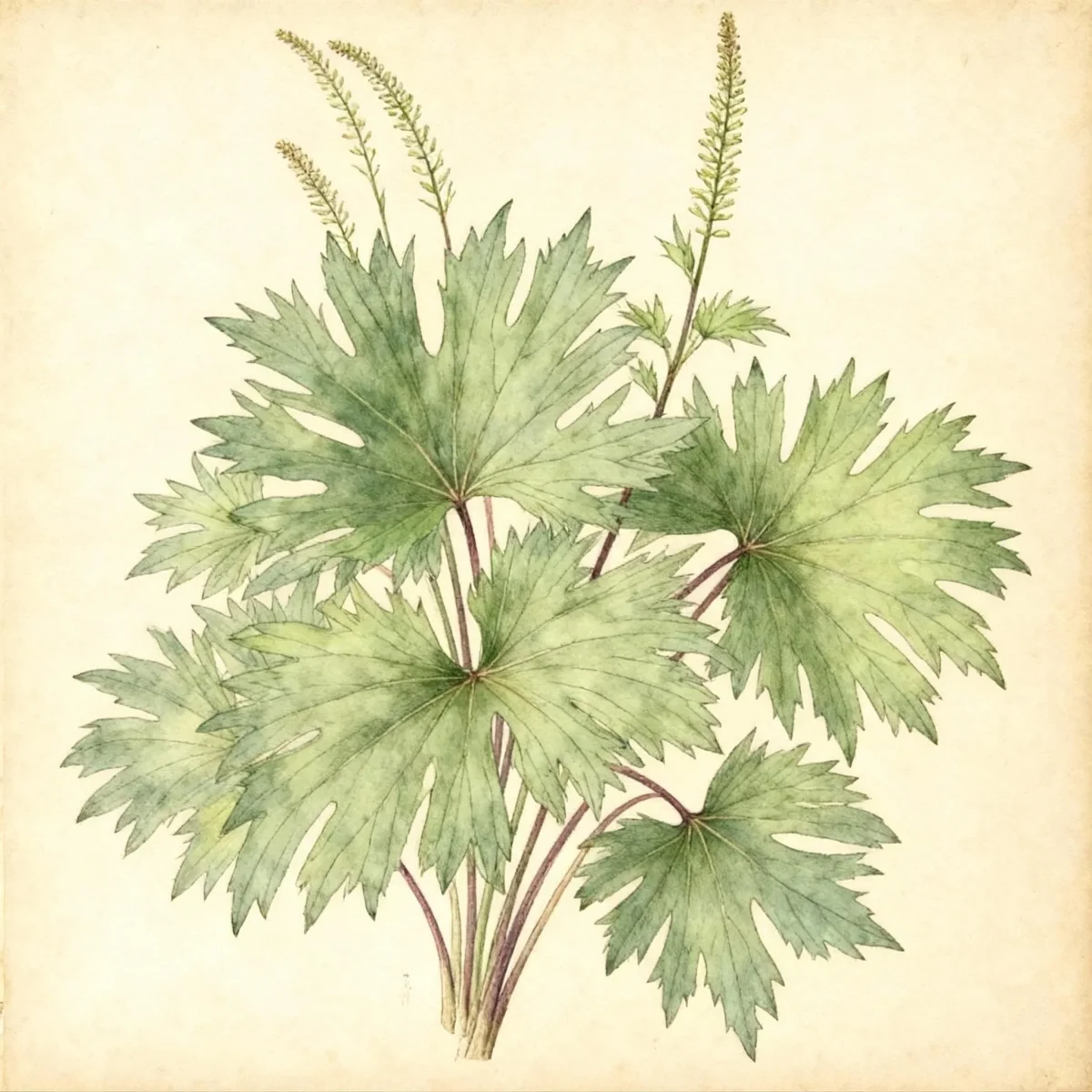
For color layering, consider planting moisture-loving perennials like Astilbe, which offer plumes of pink, red, or white beside the yellow of Ligularia ‘The Rocket’. Another excellent pairing is Rodgersia, which offers large, architectural leaves that handle wet shade well, echoing the scale of the Ligularia foliage mound. Always ensure these companions do not overcrowd the root zone, as the Leopard plant needs access to ample water.
Seasonal Care Calendar
Spring cleanup involves removing any tattered, overwintered foliage to make way for the emerging stems of the Leopard plant. Once growth starts, focus intensely on soil preparation by incorporating compost to enhance water retention capacity. Summer is the watch period; monitor soil moisture daily in prolonged heat waves and water deeply and frequently to prevent the characteristic wilting associated with Ligularia ‘The Rocket’.
As late summer transitions into fall, the plant may naturally start to slow down after its bloom period. Resist the urge to heavily prune back hard; allow the foliage to die back naturally, which helps nourish the root system for winter dormancy. In colder reaches of its range (Zones 4-5), apply a thick layer of mulch after the ground freezes to insulate the established crowns of your Ligularia ‘The Rocket’.