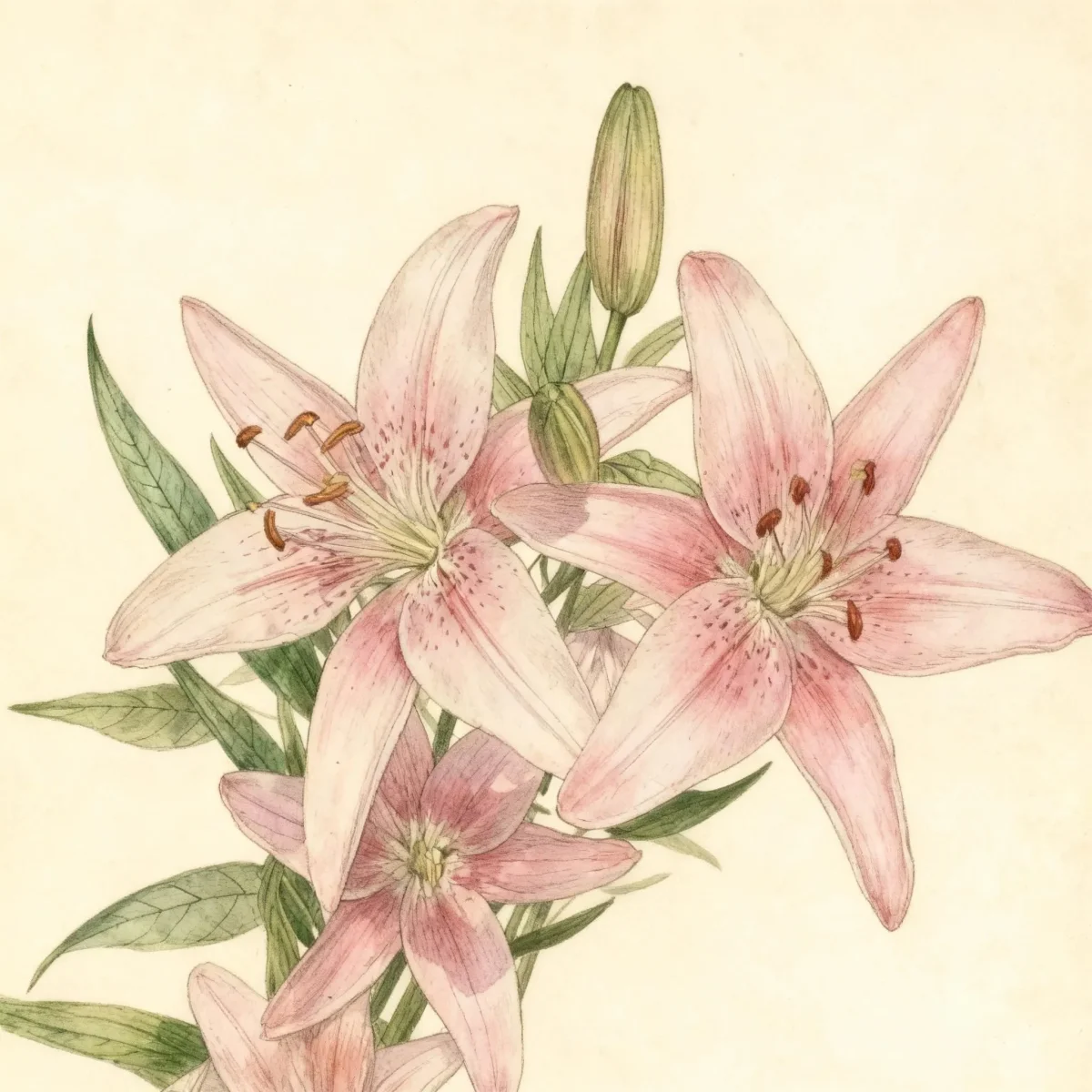
Lily (Lilium 'Nandina')
Grow the showy Lilium 'Nandina' Lily for brilliant rose-pink summer blooms. Low maintenance, hardy in zones 4-8.
Scroll down to discover growing tips, care requirements, companion plants, and more
Complete Plant Information
Overview
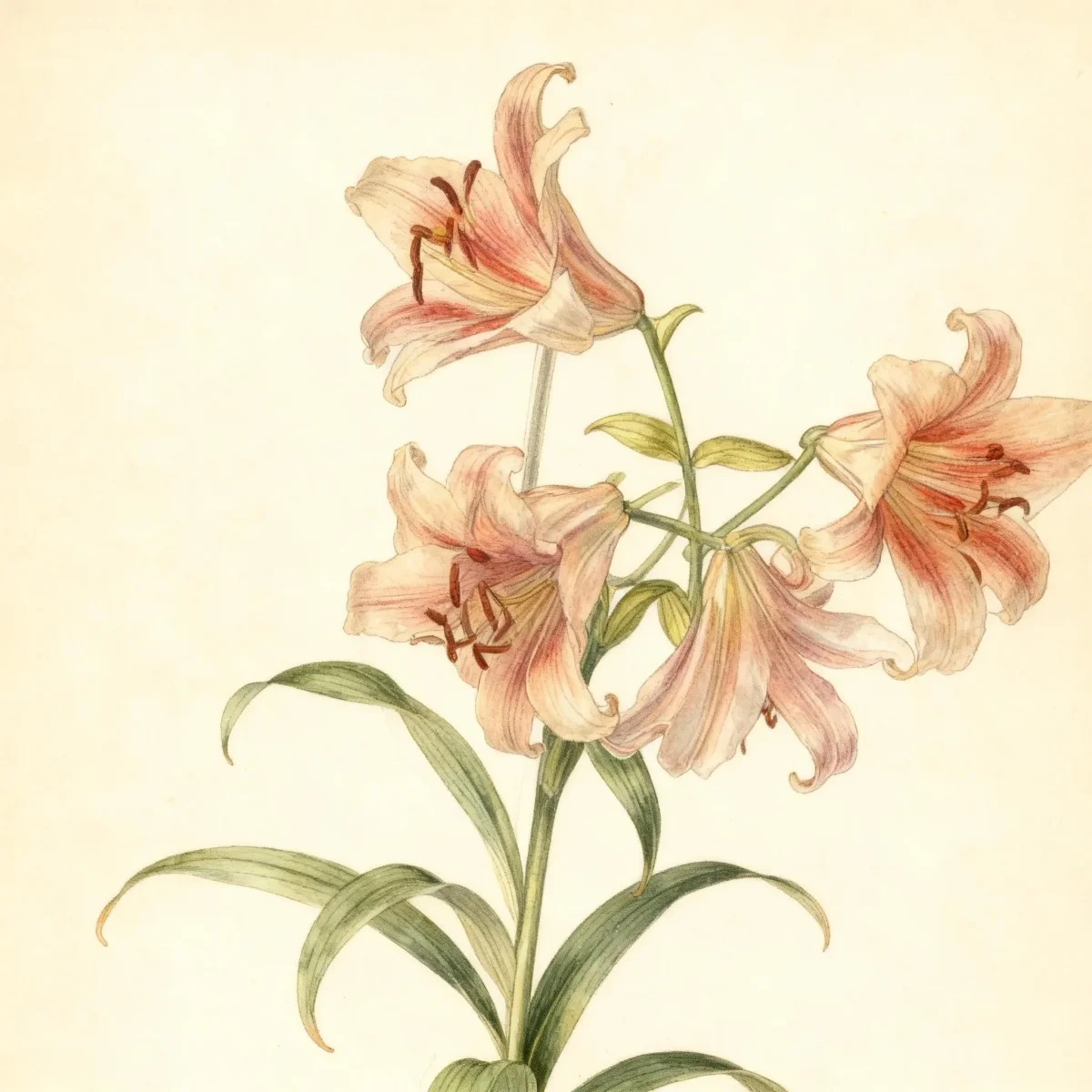
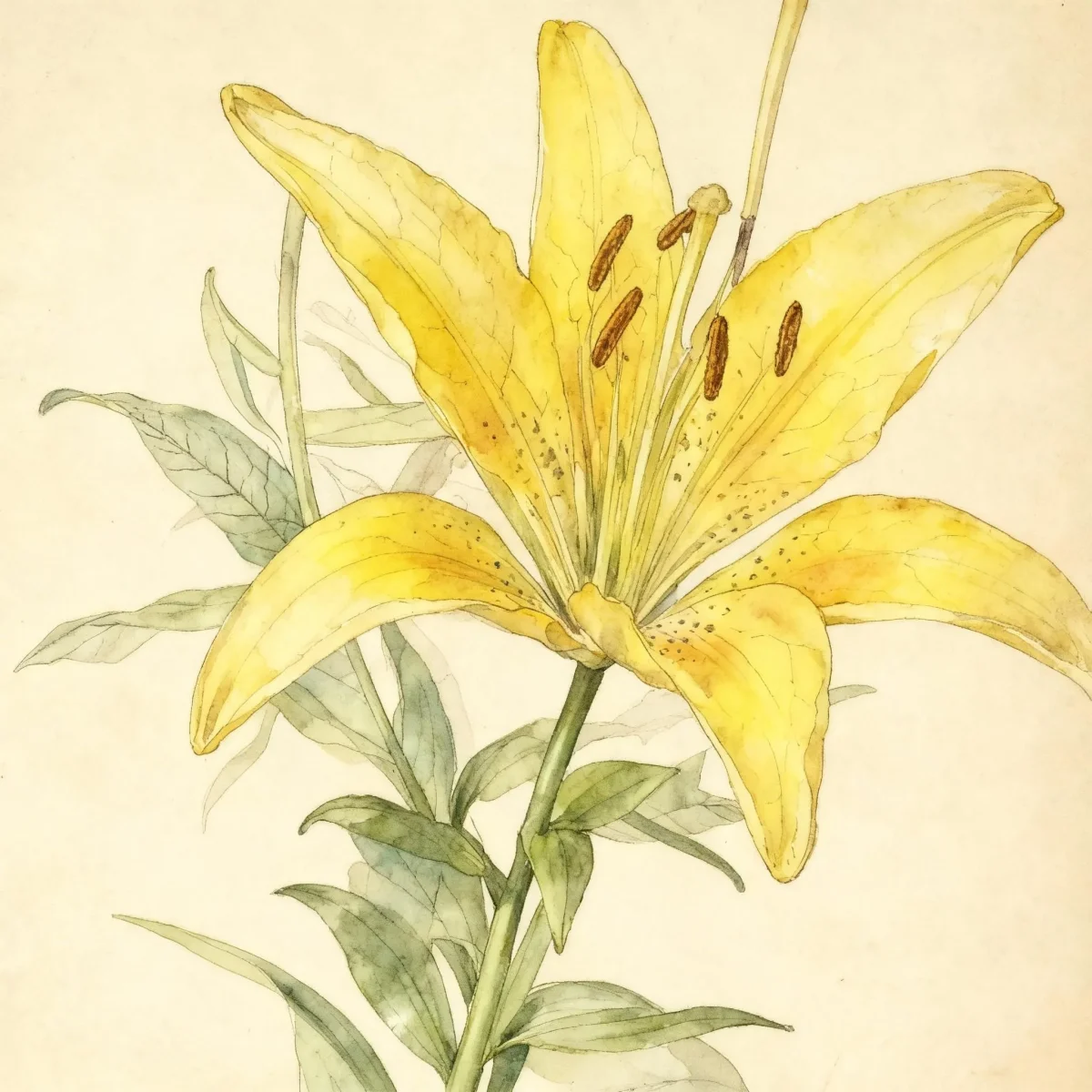
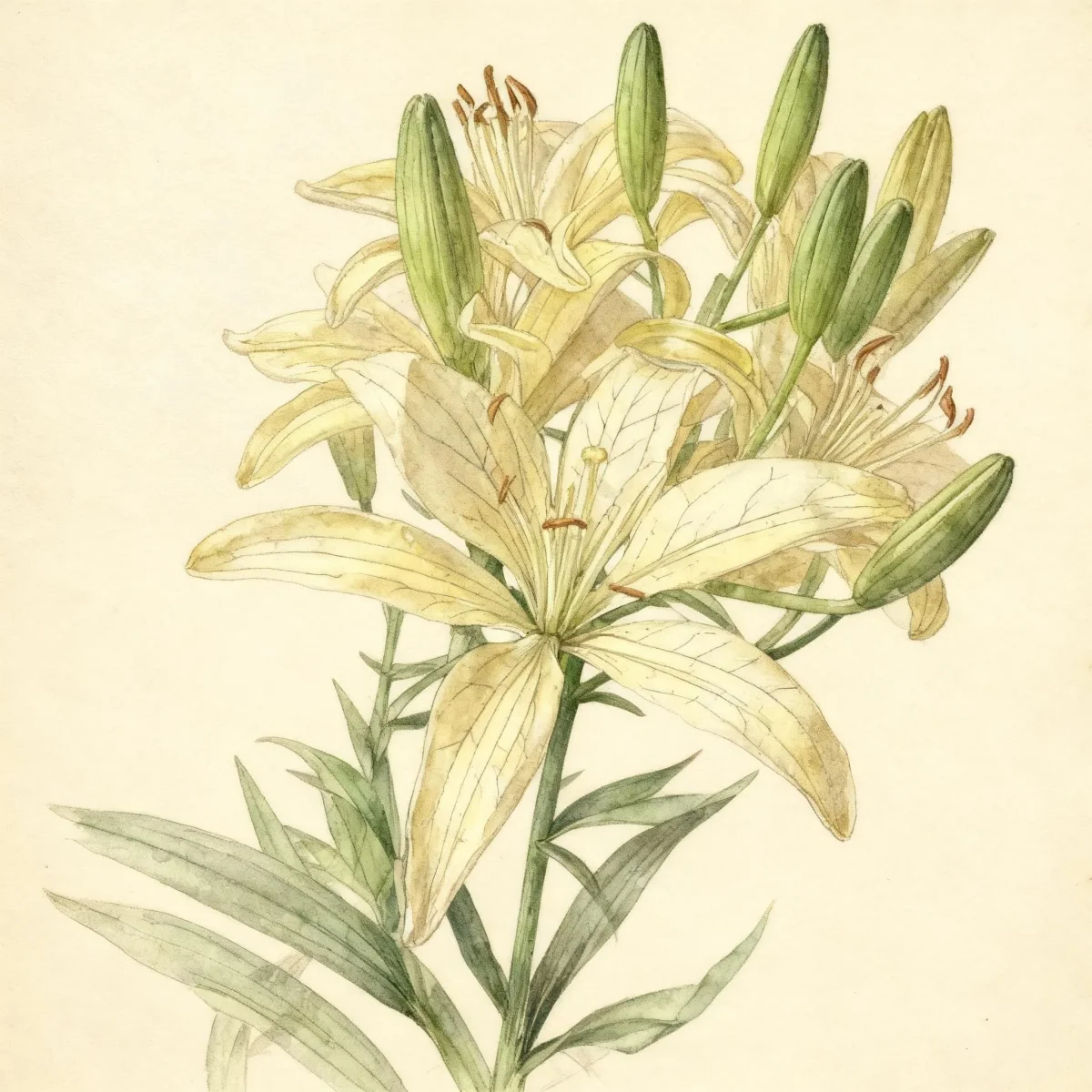
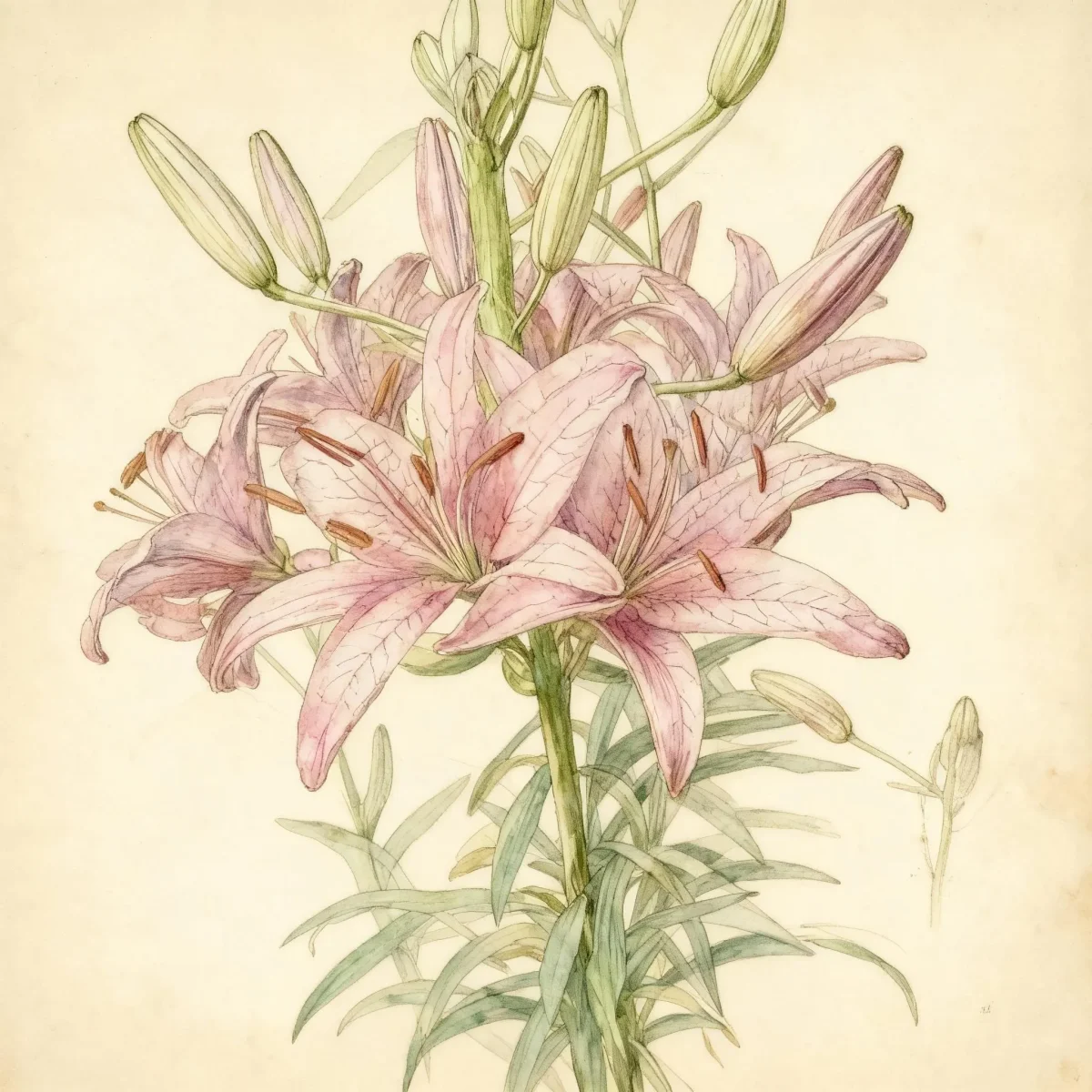
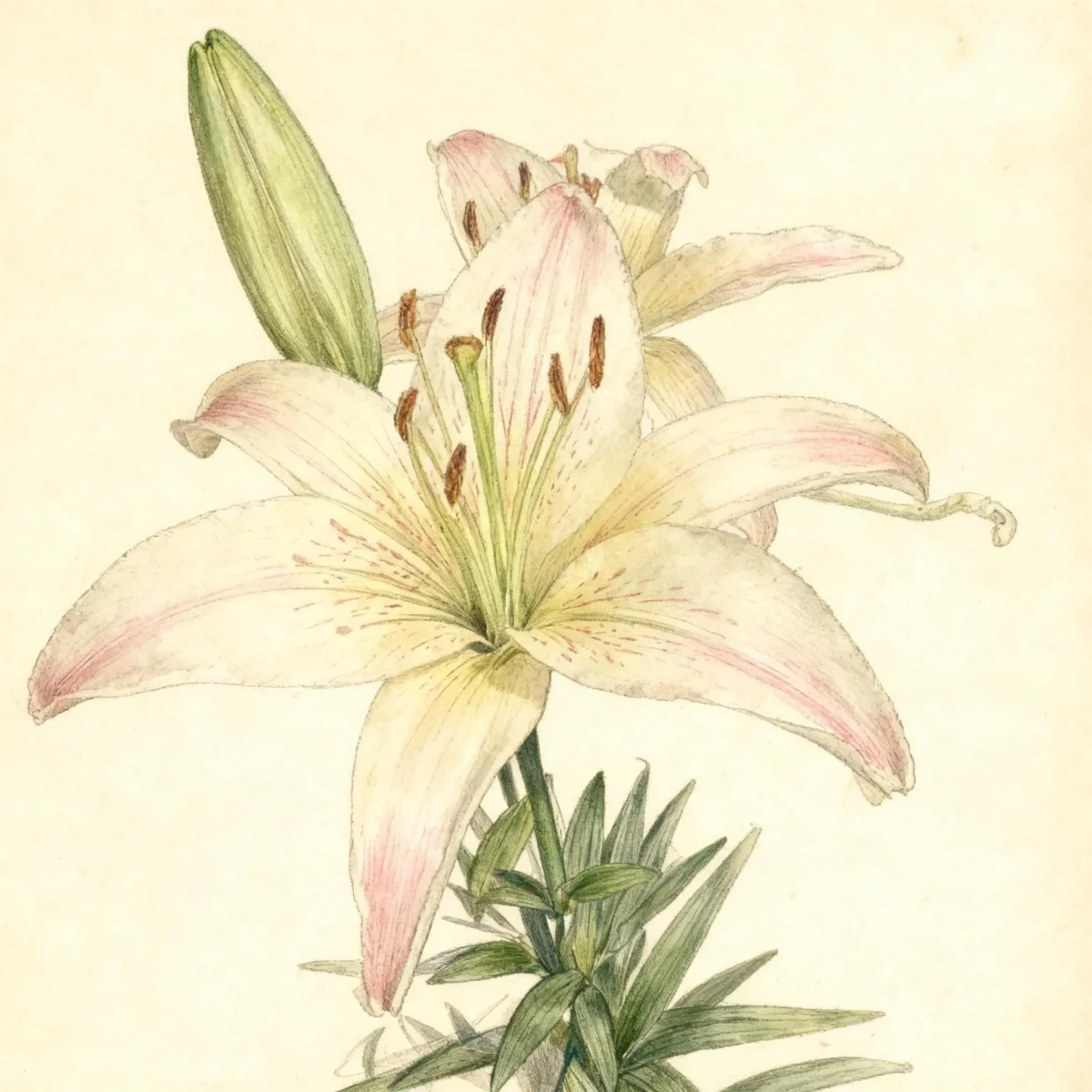
Lilium ‘Nandina’ is a highly valued Asiatic hybrid Lily, celebrated for contributing brilliant, clear color to the summer garden. Distinguished by its soft rose-pink flowers featuring a gold flush near the center and dark spotting, this Lily provides excellent contrast in perennial borders. As an Asiatic hybrid, it is known for early summer bloom, large flowers, and reliability, making it one of the easiest types of Lilium to successfully cultivate.
This herbaceous perennial grows from a bulb, reaching between 3 to 4 feet tall on rigid stems, offering great vertical interest. While the flowers themselves are often not strongly fragrant, their sheer presence and vibrant daytime color make the Lilium ‘Nandina’ a garden star. It thrives with minimal fuss, provided its basic soil and moisture needs are comfortably met.
Gardeners prize this specific Lily for its low maintenance requirements and its suitability for various garden roles, including container gardening and cutting gardens. Planting groups of Lilium ‘Nandina’ ensures a stronger visual impact when the mid-summer blooms appear.
Fast Facts
- Plant Family: Liliaceae
- Plant Type: Bulb
- Hardiness Zones: USDA Zones 4-8
- Size at Maturity:
- Height: 3-4 ft
- Spread: 0.75-1 ft
- Bloom Time: June
- Bloom Description: Rose pink with yellow
- Sun Exposure: Full sun to part shade
- Water Needs: Medium
- Maintenance Level: Low
How to Grow
Planting Lilium ‘Nandina’ bulbs is best achieved in the fall, although potted specimens can be successfully planted anytime between spring and fall. Ensure planting depth is significant, setting bulbs 4 to 6 inches deep in rich, well-drained soil that retains medium moisture. For the best results regarding the health of the Lily, aim for a location where the upper foliage receives full sun, but the root zone stays shaded and cool; mulching heavily around the base helps maintain this ideal condition.
Routine care for this hardy Lily is straightforward. Provide consistent, even moisture year-round; bulbs must not dry out, but conversely, excessive wetness, especially in poorly draining soil, encourages bulb rot. Keep maintenance low by removing faded flowers promptly to stop unwanted seed development. Taller stems may occasionally require staking if they are in very windy locations or if they receive too much shade, which causes them to weaken.
After the blooming season concludes in June, resist the urge to cut the stalks back immediately. Allow the foliage and stems to ripen fully, cutting them down only after they have turned yellow. This process ensures the bulb has stored enough energy for robust flowering the following year. Gardeners often plant these bulbs in groups of three, spacing them about 12 inches apart for optimal visual impact.
Landscape Uses
Lilium ‘Nandina’ excels as an outstanding, showy addition to the mid-to-back sections of the perennial border, offering crucial color contrast during the peak of summer. Its vertical stature looks wonderful integrated among lower-growing foliage plants that can help keep the bulb roots cool throughout the heat of the day. Because it is an Asiatic hybrid, it establishes quickly and provides reliable performance year after year.
Beyond the border, this specific Lily variety is highly recommended for use as a fresh cut flower. The rigid stems carry large, attractive blooms perfect for summer arrangements. If space is limited or you prefer seasonal displays, Lilium ‘Nandina’ also performs respectably when grown in large containers, though the resulting flowers may be slightly smaller than those grown in the ground.
Companion planting near this Lily can focus on species that appreciate similar soil conditions and offer foliage cover at the base. Consider using low-growing hostas or dense groundcovers that thrive in partial shade around the base of the Lilium ‘Nandina’ to provide that necessary cool root run.
Standout Features
Flower Qualities
- Showy
- Good Cut
Noteworthy Characteristics
Lilium is a genus of about 100 species of bulbous, herbaceous perennials native to Europe, North America and Asia south to the Philippines. This specific cultivar, ‘Nandina’, features vibrant rose-pink flowers with a gold flush blending to ivory-yellow at the centers of the petals, accented by dark spotting. Classified as an Asiatic hybrid Lily, these types are known for large flowers and blooming early in the summer season.
Tolerances
No specific tolerances are listed in the primary characteristics, focusing instead on basic cultural requirements.
Potential Problems
For the average gardener, Asiatic hybrid lilies like ‘Nandina’ are among the easiest lilies to grow, but vigilance is still necessary against pests and disease. Lily leaf beetles can cause significant damage by skeletonizing foliage if left unchecked, so regular scouting is essential in affected regions. Promptly controlling aphids is also critical, as they vector the often-fatal Lily mosaic virus, for which there is no known cure once infection occurs.
To prevent fungal issues, specifically bulb rot and botrytis, gardeners must ensure excellent soil drainage, particularly during wet periods, as standing water is deadly to the bulb. If you notice the stems weakening significantly, this usually indicates the plant is receiving too much shade, and relocating the Lily to a sunnier spot will help strengthen the stems for better wind resistance.
Frequently Asked Questions
What hardiness zones is Lily suitable for?
The Lilium ‘Nandina’ Lily is highly adaptable, suitable for cultivation across USDA Zones 4 through 8.
How large does Lilium ‘Nandina’ grow?
This hybrid typically achieves a mature height between 3 to 4 feet, with a modest spread of 0.75 to 1 foot wide.
When does Lily bloom?
This Lily variety is known for blooming reliably during the month of June, displaying its beautiful rose pink flowers with yellow accents.
What sun exposure does Lilium ‘Nandina’ need?
This dependable plant thrives best when situated in locations receiving full sun to part shade, though it benefits greatly from having its root zone kept cool, often shaded by surrounding plants.
Conclusion
The Lilium ‘Nandina’ offers gardeners a low-maintenance path to spectacular mid-summer color, thanks to its showy, rose-pink blooms and robust Asiatic heritage. This specific Lily variety is an excellent choice for both borders and bouquets, bringing elegance and reliable structure to the landscape. Ensure your planting site has rich, well-draining earth, and plan your fall planting now to enjoy this beautiful Lily next June.
Companion Planting
Selecting appropriate companions for Lilium ‘Nandina’ centers on fulfilling its specific microclimate needs, namely keeping the roots cool while the blooms receive ample sun. Traditional perennial partners like Hostas or Heuchera (Coral Bells) serve this dual purpose excellently, as their dense, lower foliage shades the soil around the Lily bulbs. Furthermore, plants that bloom later in the season, such as certain varieties of Rudbeckia or Echinacea, can seamlessly take over the visual display once the Lilium ‘Nandina’ finishes its mid-summer performance.
When planning the grouping, remember that Asiatic Lilies grow tall and stiff; avoid planting slow-growing or delicate companions directly against the base that might be smothered by fallen stems in autumn. Aim for looser plantings where air circulation is good to further mitigate the risk of fungal issues like botrytis, a common ailment in densely packed perennial beds.
Design Ideas for Asiatic Liliums
Asiatic hybrids like the ‘Nandina’ Lily are valued for providing bold, vertical accents without the fuss sometimes associated with later-blooming oriental varieties. Use groups of three or five planted at staggered depths to create a naturalistic cluster that reads as a solid block of color from a distance. They perform beautifully when contrasted against fine-textured greens or deep purple foliage, making evergreen shrubs excellent backdrop elements.
For cottage gardens or mixed borders, integrate the Lilium ‘Nandina’ near silver-leaved plants or blue-flowering perennials, as the rosy pink contrasts wonderfully with cool tones, preventing the garden from looking too monochromatic. Because they are excellent cut flowers, consider placing them near the garden paths or close to the cutting garden area for easy access throughout June.