Sea lavender (Goniolimon incanum 'Blue Diamond')
Goniolimon incanum 'Blue Diamond' (Sea lavender) is a top choice for dry rock gardens, offering showy blue blooms from May to July with minimal care.
Scroll down to discover growing tips, care requirements, companion plants, and more
Complete Plant Information
Overview
Goniolimon incanum ‘Blue Diamond’ is a highly valued herbaceous perennial, known widely as Sea lavender, prized for its long-lasting and delicate summer bloom. This dwarf cultivar creates a spectacular, cloud-like display of tiny blue flowers, contrasting beautifully against the low-growing basal rosette of foliage. Gardeners appreciate this plant for its extremely low maintenance needs once established.
The specific appeal of Goniolimon incanum ‘Blue Diamond’ lies in its ability to thrive where many other perennials struggle—namely, in dry, well-draining conditions under full sun. It brings texture and airy color to the landscape without demanding constant attention regarding pruning or frequent watering.
Originating from regions spanning Turkey into Central Asia, this Sea lavender variety is exceptionally drought tolerant, making it an excellent, reliable component for xeriscaping or rock gardens where moisture conservation is key. Its structure provides long-term interest even outside the main blooming period.
Fast Facts
- Plant Family: Plumbaginaceae
- Plant Type: Herbaceous perennial
- Hardiness Zones: USDA Zones 3-9
- Size at Maturity:
- Height: 0.5-1 ft
- Spread: 5-1 ft
- Bloom Time: May to July
- Bloom Description: Blue
- Sun Exposure: Full sun
- Water Needs: Dry to medium
- Maintenance Level: Low
How to Grow
For optimal performance of your Goniolimon incanum ‘Blue Diamond’, select a location providing full sun exposure. While adaptable, this Sea lavender prefers cool summers; gardeners in warmer regions (Zones 7 and 8) should ensure it receives some protection from intense afternoon sun to prevent stress.
Planting should aim for light, moderately dry, well-drained sandy loams. Excellent drainage is critical, as standing water or overly heavy soil significantly increases the risk of fungal issues like crown and root rot. Plant deeply enough so the basal rosette sits just above the soil line.
Maintenance is generally very low. Watering should be infrequent once established, adhering to the ‘dry to medium’ requirement—allow the soil to dry out between waterings. Avoid heavy fertilization, which can lead to weak, leggy growth. Significantly, plants should be left undisturbed once established to develop their woody base structure.
Landscape Uses
Goniolimon incanum ‘Blue Diamond’ excels in applications where sharp drainage and low stature are required. It is perfectly suited for the sharp angles and grit of rock gardens, where its sprawling rosette forms a dense mat among stones. Due to its short stature, it serves beautifully as a border front planting, softening the hard edge of a walkway or path.
This sea lavender also performs excellently as an accent plant in containers, particularly when paired with other drought-tolerant species like sedums or ornamental grasses that appreciate similar growing conditions. The airy structure of the blue blooms makes them highly desirable for floristry.
Do not overlook the value of this species in dried arrangements. The flowers of Goniolimon incanum retain their color and form well after cutting, providing long-lasting, low-effort accents for winter decor, extending the enjoyment provided by this wonderful perennial.
Standout Features
Flower Qualities
- Showy
- Good Cut
- Good Dried
Noteworthy Characteristics
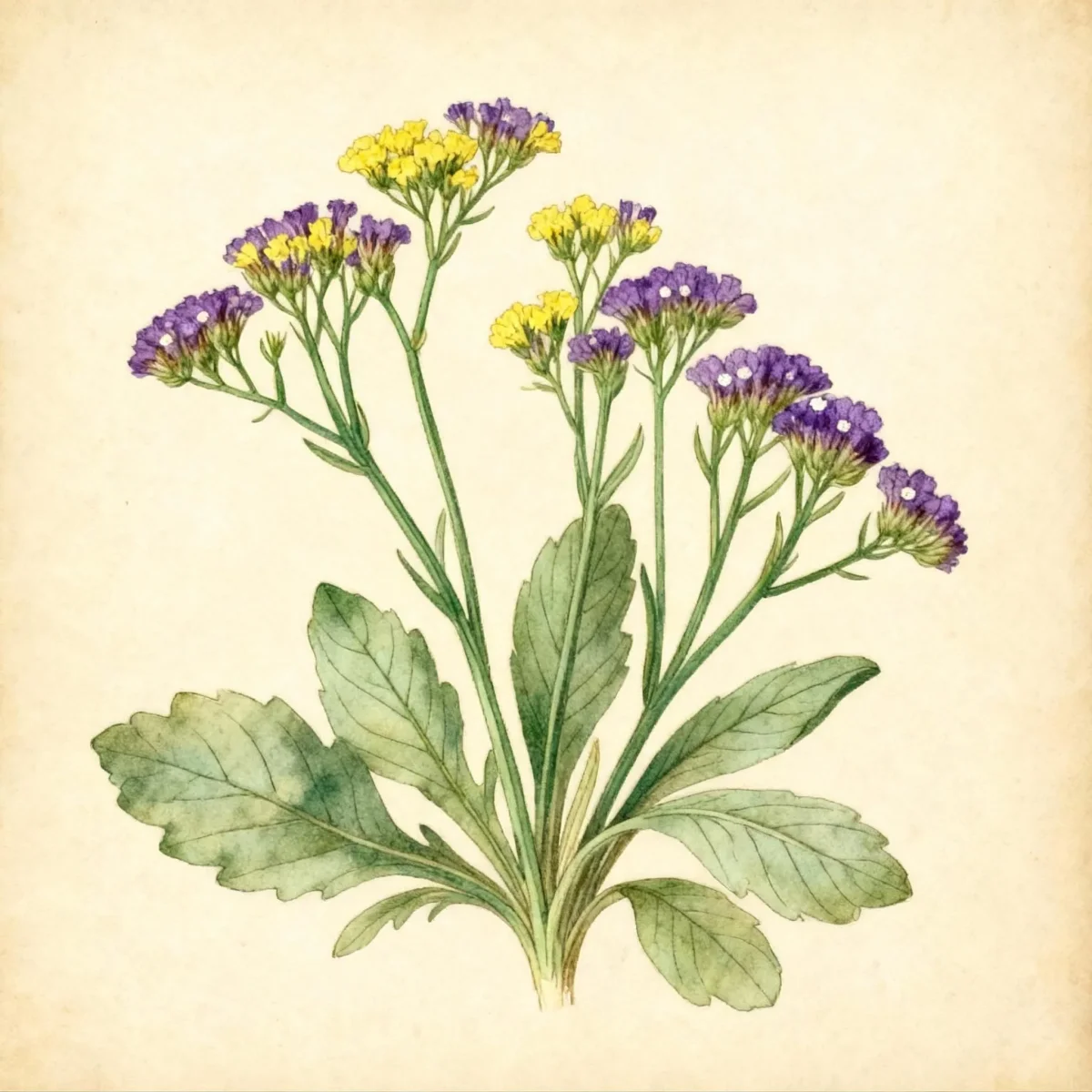
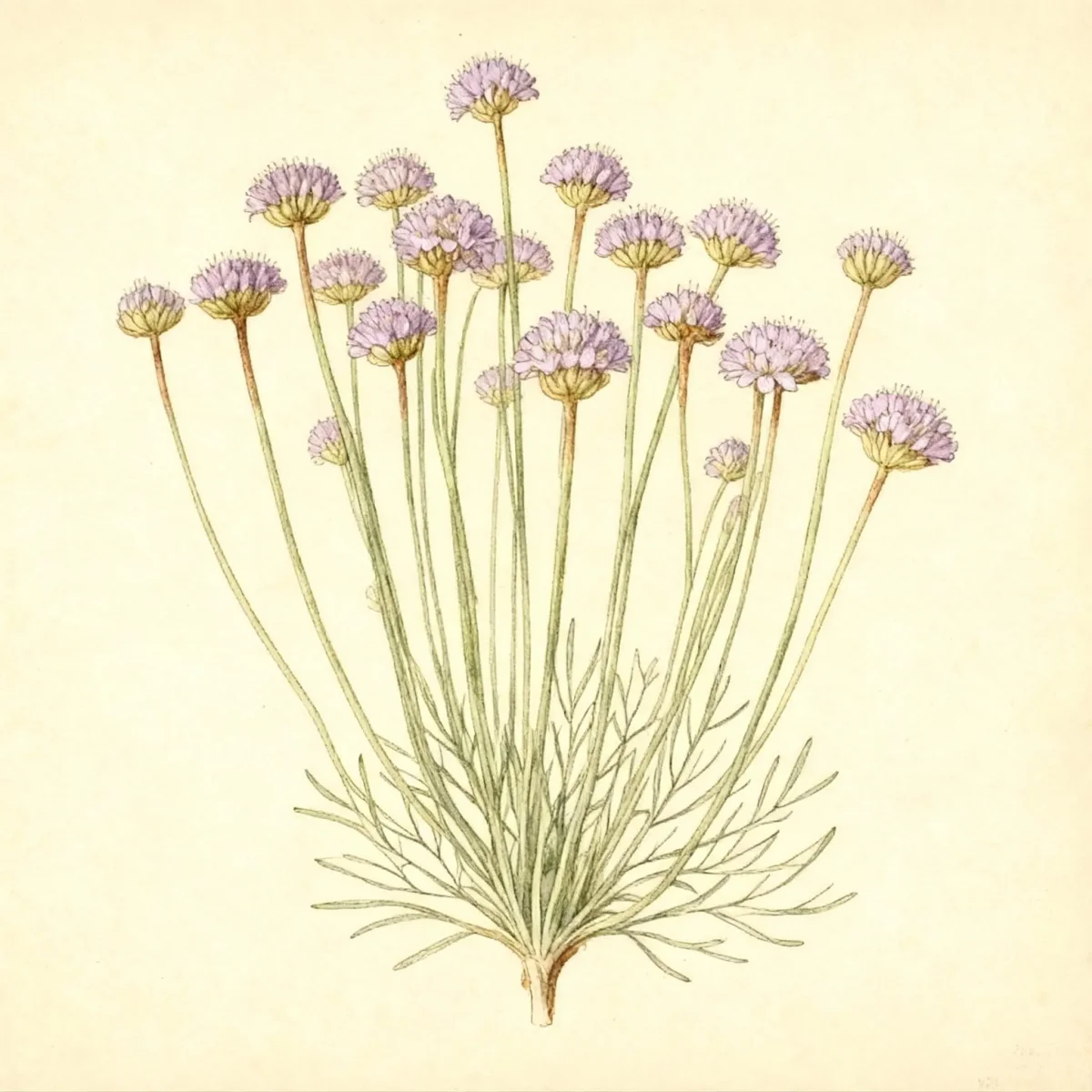
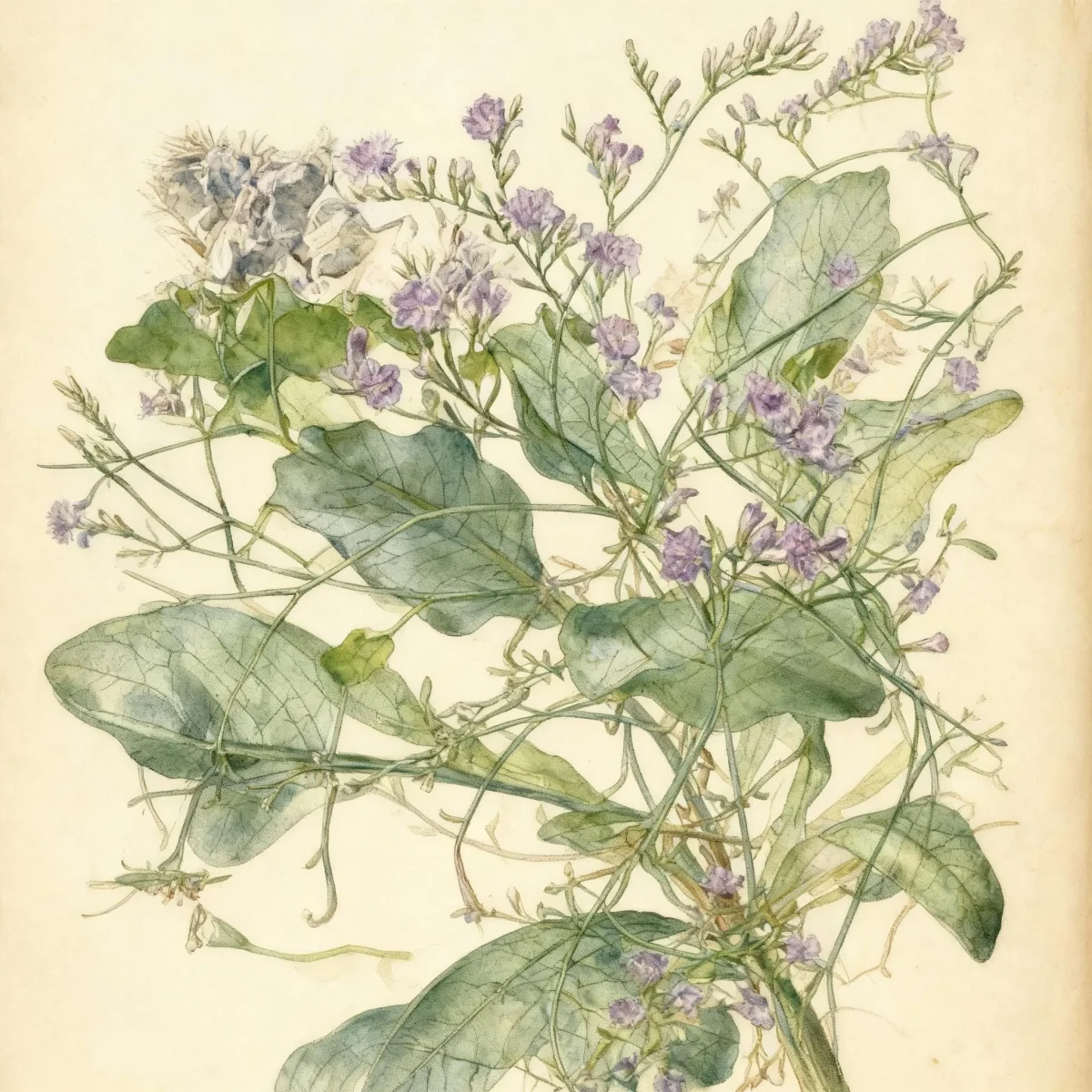
Goniolimon incanum, commonly known as sea lavender, is a woody-based perennial that features a rosette of leaves (each leaf to 5” long) from which rise flower stems well above the foliage clump to as much as 18” tall bearing a summer bloom of tiny flowers in shades of lavender blue, pink or white. ‘Blue Diamond’ is a dwarf sea lavender cultivar which typically grows to only 10” tall, featuring a rounded, cloud-like mass of tiny blue flowers on long, wiry, multi-branched stems. Genus name comes from the Greek gonia meaning an angle and limon meaning a meadow.
Tolerances
- Drought
- Dry Soil
- Shallow-Rocky Soil
Potential Problems
The primary health concern for Goniolimon incanum ‘Blue Diamond’ relates to moisture management. Crown rot and root rot are occasional problems, especially if the plant is situated in heavy, poorly draining soil or areas that remain perpetually damp.
Prevention is straightforward: ensure superb drainage when planting. Avoid mulch layers that pile up against the crown of the plant, trapping moisture directly against the stems. Good air circulation around the foliage base is also essential to minimize the onset potential for these fungal diseases.
Frequently Asked Questions
What hardiness zones is Sea lavender suitable for?
Goniolimon incanum ‘Blue Diamond’ is highly adaptable, suitable for USDA Zones 3 through 9, offering broad regional appeal.
How large does Goniolimon incanum ‘Blue Diamond’ grow?
This dwarf cultivar typically stays small, reaching heights between 0.5 and 1 foot tall, with a spread that can reach up to 5 feet wide when mature.
How long does Goniolimon incanum ‘Blue Diamond’ bloom?
The profuse flowering period for this Sea lavender generally occurs from May to July, displaying masses of delicate blue flowers.
What sun exposure does Sea lavender need?
This perennial thrives best in full sun conditions, which promotes compact growth and abundant flowering.
Conclusion
The Goniolimon incanum ‘Blue Diamond’ offers exceptional value to the modern garden, providing tenacious drought tolerance and a cloud of airy blue color with minimal demands. Its performance as a low-maintenance, high-impact Sea lavender makes it indispensable for dry sites. Always confirm your local climate matches USDA Zones 3-9 compatibility and prepare a very well-drained planting site before placing these gems in your landscape.
Companion Planting
When selecting companions for Goniolimon incanum ‘Blue Diamond’, prioritize plants that share its love for dry soil and full sun exposure. Avoid moisture-loving companions, as these will inevitably lead to water conditions unsuitable for the Sea lavender. Excellent choices include various stonecrops (Sedum), ornamental thymes, and low-growing Artemisia varieties.
These companions complement the airy texture of Sea lavender while reinforcing the dry aesthetic ideal for rock gardens or sunny slopes. Consider planting low mounds of creeping Phlox or hardy Dianthus nearby; they offer early-season color before the Goniolimon peaks, ensuring continuous visual interest throughout the growing season.
Seasonal Care Calendar
Spring cleanup for your Goniolimon incanum ‘Blue Diamond’ should be minimal, focusing only on removing any winter debris or dead foliage that persists around the base. The plant requires very little supplemental watering in spring unless a severe drought is underway.
Summer is the peak performance season for this Sea lavender; monitor carefully for signs of overwatering, which will manifest as yellowing or mushy crowns. Deadheading is generally not necessary as the dried flower heads can retain some visual appeal, but removing spent stems can tidy the appearance post-bloom in late July.
No specialized winter preparation is usually required in the center of its hardiness range. Ensure soil drains perfectly before winter sets in, as moisture combined with freezing temperatures is the biggest threat to this woody-based perennial.