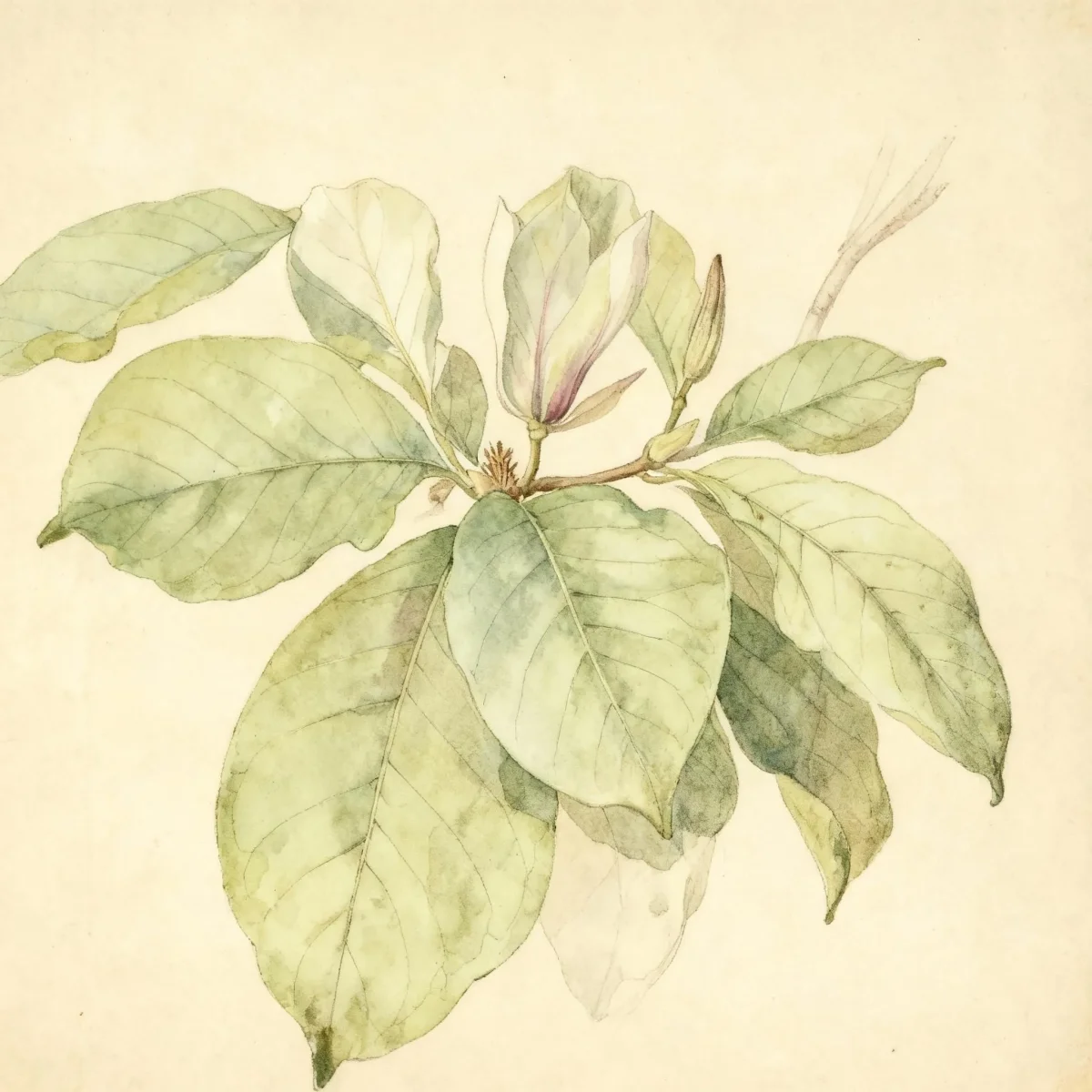
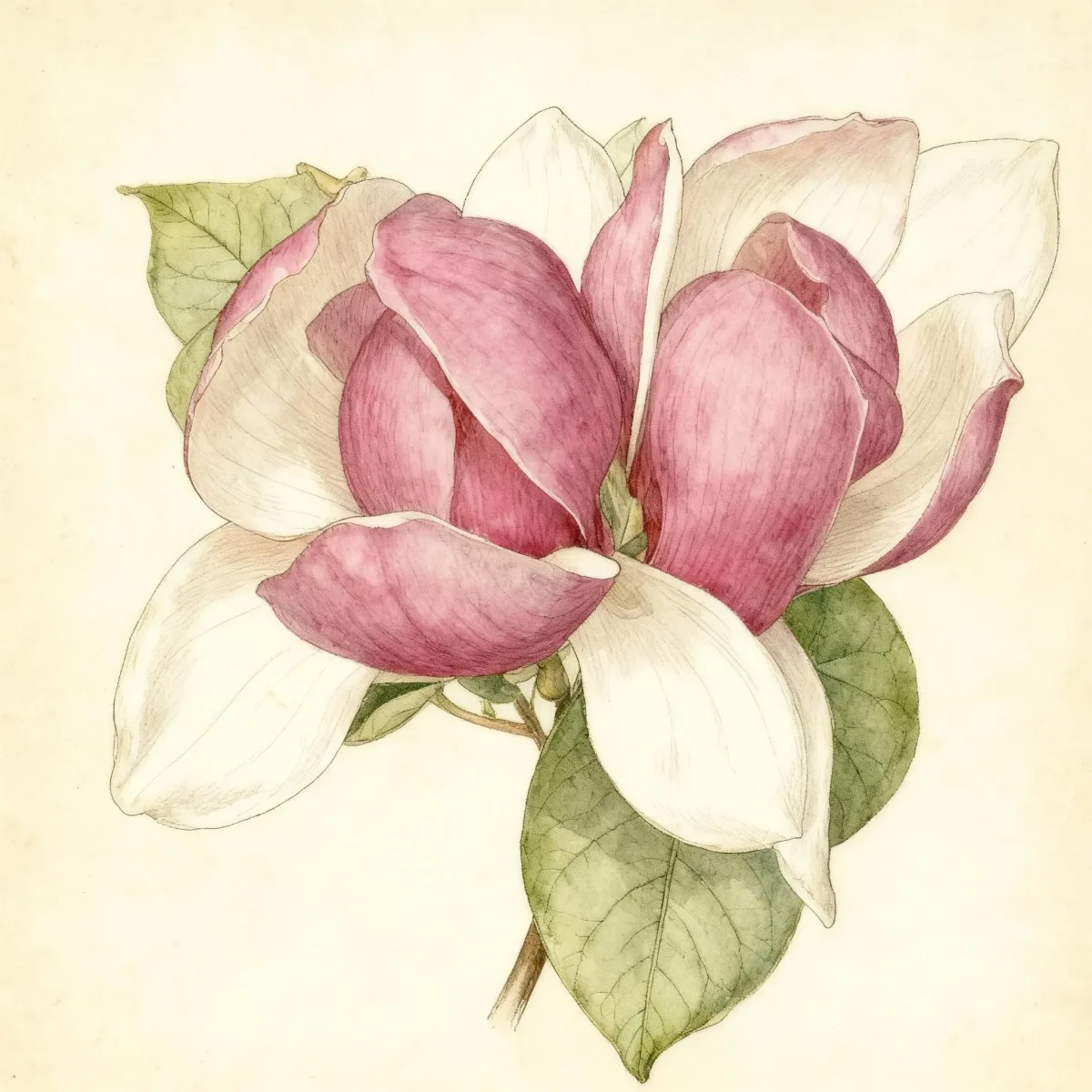
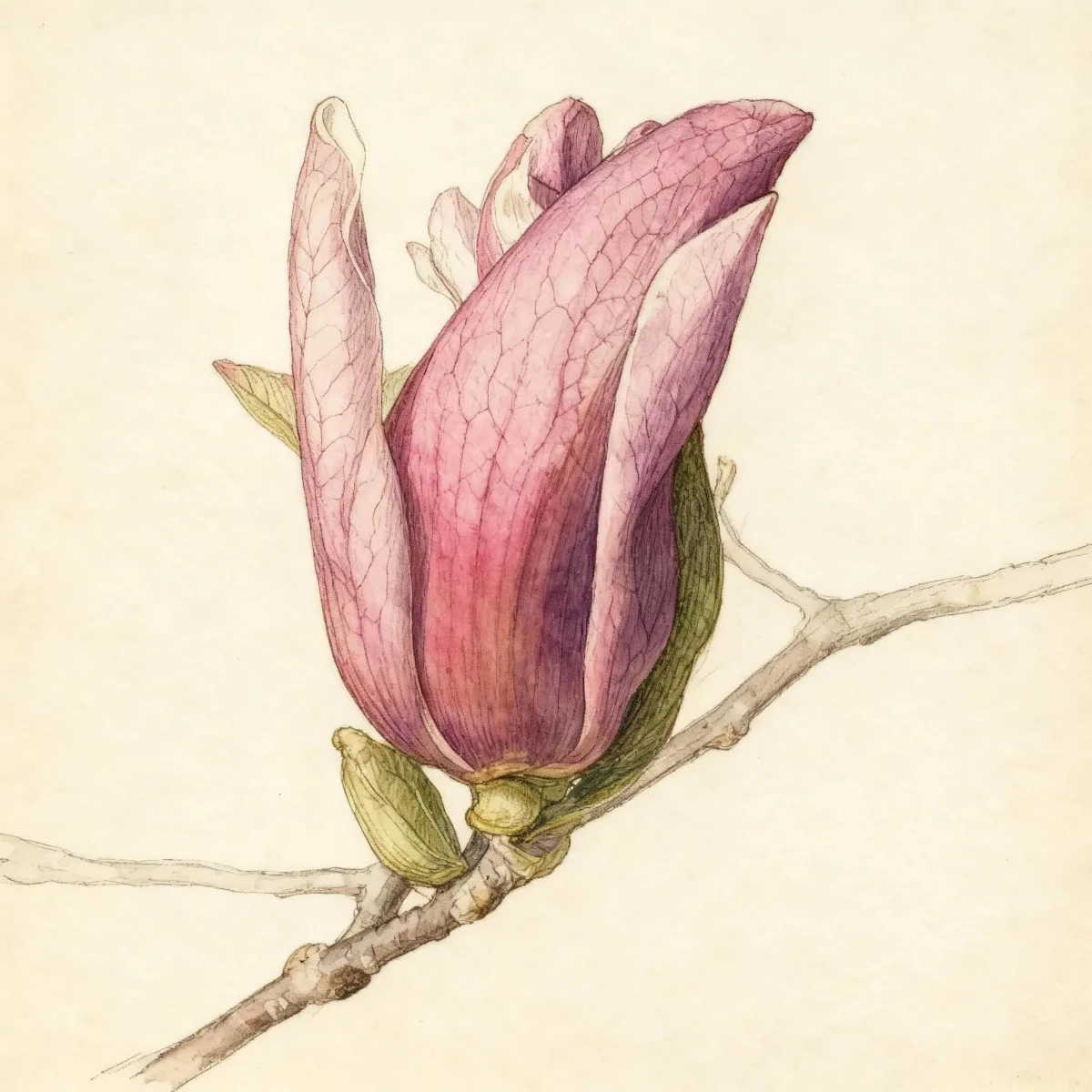
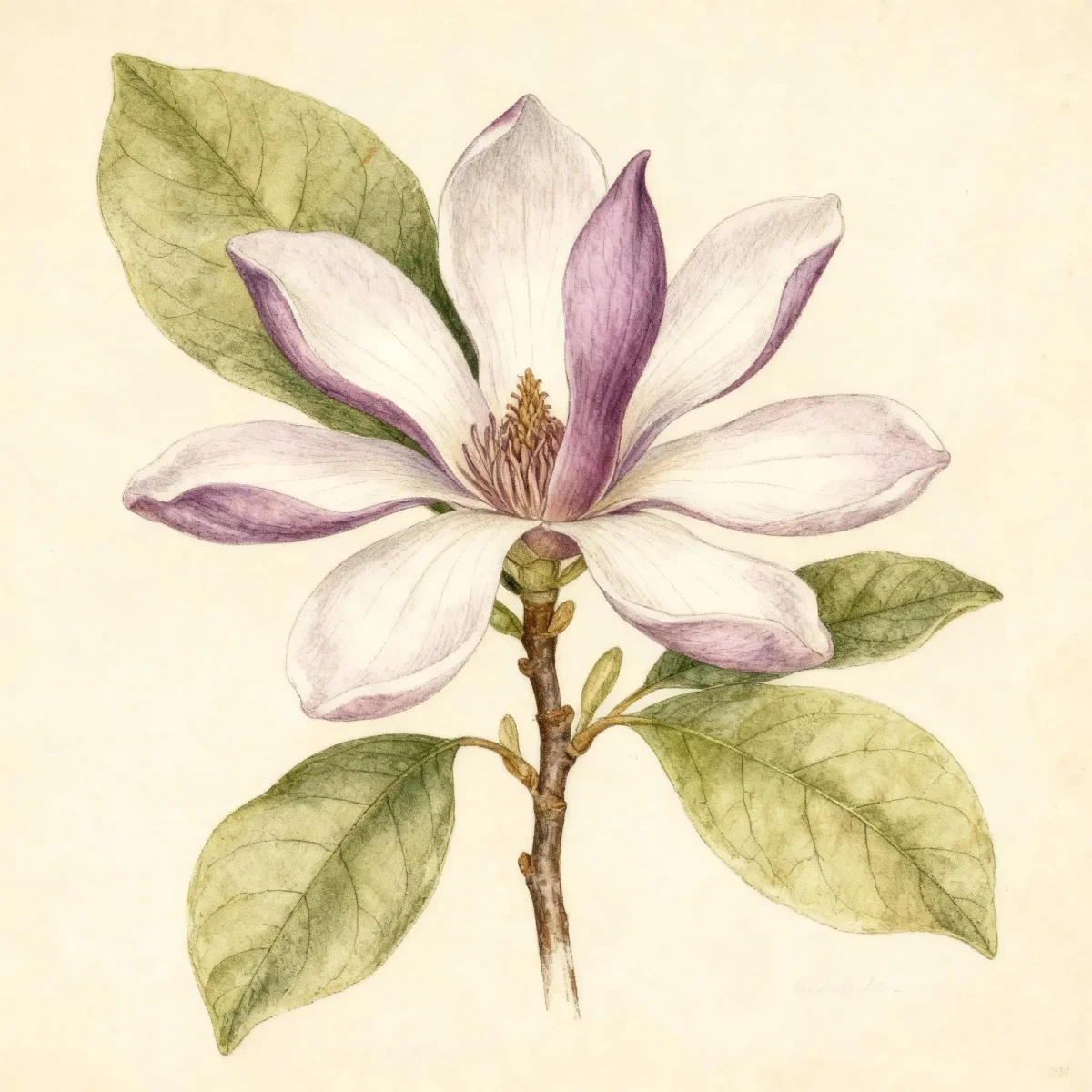
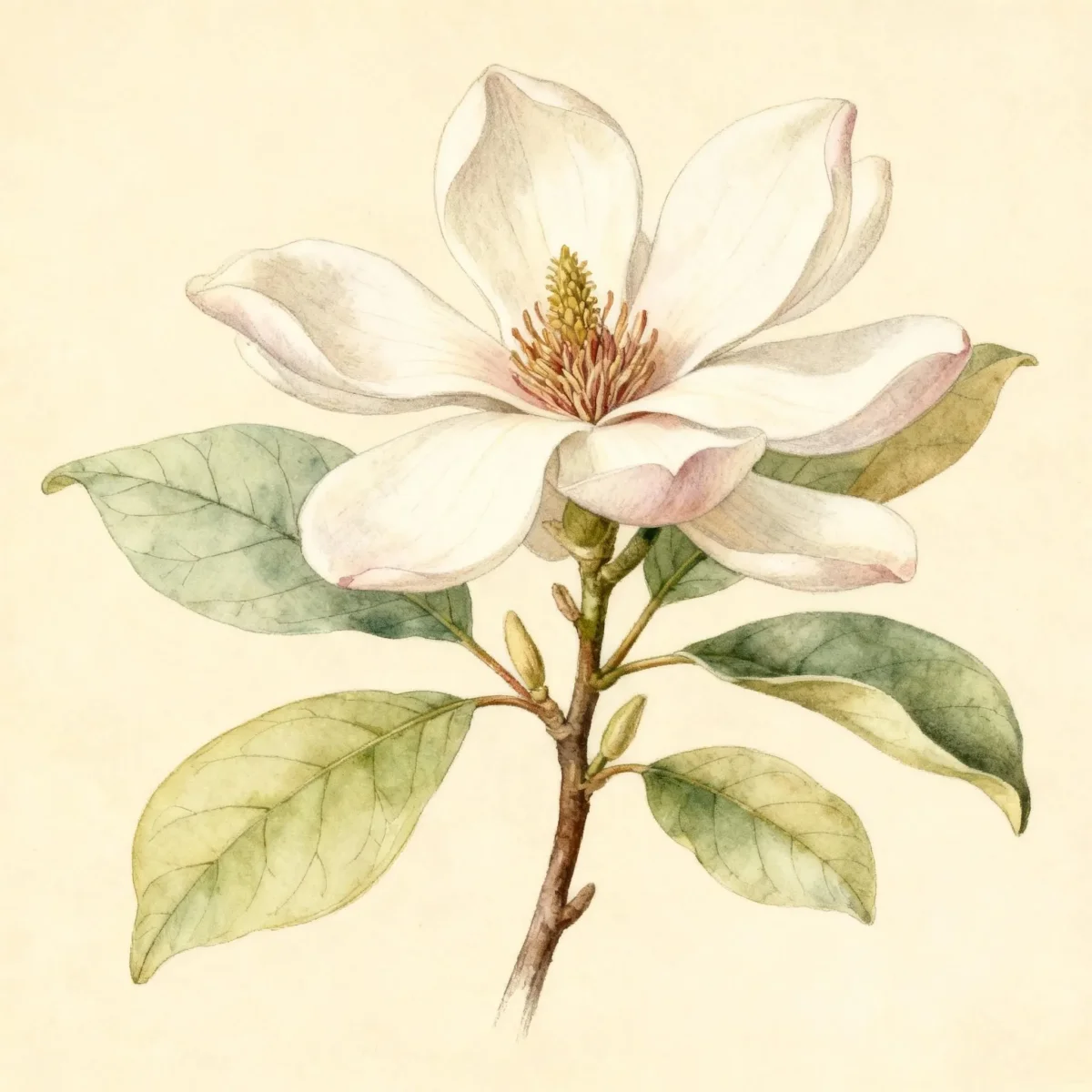
Saucer magnolia (Magnolia × soulangeana)
The Saucer magnolia (Magnolia × soulangeana) offers spectacular early spring blooms. This deciduous tree is relatively hardy in Zones 4-9.
Scroll down to discover growing tips, care requirements, companion plants, and more
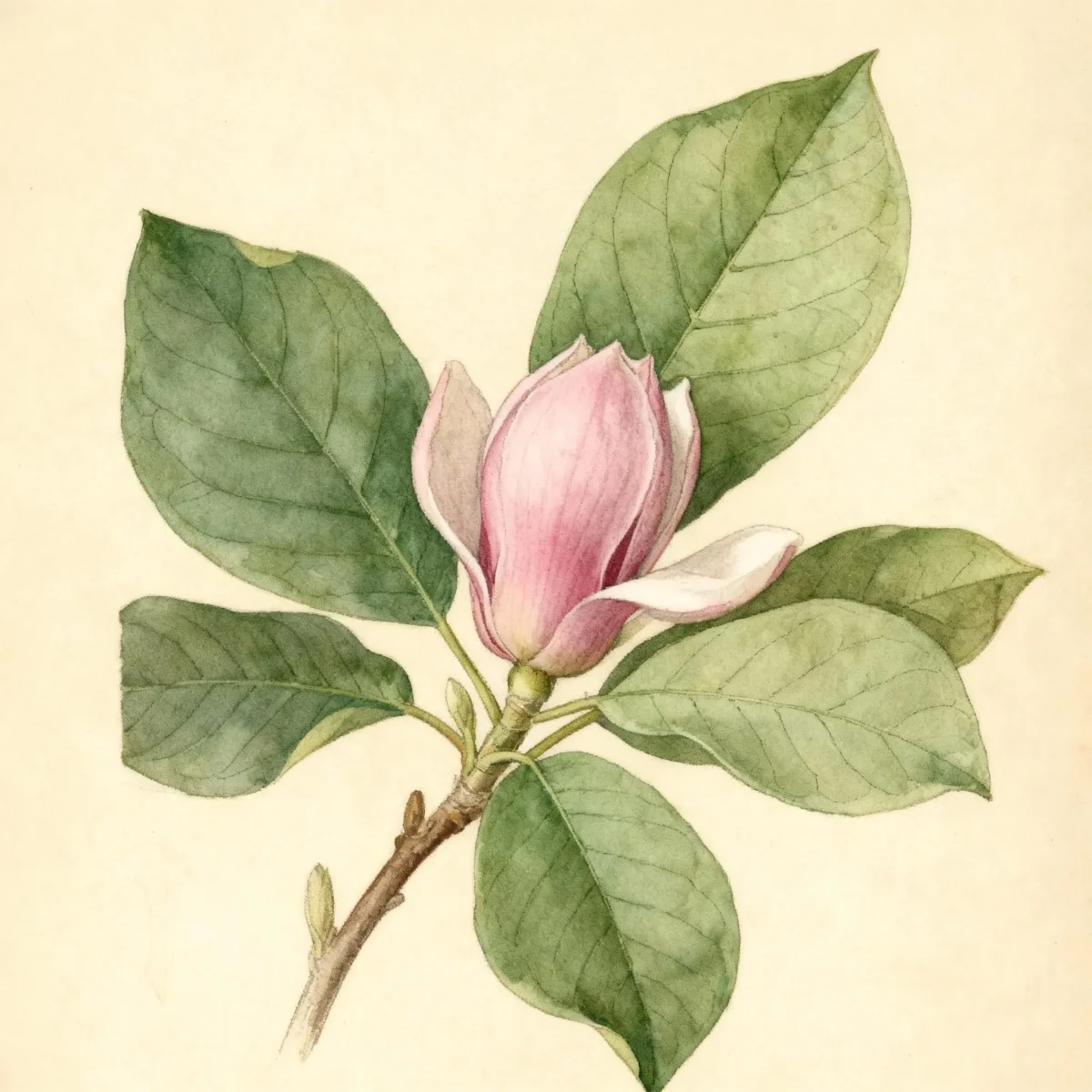
Complete Plant Information
Overview
The Saucer magnolia, scientifically known as Magnolia × soulangeana, stands out as one of the most magnificent early spring bloomers in the temperate garden. Its introduction as a hybrid created immediate excitement, and it remains the most commonly grown deciduous magnolia today, prized for its abundant, large flowers that emerge before the leaves. Gardeners value this tree for the dramatic visual impact it provides when the landscape is otherwise subdued.
Magnolia × soulangeana is a robust, broad shrub or small tree, typically reaching heights between 20 and 25 feet with a similar spread. This reliable performer produces large, fragrant flowers, often reaching 8 inches across, which display striking colors, usually white flushed with purple or pink tones. Its cultural success across USDA zones 4 through 9 speaks to its relative adaptability, provided its cultural needs—particularly concerning moisture and wind protection—are met.
As the most popular deciduous magnolia in cultivation, numerous cultivars of Magnolia × soulangeana are available, offering gardeners a spectrum of flower colors from pure white to deep magenta or burgundy. Planting a Saucer magnolia ensures an annual spectacle, setting a high bar for spring interest in any residential or public landscape design.
Fast Facts
- Plant Family: Magnoliaceae
- Plant Type: Tree
- Native Range: Garden origin
- Hardiness Zones: USDA Zones 4-9
- Size at Maturity:
- Height: 20-25 ft
- Spread: 20-25 ft
- Bloom Time: March
- Bloom Description: White flushed with purple
- Sun Exposure: Full sun to part shade
- Water Needs: Medium
- Maintenance Level: Medium
How to Grow
The best time to establish your Magnolia × soulangeana is in the spring or fall, allowing the root system time to settle before extreme summer heat or winter cold arrives. Select a location that provides full sun to light part shade. Crucially, the soil must be rich in organic matter, acidic, and well-drained. Avoid planting in persistently wet or extremely dry sites, as the Saucer magnolia is intolerant of such extremes.
Consistent moisture is vital for successful cultivation; plants appreciate regular watering throughout the growing season, especially when young. While fertilizing is rarely necessary if the soil is rich, apply organic mulch to conserve moisture and regulate soil temperature. Pruning should be minimal, focused primarily on removing crossing or damaged branches, as heavy pruning can reduce next year’s spectacular bloom display.
A key consideration for Magnolia × soulangeana success is site selection regarding wind and late frosts. Site your tree away from strong winds, but equally important is avoiding southern exposures directly adjacent to structures. Warm surfaces can cause buds to break dormancy too early, making them highly susceptible to damage from subsequent late spring frosts, which can severely impact the flowering display.
Landscape Uses
The Magnolia × soulangeana is primarily utilized as a specimen flowering tree, where its magnificent early bloom can be fully appreciated as a focal point. Its wide, rounded habit also makes it an excellent anchor planting near entryways or incorporated into mixed shrub borders where its structure can be appreciated year-round. When foliage emerges, it offers a dense screen, making it suitable for mid-sized screening applications.
Consider pairing the Saucer magnolia with late-flowering shrubs or trees, such as certain late lilacs or spring-flowering dogwoods, to extend the interest period in the garden once the magnolia’s initial flush has faded. In foundation plantings, ensure adequate space is left for the mature 20 to 25-foot spread; avoiding placement too close to buildings prevents structural damage and ensures good air circulation around the flowers.
This tree serves beautifully in naturalized settings or as a centerpiece in formal areas where its seasonal drama is maximized against evergreen backgrounds. The bold presence of a mature Magnolia × soulangeana instantly elevates the aesthetic value of the spring garden.
Standout Features
Flower Qualities
- Showy
- Fragrant
Fruit Qualities
- Showy
Noteworthy Characteristics
Magnolia × soulangeana, commonly known as saucer magnolia, is a deciduous hybrid magnolia. It is celebrated as the most commonly grown deciduous magnolia, typically maturing into a broad shrub or small tree reaching 20-25 feet tall with a rounded crown, often multi-trunked. Its fragrant flowers, up to 8 inches across, bloom vigorously in early spring before the foliage appears, presenting pink exteriors with white interiors, although sporadic later blooms occur. This tree’s popularity established its status as a garden staple, with countless cultivars available today.
Tolerances
- Clay Soil
Potential Problems
While generally robust and often free from serious insect or disease issues, observant gardeners should monitor for a few potential issues. Leaf spot and canker can occasionally become troublesome, requiring monitoring. Scale insects may also target the bark or twigs, necessitating dormant oil treatments if infestations become heavy. The most common threat to the aesthetic appeal of Magnolia × soulangeana is environmental: late spring frosts frequently damage the early-opening flowers, leading to a diminished or aborted bloom display that year.
Frequently Asked Questions
What hardiness zones is Saucer magnolia suitable for?
The Magnolia × soulangeana is adaptable across a wide range, thriving well in USDA Zones 4 through 9.
How large does Saucer magnolia grow?
This tree typically reaches a mature height between 20 and 25 feet, with a comparable spread of 20 to 25 feet.
What sun exposure does Saucer magnolia need?
For the best flowering and overall health, the Saucer magnolia prefers locations receiving full sun to partial shade.
When does Saucer magnolia bloom?
The primary bloom time for this species is early spring, typically occurring in March, producing flowers described as white flushed with purple.
Conclusion
The Magnolia × soulangeana remains an indispensable feature in temperate landscaping due to its spectacular, large, fragrant blooms that signal the true arrival of spring. Its resilience across USDA zones 4-9, combined with its manageable size, makes the Saucer magnolia a worthy investment for most properties. Before purchasing, confirm that your intended site offers protection from harsh winds and the potential for late frosts to ensure you enjoy the full glory of this magnificent hybrid.
Companion Planting
When selecting companions for Magnolia × soulangeana, focus on plants that share the need for slightly acidic, moist, and organically rich soil, while also complementing its early spring bloom time. Consider planting early-blooming bulbs like daffodils or tulips beneath the canopy; their foliage will die back just as the magnolia begins to leaf out, preventing unsightly bareness later in the season. For summer structure, utilize late-flowering evergreens or deciduous shrubs that thrive in dappled light, such as Japanese maples (if soil pH is appropriate) or rhododendrons, ensuring the soil moisture profile remains consistent for the magnolia.
Seasonal Care Calendar
Spring maintenance revolves entirely around the bloom. Once flowering concludes, conduct light cleanup and apply a fresh layer of organic mulch around the root zone—but keep mulch away from the trunk flare. Summer is the critical time for deep, infrequent watering unless rainfall is abundant, ensuring the medium soil moisture required by Magnolia × soulangeana is maintained. In autumn, rake up fallen leaves but avoid excessively disturbing the soil near the tree as this can damage sensitive surface roots. Winter care is mostly hands-off, focusing on protecting the plant from high winds, but remember that dormant pruning should be avoided unless removing storm damage, as most structural pruning is best done immediately after flowering finishes.