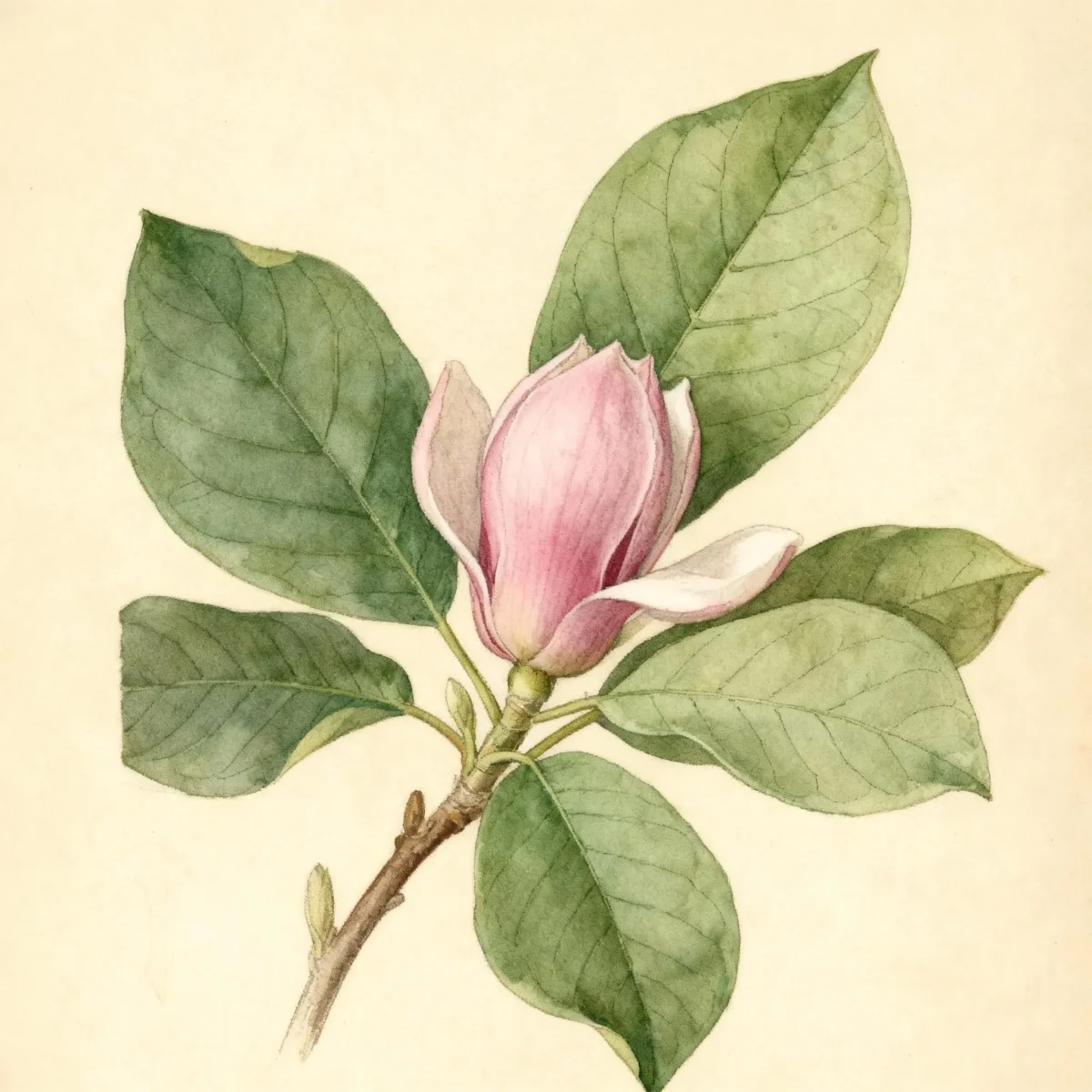
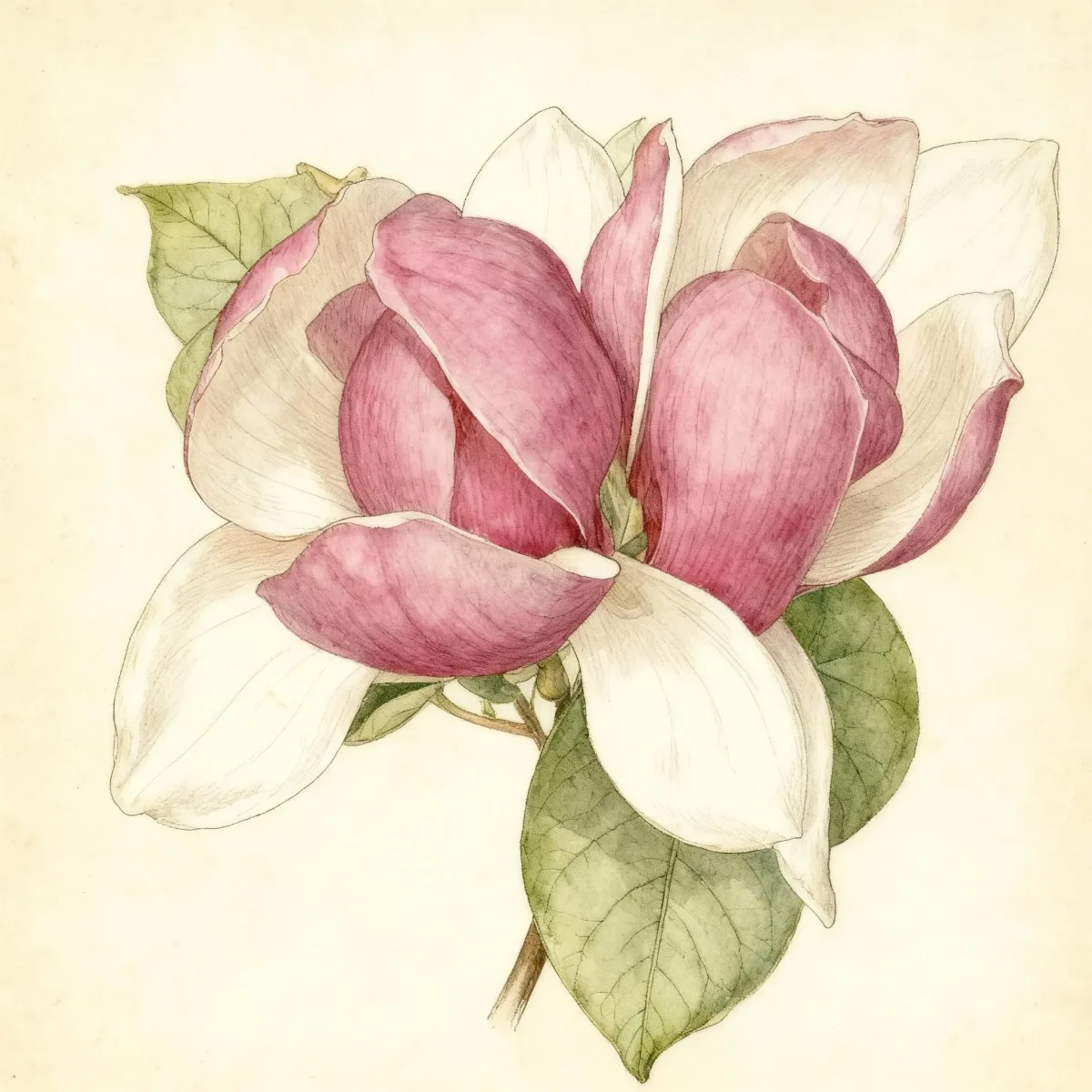
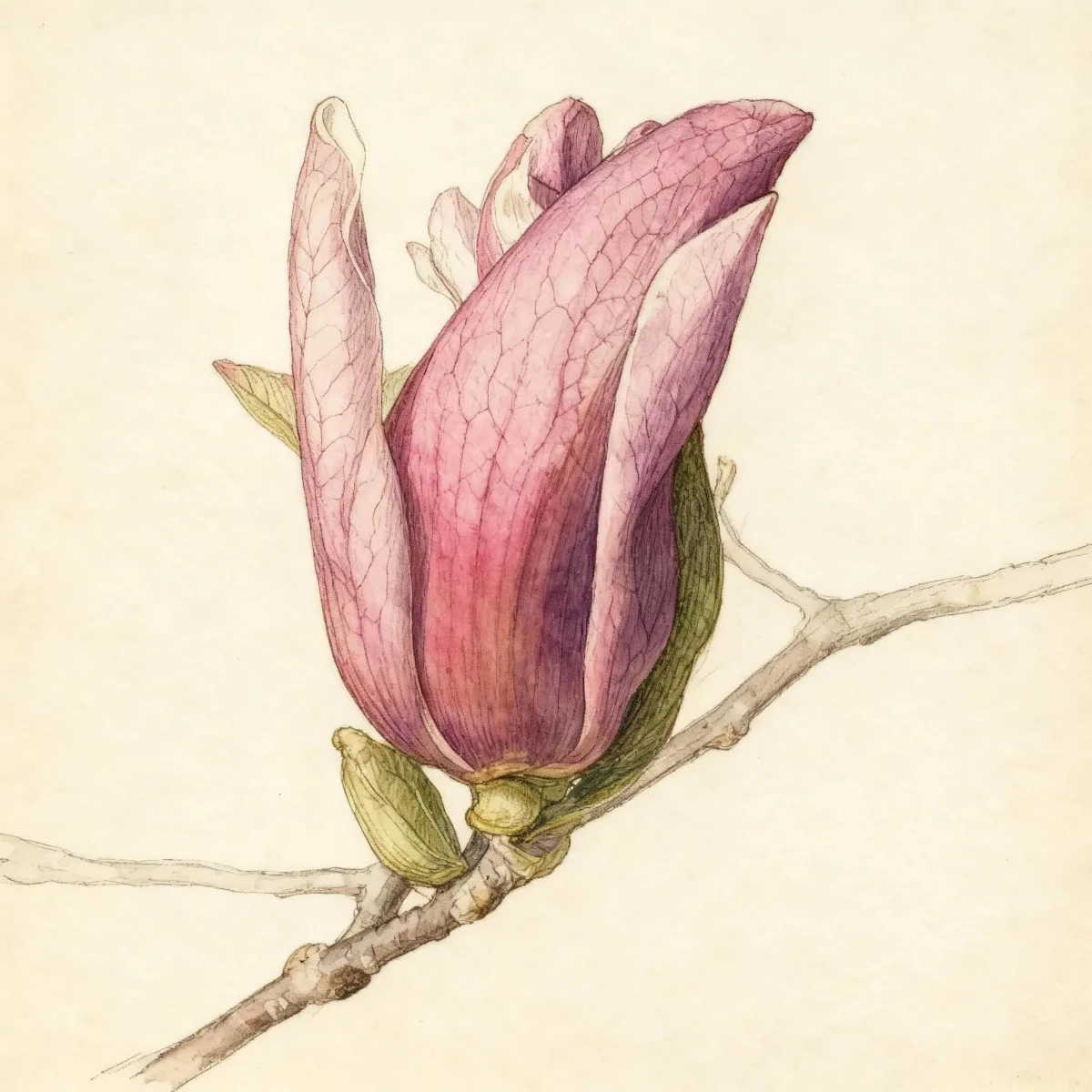
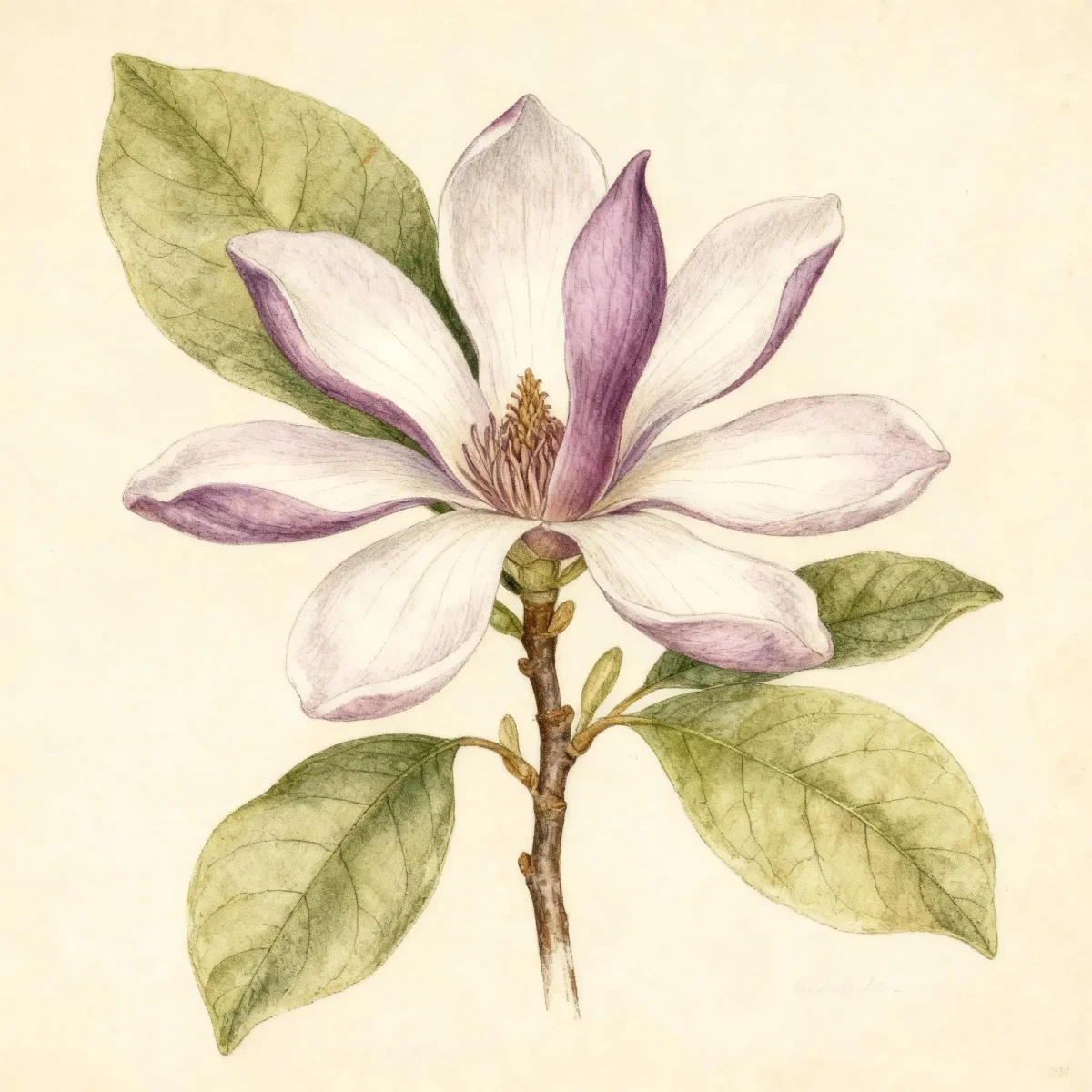
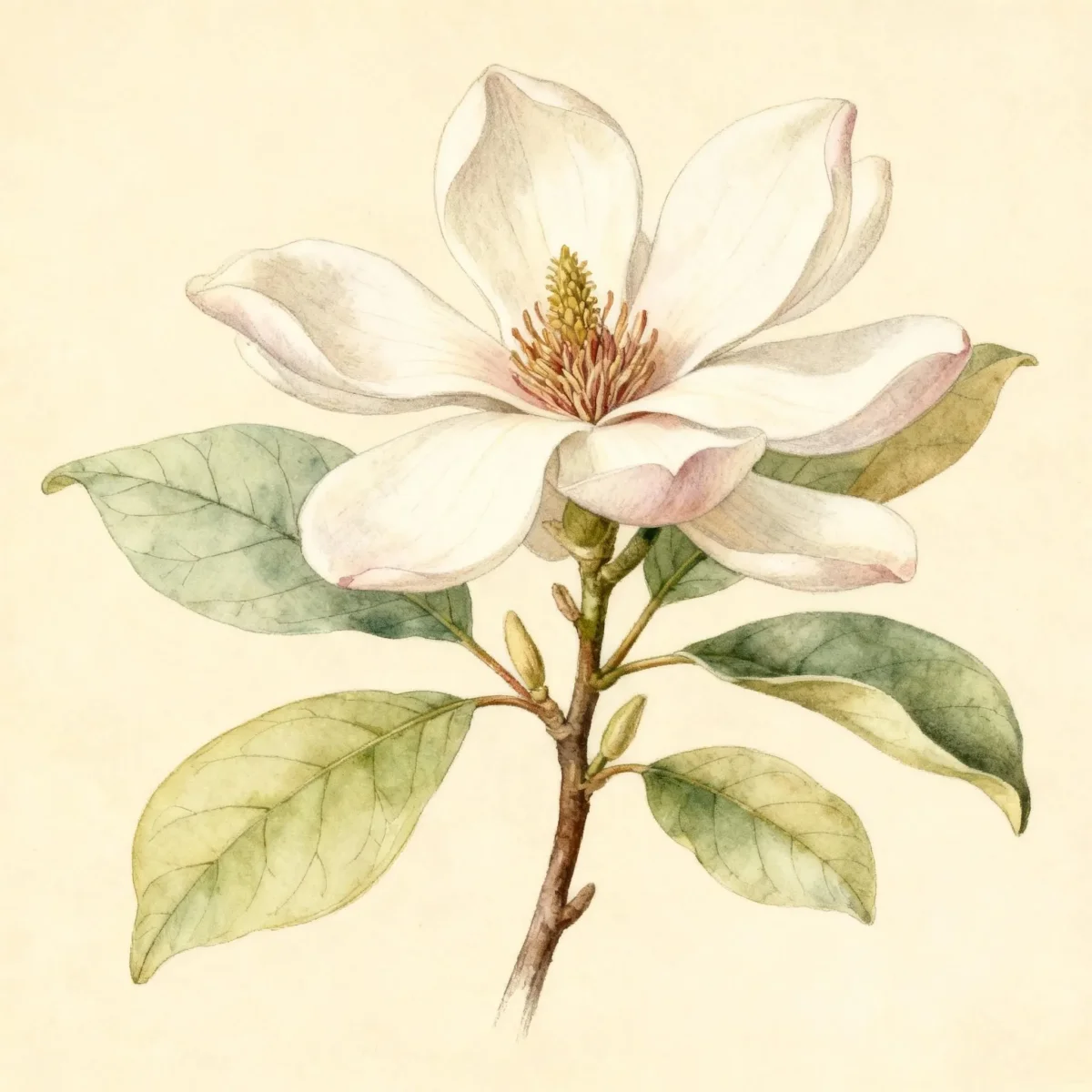
Saucer magnolia (Magnolia × soulangeana 'Alexandrina')
The iconic Saucer magnolia, Magnolia × soulangeana 'Alexandrina', offers spectacular early spring color with large, fragrant, purple-pink blooms.
Scroll down to discover growing tips, care requirements, companion plants, and more
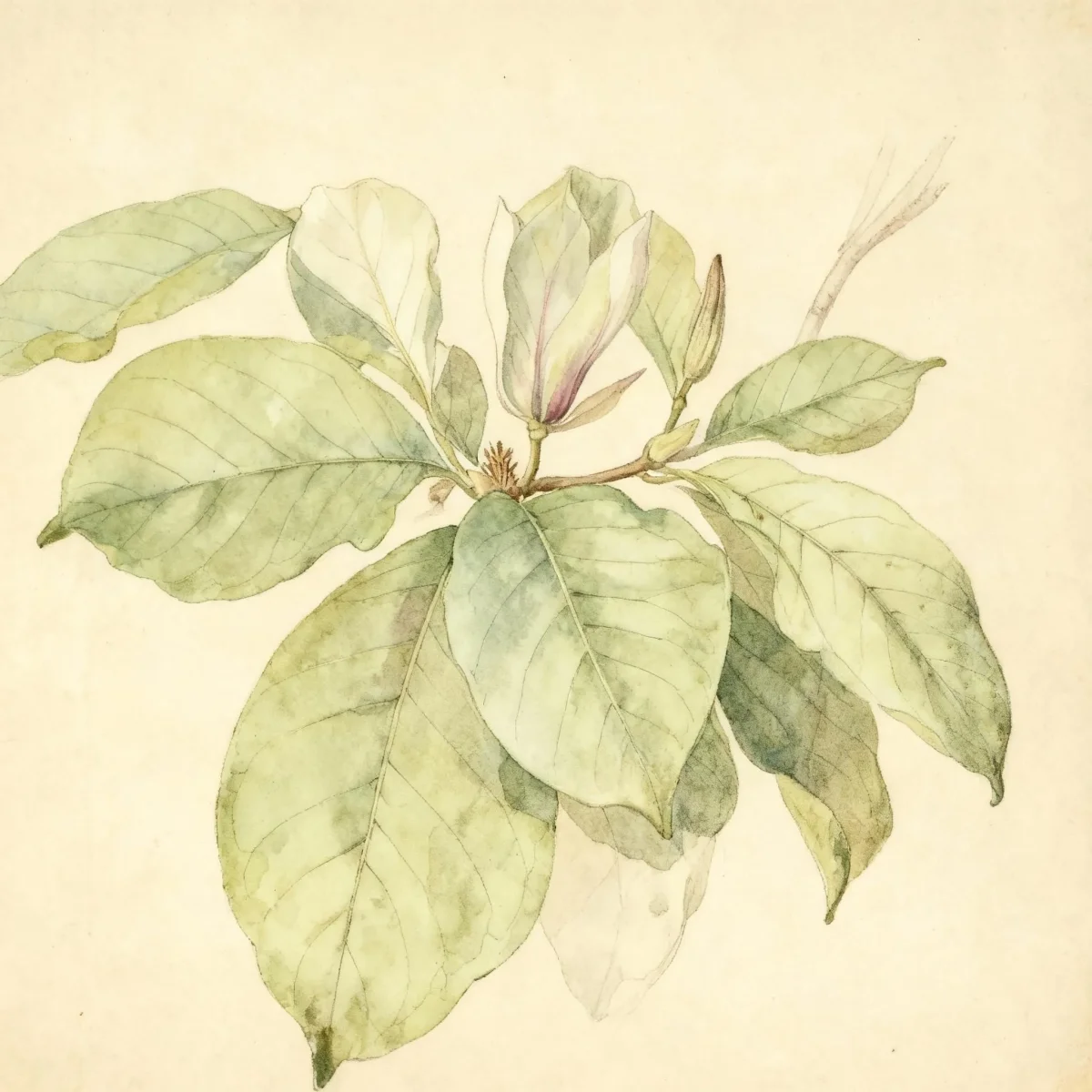
Complete Plant Information
Overview
The Saucer magnolia (Magnolia × soulangeana ‘Alexandrina’) stands out as one of the most celebrated deciduous flowering trees for temperate landscapes. Valued for its dramatic, early spring floral display, this hybrid magnolia brings vibrant color just as the landscape begins to wake up. Its large, cup-shaped flowers are deeply colored, transitioning from a rich purple-pink on the exterior to a soft white inside, making Magnolia × soulangeana ‘Alexandrina’ an unforgettable specimen.
As a broad shrub or small tree, the Saucer magnolia typically matures to a height and spread of 20 to 30 feet, offering a dense, rounded crown ideal for focal points. While it requires medium maintenance, including protection from late frosts, the payoff is significant. This tree is truly the star of the spring garden before its handsome green foliage fully emerges.
Gardeners prize the Magnolia × soulangeana ‘Alexandrina’ for its spectacular show quality and delightful fragrance. Successful cultivation relies on proper siting to protect those early buds from harsh weather, rewarding diligent gardeners with one of the season’s most anticipated blooms.
Fast Facts
- Plant Family: Magnoliaceae
- Plant Type: Tree
- Hardiness Zones: USDA Zones 5-8
- Size at Maturity:
- Height: 20-30 ft
- Spread: 20-30 ft
- Bloom Time: March to April
- Bloom Description: Purple-pink with white interiors
- Sun Exposure: Full sun to part shade
- Water Needs: Medium
- Maintenance Level: Medium
How to Grow
The key to successfully growing Magnolia × soulangeana ‘Alexandrina’ lies in its precise site selection, particularly concerning soil and frost. Establish your tree best in moist, acidic, organically rich, well-drained loams. Consistent moisture is vital; Saucer magnolia is generally intolerant of sudden swings between dry or overly wet soil conditions.
When planting, choose a location protected from harsh, desiccating winds. Critically, avoid southern exposures immediately adjacent to structures, as the reflected warmth can trick the dormant buds into opening prematurely, making them highly susceptible to subsequent spring frosts. Consistent and regular moisture must be maintained throughout the growing season to support this heavy bloomer.
Pruning is minimal, usually only required to remove crossing or damaged branches, as the natural form of the young Saucer magnolia is often desirable. Because the tree appreciates its roots undisturbed, apply a thick layer of organic mulch annually, taking care to keep it away from the trunk flare. This practice helps maintain consistent soil temperatures and moisture levels vital for Magnolia × soulangeana ‘Alexandrina’.
Landscape Uses
The primary application for Magnolia × soulangeana ‘Alexandrina’ is as a striking specimen. Its size and breathtaking bloom make it perfect as a singular focal point in a lawn area where its structure can be fully appreciated during the late winter and early spring months. It functions wonderfully as a small flowering tree to anchor entryways or patio settings.
When integrating this early bloomer into a mixed border, select companion plants that either bloom later or offer contrasting texture. Consider planting evergreens like Boxwood or Yew nearby to provide a structural backdrop that highlights the spring tapestry of the Saucer magnolia. Its broad, rounded habit also makes it effective when massed in wide, open groves providing dramatic springtime impact across larger properties.
Standout Features
Flower Qualities
- Showy
- Fragrant
Noteworthy Characteristics
Magnolia × soulangeana, commonly known as saucer magnolia, is a deciduous hybrid magnolia (M. Denudata × M. Liliiflora). It is the most commonly grown deciduous magnolia and typically matures over time to 20-30’ tall with a rounded crown, often appearing multi-trunked. Fragrant flowers up to 8” across bloom dramatically in early spring before the foliage emerges, presenting as pink with white interiors, though Magnolia × soulangeana ‘Alexandrina’ specifically features purple-pink coloring. This species is highly popular due to its spectacular seasonal display and the wide range of colors available across its many cultivars.
Tolerances
- Clay Soil
Potential Problems
Magnolia × soulangeana ‘Alexandrina’ is generally robust, suffering from no serious insect or disease problems when grown in ideal conditions. However, watch for scale insects which can occasionally appear. Fungal issues like leaf spot and canker can become troublesome if air circulation is poor or if the plant is chronically stressed by poor drainage. The most significant cultural issue remains late spring frosts; if a hard freeze occurs after the buds have swelled or opened, the magnificent floral display will be severely damaged or destroyed.
Frequently Asked Questions
What hardiness zones is Saucer magnolia suitable for?
The Saucer magnolia (Magnolia × soulangeana ‘Alexandrina’) is reliably hardy in USDA Zones 5 through 8.
How large does Saucer magnolia grow?
This variety typically reaches a mature height between 20 and 30 feet, with a corresponding spread of 20 to 30 feet, forming a broad, rounded crown.
When does Saucer magnolia bloom?
The primary bloom time for Magnolia × soulangeana ‘Alexandrina’ is early spring, specifically from March to April, offering showy flowers described as purple-pink with white interiors.
What sun exposure does Saucer magnolia need?
This variety performs best when situated in full sun to part shade conditions, though providing some protection from intense afternoon sun can be beneficial in hotter zones.
Conclusion
The Saucer magnolia, represented by the stunning cultivar Magnolia × soulangeana ‘Alexandrina’, is an unparalleled specimen cherished for its spectacular pre-foliage bloom. Its medium maintenance requirement is easily outweighed by the visual drama it provides each spring. Before planting, always verify your local USDA hardiness zone compatibility and secure the perfect, protected location to ensure its early blossoms thrive.
Companion Planting
When designing a planting area around your Saucer magnolia, focus on plants that do not compete heavily for surface moisture, as consistent water is crucial for this species. Consider low-growing, acid-loving perennials such as Azaleas or Rhododendrons, which share similar soil preferences and can thrive under the filtered light the tree provides later in the season. For spring contrast while the Magnolia × soulangeana ‘Alexandrina’ is in bloom, early bulbs like Daffodils or Grape Hyacinths offer low-level color interest near the base.
Seasonal Care Calendar
Early spring is make-or-break for the Saucer magnolia. Monitor forecasts closely; if a hard freeze is predicted after bloom initiation, consider covering the tree temporarily with burlap, particularly for younger specimens. Summer care centers entirely on consistent watering; never allow the soil around the tree to dry out completely, especially during hot, dry spells. In late winter, before new growth begins, inspect the plant for any winter-damaged branches that need pruning, ensuring cuts are clean and made back to healthy wood.