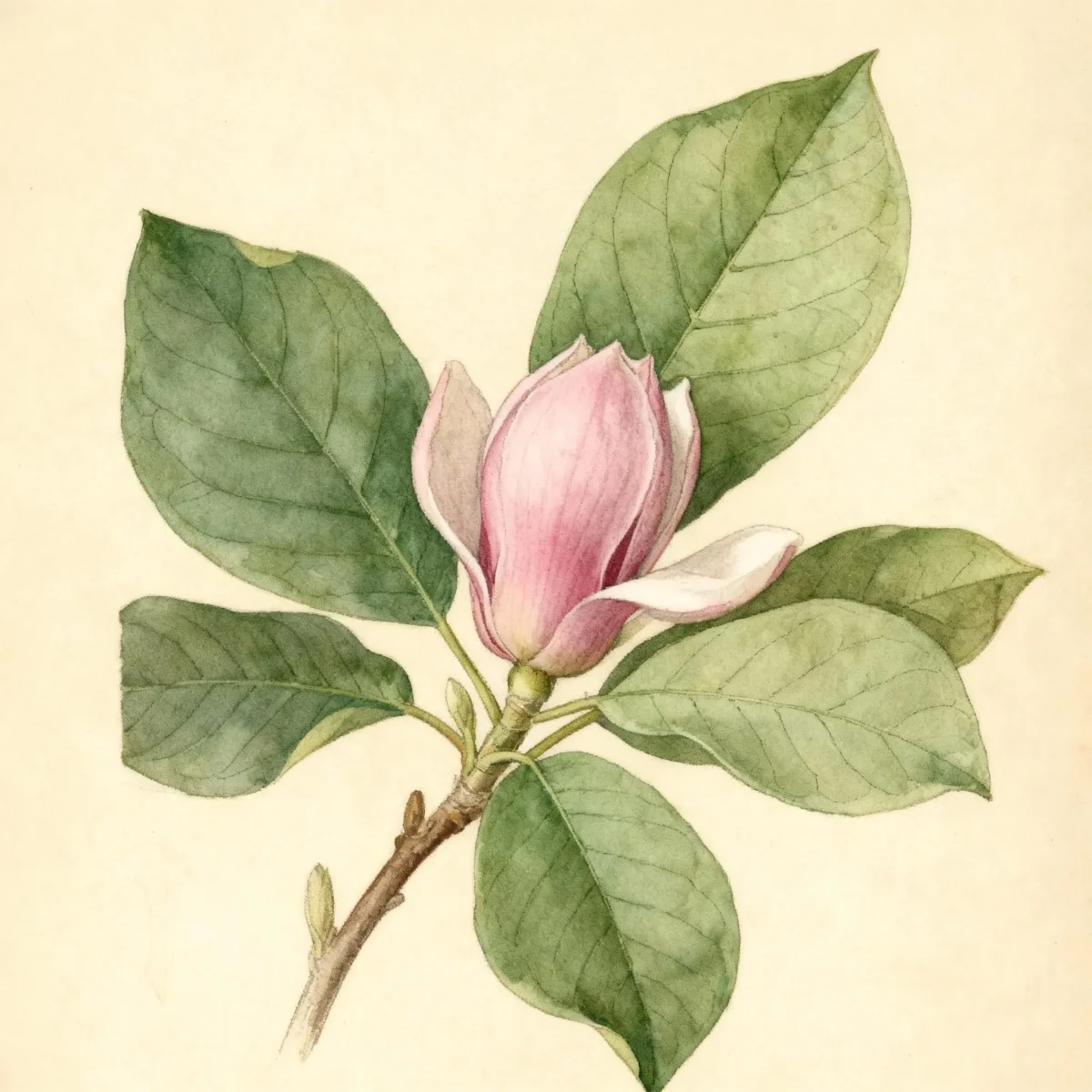
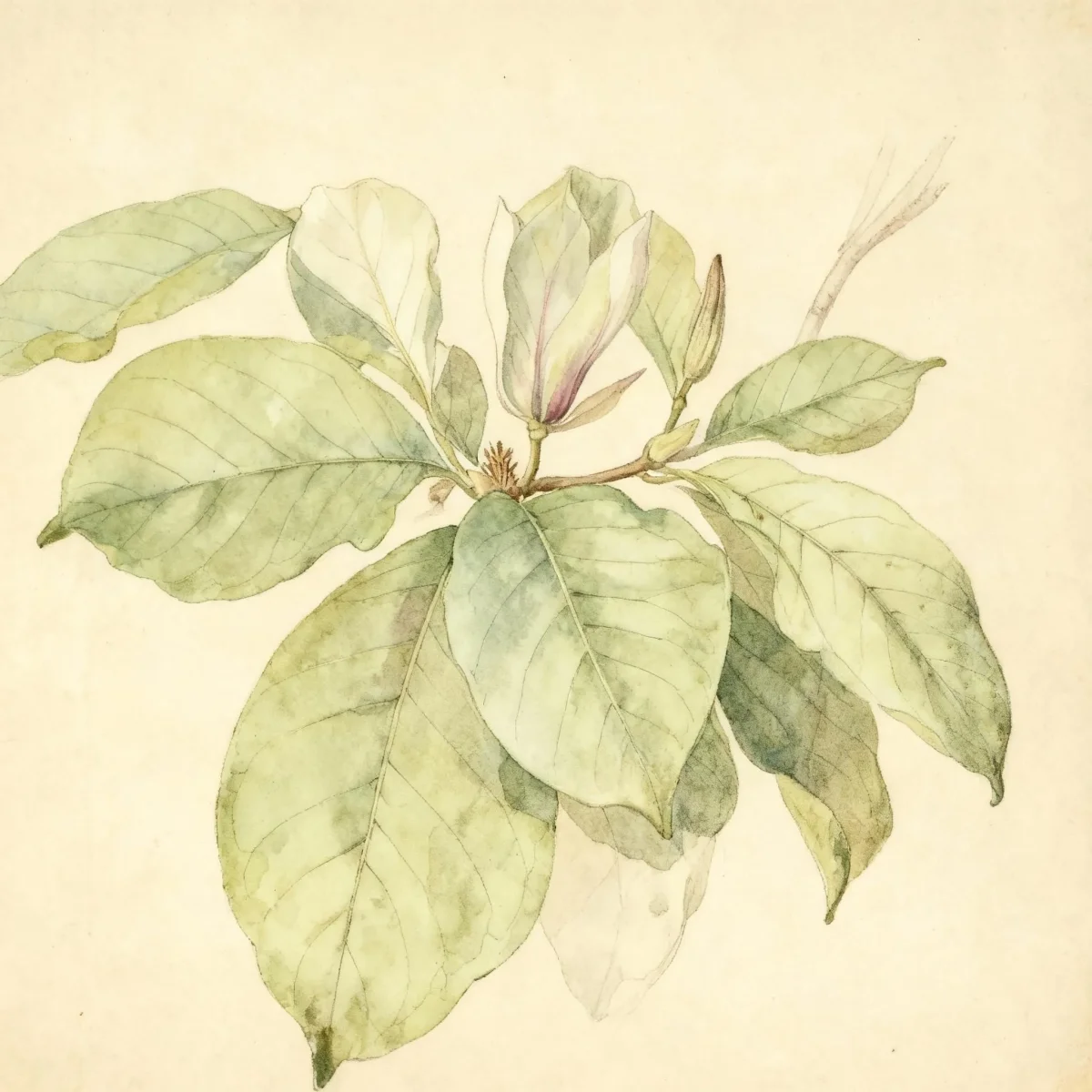
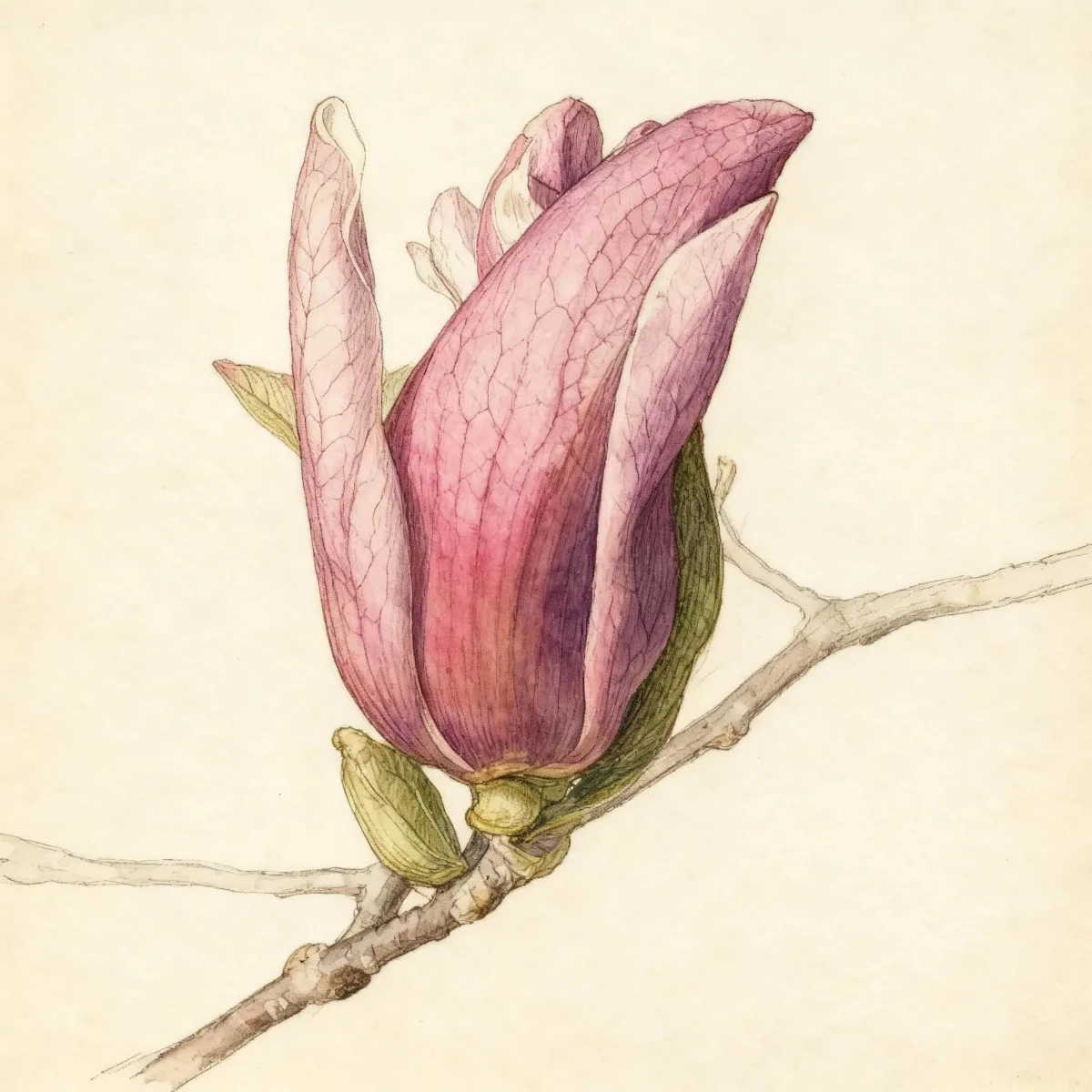
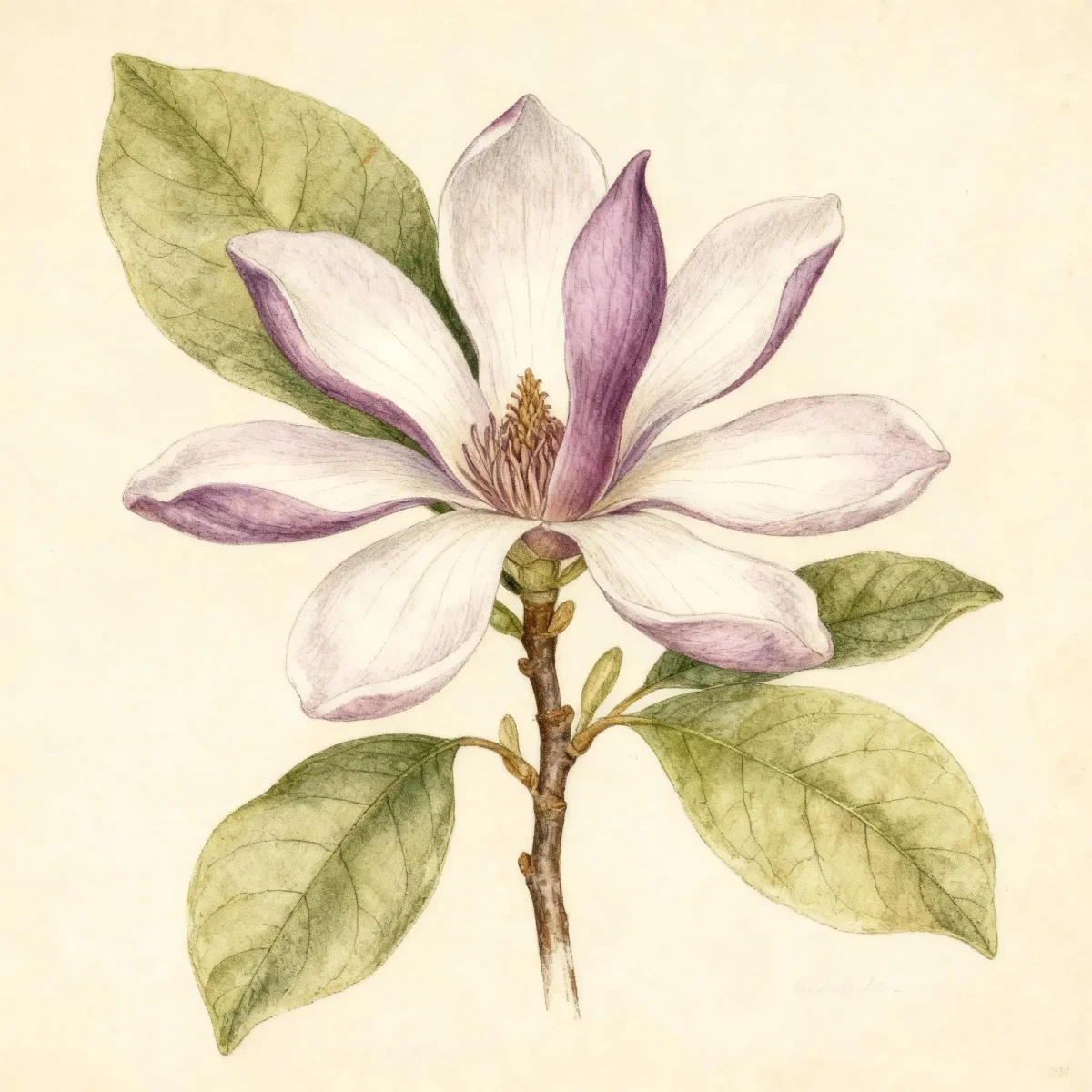
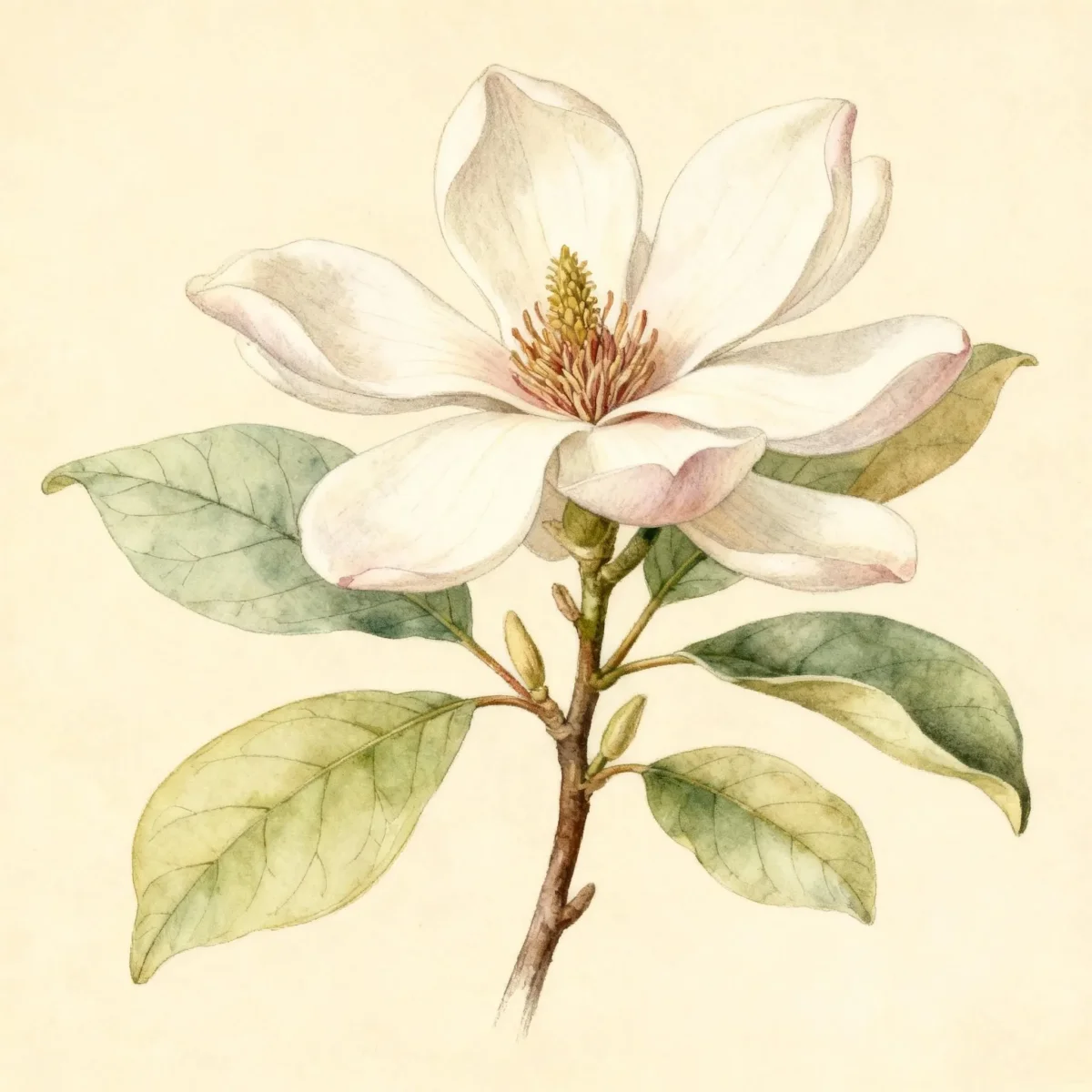
Saucer magnolia (Magnolia × soulangeana 'Lennei')
Magnolia × soulangeana 'Lennei' is a magnificent Saucer magnolia cultivar boasting deep purple, fragrant blossoms in early spring.
Scroll down to discover growing tips, care requirements, companion plants, and more
Complete Plant Information
Overview
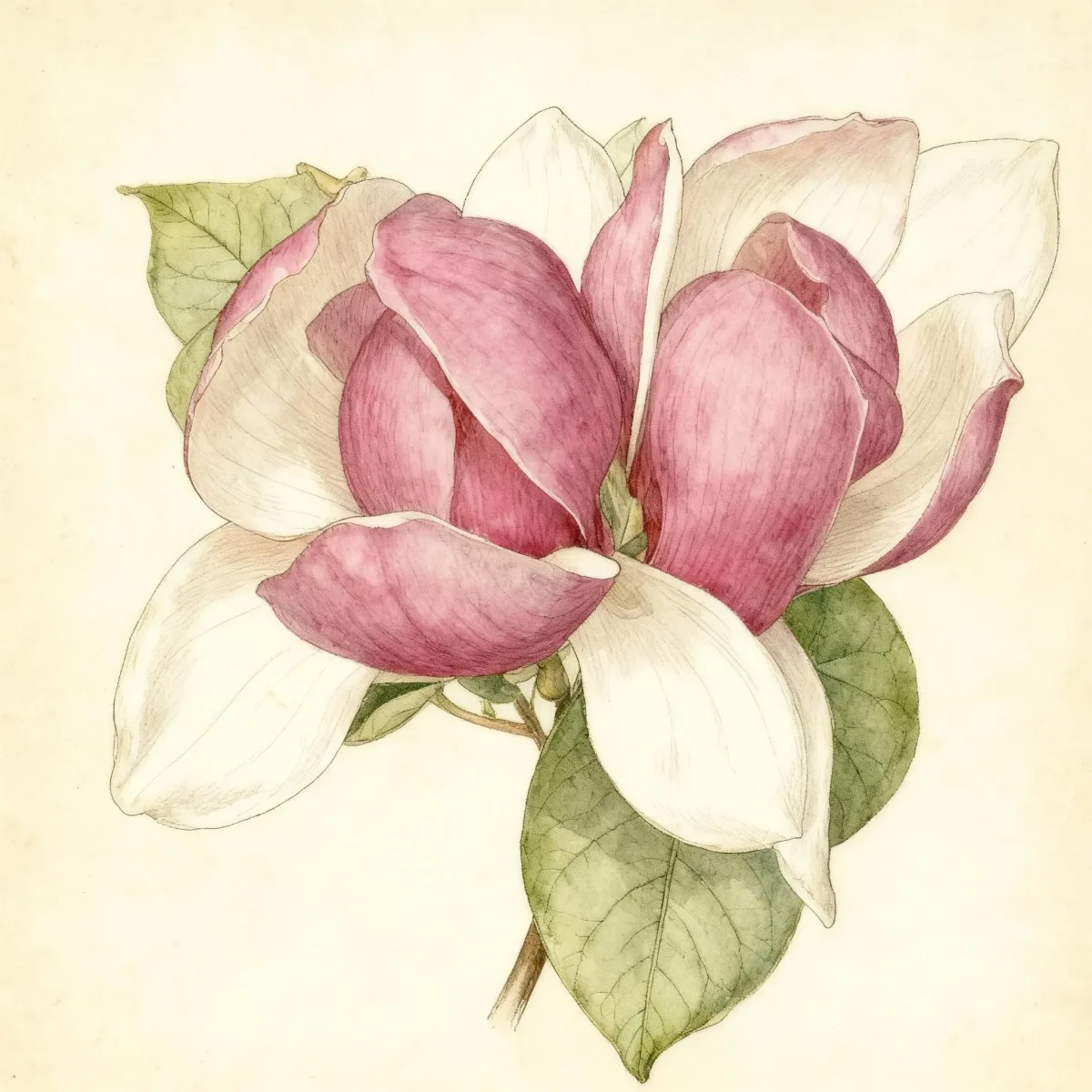
Magnolia × soulangeana ‘Lennei’, commonly known as the Saucer magnolia, is celebrated as one of the most popular deciduous magnolias cultivated today. This cultivar is highly sought after for its stunning, large, goblet-shaped flowers, which display a rich, deep purple hue on the exterior, often contrasting with a white interior. As a broad shrub or small tree, it provides dramatic early spring interest long before most other landscape plants awaken.
The natural form of Magnolia × soulangeana ‘Lennei’ is a wide-spreading, often multi-trunked specimen, making it a standout feature plant. It typically matures within the 15 to 25-foot range for both height and spread, offering substantial structure in a moderately sized package. Its robust bloom time in March and April ensures a spectacular show, though gardeners must be mindful of its sensitivity to late spring frosts.
Choosing a prime spot for your Saucer magnolia is key to maximizing its ornamental value. While beautiful, this tree requires specific siting to manage its cultural needs and protect its valuable flowers. Proper placement ensures this magnificent specimen tree provides years of reliable springtime color.
Fast Facts
- Plant Family: Magnoliaceae
- Plant Type: Tree
- Hardiness Zones: USDA Zones 4-9
- Size at Maturity:
- Height: 15-25 ft
- Spread: 15-25 ft
- Bloom Time: March to April
- Bloom Description: Deep purple
- Sun Exposure: Full sun to part shade
- Water Needs: Medium
- Maintenance Level: Medium
How to Grow
Planting your Magnolia × soulangeana ‘Lennei’ should ideally occur in the dormant season, either early spring or fall, allowing the root system time to establish before summer stress. Success hinges on locating the tree where it receives full sun to part shade, but crucially, it needs protection from harsh southern exposures near buildings that can prematurely warm buds. The species thrives in moist, acidic, organically rich, well-drained loams; avoid areas prone to becoming excessively dry or waterlogged, as this hybrid magnolia is intolerant of such extremes.
Consistent care is vital for maintaining the health and vigor of this handsome tree. Plants appreciate consistent and regular moisture throughout the year, so monitor soil dampness, especially during dry spells. While fertilizing requirements are generally low if planted in rich soil, an application of slow-release fertilizer suited for acid-loving plants in early spring can be beneficial. Little pruning is usually required beyond removing crossing or damaged limbs.
The primary cultural consideration for the Saucer magnolia is frost protection. Since ‘Lennei’ blooms in early spring—sometimes slightly later than the parent hybrid—a protected location shielded from strong winds and early warming patterns is essential. Frost damage to the immature buds can significantly reduce the overall floral display for the season.
Landscape Uses
The Magnolia × soulangeana ‘Lennei’ excels as a beautiful specimen flowering shrub or small tree. Due to its strong structural form and unparalleled spring display, it demands a prominent location where its deep purple flowers can be appreciated up close. It works wonderfully near patios, focal points in lawns, or as the anchor for an entry landscape feature.
As a flowering tree, it provides excellent vertical interest without overwhelming smaller garden spaces, especially when young. Consider underplanting the canopy with acid-loving perennials or spring bulbs that bloom later, ensuring seasonal color interest after the magnolia has finished flowering. Planting the Saucer magnolia strategically allows its impressive size and shape to anchor various garden designs.
Standout Features
Flower Qualities
- Showy
- Fragrant
Noteworthy Characteristics
Magnolia × soulangeana, commonly known as saucer magnolia, is a deciduous hybrid magnolia (M. Denudata × M. Liliiflora). It is the most commonly grown deciduous magnolia. It is a broad shrub or small tree that typically rises to 20-25’ tall with a rounded crown. It is often grown in a multi-trunked shrubby form. It typically matures over time to 20-30’ tall and as wide. Fragrant flowers (to 8” across) bloom in early spring (late March to mid-April in St. Louis) before the foliage emerges. Flowers are pink with white interiors. Sparse numbers of additional flowers may bloom sporadically later in spring on new growth, but the later flowers are usually less vigorous and less colorful than those of the primary bloom. Saucer magnolia is perhaps the most popular deciduous magnolia in cultivation today, with a large number of hybrid cultivars now available in commerce featuring flowers in various shades of white, pink, rose, purple, magenta and burgundy.Genus name honors Pierre Magnol, French botanist (1638-1715).Hybrid designation honors Chevalier Etienne Soulange-Bodin (1774-1846), Director of the French Royal Institute, who crossed this hybrid in the early 1800s.‘Lennei’ was introduced in Europe in 1853. It is a large, broad-spreading shrub that is most noted for its large, goblet-shaped, purple flowers and large leaves. It typically grows to 10-15’ tall over the first 10 years, eventually reaching 15-25’ tall over time. Fragrant flowers (to 8” across) bloom in early spring (March in St. Louis) before the foliage emerges. Flowers are deep purple with white inside. Sparse numbers of additional flowers may bloom sporadically later in spring on new growth, but the later flowers are usually less vigorous and less colorful than those of the primary bloom. ‘Lennei’ rarely produces fruit
Tolerances
- Clay Soil
Potential Problems
The Saucer magnolia is relatively resistant, often exhibiting no serious insect or disease problems. However, gardeners should remain vigilant regarding potential issues like scale insects, which can sometimes colonize the branches. Fungal issues such as leaf spot and canker can become troublesome, particularly if the tree is stressed due to poor drainage or drought.
The most significant annual threat to the enjoyment of this plant is late spring frosts. Since the bloom period starts early in zones 4-9, an unexpected cold snap after the buds have begun to swell can severely damage or destroy the flowers for the season. Selecting a sheltered planting site is the primary preventative measure against this risk.
Frequently Asked Questions
What hardiness zones is Saucer magnolia suitable for?
Magnolia × soulangeana ‘Lennei’ is hardy and adaptable across USDA Zones 4 through 9.
How large does Saucer magnolia grow?
This cultivar typically matures to a height and spread between 15 and 25 feet, forming a broad, rounded crown.
When does Saucer magnolia bloom?
The primary bloom time for this beautiful tree is early spring, usually from March to April, covering the branches in deep purple, fragrant flowers.
What sun exposure does Magnolia × soulangeana ‘Lennei’ need?
For optimal flowering and health, plan to site your tree in a location that receives full sun to partial shade.
Conclusion
The Magnolia × soulangeana ‘Lennei’ remains an indispensable feature in temperate landscapes, chiefly prized for its magnificent, deeply colored, fragrant spring blossoms. This robust Saucer magnolia cultivar offers substantial beauty with medium maintenance requirements. Before planting, verify that your site offers both adequate space and protection from harsh late frosts to ensure a spectacular display from your Magnolia × soulangeana ‘Lennei’ each year.
Companion Planting
When selecting companions for your Saucer magnolia, prioritize plants that thrive in similar acidic, moist soil conditions and that do not aggressively compete for surface moisture. Spring ephemerals like Daffodils (Narcissus) or early blooming Crocus look wonderful emerging beneath the developing canopy. For summer interest once the tree leafs out, consider groundcovers such as Hosta varieties or Ajuga, which tolerate the dappled shade cast by the mature foliage of the tree.
Ensure any understory planting does not require heavy, late-season watering, as Magnolia × soulangeana ‘Lennei’ dislikes overly wet roots, especially as temperatures rise. Azaleas and Rhododendrons, being acid-lovers, are classic neighbors, provided their root systems are managed to avoid crowding the magnolia’s primary feeder roots.
Design Ideas
Use the Magnolia × soulangeana ‘Lennei’ as a captivating specimen tree centered in a mixed border to ground the composition. Its broad silhouette provides excellent contrast against more upright or columnar evergreen shrubs placed behind it. In formal settings, a pair of these magnolias can flank an entryway, marking the approach with their spectacular spring show.
For a more naturalistic look, allow the Saucer magnolia to form the centerpiece of a woodland-edge planting scheme. Its early bloom acts as the initial focal point before later-blooming deciduous trees, like serviceberry or dogwood, take over the seasonal interest. The wide-spreading habit also helps shelter smaller, shade-tolerant shrubs planted nearby.