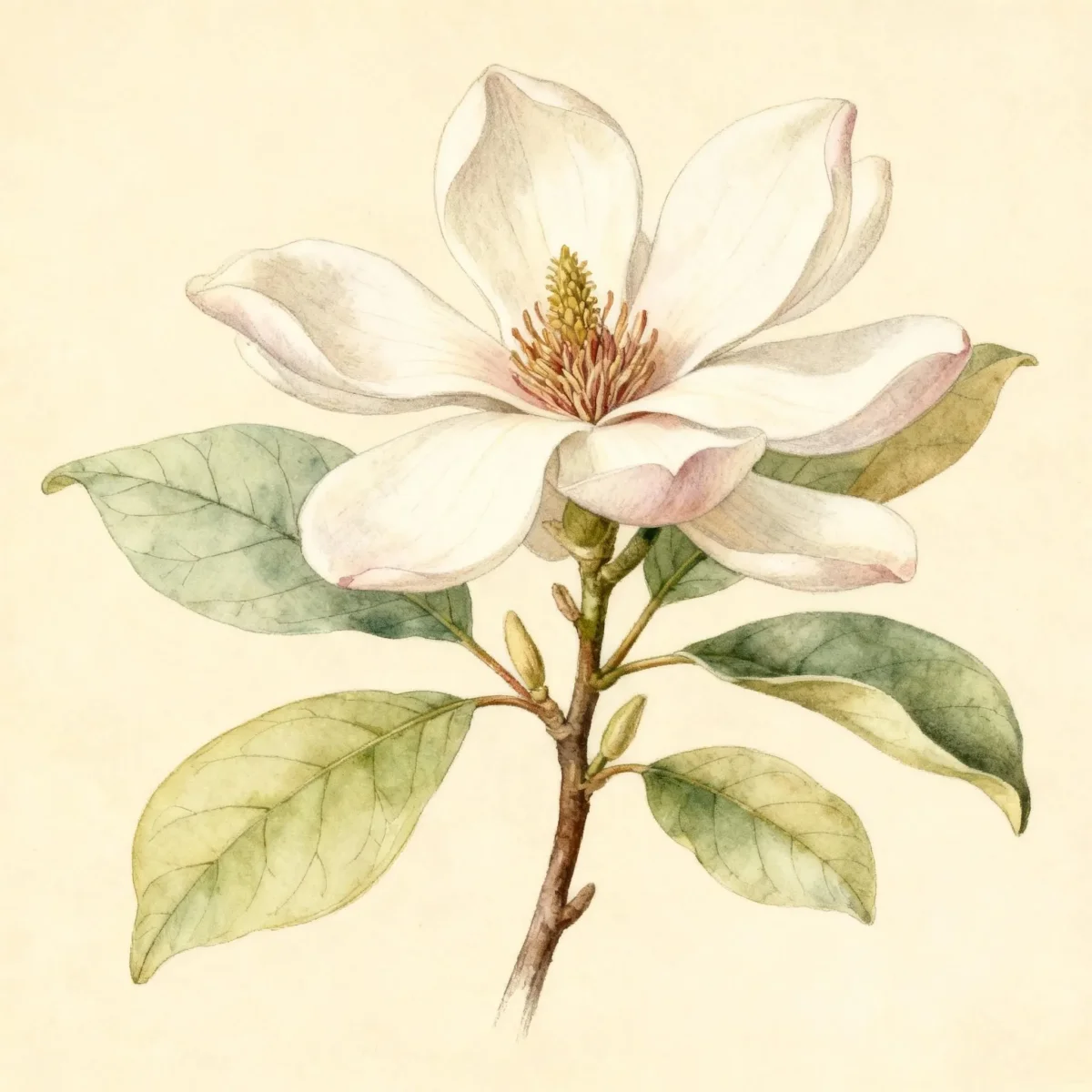
Saucer magnolia (Magnolia × soulangeana 'Picture')
Magnolia × soulangeana 'Picture' is a stunning Saucer magnolia known for showy, fragrant blooms. Grow in zones 4-9.
Scroll down to discover growing tips, care requirements, companion plants, and more
Complete Plant Information
Overview
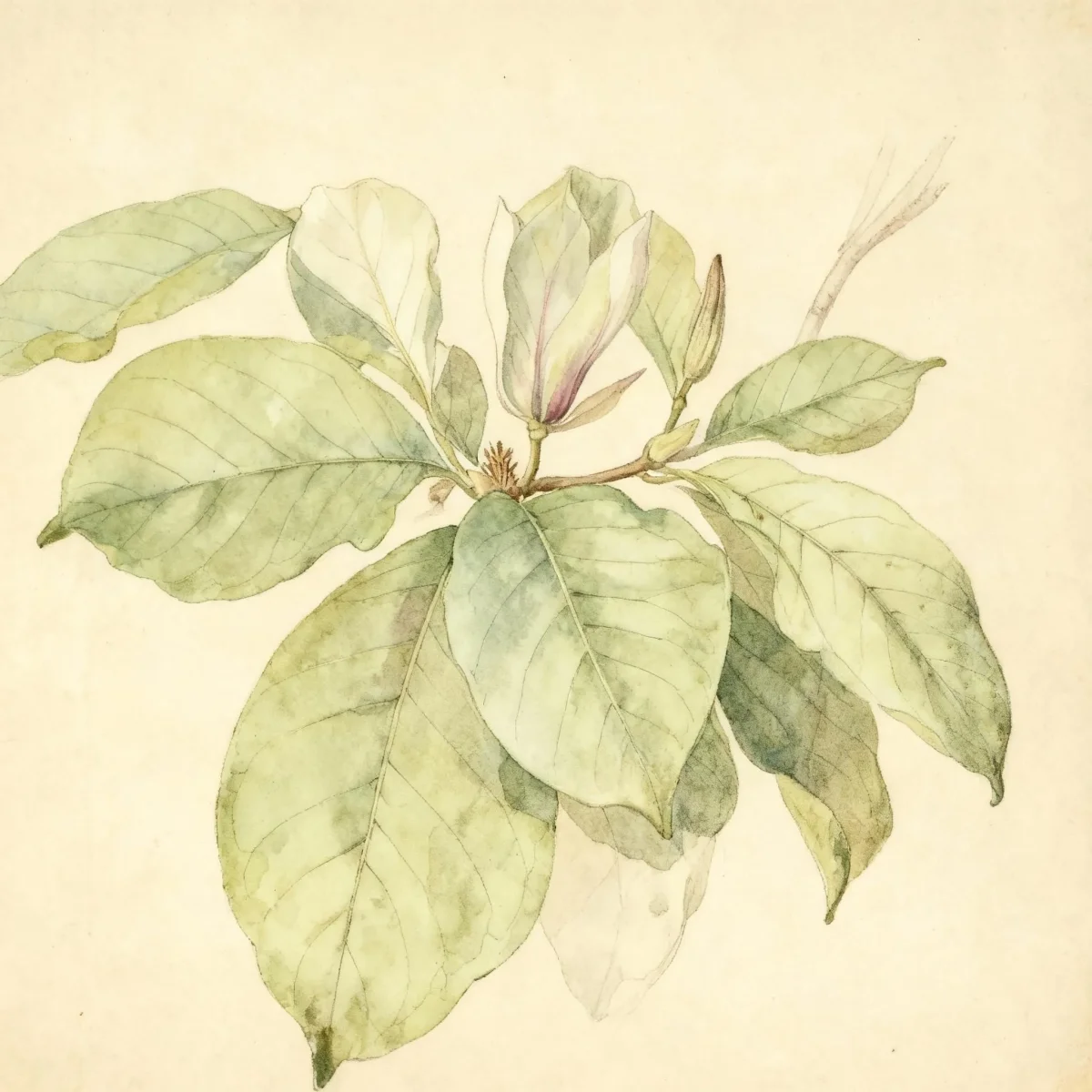
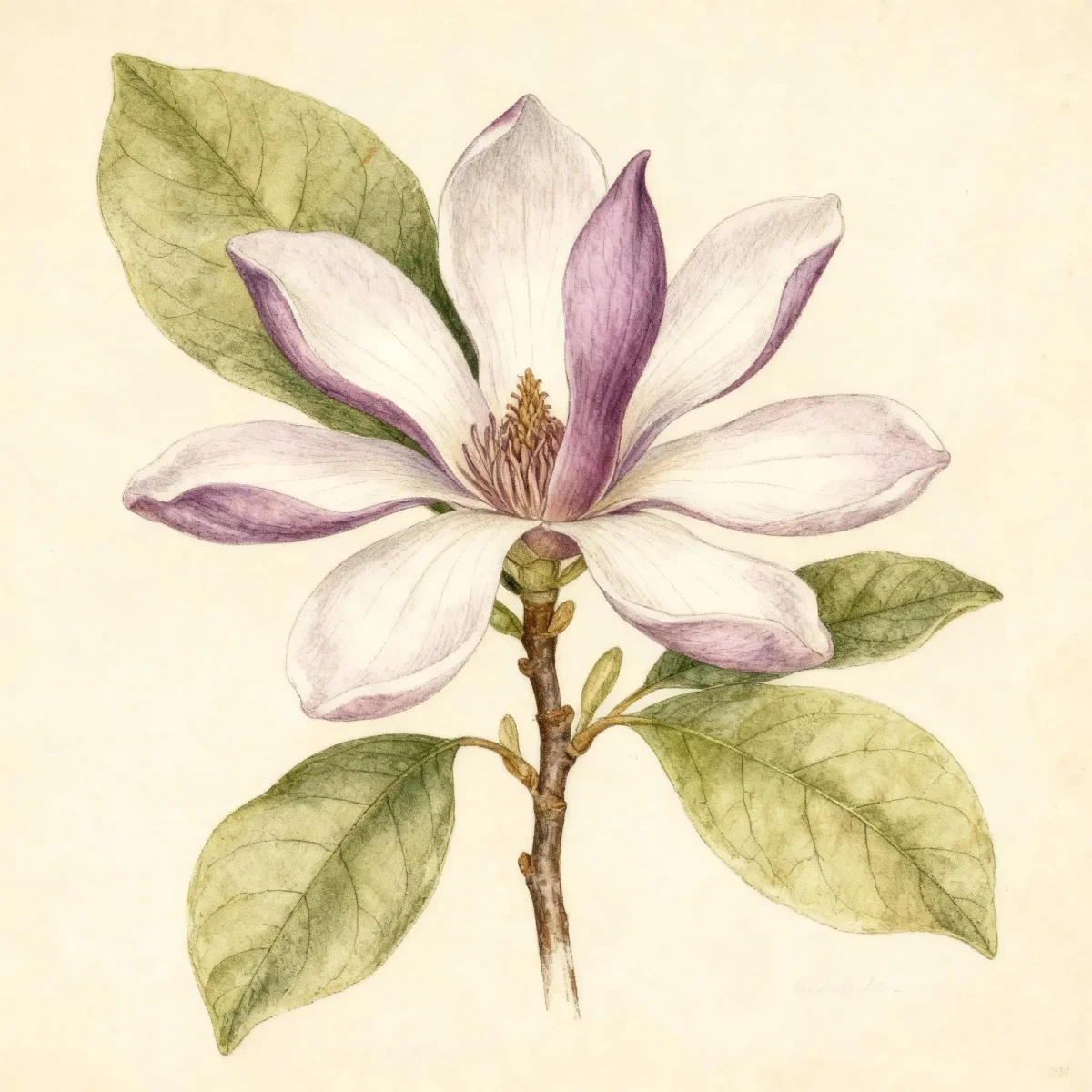
Magnolia × soulangeana ‘Picture’, a cultivar of the immensely popular Saucer magnolia, offers one of the earliest and most spectacular color displays in the spring garden. This deciduous hybrid is cherished for its large, cup-shaped flowers that emerge vibrantly before the foliage, transforming the landscape. Gardeners prize this variety for its manageable size and striking architecture, making it a superb specimen planting.
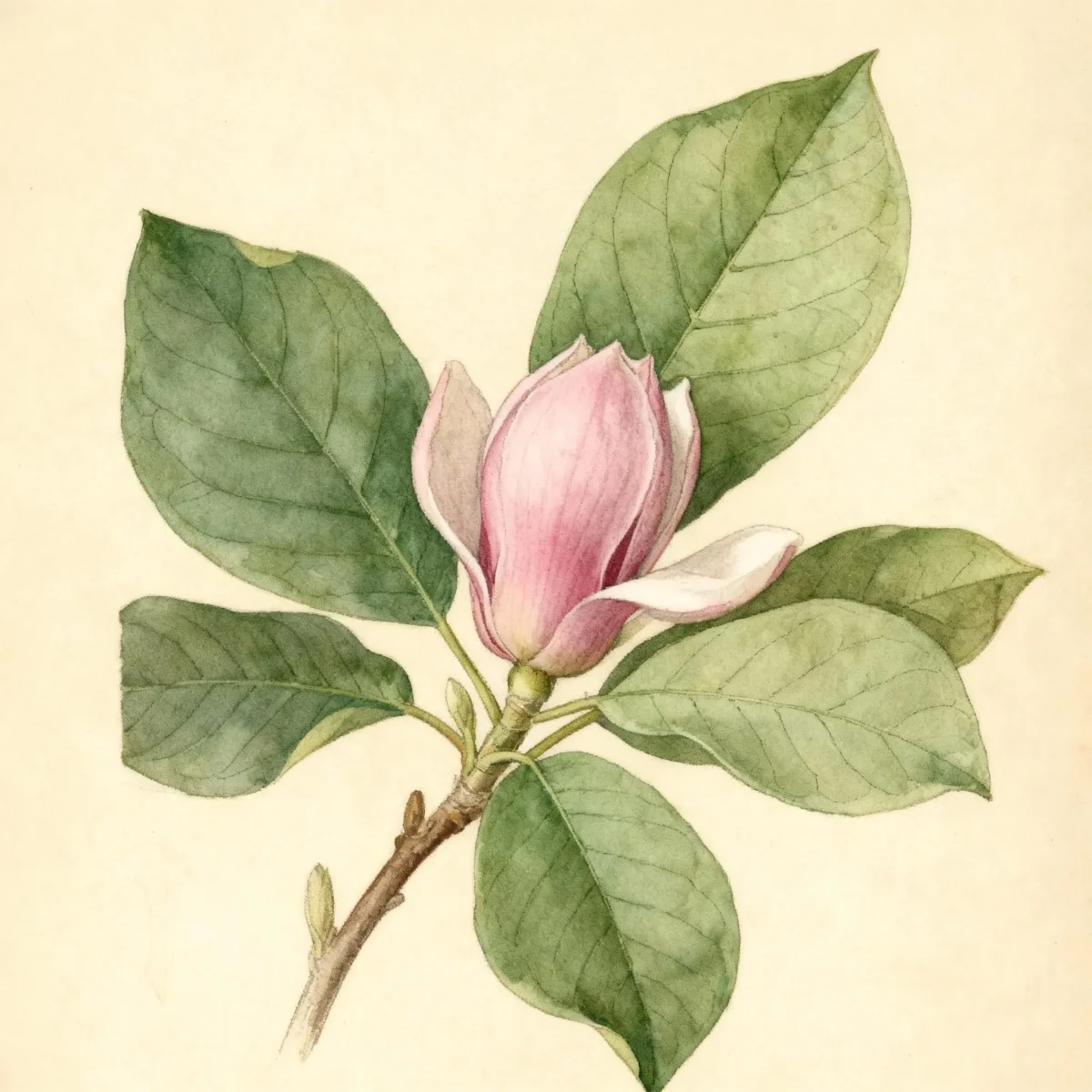
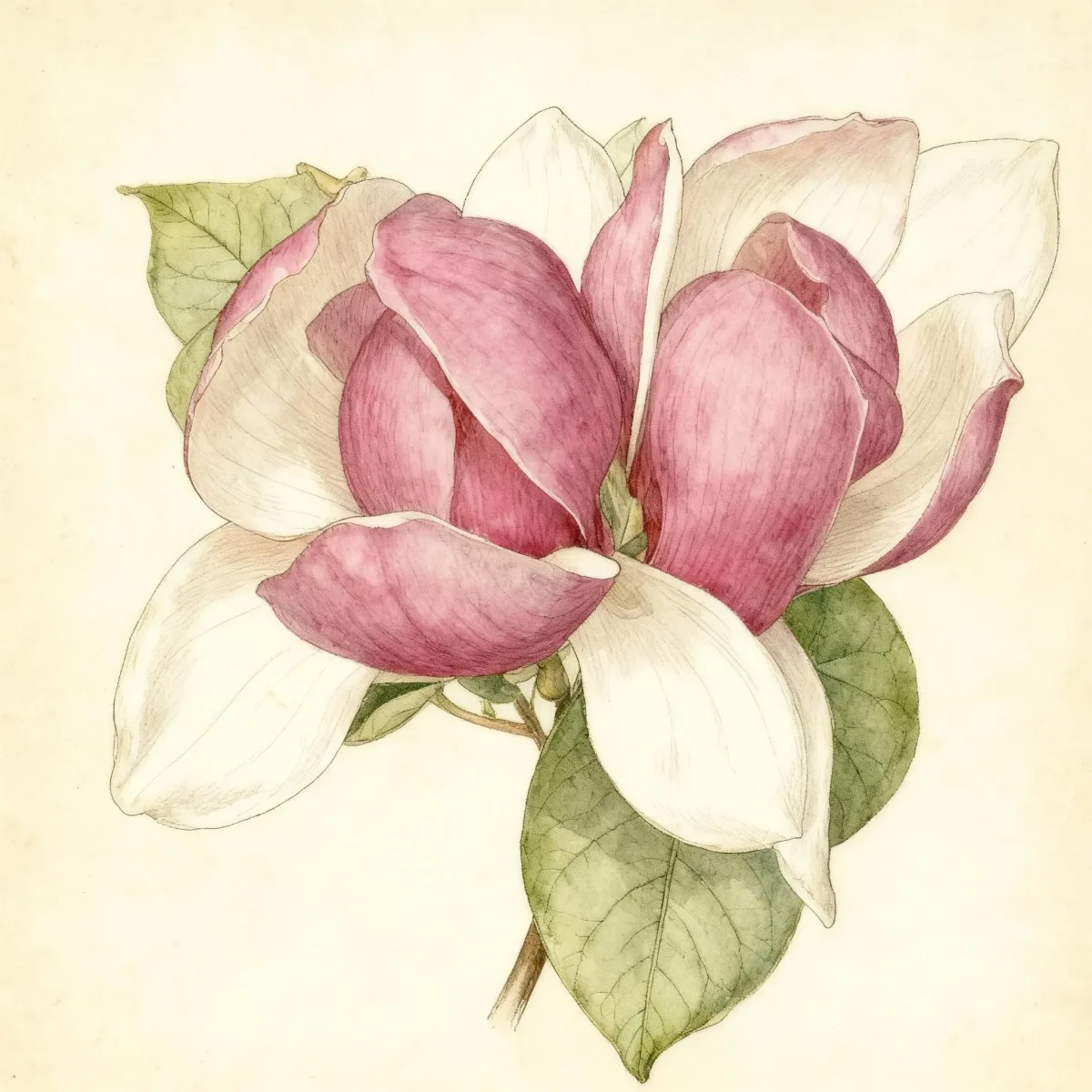
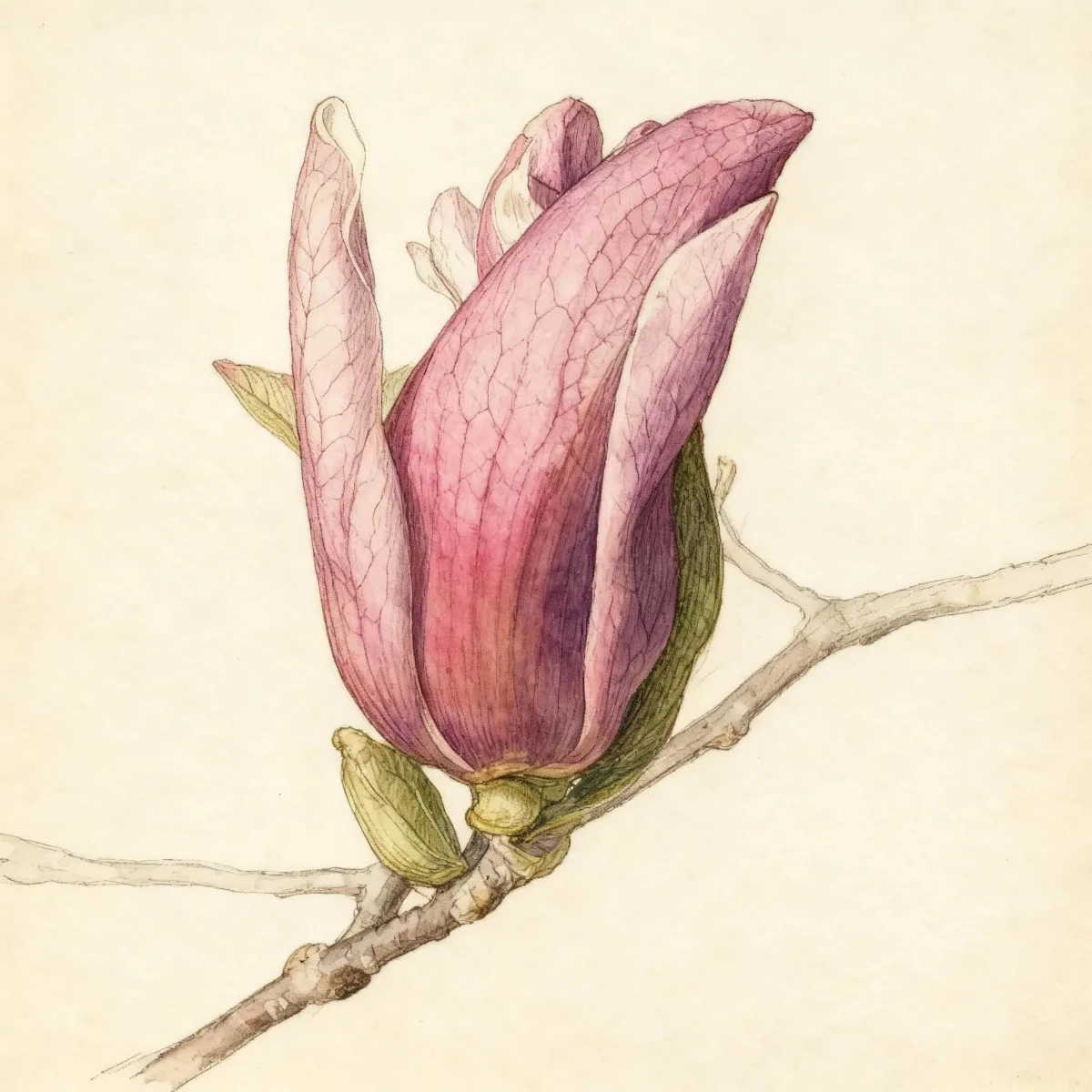
As a broad shrub or small tree, the Saucer magnolia provides seasonal interest, starting with its dramatic bloom period in early spring. It thrives when given consistent moisture and protection from harsh elements. The cultivar ‘Picture’ specifically offers a compact, upright habit, ensuring its ‘picture perfect’ flowers—magenta buds opening to white, red, and pink petals—are prominently displayed.
This deciduous magnolia is a cornerstone of temperate zone landscapes, celebrated both for its spectacular flowers and its developing structure throughout the growing season. Planting a Magnolia × soulangeana ‘Picture’ guarantees an outstanding focal point when few other plants are actively blooming.
Fast Facts
- Plant Family: Magnoliaceae
- Plant Type: Tree
- Hardiness Zones: USDA Zones 4-9
- Size at Maturity:
- Height: 15-25 ft
- Spread: 15-20 ft
- Bloom Time: March to April
- Bloom Description: White to pink-purple
- Sun Exposure: Full sun to part shade
- Water Needs: Medium
- Maintenance Level: Medium
How to Grow
The best time to plant your Saucer magnolia is in the fall or early spring, allowing the root system time to establish before summer heat arrives. Site Magnolia × soulangeana ‘Picture’ where it receives full sun to partial shade. The soil preference is crucial: ensure it is moist, acidic, organically rich, and well-drained loam.
Consistent moisture is key to success; plants appreciate regular watering throughout the growing season and are generally intolerant of both very dry or waterlogged conditions. While they are adaptable, avoid extremely wet or poor soils. Fertilization is minimal if the soil conditions are already optimal.
A critical consideration for growing this early bloomer is frost protection. Site Magnolia × soulangeana ‘Picture’ away from south-facing exposures near heated structures that might trick the buds into opening before the danger of late spring frosts passes. This variety benefits from protection against strong winds which can damage the prominent blooms.
Landscape Uses
The primary role of the Saucer magnolia in garden design is as a captivating specimen. Its broad, rounded crown and early spring flowers make it an ideal focal point near entryways or situated where its early show can be easily viewed from indoor windows. Use the Magnolia × soulangeana ‘Picture’ as a striking foreground element against dark evergreen backdrops.
This plant works well as a magnificent flowering tree or a large, multi-trunked specimen shrub in an informal border. Because of its generally robust nature, it anchors perennial beds effectively without overcrowding them, provided adequate space is allowed for its 15 to 20-foot spread. Consider pairing it with spring-blooming bulbs that offer complementary or contrasting colors below its canopy.
Standout Features
Flower Qualities
- Showy
- Fragrant
Fruit Qualities
- Showy
Noteworthy Characteristics
Magnolia × soulangeana, commonly known as saucer magnolia, is a deciduous hybrid magnolia (M. Denudata × M. Liliiflora), and is the most commonly grown deciduous magnolia. It is a broad shrub or small tree typically rising to 20-25’ tall with a rounded crown, often grown in a multi-trunked shrubby form. The ‘Picture’ cultivar is noted for its compact, upright habit, where magenta buds open to reveal white, red, and pink flowers, creating a truly “picture perfect” display.
Tolerances
- Clay Soil
Potential Problems
Saucer magnolia generally avoids catastrophic insect or disease issues typical of more sensitive ornamentals. However, growers should watch for potential issues like scale insects. Fungal problems such as leaf spot and canker can become troublesome in humid or poorly ventilated conditions. The most significant recurring threat is late spring frost, which easily damages the early-opening flower buds, leading to a sporadic or diminished bloom display for the season.
Frequently Asked Questions
What hardiness zones is Saucer magnolia suitable for?
Magnolia × soulangeana ‘Picture’ is reliably grown in USDA Hardiness Zones 4 through 9.
How large does Saucer magnolia grow?
This Tree typically matures to a height between 15 and 25 feet, with a spread ranging from 15 to 20 feet wide.
When does Saucer magnolia bloom?
The primary bloom time for this variety is early spring, specifically spanning from March to April, featuring white to pink-purple flowers.
What sun exposure does Magnolia × soulangeana ‘Picture’ need?
For optimal flowering and form, plant this cultivar where it can receive full sun to light part shade exposure throughout the day.
Conclusion
The Magnolia × soulangeana ‘Picture’ remains an indispensable selection for gardeners seeking early spring impact with its showy, fragrant blossoms. Its manageable size and striking appearance solidify the reputation of the Saucer magnolia as a landscape favorite. Before planting, confirm your site offers the moist, well-drained soil and protected locale needed to ensure a perfect ‘picture’ show next spring.
Companion Planting
When selecting companions for the Saucer magnolia, focus on plants that share its preference for acidic soil and medium water requirements. Broadleaf evergreens, such as rhododendrons and azaleas, thrive under the dappled shade provided by the developing canopy later in the season. Early-blooming bulbs like Daffodils (Narcissus) or Crocus provide excellent groundcover interest that blooms concurrently with, or just after, the magnolia’s spectacular initial display.
Seasonal Care Calendar
Spring care centers on bud protection; immediately clean up any fallen leaves or debris around the base after the bloom period concludes to minimize overwintering fungal spores. In summer, focus entirely on consistent deep watering, especially during dry spells, to support root development. Minimal pruning is necessary, generally restricted to removing crossed or damaged branches during the dormant season (late winter) before buds swell.