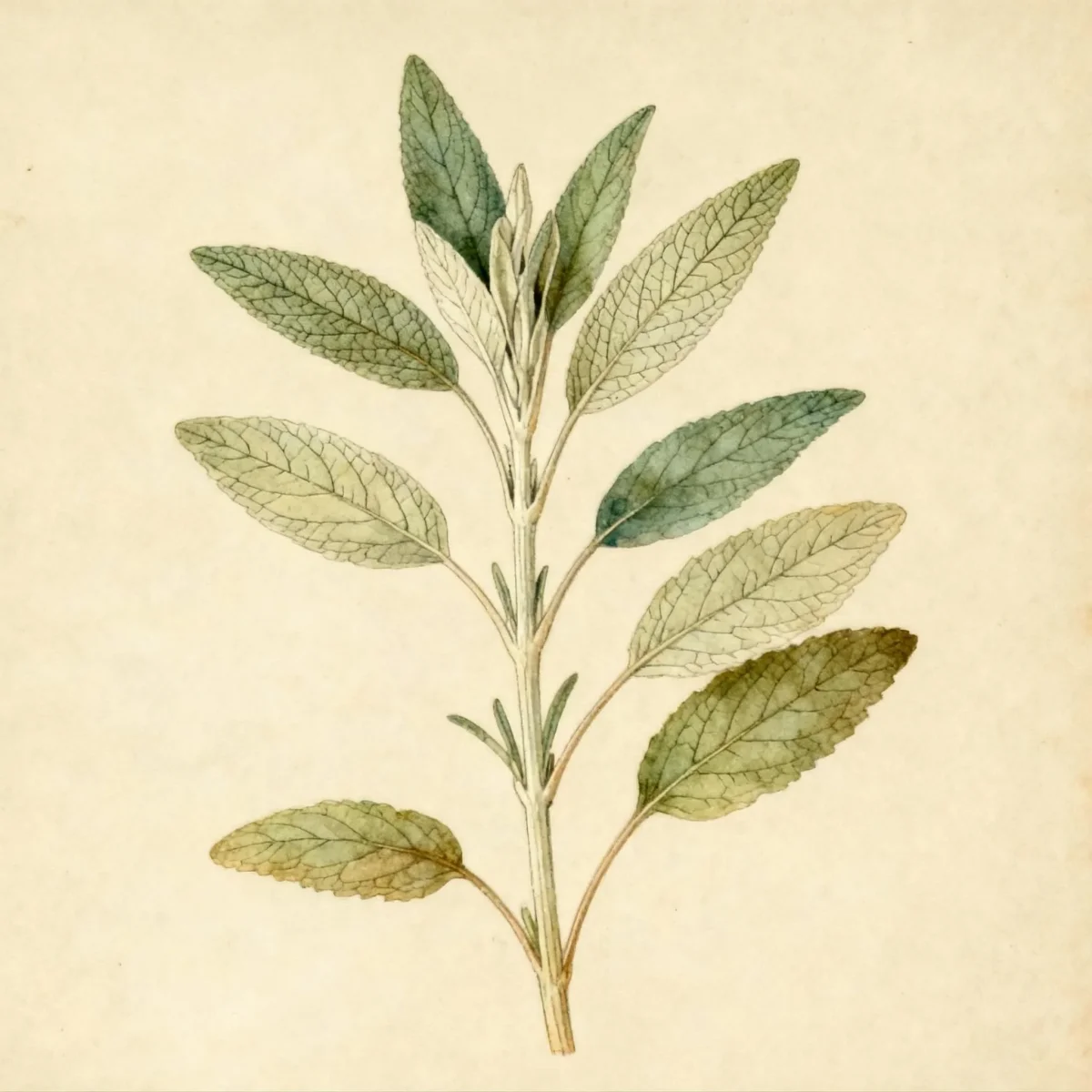
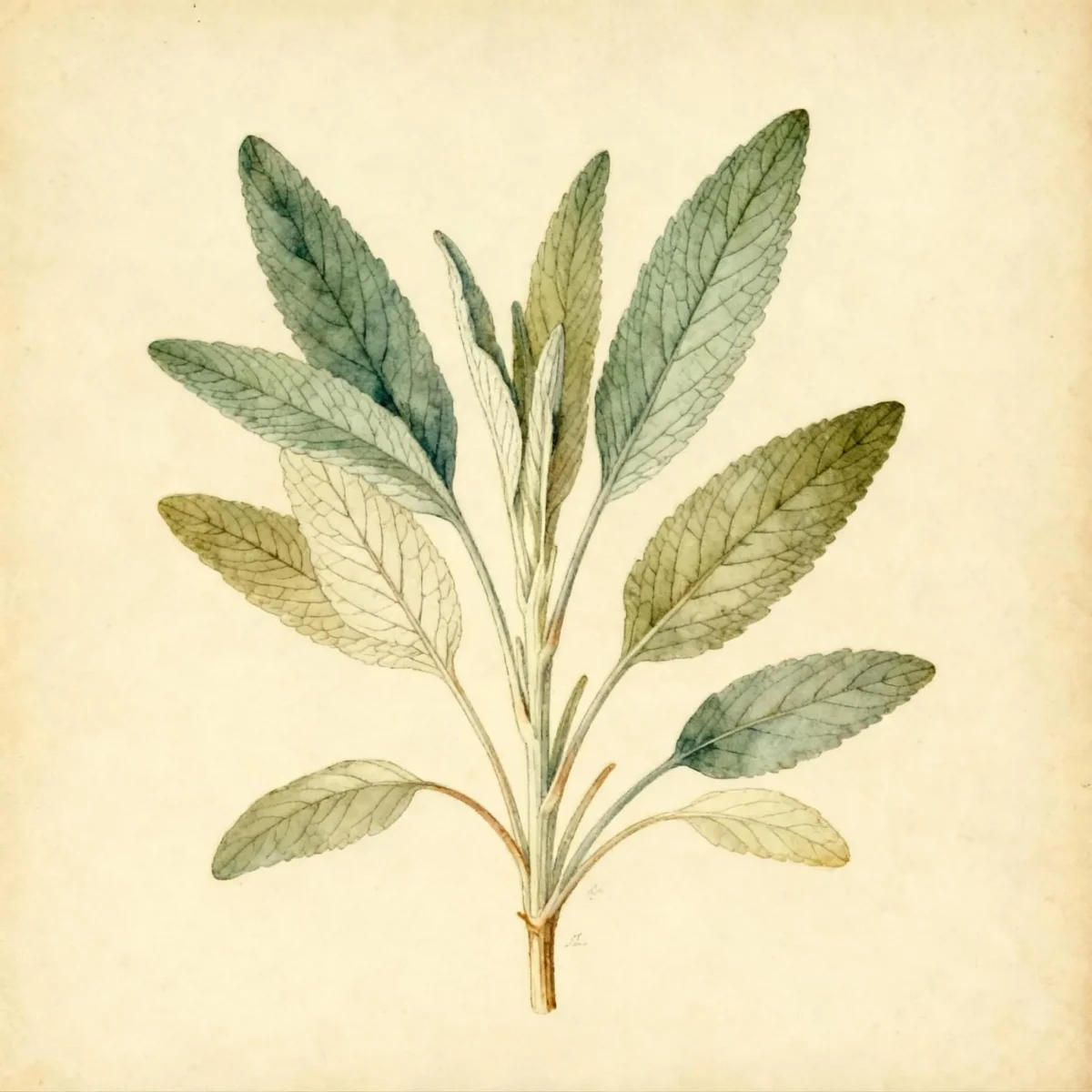
Russian sage (Perovskia 'Filigran')
Perovskia 'Filigran' (Russian sage) offers silvery, aromatic foliage and light blue summer flowers. Extremely low maintenance with excellent drought tolerance.
Scroll down to discover growing tips, care requirements, companion plants, and more
Complete Plant Information
Overview
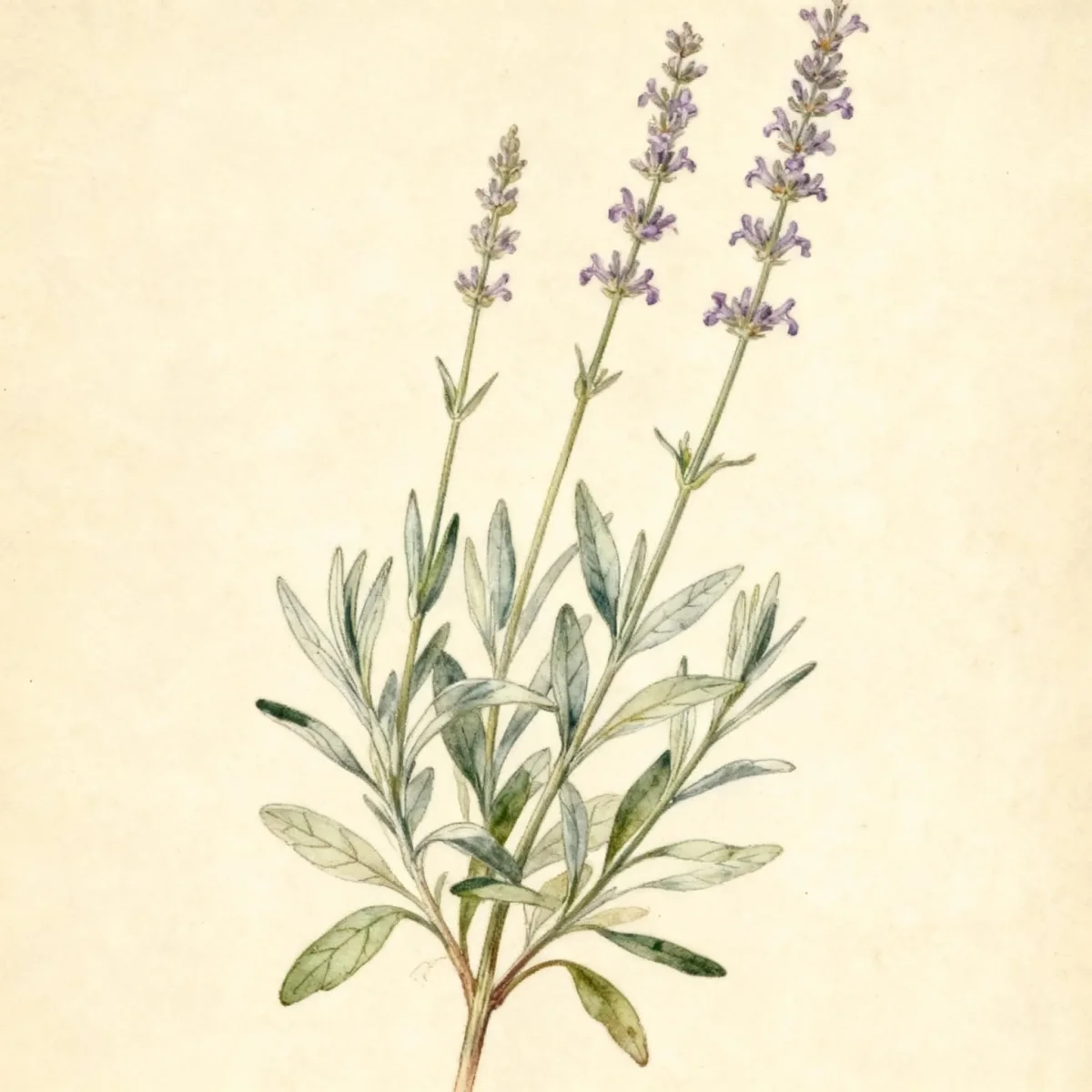
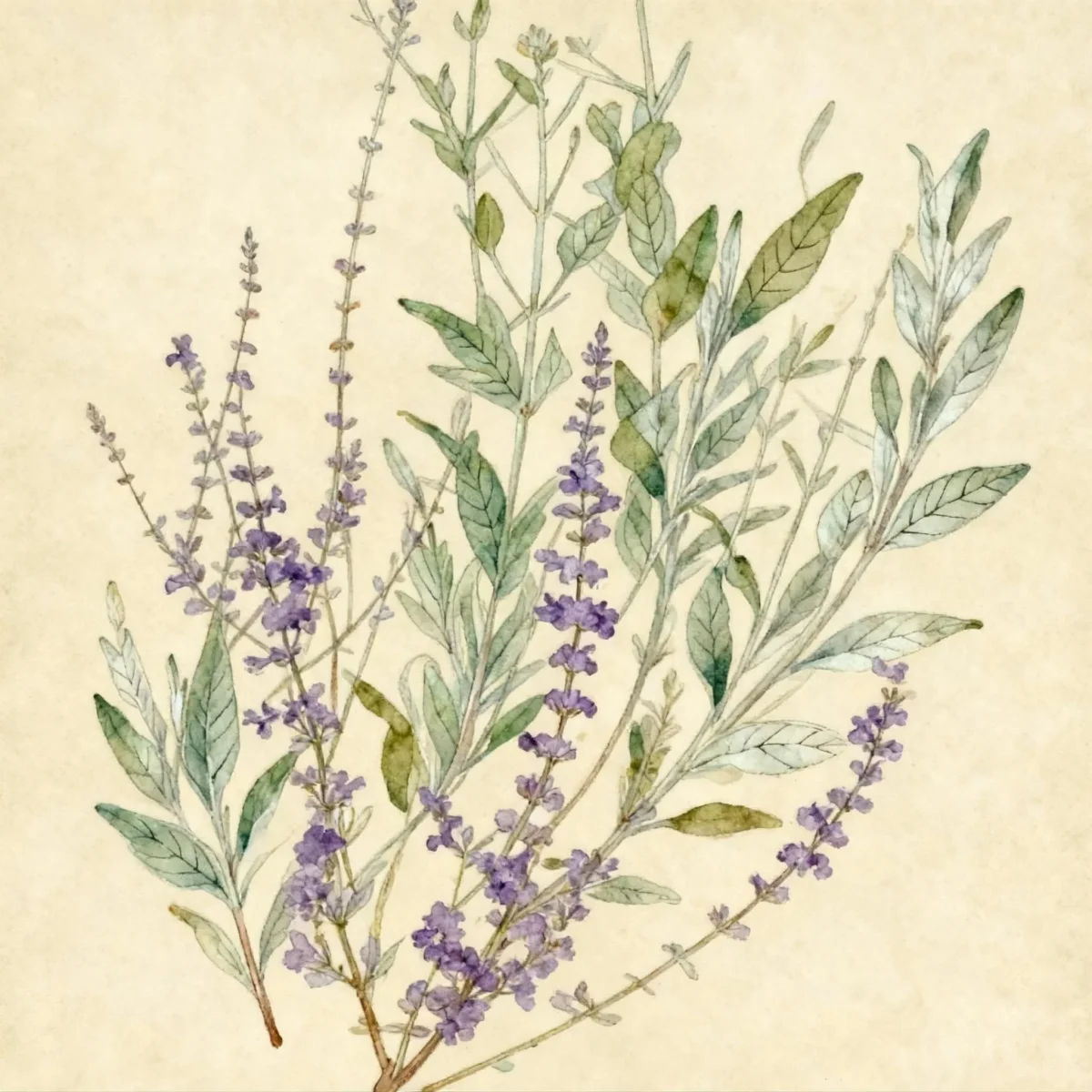
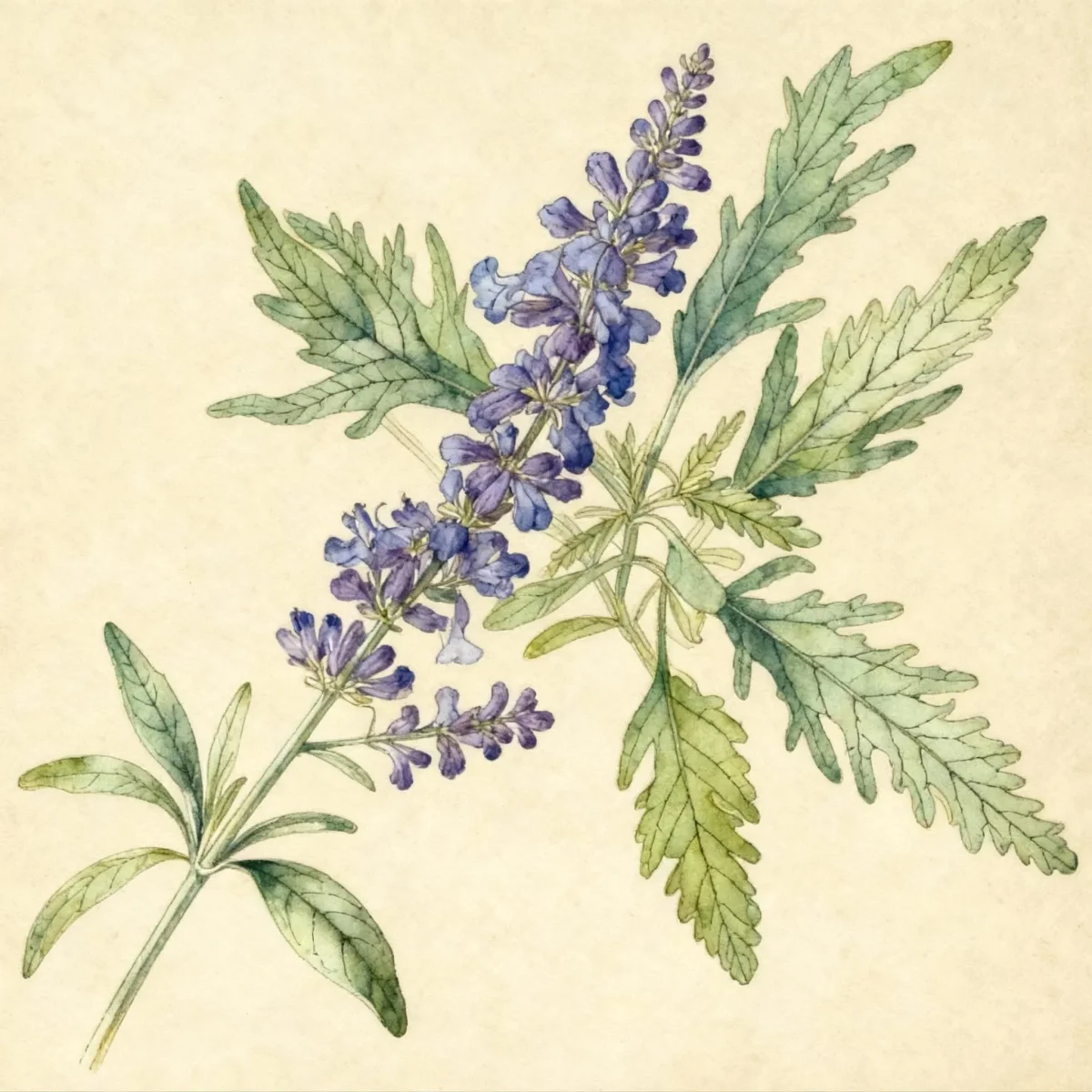
Perovskia ‘Filigran’, commonly known as Russian sage, is a staple herbaceous perennial valued for its resilience and striking visual texture. This cultivar offers finely-dissected, lacy, aromatic, silvery foliage atop stiff, upright stems, lending movement and light to the garden landscape throughout the season. Gardeners prize Russian sage for its exceptionally low maintenance requirements and superior drought tolerance once established.
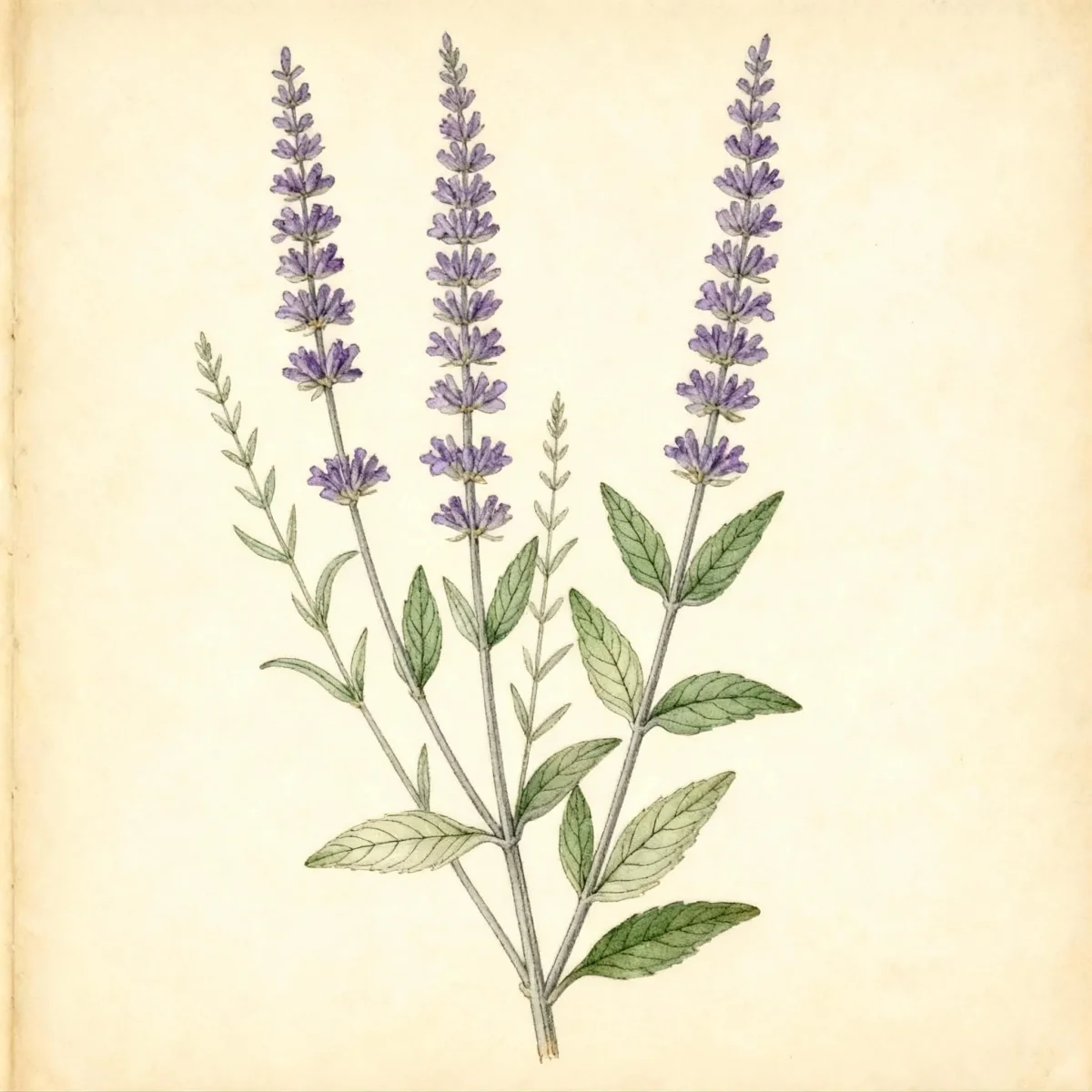
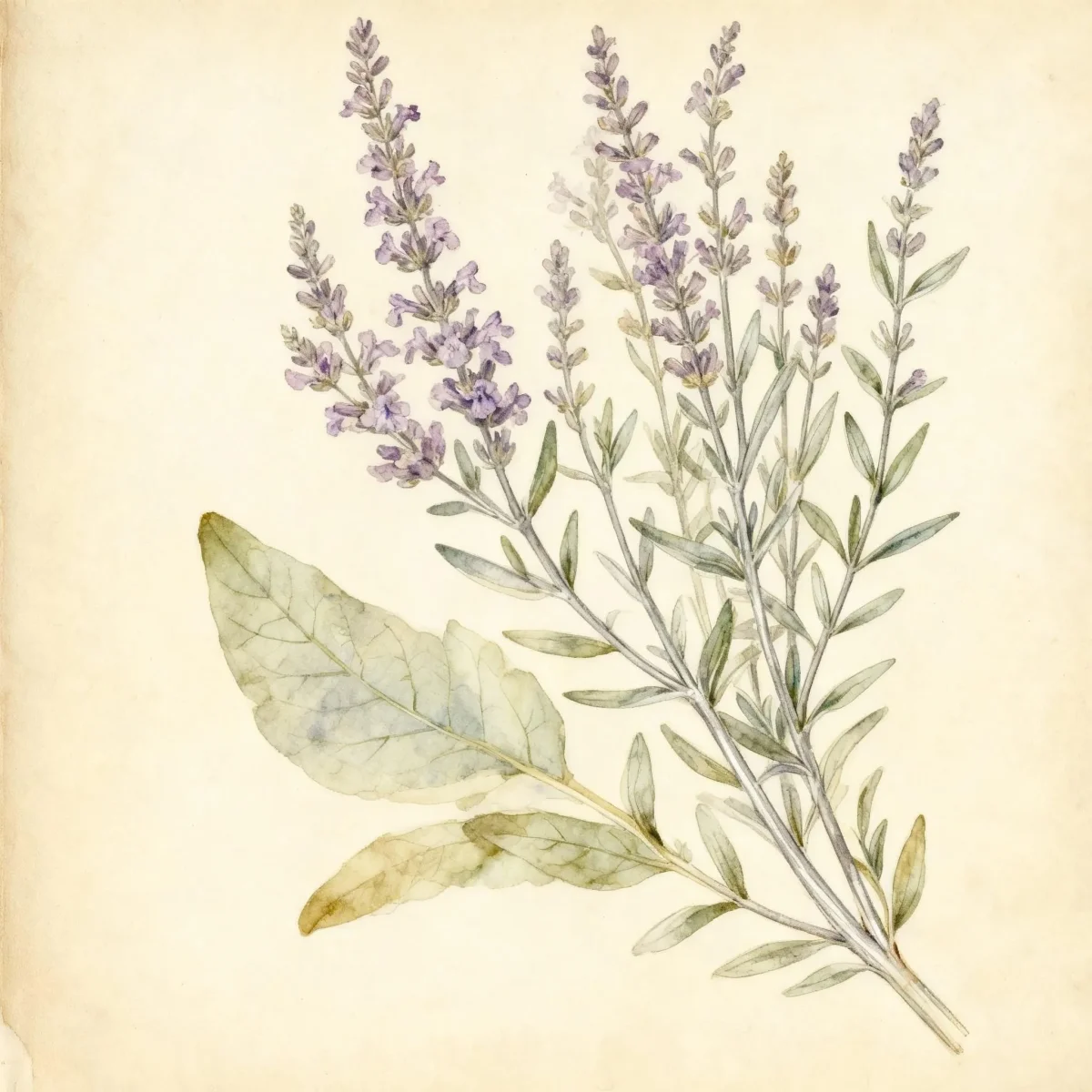
The appeal of Perovskia ‘Filigran’ extends through summer when it produces whorls of delicate, light blue flowers. These blooms stand tiered on branched panicles, creating an airy display that contrasts beautifully with darker-leafed companions. As an upright grower, often reaching 2 to 4 feet tall, it provides excellent mid-border structure.
This tough plant thrives in harsh conditions, making it an indispensable choice for xeriscaping or hot, sunny sites where other perennials struggle. Integrating Perovskia ‘Filigran’ into your design ensures color, texture, and robust performance with minimal intervention needed.
Fast Facts
- Plant Family: Lamiaceae
- Plant Type: Herbaceous perennial
- Hardiness Zones: USDA Zones 5-9
- Size at Maturity:
- Height: 2-4 ft
- Spread: 2-3 ft
- Bloom Time: May to June
- Bloom Description: Light blue
- Sun Exposure: Full sun
- Water Needs: Dry to medium
- Maintenance Level: Low
How to Grow
Planting Perovskia ‘Filigran’ should occur when conditions are settled, preferably in spring or early fall. The absolute key to success with Russian sage is excellent soil drainage; it thrives in average, well-drained soils, even those containing clay, provided they do not stay soggy. Sharp drainage is crucial, as this plant actively dislikes wet, poorly drained conditions.
Once established, watering needs for this Russian sage are minimal; it possesses good drought tolerance. While it benefits from deep watering initially, established plants require infrequent irrigation, fitting perfectly into dry or medium water-use gardens. Fertilizing is rarely necessary; over-fertilizing can actually lead to floppier growth.
Pruning management is a simple annual task. Cut back the plant almost completely to the ground in late winter or very early spring, just as you see new growth emerging. This renewal process prevents legginess and encourages the stiff, upright stems for which Perovskia ‘Filigran’ is known. Remember that inadequate sun exposure can cause stems to flop, so ensure it receives full sun for the best habit.
Landscape Uses
The unique texture provided by the silvery, lacy foliage of Perovskia ‘Filigran’ makes it an essential textural element in garden design. Its upright form is perfect for mass plantings or serving as a specimen plant within perennial borders, where its height draws the eye upward. The foliage acts as a natural ‘cooler,’ providing a substantial visual contrast to plants with darker green or deep purple hues.
When selecting companions, look for plants that share similar sun and drought requirements. Deep rose, yellow, or true blue blooming perennials pair magnificently with the pale blue flowers of Russian sage. Consider using it near plants that bloom earlier or later to extend visual interest across the season, leveraging the long blooming period of Perovskia ‘Filigran’.
Because of its tough nature, it functions wonderfully in the middle or back of a border where maintenance access is limited. The silvery color also helps tie together disparate plantings, creating a cohesive, airy tapestry when used throughout high-sun areas.
Standout Features
Flower Qualities
- Showy
Noteworthy Characteristics
Perovskia is a genus of 7 species of deciduous shrubs from Central Asia to the Himalayas, grown for their attractive foliage and flowers. ‘Filigran’ typically grows 2-3 feet (less frequently to 4 feet) tall and features finely-dissected, lacy, aromatic, silvery foliage on stiff, upright, square stems and whorls of two-lipped, tubular, light blue flowers tiered in branched, terminal panicles. This cultivar boasts a long summer bloom period and is generally more upright growing than the straight species.
Tolerances
- Rabbit
- Deer
- Drought
- Clay Soil
- Dry Soil
- Air Pollution
Potential Problems
Perovskia ‘Filigran’ generally enjoys a trouble-free existence, suffering from practically no serious insect or disease issues, which adds significantly to its low-maintenance profile. The primary aesthetic challenge gardeners face is the tendency for plants to sprawl or flop as the summer heat intensifies, although this cultivar is noted as being generally more upright than species forms. To mitigate flopping, ensure the plant receives maximum sun exposure throughout the day. If stems still sprawl, effective management relies heavily on the hard prune performed in early spring, removing old growth entirely.
Frequently Asked Questions
What hardiness zones is Russian sage suitable for?
Perovskia ‘Filigran’ is reliably hardy across USDA Zones 5 through 9.
How large does Russian sage grow?
This perennial typically reaches a height between 2 and 4 feet, with a spread of 2 to 3 feet at maturity.
What sun exposure does Perovskia ‘Filigran’ need?
For the best flowering and strongest, most upright stems, Perovskia ‘Filigran’ requires full sun exposure.
When does Russian sage bloom?
This plant produces its light blue flowers from May through June, offering early summer color.
Conclusion
Perovskia ‘Filigran’ stands out as a profoundly valuable addition to dry, sunny landscapes, offering unique silvery texture and reliable, low-effort summer color. For gardeners seeking drought-tolerant beauty with minimal intervention, this Russian sage cultivar is an excellent choice. Ensure your site offers full sun and sharp drainage before planting this season to enjoy its superior performance.
Companion Planting
Due to its preference for hot, dry conditions and low fertility, select companion plants carefully. Excellent companions that thrive under similar tough, full-sun, well-drained circumstances include ornamental grasses like Calamagrostis or Panicum, which echo the airy verticality. Plants with contrasting flower colors, such as deep purple Salvia or bright yellow Achillea (Yarrow), greatly enhance the visual drama against the silvery backdrop of the Russian sage. Avoid moisture-loving woodland edge plants, as they compete poorly with the drought tolerance of Perovskia ‘Filigran’.
Seasonal Care Calendar
Spring care is crucial for shaping this plant. As soon as new green growth appears after the last hard frost, cut the entire plant back aggressively, leaving only a few inches of tough, woody base stems. Summer maintenance is almost nonexistent; primarily monitor moisture only during extreme heatwaves if drought conditions persist for weeks. In autumn, refrain from cutting back the herbaceous stems; leave them standing over winter as protection for the crowns and for added winter interest before the final pruning next spring.