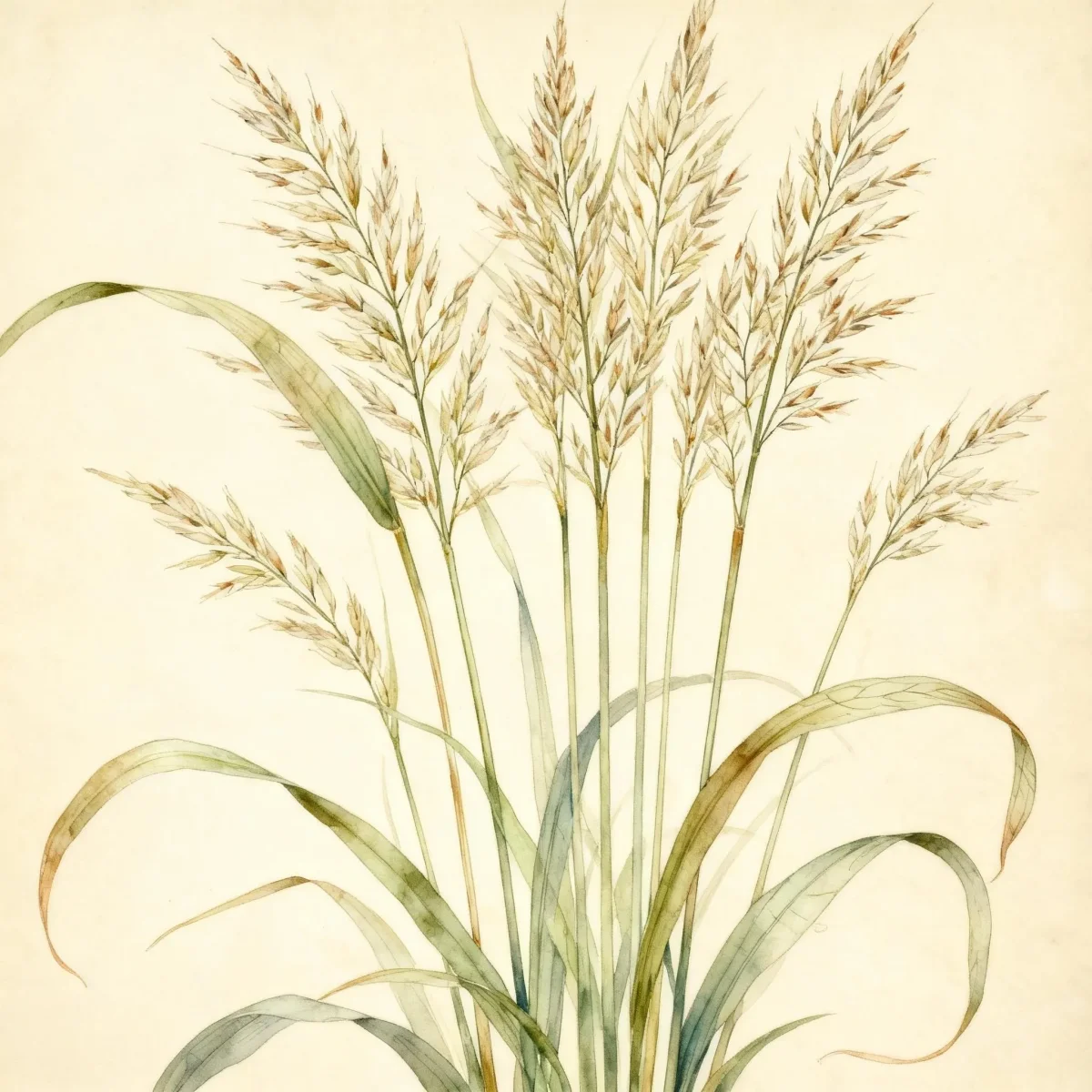
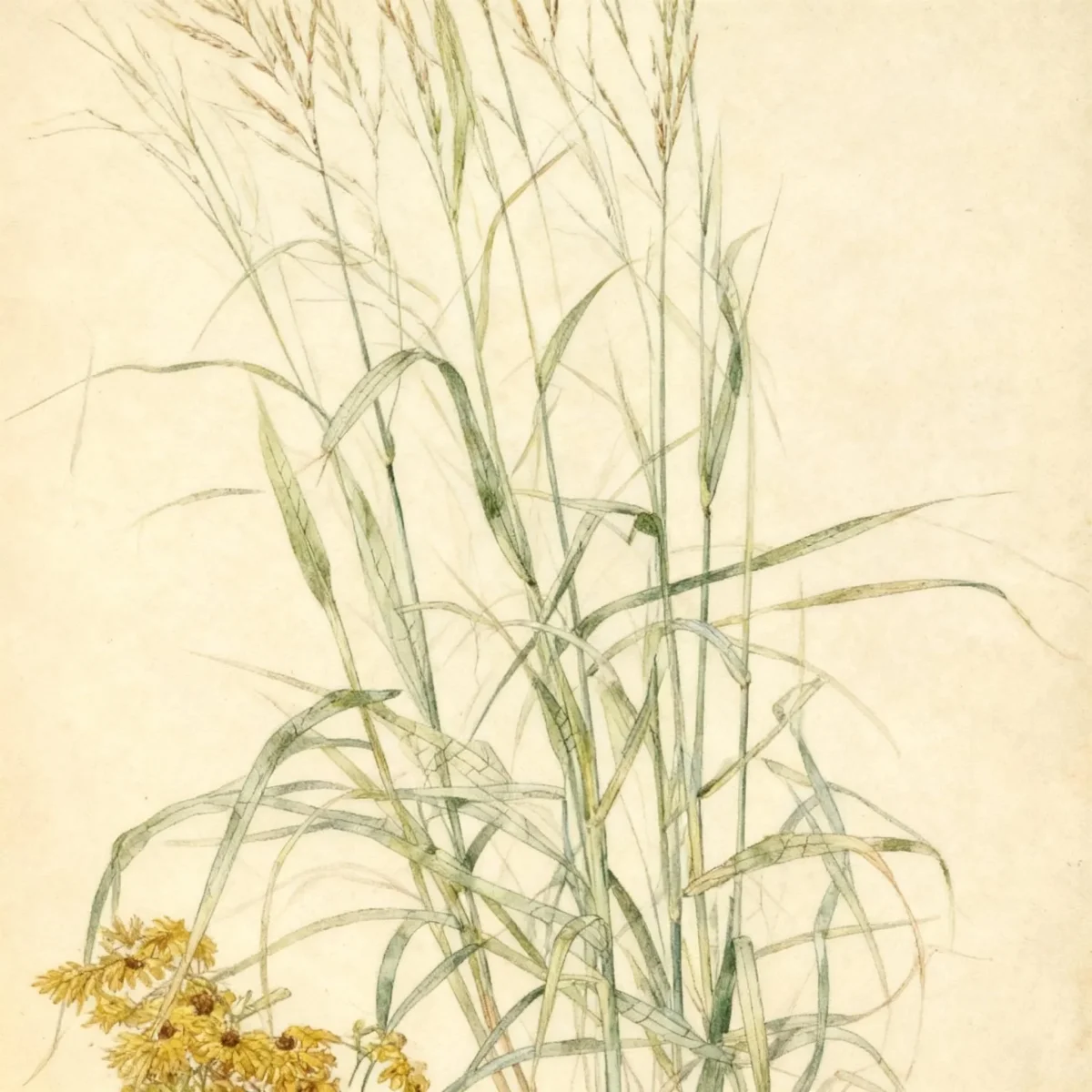
Reed canary grass (Phalaris arundinacea var. picta 'Feesey')
Phalaris arundinacea var. picta 'Feesey' is beautiful Reed canary grass, offering variegated foliage perfect for wet areas. Zones 4-9.
Scroll down to discover growing tips, care requirements, companion plants, and more
Complete Plant Information
Overview
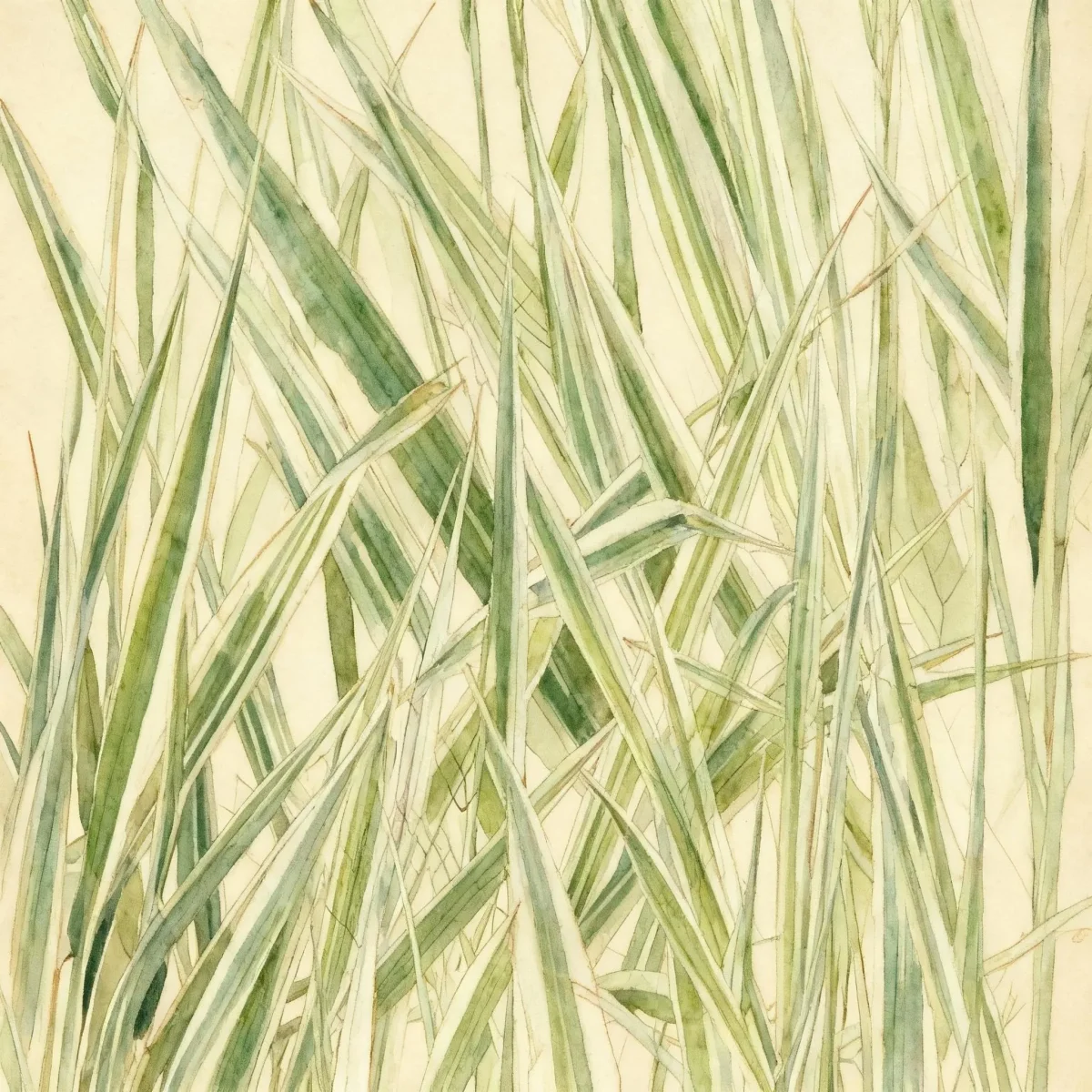
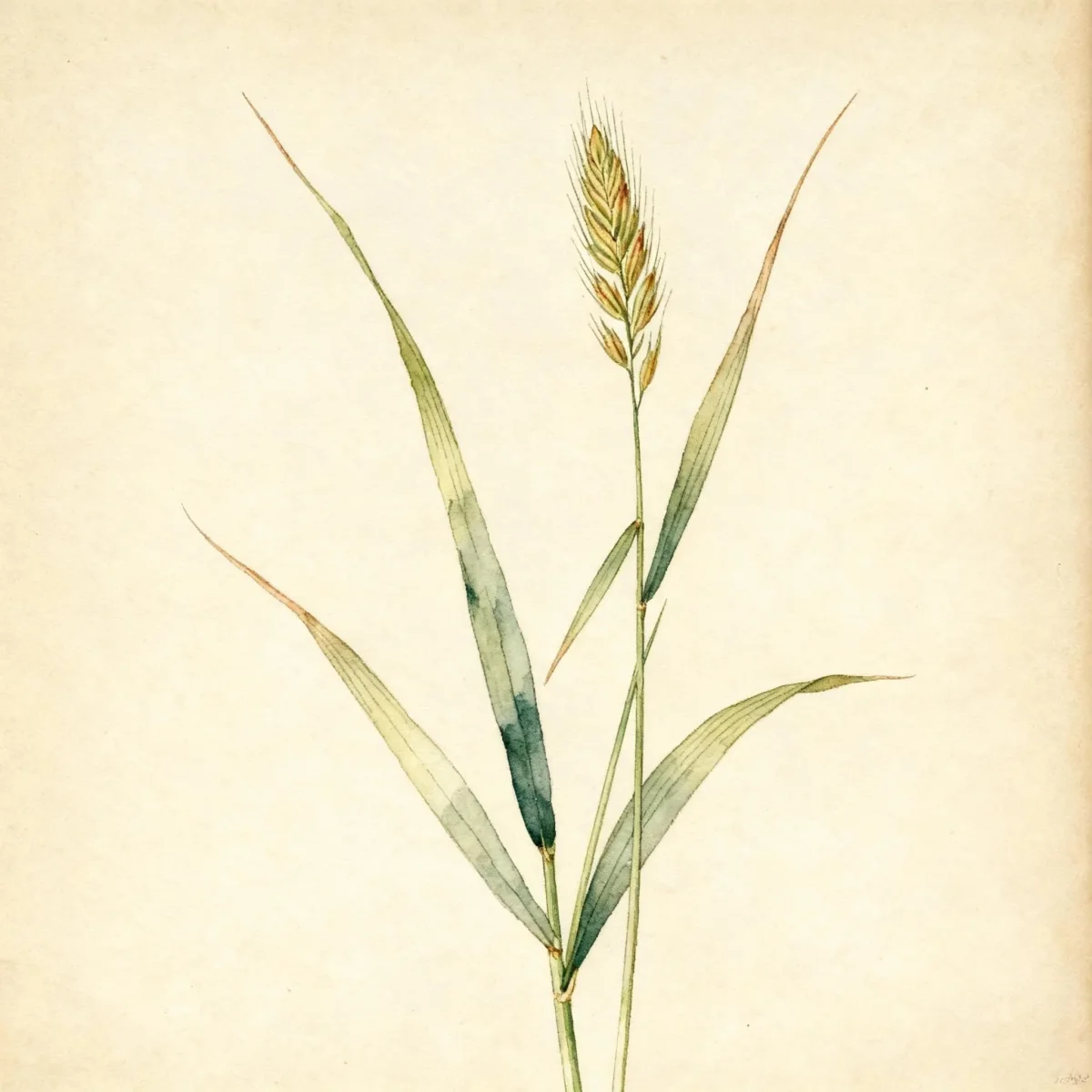
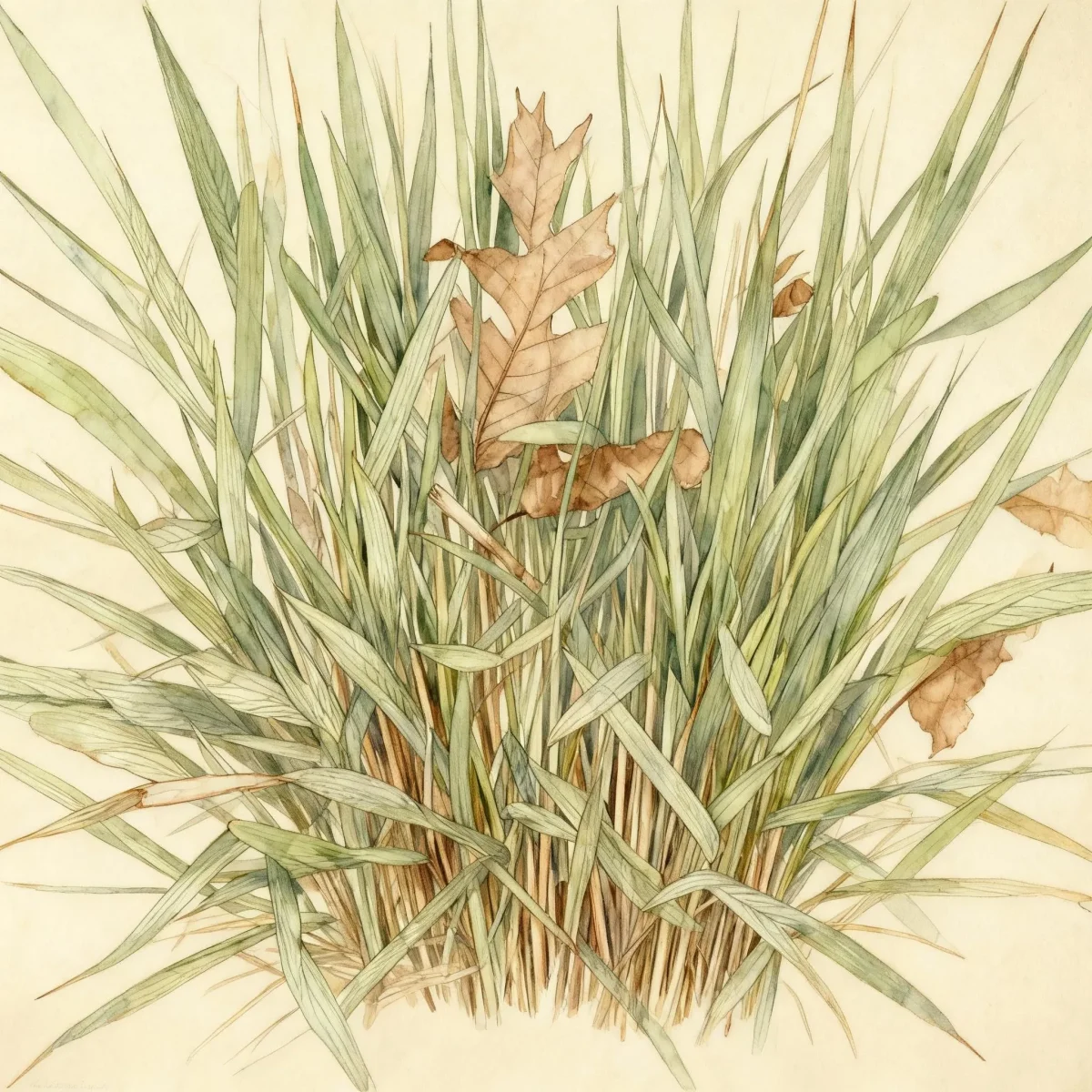
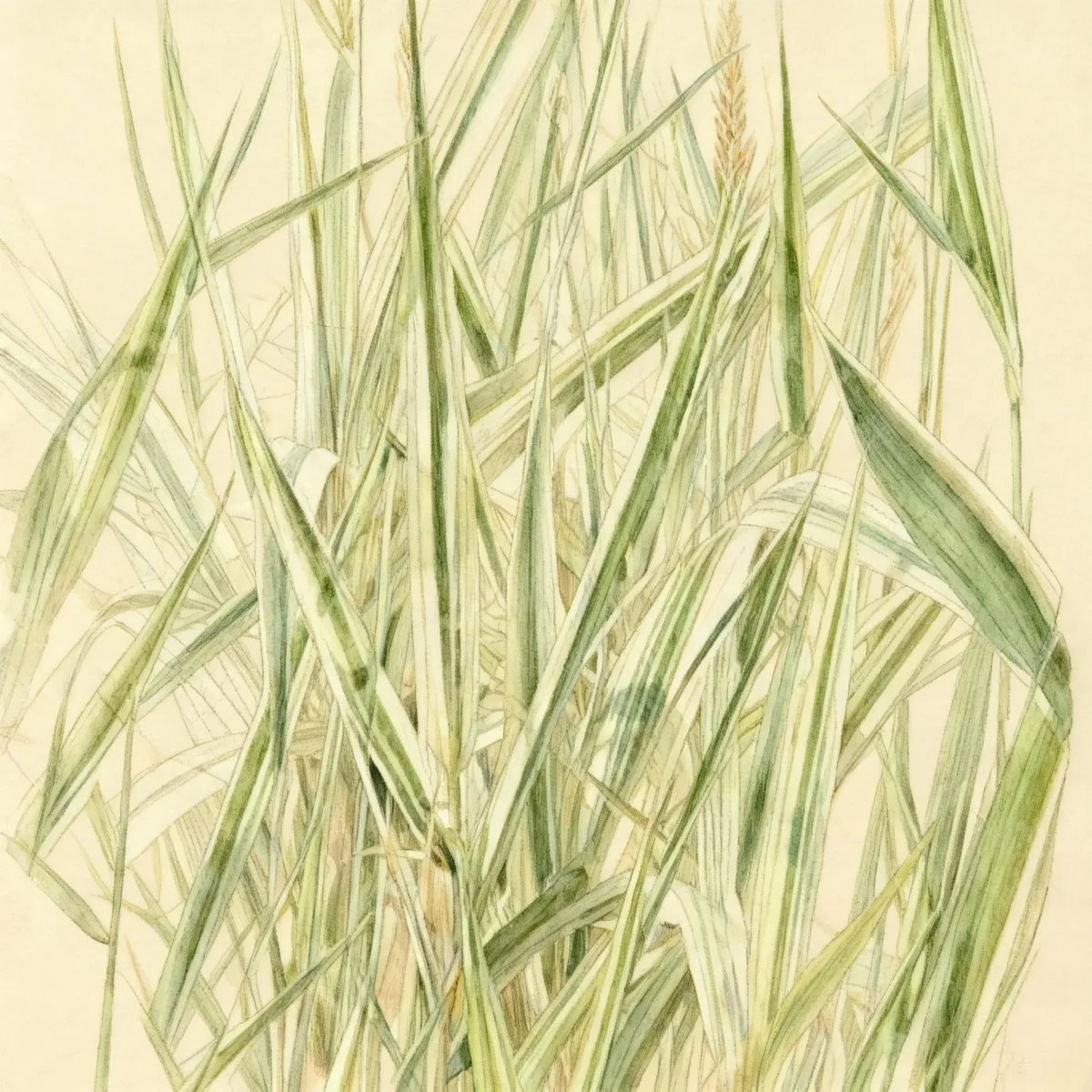
Phalaris arundinacea var. picta ‘Feesey’, often called Reed canary grass, is a visually striking ornamental grass prized for its bright, variegated foliage striped with white. This cultivar offers a lighter, somewhat less aggressive appearance than the straight species, making it a valued texture element in diverse garden settings. Growing typically between 2 and 3 feet tall and wide, it provides strong vertical structure throughout the main growing season.
This rhizomatous perennial displays remarkable adaptability, thriving across a wide spectrum of soil conditions, from consistently dry sites to boggy ground where it can tolerate standing water. While incredibly resilient, gardeners must recognize the strong spreading nature inherent to this type of Reed canary grass, demanding thoughtful placement. Phalaris arundinacea var. Picta ‘Feesey’ excels where lush groundcover or bank stabilization is required near water features.
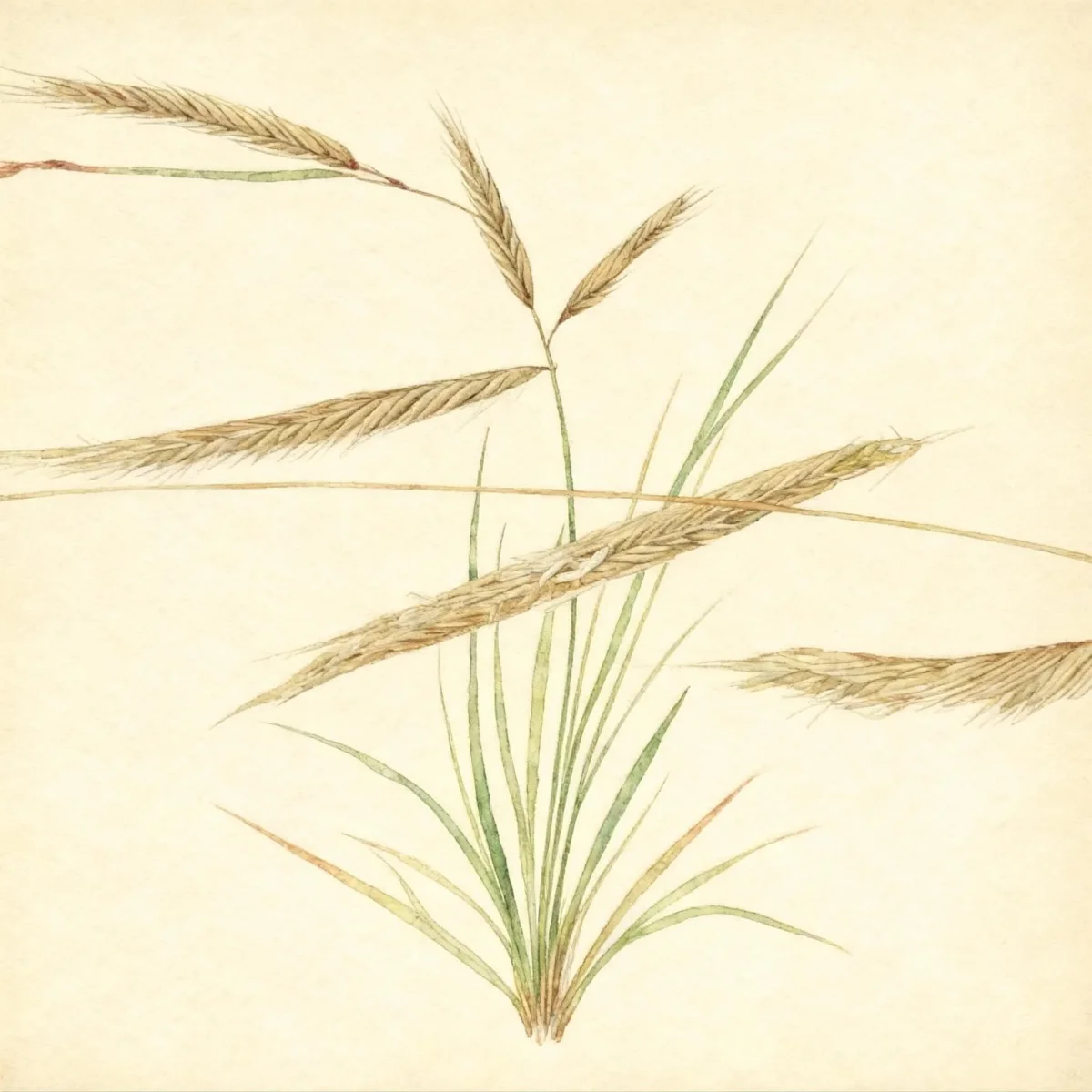
The pale green blades, heavily marked with white, ensure visual interest long before the airy, white to pale pink blooms emerge in mid-summer. For gardeners seeking reliable texture and color variation that accepts both sun and partial shade, this specific variety of Phalaris arundinacea presents an excellent, low-fuss option, provided its spreading habit is managed.
Fast Facts
- Plant Family: Poaceae
- Plant Type: Ornamental grass
- Hardiness Zones: USDA Zones 4-9
- Size at Maturity:
- Height: 2-3 ft
- Spread: 2-3 ft
- Bloom Time: June to July
- Bloom Description: White to pale pink
- Sun Exposure: Full sun to part shade
- Water Needs: Medium to wet
- Maintenance Level: Medium
How to Grow
Phalaris arundinacea var. picta ‘Feesey’ is easily established. Plant during the spring, ensuring the soil provides adequate drainage, although this grass tolerates nearly anything from sand to heavy clay, and acidic to alkaline pH levels. Locate it in an area receiving full sun for the best variegation, though it tolerates part shade.
Care is generally straightforward. Water needs are flexible; maintain medium moisture, but this Reed canary grass is exceptional in wet areas or rain gardens, occasionally managing submerged conditions of several inches of water. Fertilizing is seldom necessary unless the soil is extremely poor.
Propagation is easily accomplished through division of the rhizomes in the spring, which is also the best time for spring cleanup. Remember that 4 established plants per square yard are sufficient to quickly colonize an area when using it as a dense ground cover.
Landscape Uses
The suggested uses for Phalaris arundinacea var. picta ‘Feesey’ lean heavily toward utility planting rather than formal borders. Due to its invasive rhizomes, it is best situated where colonizing is desired, such as stabilizing banks along streams or ponds where it can thrive in wet areas. It performs admirably in boggy sites and water gardens, even accepting submergence.
Conversely, this grass is highly effective in dry locations, including desert gardens, where its spread is somewhat reduced, providing unexpected resilience. While generally unsuitable for close borders due to its aggressive nature, it serves as an excellent, dense, weed-free ground cover in large, open areas where containment isn’t a primary concern.
Standout Features
Flower Qualities
- Showy
Noteworthy Characteristics
Phalaris arundinacea, commonly called reed canary grass, is an upright, rhizomatous, cool season perennial grass which typically grows to 3-6’ tall. The ‘Feesey’ cultivar is similar to the standard variegated ‘Picta’ but often displays more white color and tends to be slightly smaller and less aggressively invasive. Stems are sometimes hollow, giving it a bamboo-like quality, and its variegated leaves are attractive from spring until they begin to brown toward late summer.
Tolerances
- Drought
- Black Walnut
- Air Pollution
Potential Problems
The most significant concern with Reed canary grass, including the variegated ‘Feesey’ cultivar, is its extremely invasive spreading habit. Any small segment of root or rhizome left in the soil during cleanup or division can successfully sprout, leading to difficult eradication efforts.
Gardeners should seriously consider installing robust, deep soil barriers at the time of initial planting to prevent the rhizomes from migrating into lawns or desired garden beds. While it generally avoids serious insect or disease issues, vigilance regarding containment is mandatory for long-term landscape management of Phalaris arundinacea var. picta ‘Feesey’.
Frequently Asked Questions
What hardiness zones is Reed canary grass suitable for?
Phalaris arundinacea var. picta ‘Feesey’ is generally hardy in USDA Zones 4 through 9.
How large does Phalaris arundinacea var. picta ‘Feesey’ grow?
This ornamental grass typically achieves a mature height of 2 to 3 feet and spreads to a width of 2 to 3 feet.
What sun exposure does Phalaris arundinacea var. picta ‘Feesey’ need?
This grass performs best in full sun, but it is adaptable and handles partial shade well.
When does Reed canary grass bloom?
Blooming occurs from June to July, producing conspicuous flowers described as white to pale pink.
Conclusion
The variegated foliage provides consistent texture and brightness, making the Reed canary grass cultivar ‘Feesey’ a dependable choice for difficult, wet sites or where rapid ground coverage is needed. Its tolerance for poor drainage and pollution adds significant functional value to the landscape design. Before planting this beautiful Phalaris arundinacea, confirm your USDA hardiness zone compatibility and ensure you have a plan for managing its rhizomatous spread.
Companion Planting
Selecting companions for Phalaris arundinacea var. picta ‘Feesey’ requires acknowledging its love for moisture and its tendency to spread. Consider pairing it with moisture-loving, non-aggressive perennials that appreciate similar sun conditions. Plants like Siberian Iris (Iris sibirica), various sedges (Carex species that don’t aggressively spread), or Joe-Pye Weed (Eutrochium purpureum) work well near wet-site plantings.
In drier, sunnier locations where its spread is somewhat mitigated, it can soften the edges of structural plantings. Use it alongside other clumping ornamental grasses that do not share its aggressive rhizomatous nature, such as some fountain grasses (Pennisetum) or switchgrass (Panicum virgatum), ensuring clear distinctions between the spreading and clumping masses.
Propagation Tips
The primary and easiest method for increasing your stock of Phalaris arundinacea var. picta ‘Feesey’ is through division. This is best done in the spring before new, vigorous growth begins, allowing the disrupted root system time to establish before the heat of summer.
To divide, carefully dig up the entire clump. Use a sharp spade or knife to cut the dense mat of rhizomes into smaller sections, ensuring each new piece has healthy roots and several growing shoots attached. Replant these divisions immediately at the same depth they were previously growing.
Because this Reed canary grass spreads readily via rhizomes, avoid leaving any small root fragments behind when dividing or removing unwanted clumps, as these can quickly regenerate into full plants.