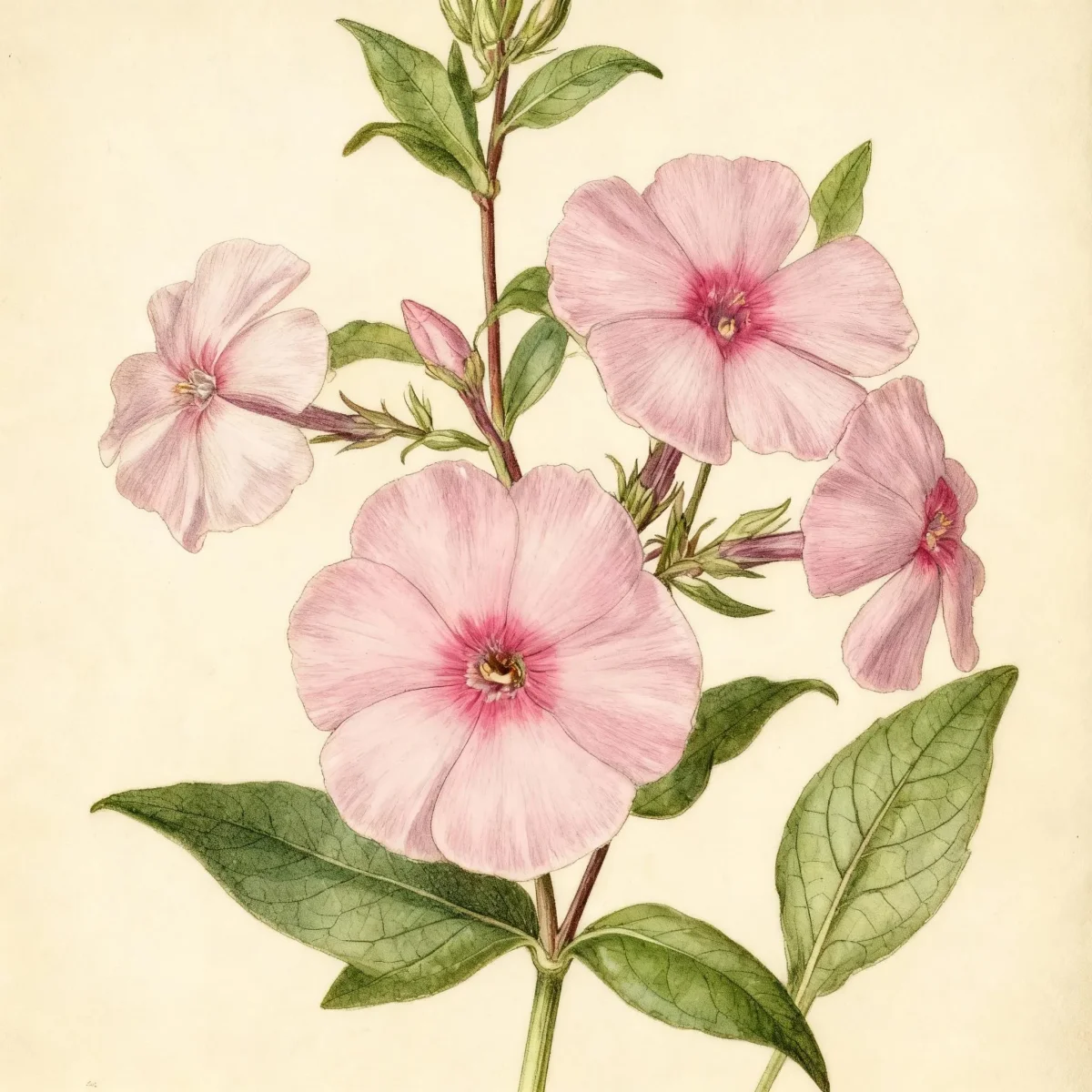
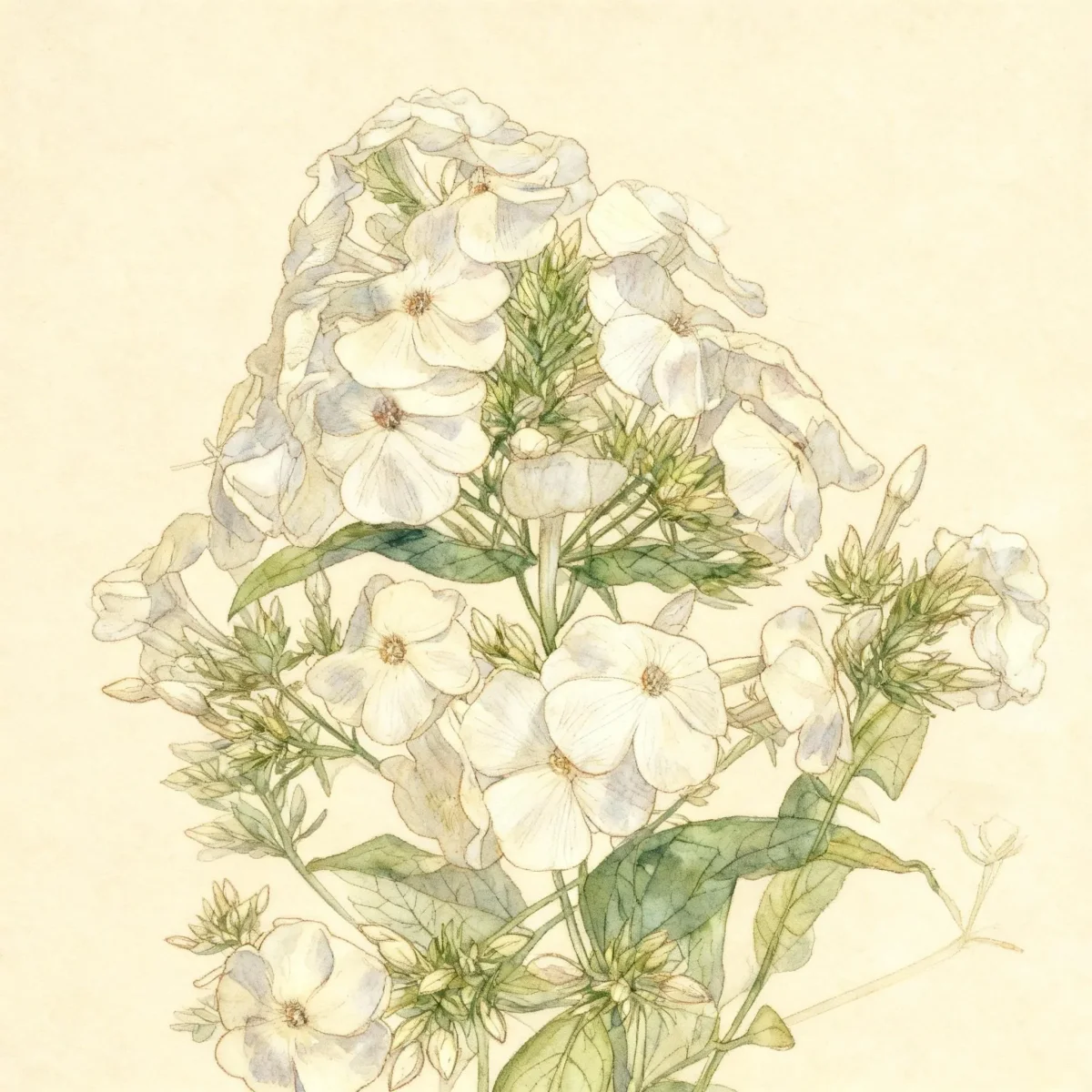
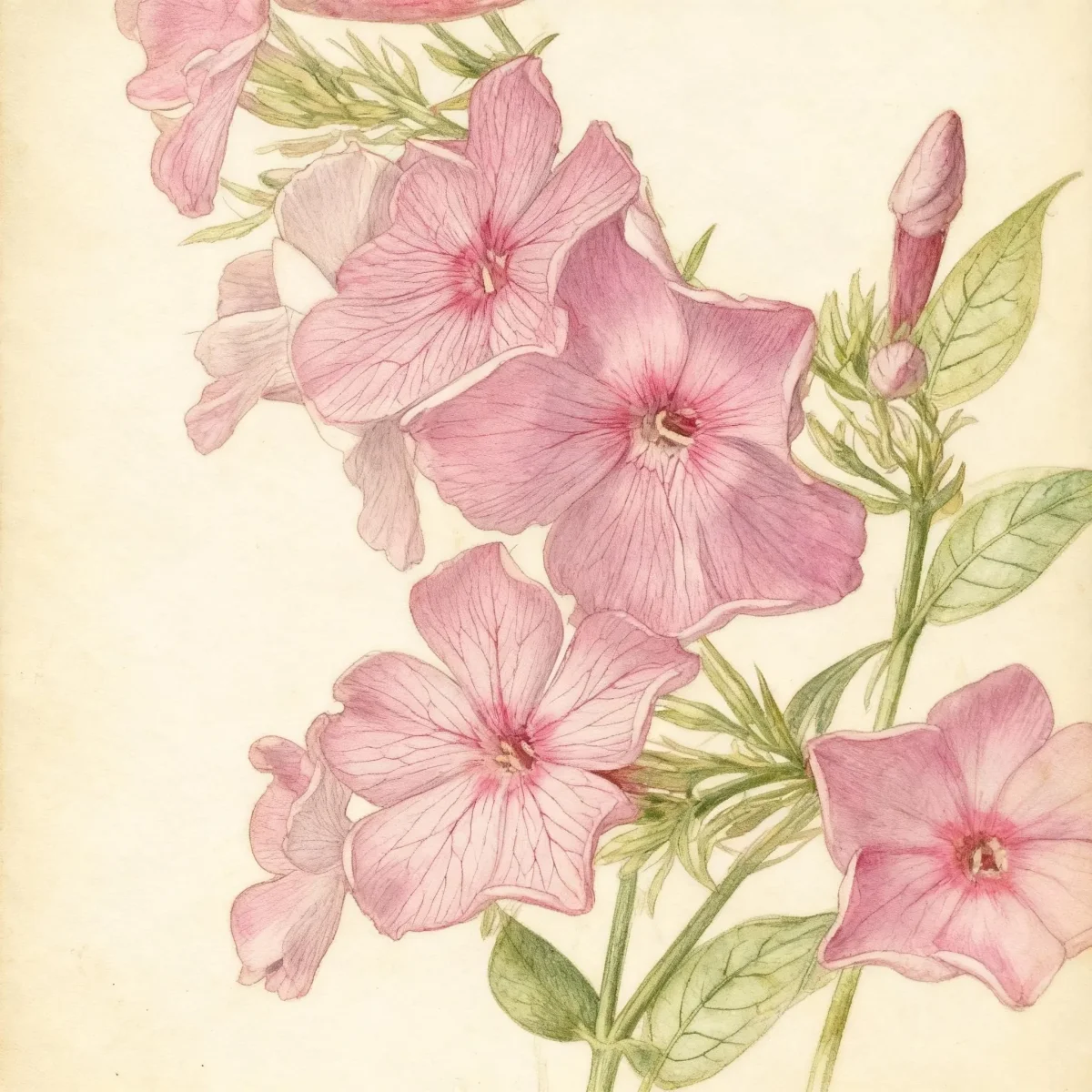
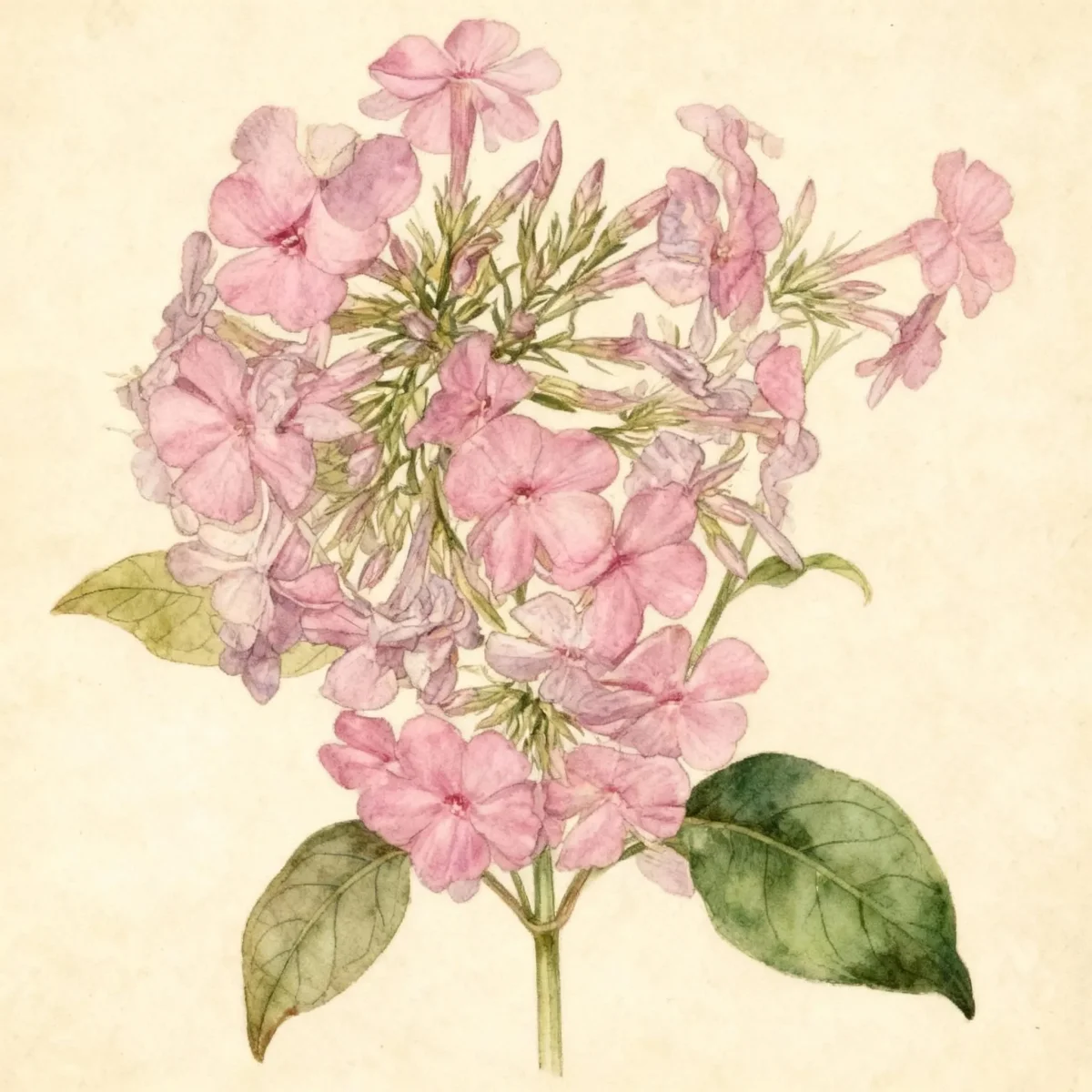
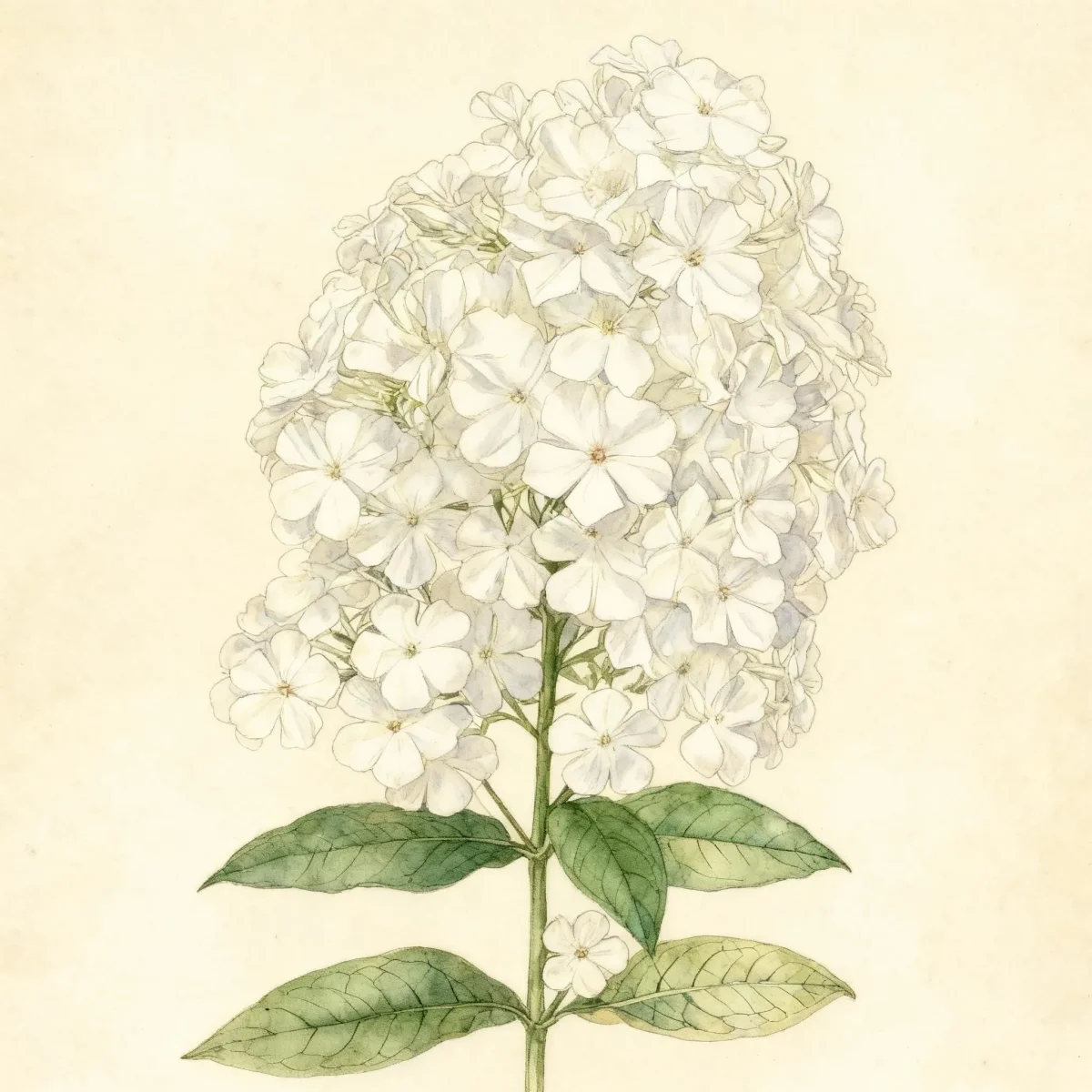
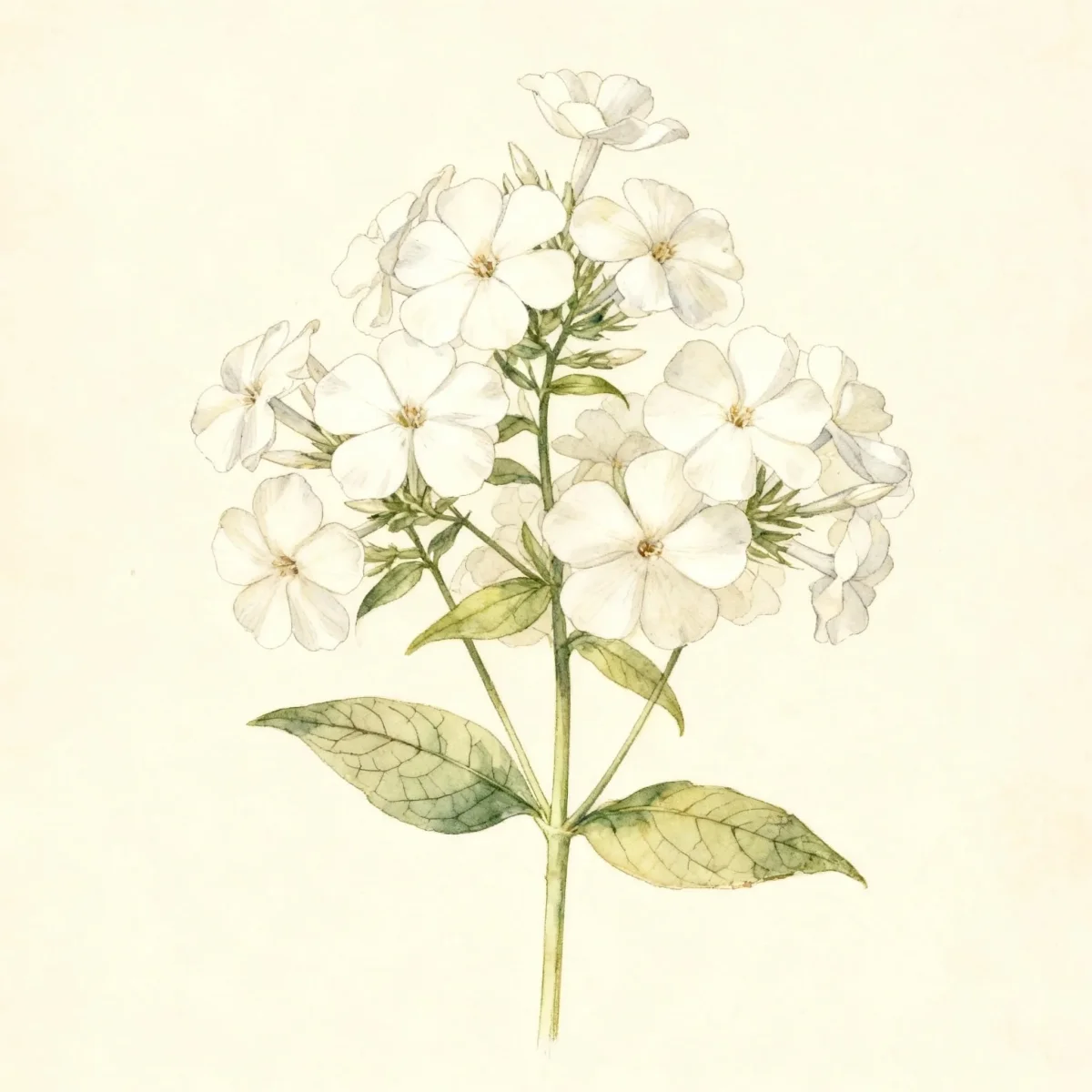
Garden phlox (Phlox paniculata 'Prince of Orange')
Vibrant Garden phlox, Phlox paniculata 'Prince of Orange', offers fragrant, salmon-orange blooms from mid-summer to fall. Hardy in Zones 4-8.
Scroll down to discover growing tips, care requirements, companion plants, and more
Complete Plant Information
Overview
Phlox paniculata ‘Prince of Orange’ is a spectacular upright perennial, commonly known as Garden phlox, cherished for its enduring summer color display. This cultivar produces masses of fragrant, salmon-orange flowers, providing a warm focal point when many spring bloomers begin to wane. Garden phlox brings reliable structure and intense color to the perennial border throughout the season.
This variety typically reaches 1.5 to 2 feet in height, forming clumps atop stiff stems that generally require minimal staking. Beyond its aesthetic appeal, the flowers attract vital pollinators, making the inclusion of Phlox paniculata ‘Prince of Orange’ a great choice for wildlife gardens. Successful cultivation relies on providing consistent moisture and ample sunlight to maximize bloom quality and minimize common cultural issues.
As an herbaceous perennial, Garden phlox offers dependable performance year after year, returning reliably in USDA Zones 4 through 8. Its strong flowering performance and appealing fragrance make Phlox paniculata ‘Prince of Orange’ a foundational element in mixed sunny borders.
Fast Facts
- Plant Family: Polemoniaceae
- Plant Type: Herbaceous perennial
- Hardiness Zones: USDA Zones 4-8
- Size at Maturity:
- Height: 1.5-2 ft
- Spread: 1-1.5 ft
- Bloom Time: July to September
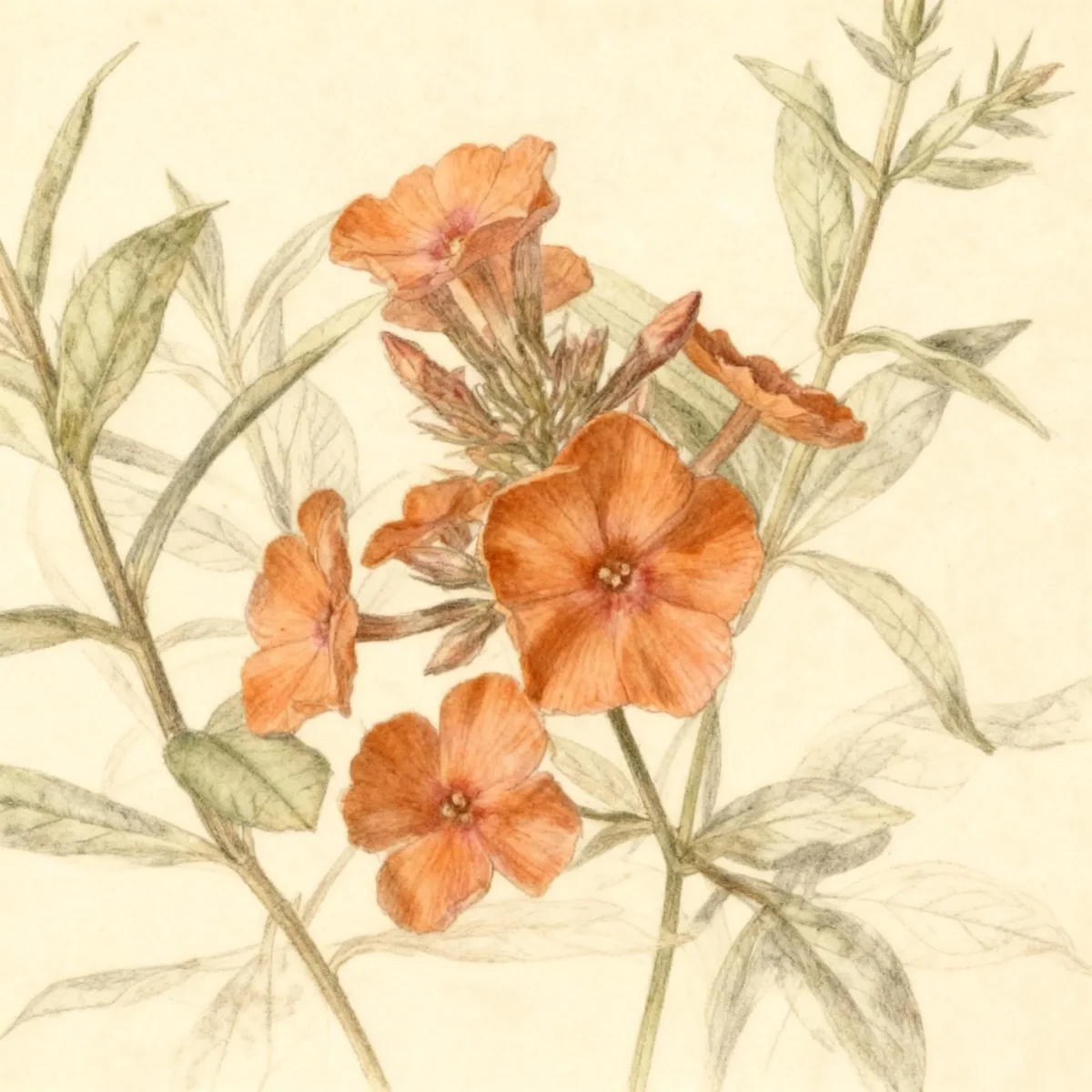
- Bloom Description: Salmon-orange with small red eye
- Sun Exposure: Full sun to part shade
- Water Needs: Medium
- Maintenance Level: Medium
How to Grow
Plant Garden phlox in the spring or fall once the threat of hard frost has passed, selecting a location that receives full sun for the best flowering performance. Phlox paniculata ‘Prince of Orange’ thrives in moderately fertile, medium moisture, well-drained soils. It prefers rich, moist, organic soils, and performs best in areas where summers are milder rather than extremely hot and humid.
Maintain consistent moisture, as this plant is intolerant of drought and requires watering during dry spells; however, avoid overhead watering, which can encourage fungal issues. Consider applying a summer mulch to help keep the root zone cool during heat waves. Good air circulation is crucial for managing powdery mildew, so space plants adequately and thin out crowded stems as needed.
Routine maintenance involves deadheading faded flower panicles throughout the season, which helps prolong the bloom period of your Phlox paniculata ‘Prince of Orange’ and prevents unwanted self-seeding. In late fall or early spring, cut the plants all the way to the ground and thoroughly clean up all plant debris to minimize the carryover of diseases like powdery mildew into the next growing season.
Landscape Uses
Garden phlox is an absolute staple for the traditional perennial border due to its reliable mid to late-summer blooming period. Phlox paniculata ‘Prince of Orange’ adds vertical structure and intense color that partners beautifully with late-blooming coneflowers, sneezeflower (Kirengeshoma), or Japanese anemones. Use this variety in mass plantings for the greatest visual impact.
Because the flowers are so attractive to pollinators, Garden phlox is an excellent selection for inclusion in a bird garden or any area dedicated to supporting beneficial insects. Mixing colors creates a cottage garden feel, but grouping plants with similar sun and moisture needs—like Phlox paniculata ‘Prince of Orange’—ensures optimal health throughout summer.
Standout Features
Flower Qualities
- Showy
- Fragrant
Noteworthy Characteristics
Phlox paniculata, commonly known as garden phlox, is native from New York to Iowa south to Georgia, Mississippi and Arkansas. This is an upright perennial that grows in a clump clad with conspicuously veined, deep green leaves. Fragrant, tubular flowers are densely packed in large, tiered, domed terminal clusters over a long July to September bloom period, attracting both butterflies and hummingbirds. ‘Prince of Orange’ is a garden phlox cultivar featuring salmon-orange flowers with small red eyes, often boasting stiff, upright stems that seldom require staking.
Tolerances
- Deer
- Clay Soil
- Black Walnut
Potential Problems
Phlox is not always straightforward to grow well, with several issues potentially impacting its health. Powdery mildew is a very common fungal issue, especially in humid conditions or where air circulation is poor; ensure proper spacing and avoid overhead watering to mitigate this risk. Pests like phlox bugs and spider mites can also appear, particularly during hot, dry periods. Taller stems on some varieties may occasionally require staking to maintain an upright presentation, although ‘Prince of Orange’ has relatively stiff stems.
Management starts with cleanliness; removing all dead foliage in the fall minimizes overwintering spores for diseases like mildew. If mildew appears, treat proactively with horticultural fungicides or improve air flow by selectively thinning the stems early in the season. Regular scouting for pests should allow for quick treatment before infestations become severe.
Frequently Asked Questions
What hardiness zones is Garden phlox suitable for?
Phlox paniculata ‘Prince of Orange’ is reliably hardy across USDA Zones 4 through 8.
How large does Garden phlox grow?
This herbaceous perennial typically matures to a height between 1.5 and 2 feet, with a spread ranging from 1 to 1.5 feet wide.
What sun exposure does Garden phlox need?
For the most impressive display of salmon-orange blooms, provide Phlox paniculata ‘Prince of Orange’ with full sun, though it can tolerate light shade.
When does Garden phlox bloom?
The bloom time for this Garden phlox cultivar spans from July through September, offering color late into the summer season.
Conclusion
Phlox paniculata ‘Prince of Orange’ provides exceptional, long-lasting color and delightful fragrance, making it a foundational plant for any sunny summer border. Successfully growing this vibrant Garden phlox variety depends on providing rich, consistently moist soil and ensuring excellent air circulation to combat potential mildew issues. Check your local hardiness zone compatibility and plan to incorporate this spectacular salmon-orange perennial into your landscape this season.
Companion Planting
Choosing neighbors with similar cultural requirements helps ensure the health of your border. Since Garden phlox requires medium moisture and full to partial sun, pair it with other perennials that appreciate rich soil, such as Coneflowers (Echinacea), Black-eyed Susans (Rudbeckia), or Hostas planted where they receive afternoon shade. Avoid planting species that require sharp drainage and dry summer conditions, as this will cause stress to the phlox. Proper companion selection prevents resource competition and supports the robust growth necessary for disease resistance.
Wildlife Benefits
The tubular flowers of Phlox paniculata ‘Prince of Orange’ are specifically structured to appeal to long-tongued pollinators. This plant is highly attractive to hummingbirds, drawn in by the bright colors and accessible nectar. Butterflies regularly visit the large clusters of flowers, using them as essential refueling stops throughout the mid to late summer. Incorporating Garden phlox into your landscape directly supports local insect populations and contributes significantly to avian wildlife viewing opportunities.