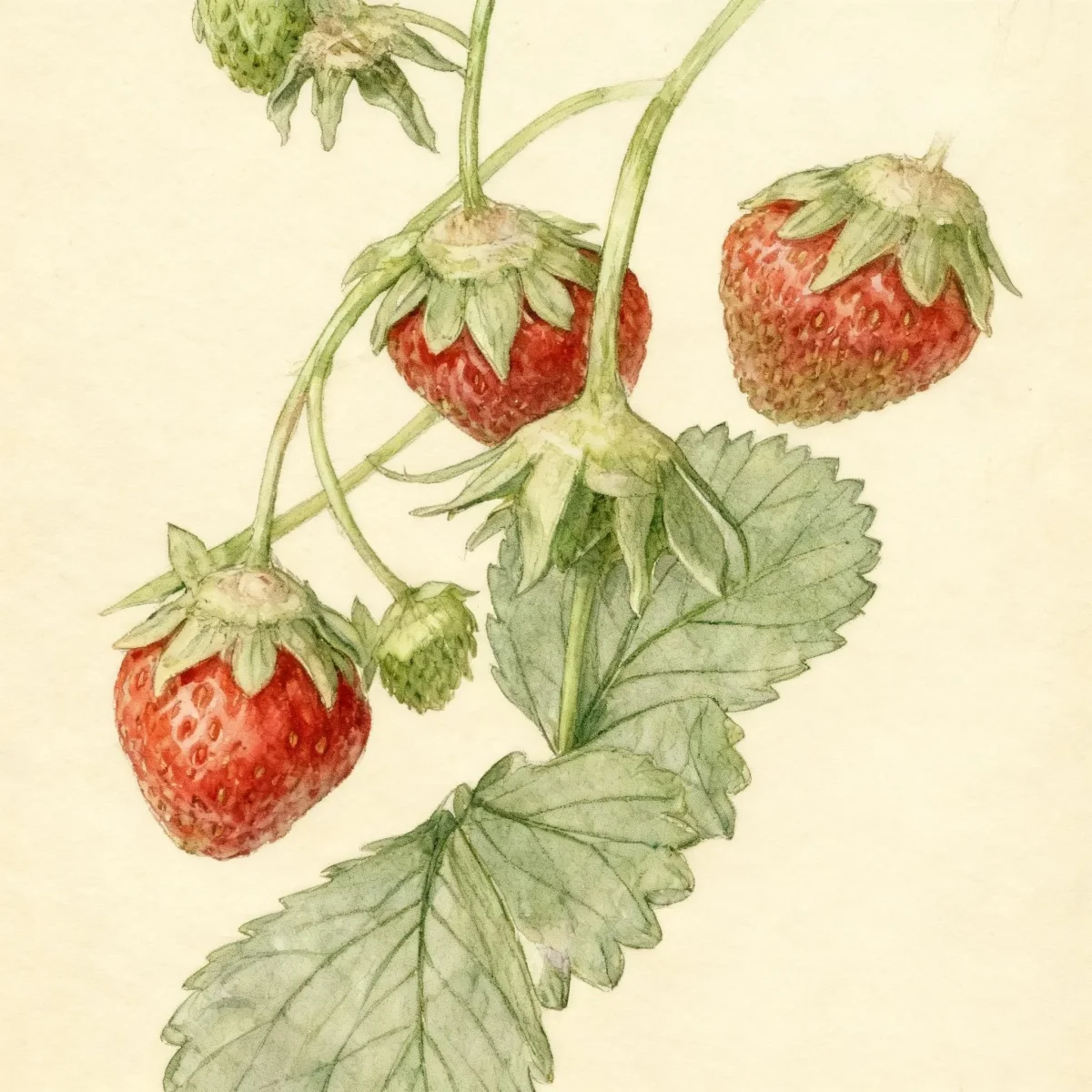
Common pear (Pyrus communis 'Doyenné du Comice')
Pyrus communis 'Doyenné du Comice', a high-maintenance Common pear, offers fragrant white blooms and edible fruit, thriving in Zones 5-7.
Scroll down to discover growing tips, care requirements, companion plants, and more
Complete Plant Information
Overview
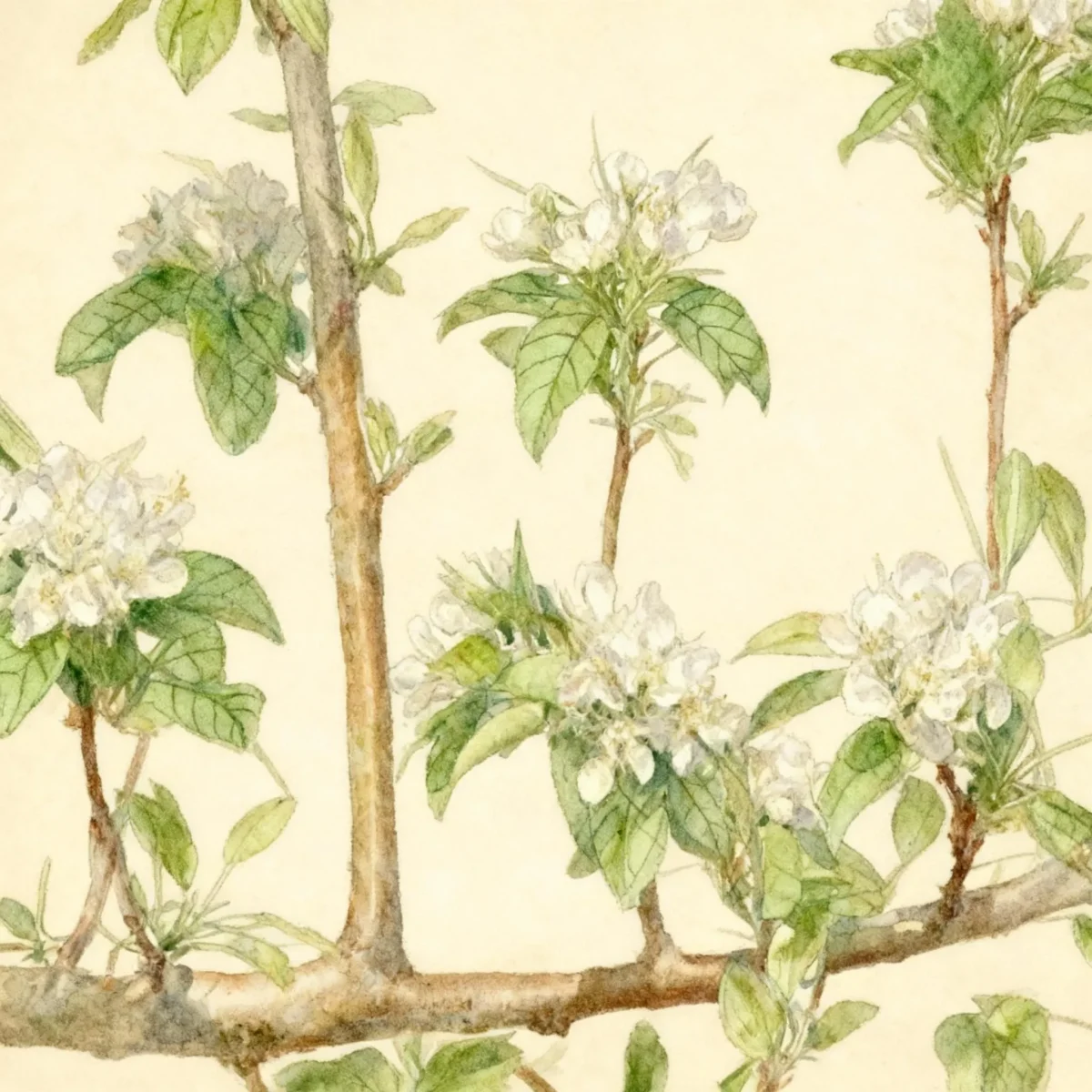
Pyrus communis ‘Doyenné du Comice’ is a highly valued cultivar within the Common pear species, celebrated both for its aesthetic springtime display and its late-ripening, edible fruit crop. This dwarf variety is particularly useful for gardeners seeking traditional pear characteristics without the vast space requirements of standard trees, making it an excellent choice for smaller properties. Its early spring flowers are showy and fragrant, providing essential early-season interest before the foliage fully develops.
As a fruit-bearing cultivar, the success of Pyrus communis ‘Doyenné du Comice’ relies heavily on cooperative planting, as it requires cross-pollination from another suitable pear variety. While beautiful on its own, its main purpose is production, although gardeners must commit to high maintenance, especially concerning pest and disease management. The large, greenish-yellow fruits, often tipped with a red blush, ripen late in the season, usually in early October in suitable zones.
Selecting the appropriate dwarf rootstock for your Pyrus communis ‘Doyenné du Comice’ is a crucial first step, as it dictates the manageable mature size of 8 to 10 feet tall and wide. Although somewhat tolerant of heavier soils, this Common pear performs best when sited in full sun where air circulation is good to mitigate common fungal issues that plague most pear varieties.
Fast Facts
- Plant Family: Rosaceae
- Plant Type: Fruit
- Hardiness Zones: USDA Zones 5-7
- Size at Maturity:
- Height: 8-10 ft
- Spread: 8-10 ft
- Bloom Time: April to May
- Bloom Description: White
- Sun Exposure: Full sun
- Water Needs: Medium
- Maintenance Level: High
How to Grow
Planting Pyrus communis ‘Doyenné du Comice’ should ideally occur in early spring or late fall when the tree is dormant, ensuring it is situated in full sun. The ideal soil is a well-drained, humusy loam, although this specific cultivar shows better tolerance for heavy clays than many other fruit trees. Crucially, you must plant two or more compatible pear varieties nearby to ensure effective cross-pollination, which is necessary for fruit production.
Maintenance for this Common pear is considered high, demanding regular monitoring for common problems like fireblight. Watering should remain medium; avoid both soggy conditions and prolonged drought, especially while the tree is establishing or during fruit development. Pruning requires attention, particularly for dwarf trees, which benefit from management to maintain their shape and ease of access for spraying and harvesting.
Be prepared for a delayed reward; trees may not begin producing significant fruit until four to five years after planting. Because the flowers bloom early in the spring, they are susceptible to damage from unexpected late frosts, which can wipe out that year’s potential harvest. When selecting a site, consider the potential drift of any necessary chemical spraying, as this must not harm adjacent sensitive plants.
Landscape Uses
The primary benefit of Pyrus communis ‘Doyenné du Comice’ is its substantial fruit crop, but its early spring flowering adds excellent ornamental value to the landscape. Its refined, smaller stature, especially on dwarf rootstocks, makes it ideal for utilizing space constraints where a standard 30-foot fruit tree would overwhelm the setting. Consider planting this dwarf pear specimen near patios or open lawns where its structure and flowers can be easily admired.
In landscaping, pair the Common pear with shrubs or perennials that enjoy similar sun requirements and soil drainage but bloom at different times, ensuring continuous seasonal interest. If managing fireblight risk is paramount, select partners known for vigor and place the ‘Doyenné du Comice’ where it receives excellent air movement to aid in drying foliage after rain. The manageable size also lends itself well to being incorporated into productive edible landscapes or formal espalier arrangements against sunny walls, though pruning management will be intensive.
Standout Features
Flower Qualities
- Showy
- Fragrant
Fruit Qualities
- Showy
- Edible
Noteworthy Characteristics
Pyrus communis, the parent species of this Common pear, has supplied many supermarket favorites like ‘Bartlett’ and ‘Anjou’. Fruit production quality is influenced by the rootstock used; dwarf varieties mature faster and are far easier to manage for pruning and harvesting than standard trees. The ‘Doyenné du Comice’ specifically produces very large, greenish-yellow fruit with a red blush, ripening reliably in early October in Zone 5 climates.
Tolerances
- Clay Soil
Potential Problems
Pears are notoriously susceptible to fireblight, a bacterial disease that causes shoot tips to suddenly blacken and look scorched, especially following warm, wet spring conditions. While Pyrus communis ‘Doyenné du Comice’ possesses moderate resistance, diligent cultural practices are required to prevent it. Other diseases include scab, canker, and anthracnose, necessitating a regular, preventative chemical spraying schedule, which contributes to the high maintenance rating.
Insect pests like borers and coddling moths also pose threats to the fruit integrity and tree health throughout the season. Furthermore, gardeners must remain vigilant against early spring frosts, which can injure or entirely destroy the flower buds before pollination can occur, thus eliminating the fruit crop for the year. Rotating management strategies remains essential for long-term success with this Common pear.
Frequently Asked Questions
What hardiness zones is Common pear suitable for?
Pyrus communis ‘Doyenné du Comice’ performs best when grown in USDA Hardiness Zones 5 through 7.
How large does Pyrus communis ‘Doyenné du Comice’ grow?
As a dwarf graft, this tree typically reaches a mature height and spread between 8 to 10 feet tall and wide.
What sun exposure does Common pear need?
This deciduous fruit tree requires full sun exposure to maximize fruit production and maintain good air circulation.
When does Common pear bloom?
The fragrant, white flowers of Pyrus communis ‘Doyenné du Comice’ appear reliably from April to May.
Conclusion
The Pyrus communis ‘Doyenné du Comice’ offers an exceptional combination of ornamental spring interest and high-quality, late-season edible fruit, packaged in a manageable size due to its dwarfing nature. While its demanding care schedule, particularly regarding potential fireblight exposure, requires gardener commitment, the reward is a superior Common pear. Before planting, always verify your site conditions against the USDA Zone 5-7 requirement and secure a suitable pollinator partner.
Companion Planting
Selecting appropriate neighbors is key to managing the high maintenance needs of this fruit tree. Plants that prefer similar conditions, such as well-drained loams and full sun, often integrate well into the orchard setting. Consider planting low-growing, drought-tolerant herbs like lavender or thyme along the drip line; these can help suppress weeds while improving air movement near the base of the tree without competing heavily for water resources.
Groundcovers that assist in keeping the area around the trunk clear are often beneficial, as clear space helps dry foliage faster after rain, which is critical in reducing the risk of fungal diseases and fireblight spread. Avoid dense, thirsty plantings directly competing for subsurface moisture, especially during summer fruit development when the Common pear requires consistent water availability.
Seasonal Care Calendar
Spring is critical for success; monitor daily for early frost events and protect emerging blossoms if low temperatures are predicted. Once blooming subsides, begin scouting for insect pests like pear psylla and schedule any necessary preventative fungicide applications to manage potential scab development. Summer growth requires consistent medium watering, and prune lightly to open up the canopy for better sunlight penetration and airflow.
In the late summer and early fall, focus moves to fruit management; thin fruit early to ensure the remaining pears achieve maximum size and quality, as ‘Doyenné du Comice’ tends to set heavy crops. As autumn approaches, harvest the fruit when it is ready, typically early October in Zone 5. Late fall cleanup—raking and disposing of all fallen leaves and fruit debris—is essential to reduce the overwintering sites for disease spores and insect eggs, minimizing the workload for the next spring.