Dwarf pear (Pyrus communis 'Moonglow')
The Pyrus communis 'Moonglow' Dwarf pear offers fragrant white blooms and edible fruit in a manageable 8-10 ft stature.
Scroll down to discover growing tips, care requirements, companion plants, and more
Complete Plant Information
Overview
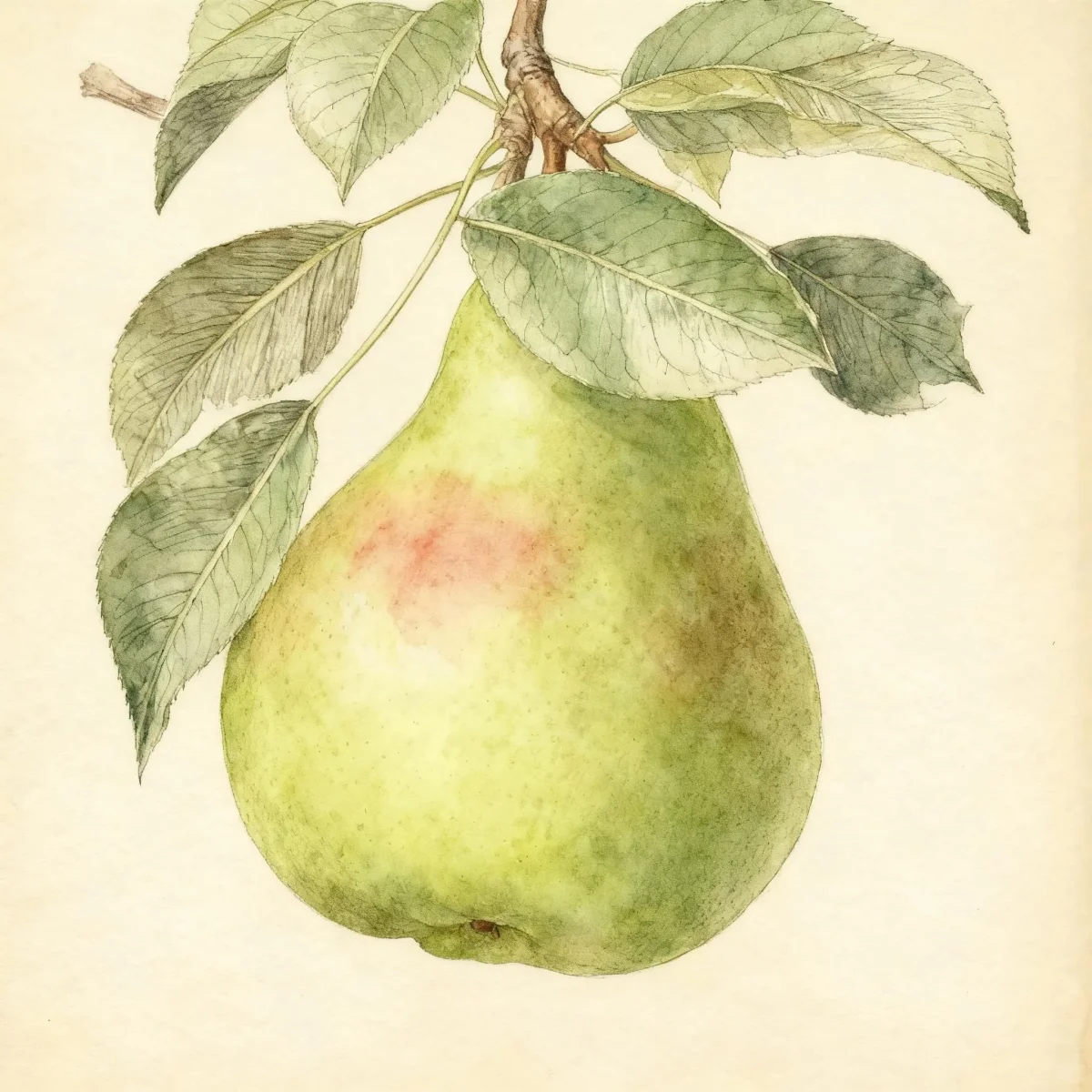
The Dwarf pear, specifically Pyrus communis ‘Moonglow’, is a favored fruit tree for home gardeners due to its manageable size achieved through dwarfing rootstocks. This cultivar provides the pleasure of home-grown pears without the towering stature of standard varieties, making maintenance significantly easier. Its value is twofold: providing stunning visual appeal early in the season and yielding edible fruit later in the year.
Valuable for its adaptability, the Pyrus communis ‘Moonglow’ is often available grafted onto dwarf rootstocks, limiting its growth to roughly 8-10 feet tall and wide. This smaller footprint allows it to fit into tighter landscapes while still producing standard-sized fruit. Successful culture requires planning, as this Dwarf pear needs a second, different pear variety nearby to ensure reliable cross-pollination.
Beyond fruit production, the abundant, subtly colored blooms in spring offer excellent ornamental impact. Gardeners seeking both high productivity and aesthetic appeal in a compact form will find the Dwarf pear an excellent centerpiece, provided its high maintenance needs are met.
Fast Facts
- Plant Family: Rosaceae
- Plant Type: Fruit
- Hardiness Zones: USDA Zones 5-8
- Size at Maturity:
- Height: 8-10 ft
- Spread: 8-10 ft
- Bloom Time: April to May
- Bloom Description: White
- Sun Exposure: Full sun
- Water Needs: Medium
- Maintenance Level: High
How to Grow
Planting the Dwarf pear should occur when conditions are favorable for establishment, ideally early spring or fall, ensuring the soil is well-drained humusy loam, although this variety shows good tolerance for heavy clay soils compared to many other pears. It is crucial to plant two or more different pear varieties nearby to guarantee adequate cross-pollination, which is necessary for fruit set. Remember that trees grafted onto dwarfing rootstocks should be spaced approximately 15 feet apart to allow for canopy development.
Ongoing care includes consistent medium watering, especially during dry periods. Due to its status as a high-maintenance fruit tree, vigilant scouting for pests and diseases is paramount. Early spring flowers are vulnerable to frost damage; monitor forecasts when blooming commences. Fruit production may take several years, often four to five seasons after planting.
Pruning and disease management are easier on this compact Dwarf pear than on standard trees. In regions prone to fireblight, such as the St. Louis area mentioned in culture notes, gardeners must select cultivars known for resistance. Pears perform optimally in cooler, drier climates, minimizing the incidence of severe fireblight outbreaks.
Landscape Uses
The Pyrus communis ‘Moonglow’ excels as a Flowering Tree when space is limited. Its manageable 8-10 foot height makes it perfect for anchoring smaller borders, planting near patios, or integrating into mixed perennial and shrub beds where a standard fruit tree would overwhelm the space. The creamy white, fragrant spring display acts as a beautiful focal point before the foliage emerges.
For optimal fruit production and landscape pairing, choose a companion pollinator that also thrives in Zones 5-8 and shares similar site requirements. Because the early bloom is so critical, ensure surrounding plants do not create heavy afternoon shade directly over the pear canopy. Integrating the Dwarf pear into an edible landscape allows gardeners to appreciate its ornamental qualities while anticipating a mid-summer harvest.
Standout Features
Flower Qualities
- Showy
- Fragrant
Fruit Qualities
- Showy
- Edible
Noteworthy Characteristics
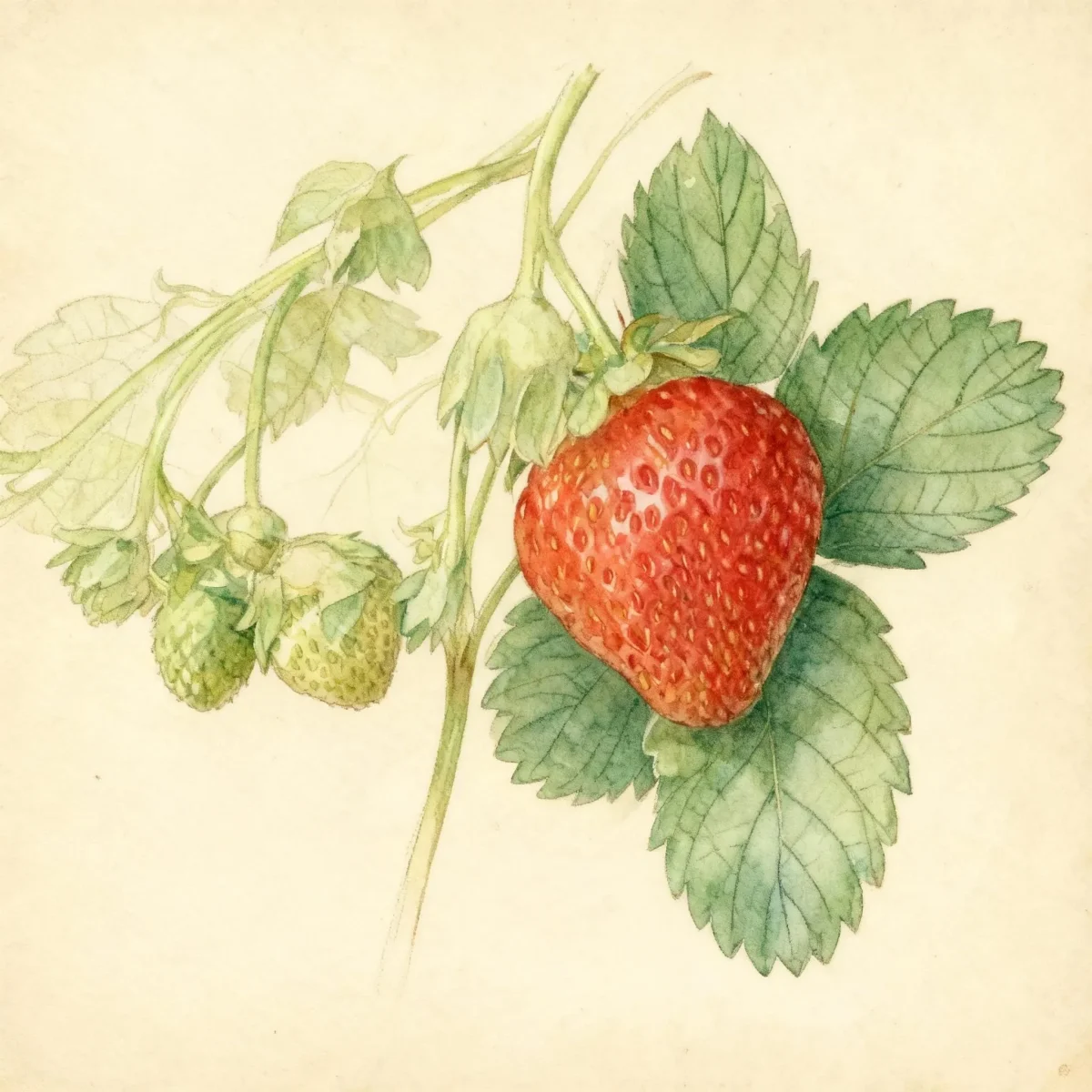
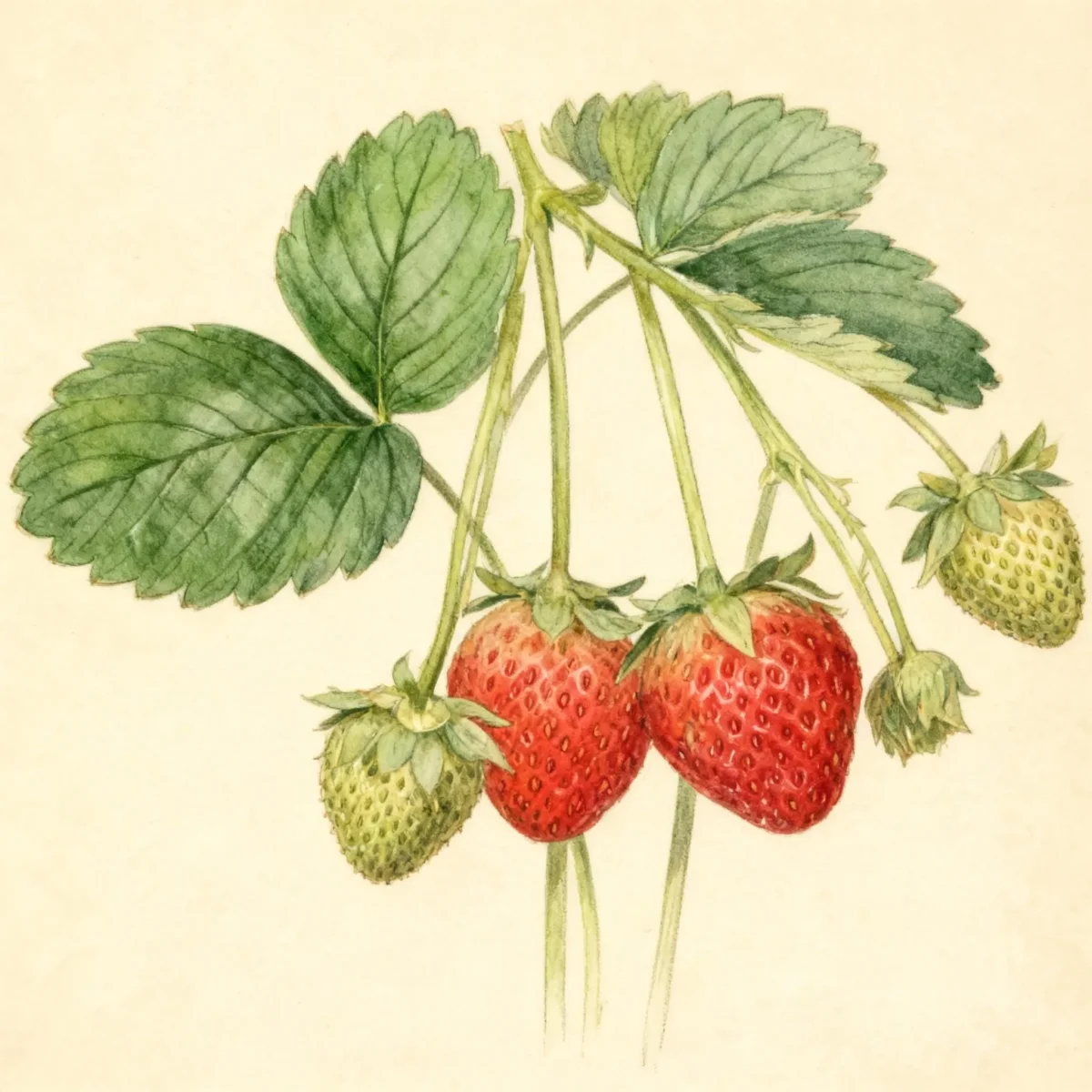
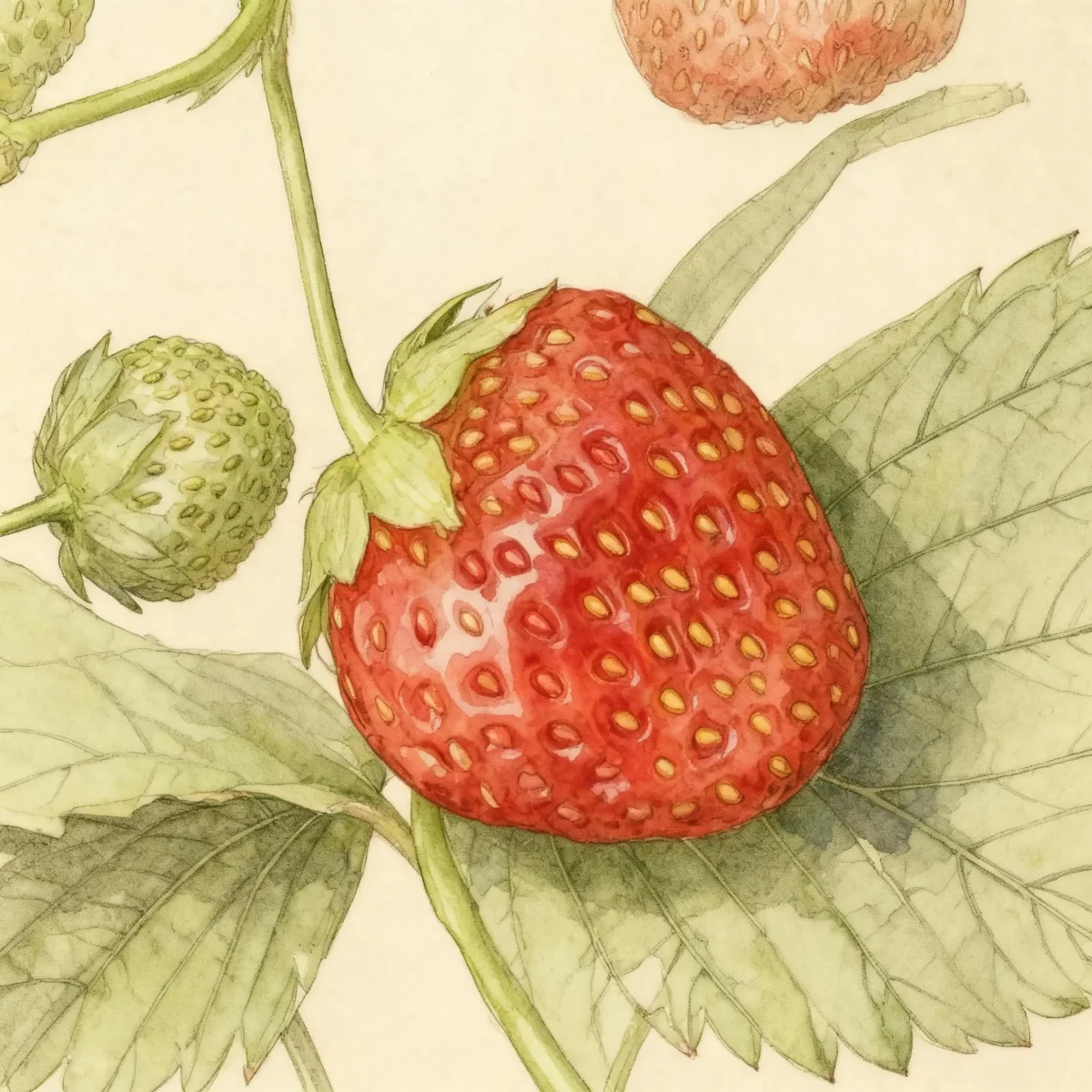
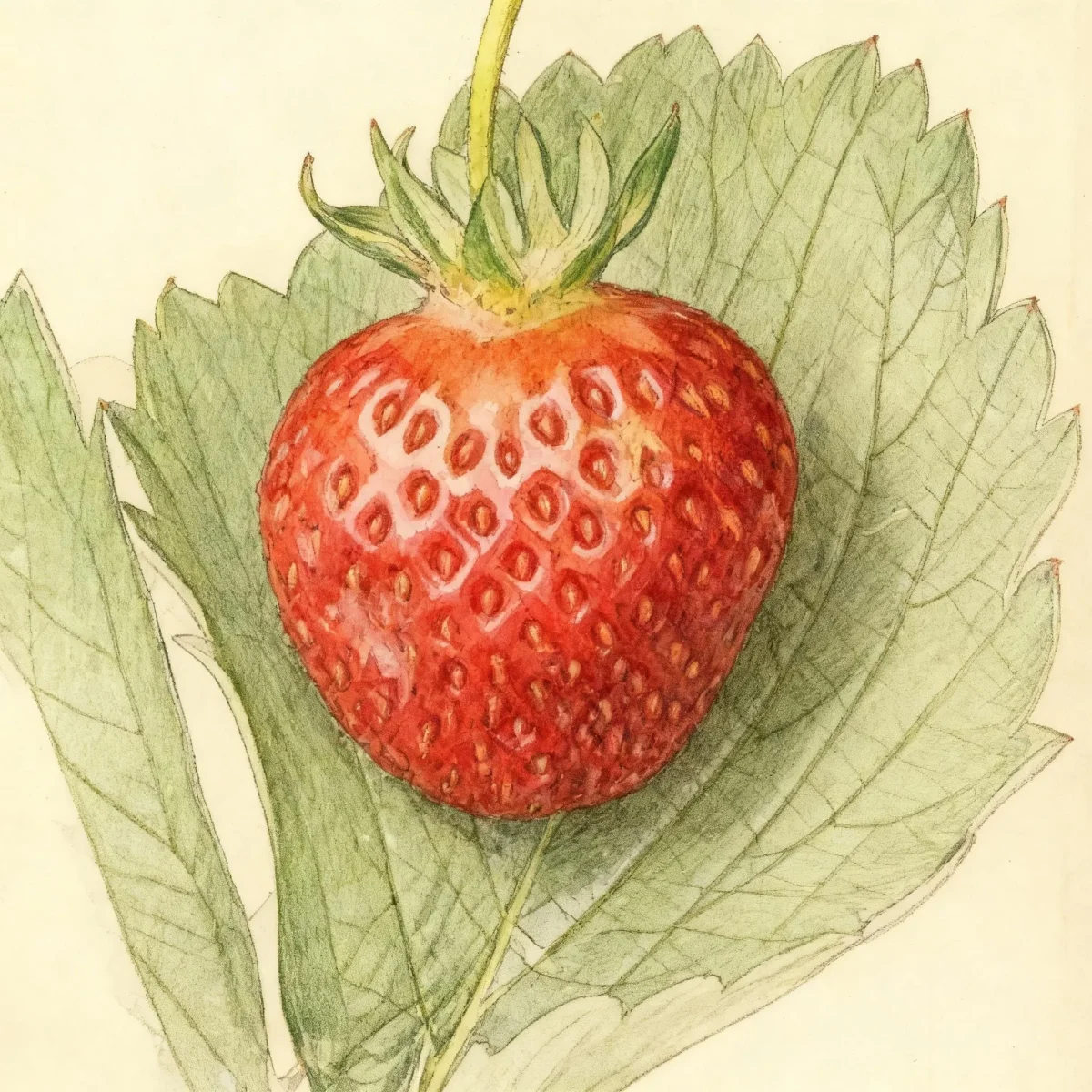
Cultivated pears are typically grafted onto specific rootstocks, which control factors like tree size, disease resistance, and time to fruiting maturity. The ‘Moonglow’ cultivar, when grafted to dwarfing rootstocks, achieves that desirable 8-10 foot height, offering standard-sized fruit but providing easier management for pruning and harvesting. Its flowers are creamy white, appearing in dense corymbs in early spring, followed by fruit ripening around mid-August in colder climates.
Tolerances
- Clay Soil
Potential Problems
Pears are inherently susceptible to fireblight, a serious bacterial disease, particularly when spring weather is both warm and excessively wet. Other common diseases affecting pears include scab, canker, anthracnose, and powdery mildew, while insects like borers and pear psylla can also cause issues. A significant advantage of Pyrus communis ‘Moonglow’ is its noted resistance to fireblight, offering gardeners some peace of mind.
Despite fireblight resistance, all pears face the risk of cold damage. Early spring frosts commonly injure flower buds and open blossoms, which will drastically reduce or eliminate that year’s fruit yield. Site selection becomes critical—avoiding low-lying frost pockets is essential for maximizing the crop potential of your Dwarf pear.
Frequently Asked Questions
What hardiness zones is Dwarf pear suitable for?
The Pyrus communis ‘Moonglow’ Dwarf pear is best suited for USDA Hardiness Zones 5 through 8.
How large does Dwarf pear grow?
When grafted to a dwarf rootstock, this tree typically reaches a mature height and spread of 8 to 10 feet.
When does Dwarf pear bloom?
Flowering occurs between April and May, characterized by showy, fragrant white flowers.
What sun exposure does Dwarf pear need?
For vigorous growth and optimal fruit production, the Dwarf pear requires a location receiving full sun.
Conclusion
The Dwarf pear (Pyrus communis ‘Moonglow’) successfully blends high ornamental value, featuring fragrant white spring blooms, with the practical benefit of producing manageable backyard fruit. Its smaller stature makes it an exceptional choice for space-conscious growers, though its high maintenance requirements demand attentive care, especially regarding pollination needs. Consult your local climate data to ensure your USDA Zone falls between 5 and 8 before planning your ideal spring planting time.
Companion Planting
Selecting suitable neighbors is key to managing the high maintenance needs of the Dwarf pear. Companion plants should preferably share similar soil, sun, and moisture requirements—full sun and medium water are mandatory. Avoid planting delicate, shallow-rooted perennials directly beneath the tree where root competition might stress the developing Pyrus communis ‘Moonglow’.
Consider utilizing companion planting strategies to help manage pests naturally. While definitive lists for pear companions are specific, herbs like chives or borage, often planted near fruit trees, can attract beneficial predatory insects that help control minor pests like aphids, reducing the need for intensive chemical applications required by this high-maintenance variety.
Design Ideas
Incorporating the Dwarf pear into structured garden design offers year-round interest. Its manageable height makes it an excellent accent tree near formal pathways or as a slightly staggered specimen in an orchard setting where space dictates scale. The uniformity of its 8-10 foot spread allows for predictable spacing in hedgerows or screen plantings, provided you maintain appropriate cross-pollination partners nearby.
In contemporary edible landscapes, the Dwarf pear can stand in for smaller ornamental trees. Place it where its spring bloom is visible from a primary outdoor living area. As the season progresses, the glossy, dark green foliage provides excellent background texture for colorful annuals or low-growing herbs planted around the drip line.