Deciduous azalea (Rhododendron 'Mount Saint Helens')
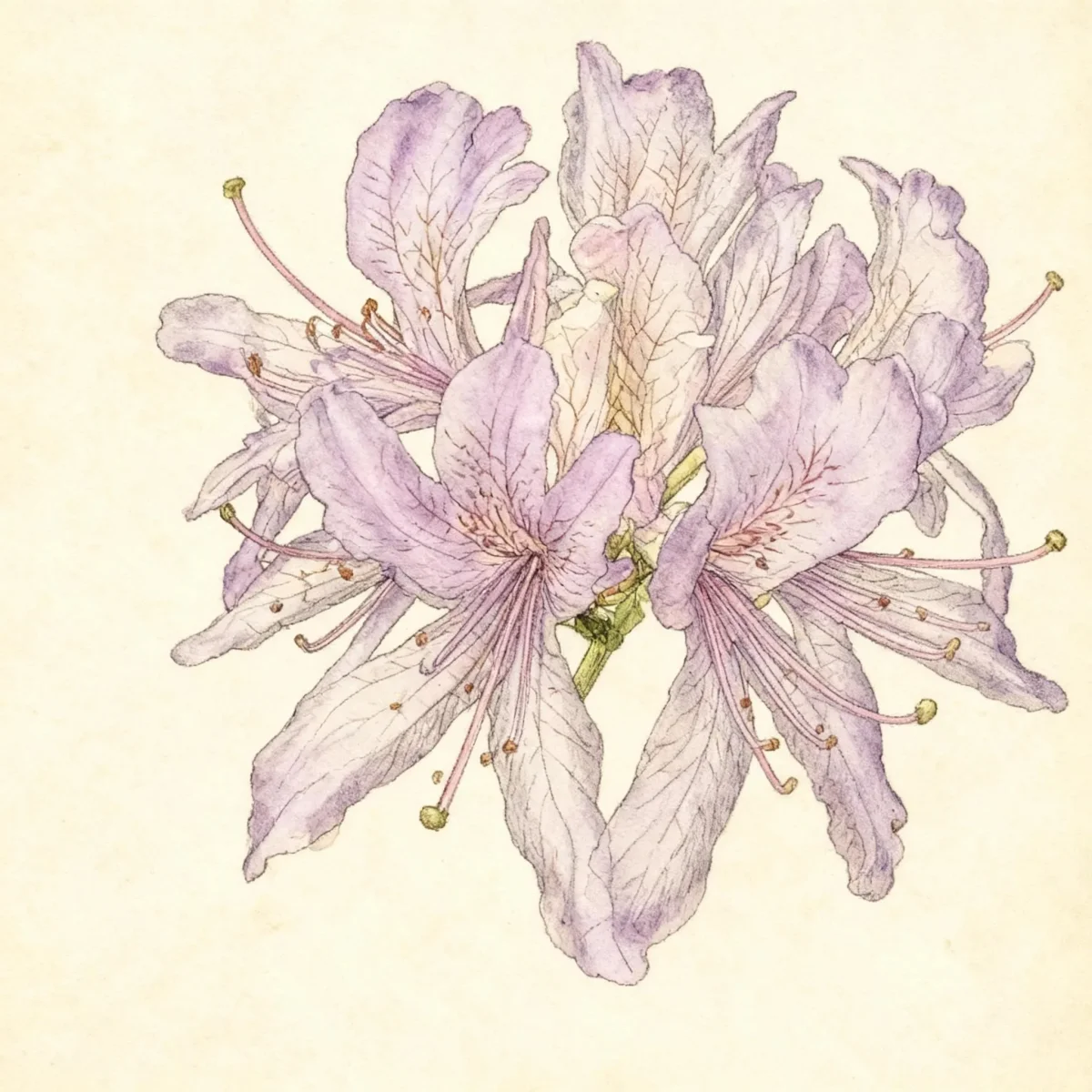
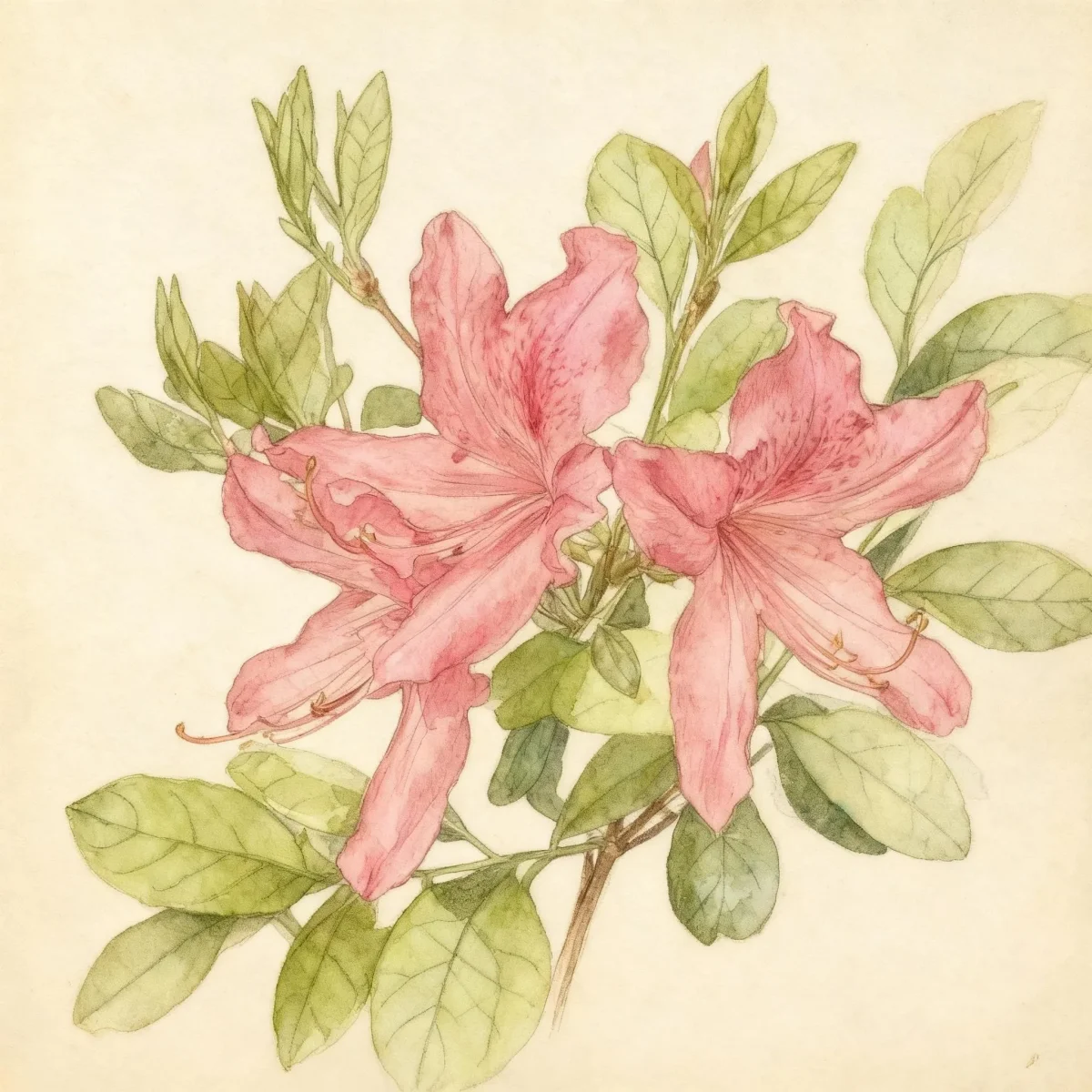
Rhododendron 'Mount Saint Helens' is a beautiful Deciduous azalea, displaying pink/yellow blooms in May with medium maintenance.
Scroll down to discover growing tips, care requirements, companion plants, and more
Complete Plant Information
Overview
Rhododendron ‘Mount Saint Helens’ is a highly desirable deciduous azalea, known for its lavish display of spring color. As a Girard hybrid, this shrub matures into an upright, medium-sized specimen perfect for adding vertical interest to mixed borders where its vibrant blooms can be admired. This Deciduous azalea distinguishes itself by dropping its thinner leaves in the fall, providing a clean winter appearance before the abundant spring flowering begins.
This variety typically achieves 2 to 3 feet in height, making it manageable in many garden settings, unlike some of its larger evergreen cousins. It thrives best when planted in locations that receive dappled sunlight or high open shade, ensuring protection from intense afternoon heat that can scorch its foliage. Successfully growing Rhododendron ‘Mount Saint Helens’ requires attention to soil acidity and drainage, key considerations for all members of the Ericaceae family.
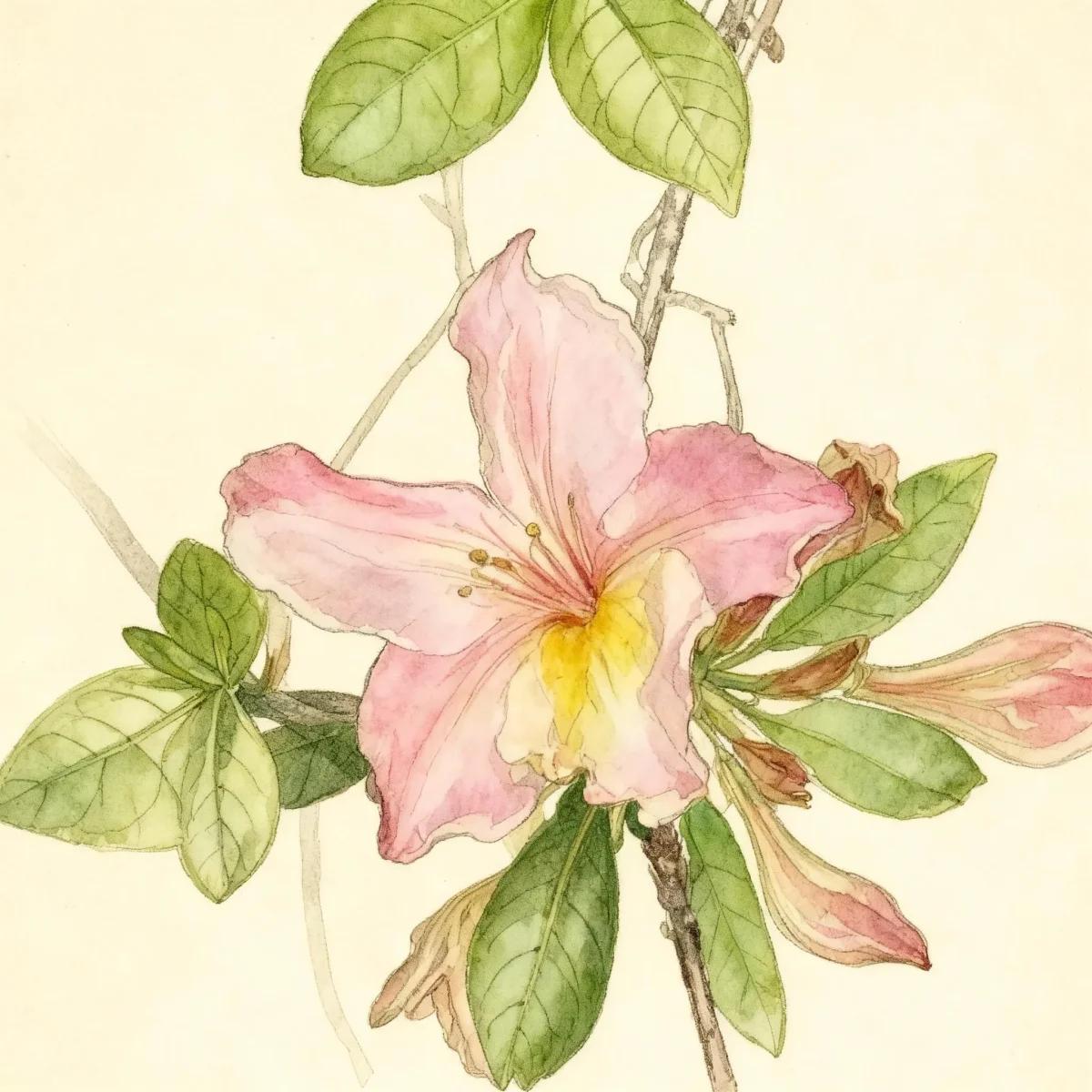
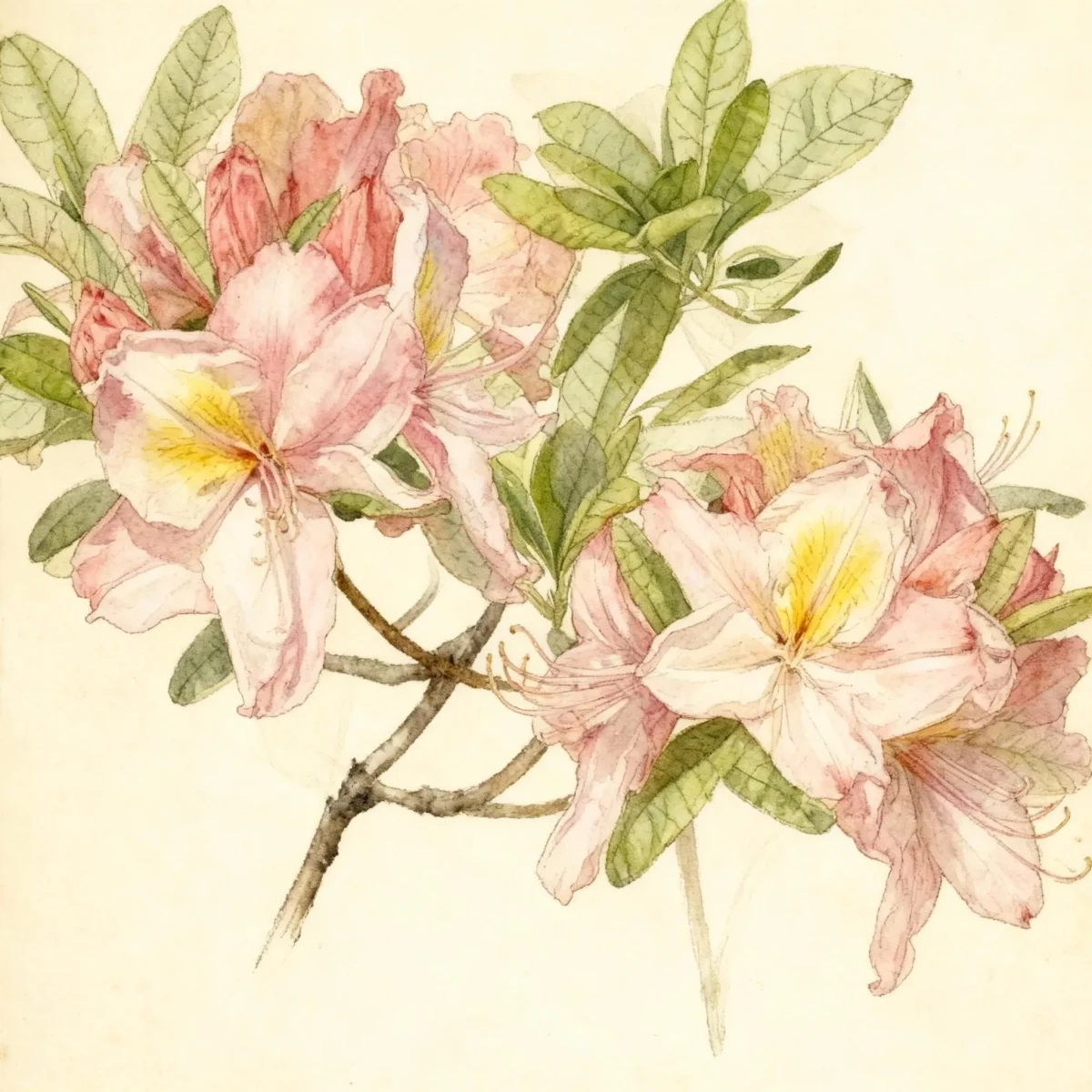
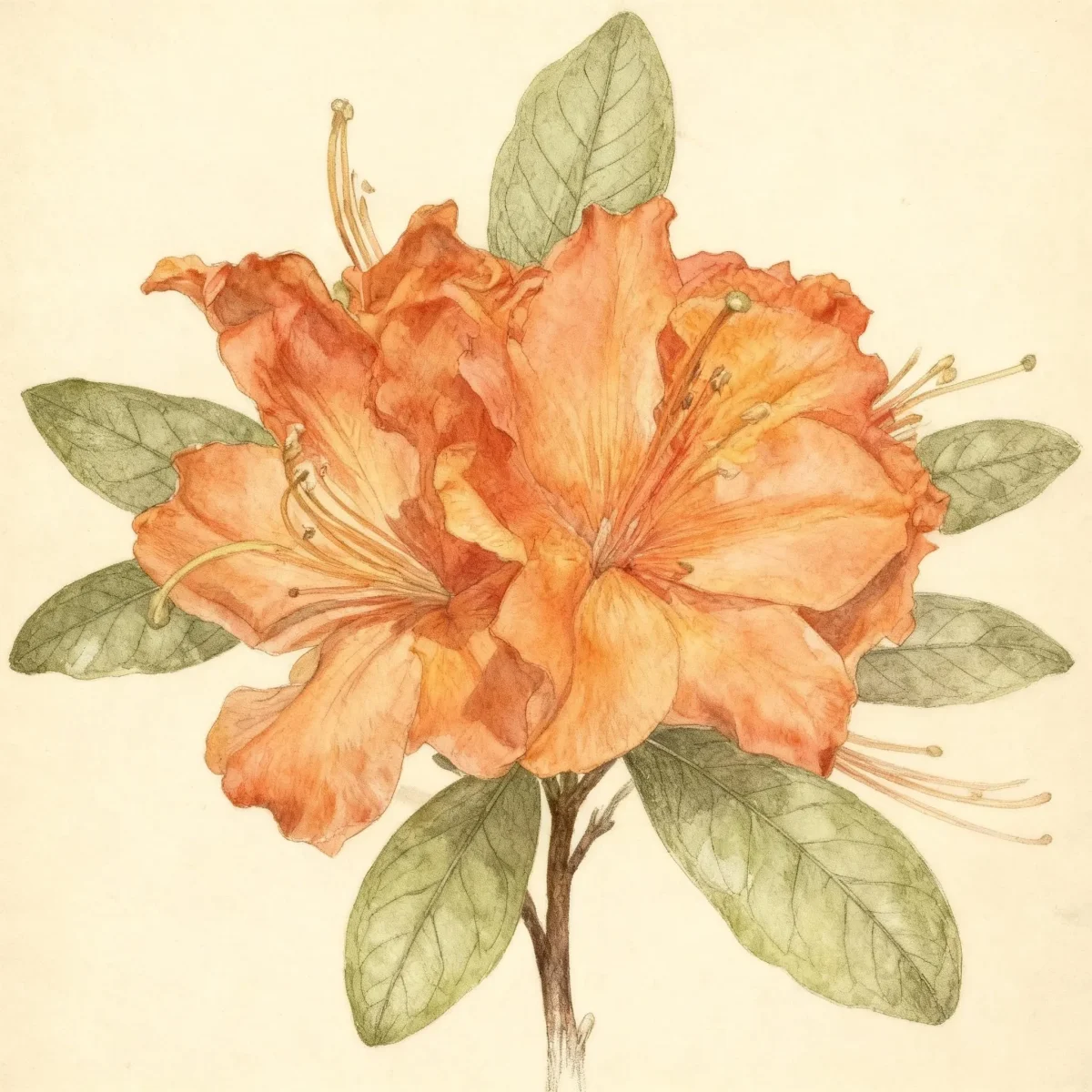
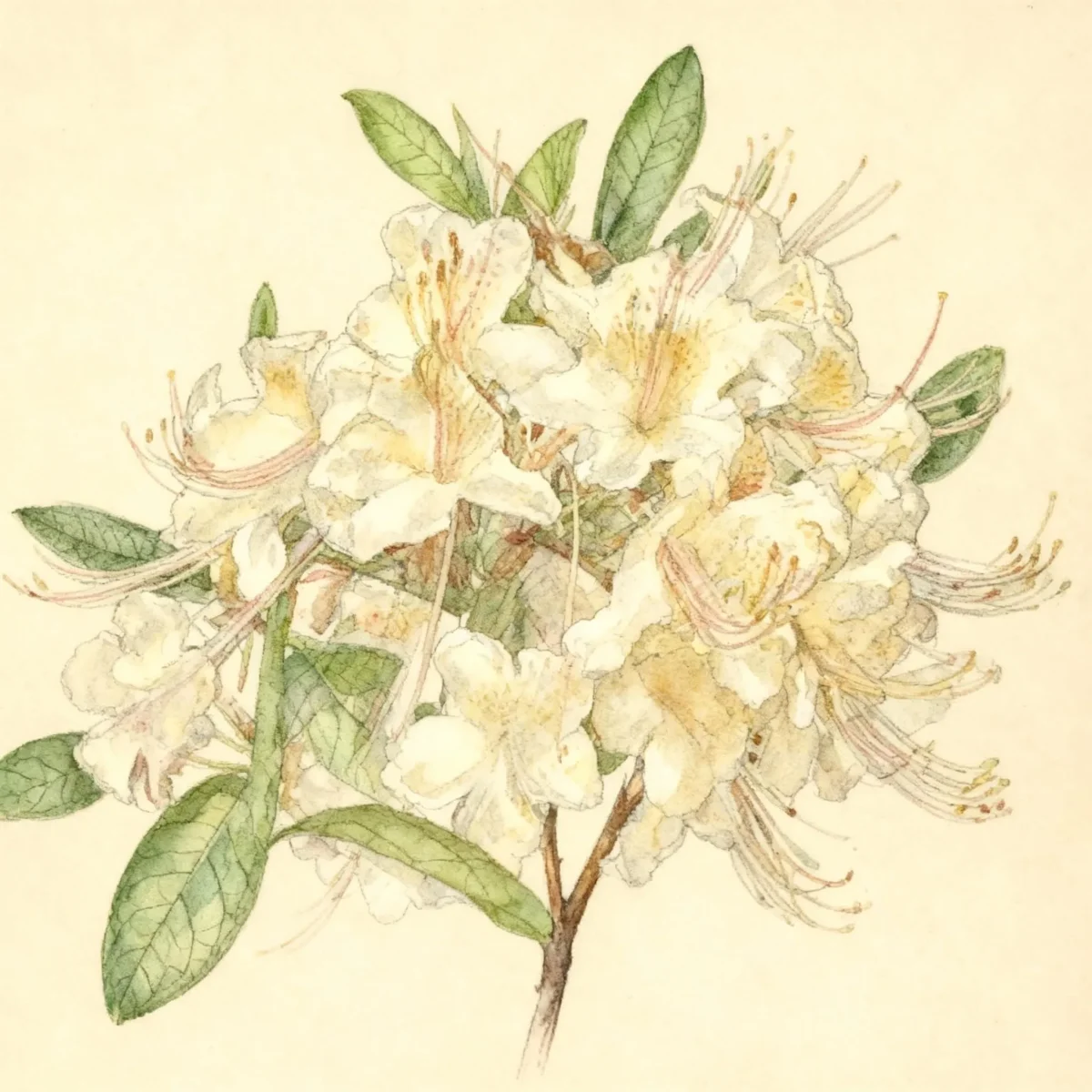
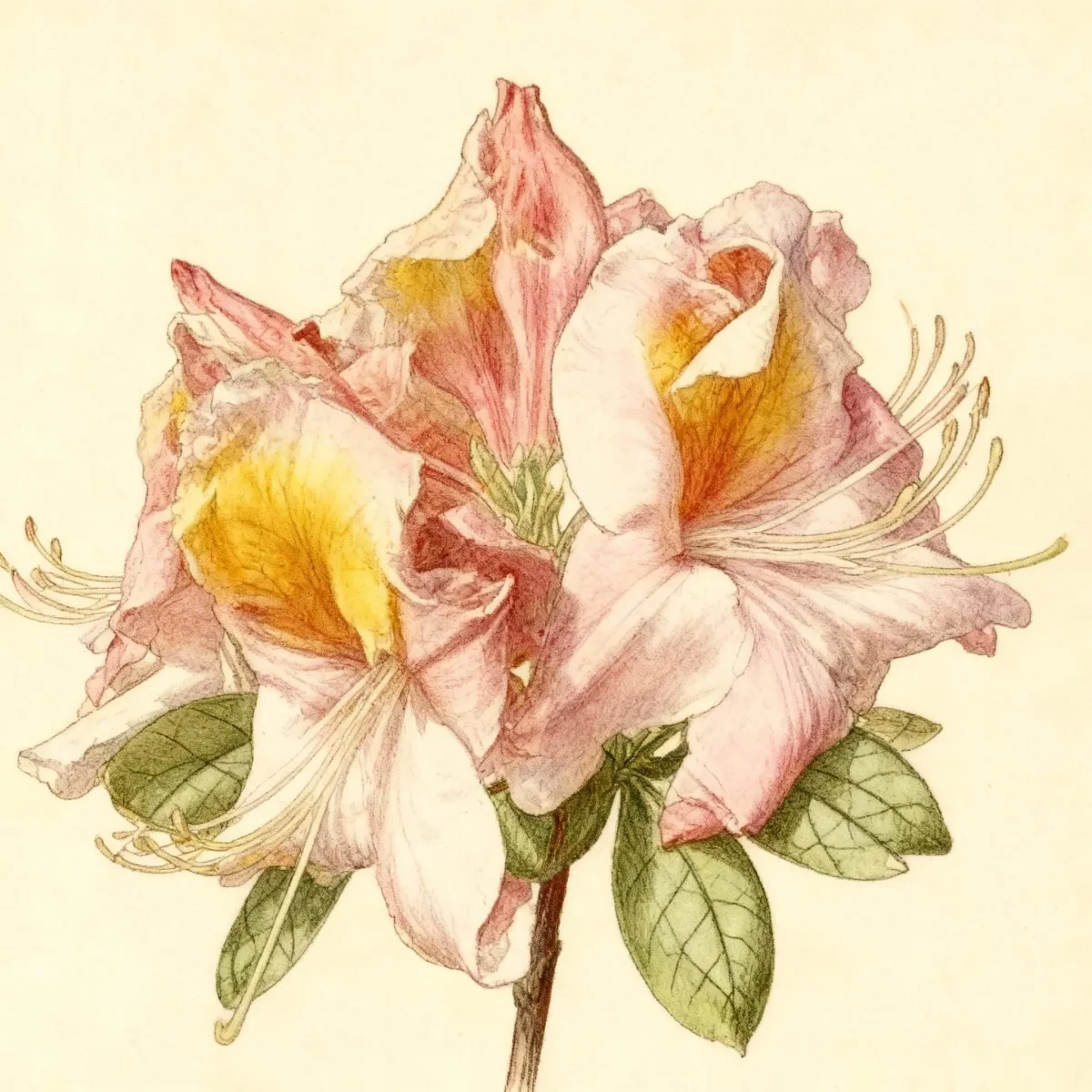
Gardeners prize Rhododendron ‘Mount Saint Helens’ for its striking trusses of yellowish-pink flowers, each marked with a reddish-orange blotch, promising a showy performance in mid to late spring. Its manageable size allows for use as a specimen plant, in mass plantings, or neatly trimmed as a low hedge, providing dependable color year after year in USDA Zones 4 through 8.
Fast Facts
- Plant Family: Ericaceae
- Plant Type: Deciduous shrub
- Hardiness Zones: USDA Zones 4-8
- Size at Maturity:
- Height: 2-3 ft
- Spread: 1.5-2 ft
- Bloom Time: May
- Bloom Description: Pink / yellow
- Sun Exposure: Part shade
- Water Needs: Medium
- Maintenance Level: Medium
How to Grow
The best environment for Rhododendron ‘Mount Saint Helens’ features acidic, organically rich, humusy soils that retain moisture but remain well-drained. Planting should occur in a location sheltered from severe winds, ideally facing north or east, or receiving morning sun followed by afternoon shade. Avoid planting near walnuts, as azaleas are highly sensitive to the juglone toxin.
Consistent care hinges on providing medium water, ensuring roots never completely dry out, especially given their shallow, fibrous nature. Good drainage is non-negotiable to prevent root rot; consider raised beds in heavy clay soils. Apply a protective layer of mulch, such as wood chips or pine needles, to stabilize soil temperature and conserve moisture around the root zone.
Soil pH management is critical; aim for a range between 5.0 and 5.5. Test your soil periodically: use sulfur or iron sulfate to lower alkalinity, or limestone to raise it if needed. Pruning is minimal but effective; clip spent flower clusters immediately after blooming finishes to direct energy toward next year’s bud setting.
Landscape Uses
The versatility of Rhododendron ‘Mount Saint Helens’ makes it an excellent choice for numerous landscape applications. Its height profile is ideal for creating neat, flowing shrub borders, lining woodland margins, or serving effectively as a low, flowering hedge where seasonal privacy is desired. Mass plantings unify the garden with waves of color when the Deciduous azalea reaches its spring peak.
For design cohesion, pair Rhododendron ‘Mount Saint Helens’ with other acid-loving plants like Camellias, Heaths, or companion evergreens that offer contrasting foliage texture throughout the year. In woodland gardens, site them under high, open shade cast by mature deciduous trees, ensuring the azalea remains outside the critical drip line of black walnut trees.
When utilized in foundation plantings, ensure adequate spacing to allow the shrub to reach its mature 3-foot spread without overcrowding. This cultivar’s upright growth habit ensures it doesn’t sprawl where a tidy edge is required, proving its value both functionally and ornamentally.
Standout Features
Flower Qualities
- Showy
Noteworthy Characteristics
Rhododendron is a genus spanning 500 to 900 species, including both evergreen rhododendrons and deciduous azaleas. Deciduous azaleas grow as multi-stemmed shrubs, shedding their thinner leaves in the fall and blooming profusely just as new foliage emerges in spring. ‘Mount Saint Helens’ specifically is a Girard hybrid noted for its upright form and large, showy trusses of 12-15 flowers, each displaying a yellowish-pink hue accented by a reddish-orange blotch.
Tolerances
- Rabbit
Potential Problems
Rhododendrons and azaleas are targets for several pests and diseases. Common insect pests include aphids, scale, lacebugs, and borers, while diseases such as root rot, crown rot, and powdery mildew can cause serious harm, often exacerbated by incorrect planting conditions. A clear sign of soil issues is chlorosis (yellowing leaves), which usually signals an iron deficiency caused by soil pH being too high.
Prevention is key to maintaining healthy Rhododendron ‘Mount Saint Helens’. Always ensure excellent drainage, as wet feet invariably lead to fatal root rot. Monitor for common pests and treat accordingly, ensuring the plant is situated in its preferred part shade location to prevent leaf scorch during hot weather. A healthy plant sited correctly will naturally resist most issues.
Frequently Asked Questions
What hardiness zones is Deciduous azalea suitable for?
Rhododendron ‘Mount Saint Helens’ is hardy across USDA Zones 4 through 8.
How large does Rhododendron ‘Mount Saint Helens’ grow?
This Deciduous azalea typically reaches a mature height between 2 and 3 feet tall, with a spread of 1.5 to 2 feet wide.
What sun exposure does Rhododendron ‘Mount Saint Helens’ need?
It prefers part shade, thriving best in dappled sunlight or high open shade, though morning sun is tolerable in cooler northern climates.
When does Deciduous azalea bloom?
Rhododendron ‘Mount Saint Helens’ blooms reliably in May, producing distinctive pink and yellow flowers.
Conclusion
Rhododendron ‘Mount Saint Helens’ offers unparalleled spring fanfare through its stunning, uniquely colored trusses, making it a standout shrub for gardens requiring manageable size and high visual impact. Establishing your Deciduous azalea in well-drained, acidic soil under appropriate partial shade will ensure years of vibrant seasonal performance. Always check your local growing zone compatibility before planning your planting site for this exceptional shrub.
Companion Planting
Selecting appropriate companions helps maintain the critical acidic soil structure required by Rhododendron ‘Mount Saint Helens’. Plants like acid-loving blueberries, native ferns, and Pieris japonica share similar cultural needs regarding moisture retention and pH levels, creating a cohesive woodland planting scheme. For textural contrast, consider planting beneath mature deciduous trees that allow dappled light through, offering protection from harsh summer sun.
Seasonal Care Calendar
For optimal health, focus your care calendar around soil conditions and bloom cycle management. In early spring, as new growth appears, apply a slow-release, acidifying fertilizer formulated for rhododendrons while ensuring the mulch layer is fresh. Immediately after the May bloom period concludes, deadhead spent flowers carefully, as this directs energy into setting next year’s flower buds. Throughout summer, maintain consistent moisture; never let the fibrous roots dry out. In late fall, ensure the area is protected from high winds, and apply a thick layer of leaf mold or pine needles before winter dormancy sets in.