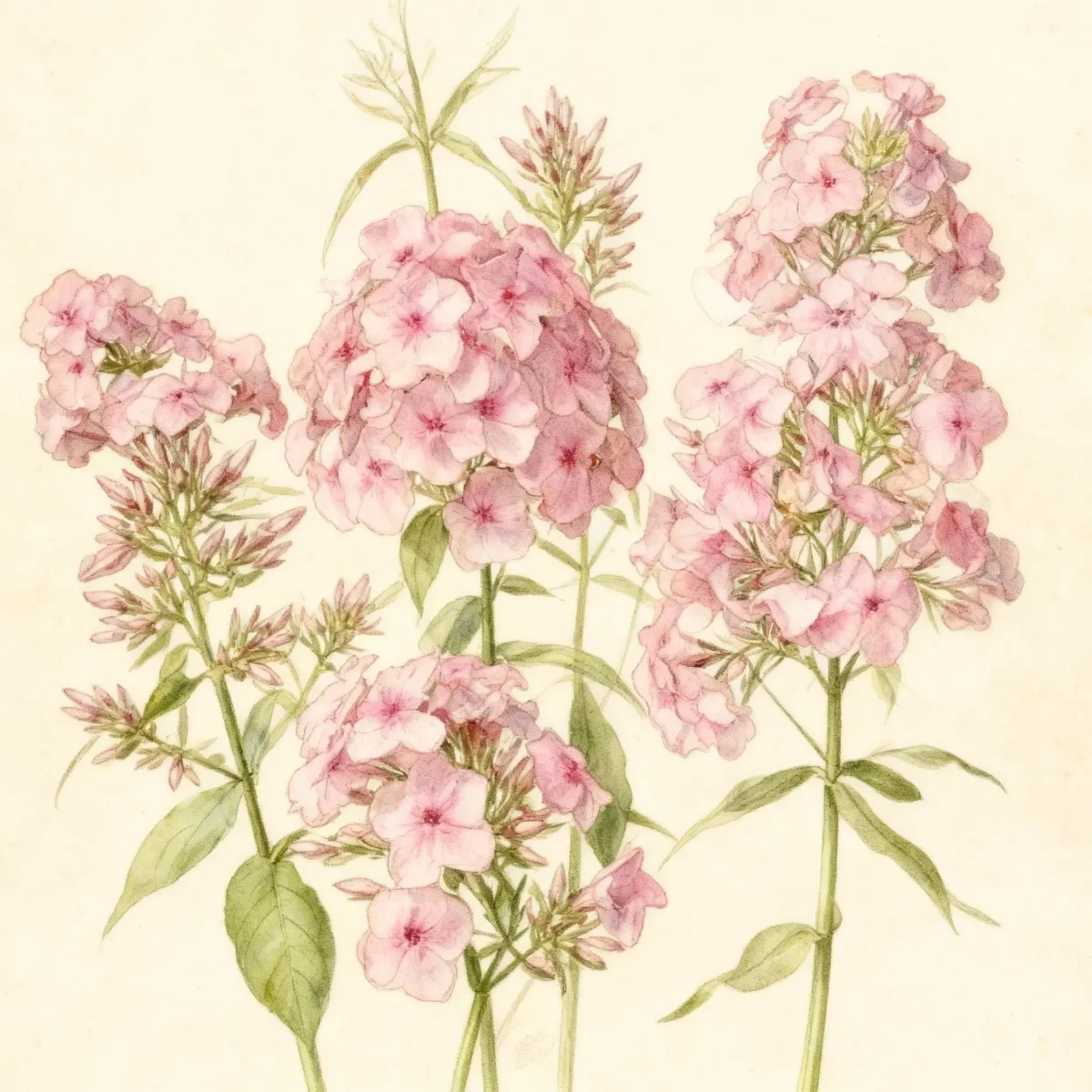
Phlox (Phlox subulata 'Millstream Daphne')
Phlox subulata 'Millstream Daphne' is a vigorous, mat-forming perennial offering clear pink spring flowers. Ideal for sunny ground cover in zones 3-9.
Scroll down to discover growing tips, care requirements, companion plants, and more
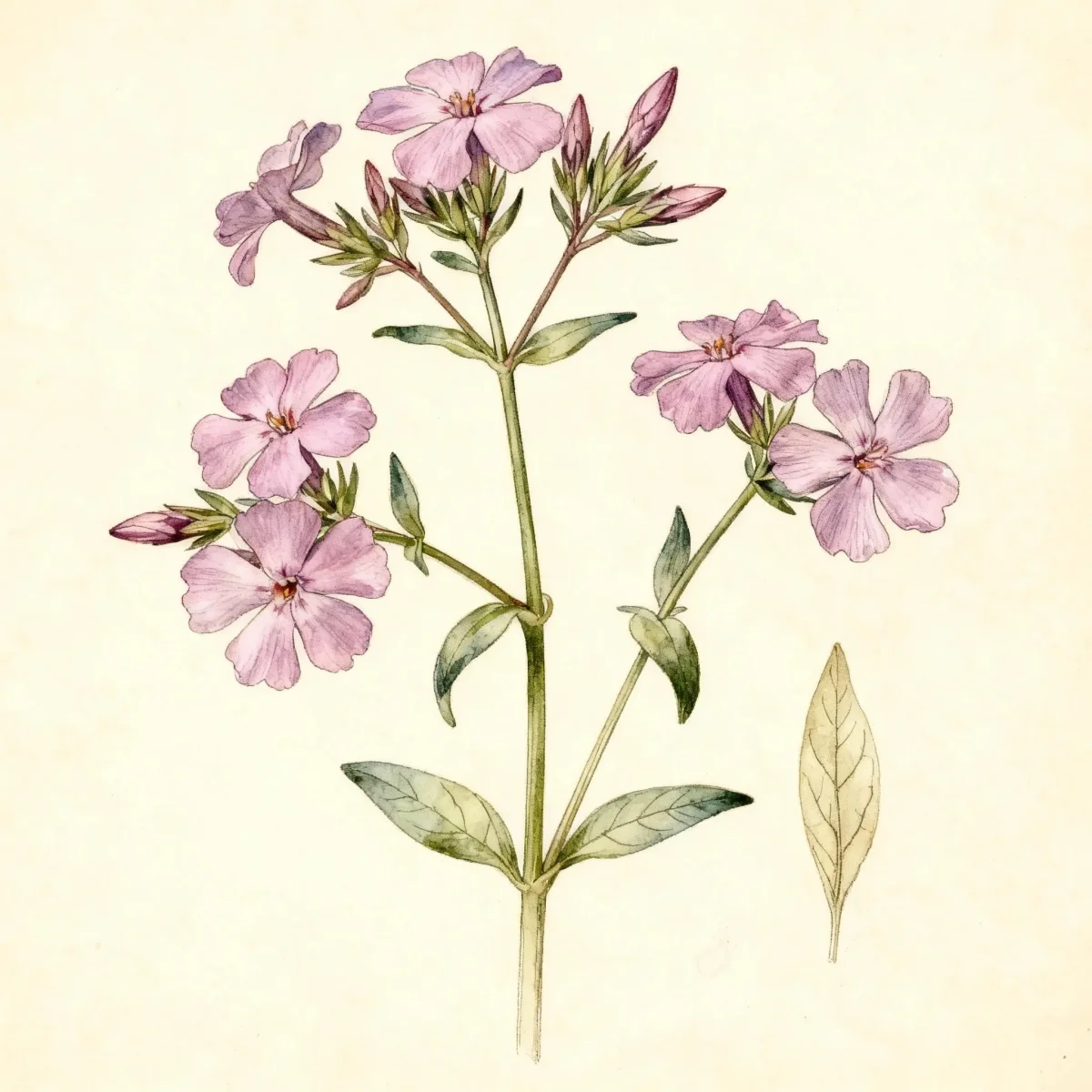
Complete Plant Information
Overview
Phlox subulata ‘Millstream Daphne’ is a highly valued spreading, mat-forming perennial celebrated for creating a dense, vibrant carpet when in full bloom. This variety of Phlox, commonly known as moss phlox, is favored for its ability to thrive in challenging, sunny locations where other plants may struggle. Its vigorous, creeping habit makes it an exceptional solution for textural ground cover across slopes and rockeries.
This herbaceous perennial forms low mounds, typically topping out at only 6 inches tall but spreading up to 2 feet wide. Gardeners especially appreciate Phlox subulata ‘Millstream Daphne’ for its dense foliage which often retains some greenery throughout the winter months. The payoff comes in mid-spring with a profusion of clear pink, star-shaped flowers, making it a reliable early season color impact.
Cultivating this sun-loving plant brings immediate aesthetic rewards while also serving functional landscape roles. Its tolerance for drier conditions and ability to stabilize soil ensures that Phlox subulata ‘Millstream Daphne’ is not just beautiful but also practical for erosion control and filling large sunny spaces with low-maintenance color.
Fast Facts
- Plant Family: Polemoniaceae
- Plant Type: Herbaceous perennial
- Hardiness Zones: USDA Zones 3-9
- Size at Maturity:
- Height: 0.25-0.5 ft
- Spread: 0.5-2 ft
- Bloom Time: April to May
- Bloom Description: Clear pink w/darker eye
- Sun Exposure: Full sun
- Water Needs: Medium
- Maintenance Level: Medium
How to Grow
The best time to establish Phlox subulata ‘Millstream Daphne’ is when planting new specimens in spring or fall. Ensure placement is in an area receiving full sun for the brightest bloom performance, although some dappled light during the hottest part of a humid summer is tolerated. Crucially, this plant demands well-drained soil. It thrives in humusy, medium-moisture conditions but performs remarkably well in sandy or gravely soils, tolerating dry exposures better than many other Phlox varieties.
Water newly planted moss phlox deeply to establish roots, maintaining medium moisture during the first season. Once established, Phlox subulata ‘Millstream Daphne’ exhibits good drought tolerance, requiring only supplemental watering during prolonged dry spells. Fertilization is generally unnecessary, as rich soils can sometimes lead to floppier, less controlled growth.
Maintenance is essential for maintaining the dense, mounding habit of this creeping Phlox. After the main bloom period in late spring finishes, universally cut back the stems by about half their length. This shearing technique helps maintain a neat form, promotes denser new growth, and may stimulate a light, secondary bloom flush.
Landscape Uses
The primary role for Phlox subulata ‘Millstream Daphne’ is as a spectacular ground cover, forming dense mats that swiftly cover large sunny areas. It is highly recommended for rock gardens, where its cascading effect over stones is particularly stunning. Its low profile also makes it perfect for use as edging along sunny borders or pathways where a sharp, mounding line is desired upon planting.
Due to its excellent soil stabilization properties, this Phlox is invaluable for use on sunny slopes or in naturalized areas within native plant gardens. It drapes gracefully over retaining walls, softening hard lines and introducing vibrant spring color. When planning adjacent plantings, select other full-sun, dry-tolerant perennials such as Sedum or low ornamental grasses that won’t compete aggressively for space.
Consider planting masses of Phlox subulata ‘Millstream Daphne’ to contrast against the evergreen foundation plantings. The fine texture of its needle-like foliage provides excellent textural contrast when paired with broad-leafed shrubs during times when the Phlox is out of bloom.
Standout Features
Flower Qualities
- Showy
Noteworthy Characteristics
Phlox subulata, commonly called moss phlox, moss pink, mountain phlox or creeping phlox, is a vigorous, spreading, mat-forming, sun-loving phlox that grows to only 6” tall but spreads to 24” wide. It is noted for it creeping habit, its linear to awl-shaped leaves (which retain some green in winter) and its profuse carpet of mid-spring flowers with notched flower petals. ‘Millstream Daphne’ has deep pink flowers with dark throats.
Tolerances
- Drought
- Erosion
- Air Pollution
Potential Problems
While Phlox subulata generally resists powdery mildew better than other species of Phlox, vigilance is still wise in humid environments. Watch for potential pest issues, particularly spider mites, which tend to show up during periods of hot, dry weather. In wet or damp conditions, foliar nematodes can occasionally cause plant damage. Finally, gardeners should monitor for rabbit damage, as these pests sometimes find the tender foliage appealing.
Frequently Asked Questions
What hardiness zones is Phlox suitable for?
Phlox subulata ‘Millstream Daphne’ is reliably hardy across USDA Zones 3 through 9, giving it a wide range of adaptability across North America.
How large does Phlox grow?
This moss phlox typically reaches a mature height between 0.25 and 0.5 feet tall, spreading horizontally to cover an area between 0.5 and 2 feet wide.
What sun exposure does Phlox subulata ‘Millstream Daphne’ need?
It requires full sun to achieve its best growth and most abundant flowering, though light afternoon shade can be beneficial in extremely hot climates.
When does Phlox bloom?
Phlox subulata ‘Millstream Daphne’ flowers profusely from April into May, featuring blooms described as clear pink with a darker eye.
Conclusion
Phlox subulata ‘Millstream Daphne’ is an indispensable choice for gardeners seeking vibrant, low-maintenance color in sunny, well-drained locations. Its mat-forming habit excels at ground coverage, erosion control, and adding texture to rocky landscapes. Before planting, confirm your USDA zone compatibility (3-9) and plan to implement post-bloom pruning to ensure dense, attractive resurgence next spring.
Companion Planting
Selecting companions that share the full sun requirement and drought tolerance of Phlox subulata ‘Millstream Daphne’ will create a cohesive, resilient planting scheme. Consider planting drought-tolerant sedums (Stonecrop) which bloom later in the season, extending the visual interest long after the Phlox has faded. Low-growing ornamental grasses or hardy varieties of Dianthus also pair well, offering contrasting textures against the fine, mossy foliage of the creeping phlox.
Wildlife Benefits
The early spring bloom of Phlox is highly significant for awakening pollinator populations. The flowers of Phlox subulata are attractive to butterflies, drawing them in with bright color when few other nectar sources are available. This genus, whose name means ‘flame’ in Greek, packs an aesthetic punch that doubles as critical forage for local insect life, making it a great component for any native or pollinator-focused garden design.