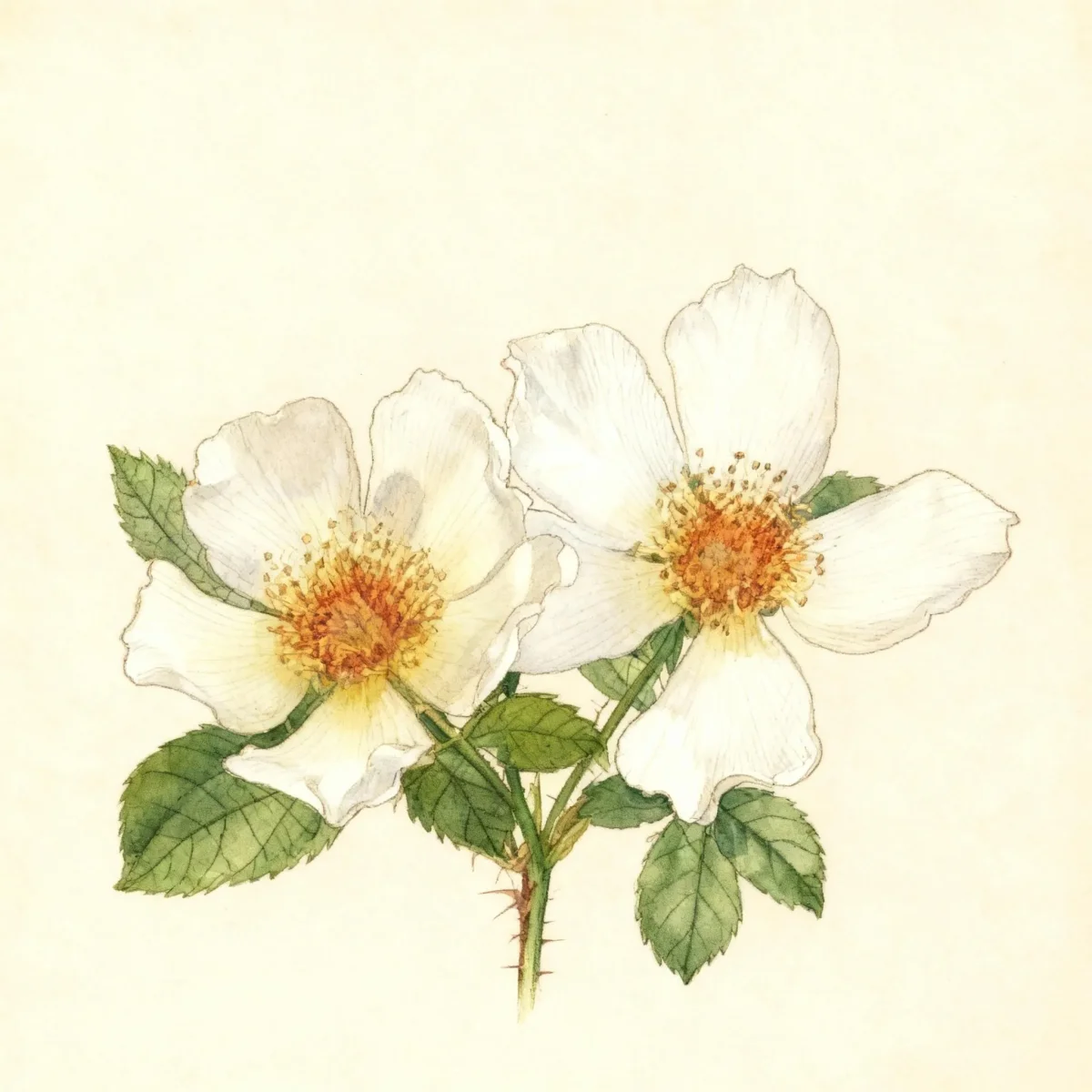
Hybrid rugosa rose (Rosa 'Thérèse Bugnet')
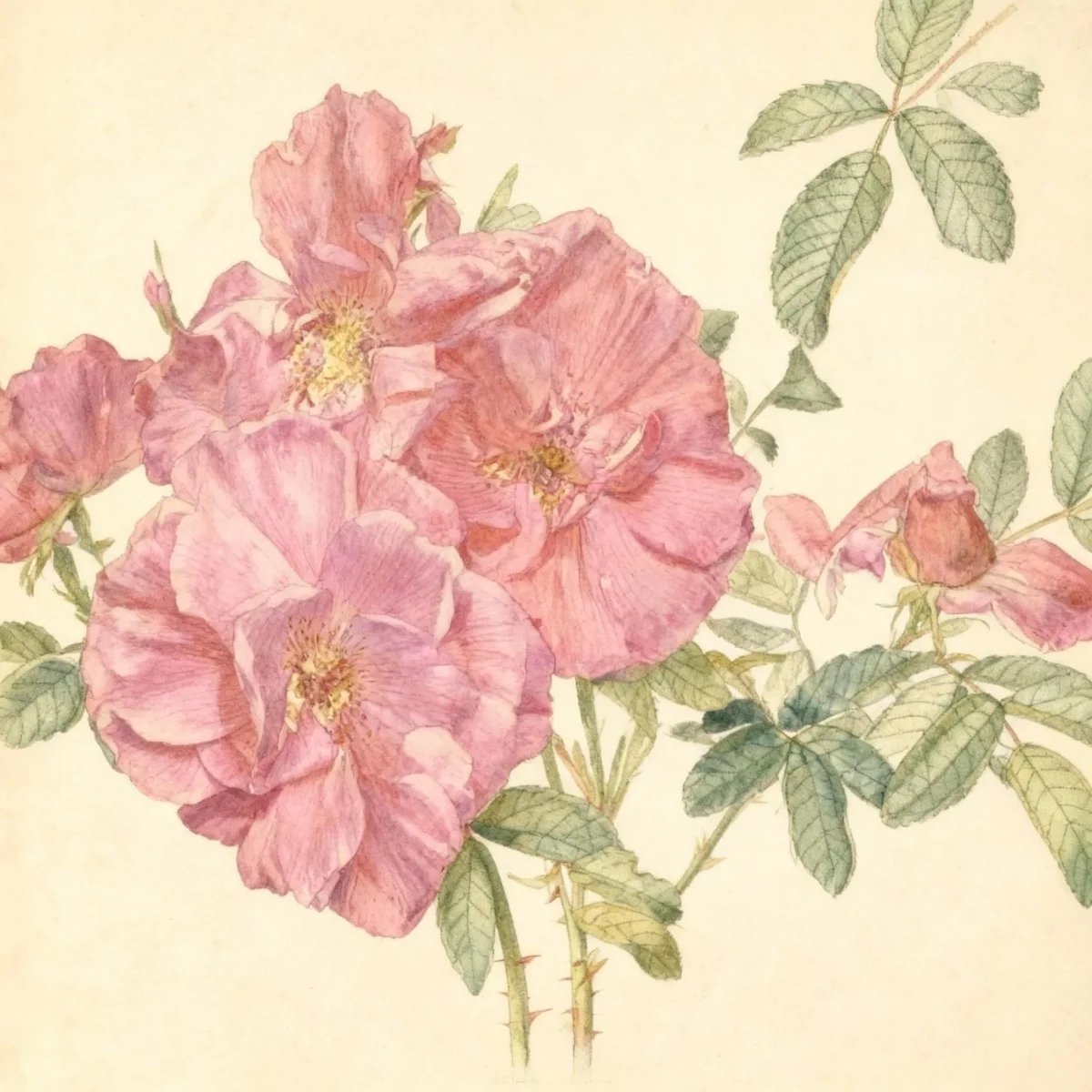
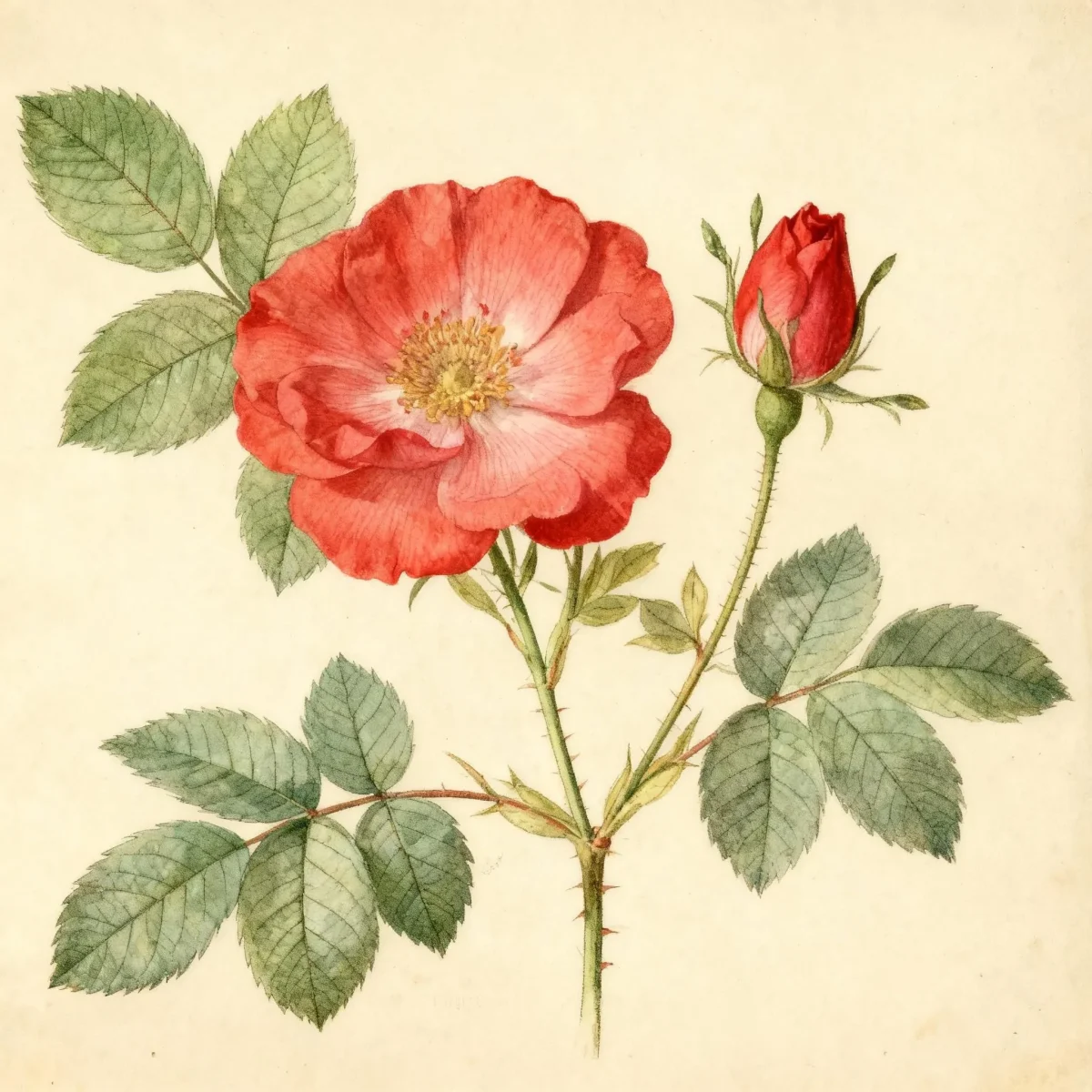
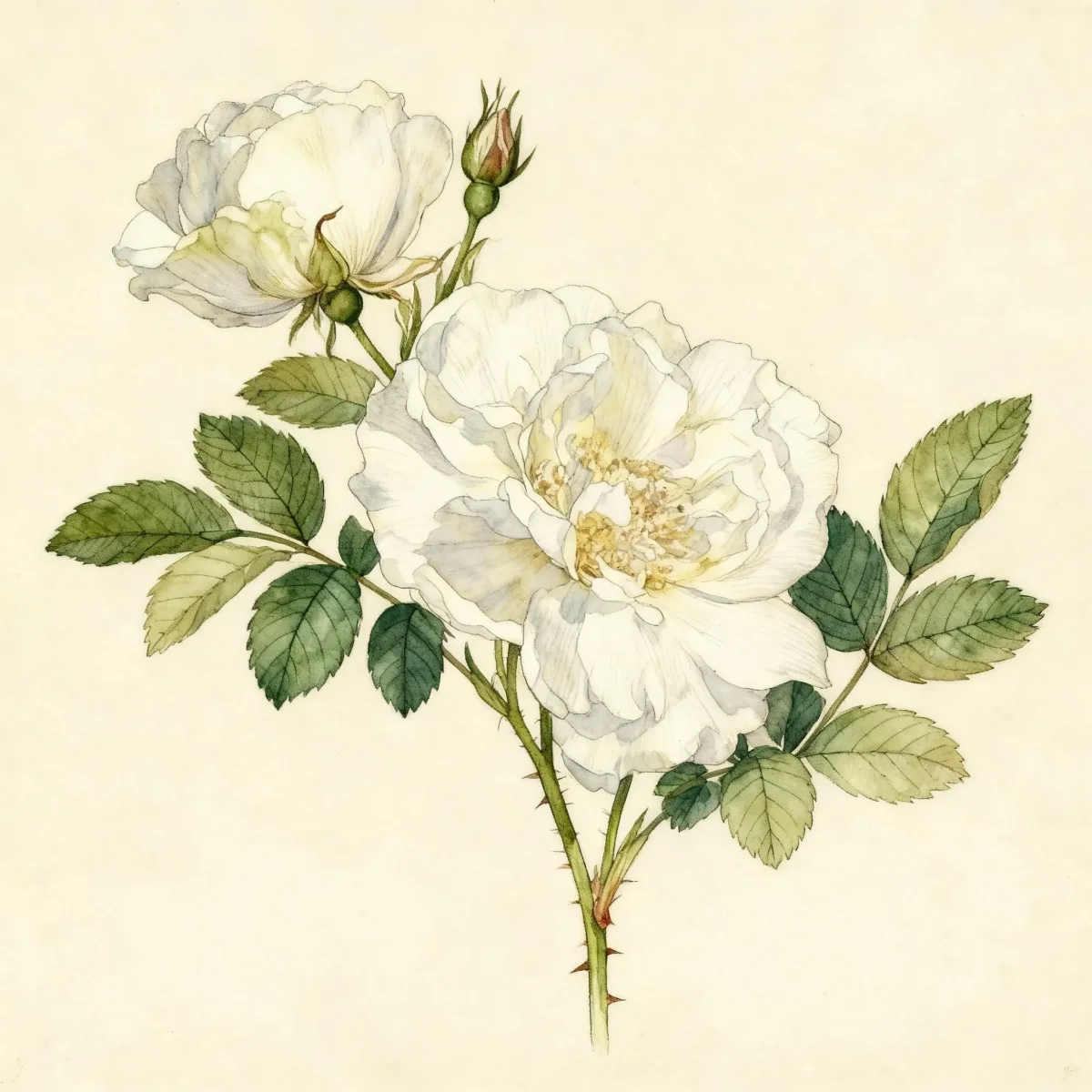
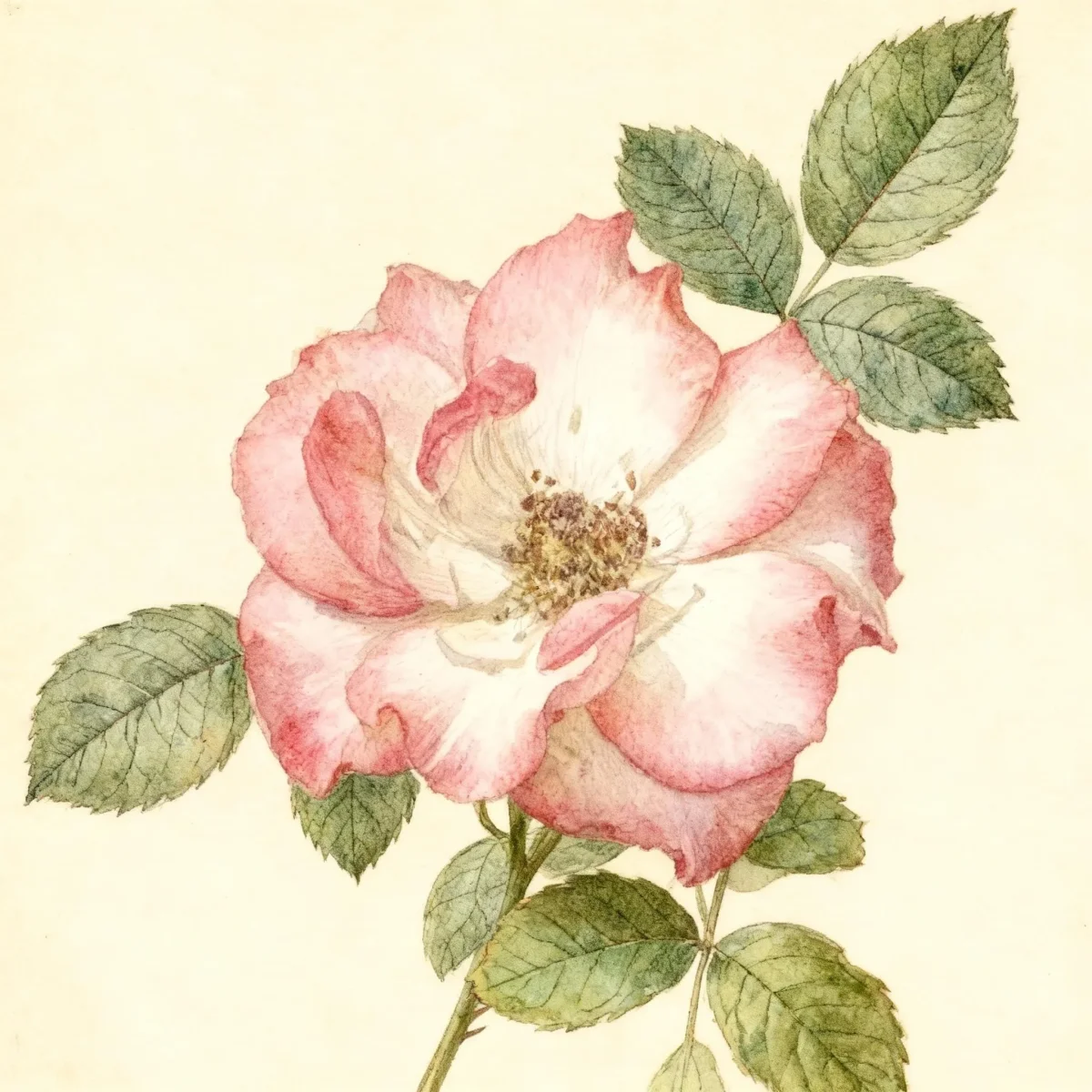
Rosa 'Thérèse Bugnet' is a vigorous Hybrid rugosa rose noted for fragrant, showy pink blooms from May to frost. Hardy and adaptable.
Scroll down to discover growing tips, care requirements, companion plants, and more
Complete Plant Information
Overview
Rosa ‘Thérèse Bugnet’ is a cherished Hybrid rugosa rose celebrated for its old-fashioned charm combined with significant hardiness and long bloom time. This robust, upright shrub offers gardeners reliable performance, producing lovely, ruffled, pink, double flowers that span from June right up until the first frost. It provides excellent structure in the landscape, developing into a dense presence without the delicate needs of many modern roses.
As a standout Hybrid rugosa rose, Rosa ‘Thérèse Bugnet’ brings strong aesthetic value through its beautiful blooms and striking winter interest provided by its red canes. It is generally vigorous and dense, making it a practical choice for gardeners seeking low-fuss beauty in USDA Zones 3 through 8. While it appreciates full sun for best flowering, this resilient variety offers adaptability.
The value of planting Rosa ‘Thérèse Bugnet’ lies in its dependable season-long color and fragrance, providing a classic romantic element to the garden. Its rugged nature, typical of rugosa hybrids, means it requires minimal specialized care compared to other types, yet still rewards the patient gardener with plentiful, showy blooms.
Fast Facts
- Plant Family: Rosaceae
- Plant Type: Deciduous shrub
- Hardiness Zones: USDA Zones 3-8
- Size at Maturity:
- Height: 5-7 ft
- Spread: 5-7 ft
- Bloom Time: May to frost
- Bloom Description: Pink
- Sun Exposure: Full sun
- Water Needs: Medium
- Maintenance Level: Medium
How to Grow
For the best results with Rosa ‘Thérèse Bugnet’, plant in late winter or early spring, allowing the roots time to establish before summer heat. Choose a location offering full sun, as this maximizes both flower production and disease resistance, although part shade is tolerated. The ideal soil should be medium moisture, slightly acidic, and well-drained garden loam.
Watering should be deep and consistent, with mornings being the preferred time to water; always avoid overhead sprinkling, which can encourage foliar diseases. Apply a layer of summer mulch to regulate soil temperature, conserve moisture, and suppress weeds around the base of the shrub. Promote air circulation, which is key for overall plant health and managing potential issues.
Deadheading spent flowers regularly encourages the Rosa ‘Thérèse Bugnet’ to continue producing its fragrant blooms until frost arrives. In colder regions, especially those comparable to St. Louis winters, ensure the crowns receive adequate winter protection. Prune this vigorous shrub as needed during the late winter or very early spring dormant period, focusing on removing any dead or crossing wood.
Clean up actively throughout the growing season and again thoroughly in the dormant season by removing and destroying any fallen or diseased leaves to prevent the overwintering of fungal pathogens. Good cultural hygiene is your first defense against common rose ailments.
Landscape Uses
The strong, upright habit of Rosa ‘Thérèse Bugnet’ makes it exceptionally valuable for creating informal hedges where a dense, screening effect is desired. Beyond hedges, this Hybrid rugosa rose excels as a specimen plant in cottage gardens, anchoring borders due to its substantial 5 to 7-foot stature. It performs well when grouped near foundational plantings, offering seasonal fragrance and color near walkways or seating areas.
Consider planting structural evergreens or plants with contrasting foliage texture near Rosa ‘Thérèse Bugnet’ to enhance its visual appeal, especially when the plant is not in bloom. Because it is a large, resilient shrub, it serves as an excellent backdrop for shorter perennials or annuals that enjoy similar cultural conditions (full sun, medium moisture). Its robust nature ensures it remains a feature even in more challenging garden spots requiring large, reliable shrubs.
Standout Features
Flower Qualities
- Showy
- Fragrant
Noteworthy Characteristics
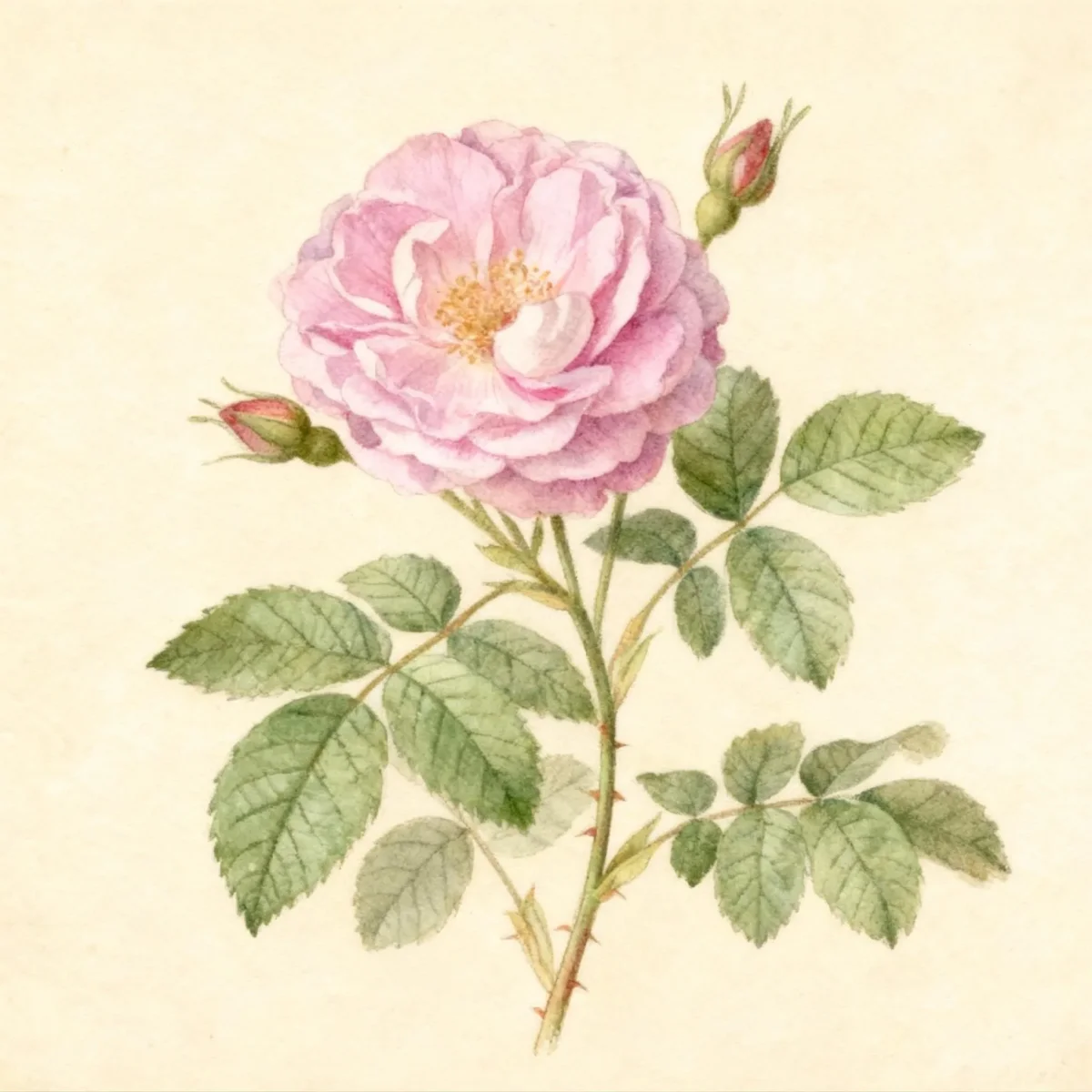
Rosa ‘Thérèse Bugnet’, a vigorous Hybrid rugosa rose, is recognized for its classic, dense, rounded form, often resembling a Damask rose. It produces large, fragrant, ruffled pink double blooms (up to 4” wide) with a strong repeat performance from June until frost. Adding to its four-season appeal, the plant features attractive red canes that provide color contrast during the winter landscape.
Tolerances
- Air Pollution
Potential Problems
Roses, including the hardy Rosa ‘Thérèse Bugnet’, are prone to several common diseases such as black spot, powdery mildew, and rust. Fungal issues can be exacerbated in humid climates, necessitating proactive care; although cultural practices are vital, preventative fungicide applications during the growing season are frequently required for optimal health. Potential insect pests range from aphids and scale to spider mites and borers.
The most effective defense starts with good culture: plant in full sun, ensure good air circulation, water consistently at the base, and practice rigorous seasonal cleanup of fallen foliage. If problems persist, consult local agricultural extensions for specific, regionally recommended treatments to manage pests and diseases on your Hybrid rugosa rose.
Frequently Asked Questions
What hardiness zones is Hybrid rugosa rose suitable for?
Rosa ‘Thérèse Bugnet’ is reliably hardy in USDA Zones 3 through 8, making it suitable for many colder regions.
How large does Rosa ‘Thérèse Bugnet’ grow?
This deciduous shrub typically achieves a mature height and spread between 5 and 7 feet.
What sun exposure does Rosa ‘Thérèse Bugnet’ need?
Full sun exposure is recommended for the best flowering performance and disease resistance, although it can tolerate partial shade.
When does Hybrid rugosa rose bloom?
This variety begins blooming typically in June and continues to repeat its bloom cycle intermittently from then until the first frost arrives.
Conclusion
The Rosa ‘Thérèse Bugnet’ offers gardeners a fantastic blend of old-fashioned fragrance and modern resilience, making it an invaluable addition to the landscape as a hedge or specimen. Its long season of showy, fragrant pink blooms confirms its status as a superior Hybrid rugosa rose. Before planting, confirm that your site offers full sun exposure and check your local hardiness zone compatibility.
Companion Planting
When selecting companions for Rosa ‘Thérèse Bugnet’, prioritize plants that thrive in similar sunny, well-drained conditions without competing aggressively for root space. Consider planting lower-growing, light-colored perennials directly in front to soften the base of the shrub and highlight the upright canes in winter. Avoid planting woody or overly dense groundcovers directly against the base, as this hinders air circulation, which is critical for keeping foliar diseases at bay on your Hybrid rugosa rose.
Good choices include sturdy perennials like Catmint (Nepeta), which tolerates dry spells once established, or Hardy Geraniums (Geranium species) that offer fine texture contrast. If you wish to create a classic cottage look, consider pairing Rosa ‘Thérèse Bugnet’ with low-growing Lavender (Lavandula) or hardy Salvias, ensuring that spacing allows plenty of light and air movement around the base of the rose.
Winterizing Your Rose Garden
Preparing roses for dormancy is crucial, especially in the colder end of the Rosa ‘Thérèse Bugnet’ hardiness range. Begin by stopping high-nitrogen fertilizers around mid-summer to encourage the canes to harden off naturally before the first hard freeze. In late fall, after the plant has dropped its leaves and gone dormant, perform a thorough cleanup, removing all fallen leaves from the ground beneath the shrub to deny pathogens a place to overwinter.
For cold winter protection, especially if you are in Zone 3 or 4, mound compost or soil high around the crown base of the Rosa ‘Thérèse Bugnet’ to insulate the critical graft union and root zone. While shrub roses are generally hardier than hybrid teas, this step provides an extra layer of insurance. Avoid heavy pruning until late winter or very early spring, as exposed canes that are cut back too soon can suffer dieback from winter exposure.