Dwarf plum (Prunus domestica 'Stanley')
Grow the productive Prunus domestica 'Stanley' Dwarf plum for sweet, self-pollinating prune-plums in smaller spaces, USDA Zones 5-7.
Scroll down to discover growing tips, care requirements, companion plants, and more

Complete Plant Information
Overview
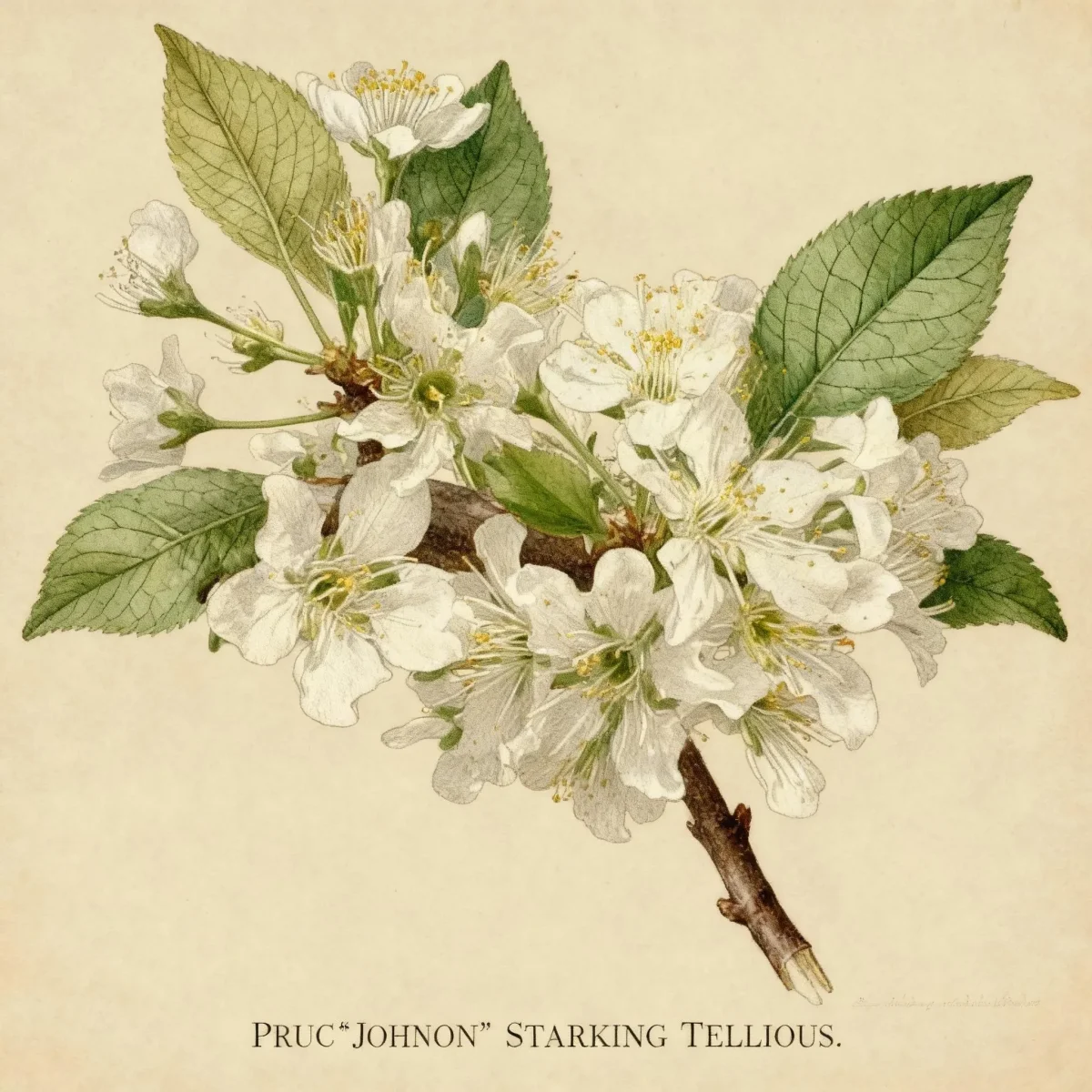
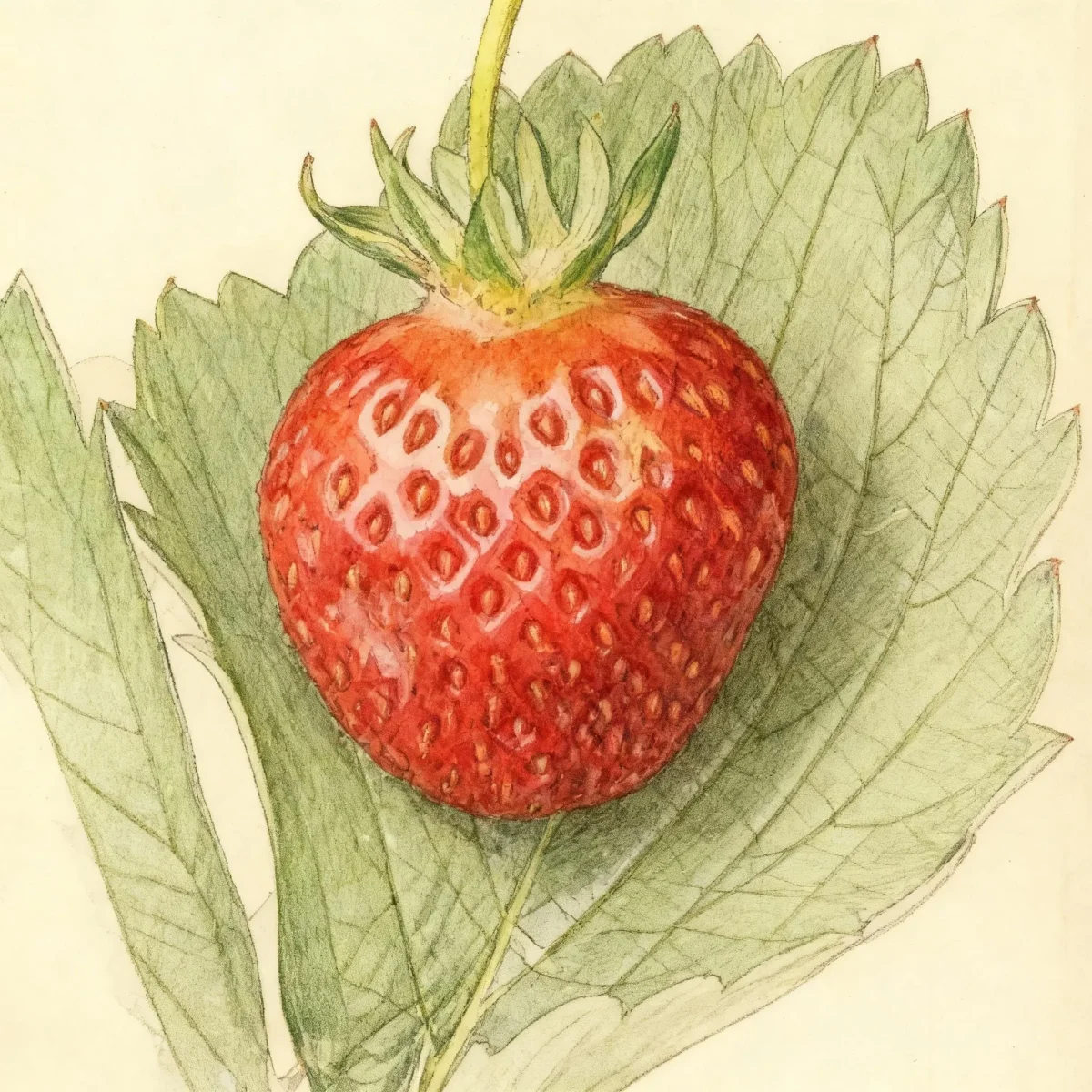
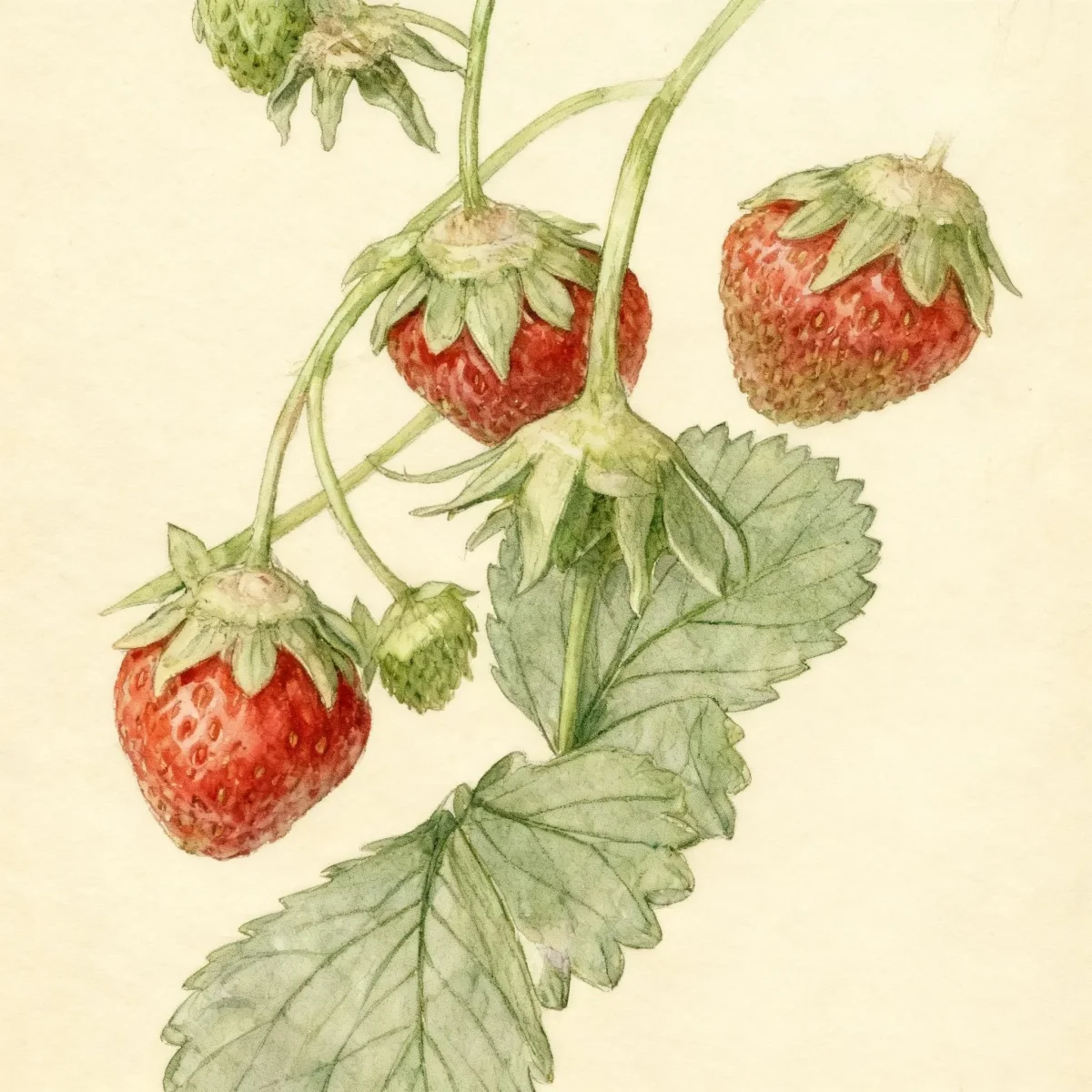
The Dwarf plum, scientifically known as Prunus domestica ‘Stanley’, is highly valued for producing excellent prune-plums on a manageable tree structure. This cultivar is recognized for its oval, sweet, freestone fruit featuring dark purple skins and yellow flesh, ripening reliably in early September for gardeners in appropriate zones. As a dwarf variety grafted onto controlling rootstock, Prunus domestica ‘Stanley’ offers the advantage of standard-sized fruit production while fitting neatly into smaller garden plots where larger stone fruits might overwhelm the space. Beyond its fruit, the heavy spring display of white blossoms adds significant ornamental value to the early season landscape.
These plums are a favorite among stone fruit consumers because the Prunus domestica ‘Stanley’ cultivar yields fruit with firmer flesh and higher sugar content, making them perfect not only for fresh eating but also for sun-drying into prunes. A key advantage for growers is that this variety is self-pollinating, simplifying orchard planning. Gardeners should recognize that achieving this compact size and high yield requires diligent care, as this Dwarf plum demands a high maintenance input throughout the season.
Fast Facts
- Plant Family: Rosaceae
- Plant Type: Fruit
- Hardiness Zones: USDA Zones 5-7
- Size at Maturity:
- Height: 8-10 ft
- Spread: 8-10 ft
- Bloom Time: April
- Bloom Description: White
- Sun Exposure: Full sun
- Water Needs: Medium
- Maintenance Level: High
How to Grow
Plant your Dwarf plum in the early spring or fall when dormancy is established. Select a spot that receives full sun exposure throughout the day, which is critical for maximizing fruit production and sugar development. Prunus domestica ‘Stanley’ thrives best in average, well-drained soil that retains adequate moisture; avoid soggy conditions, as plum roots are susceptible to rot. Due to its cultural needs, situate this tree in a sheltered location to protect early blooms from harsh winds and ensure that any periodic chemical spraying needed for pest management does not drift onto sensitive adjacent plants.
Watering should be consistent, especially during dry spells and while the fruit is sizing up, maintaining medium soil moisture without water logging. Maintenance for this Dwarf plum is considered high, necessitating regular feeding to support heavy fruit loads and detailed pruning to maintain the desired dwarf canopy structure, which keeps thinning, spraying, and harvesting manageable. Pruning should focus on opening up the center canopy to ensure good air circulation, which helps minimize disease pressure.
Because Prunus domestica ‘Stanley’ is self-pollinating, you do not need to plant a second plum variety for fruit set. Trees typically start producing their desirable prune-plums within 3 to 4 years after planting, providing a rewarding harvest by early September.
Landscape Uses
The primary function of the Dwarf plum is certainly its fruit crop, but its ornamental value, particularly the showy, fragrant white flowers preceding the fruit, makes it an excellent specimen tree. Because the Prunus domestica ‘Stanley’ matures at a height of only 8 to 10 feet, it is perfectly suited for smaller suburban yards, courtyard gardens, or as a substantial focal point in mixed shrub borders where a standard-sized tree would be impractical.
This tree’s manageable size also lends itself well to being placed near patios or decks, allowing for easy access when the sweet plums ripen; furthermore, its self-pollinating nature means you maximize yield from a single tree placement. Consider pairing the Dwarf plum with low-growing, drought-tolerant perennials or herbs that enjoy similar sun exposure while keeping the area beneath the canopy clear for easy maintenance, as dictated by its high care needs.
Standout Features
Flower Qualities
- Showy
- Fragrant
Fruit Qualities
- Showy
- Edible
Noteworthy Characteristics
Prunus domestica, commonly called common plum or European plum, is native to Southwest Asia and this specific cultivar, ‘Stanley’, is renowned as a popular prune-plum noted for its extended shelf life compared to other plums. Its firm flesh and elevated sugar content allow it to be successfully sun-dried into prunes without fermentation near the pit. Furthermore, this dwarf plum offers the significant benefit of being easier to manage—easier to spray, prune, and harvest—than standard-sized fruit trees.
Tolerances
(No data provided)
Potential Problems
While the Prunus domestica ‘Stanley’ is vigorous, cultivation in average soil only suits it if the drainage is excellent. Poor drainage can quickly lead to root issues, which is a significant risk for this plant. Growers must pay close attention to the requirement for a sheltered location, as late frosts during the April bloom period can severely damage the developing fruit set. Regular monitoring for pests and diseases common to stone fruit, such as brown rot or various borers, is vital given the high maintenance requirements associated with this type of fruit tree.
Frequently Asked Questions
What hardiness zones is Dwarf plum suitable for?
The Dwarf plum (Prunus domestica ‘Stanley’) is hardy and thrives in USDA Zones 5 through 7.
How large does Dwarf plum grow?
This self-pollinating cultivar matures to a manageable height and spread, typically reaching 8 to 10 feet tall and spreading 8 to 10 feet wide.
When does Dwarf plum bloom?
Prunus domestica ‘Stanley’ produces its fragrant, white blossoms in April, followed by edible fruit in early September.
What sun exposure does Dwarf plum need?
This fruit tree strictly requires full sun exposure to ensure optimal flowering and fruit ripening.
Conclusion
The Dwarf plum offers a fantastic solution for gardeners wanting high-quality prune-plums without dedicating a large area, thanks to the compactness of Prunus domestica ‘Stanley’. Its self-pollinating nature combined with its beautiful, fragrant spring bloom ensures seasonal garden interest. Before planting, confirm that your site offers superb drainage and full sun exposure to meet the high maintenance needs of this rewarding fruit tree.
Companion Planting
When planning the garden space around your Prunus domestica ‘Stanley’, focus on companions that share its need for full sun and excellent drainage. Herbs like Thyme or Lavender can be excellent choices as they thrive in well-drained soils and their lower profile won’t compete heavily with the dwarf plum’s structure. Avoid planting shallow-rooted vegetables directly beneath the canopy, as they will compete with the plum for vital water and nutrients, particularly during the summer fruiting stage.
Seasonal Care Calendar
Early spring, just as growth begins, is critical for applying dormant oils or horticultural soap to manage overwintering pests before the Dwarf plum flowers in April. Once blooming is finished, focus on a consistent feeding schedule to support fruit development through the summer months; utilize a balanced fertilizer appropriate for stone fruit trees. Summer care centers on pest and disease monitoring, ensured consistent medium watering, and thinning crowded fruit to improve the size and quality of the remaining plums before the early September harvest.