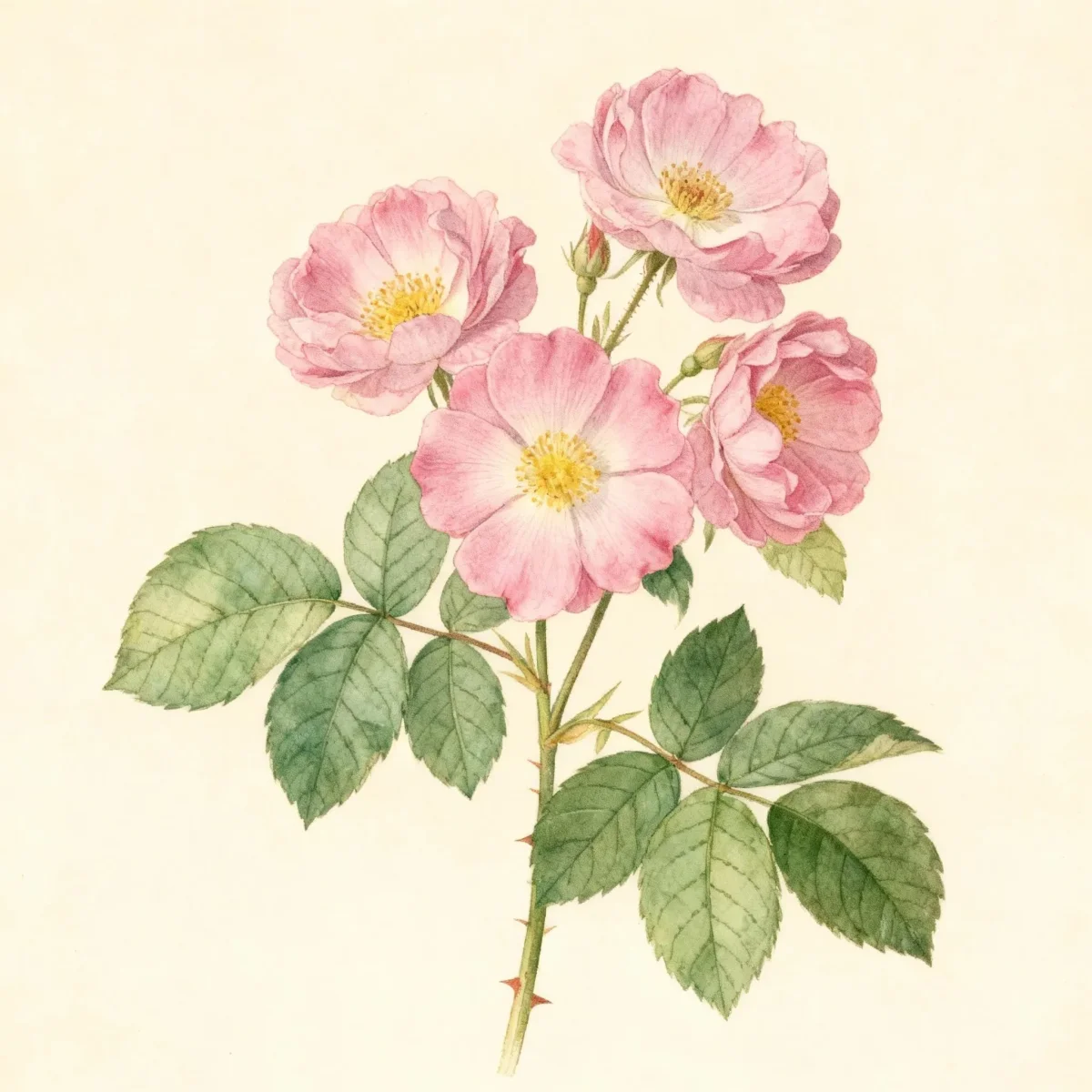
Flowering almond (Prunus triloba 'Multiplex')
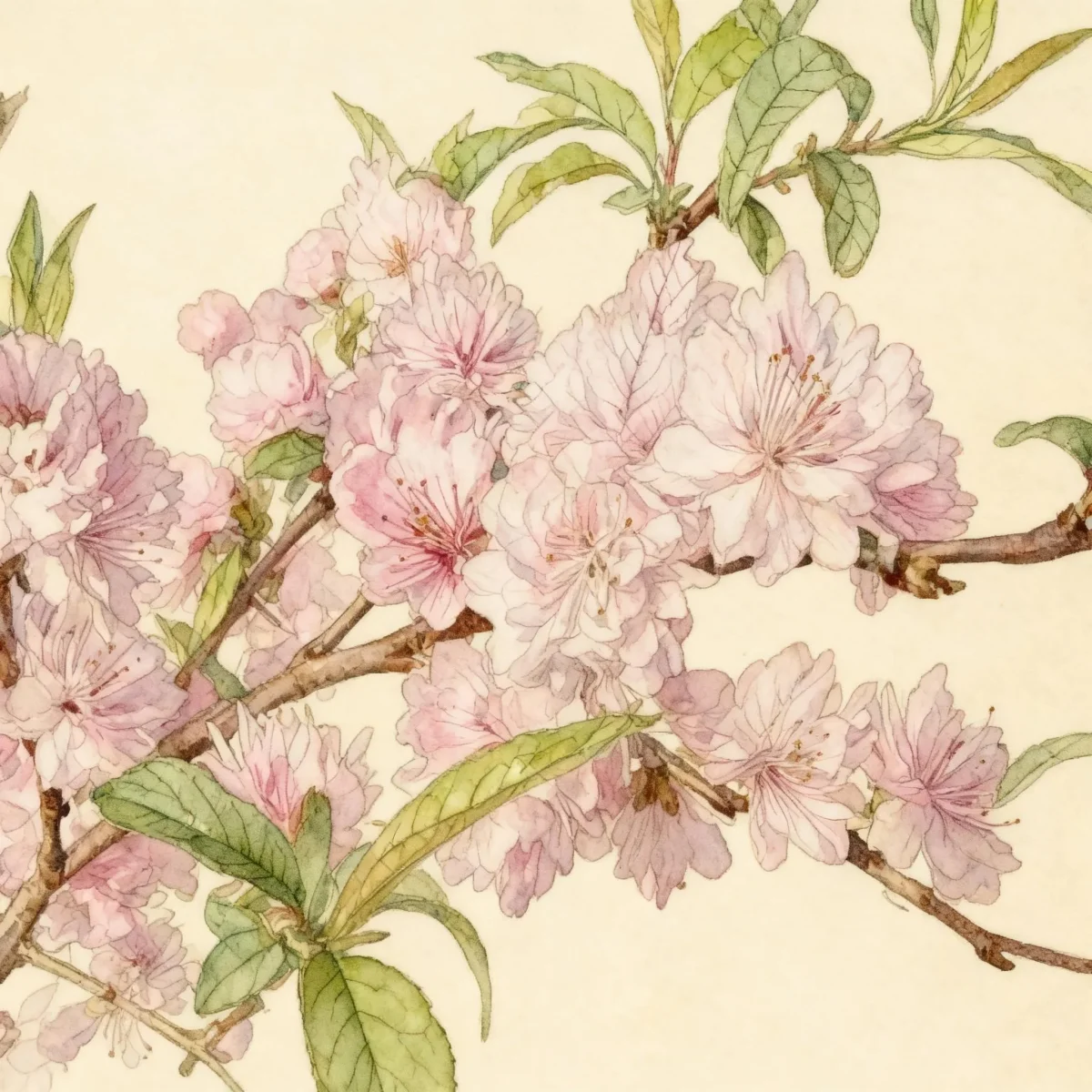
Prunus triloba 'Multiplex', or Flowering almond, offers profuse early spring pink blooms on this dense, rounded deciduous shrub.
Scroll down to discover growing tips, care requirements, companion plants, and more
Complete Plant Information
Overview
The Prunus triloba ‘Multiplex’, commonly known as Flowering almond, is highly valued for its spectacularly dense display of pink flowers appearing generously in early spring. This cultivar presents as a rounded, multi-stemmed shrub, often grown as a small ornamental tree, bringing a vibrant splash of color before many other landscape elements awaken. A significant benefit of the ‘Multiplex’ variety is that it is a popular double-flowered form which reliably skips fruiting, keeping the aesthetic clean. While its species origin is China, this durable shrub thrives across many regions, offering reliable structure and seasonal beauty to the garden space.
Fast Facts
- Plant Family: Rosaceae
- Plant Type: Deciduous shrub
- Hardiness Zones: USDA Zones 3-7
- Size at Maturity:
- Height: 10-15 ft
- Spread: 10-15 ft
- Bloom Time: April
- Bloom Description: Pink
- Sun Exposure: Full sun to part shade
- Water Needs: Medium
- Maintenance Level: Medium
How to Grow
Plant Prunus triloba ‘Multiplex’ in the early spring or fall for best establishment, ensuring it is situated in moist, fertile, well-drained loams. Optimal flowering performance is achieved when this shrub receives full sun, although it tolerates light afternoon shade. Proper soil drainage is crucial, as standing water can quickly lead to root issues.
Routine care involves providing medium water, especially during dry spells in the first few growing seasons. While it tolerates general conditions, ensure consistent moisture to support its lush summer foliage and subsequent spring blooms. Fertilization is usually unnecessary if the soil is fertile; otherwise, feed sparingly in early spring.
Prunus triloba ‘Multiplex’ requires regular pruning to maintain its attractive form and remove any dead wood that may develop. Prune immediately after flowering ceases to avoid sacrificing next year’s buds. Be aware that the early spring flowers are highly susceptible to damage if late frosts occur after blooming commences.
Landscape Uses
The versatility of the Flowering almond makes it an excellent choice for various landscape roles. It excels when utilized as a formal hedge due to its dense habit, or it can be strategically placed near patios where its magnificent spring display can be fully appreciated. Training the Prunus triloba ‘Multiplex’ as a standard transforms it into a small specimen tree ideal for focal points in mixed borders.
For companion planting, pair it with later-blooming deciduous shrubs or early spring bulbs like daffodils or tulips, which will extend the season of interest after the almond’s bloom fades. Its rounded shape contrasts nicely with upright evergreens or finer-textured ornamental grasses situated beyond the shrub line.
Effective utilization involves planting in small groups to amplify the visual impact of the double pink flowers across the spring garden. This plant maintains a degree of visual interest even after leaf drop, making it a solid year-round structural piece.
Standout Features
Flower Qualities
- Showy
Fruit Qualities
- Showy
Noteworthy Characteristics
Prunus triloba ‘Multiplex’, commonly called flowering almond, is a dense, rounded, deciduous, multi-stemmed shrub that typically grows 10-15’ tall and as wide. Pink, five-petaled flowers appear in a profuse early spring bloom, and unlike many related species, ‘Multiplex’ is a popular double-flowered form that does not produce fruit. Its coarse leaves are medium green and often turn yellow before dropping in the fall, adding a final bit of seasonal color.
Tolerances
- Early spring flowers are susceptible to damage from frosts.
Potential Problems
The Flowering almond is susceptible to a large number of insect and disease problems, requiring vigilance from the gardener. Potential diseases include common afflictions such as leaf spot, cankers, powdery mildew, black knot, and verticillium wilt. Management often involves consistent sanitation, especially removing infected material promptly, and ensuring good air circulation through appropriate pruning.
Insect pests are also a concern; potential offenders include scale, borers, aphids, and damaging caterpillars like tent caterpillars. Japanese beetles can also feed heavily on the foliage once they emerge later in the season. Regular scouting, especially during the growing season, allows for early intervention with targeted treatments or the promotion of beneficial insects to keep populations in check.
Frequently Asked Questions
What hardiness zones is Prunus triloba ‘Multiplex’ suitable for?
The Flowering almond is well-suited for USDA Hardiness Zones 3 through 7, offering resilience in colder climates.
How large does Prunus triloba ‘Multiplex’ grow?
This shrub typically reaches a mature height and spread between 10 and 15 feet, forming a substantial, rounded presence in the landscape.
When does Flowering almond bloom?
Prunus triloba ‘Multiplex’ puts on its impressive show in April, producing abundant pink blooms.
What sun exposure does Prunus triloba ‘Multiplex’ need?
For best flowering results, ensure this plant receives full sun, although it can adapt to environments with light to part shade.
Conclusion
The double-flowered beauty of Prunus triloba ‘Multiplex’] makes it an indispensable early spring specimen, delivering maximum floral impact with the added convenience of a non-fruiting habit. Its medium maintenance requirement is easily met with proper pruning and attention to drainage, ensuring its robust performance across multiple seasons. Before planting, confirm that your location falls within USDA Zones 3-7 for the best chance of success with this charming Flowering almond.
Companion Planting
When selecting neighbors for your Prunus triloba ‘Multiplex’, focus on plants that flower as the almond fades, ensuring continuous interest. Consider early spring bulbs planted underneath or near the shrub, such as Muscari (grape hyacinth) or narcissus, which tolerate the partial shade the shrub might cast later in the season. For summer structure, incorporate fine-textured perennials like Astilbe, which enjoy similarly rich, moist soil, or rely on ornamental grasses that provide contrast as the almond foliage matures. Choosing companions that enjoy similar soil fertility avoids complicating specialized feeding routines.
Seasonal Care Calendar
Spring is the critical time for Flowering almond care; prune immediately after the gorgeous pink blooms finish to shape the shrub and remove any dead wood, ensuring you don’t cut off next year’s flower buds later in the season. Throughout the summer, monitor for common pests like aphids and scale and address infestations promptly to prevent widespread damage. In autumn, rake away fallen leaves, especially if fungal issues like leaf spot were present, to reduce overwintering spores. Winter preparation primarily involves ensuring the plant is adequately watered before the ground freezes, especially if the location experiences dry winters, which helps protect the roots.