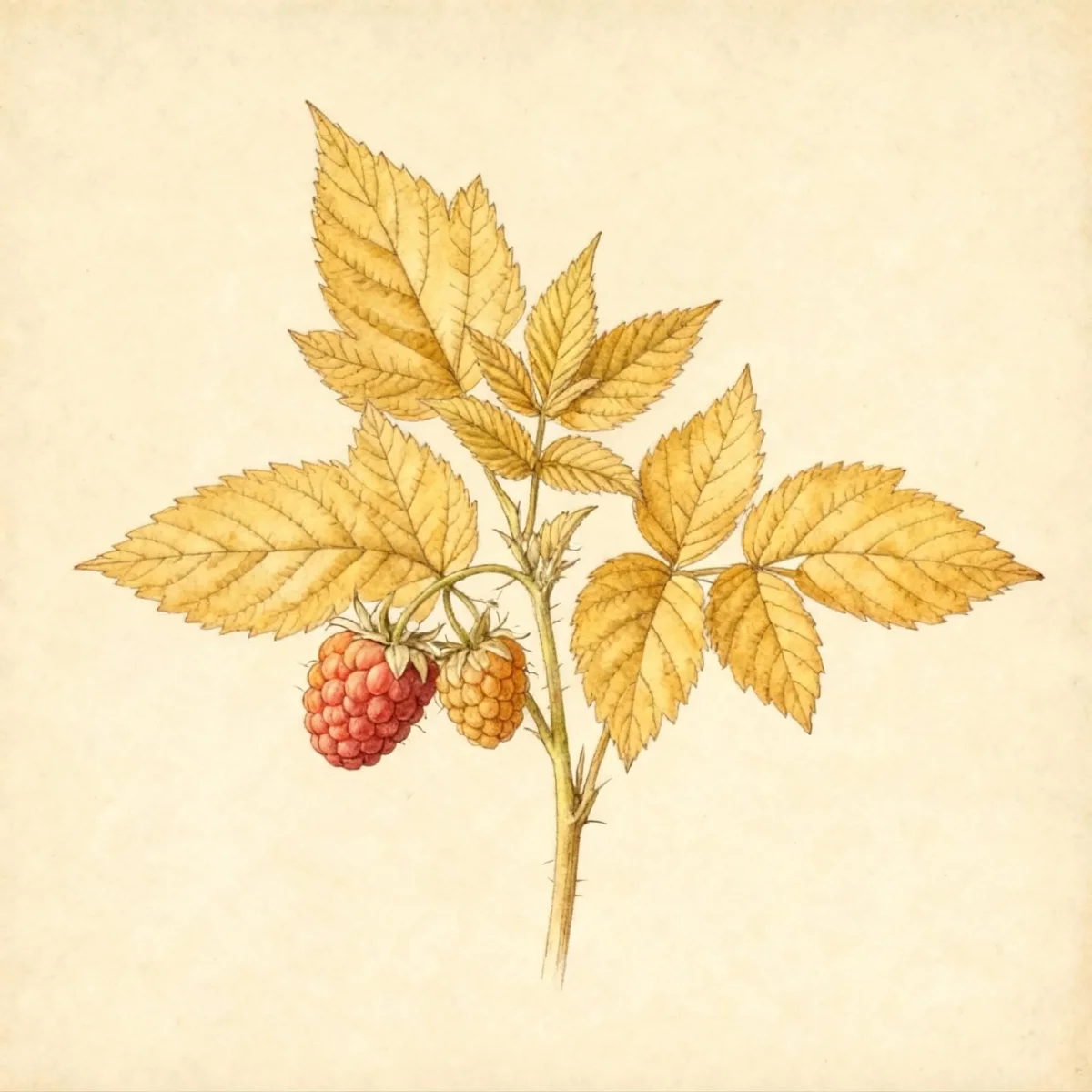
Raspberry (Rubus idaeus 'Fallgold')
Grow the unique golden-fruited Rubus idaeus 'Fallgold' Raspberry. An everbearing shrub ideal for zones 5-8.
Scroll down to discover growing tips, care requirements, companion plants, and more
Complete Plant Information
Overview
The Rubus idaeus ‘Fallgold’ Raspberry is highly valued by home gardeners for its unique, gold-colored fruit and its extended fruiting season. As an everbearing ‘Fallgold’ cultivar within the larger Raspberry group, it offers continuous harvests, unlike traditional summer-bearing varieties. Growing this shrub provides both ornamental appeal and a rewarding yield of tasty fruit.
This deciduous shrub exhibits an upright, thorny habit, maturing to a manageable 4 to 5 feet tall. It thrives best when situated where it receives full sun to light shade, requiring consistent moisture through its growing life cycle. Responsible pruning is key to maximizing productivity and maintaining plant health for this specific Raspberry cultivar every season.
Gardeners choosing Rubus idaeus ‘Fallgold’ benefit from its self-fruitful nature. Enjoying the sweet rewards of the Raspberry family means planning stewardship around its biennial canes, which bear a fall crop on the upper section before completing their cycle next summer.
Fast Facts
- Plant Family: Rosaceae
- Plant Type: Fruit
- Hardiness Zones: USDA Zones 5-8
- Size at Maturity:
- Height: 4-5 ft
- Spread: 1.5-2 ft
- Bloom Time: June to frost
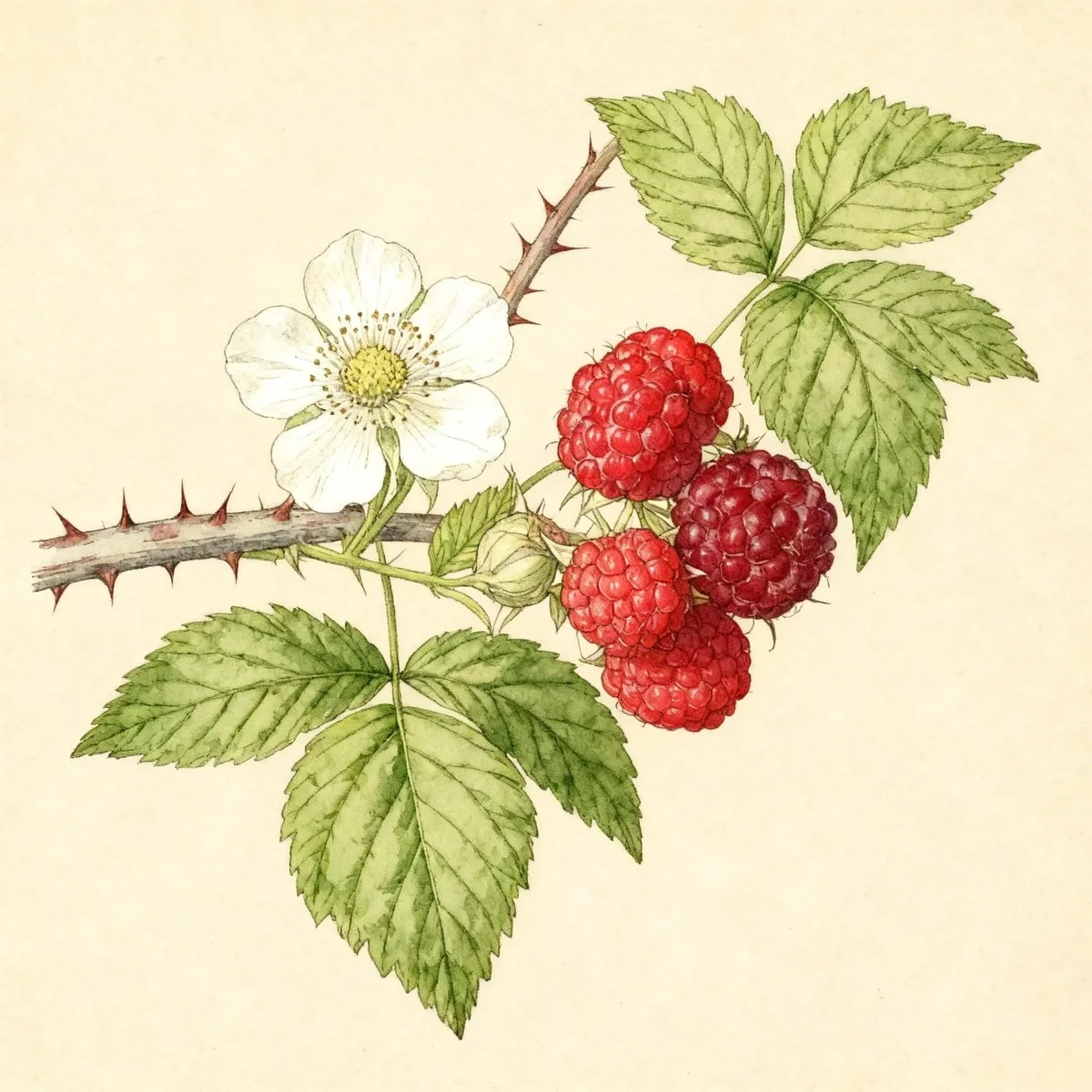
- Bloom Description: White
- Sun Exposure: Full sun to part shade
- Water Needs: Medium
- Maintenance Level: Medium
How to Grow
For optimal results with Rubus idaeus ‘Fallgold’, plant in deep, organically rich, slightly acidic, and moist, yet well-drained soils. If your garden features heavy clay, consider utilizing raised beds to prevent the root rot that this Raspberry is highly intolerant of, especially when wet. Full sun exposure encourages the best fruit production, although light shade is tolerated.
Watering should remain consistent, meeting the medium water needs throughout the season, particularly during flowering and fruiting times. Pruning is essential for maintaining healthy vigor and excellent yields of your Raspberry harvest. Immediately after fruiting, prune out the older canes that have finished bearing.
For this everbearing Rubus idaeus ‘Fallgold’, manage the canes carefully. Canes that fruited last fall (the ones that produced the summer crop on their lower sections) should have their tips cut back in late winter, leaving the remainder for the subsequent summer crop. Thin out weaker or diseased non-fruiting wood anytime. Promptly remove excess suckers to control the natural spreading tendency of the Raspberry.
Landscape Uses
The primary role of Rubus idaeus ‘Fallgold’ in the landscape is culinary, offering high-quality, sweet fruit. However, their upright, thicket-forming structure allows them to form excellent informal edible hedges or screens along property lines where some space is available. Planted in rows or drifts, they provide wonderful texture, softening hardscape elements.
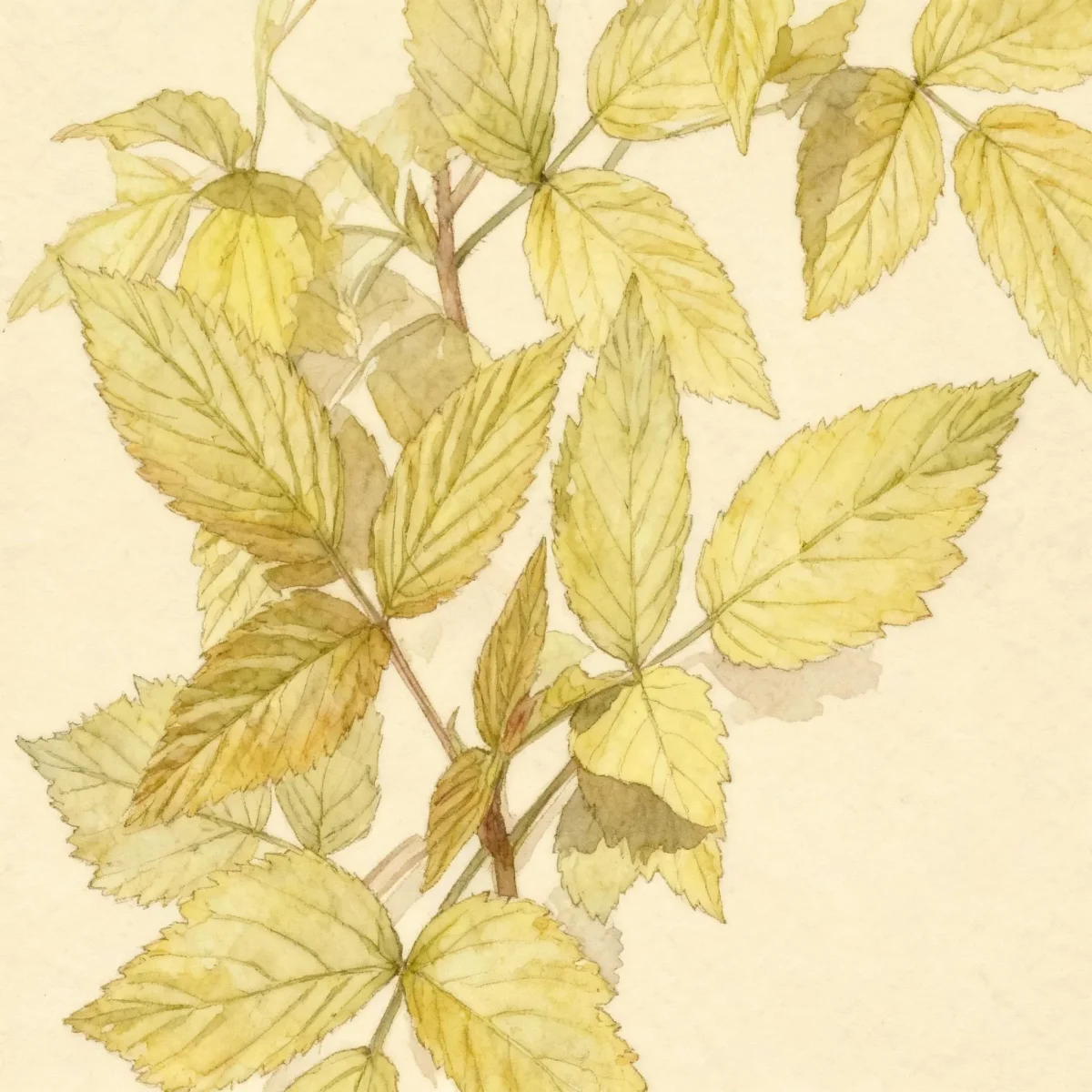
Though primarily grown for fruit, the Raspberry foliage offers seasonal green accents before the canes die back in winter. When planning companions, select other moisture-loving, acidic-soil-tolerant shrubs or perennials. Avoid placing them near areas where aggressive spread could interfere with manicured borders, as they can rapidly colonize disturbed ground via suckers.
Standout Features
Flower Qualities
- Showy
Fruit Qualities
- Showy
- Edible
Noteworthy Characteristics
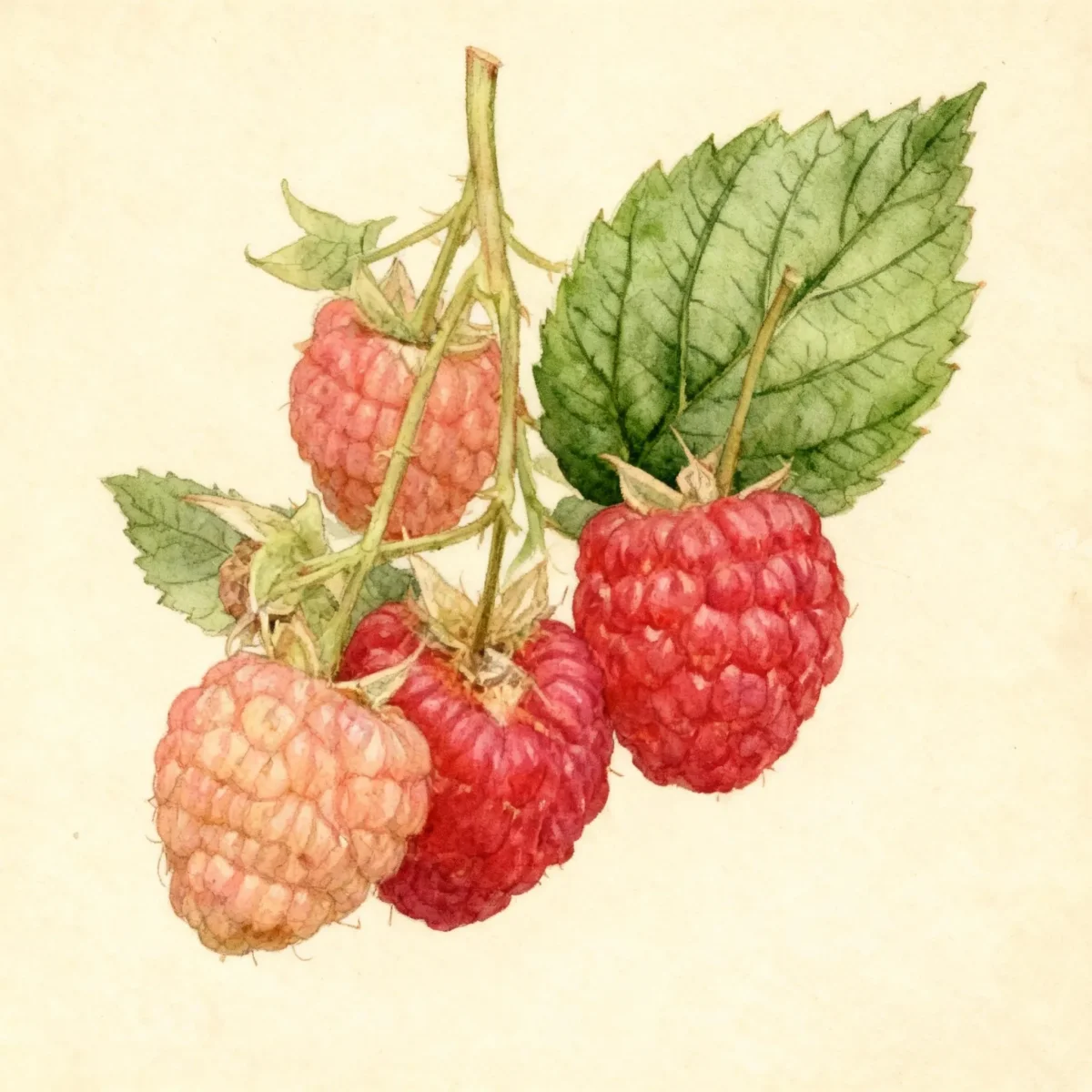
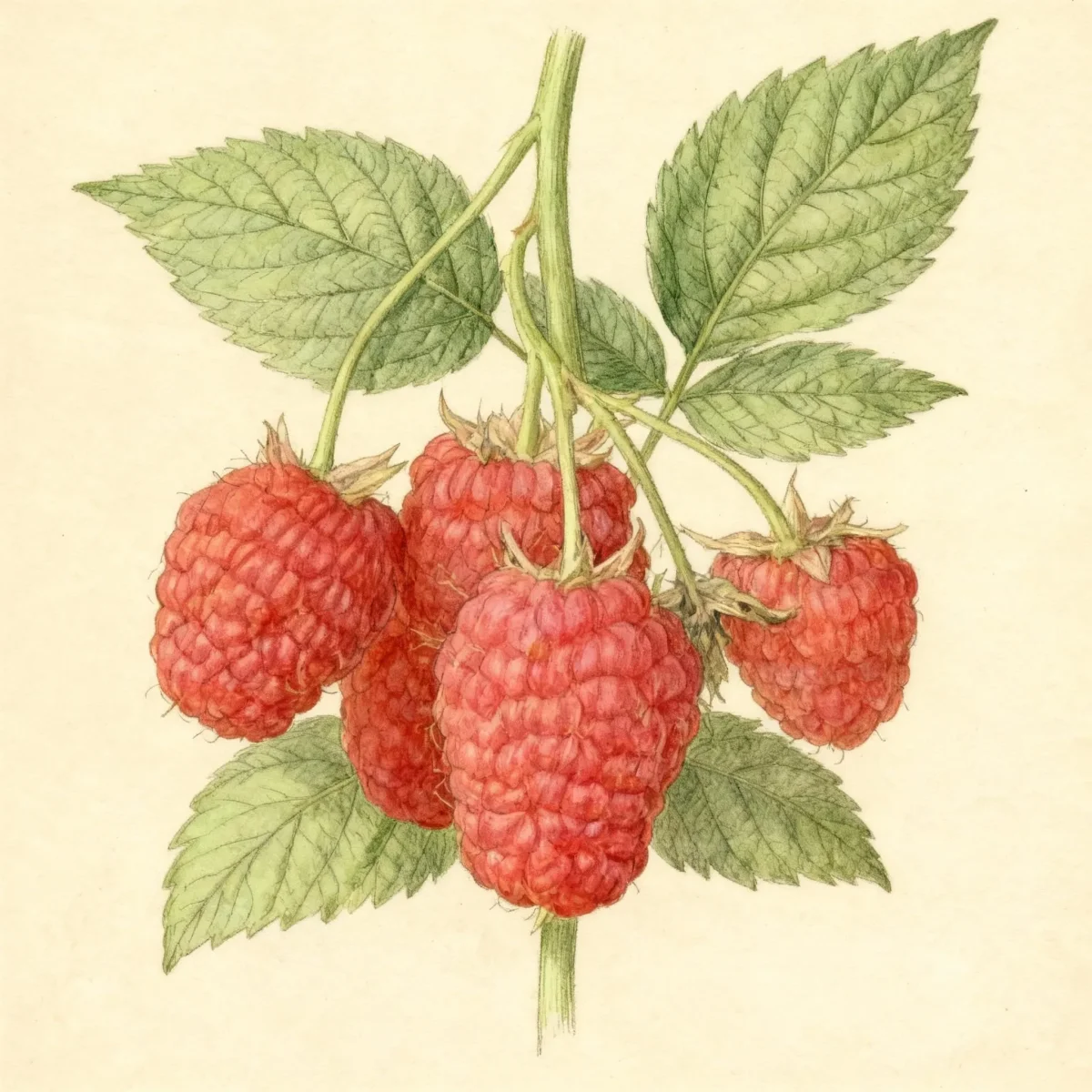
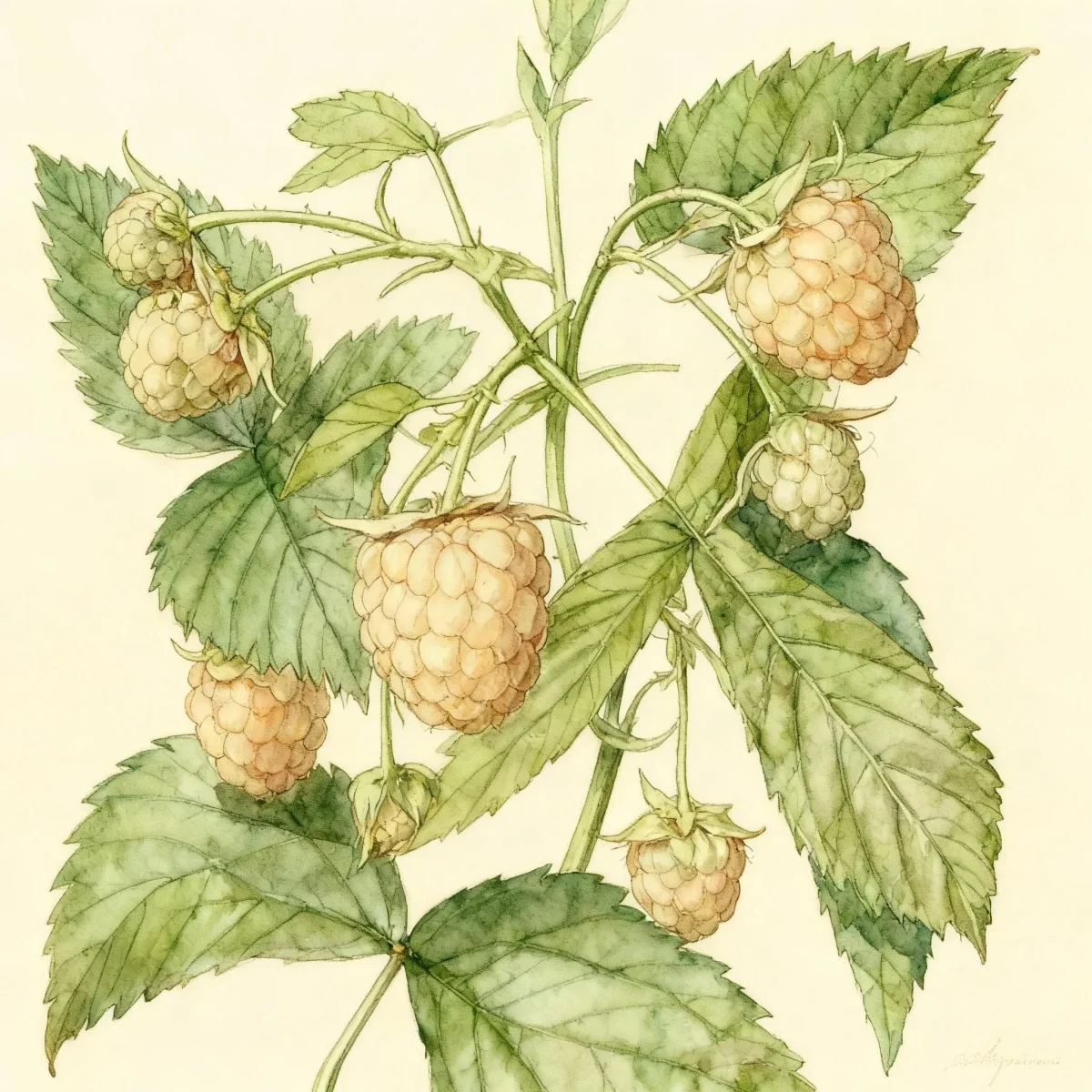
Rubus idaeus, commonly called red raspberry, is an erect to spreading, deciduous shrub noted for its biennial, often prickly canes. An everbearing variety, ‘Fallgold’ produces two crops: a fall harvest (August to October) and a second crop the following late spring/early summer (June) on the same canes. The fruits are botanically aggregate drupelets that separate easily from the receptacle when picked, resembling hollow cones of gold color.
Tolerances
This section is not populated based on provided data.
Potential Problems
Fungal issues present the most significant threat to the health and productivity of Rubus idaeus ‘Fallgold’. Pay close attention to signs of Anthracnose, botrytis, and root rot, which thrive in overly saturated conditions. Maintaining good air circulation through proper pruning is your primary defense against these diseases.
Insect pests like cane borers and crown borers can also cause serious damage by attacking the stems and roots, respectively. Routine inspection of the canes is necessary, especially if you observe sudden wilting or cane dieback, which may indicate a borer infestation requiring targeted management. Always follow recommended pruning schedules to remove infected material promptly.
Frequently Asked Questions
What hardiness zones is Raspberry suitable for?
Rubus idaeus ‘Fallgold’ is suitable for gardeners gardening in USDA Zones 5 through 8.
How large does Raspberry grow?
This Raspberry cultivar typically reaches a height between 4 and 5 feet, with a spread ranging from 1.5 to 2 feet wide.
What sun exposure does Rubus idaeus ‘Fallgold’ need?
It performs best when situated in an area receiving full sun daily, though it can tolerate sites with part shade.
When does Raspberry bloom?
The white flowers of the Rubus idaeus ‘Fallgold’ bloom starting in June and continue loosely until the first frost.
Conclusion
The Rubus idaeus ‘Fallgold’ Raspberry stands out as an excellent choice for gardeners seeking manageable height and the bonus of an extended harvest from this everbearing cultivar. Successful cultivation of this golden Raspberry relies on attention to soil drainage and diligent biennial pruning practices. Confirm your location falls within USDA Zones 5-8 before planting this beautiful and productive shrub.
Companion Planting
Selecting appropriate neighbors helps manage moisture levels and pests effectively around your Raspberry patch. Plants that enjoy similar soil acidity and consistent moisture, such as blueberries or rhododendrons, work well nearby, provided they don’t aggressively compete for root space. Avoid planting near nightshades (tomatoes, peppers) as they can sometimes share overlapping pest and disease threats.
For weed suppression and added soil health beneath the canes, consider groundcovers like creeping thyme or strawberries, which have shallower root systems that won’t compete heavily with the established Raspberry roots. Good air circulation is vital, so ensure any companion planting does not create dense undergrowth around the base of the Rubus idaeus ‘Fallgold’ canes.