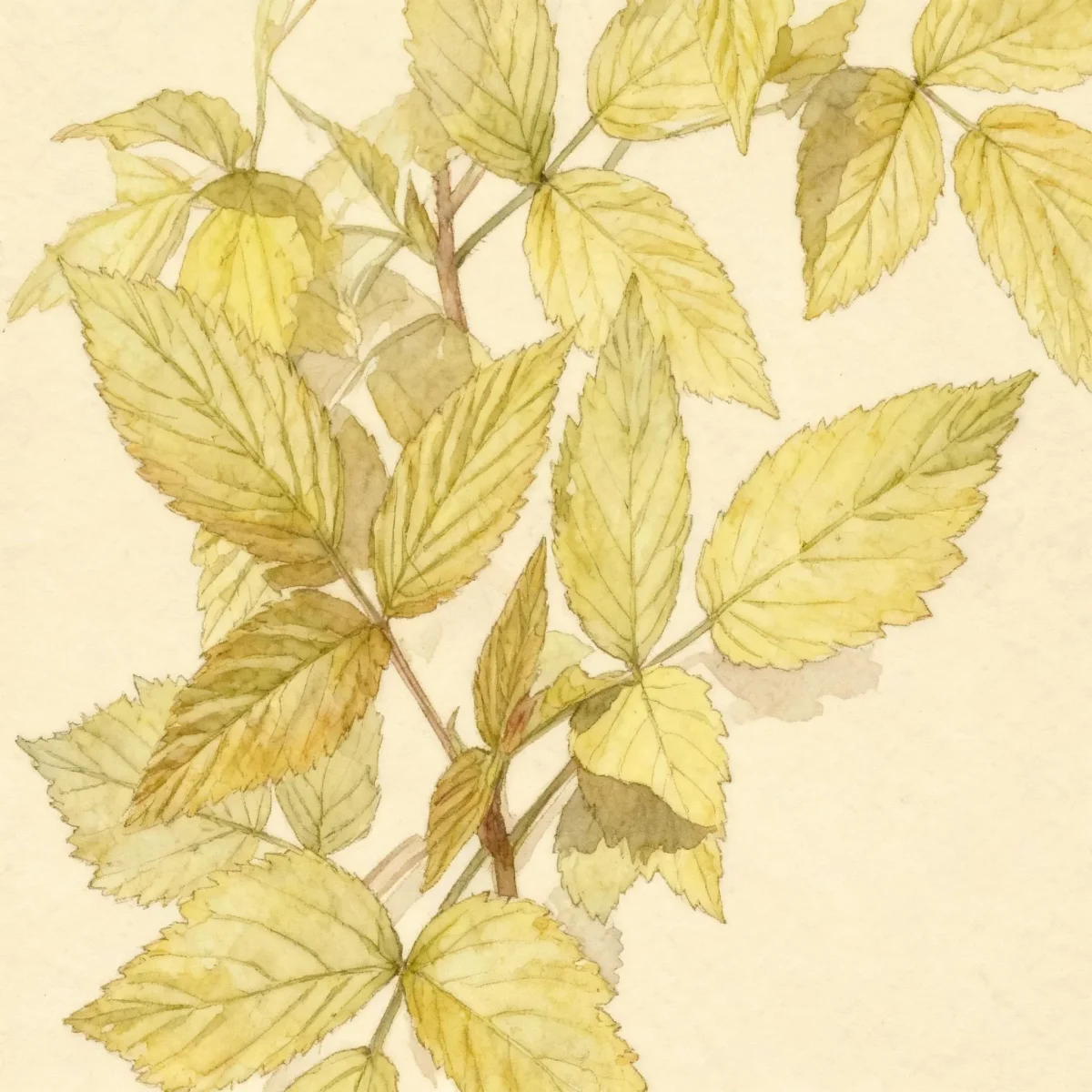
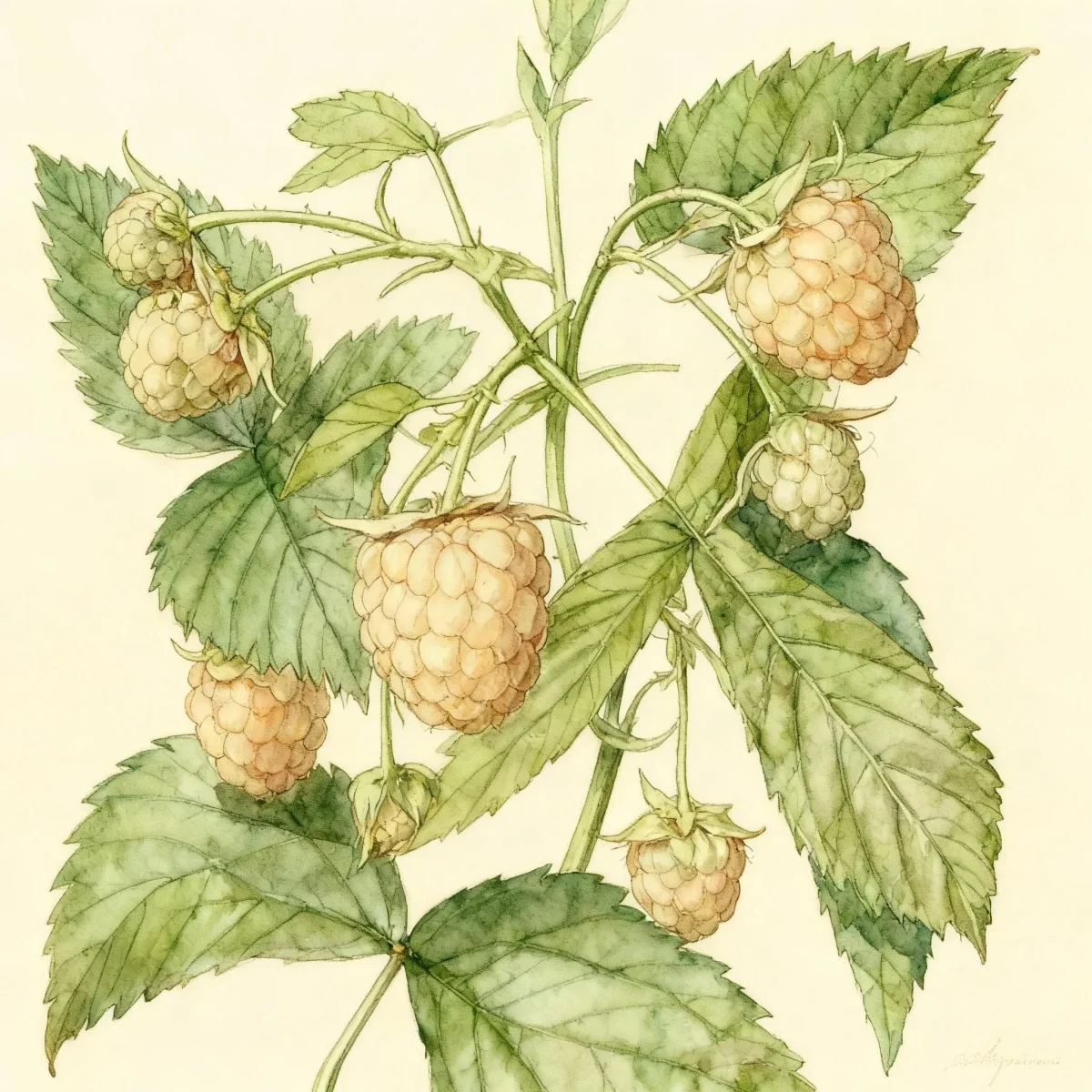
Red raspberry (Rubus idaeus 'Heritage')
Grow the self-fruitful Rubus idaeus 'Heritage', a reliable Red raspberry yielding two crops. Thrives in full sun, Zones 4-8.
Scroll down to discover growing tips, care requirements, companion plants, and more
Complete Plant Information
Overview
Rubus idaeus ‘Heritage’ offers gardeners the distinct advantage of being an everbearing red raspberry, frequently producing two bountiful harvests per season. This cultivar is highly valued for its dependable production of tasty, high-quality fruit, making it a staple in the edible landscape. It forms an upright, thorny shrub that is praised for being largely self-fruitful and often requires minimal staking.
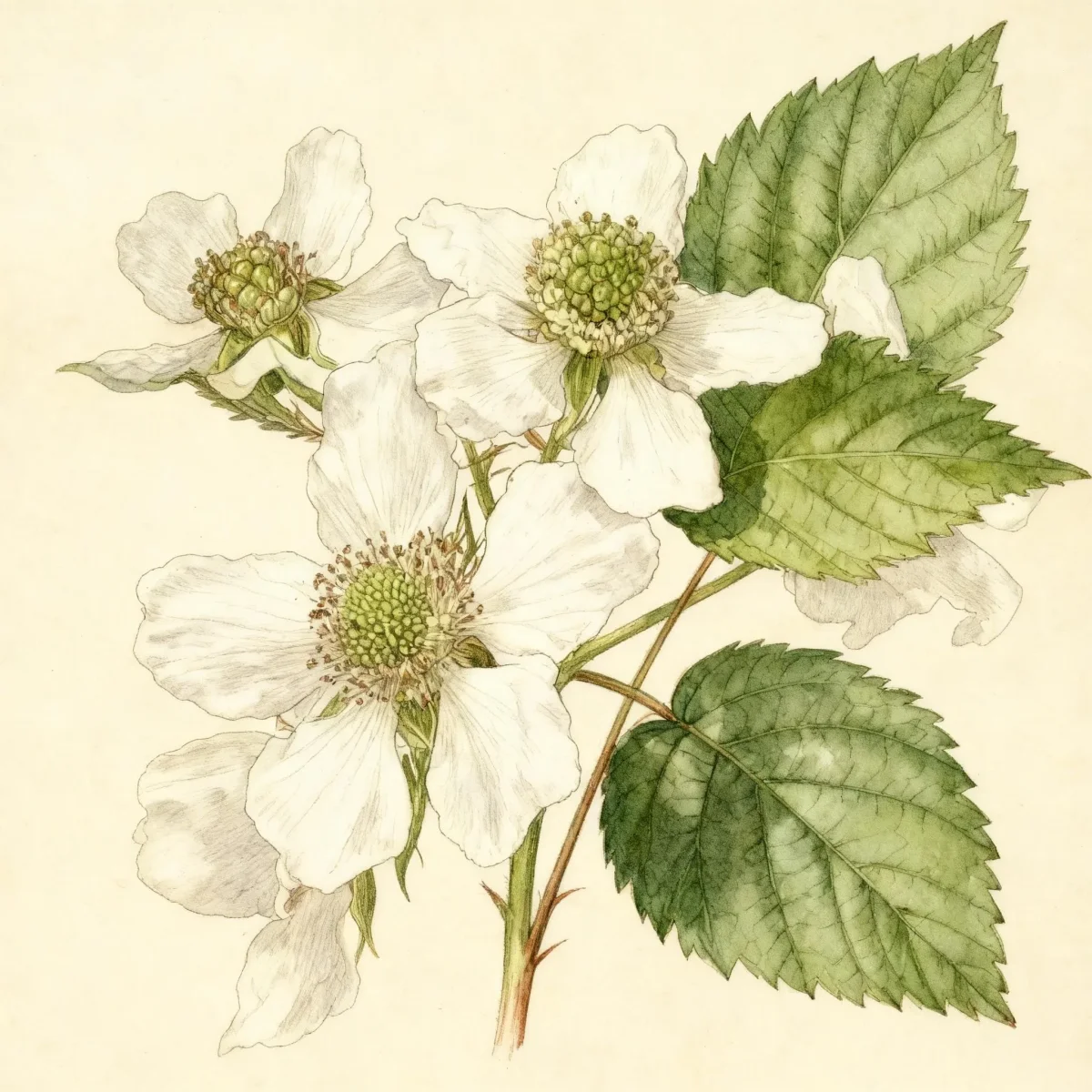
This deciduous shrub typically reaches heights between 4 to 5 feet, establishing a manageable thicket ideal for dedicated fruit production areas. While the primary goal is harvesting the edible fruit, the clusters of white flowers in summer contribute a subtle ornamental appeal before the berries ripen. Successful cultivation of Rubus idaeus ‘Heritage’ centers on providing adequate moisture and sunlight.
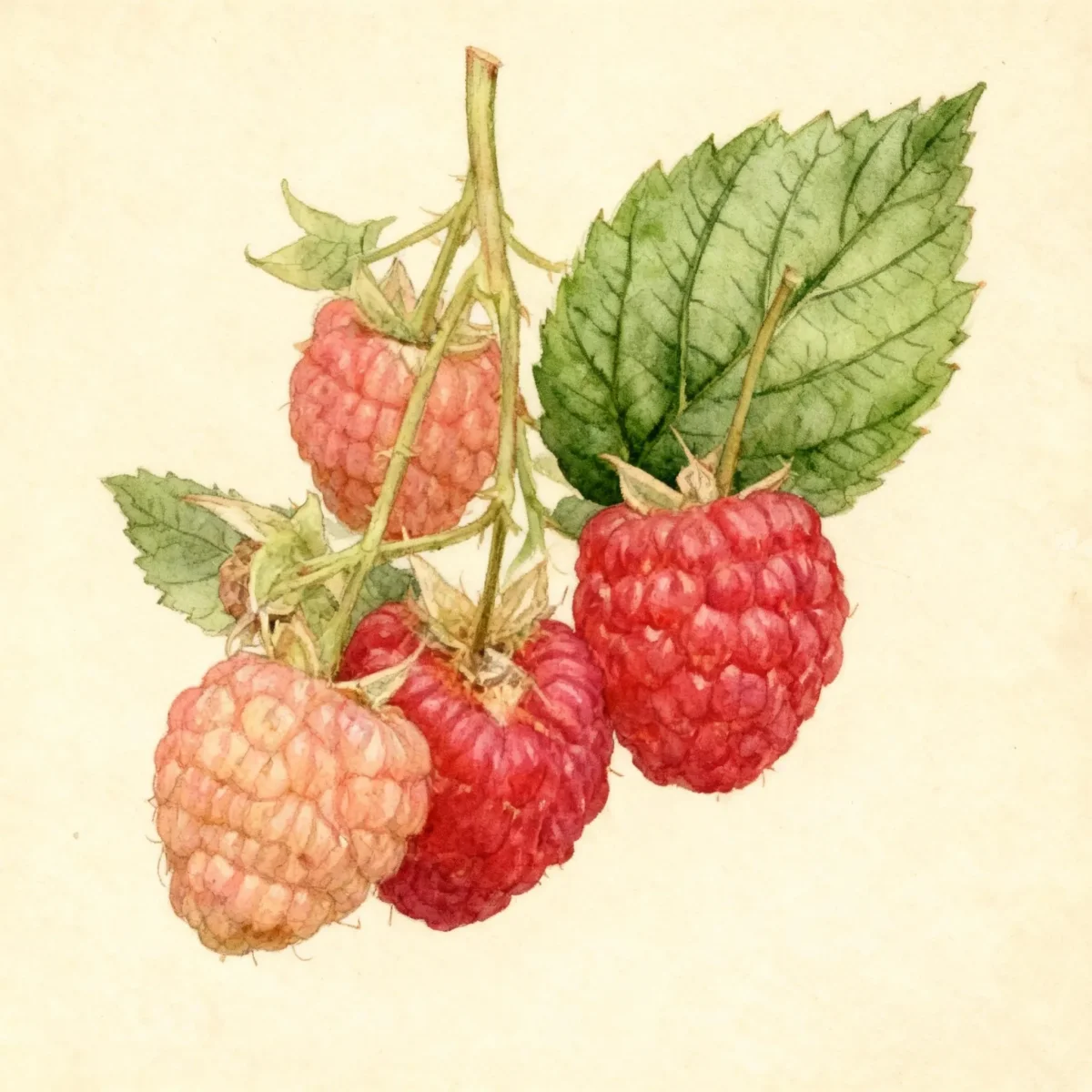
The appeal of the Red raspberry lies in its dual fruiting habit: an autumn crop on new growth tips and a summer crop remaining on the established lower cane sections. Managing the biennial cane lifecycle through proper pruning maximizes yield and plant health for this wonderful addition to the home garden.
Fast Facts
- Plant Family: Rosaceae
- Plant Type: Fruit
- Hardiness Zones: USDA Zones 4-8
- Size at Maturity:
- Height: 4-5 ft
- Spread: 1.5-2 ft
- Bloom Time: July to frost
- Bloom Description: White
- Sun Exposure: Full sun to part shade
- Water Needs: Medium
- Maintenance Level: Medium
How to Grow
Planting Rubus idaeus ‘Heritage’ is best done in early spring or fall when conditions are cool. Establish these plants in organically rich, slightly acidic soil that remains consistently moist yet offers excellent drainage. Intolerant cultivators of wet feet, poor drainage can quickly lead to destructive root rot. In areas with heavy clay soils prone to saturation, planning for raised beds is highly recommended for growing this reliable Red raspberry.
Water needs are medium, meaning consistent moisture is crucial, especially during fruit development, but never allow standing water. Pruning is essential for the successful management of this biennial cane system. Prune out the canes that have completed their summer fruiting cycle immediately after harvest. Furthermore, in late winter, remove any canes damaged by winter cold.
Everbearing cultivars like ‘Heritage’ produce fruit first on the tips of primocanes (first-year shoots). After this initial harvest, cut back just those fruited tips, leaving the rest of the cane intact for a following summer crop. Promptly remove any excess suckers and new plants that emerge outside the desired planting perimeter to control spread, as stems can root where they touch the ground.
Landscape Uses
The primary appeal of Rubus idaeus ‘Heritage’ is its delicious, edible fruit, making it perfect for dedicated kitchen gardens or allotments where harvest efficiency is key. Due to its manageable height and upright nature, this thorned shrub functions beautifully planted in rows, establishing a functional hedge line dedicated solely to berry production.
Where naturalizing is acceptable, allowing the plant to colonize disturbed areas highlights its vigorous nature, though in formal settings, strict suckering control is necessary. Given its fruit production, ensure planting locations receive maximum light exposure, balancing aesthetic needs with cultural requirements. While grown primarily for fruit, the foliage offers a textural accent, especially when allowed to form a loose, spreading screen.
Standout Features
Flower Qualities
- Showy
Fruit Qualities
- Showy
- Edible
Noteworthy Characteristics
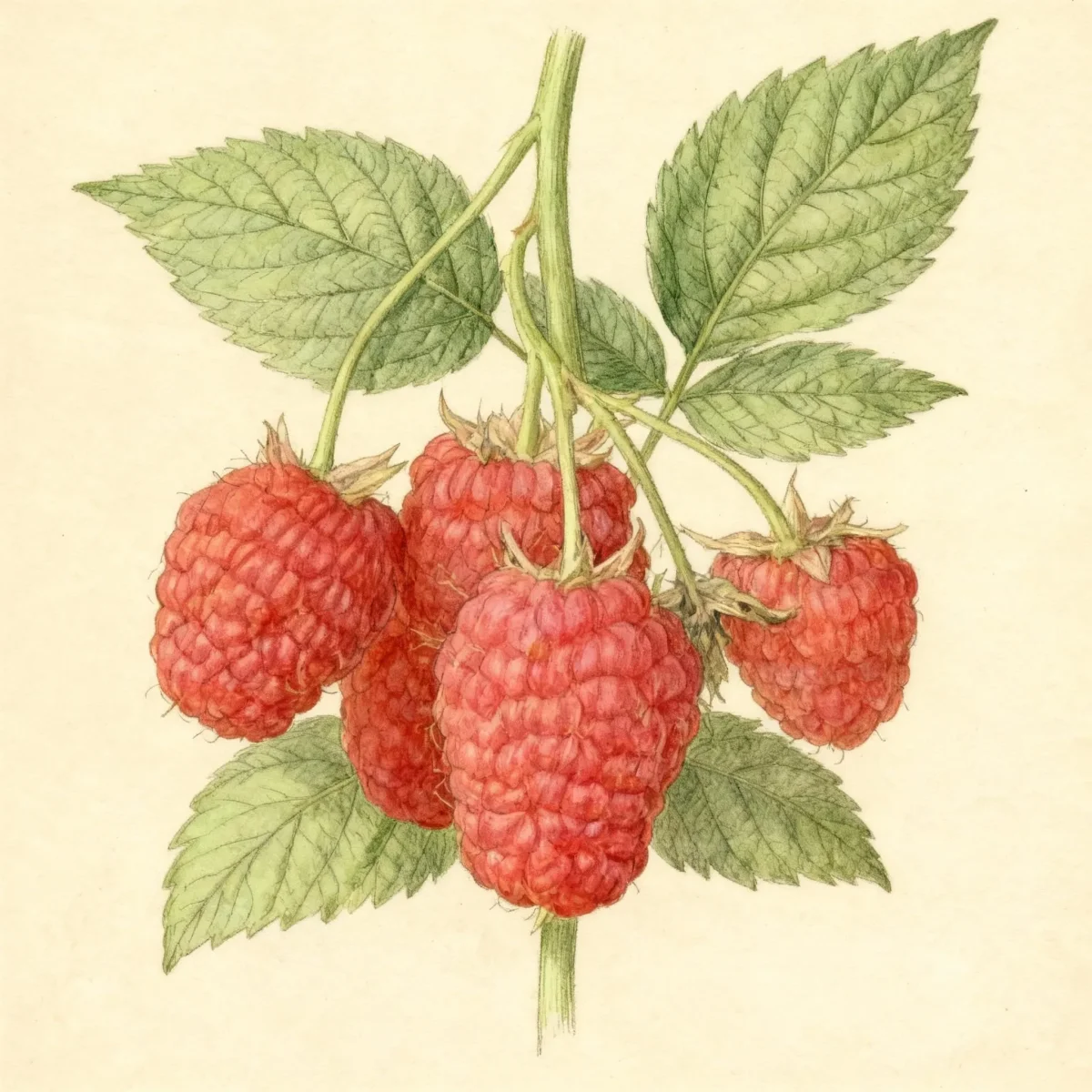
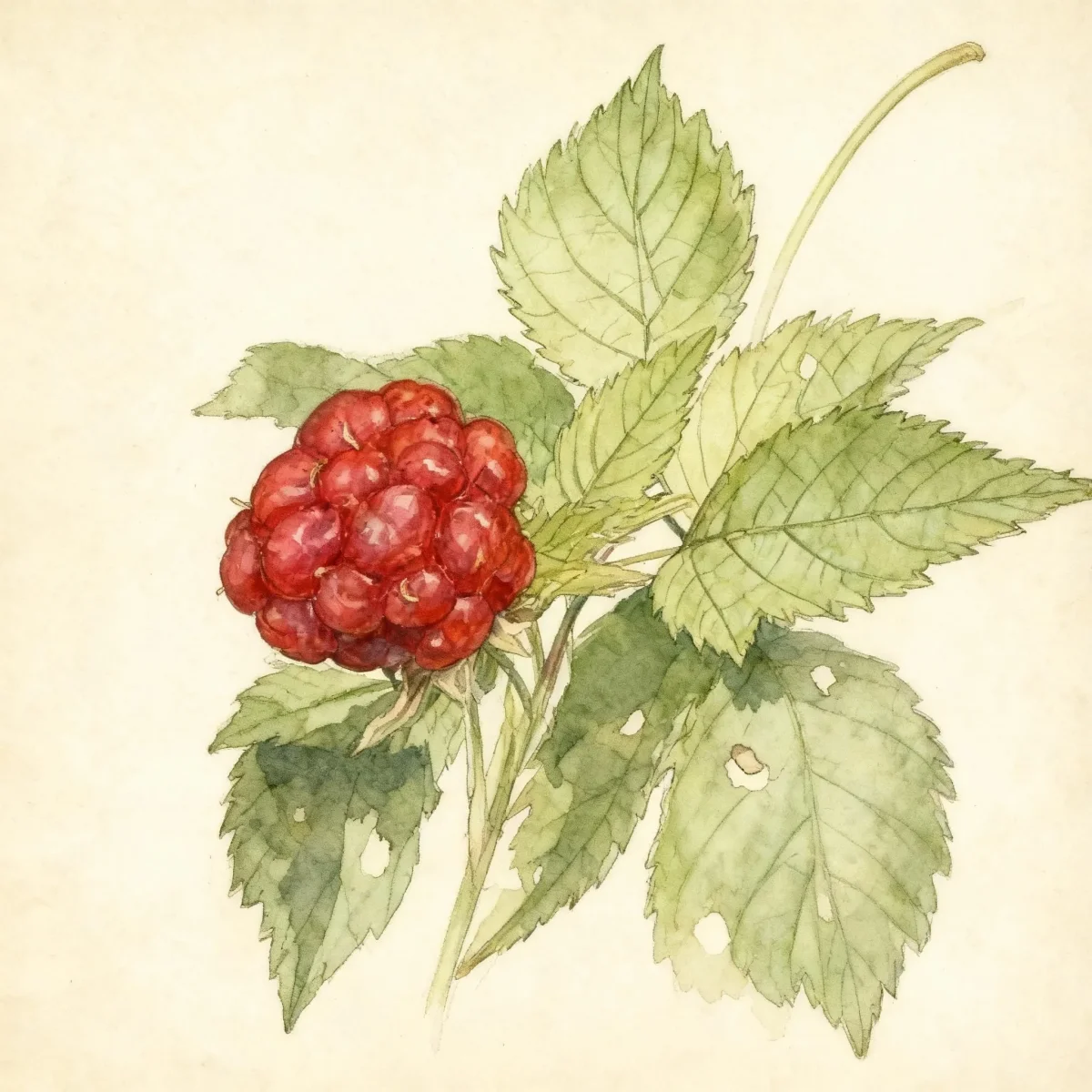
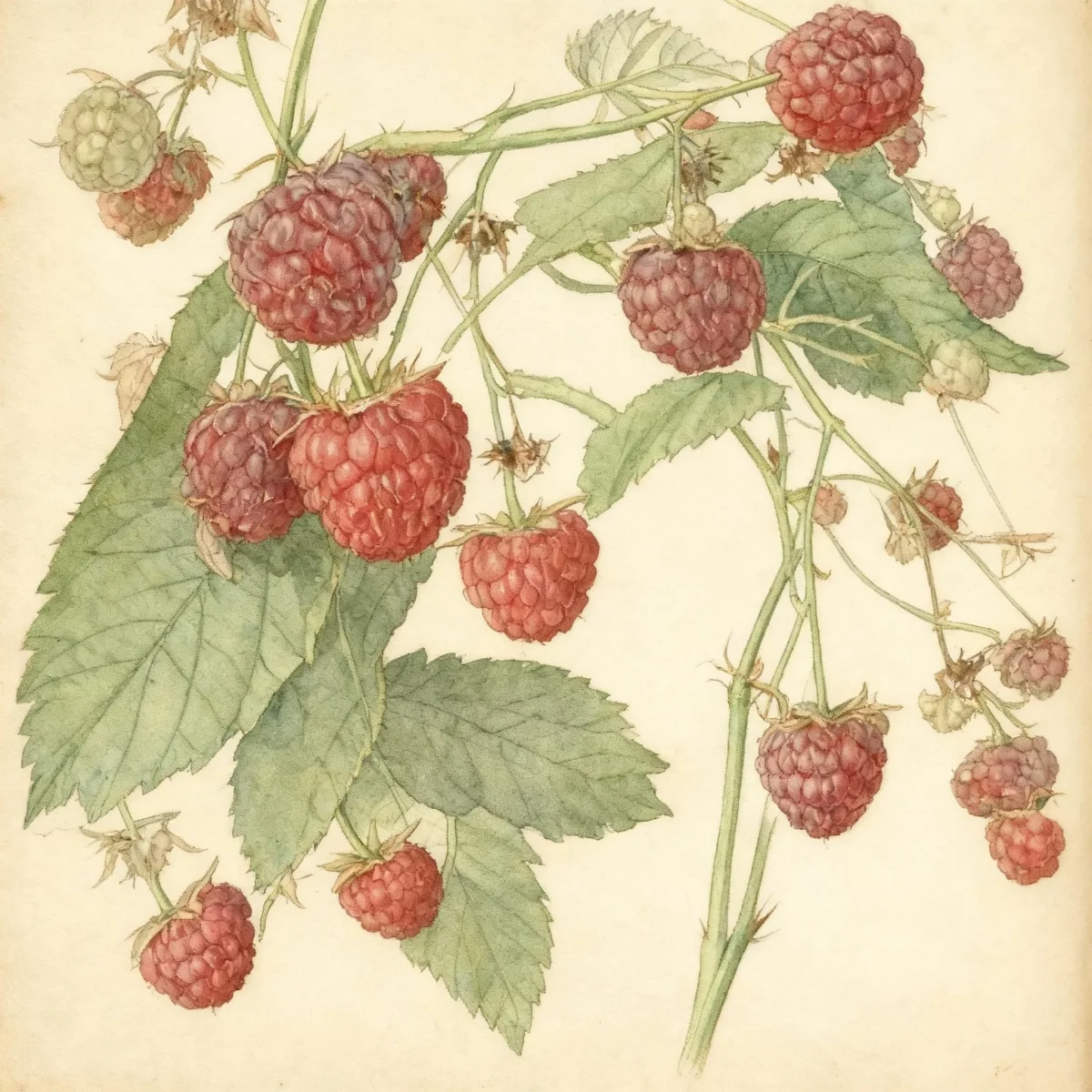
Rubus idaeus ‘Heritage’ is an upright, self-fruitful, thorny shrub recognized for producing two crops on each cane unless specifically pruned otherwise: an autumn harvest on the upper third and a second crop the following summer on the remaining two-thirds. Clusters of white, 5-petaled flowers precede the red raspberries, which are noted for their excellent eating quality, establishing this cultivar as one of the superior fall-fruiting types.
Tolerances
Tolerances information was not found in the provided data.
Potential Problems
Anthracnose, botrytis, and root rot present significant threats to the health of your Rubus idaeus ‘Heritage’ plants, often necessitating fungal treatments. Regular scouting is vital to address these fungal diseases quickly, especially in humid conditions or areas with insufficient air circulation.
Insect pests like cane borers and crown borers can also cause serious damage to cane integrity. Managing these pests often starts with precise pruning habits; cutting out weak or diseased canes immediately limits the habitat available for borers to establish themselves. Controlling spread by removing suckers promptly also aids in maintaining a healthy, vigorous planting.
Frequently Asked Questions
What hardiness zones is Red raspberry suitable for?
The Rubus idaeus ‘Heritage’ variety is hardy in USDA Zones 4 through 8.
How large does Red raspberry grow?
This plant typically matures to a height of 4 to 5 feet, with a spread ranging from 1.5 to 2 feet wide.
When does Red raspberry bloom?
Clusters of white flowers appear from July right up until the first frost, providing a long component to its bloom time.
What sun exposure does Red raspberry need?
For optimal growth and fruit production, this plant prefers full sun, though it can tolerate part shade.
Conclusion
The Rubus idaeus ‘Heritage’ Red raspberry is an outstanding choice for gardeners seeking reliable, dual-season fruit production from a self-fruitful cultivar. Its medium maintenance needs are easily balanced against the reward of superior eating quality berries throughout the warmer months. Before planting, ensure your target site falls within USDA Zones 4-8 and that soil drainage is excellent to support this productive plant.
Companion Planting
Companion planting is highly effective when growing Rubus idaeus ‘Heritage’ because strategic placement can help manage localized moisture or deter certain pests. Considering the moderate maintenance needs and the desire for consistent moisture, planting companions that enjoy similar conditions, such as rhubarb or asparagus, are excellent choices in the vegetable patch.
To enhance air circulation—critical for preventing fungal issues like anthracnose—consider planting lower-growing herbs around the base, such as chives or mint (if contained), rather than overcrowding the raspberry rows. Avoid planting nightshades nearby, as they can share some similar soil-borne disease risks.
Pruning Strategy for Everbearing Types
Effective pruning is the key to harnessing the two-crop potential of this everbearing Red raspberry. The most crucial step is identifying which canes you want to harvest from in the fall versus the following summer. To maximize the autumn crop, simply cut all canes back to the ground in late winter, sacrificing the potential June crop completely for a larger, easier-to-manage fall harvest.
If desiring both crops, prune only the tips of last year’s canes in the spring after winter damage inspection, removing only the top damaged portion that fruited the previous fall. All new primocanes should be tipped back slightly after they reach about 4-5 feet tall to encourage lateral branching and more abundant flowers. Ensure all weak, damaged, or excessively crowded canes are removed entirely during the late winter thinning process.