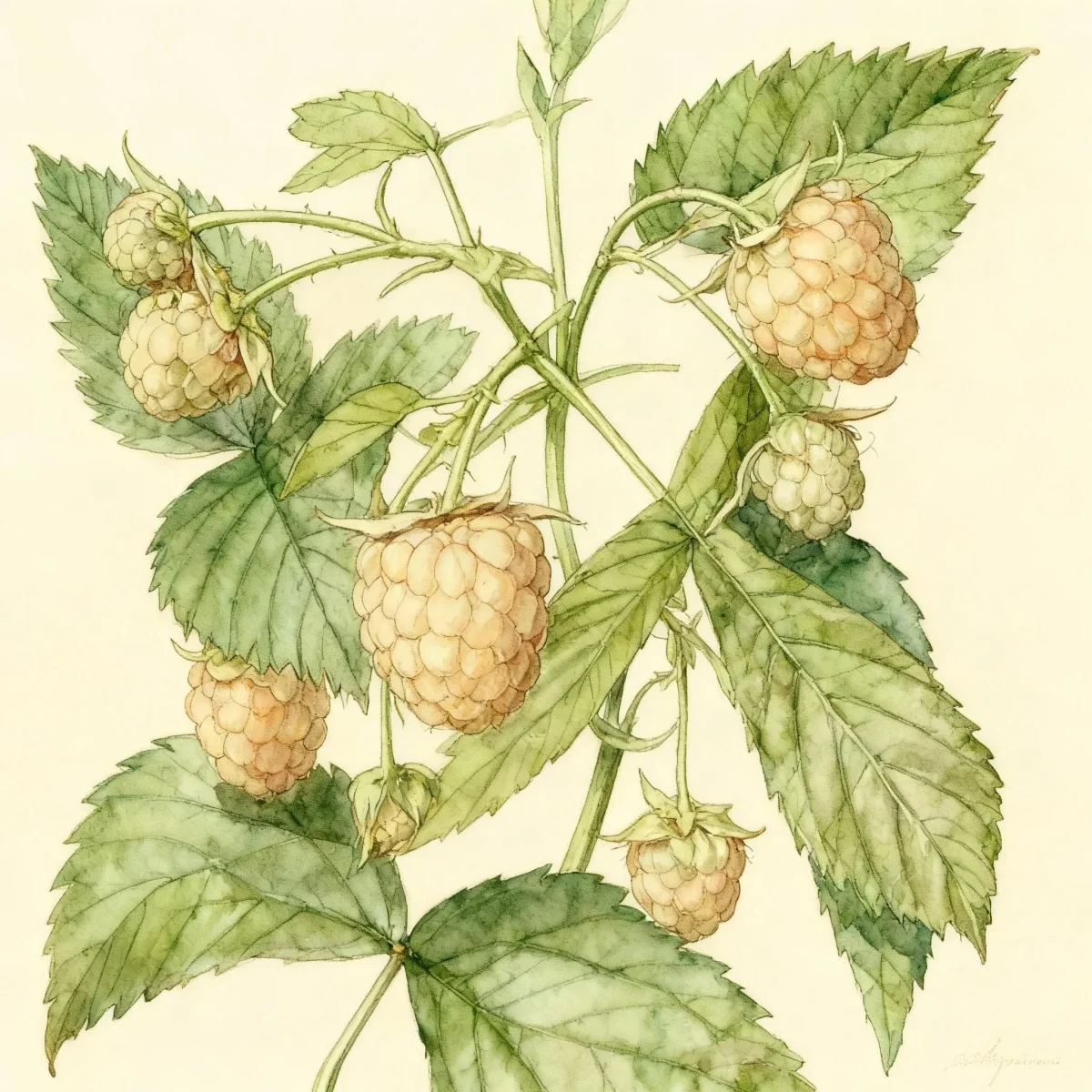
Everbearing raspberry (Rubus idaeus 'Kiwigold')
Discover Rubus idaeus 'Kiwigold', the Everbearing raspberry, prized for its upright habit and delicious peach-yellow fruit crops.
Scroll down to discover growing tips, care requirements, companion plants, and more
Complete Plant Information
Overview
The Everbearing raspberry, specifically the cultivar Rubus idaeus ‘Kiwigold’, offers gardeners a unique and rewarding fruit production experience. This variety is highly valued because it produces two distinct harvests—a main autumn crop on the cane tips and a smaller summer crop—making it exceptionally productive for home gardens. Like its parent, ‘Heritage’, Rubus idaeus ‘Kiwigold’ maintains an upright, self-fruitful habit that typically requires no artificial staking.
This deciduous shrub features biennial canes that provide both aesthetic texture and edible rewards. Its distinct peach-yellow fruit sets it apart from standard red raspberries, consistently delivering excellent eating quality. Gardeners appreciate the reliability of this selection, provided standard care for brambles, including attentive pruning, is maintained.
Cultivating the Everbearing raspberry is straightforward, aligning it well with those seeking fresh berries without excessive space requirements. Its moderate spread and manageable height make the Rubus idaeus ‘Kiwigold’ an excellent candidate for dedicated fruit patches or integrated edible landscapes.
Fast Facts
- Plant Family: Rosaceae
- Plant Type: Fruit
- Hardiness Zones: USDA Zones 5-8
- Size at Maturity:
- Height: 4-5 ft
- Spread: 1.5-2 ft
- Bloom Time: May
- Bloom Description: White
- Sun Exposure: Full sun to part shade
- Water Needs: Medium
- Maintenance Level: Medium
How to Grow
Planting conditions are crucial for successful Rubus idaeus ‘Kiwigold’ cultivation, especially concerning moisture regulation. Best results are achieved when planted in organically rich, slightly acidic, moist but well-drained soils. To prevent root rot, Rubus idaeus ‘Kiwigold’ is intolerant of constantly wet conditions. In areas prone to heavy clay soils, consider planting these valuable Everbearing raspberry producers in raised beds to ensure superior drainage.
Maintaining consistent moisture is key, requiring medium watering, especially during fruit development. Pruning is mandatory maintenance for this cultivar. Immediately after the summer fruiting finishes, prune out the canes that just produced fruit, along with any weak or diseased non-fruiting canes.
The biennial nature of raspberry canes dictates specific pruning strategies. For the Everbearing raspberry, canes that fruited the previous fall should have their tips cut back lightly in late winter, leaving the remainder for a summer crop. All other canes are thinned as needed. Promptly remove excess new suckers to control the spread of this vigorous grower.
Landscape Uses
Raspberries are primarily cultivated for their tasty fruits, and cultivars like the Rubus idaeus ‘Kiwigold’ offer superior flavor for home consumption. While they function excellently in dedicated berry rows, their upright structure allows them to serve as an excellent component in an informal edible border or cottage garden setting. They blend surprisingly well near taller ornamental shrubs that offer similar sun requirements.
The foliage and productive nature of this berry bush also lend themselves to functional hedging where screening is required, though be mindful of pruning needs to keep the row tidy. Because they spread moderately via suckers, use them where naturalizing slightly is acceptable, or plant them in defined containers if total control over spread is paramount. The aesthetic appeal of the white flowers followed by vibrant fruit justifies giving the Everbearing raspberry prime viewing spots.
Standout Features
Flower Qualities
- Showy
Fruit Qualities
- Showy
- Edible
Noteworthy Characteristics
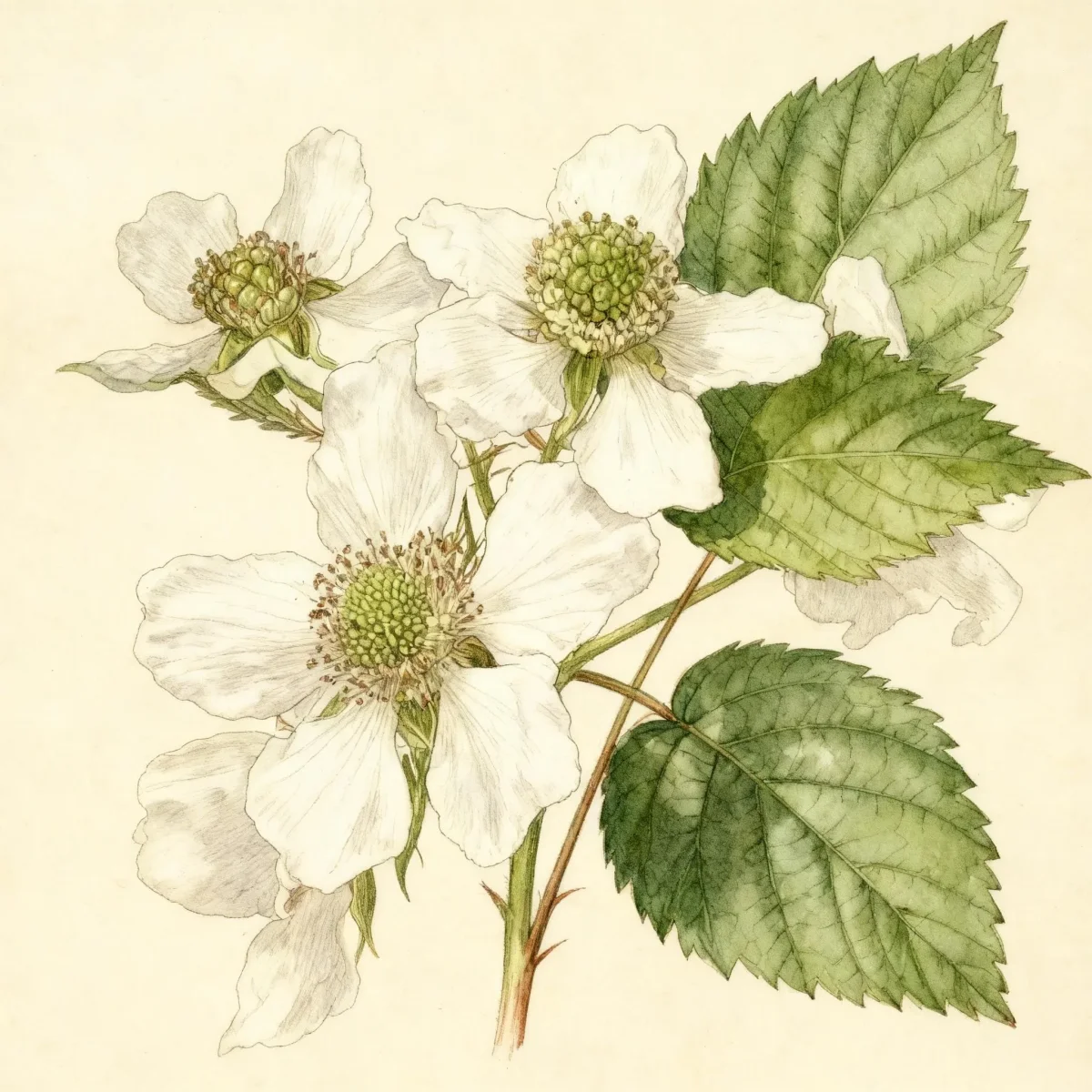
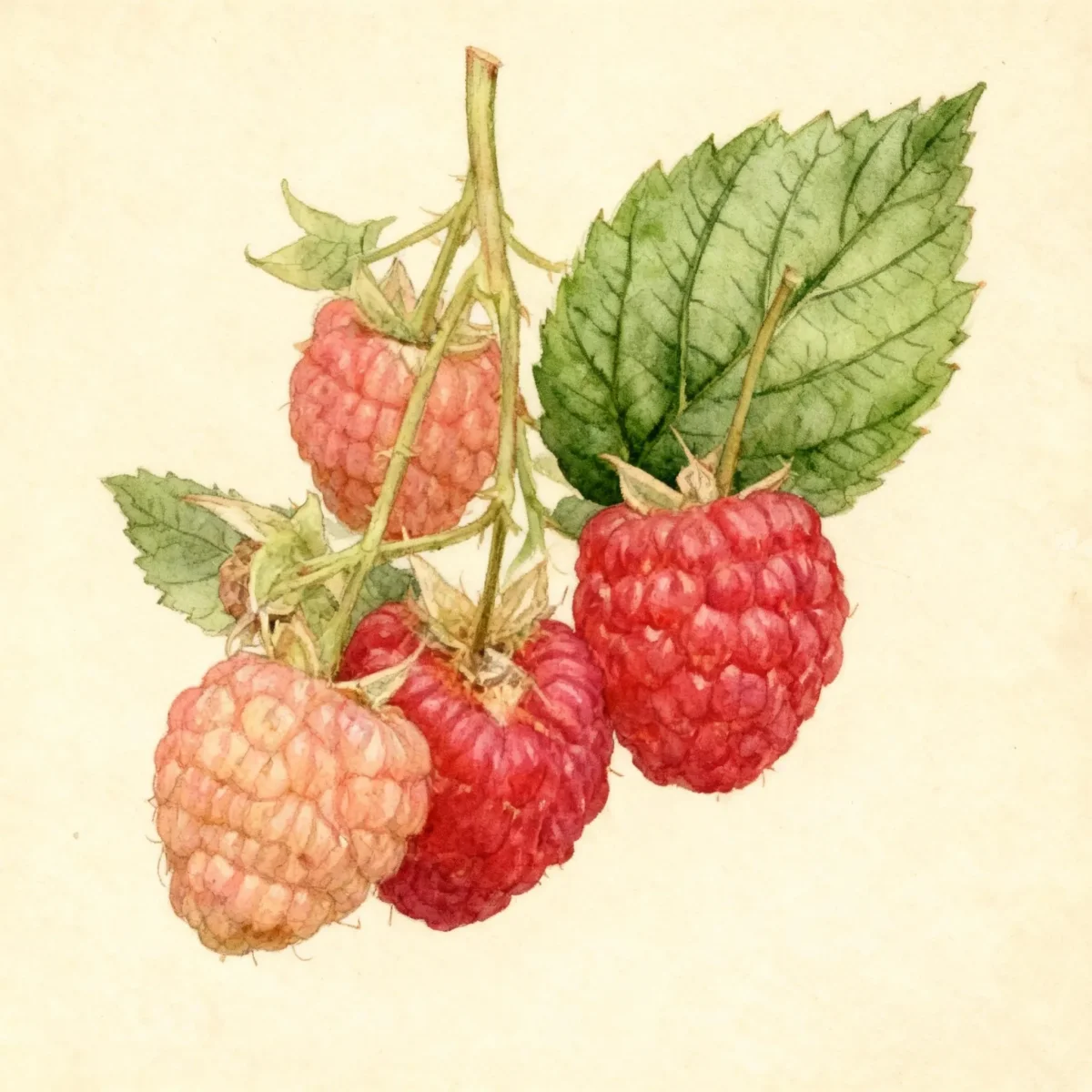
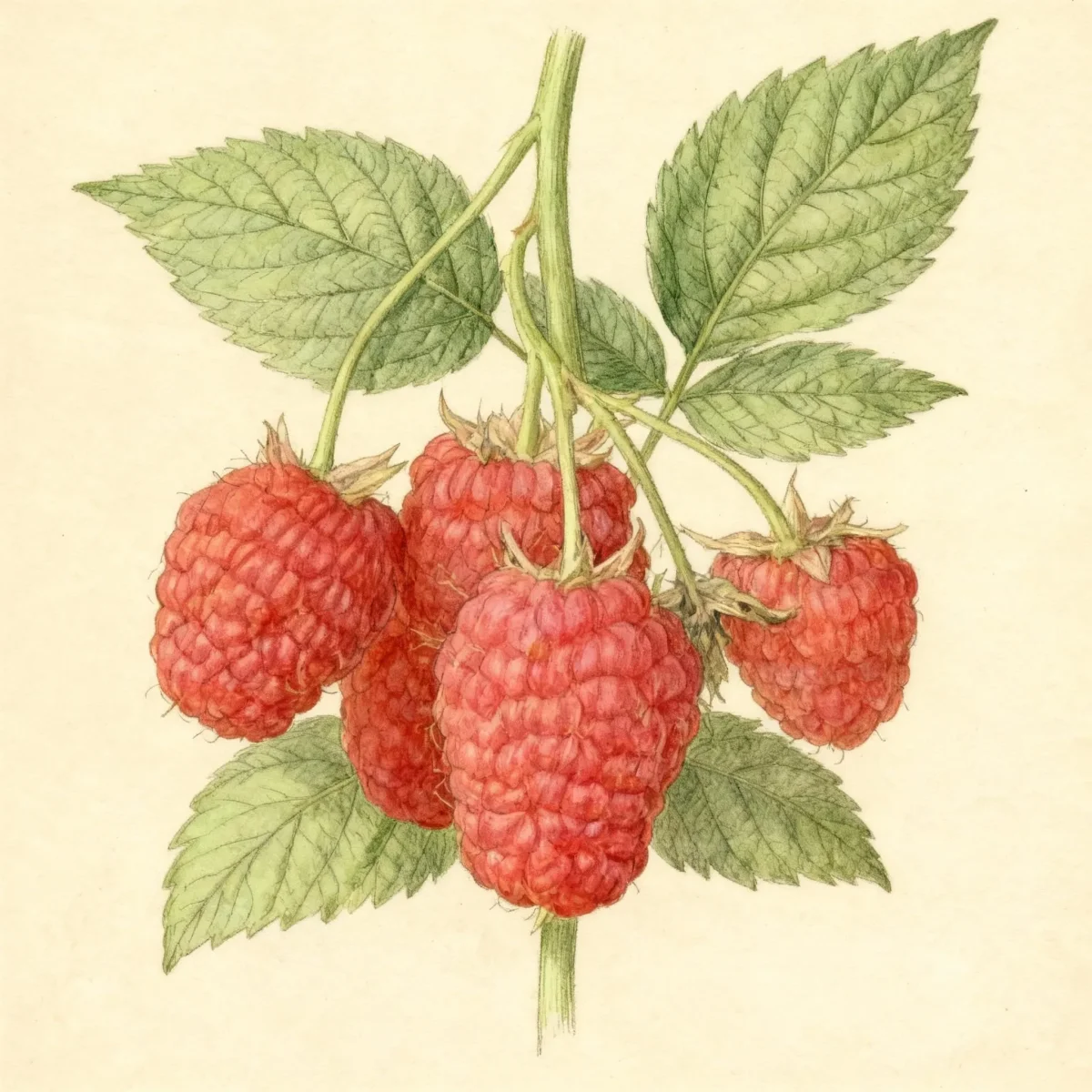
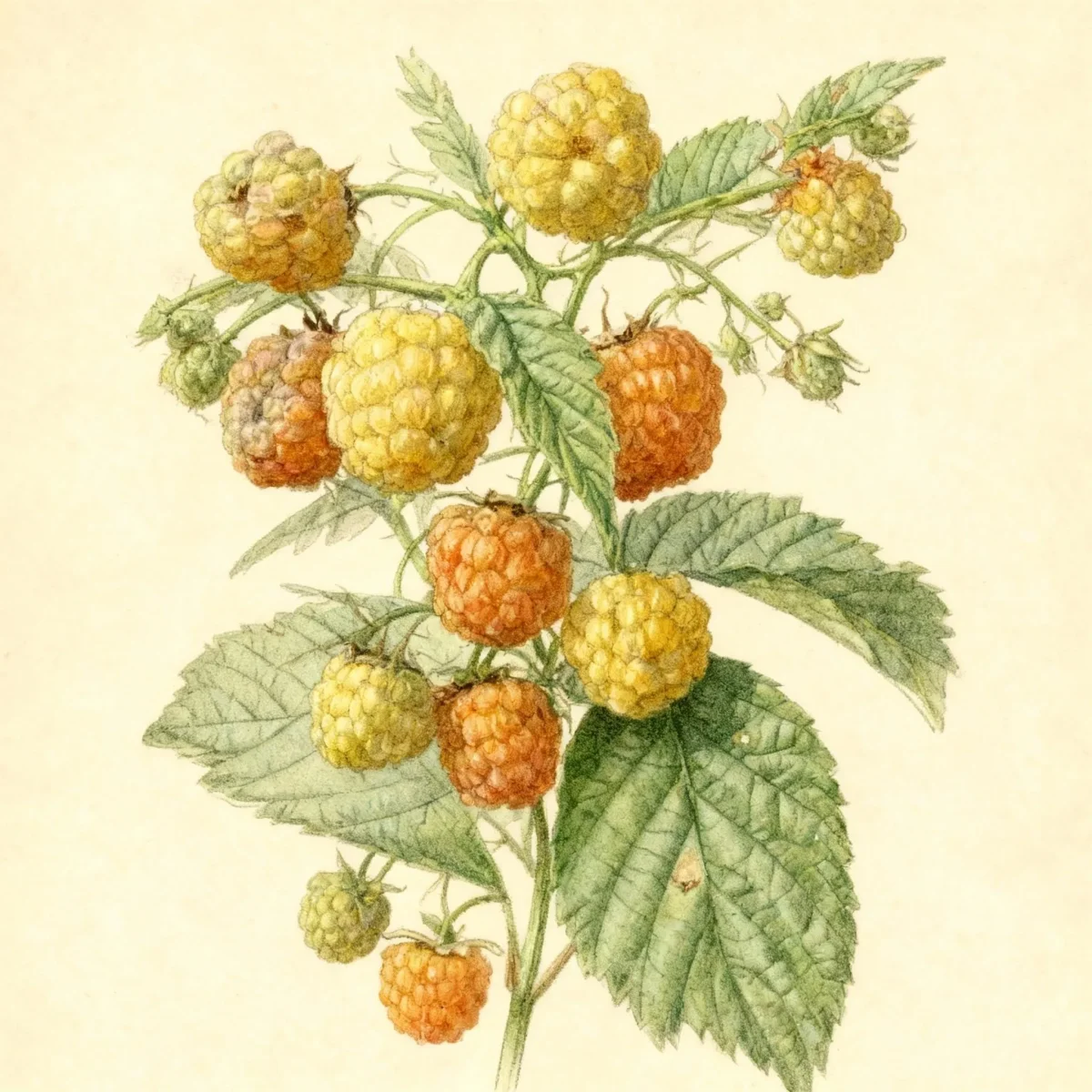
The Rubus idaeus ‘Kiwigold’ is an Everbearing raspberry sport noted particularly for its peach-yellow fruit. It produces two crops per cane unless managed otherwise: an autumn crop on the upper third, followed by a smaller summer crop on the lower portion. Clusters of white, 5-petaled, rose-like flowers mature into these distinctive, excellent-tasting yellow fruits.
Tolerances
Tolerances data was not provided in detail.
Potential Problems
Fungal diseases present the most significant recurring threat to the health of your Rubus idaeus ‘Kiwigold’ plants. Anthracnose, botrytis (gray mold), and root rot can severely reduce yields and necessitate treatment. Proper pruning to improve air circulation throughout the cane structure is the best preventative cultural control against these issues.
Insect pests, specifically cane borers and crown borers, pose potentially serious threats to cane viability. Inspect canes regularly for signs of boring activity, such as wilting tips or holes in the stems. Maintaining overall plant vigor through proper nutrition and soil management is crucial for helping the Everbearing raspberry naturally resist pest infestations.
Frequently Asked Questions
What hardiness zones is Everbearing raspberry suitable for?
The Rubus idaeus ‘Kiwigold’ thrives best when planted within USDA Hardiness Zones 5 through 8. Ensure your local conditions fall within this range for optimal perennial survival.
How large does Everbearing raspberry grow?
When fully mature, this plant typically reaches a height between 4 and 5 feet, with a spread spanning 1.5 to 2 feet wide.
What sun exposure does Rubus idaeus ‘Kiwigold’ need?
This variety performs best with full sun exposure but is tolerant of partial shade, particularly in the hottest areas of its growing range.
When does Rubus idaeus ‘Kiwigold’ bloom?
The primary flowering period for the Everbearing raspberry occurs in May, producing clusters of showy white flowers.
Conclusion
The Rubus idaeus ‘Kiwigold’ stands out as an excellent choice for gardeners seeking reliable, dual-season fruit production alongside unique fruit color. Its upright nature and manageable size make this Everbearing raspberry a practical addition to most fruit gardens. Before planting, confirm your site offers medium, consistent moisture and excellent drainage, then start enjoying your peach-yellow harvest.
Companion Planting
Companion planting near raspberries can help maximize yield and manage pests naturally. Consider planting alliums, such as garlic or chives, near your Rubus idaeus ‘Kiwigold’ as their strong scents can deter certain undesirable insects. Due to their similar cultural requirements, nitrogen-fixing plants like clover can also be beneficial if allowed to grow as a living mulch beneath the canes.
When planning your layout, remember that the Everbearing raspberry prefers rich, consistently moist soil but dislikes wet feet. Pair it with other plants that share a preference for well-drained, slightly acidic organic matter. Avoid planting vegetables or flowers that attract similar pests that might encourage fungal outbreaks on the raspberry canes.
Pruning for Dual Harvest
Effective pruning is the secret weapon for maximizing the unique two-crop system of the Everbearing raspberry. The canes are biennial: primocanes (first-year canes) grow foliage, and floricanes (second-year canes) produce flowers and fruit before dying. For Rubus idaeus ‘Kiwigold’, you harvest the tip of the floricane in summer, and then the entire cane fruits again in the fall before dying back completely.
To achieve the autumn crop, simply leave the canes standing after the summer harvest of the lower two-thirds. In late winter or very early spring, prune out any canes damaged by winter cold or disease entirely. Then, trim back the tips of the remaining canes that bore fruit last fall; this encourages strong new growth for the following season.
This specialized pruning approach keeps the Everbearing raspberry tidy and focused on production, distinguishing it from summer-bearing types which require removal of the entire spent floricane immediately after the single summer crop ceases production.