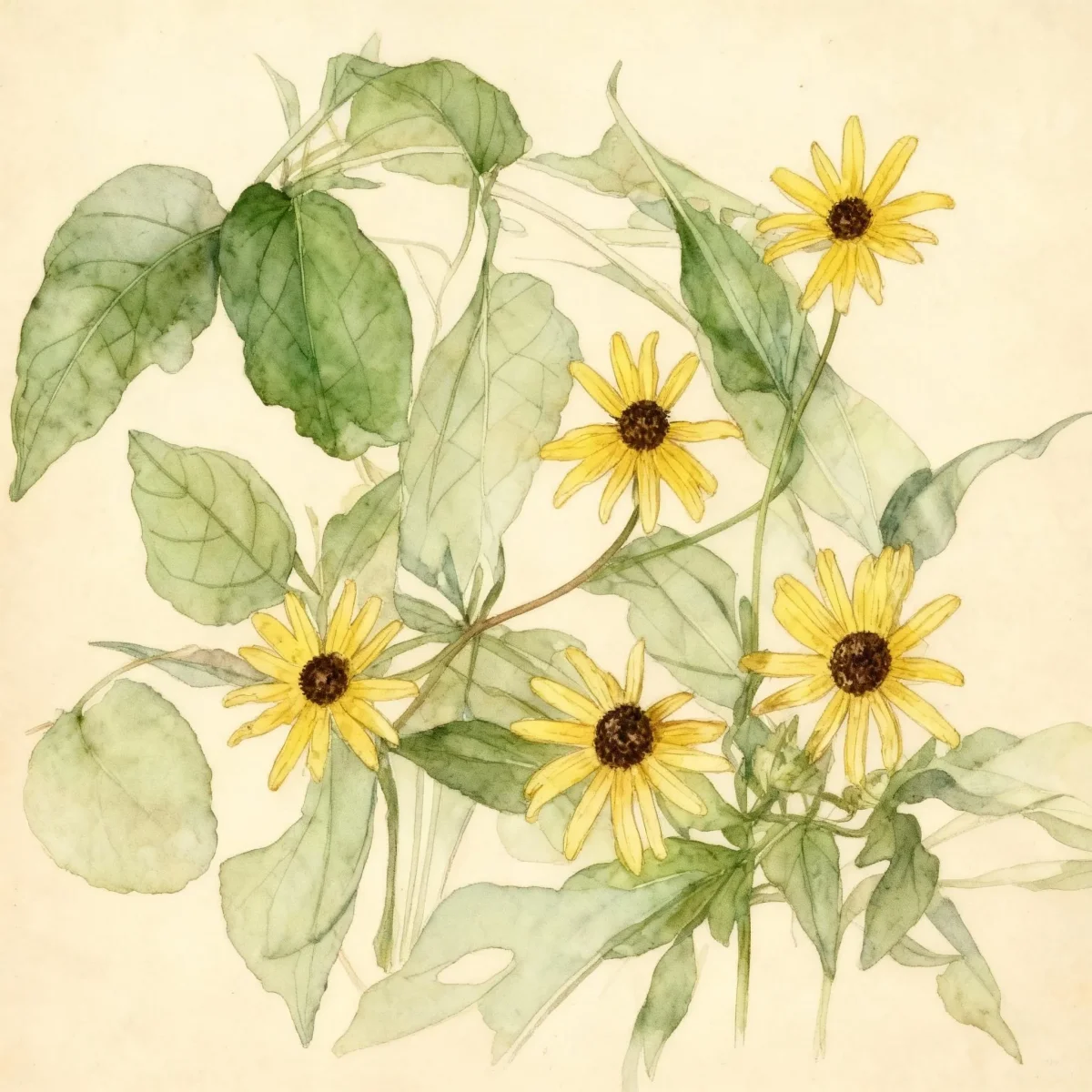
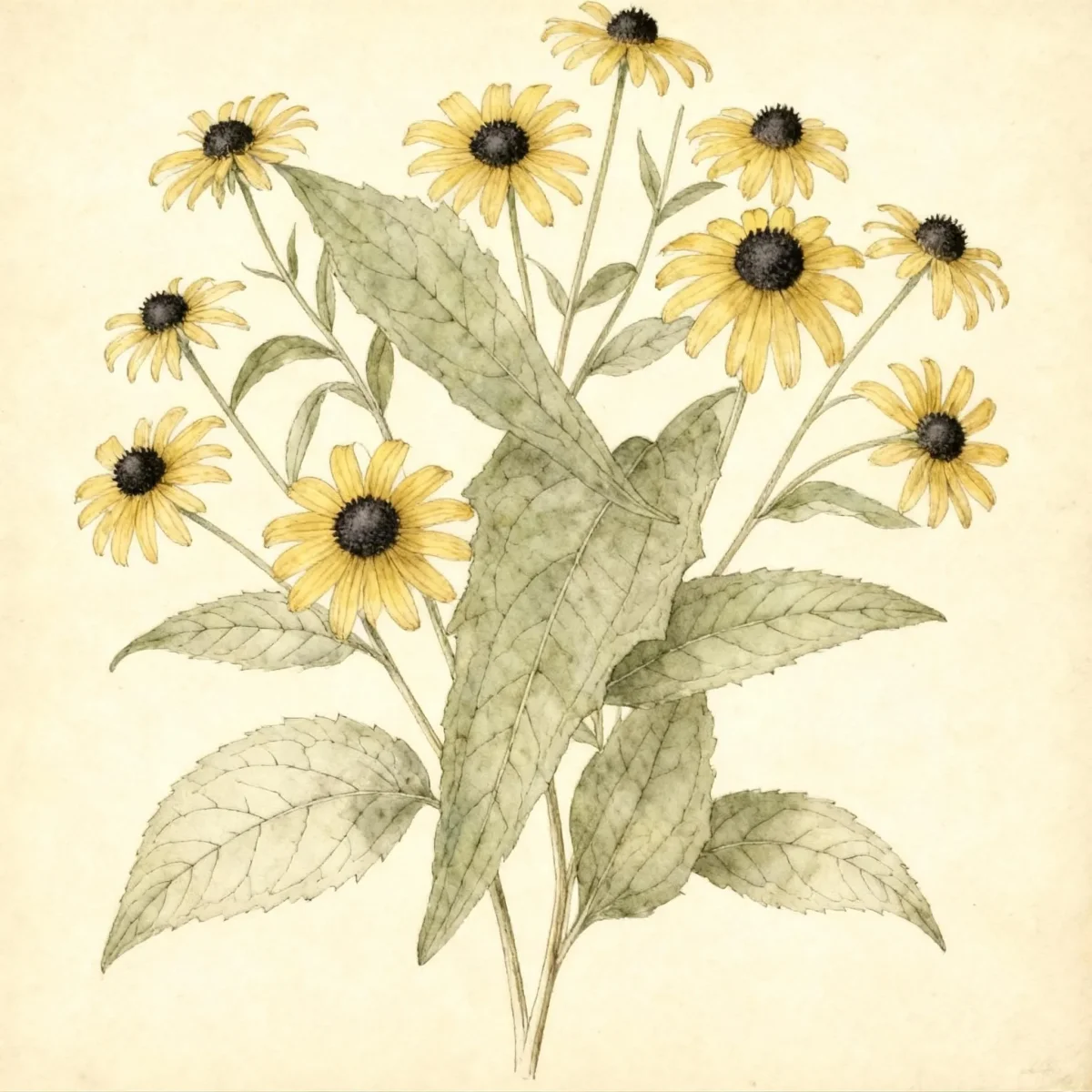
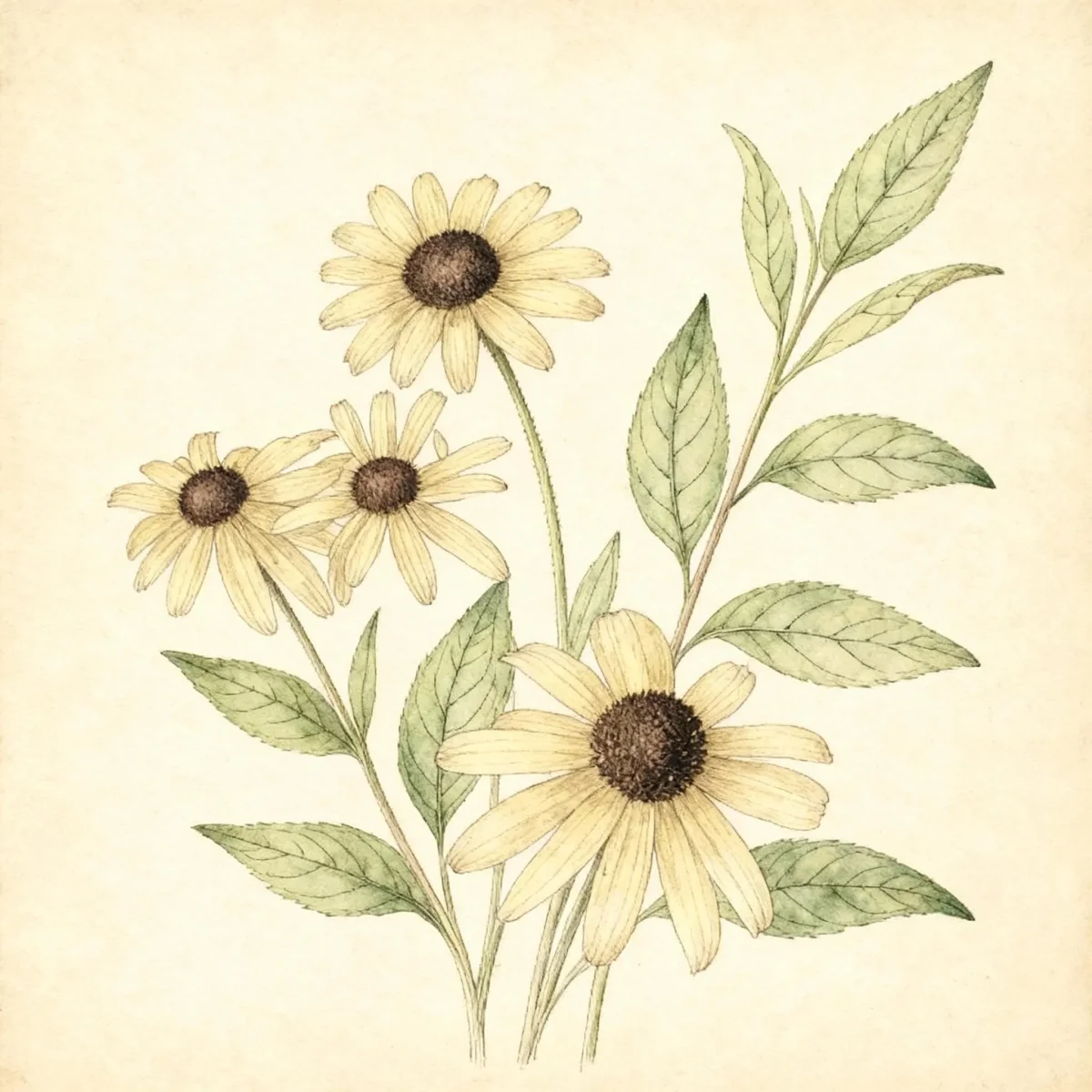
Black-eyed Susan (Rudbeckia fulgida 'Blovi' VIETTE'S LITTLE SUZY)
Rudbeckia fulgida 'Blovi' VIETTE'S LITTLE SUZY is a compact Black-eyed Susan, blooming yellow from July-Sept. Low maintenance & drought tolerant.
Scroll down to discover growing tips, care requirements, companion plants, and more
Complete Plant Information
Overview
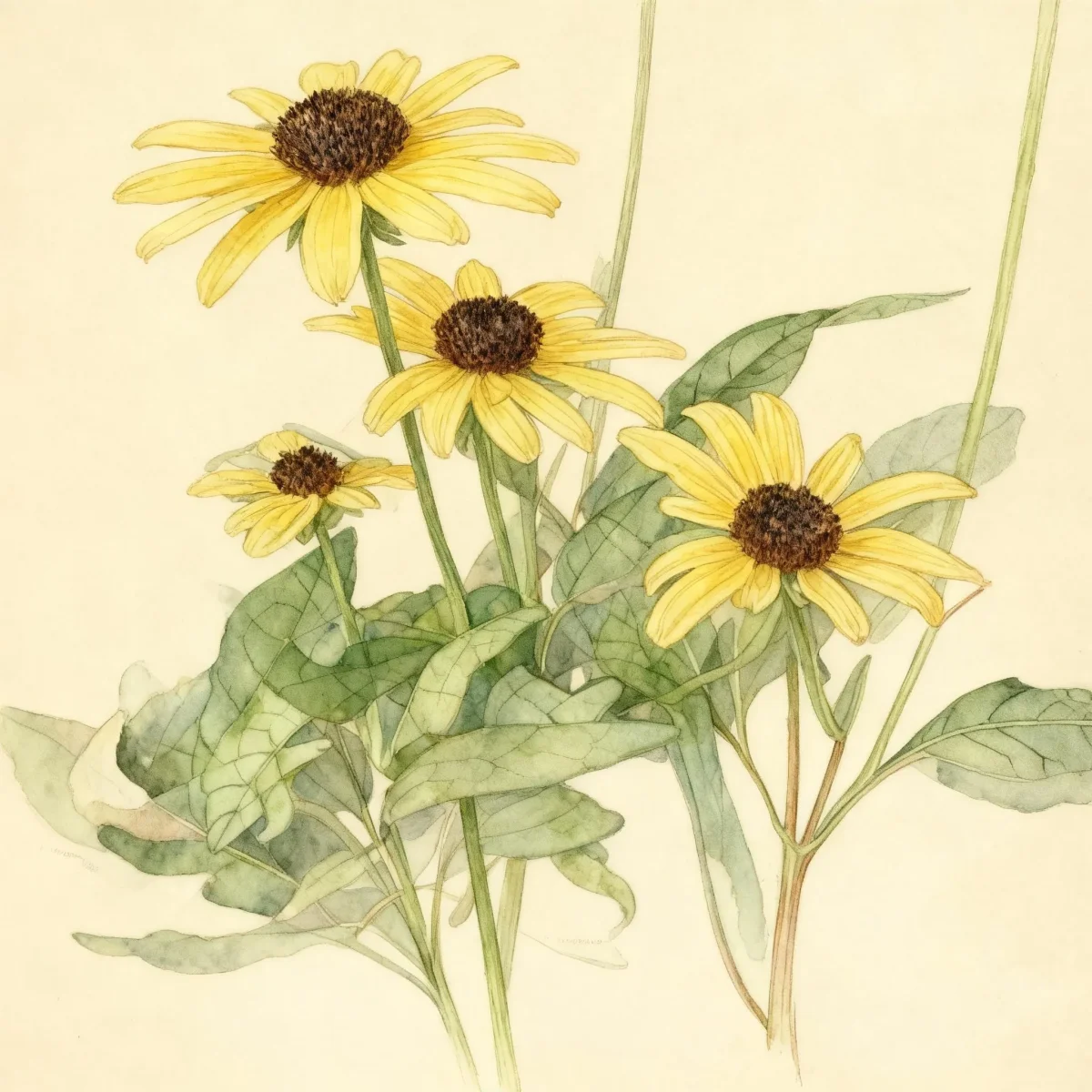
Rudbeckia fulgida ‘Blovi’ VIETTE’S LITTLE SUZY, commonly known as Black-eyed Susan, offers intense, season-long color perfect for adding punch to late-summer gardens. This compact cultivar remains shorter than its wildflower cousins, making it exceptionally valuable for borders where space is limited. It features classic daisy-like flowers with bright yellow rays surrounding dark brownish-purple centers.
As a strong herbaceous perennial, this variety thrives in a wide range of conditions once established, tolerating everything from poor clay soil to dry spells once rooted. The low maintenance requirements make Rudbeckia fulgida ‘Blovi’ VIETTE’S LITTLE SUZY an excellent choice for both novice and expert gardeners looking for reliable performance. This Black-eyed Susan also provides significant ecological benefits, attracting butterflies and offering seeds for birds through the fall.
Fast Facts
- Plant Family: Asteraceae
- Plant Type: Herbaceous perennial
- Hardiness Zones: USDA Zones 3-9
- Size at Maturity:
- Height: 1-1.5 ft
- Spread: 0.75-1 ft
- Bloom Time: July to September
- Bloom Description: Yellow
- Sun Exposure: Full sun
- Water Needs: Dry to medium
- Maintenance Level: Low
How to Grow
Plant this perennial in spring or fall after the danger of hard frost has passed. Rudbeckia fulgida ‘Blovi’ VIETTE’S LITTLE SUZY demands full sun for the best flowering performance, although it can handle a bit of light shade. It thrives in organically rich to average, well-drained soils, but happily adapts to many less-than-ideal conditions, including clay soil and dry soil.
Water consistently throughout the first growing season to help the rhizomatous plants establish strong root systems. While it appreciates moisture, it possesses noticeable drought tolerance once mature, aligning well with gardeners seeking low-water landscape solutions. Fertilizing is rarely necessary for established plants; over-fertilizing can lead to floppy growth.
Deadheading spent flowers will significantly encourage additional bloom production, extending the stunning display from mid-summer well into autumn. In the fall, consider leaving some seed heads intact to provide winter interest and food for birds before cutting back the foliage in early spring.
Landscape Uses
Rudbeckia fulgida ‘Blovi’ VIETTE’S LITTLE SUZY is a compact cultivar perfectly suited for mass planting in bold drifts, creating vibrant splashes of yellow color in the perennial border or cottage garden. Its relatively small stature—only reaching 1 to 1.5 feet tall—prevents it from overwhelming smaller plantings. This Black-eyed Susan creates a fantastic naturalized look in meadow settings or native plant gardens.
Due to its proven resilience against drought and clay, it is a reliable choice for rain gardens where soil composition can vary or where runoff occurs. These cheerful flowers also make excellent fresh cut flowers, and the dried heads retain good texture for winter arrangements.
Standout Features
Flower Qualities
- Showy
- Good Cut
- Good Dried
Noteworthy Characteristics
Rudbeckia fulgida is a native herbaceous perennial known for its prolific, rhizomatous clump-forming habit, often naturalizing in the wild. VIETTE’S LITTLE SUZY, specifically, is a compact cultivar growing only 10-15” tall, featuring daisy-like yellow flowers with dark center disks and providing blooms throughout the long mid-summer-to-fall season. The flowers are highly attractive to beneficial insect pollinators, including butterflies.
Tolerances
- Deer
- Drought
- Clay Soil
- Dry Soil
- Shallow-Rocky Soil
- Air Pollution
Potential Problems
While generally robust, Rudbeckia fulgida ‘Blovi’ VIETTE’S LITTLE SUZY can occasionally struggle with common perennial issues. Watch for sporadic outbreaks of aphids, which can usually be managed with a strong blast of water or insecticidal soap. Fungal diseases like powdery mildew or leaf spot can develop, particularly when air circulation is poor or humidity is high. Planting Rudbeckia fulgida ‘Blovi’ VIETTE’S LITTLE SUZY with adequate space and ensuring good air flow around the foliage is the best preventative measure.
Aster yellows is a more serious potential issue transmitted by leaf hoppers, though this is less common. Fortunately, deer tend to avoid browsing this Black-eyed Susan, making it safe for areas where deer pressure is high.
Frequently Asked Questions
What hardiness zones is Rudbeckia fulgida ‘Blovi’ VIETTE’S LITTLE SUZY suitable for?
This reliable perennial is hardy across USDA Zones 3 through 9, offering flexibility for many climates across North America.
How large does Black-eyed Susan grow?
Rudbeckia fulgida ‘Blovi’ VIETTE’S LITTLE SUZY is prized for remaining compact, typically reaching only 1 to 1.5 feet in height with a spread of 0.75 to 1 foot.
What sun exposure does Black-eyed Susan need?
For the absolute best flowering display, ensure your Rudbeckia fulgida ‘Blovi’ VIETTE’S LITTLE SUZY receives full sun daily.
When does Rudbeckia fulgida ‘Blovi’ VIETTE’S LITTLE SUZY bloom?
This variety delivers prolific color, blooming reliably with yellow flowers from mid-July straight through September.
Conclusion
The compact form and exceptional toughness of Rudbeckia fulgida ‘Blovi’ VIETTE’S LITTLE SUZY make it an indispensable component for vibrant, low-effort summer perennial displays. Its ability to tolerate dry soil and clay soil ensures success across diverse garden settings. Before planting, confirm that your site provides the required full sun exposure to maximize the season-long performance of this beloved Black-eyed Susan.
Companion Planting
This upright perennial integrates beautifully with other sun-loving plants that share a dry to medium moisture requirement. Pair the intense yellow of the Black-eyed Susan with cooling blues and purples for maximum contrast in the border. Excellent companions include Russian Sage (Perovskia), various ornamental grasses, or late-blooming purple coneflowers (Echinacea). Consider planting shorter varieties in front to layer the garden height effectively.
Wildlife Benefits
Rudbeckia fulgida ‘Blovi’ VIETTE’S LITTLE SUZY is a pollinator magnet, providing crucial nectar resources during the late summer lull when many spring bloomers have faded. The dark central seed disks are highly sought after by seed-eating birds, especially finches, later in the season. Allowing seed heads to remain standing through winter offers structural interest and vital food sources when the garden is otherwise bare.