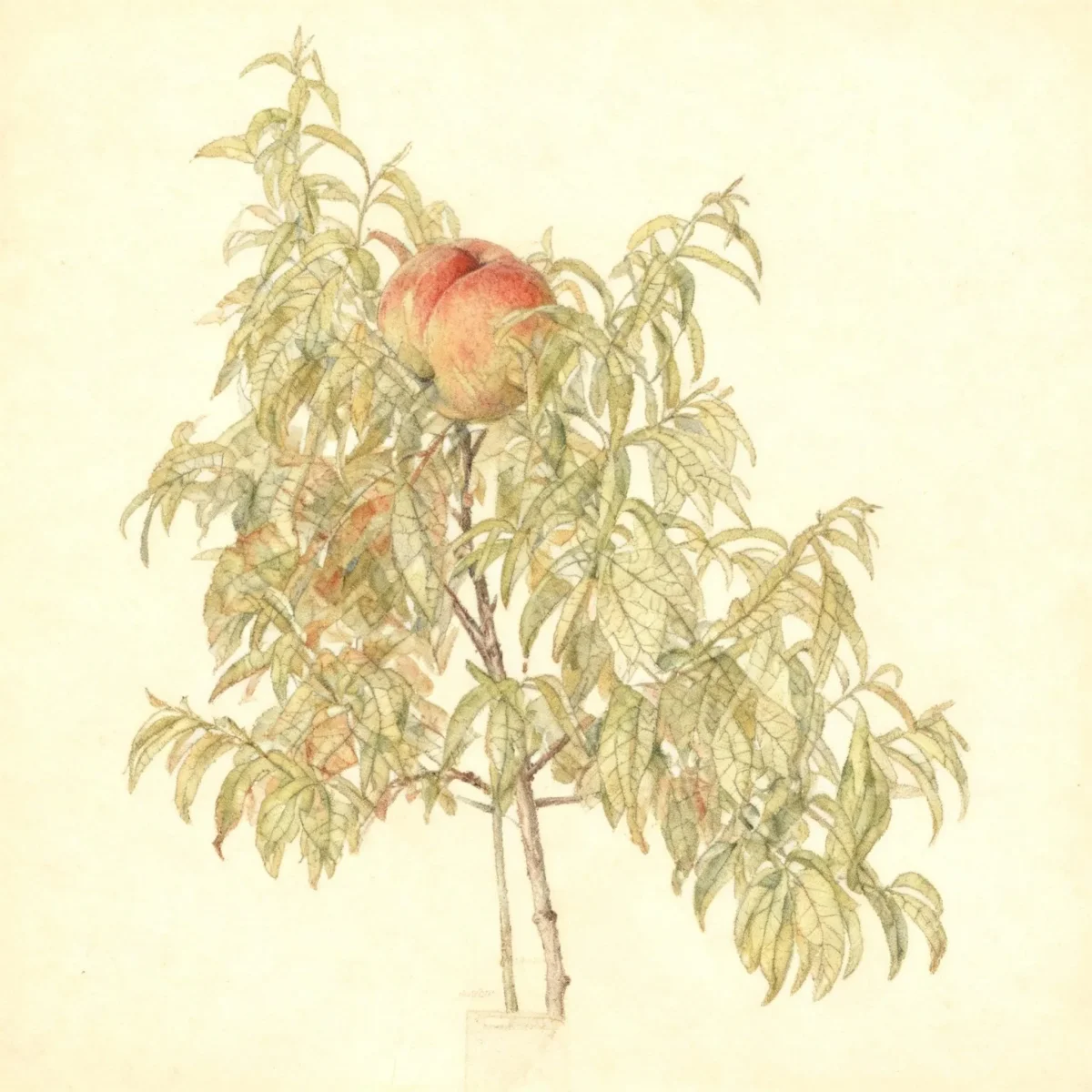
Peach (Prunus persica 'Reliance')
The cold-hardy Prunus persica 'Reliance' Peach offers pink blooms and edible freestone fruit, ideal for home gardens in Zones 5-8.
Scroll down to discover growing tips, care requirements, companion plants, and more
Complete Plant Information
Overview
Prunus persica ‘Reliance’, commonly known as Peach, is highly valued by home gardeners for delivering reliable crops of luscious fruit even after experiencing significant winter cold. This cultivar is specifically noted for its superior cold hardiness, frequently producing harvests where less resilient varieties fail. Beyond its fruit, the early spring display of soft pink blossoms adds significant aesthetic appeal to the landscape.
As a grafted fruit tree, the size of the Prunus persica ‘Reliance’ is often controlled by its rootstock, making this variety particularly manageable. Dwarf forms fit well into smaller garden spaces while still bearing standard, edible fruit. While requiring attentive care, the reward is a steady supply of early to mid-August peaches.
Grown primarily for its edible output, the ‘Reliance’ Peach transitions well into small yards where full summer sun exposure is available. Its combination of high-value fruit and beautiful spring flowers makes it a staple in productive backyard orchards.
Fast Facts
- Plant Family: Rosaceae
- Plant Type: Fruit
- Hardiness Zones: USDA Zones 5-8
- Size at Maturity:
- Height: 8-10 ft
- Spread: 8-10 ft
- Bloom Time: March to April
- Bloom Description: Pink
- Sun Exposure: Full sun
- Water Needs: Medium
- Maintenance Level: High
How to Grow
Planting should occur when the tree is dormant, typically in late winter or early spring, ensuring well-drained soil and full sun exposure. Avoid planting Prunus persica ‘Reliance’ in soil previously occupied by other stone fruits to minimize disease carryover. Proper soil preparation is essential, as this Peach cultivar demands good drainage.
Care for this Peach tree is intensive, aligning with its ‘High’ maintenance rating. It requires regular watering to maintain medium soil moisture, especially during fruit development, alongside consistent fertilization. Pruning is critical for air circulation, shape, and optimizing fruit production, best performed during the dormant season.
Because potential pest and disease pressures are high, plan for a regular regimen of chemical spraying throughout the growing season to ensure a clean and plentiful harvest. Site selection is important; choose a location where any necessary spraying will not drift onto sensitive adjacent areas.
Although ‘Reliance’ is known for enduring temperatures down to -25F, protecting flower buds from late spring frosts remains a concern. Monitor regional weather, as even cold-hardy buds can be damaged by late-season freezes that prevent blooming entirely.
Landscape Uses
The dwarf nature of many commercially available Prunus persica ‘Reliance’ trees makes them remarkably versatile for smaller landscapes. This variety fits perfectly into sunny spots located toward the back of borders or as a specimen feature where its spring bloom can be fully appreciated. Planting this Peach near patios or decks allows for easy monitoring and harvesting access throughout the summer.
When integrating this tree, consider companions that thrive under similar full sun and well-drained conditions. Spring bulbs planted beneath the canopy can offer early color before the main show of the tree begins. Ensure spacing allows for adequate airflow, which is crucial for minimizing fungal issues common to stone fruits.
For edible landscaping designs, the ‘Reliance’ Peach serves as a strong vertical anchor. Its manageable height (8-10 ft) allows for integration into mixed fruit plantings without overwhelming smaller shrubs or perennial borders.
Standout Features
Flower Qualities
- Showy
Fruit Qualities
- Showy
- Edible
Noteworthy Characteristics
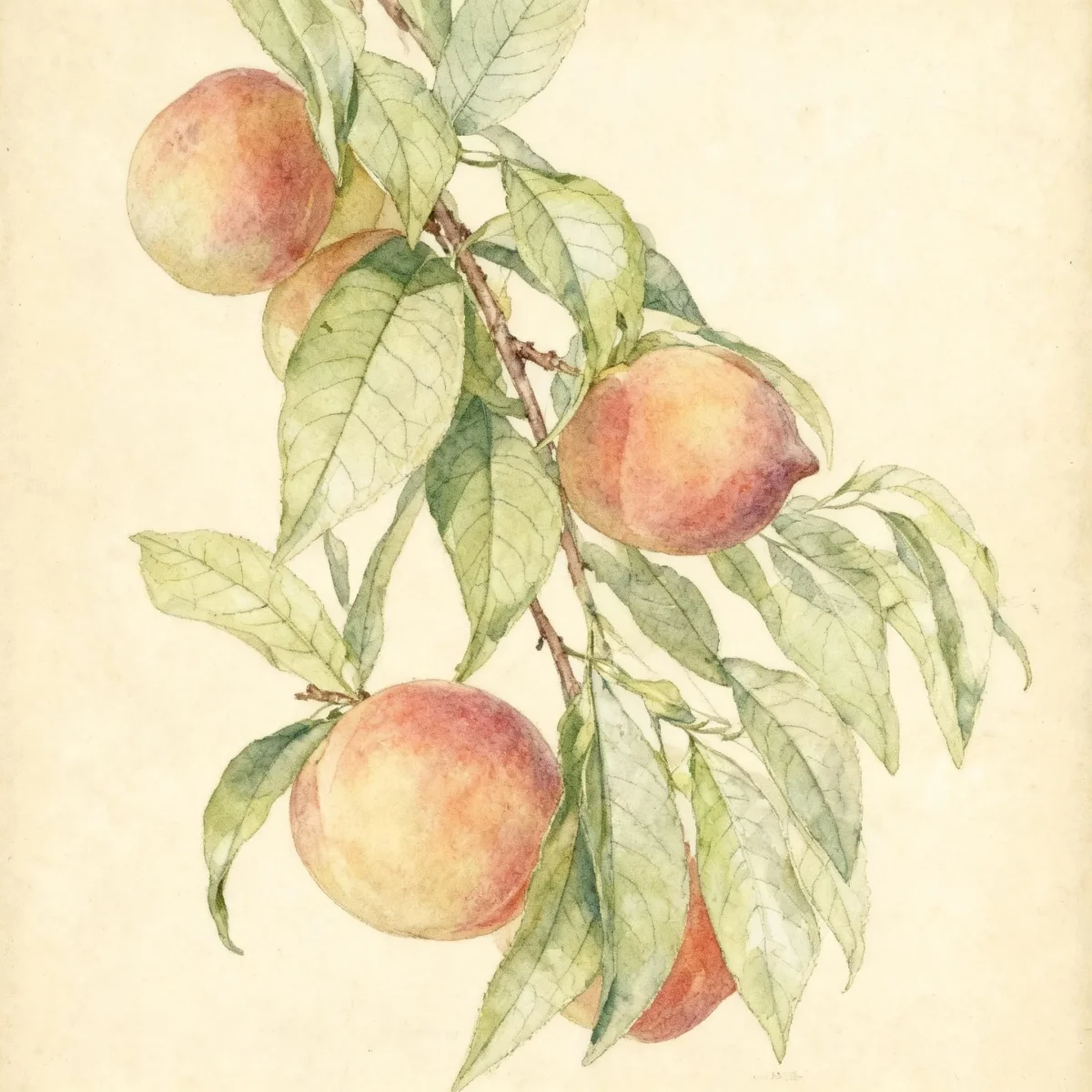
Prunus persica, commonly called peach, is native to China and is prized globally for its sweet fruit. While species trees can reach 25 feet, modern cultivars like ‘Reliance’ are grafted onto rootstocks that strictly control mature size, resulting in a dwarf form usually topping out around 8-10 feet tall, making management easier. This specific variety is renowned for producing soft pink blossoms followed by medium to large freestone peaches featuring yellow flesh blushed with red, ripening reliably in early to mid-August in Zone 5 conditions.
Tolerances
Potential Problems
Peaches, including Prunus persica ‘Reliance’, face susceptibility to numerous serious pests and diseases, necessitating a proactive management plan. Potential disease issues include peach leaf curl, brown rot, canker, and bacterial leaf spot. Insect threats range from peach tree borer and plum curculio to root nematodes and aphids.
Mitigating these problems requires a schedule of preventative chemical spraying throughout the year, particularly targeting diseases that emerge during wet spring weather. Monitoring closely for early signs of infestation allows for targeted treatment rather than broad-spectrum application.
While ‘Reliance’ is celebrated for its exceptional cold hardiness—reportedly surviving temperatures as low as -25F—late spring frosts remain a risk that can still eliminate vulnerable flower buds and compromise the year’s crop potential.
Frequently Asked Questions
What hardiness zones is Peach suitable for?
Prunus persica ‘Reliance’ is reliably hardy in USDA Zones 5 through 8.
How large does Peach grow?
This dwarf Peach typically achieves a mature height and spread between 8 and 10 feet tall and wide.
What sun exposure does Peach need?
For optimal fruit production and health, the Peach requires full sun exposure throughout the day.
When does Peach bloom?
This variety blooms relatively early, typically from March to April, displaying attractive pink flowers.
Conclusion
The cold-hardy Prunus persica ‘Reliance’ Peach is an excellent choice for home growers seeking flavorful, freestone fruit combined with manageable tree size. Its renowned ability to withstand deep winter cold provides an added layer of security for gardeners in colder regions. Before planting, confirm your location falls within USDA Zones 5-8 and be prepared to commit to the necessary high level of seasonal care for successful fruiting.
Companion Planting
Selecting appropriate neighbors is key when growing a high-maintenance fruit tree like the Peach. Plants that require sharp drainage and similar sun exposure will thrive nearby. Consider planting early spring bulbs like daffodils or tulips around the drip line; their bloom time precedes the need for heavy pruning or spraying on the Prunus persica ‘Reliance’ tree.
When planning the understory, avoid competitive shallow-rooted vegetables near the base that might aggressively vie for the medium water supply that the Peach needs. Choosing low-growing herbs or ground covers that do not compete heavily for root space or harbor specific pests can enhance overall garden health.
Seasonal Care Calendar
Spring is critical for fruit setting and disease prevention; apply dormant oil sprays before bud swell and plan your first fungicidal applications targeting peach leaf curl just as buds begin to break. Summer management focuses on consistent watering—especially during the weeks leading up to the early August harvest—and monitoring fruit thinning needs to ensure remaining peaches reach full size.
Fall preparation involves clearing debris from beneath the tree to remove potential overwintering sites for pests like the plum curculio. Winter is the time for major structural pruning when the tree is dormant; removing crossed or weak branches maintains the open structure needed for sunlight penetration and air movement, further defending the delicate Prunus persica ‘Reliance’ against disease.