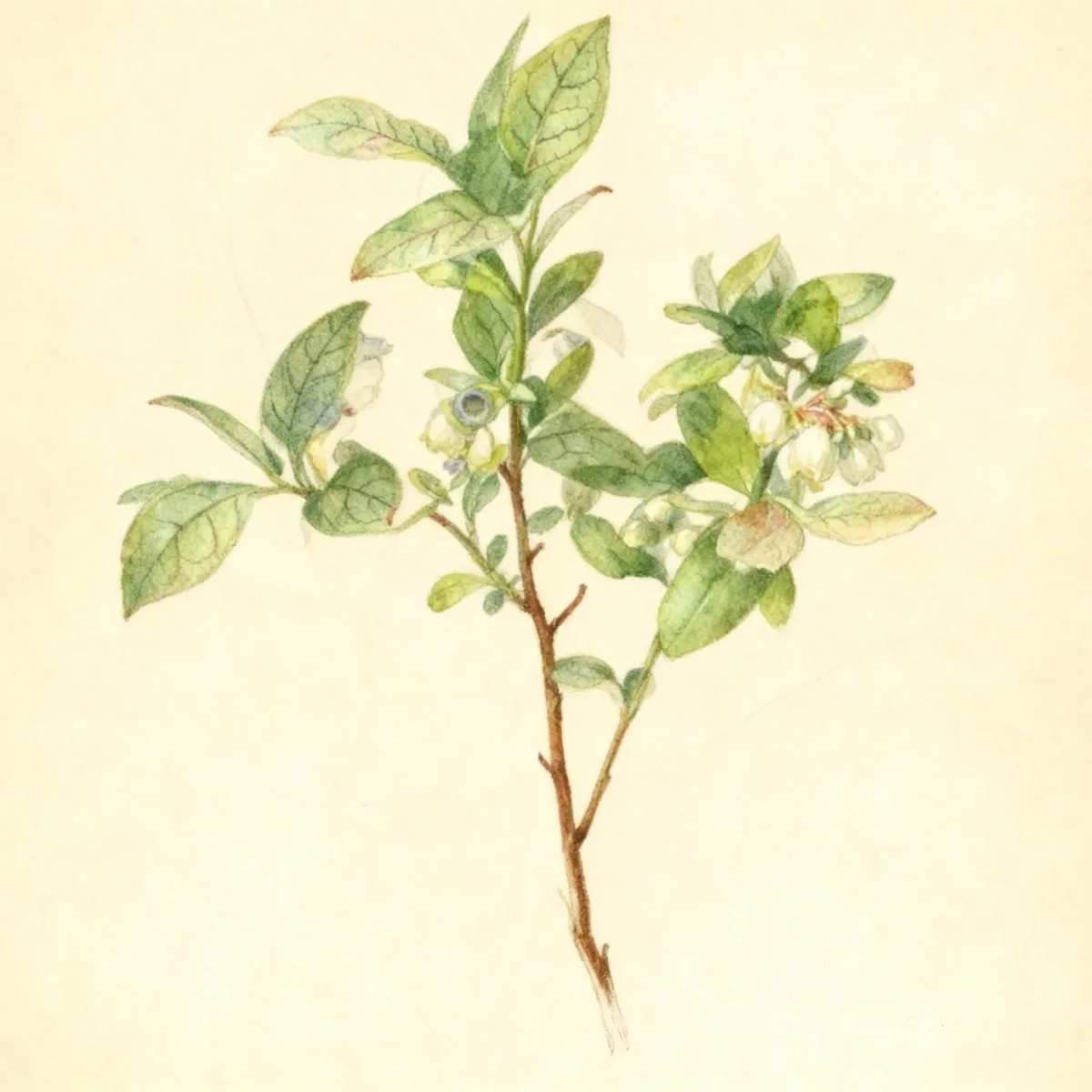
Highbush blueberry (Vaccinium corymbosum 'Bluecrop')
Vaccinium corymbosum 'Bluecrop' is a reliable Highbush blueberry offering edible fruit, attractive white spring flowers, and good fall color.
Scroll down to discover growing tips, care requirements, companion plants, and more
Complete Plant Information
Overview
Vaccinium corymbosum ‘Bluecrop’, commonly known as the Highbush blueberry, is a highly valued deciduous shrub celebrated for its reliable mid-season fruit production and aesthetic appeal throughout the year. Gardeners prize this variety for its sturdy, upright growth habit and the transition of its dark green summer foliage into vibrant coppery red tones each autumn. This selection provides ornamental interest through its white spring flowers, delicious edible berries, and attractive winter stems.
As a classic North American native, the Highbush blueberry thrives best when provided with specific, consistent conditions that mimic its preferred moist woodland habitat. Successful cultivation depends heavily on achieving the correct acidic soil pH, ensuring adequate moisture retention, and maximizing sun exposure for the best fruiting potential.
Planting Vaccinium corymbosum ‘Bluecrop’ offers significant practical benefits, yielding sweet, edible berries perfect for fresh eating or processing, while also contributing excellent structure to shrub borders or informal plantings. Its year-round visual interest makes it a versatile addition to any productive landscape design.
Fast Facts
- Plant Family: Ericaceae
- Plant Type: Fruit
- Hardiness Zones: USDA Zones 5-7
- Size at Maturity:
- Height: 6-8 ft
- Spread: 6-8 ft
- Bloom Time: May
- Bloom Description: White
- Sun Exposure: Full sun to part shade
- Water Needs: Medium to wet
- Maintenance Level: Medium
How to Grow
The key to success with Highbush blueberry varieties like ‘Bluecrop’ lies in managing soil chemistry and moisture. Plant during cool seasons (spring or fall) in locations receiving full sun to light afternoon shade. The soil must be acidic, ideally exhibiting a pH between 4.8 and 5.2, organically rich, and consistently medium to wet, yet well-drained due to the shallow, fibrous root system. Applying a good layer of organic mulch will help retain the necessary constant moisture around the roots.
Watering should be consistent, as blueberries do not tolerate drying out, especially during fruit development. While they are considered self-fertile, planting Vaccinium corymbosum ‘Bluecrop’ near another compatible blueberry cultivar ensures cross-pollination, leading to significantly larger berries and greater overall yields. For extended harvest, plan plantings to include early, mid-season, and late varieties.
Pruning is crucial for long-term health and production. Do not allow newly planted specimens to fruit in the first year or two; remove flowers to encourage strong vegetative growth instead. Begin necessary pruning in late winter, starting in the third year after planting, focusing on removing older, unproductive wood to stimulate new fruiting canes.
Landscape Uses
The Vaccinium corymbosum ‘Bluecrop’ is remarkably versatile in landscape design, serving excellently as a functional hedge or a beautiful specimen plant. Its dense, rounded habit provides excellent screening and structure, making it a perfect fit for shrub borders or less formal plantings within native garden areas. This Highbush blueberry integrates seamlessly into woodland settings, especially when used alongside other acid-loving plants.
For optimal aesthetic impact and productivity, consider siting ‘Bluecrop’ near azaleas and rhododendrons, as these companions share the crucial requirement for low pH soil. The combination provides continuous seasonal interest, from spring flowers to summer fruit and vibrant fall color. Furthermore, planting it as a hedge offers the dual reward of defining space while providing a convenient, easily accessible source of harvestable fruit.
Standout Features
Flower Qualities
- Showy
Fruit Qualities
- Showy
- Edible
Noteworthy Characteristics
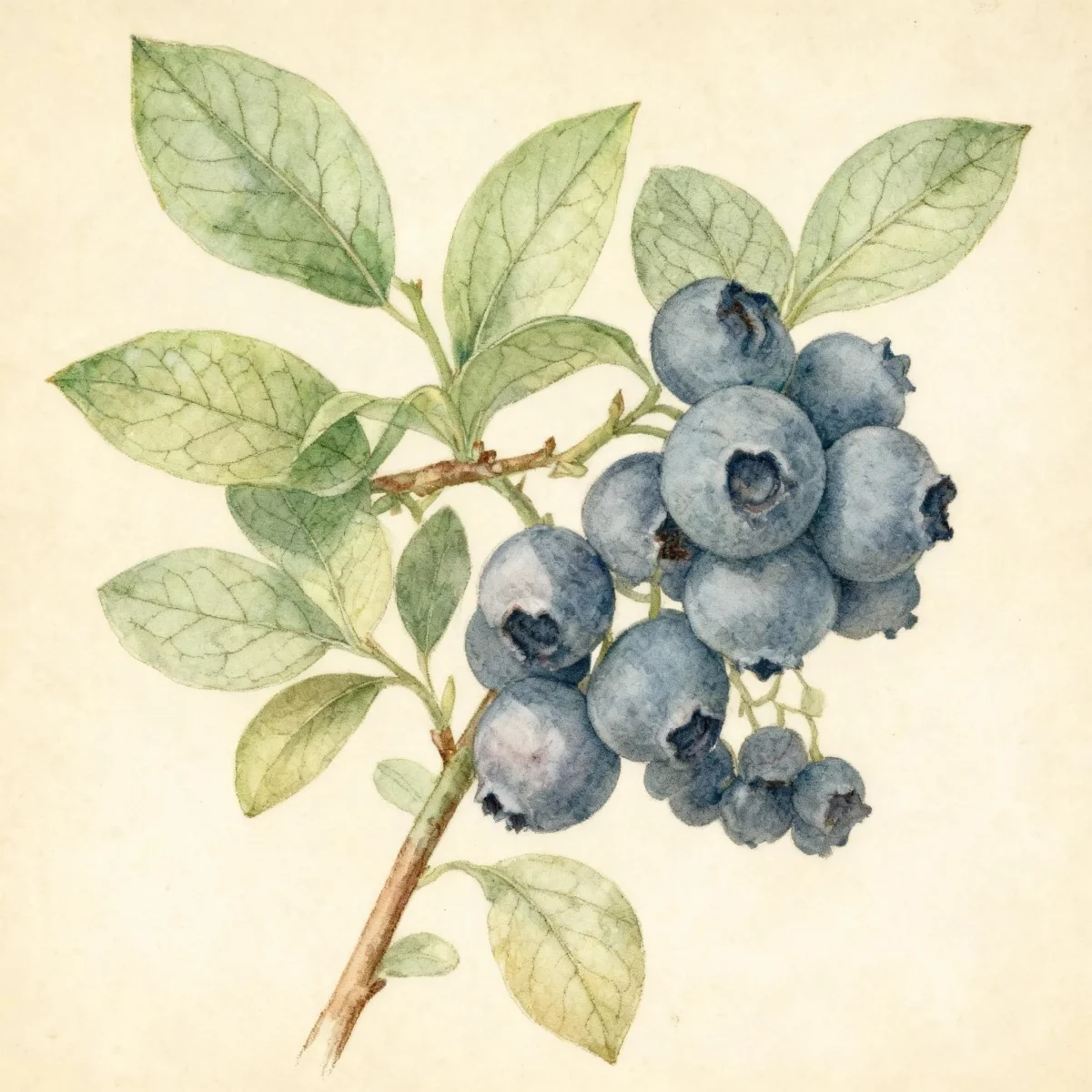
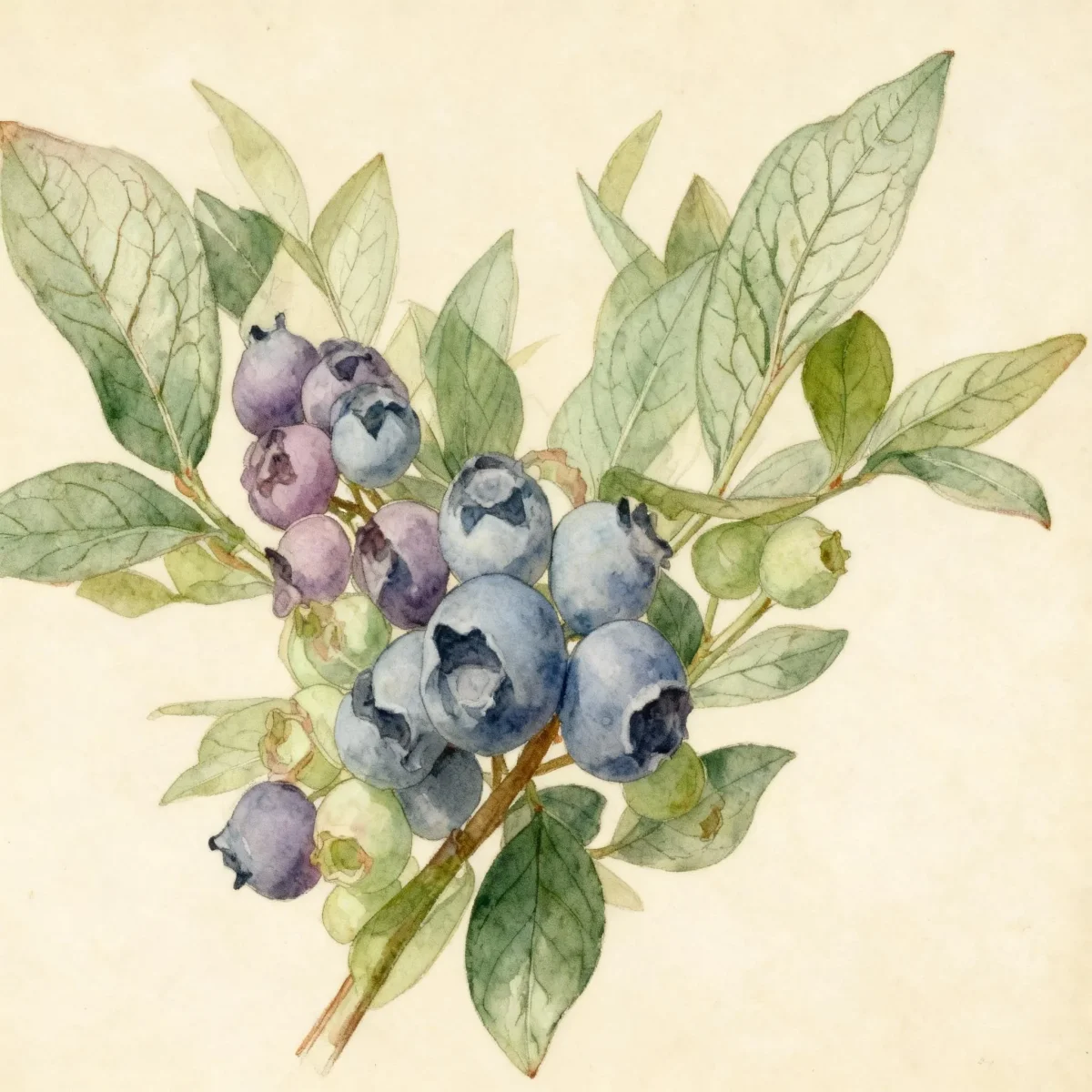
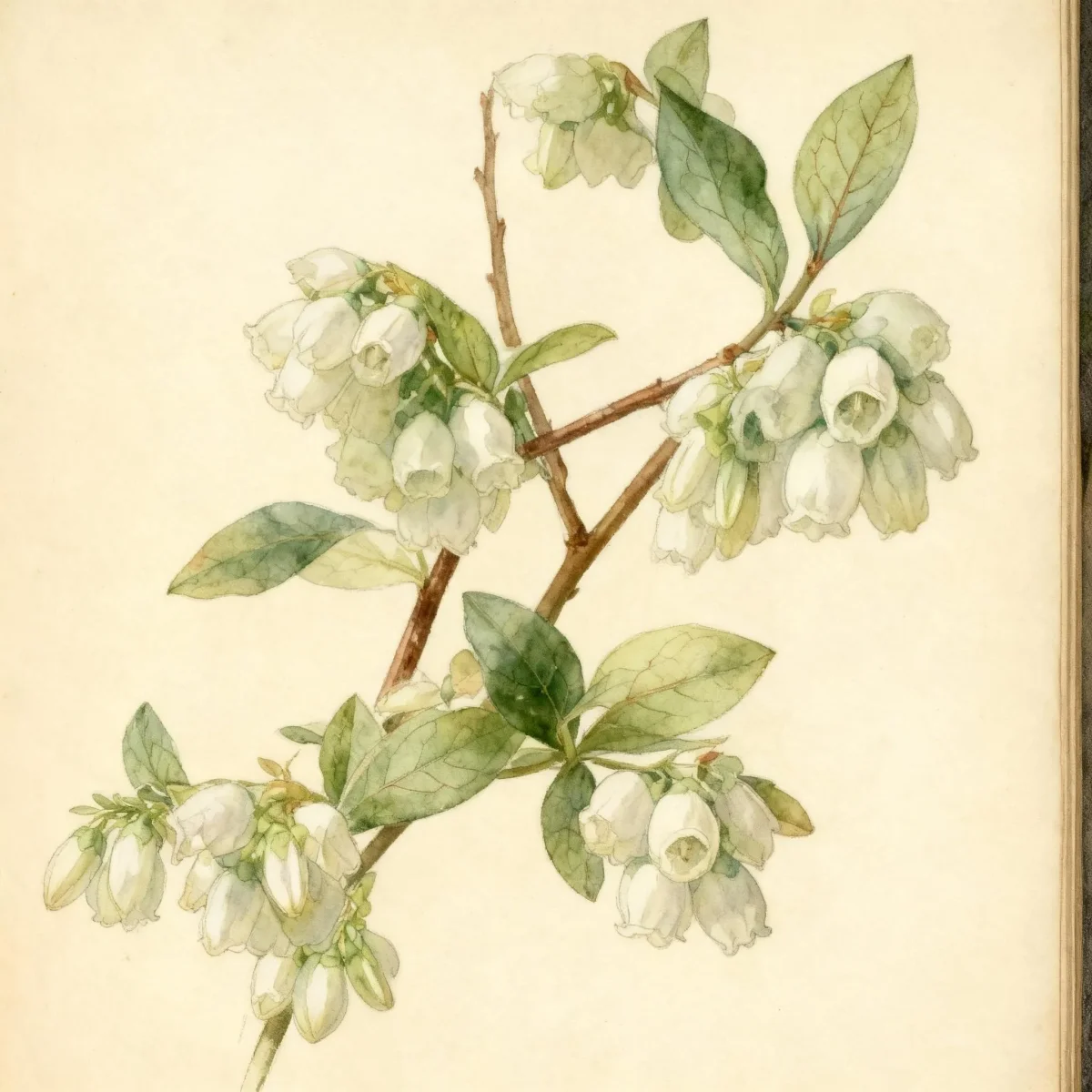
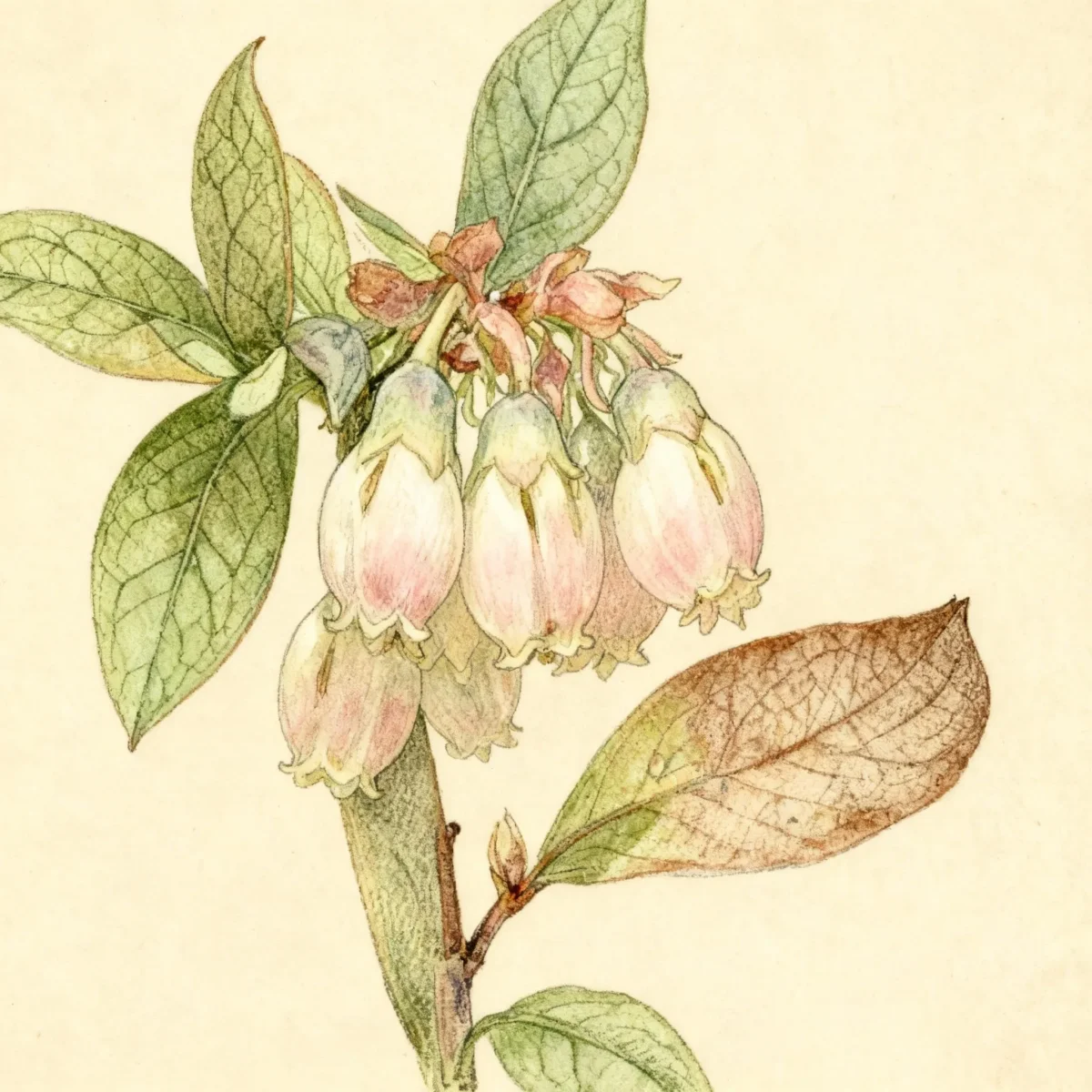
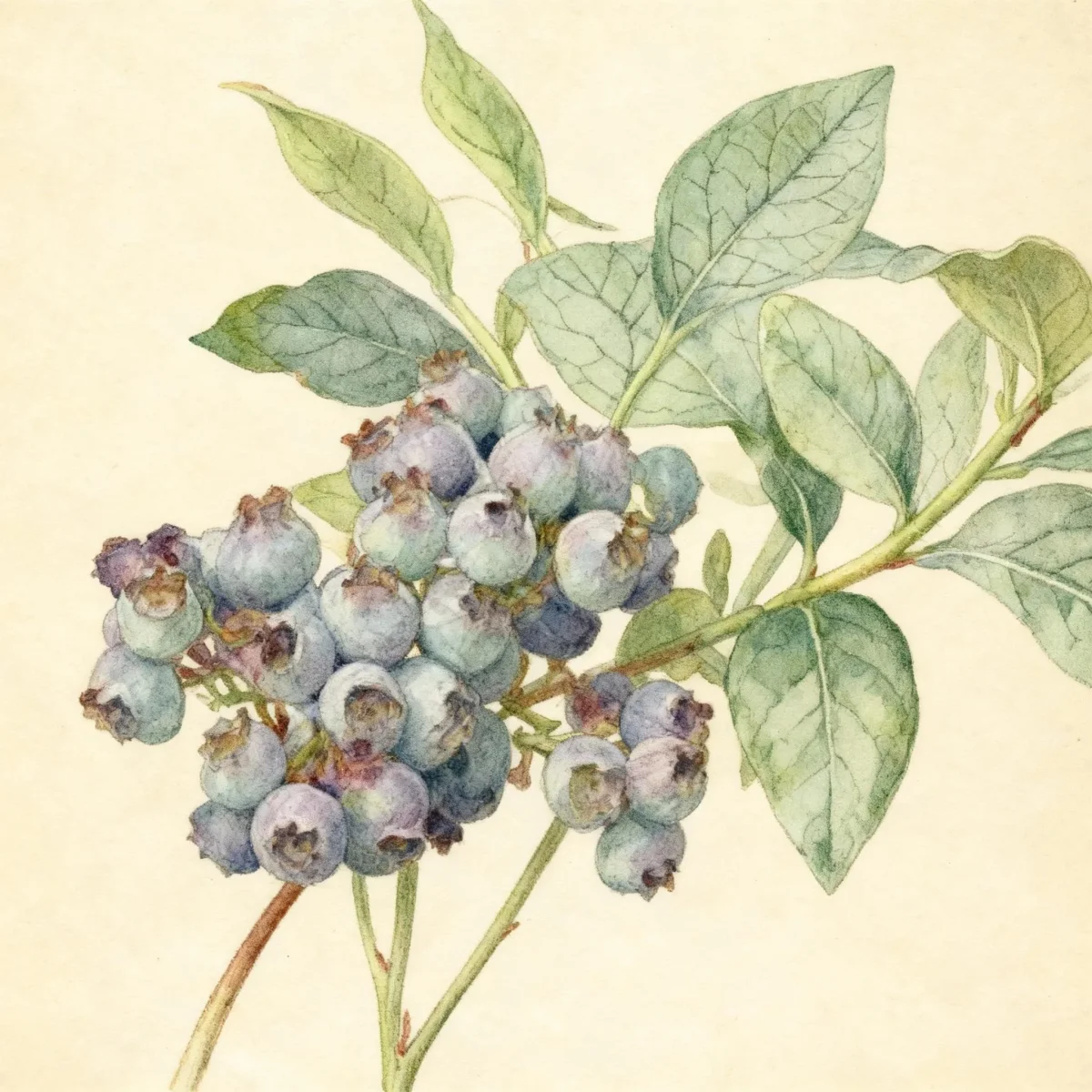
Vaccinium corymbosum, commonly known as highbush blueberry, is an upright, deciduous shrub native to eastern North America where it typically grows in moist woods, bogs, swamps and low areas. Mature plants will reach around 5-8’ tall with an equal spread and a dense, rounded habit. The dark green, ovate to elliptic foliage can reach 3” long and 1” wide and turns bright shades of coppery red in fall. Loose corymbs of white, pendulous, urn-shaped flowers bloom in spring. The flowers can also have a pale pink tinge. The round, sweet berries are dark blue to purple with a dull, blue-grey bloom on their surface.The genus name Vaccinium comes from an ancient Latin name apparently derived from a prehistoric Mediterranean language. Its origin and meaning are generally considered to be lost to time.Specific epithet refers to the flowers and fruits being in a corymb.‘Bluecrop’ prduces light blue blueberries (to 1/2” diameter) which ripen in mid-season (mid to late July in USDA Zone 5). Ovate, dark green leaves (to 3.5” long) turn attractive shades of red in fall. Reddish stems can be attractive in winter. ‘Bluecrop’ grows well in Missouri.
Tolerances
Potential Problems
Birds represent the most common early threat during the harvest period; plan on covering your Highbush blueberry plants with netting as the fruit begins to ripen to protect your hard-earned crop. Soil pH management is critical; if planted in alkaline or high pH soils, the plant will suffer from chlorosis, manifesting as yellowing leaves due to nutrient lockout, especially iron. While generally hardy, infrequent disease issues can include stem blight, root rot, anthracnose, cane cankers, mildew, and botrytis. Watch for specific pests like the blueberry maggot, cherry fruit worm, spotted wing drosophila attacking the fruit, and the fungal disease mummy berry, which causes berries to shrivel prematurely.
Prevention focuses on site selection and cultural care. By ensuring excellent drainage and maintaining correct soil acidity, you dramatically reduce the likelihood of fungal and root issues. Regular pruning helps maintain air circulation, further mitigating disease pressure. If bird damage is severe, netting applied just as the fruit color begins to develop is the most effective physical barrier.
Frequently Asked Questions
What hardiness zones is Highbush blueberry suitable for?
Vaccinium corymbosum ‘Bluecrop’ is reliably hardy in USDA Zones 5 through 7.
How large does Highbush blueberry grow?
This cultivar generally reaches a mature height between 6 to 8 feet, with a comparable spread of 6 to 8 feet, maintaining a dense, rounded habit.
What sun exposure does Vaccinium corymbosum ‘Bluecrop’ need?
This plant performs best in full sun but can tolerate partial shade, though full sun encourages better fruit set.
When does Highbush blueberry bloom?
The pendulous, urn-shaped flowers appear in May and are typically white.
Conclusion
The Highbush blueberry, specifically the dependable ‘Bluecrop’ cultivar, offers gardeners a fantastic combination of ornamental beauty across four seasons and highly desirable fruit production. Its robust nature, coupled with stunning fall color, ensures it adds value far beyond the harvest. Before planting, confirm your site conditions meet the acidic pH and moisture needs of Vaccinium corymbosum ‘Bluecrop’ to guarantee a thriving, productive shrub for years to come.
Companion Planting
Blueberries share very strict soil requirements, making companion planting choices straightforward but necessary. Pair Vaccinium corymbosum ‘Bluecrop’ with other acid-loving plants such as evergreen azaleas, rhododendrons, and camellias to create cohesive, thriving garden pockets. These companions benefit from the same soil amendments you apply to maintain the low pH required for healthy blueberry growth.
Avoid planting shallow-rooted vegetables or moisture-sensitive perennials immediately adjacent to blueberries, as blueberries require consistent, damp soil conditions that might overwhelm less tolerant neighbors. For non-fruiting companions, consider groundcovers that also prefer slightly acidic conditions, helping to keep the soil cool and moist around the shallow blueberry roots.
Seasonal Care Calendar
Spring is the critical preparation season for Vaccinium corymbosum ‘Bluecrop’; this is the time to apply a fresh layer of organic mulch, check soil pH, and perform the light pruning needed to remove any winter-damaged wood before new growth starts. Once blooming begins in May, hand-pollination can be encouraged or simply rely on bees, ensuring adequate watering through the summer as berries swell.
As summer progresses into late season, vigilantly monitor ripening fruit for bird activity and apply netting if necessary, while maintaining consistent moisture levels. Fall marks the spectacular display of coppery red foliage; after leaf drop, focus on cleanup, removing fallen leaves to reduce overwintering disease spores, preparing the plant for dormancy. Winter is the ideal time for structural pruning, starting in the third year, and applying dormant horticultural oil if pest history warrants it.