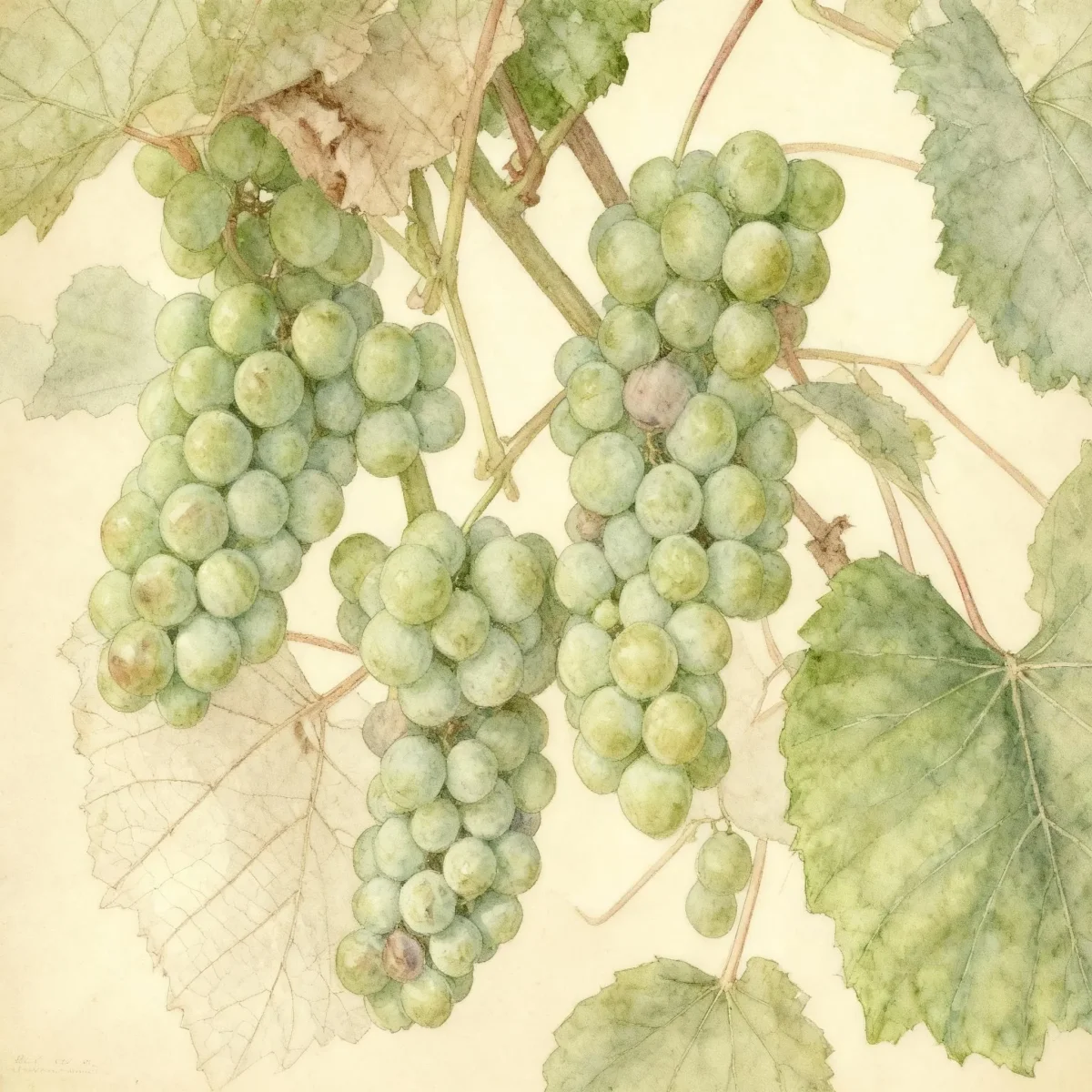
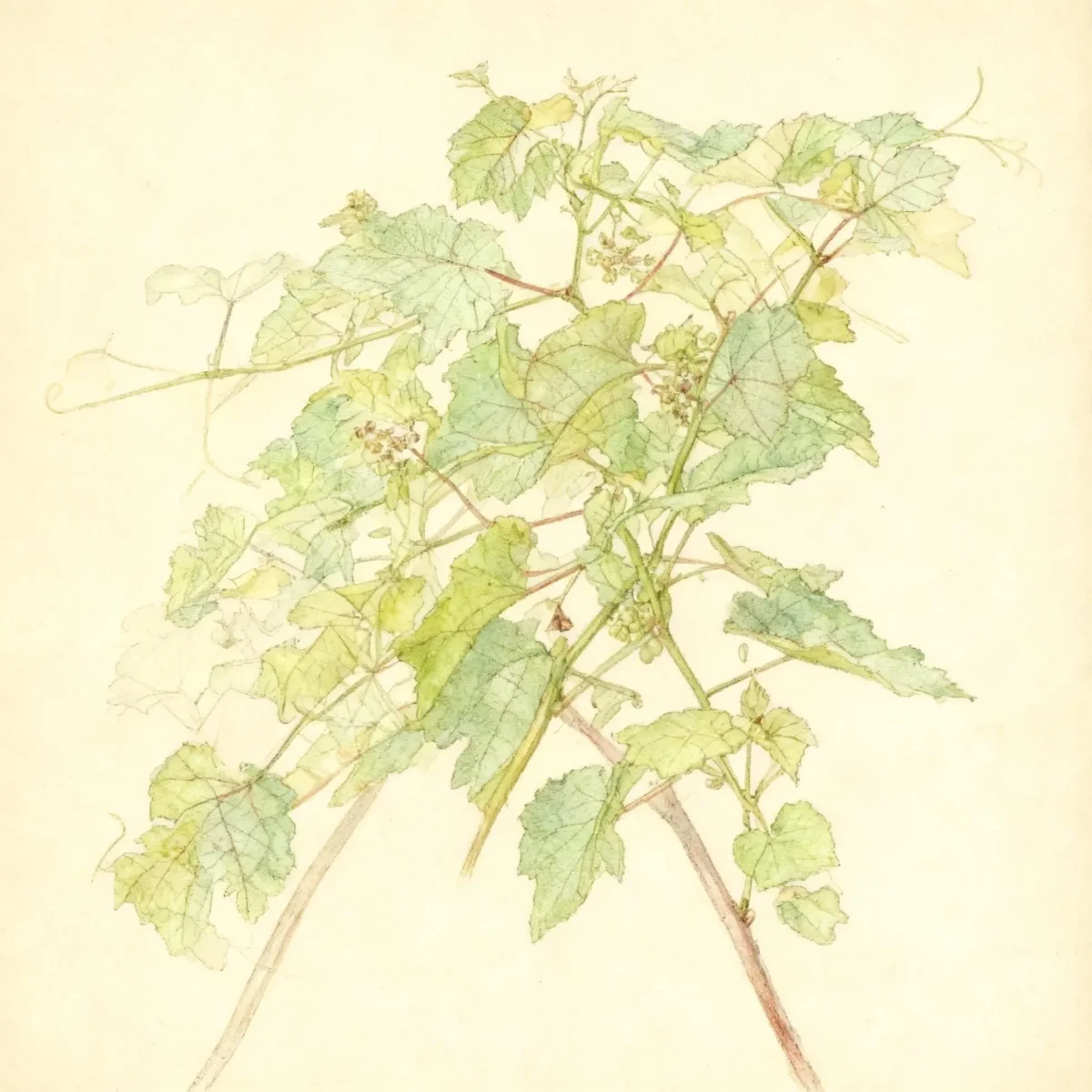
Grape (Vitis 'SV-5276' SEYVAL BLANC)
Vitis 'SV-5276' SEYVAL BLANC Grape is a showy, edible fruit hybrid vine thriving in Zones 5-7, requiring high maintenance but offering dry white wine potential.
Scroll down to discover growing tips, care requirements, companion plants, and more

Complete Plant Information
Overview
The Vitis ‘SV-5276’ SEYVAL BLANC, commonly known as Grape, is a highly valued French-American hybrid vine primarily cultivated for its excellent wine-making potential, yielding a dry, medium-bodied white wine. Gardeners appreciate this compact, woody, deciduous vine for its functional beauty, featuring bold foliage and clusters of medium-sized green grapes that ripen in the mid-season. While requiring significant attention, growing Vitis ‘SV-5276’ SEYVAL BLANC offers the reward of fresh fruit or the base for home winemaking when properly managed.
This particular cultivar, often sold simply as SEYVAL BLANC, presents panicles of fragrant flowers in the spring, attracting beneficial bees before setting fruit. As an aggressive, tendril-climbing vine, it demands robust structural support and consistent cultural input to maximize its impressive fruit production potential. Successful cultivation hinges on providing ideal soil conditions and diligent vineyard management practices.
Fast Facts
- Plant Family: Vitaceae
- Plant Type: Fruit
- Hardiness Zones: USDA Zones 5-7
- Size at Maturity:
- Height: 15-20 ft
- Spread: 8-15 ft
- Bloom Time: May to June
- Bloom Description: Greenish
- Sun Exposure: Full sun
- Water Needs: Medium
- Maintenance Level: High
How to Grow
For optimal establishment, plant Vitis ‘SV-5276’ SEYVAL BLANC in the early spring after the danger of hard frost has passed. The ideal location must receive full sun exposure throughout the day. Ensure the planting site promotes excellent drainage, as this Grape variety performs best in deep, loamy soils, though it tolerates average garden conditions provided water does not stagnate. Siting the vine on a south-facing slope, sheltered from harsh winter winds and protected from frost pockets, is highly recommended.
As a self-pollinating vine, you only need one plant for fruit set, but management is intensive. Grapes require a sturdy support system—such as arbors, strong wires, or trellises—to which the tendrils can attach, maintaining an upright structure. Watering should be consistent, aiming for medium moisture levels, especially during fruit development. Be aware that Vitis ‘SV-5276’ SEYVAL BLANC is designated as high maintenance, necessitating regular, specialized pruning schedules, particularly during dormancy. Furthermore, regular spraying programs are essential to protect the vine against common fungal diseases and insect pests endemic to Grape cultivation.
Landscape Uses
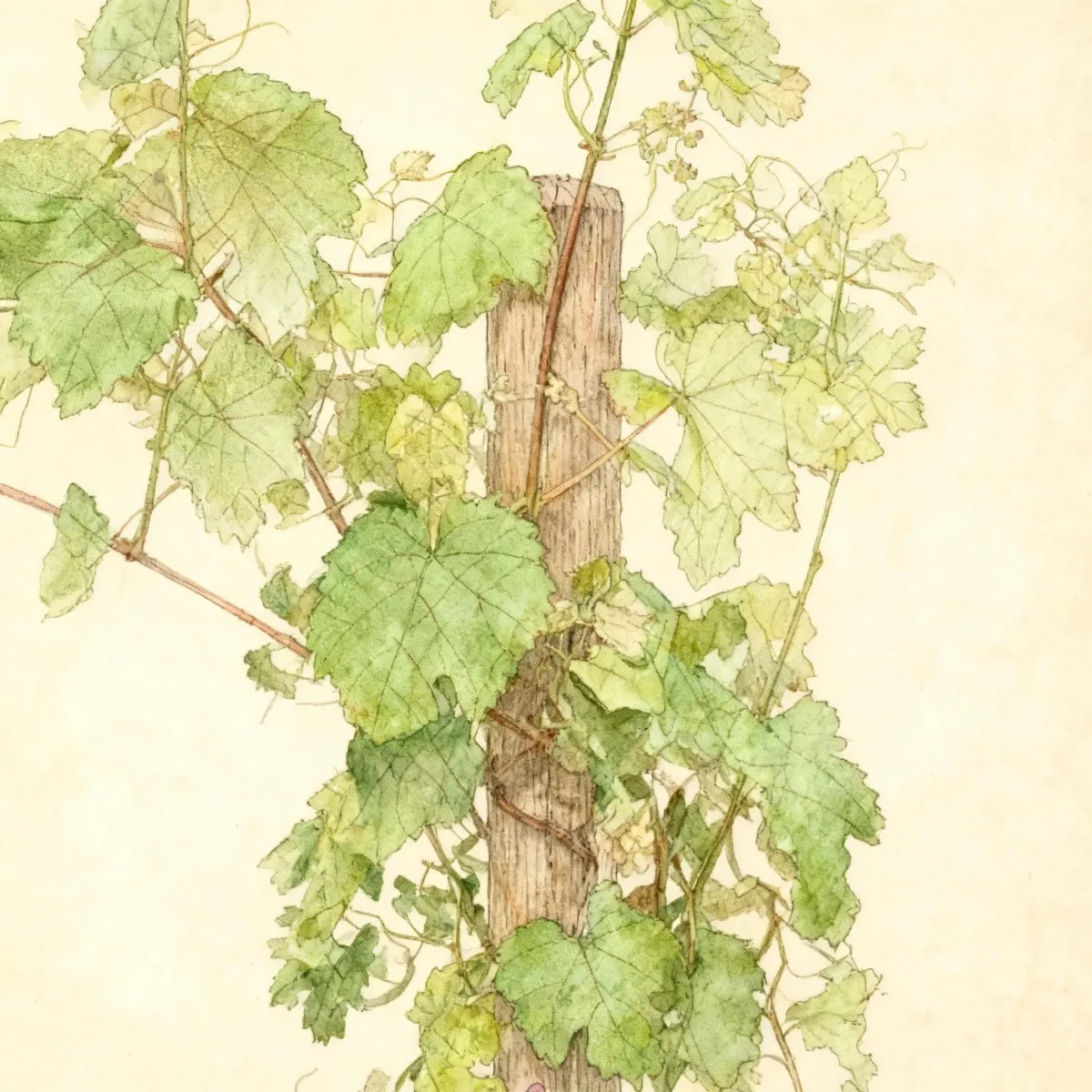
While primarily grown for its edible yield, the Grape vine exhibits surprising ornamental merit when incorporated into landscape design. Its bold, green foliage offers dense cover and excellent screening capabilities throughout the growing season. Consider training Vitis ‘SV-5276’ SEYVAL BLANC over sturdy arbors or pergolas, creating shaded walkways where its shaggy, twisted trunks become dramatic architectural features in winter.
The showy clusters of fruit ripening in the late mid-season also add seasonal interest, contrasting beautifully with the foliage before attracting birds. Grapes are functional plants that look intentional when grown on fences or walls. For aesthetic appeal, avoid placing them directly next to delicate border plants as their vigorous growth can overwhelm them; instead, utilize them as vertical anchors in larger garden schemes.
Standout Features
Flower Qualities
- Fragrant
- Insignificant
Fruit Qualities
- Showy
- Edible
Noteworthy Characteristics
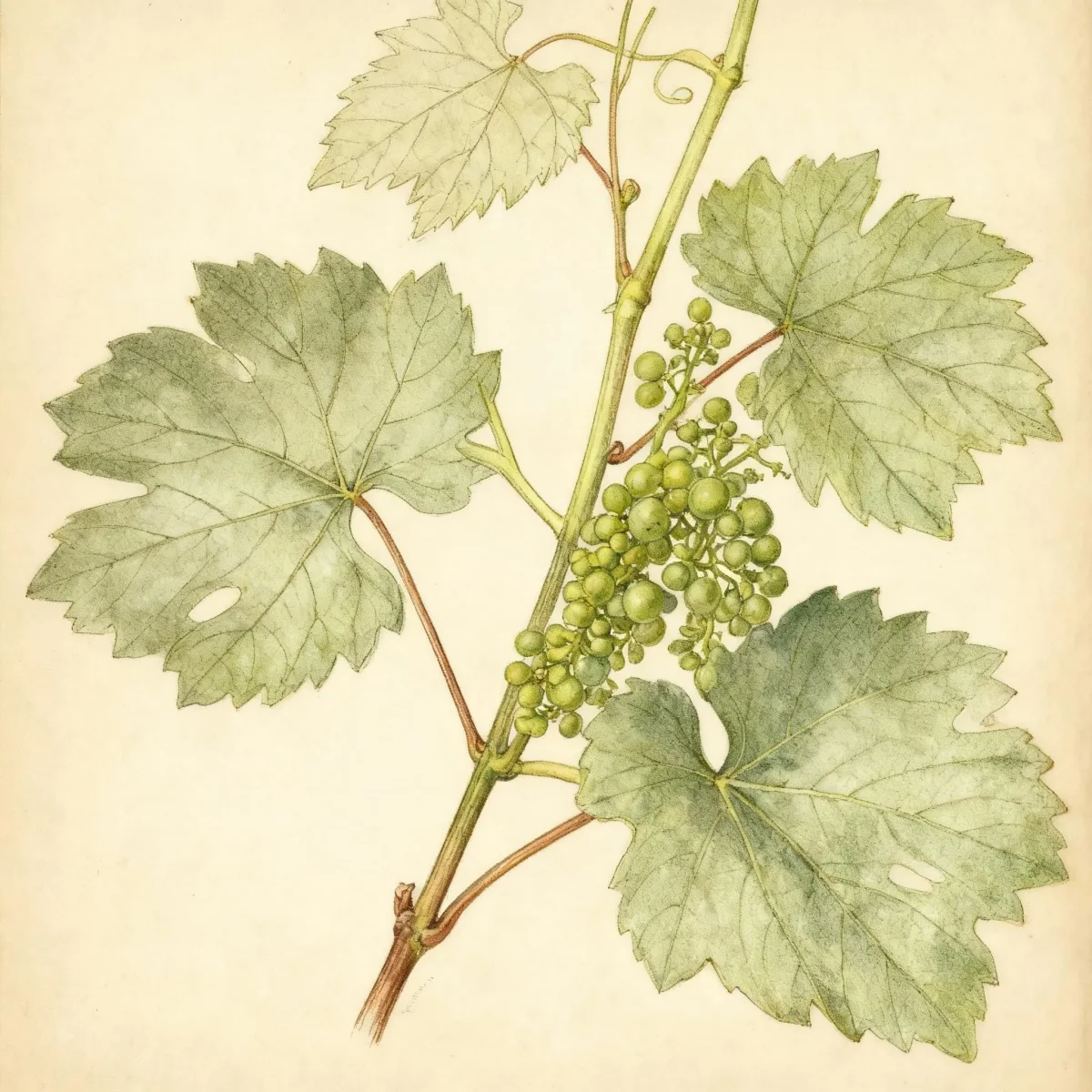
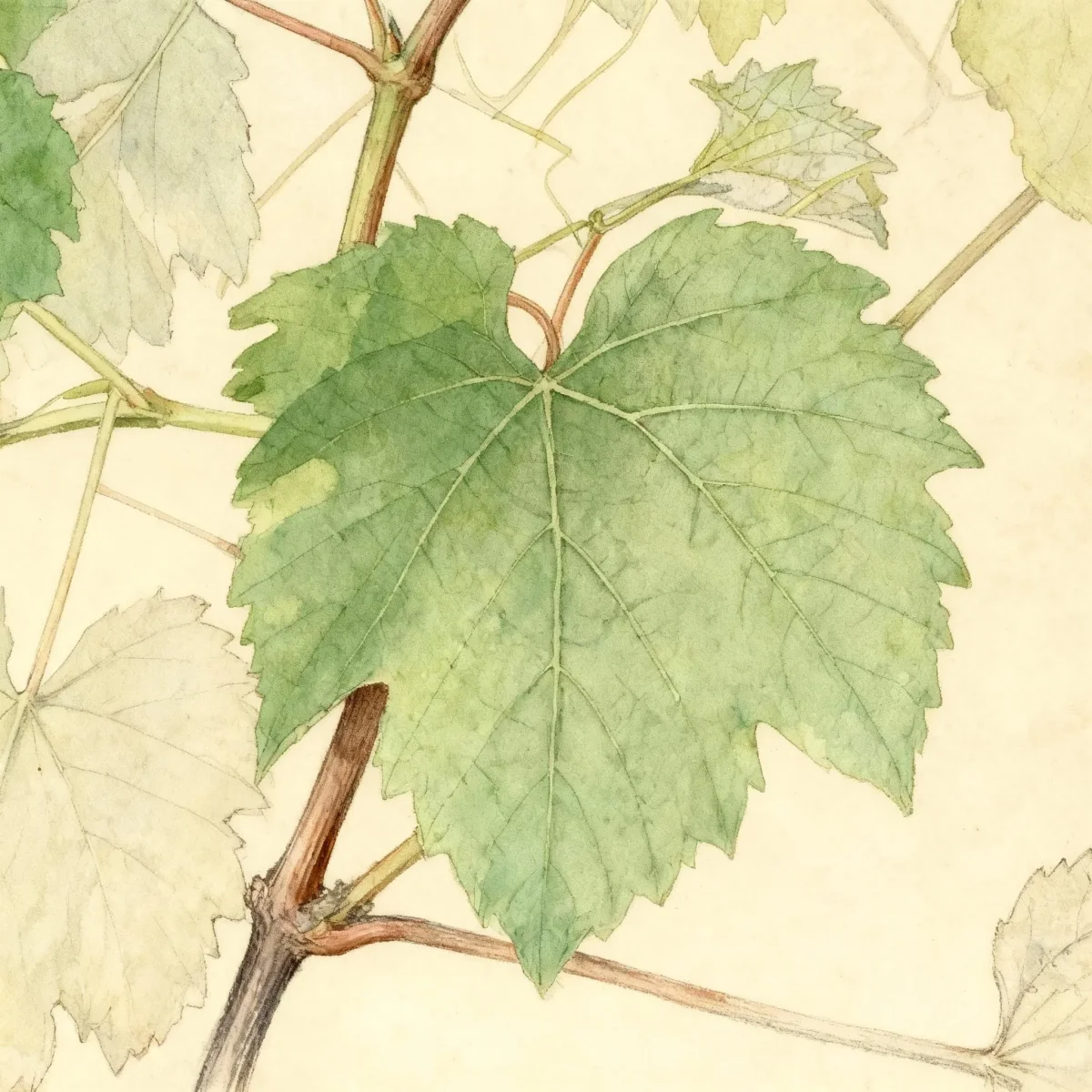
Vitis is a genus rich in woody vines, and this specific strain, ‘SV-5276’, is a noted French-American hybrid utilized heavily in wine production. This cultivar establishes as a compact, deciduous vine, flowering in spring followed by medium-sized green grapes that ripen mid-season. Its leaves are large and shallowly three-lobed, and the flowers are known to attract bees, marking it as a valuable component of an ecologically active garden space.
Tolerances
- Rabbit
- Deer
Potential Problems
Growing Vitis ‘SV-5276’ SEYVAL BLANC demands commitment, as Grapes are classified as high-maintenance plants due to their susceptibility to numerous issues. In humid summer climates, diseases like downy mildew, powdery mildew, black rot, and bunch rot pose significant threats, requiring proactive pesticide treatments and diligent sanitation. Common insect threats include leaf hoppers, mealy bugs, and grape berry moth; therefore, vigilant scouting is necessary. Effective management relies heavily on the regular pruning and structural support mentioned earlier, which improves air circulation, thereby reducing disease pressure. Remember that birds are often the biggest threat to a ripe harvest, so planning for netting may be necessary to protect your fruit.
Frequently Asked Questions
What hardiness zones is Grape suitable for?
The Vitis ‘SV-5276’ SEYVAL BLANC Grape is suitable for USDA Hardiness Zones 5 through 7.
How large does Grape grow?
This tendril-climbing vine typically reaches heights between 15 to 20 feet and spreads between 8 to 15 feet at maturity.
What sun exposure does Grape need?
This Grape variety requires full sun exposure to successfully set fruit and maintain vine health.
When does Grape bloom?
Vitis ‘SV-5276’ SEYVAL BLANC blooms between May and June, characterized by greenish, fragrant flowers.
Conclusion
The Vitis ‘SV-5276’ SEYVAL BLANC Grape vine offers home gardeners both aesthetic structure and significant fruit potential, culminating in a desirable dry white wine. Achieving high yields from this Grape hybrid requires dedication to its necessary support systems, spraying regimen, and consistent annual pruning. Before planting, carefully assess your site to ensure full sun availability and excellent drainage, and commit to the high level of care required for this productive vine.
Companion Planting for Vitis ‘SV-5276’ SEYVAL BLANC
Success with Vitis ‘SV-5276’ SEYVAL BLANC often involves strategic companion planting that manages pests or improves soil health without competing aggressively. Because this Grape requires full sun and consistent airflow, avoid planting bushy perennials nearby that might trap excessive humidity around the lower canopy, exacerbating mildew issues. Consider pairing the vine with herbs like chives or rosemary, which are sometimes cited as natural deterrents for certain common grape pests, though their effectiveness varies widely.
It is also beneficial to plant species that appreciate similar soil drainage profiles. Low-growing aromatic herbs planted beneath the vine’s drip line can help suppress weeds without interfering with the Grape’s crucial shallow root zone. Since this vine requires high input maintenance, surrounding it with low-maintenance groundcovers that do not require frequent deep watering is often practical.
Seasonal Care Calendar for High-Maintenance Grapes
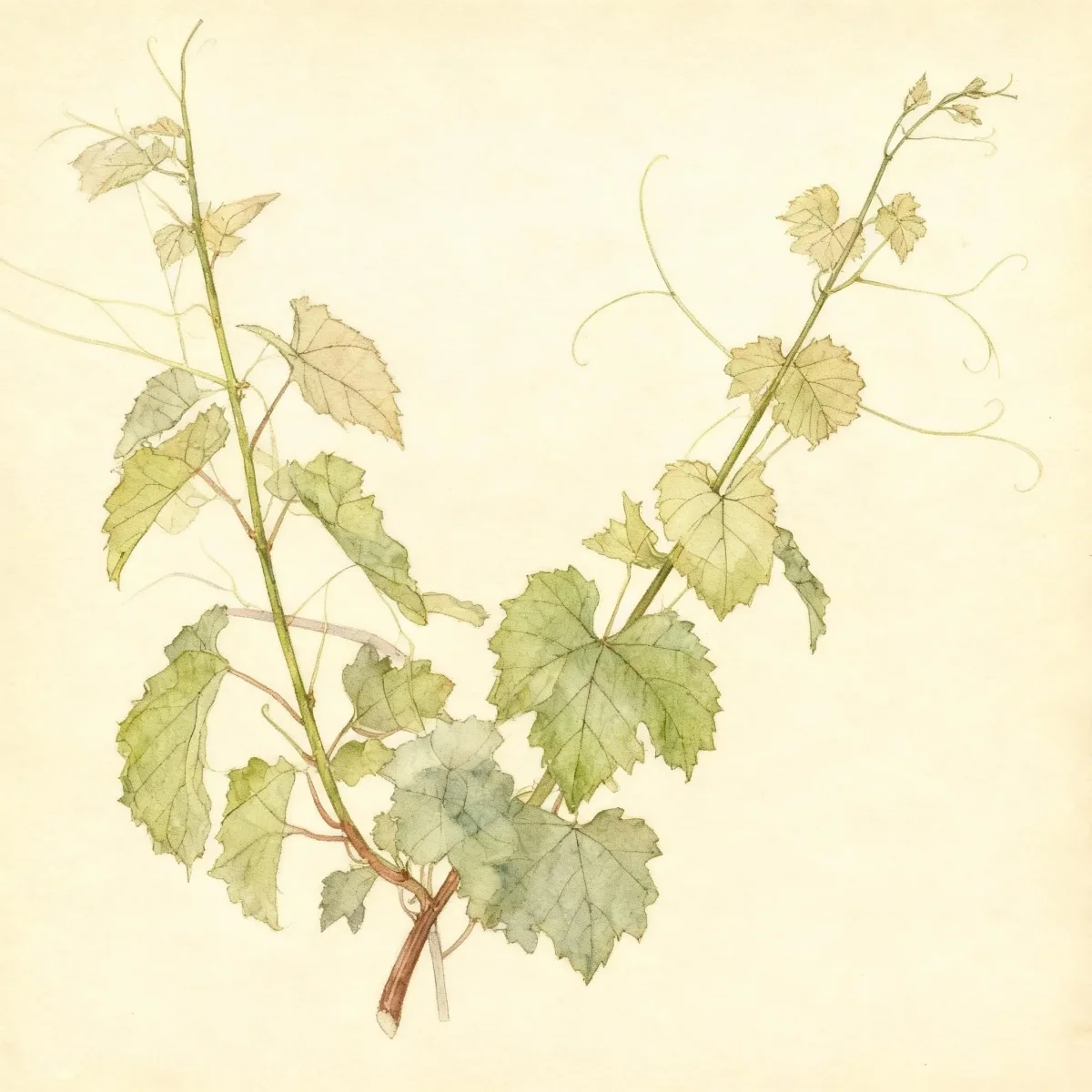
Managing a high-maintenance Grape like Vitis ‘SV-5276’ SEYVAL BLANC is best approached seasonally. Late winter (dormancy) is the critical window for structural pruning; remove most of the previous year’s growth to maintain an open canopy favorable for sunlight penetration and air movement. As buds begin to swell in early spring, apply dormant oils or initial fungicide treatments to prevent early-season disease outbreaks.
During the active growing season (late spring through summer), persistent monitoring for pests and fungal signs is crucial, requiring regular, targeted spraying as indicated by local agricultural recommendations for this specific Grape. After flowering but before fruit set, implement bird netting if wildlife pressure is known to be high in your area. In the fall, once harvest is complete, focus on cleanup—removing fallen leaves and debris quickly minimizes overwintering fungal spores, setting up a healthier environment for the next growing season.