Grape (Vitis 'Reliance')
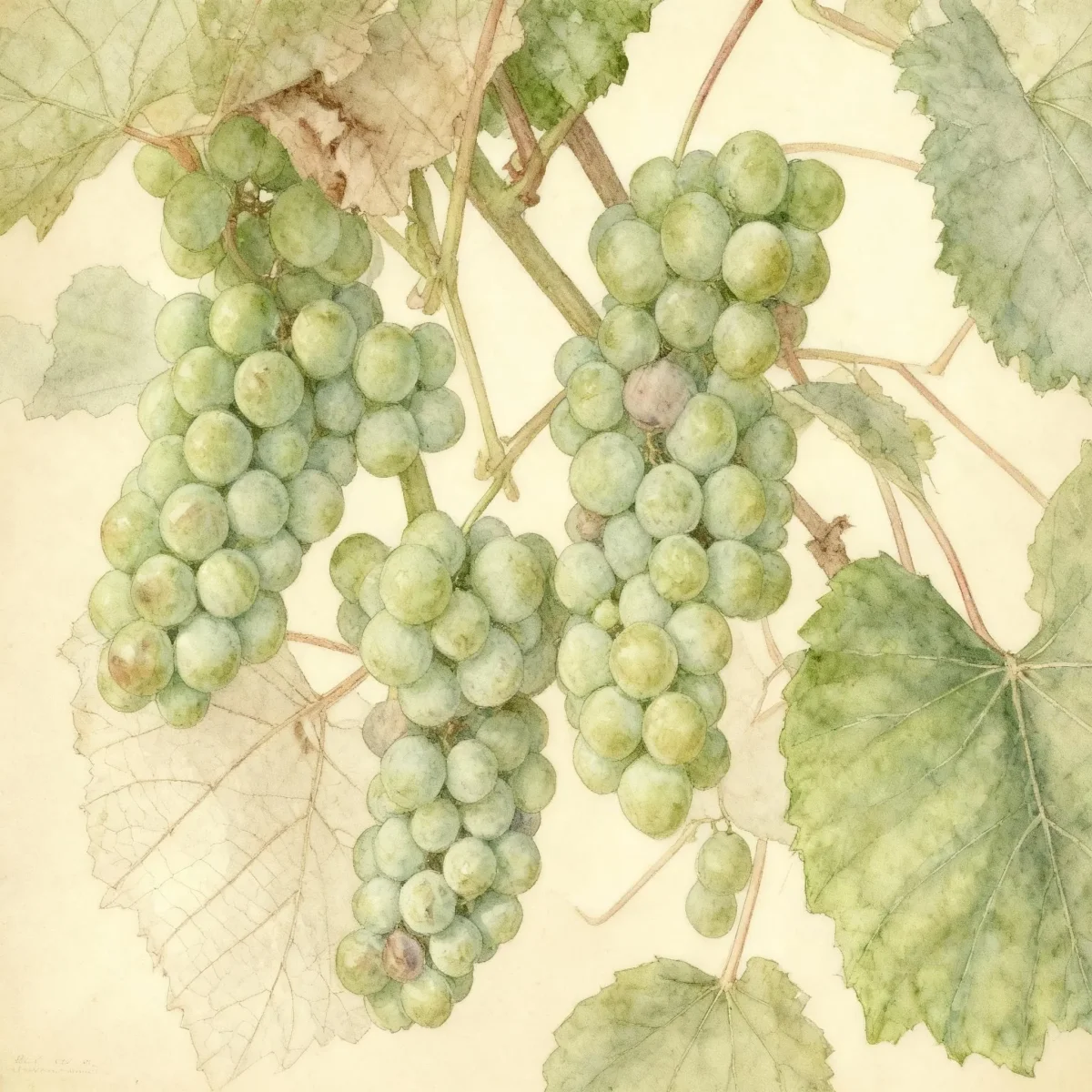
Vitis 'Reliance' Grape is a cold-hardy, seedless vine yielding mild, sweet, pinkish-red fruit. Requires high maintenance.
Scroll down to discover growing tips, care requirements, companion plants, and more
Complete Plant Information
Overview
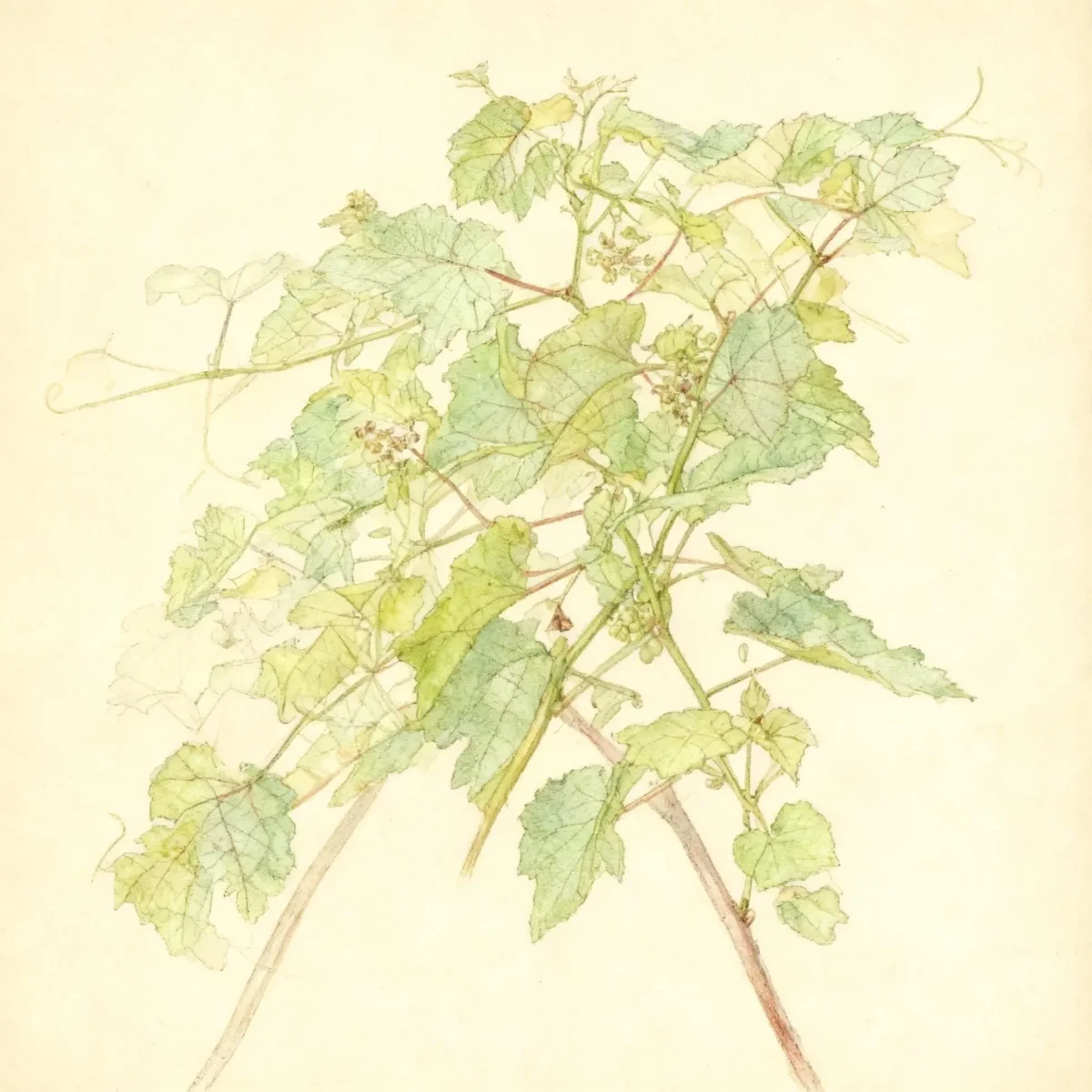
The Vitis ‘Reliance’ Grape cultivar is highly valued by home gardeners for its exceptional winter hardiness, allowing cultivation across broader US climates, including areas experiencing cold winters. This variety is a seedless Vitis labrusca hybrid known for producing early-maturing fruit with a pleasantly mild and sweet flavor profile. As a woody, deciduous vine, it offers significant functional and aesthetic value when provided with the proper support structure.
Vitis ‘Reliance’ requires attentive care; it is categorized as a high-maintenance plant necessary for maximizing fruit yields. Essential considerations include providing robust support, consistent training, and rigorous pruning schedules throughout the growing season. It thrives best when situated to receive abundant solar exposure, which directly contributes to superior fruit sweetness.
Beyond its primary use for fresh eating or processing into juices and jams, this Grape cultivar contributes visual interest to the landscape with its bold foliage and showy clusters of pinkish-red fruit. Successful cultivation of Vitis ‘Reliance’ means balancing its substantial care requirements with the rewarding harvest of reliable, quality fruit.
Fast Facts
- Plant Family: Vitaceae
- Plant Type: Fruit
- Hardiness Zones: USDA Zones 5-8
- Size at Maturity:
- Height: 15-20 ft
- Spread: 15-20 ft
- Bloom Time: May to June
- Bloom Description: Greenish
- Sun Exposure: Full sun
- Water Needs: Medium
- Maintenance Level: High
How to Grow
Planting Vitis ‘Reliance’ should occur when soils are workable, typically in spring, ensuring the site offers full sun exposure; maximizing sunlight is crucial for fruit sweetness. This vine performs best in deep, loamy, humus-rich soils that maintain medium moisture levels but require excellent drainage to prevent root issues. The ideal location is sheltered from harsh winter winds, often favoring a southern-facing slope, as young spring growth remains susceptible to damage from late frosts.
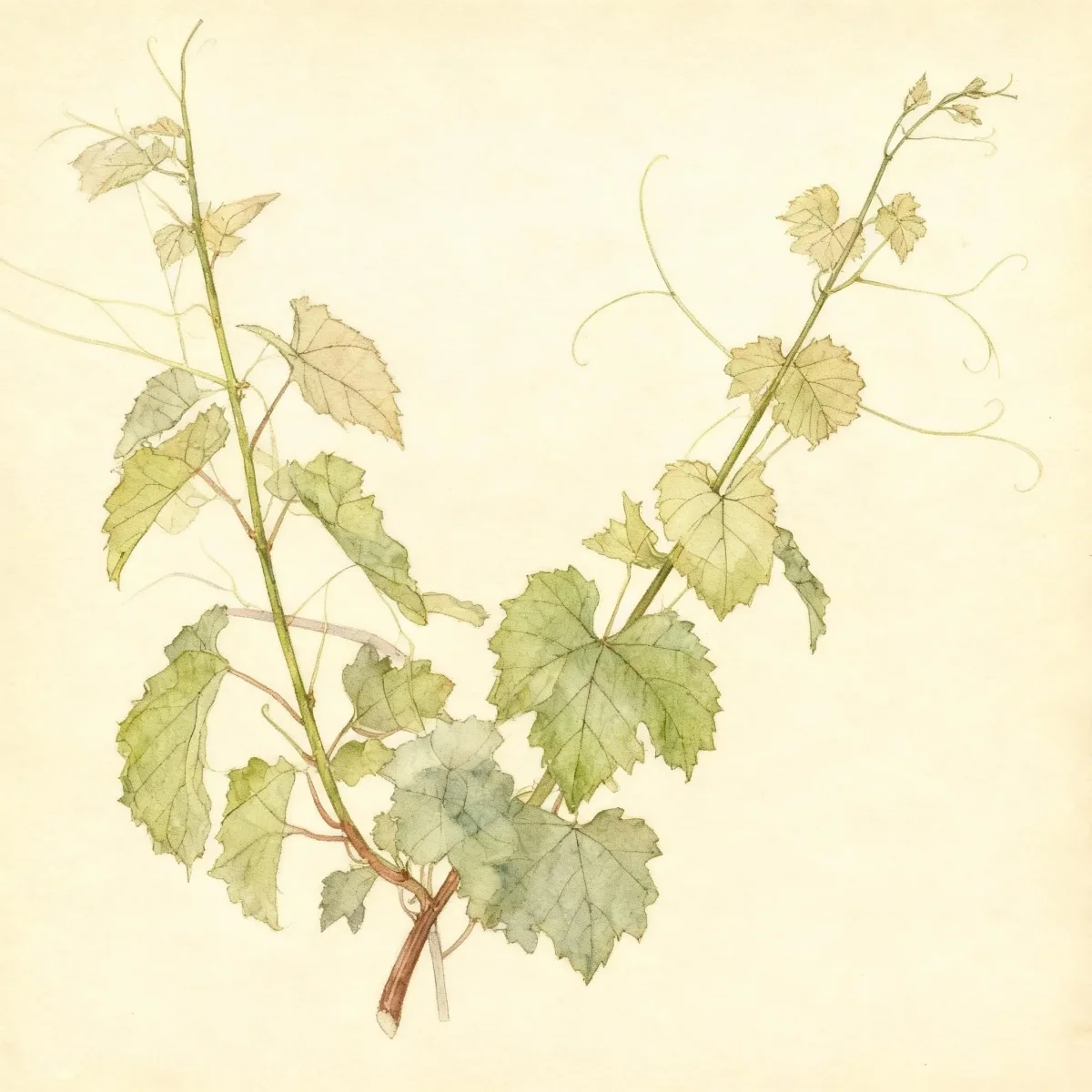
Ongoing care mandates a strong support system, such as a trellis or arbor, without which quality fruit production will be severely limited. Training the vine correctly guides growth and optimizes air circulation, which helps mitigate disease pressure common in humid summers. Water requirements are medium, necessitating deep watering during dry spells, especially to support developing fruit clusters, though good drainage must always be secured.
Routine maintenance is heavy: this plant demands regular, sometimes severe pruning to control size and encourage robust fruiting wood. Growers must also be prepared for regular spraying against common grape diseases and pests, although this specific Grape is noted to have better resistance to mildew and anthracnose than some older varieties. Preparing for winter involves ensuring structural integrity and ensuring the plant is well-removed from frost pockets.
Landscape Uses
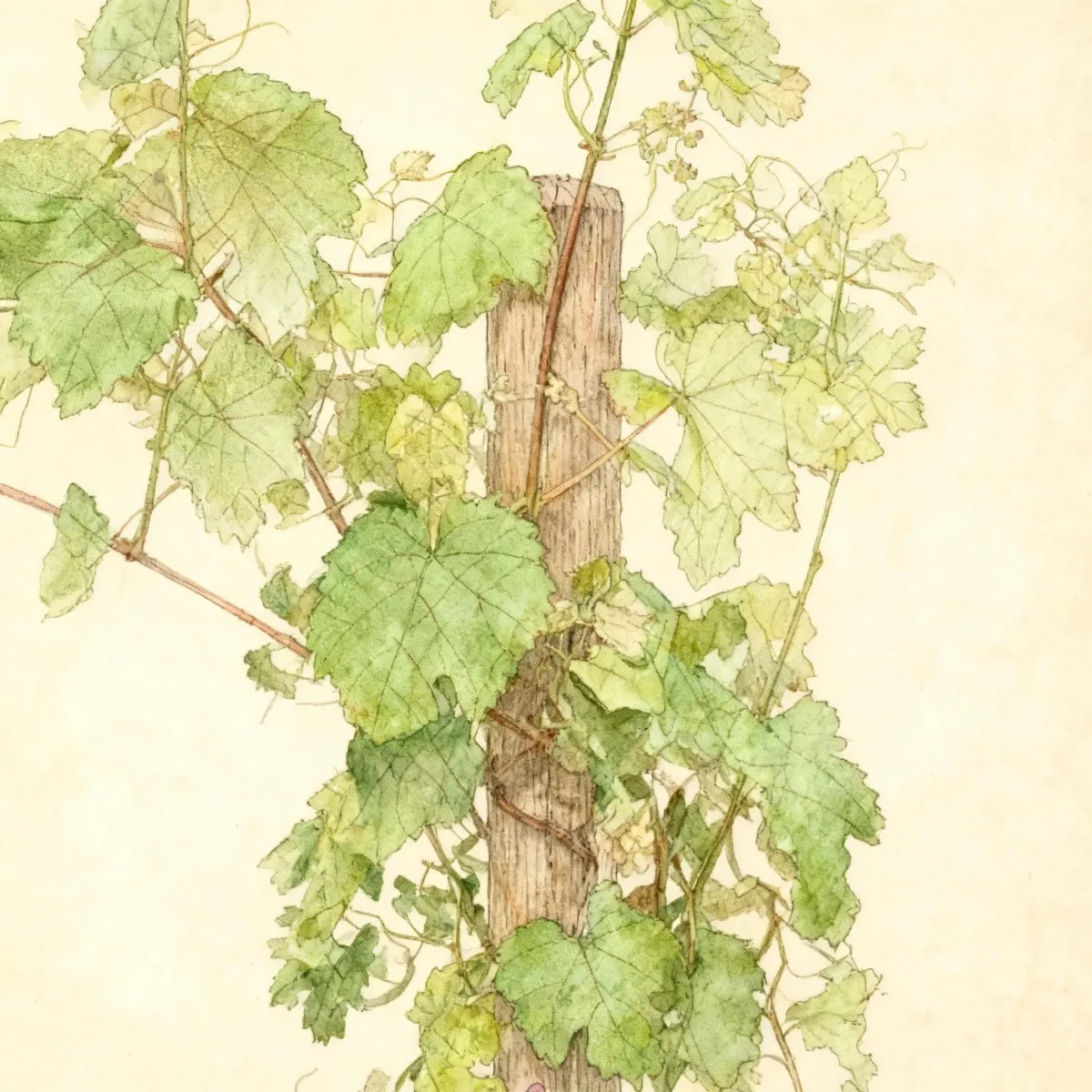
While primarily grown for productivity, the Vitis ‘Reliance’ Grape offers unexpected ornamental value throughout the year. Its large, lush green foliage creates outstanding summer screening, while the developing fruit clusters act as a vibrant seasonal display. Once deciduous, the gnarled, twisting trunks and branching patterns lend excellent textural interest to the winter garden.
Training these vigorous vines onto substantial structures dramatically enhances property aesthetics and function. Plant them along sturdy fences, pergolas, or arbors to create cooling, shaded walkways or attractive living walls. Grapes can serve as excellent privacy screens, providing cover and breaking up large expanses of wall or structure when properly woven across supports.
Consider using the dense foliage as a backdrop for colorful perennial borders, allowing the lower portions of the vine structure to be partially obscured while keeping the canopy high enough for easy harvesting. Though focused on cultivation, the structural appeal of mature Vitis ‘Reliance’ vines provides year-round design benefits, contrasting well with finer-textured ornamental grasses or shrubs.
Standout Features
Flower Qualities
- Fragrant
- Insignificant
Fruit Qualities
- Showy
- Edible
Noteworthy Characteristics
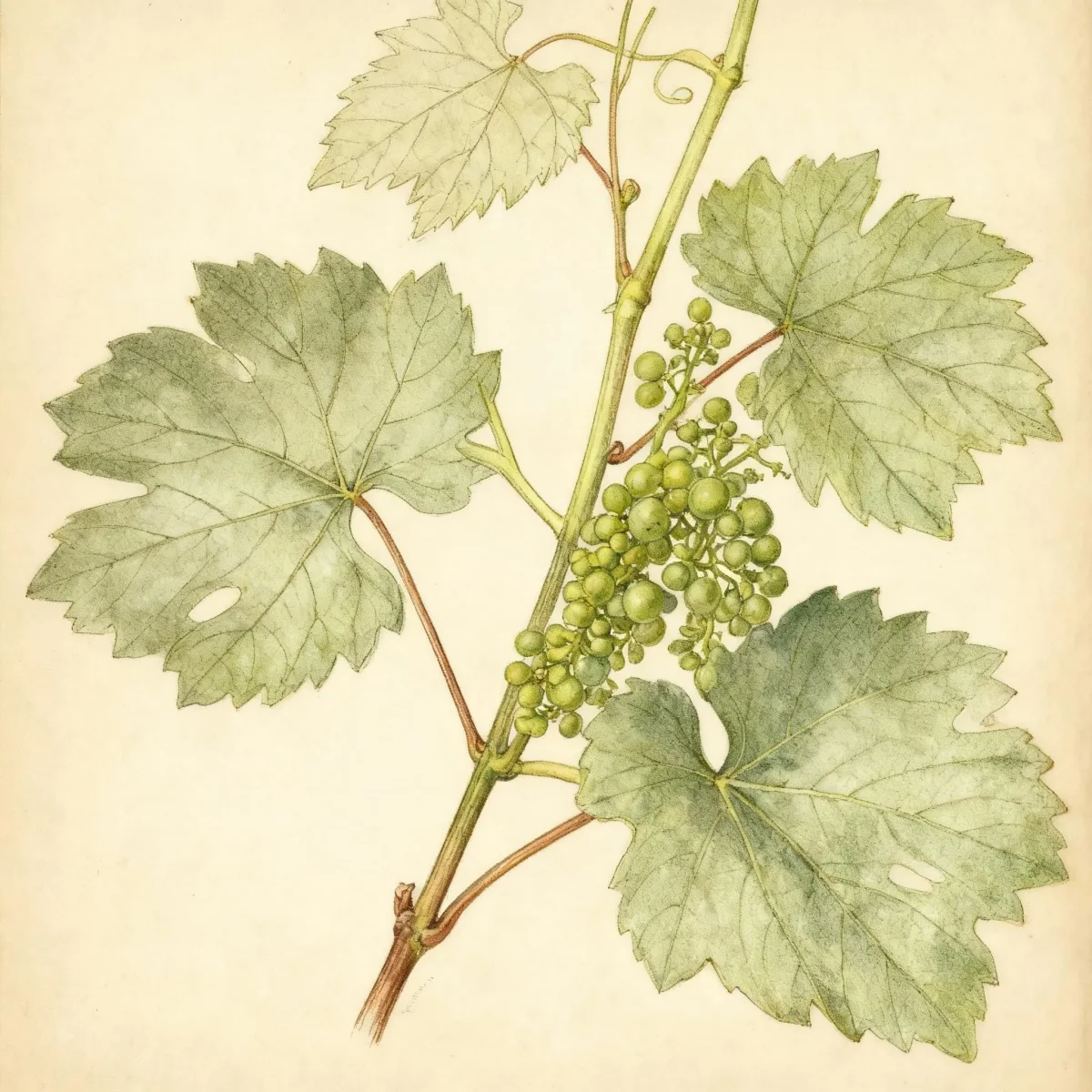
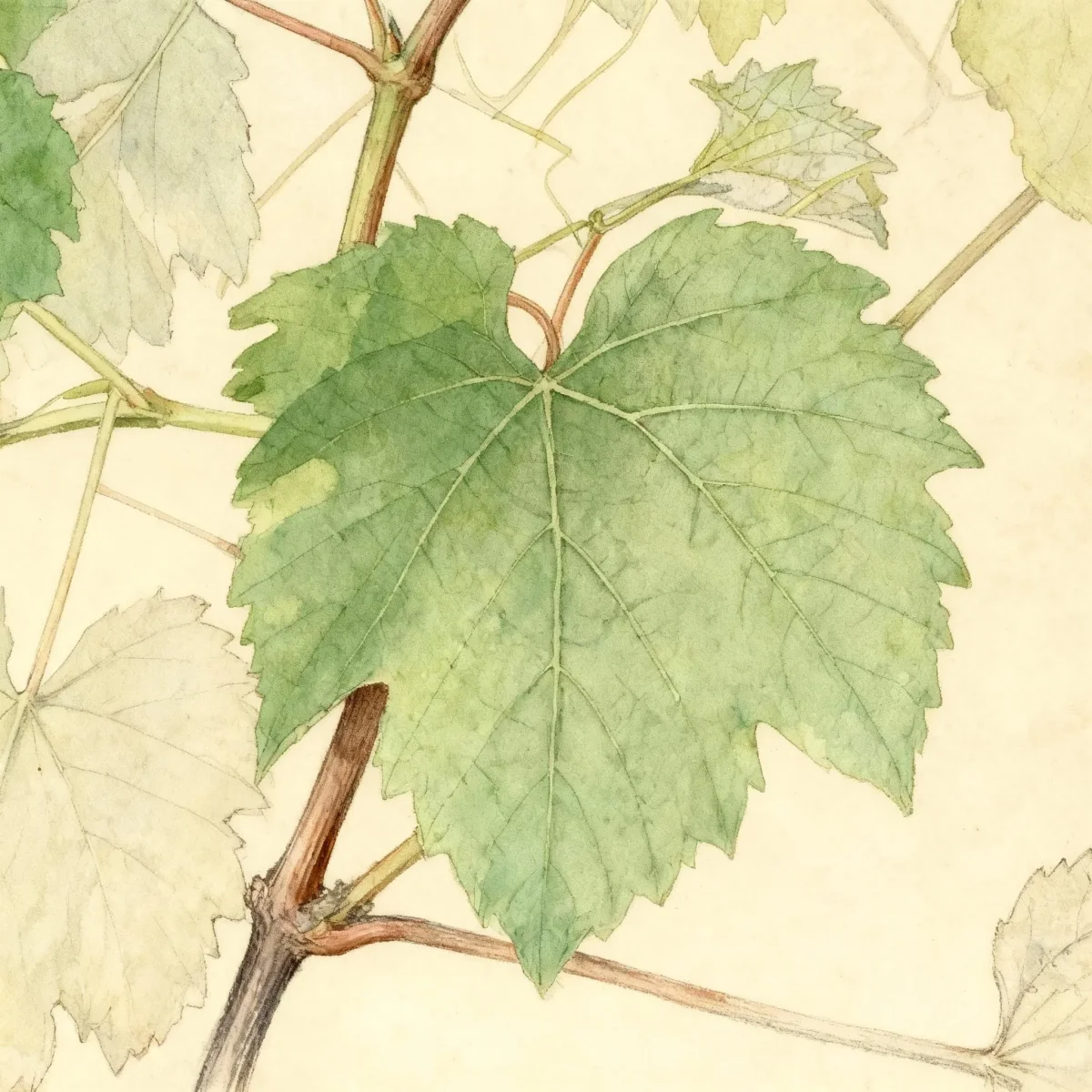
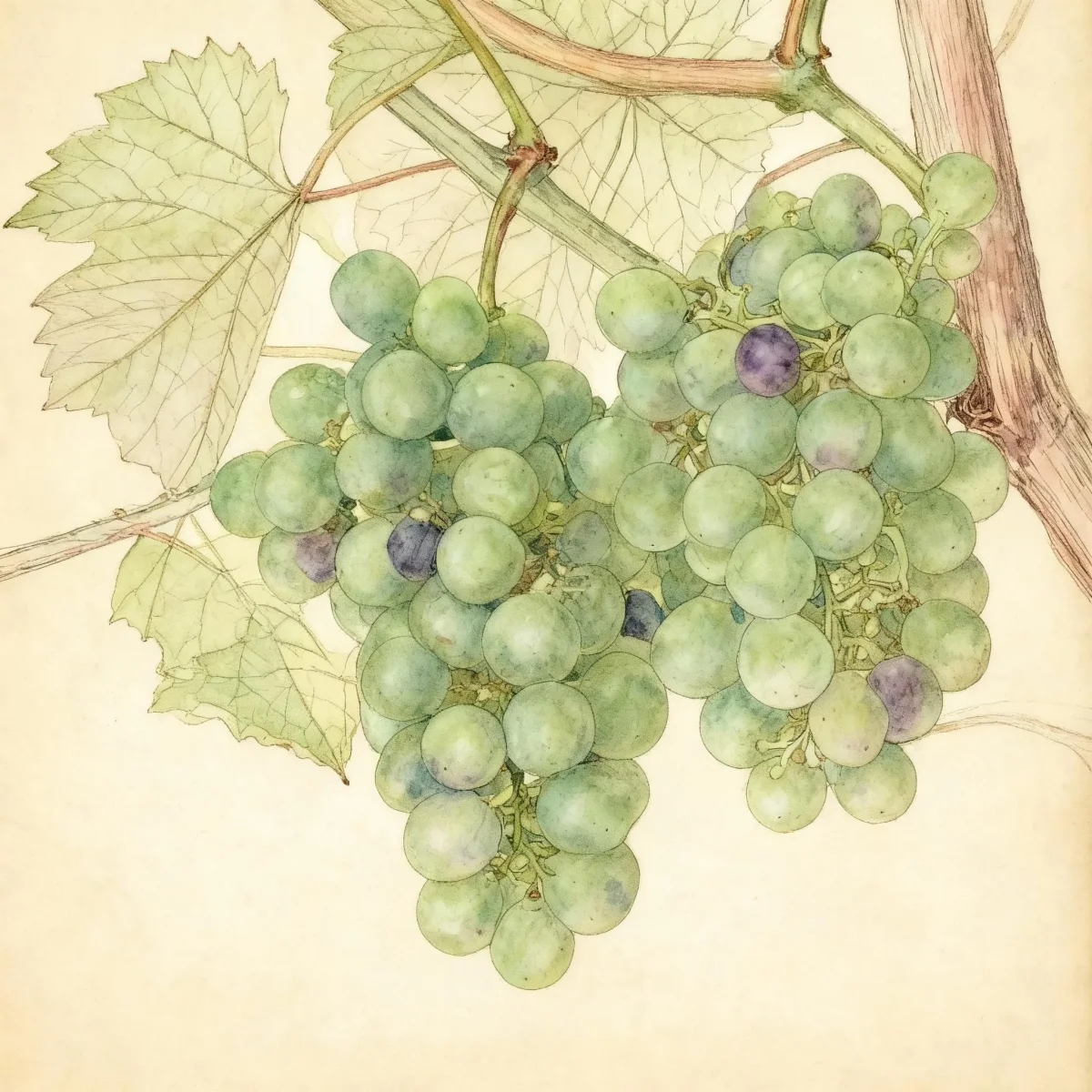
Vitis ‘Reliance’ is a seedless American grape hybrid developed in 1965, distinguished by its early ripening window and superior winter hardiness suitable for challenging climates. The vine produces clusters of medium-sized, pinkish-red grapes noted for their mild, sweet, fruity flavor, making them excellent for immediate consumption or processing into preserves. Foliage is large, shallowly three-lobed, and provides dense summer shade.
Tolerances
- Rabbit
- Deer
Potential Problems
Grapes are inherently high-maintenance, demanding significant preventative care to ensure plentiful harvests of Vitis ‘Reliance’ fruit. The major threats come from a long list of fungal diseases common in humid conditions, including black rot, downy mildew, and powdery mildew; however, this cultivar has reported good resistance to anthracnose and the mildews. Cultural control, such as vigilant pruning to improve air circulation, is your first line of defense.
Insect pests frequently target grapes, requiring consistent monitoring and potential pesticide application if infestations become severe. Common culprits include the grape berry moth, leaf hoppers, and mealy bugs. Furthermore, birds are often the most destructive vertebrate pests, stripping clusters just before peak ripeness, necessitating the use of effective netting over the fruit during the late season.
Frequently Asked Questions
What hardiness zones is Grape suitable for?
The Vitis ‘Reliance’ Grape is highly cold-tolerant and is suitable for USDA Hardiness Zones 5 through 8.
How large does Grape grow?
This woody vine typically establishes a spread of 15 to 20 feet and reaches a mature height between 15 and 20 feet, though regular pruning is essential to maintain manageable dimensions.
What sun exposure does Grape need?
For the sweetest fruit production from your Vitis ‘Reliance’, full sun exposure is required throughout the day.
When does Grape bloom?
The vine blooms between May and June, typically producing inconspicuous, greenish flowers that may carry a slight fragrance.
Conclusion
The Vitis ‘Reliance’ Grape offers home growers a dependable source of sweet, seedless fruit, particularly valuable in colder transition zones where many other varieties struggle. While its high maintenance demands regular training and protection, the reward is reliable early-mid season harvests. Before planting, confirm your USDA Hardiness Zone and ensure you have a robust support system ready for this vigorous, yet rewarding, hybrid.
Companion Planting
To maximize health and minimize the need for excessive spraying, strategically pair your Vitis ‘Reliance’ with beneficial companions. Planting aromatic herbs like rosemary or basil nearby can sometimes help confuse or deter certain insect pests drawn to the grape foliage. Ensure companions do not compete aggressively for the same root zone in the well-drained soil this Grape prefers.
Good ornamental companions that share sunshine and medium water needs can enhance the overall border effect. Consider low-growing, drought-tolerant perennials that won’t require intense cultivation near the base of the vine where you might disturb surface roots during pruning season. Focusing on companion species that attract beneficial predatory insects can also aid in natural pest management for your Grape vine.
Harvesting and Winterizing
Harvesting for Vitis ‘Reliance’ typically occurs in early mid-season, depending on local climate, when the pinkish-red grapes achieve optimal sweetness and color. Taste testing is the best indicator, as sugar levels peak just before or as the skin color darkens. Ensure all fruit is picked, as lingering clusters can attract unwanted pests into the off-season.
Preparing Vitis ‘Reliance’ for winter is critical, especially in the colder edges of its hardiness range (Zone 5). Once leaves drop, prune heavily to remove dead or weak wood and reduce the canopy mass. If you experience exceptionally harsh winters, heavily insulating the lower trunk or wrapping major canes with burlap can provide extra protection against freezing temperatures after the vine goes fully dormant.