Grape (Vitis 'V-256' VIDAL BLANC)
Vitis 'V-256' VIDAL BLANC Grape is a high-maintenance hybrid vine known for edible fruit and wine potential. Zones 5-7.
Scroll down to discover growing tips, care requirements, companion plants, and more
Complete Plant Information
Overview
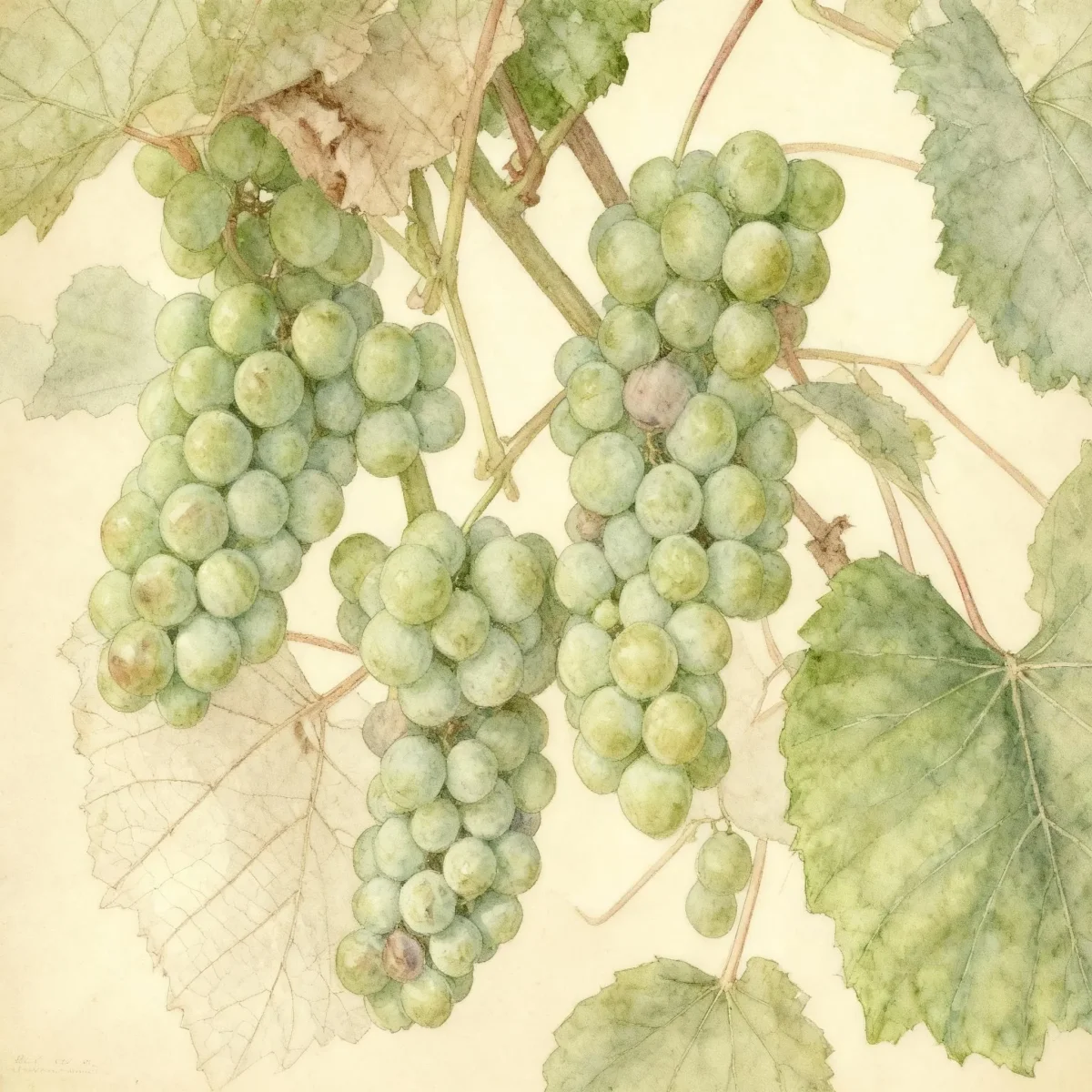
The Vitis ‘V-256’ VIDAL BLANC Grape is a valuable woody, deciduous vine, primarily utilized as a French-American hybrid for producing dry to semi-dry white wines that often exhibit citrus flavors. While its commercial value is high in viticulture, home gardeners appreciate this Grape for its distinctive foliage, attractive seasonal fruit clusters, and strong structural growth habit. Successful cultivation of Vitis ‘V-256’ VIDAL BLANC requires diligent cultural care, including robust training and pruning systems, to ensure optimal yield and health.
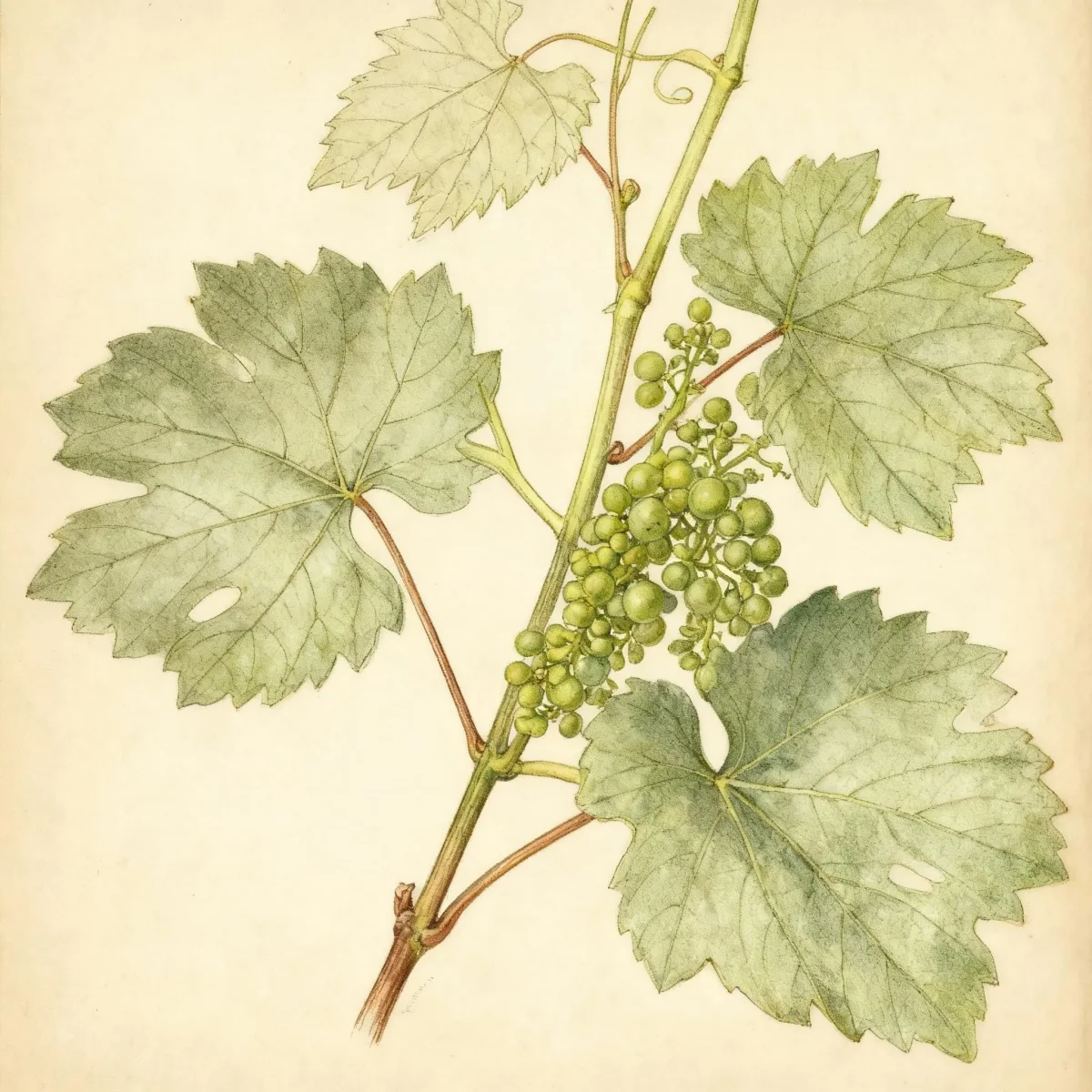
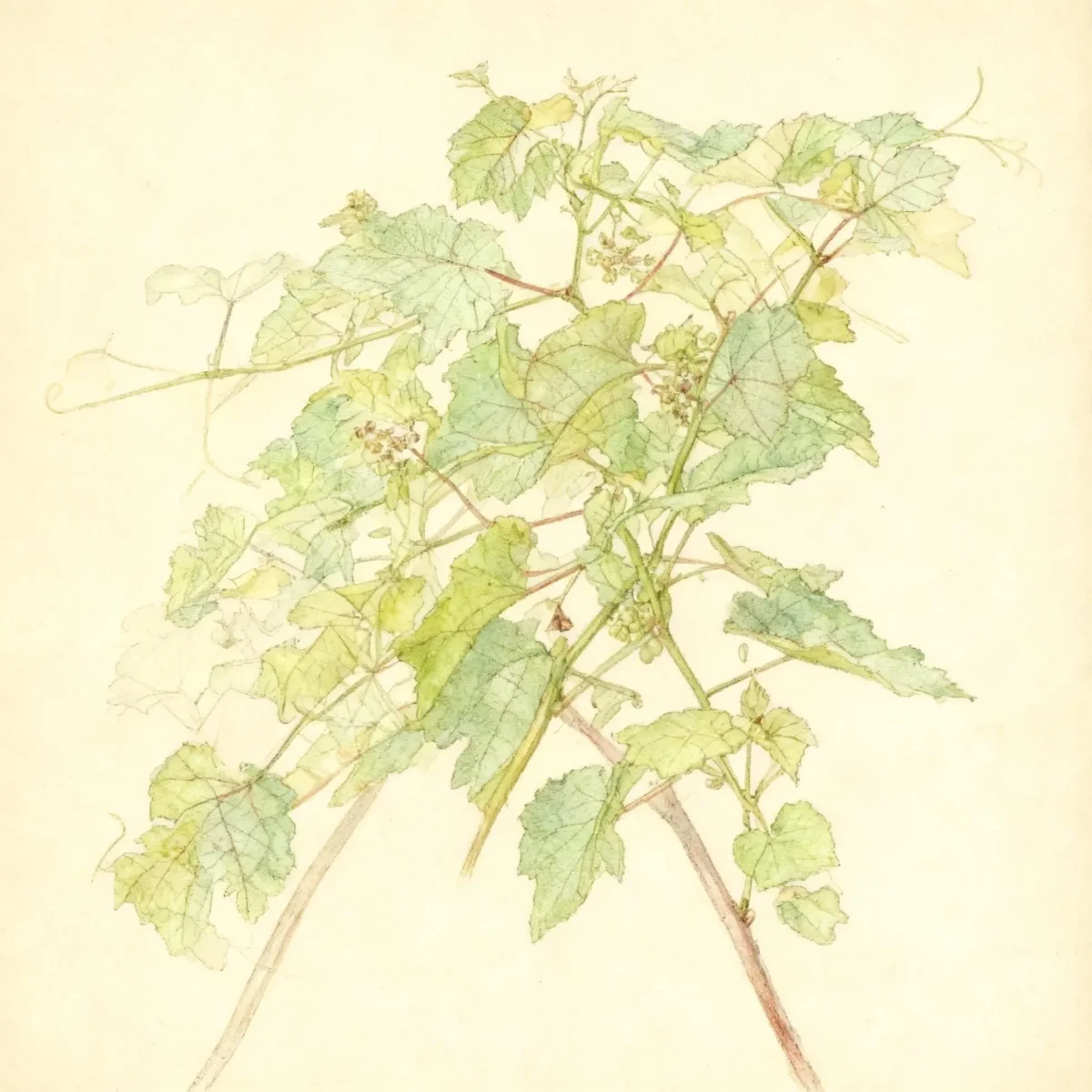
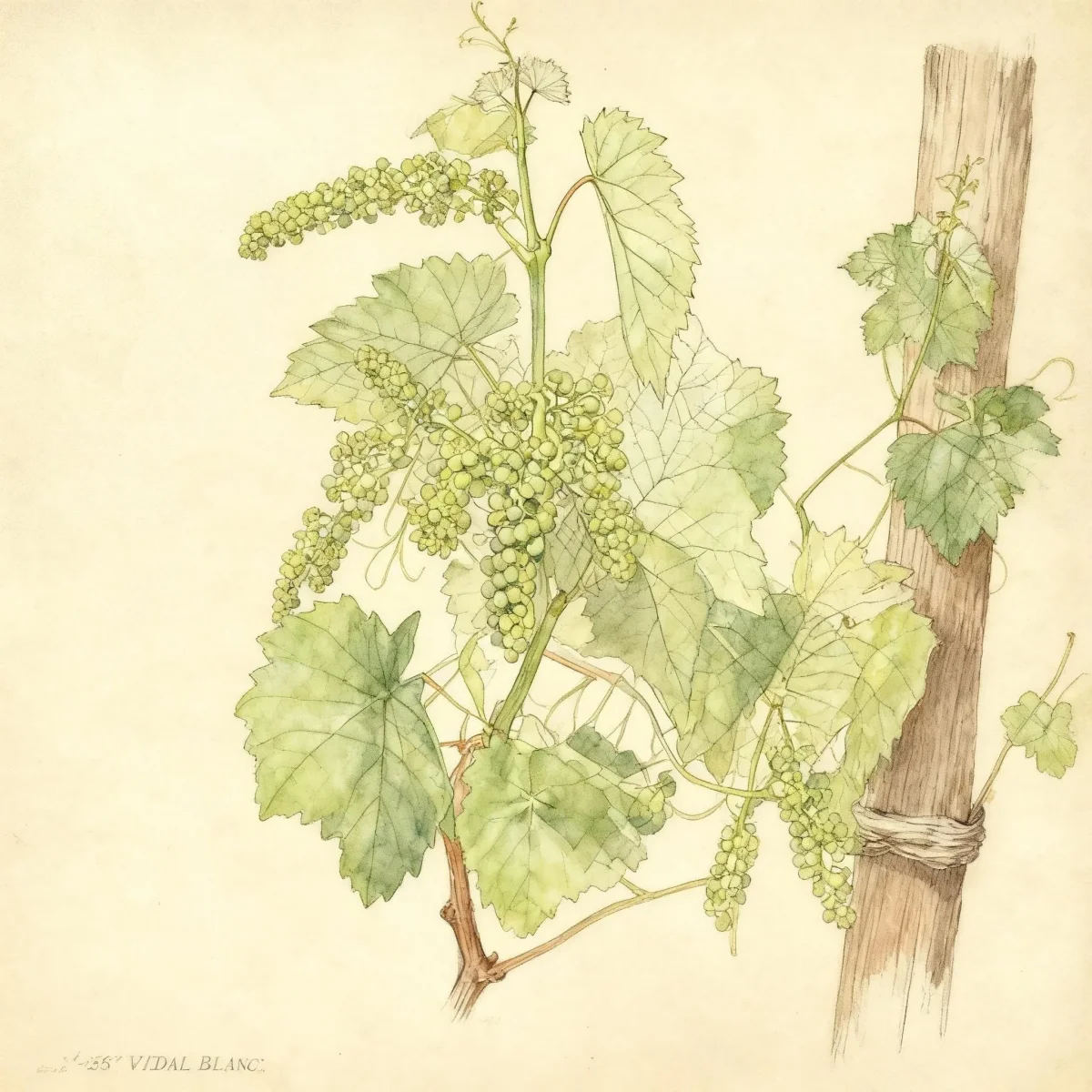
This tendril-climbing vine produces fragrant, greenish flowers in late spring, leading to medium-sized, green grapes that mature in the mid- to late season. It thrives under rigorous management conditions, rewarding attentive growers with both moderate ornamental appeal and functional edible fruit. Due to its demanding nature, prospective planters should anticipate a commitment to regular maintenance to manage potential pests and diseases effectively.
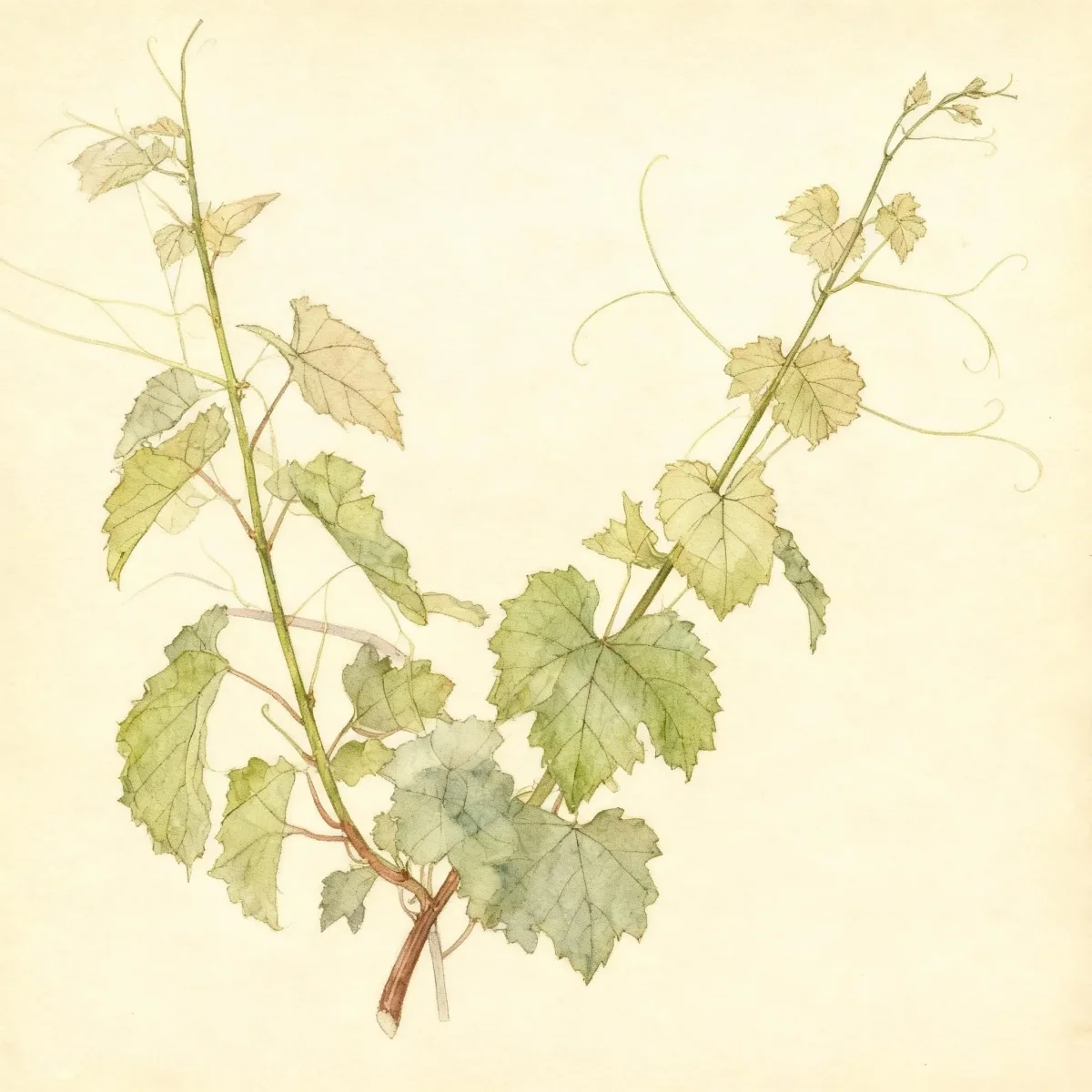
As a Vitis species, it forms strong woody structures, making it an excellent candidate for covering arbors or pergolas, offering summer shade beneath its large, lobed foliage. Although the primary focus here is the quality of the Grape harvest, its year-round structure provides significant screening potential in the landscape.
Fast Facts
- Plant Family: Vitaceae
- Plant Type: Fruit
- Hardiness Zones: USDA Zones 5-7
- Size at Maturity:
- Height: 12-15 ft
- Spread: 8-10 ft
- Bloom Time: May to June
- Bloom Description: Greenish
- Sun Exposure: Full sun
- Water Needs: Medium
- Maintenance Level: High
How to Grow
Establish your Vitis ‘V-256’ VIDAL BLANC Grape in its permanent location during the dormant season when the vine is most manageable. It requires deep, loamy, medium-moisture soil, but above all, excellent drainage is absolutely critical for vine survival and productivity. For best results, site the vine where it receives full sun throughout the day. Furthermore, choose a location sheltered from harsh winter winds, such as a south-facing slope, avoiding areas known to trap frost.
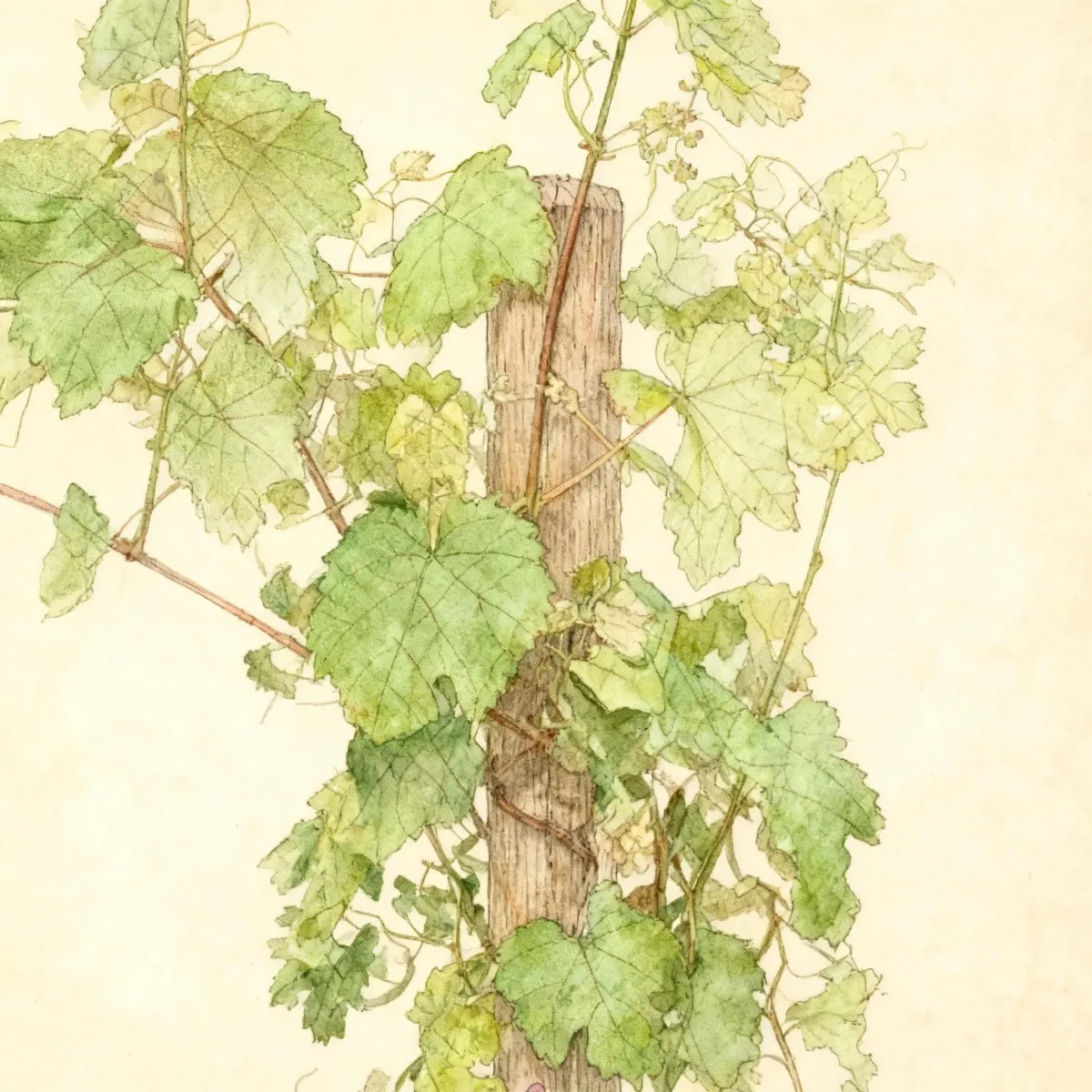
Because this is a vigorous, climbing vine, a sturdy support system—such as heavy-duty trellis, pergola, or arbor—must be installed before or during planting. Training the main trunks and lateral arms onto this structure is essential for sunlight penetration and air circulation, which aids in disease prevention. Grapes require consistent medium watering, especially during fruit development, but ensure soil does not remain waterlogged.
The classification of this Grape as high maintenance stems largely from its cultural demands. Regular, often aggressive, pruning must be performed annually during dormancy to control vigor and maximize the following season’s fruit set. Be prepared to implement a regular spraying schedule, particularly if growing in humid areas, to combat common fungal issues like powdery mildew and black rot.
Landscape Uses
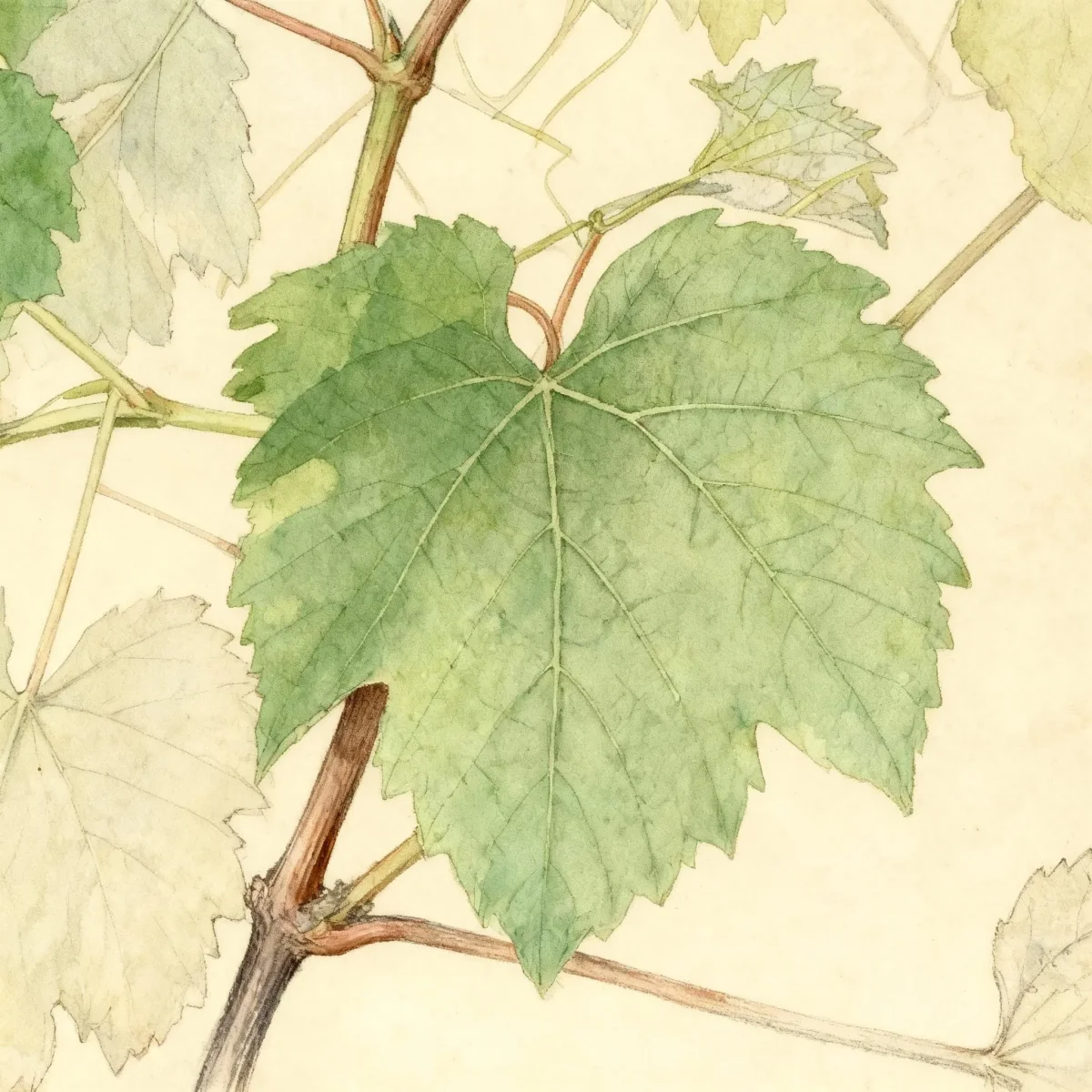
While the Vitis ‘V-256’ VIDAL BLANC is principally cultivated for its fruit, it possesses substantial ornamental attributes that make it an excellent landscape feature when properly managed. The vine’s bold, deeply lobed foliage provides dense, cool shade in summer while its mature, shaggy trunk adds interesting texture during winter dormancy. Consider growing this Grape species over substantial garden structures, such as arbors or pergolas located near patios, where the ripening showy fruit can be enjoyed overhead.
This type of vigorous woody vine works exceptionally well when trained along fences or walls, serving as attractive year-round screening or covering unattractive utilitarian structures. If ornamental interest rivals fruit production in your planning, ensure companions planted near the base do not aggressively compete for nutrients or water, as the Grape demands good soil structure itself. The ability of the Grape vine to provide seasonal cover and structure makes it highly functional in both formal and informal garden designs.
Standout Features
Flower Qualities
- Fragrant
- Insignificant
Fruit Qualities
- Showy
- Edible
Noteworthy Characteristics
Vitis ‘V-256’ VIDAL BLANC is a French-American hybrid known widely under the name VIDAL BLANC, favored for producing crisp white wines. This woody, deciduous vine features large, shallowly-three-lobed green foliage and produces medium-sized green grapes after flowering in the spring. While flowers attract bees, the mature fruit is appealing to birds and various mammals.
Tolerances
- Rabbit
- Deer
Potential Problems
Growing Vitis ‘V-256’ VIDAL BLANC is classified as high maintenance because it is susceptible to numerous diseases and pests, especially when humidity is high. Key fungal challenges include black rot, anthracnose, powdery mildew, and downy mildew, requiring preventative fungicide applications. Insect pests needing management often include leaf hoppers, grape berry moths, and Japanese beetles.
Vertebrate damage is also a major concern; birds frequently consume ripe fruit, potentially causing significant yield losses, and deer browse on young shoots and leaves. To manage diseases, ensure excellent air circulation through rigorous pruning and site selection, and apply targeted pesticide treatments as necessary throughout the growing season.
Frequently Asked Questions
What hardiness zones is Grape suitable for?
The Vitis ‘V-256’ VIDAL BLANC variety is ideally suited for cultivation within USDA Hardiness Zones 5 through 7.
How large does Grape grow?
This woody vine typically reaches mature heights between 12 to 15 feet, with a spread ranging from 8 to 10 feet when provided with ample support.
What sun exposure does Grape need?
For optimal growth and fruit production, the Vitis ‘V-256’ VIDAL BLANC requires unfiltered, full sun exposure daily.
When does Grape bloom?
This specific Grape variety blooms during the late spring, specifically from May to June, producing small, greenish flowers.
Conclusion
The Vitis ‘V-256’ VIDAL BLANC hybrid Grape offers the serious gardener the potential for high-quality fruit production alongside significant aesthetic structure provided by its woody, climbing habit. While its maintenance needs are high due to its susceptibility to pests and the necessity of detailed pruning, the resulting edible fruit and wine-making potential make it a worthwhile effort. Before planting your own Grape, confirm your site offers full sun and excellent drainage, and plan your support structure accordingly.
Companion Planting for Vitis ‘V-256’ VIDAL BLANC
When designing a vineyard or garden near your Vitis ‘V-256’ VIDAL BLANC, companion planting can support overall soil health and deter specific pests. Consider planting low-growing herbs like chives or mint at the base of the support system, though ensure they do not compete heavily for surface moisture. These may help confuse or repel some common insect pests attracted to the Grape vines.
It is prudent to avoid planting vegetables that require heavy feeding or excessive nitrogen near established grapevines, as excessive nitrogen can favor leafy growth over fruit development. Instead, focusing on companions that thrive in well-drained conditions and tolerate similar sun demands will create a harmonious cultural environment for your high-maintenance Grape.
Seasonal Care Calendar for Grape Growers
Spring preparation for Vitis ‘V-256’ VIDAL BLANC revolves around the final pruning, structural training adjustments, and immediate implementation of disease prevention sprays as new buds swell. Summer is the critical period for diligent pest and disease monitoring, requiring regular inspection and targeted treatments before fungal spores can take hold, alongside consistent watering to support developing grape clusters.
Fall care focuses on harvesting at peak ripeness and preparing the vine for dormancy. Once leaves drop, you can perform post-harvest cleanup, cutting away diseased or damaged wood. In colder pockets of USDA Zone 5, providing extra mulch or wrapping the lower trunk of new vines can offer crucial insulation against severe winter dieback before the plant enters its necessary winter rest.