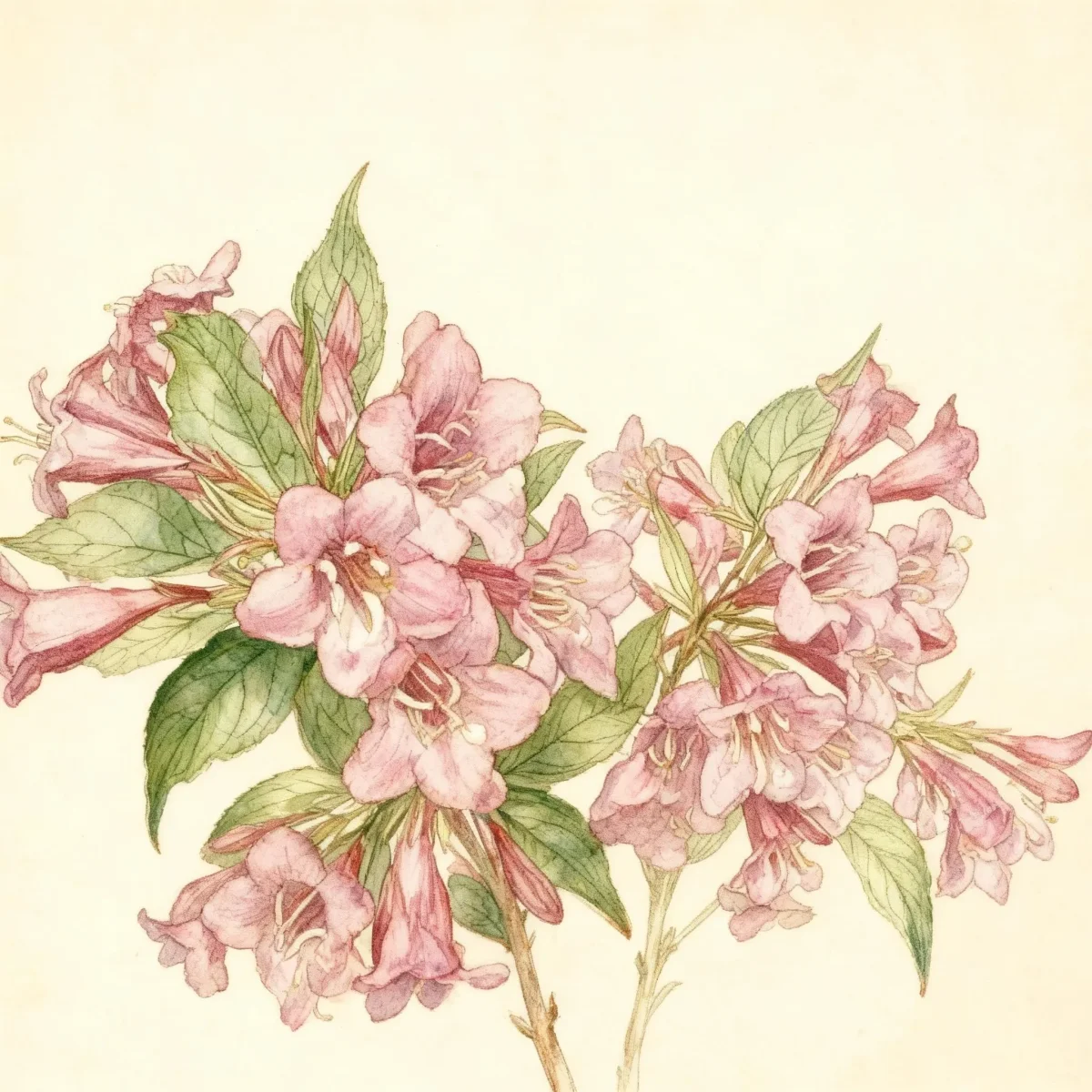
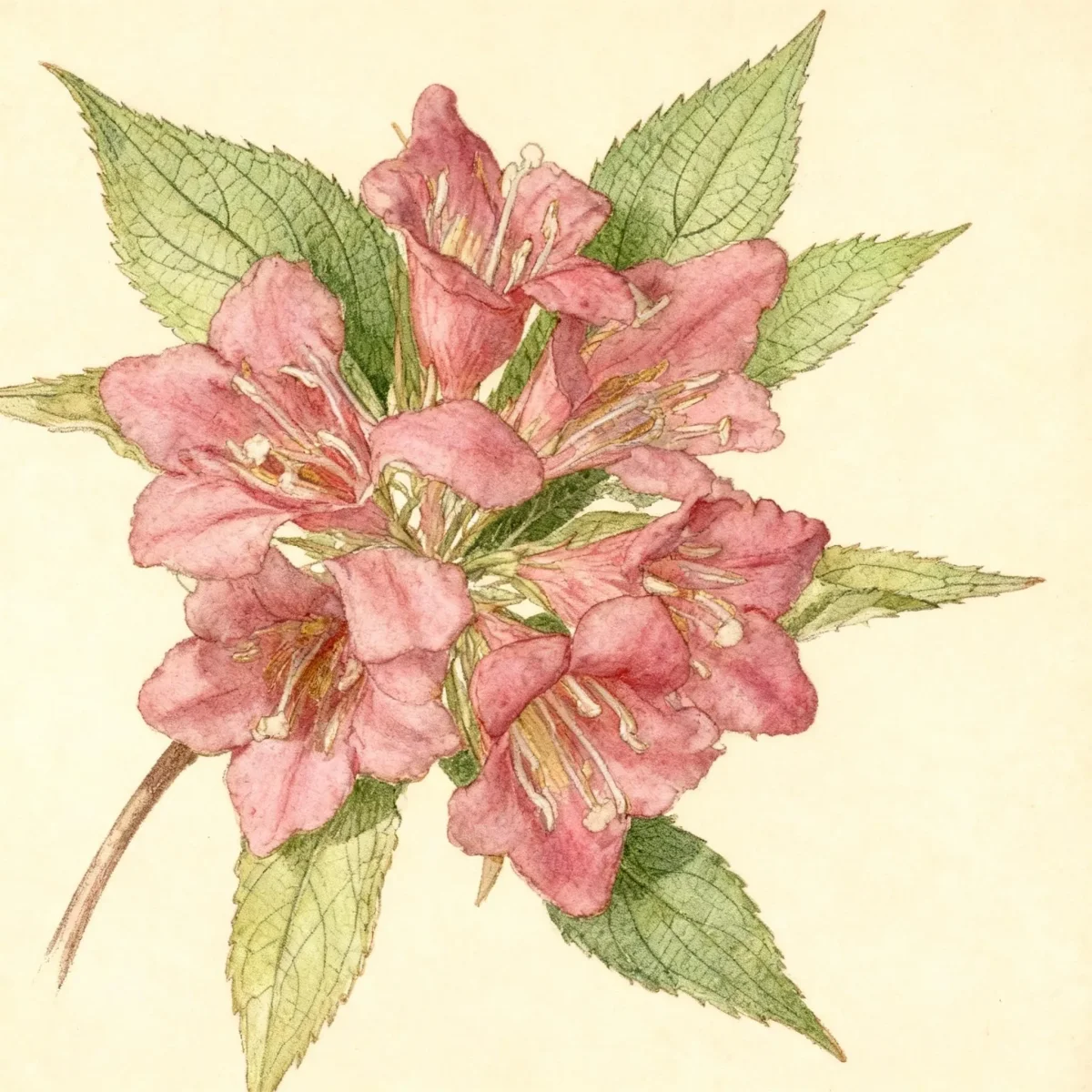
Weigela (Weigela florida 'Tango')
The compact Weigela florida 'Tango' is a low-maintenance deciduous shrub blooming red flowers, perfect for borders in USDA Zones 4-8.
Scroll down to discover growing tips, care requirements, companion plants, and more
Complete Plant Information
Overview
The Weigela florida ‘Tango’ is highly valued by landscape designers for its exceptionally compact habit, making it one of the smallest available Weigela varieties. This dense, rounded deciduous shrub packs seasonal interest into a small footprint, ideal for smaller garden spaces where traditional larger shrubs would overwhelm the area. Gardeners appreciate its low maintenance and vibrant display.
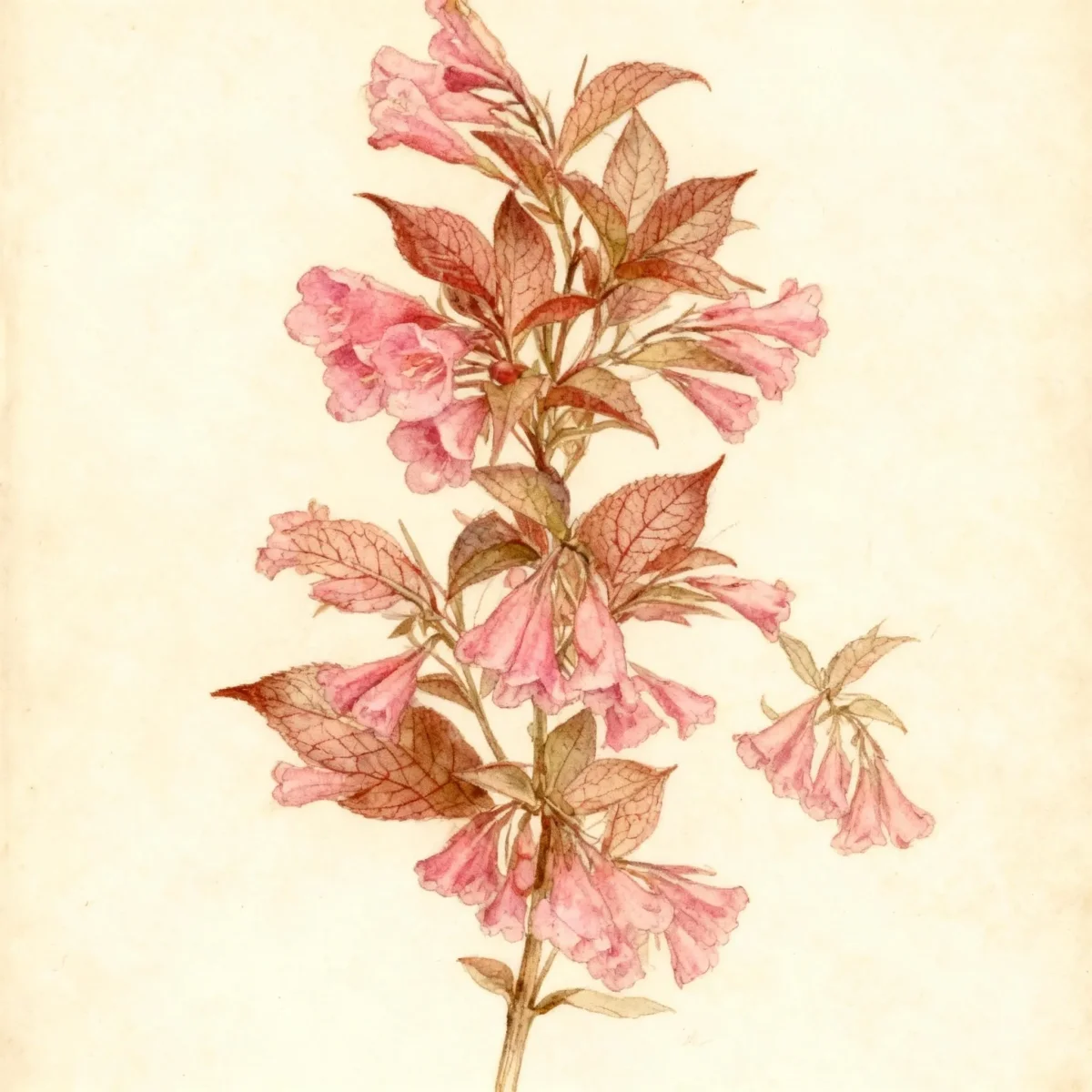
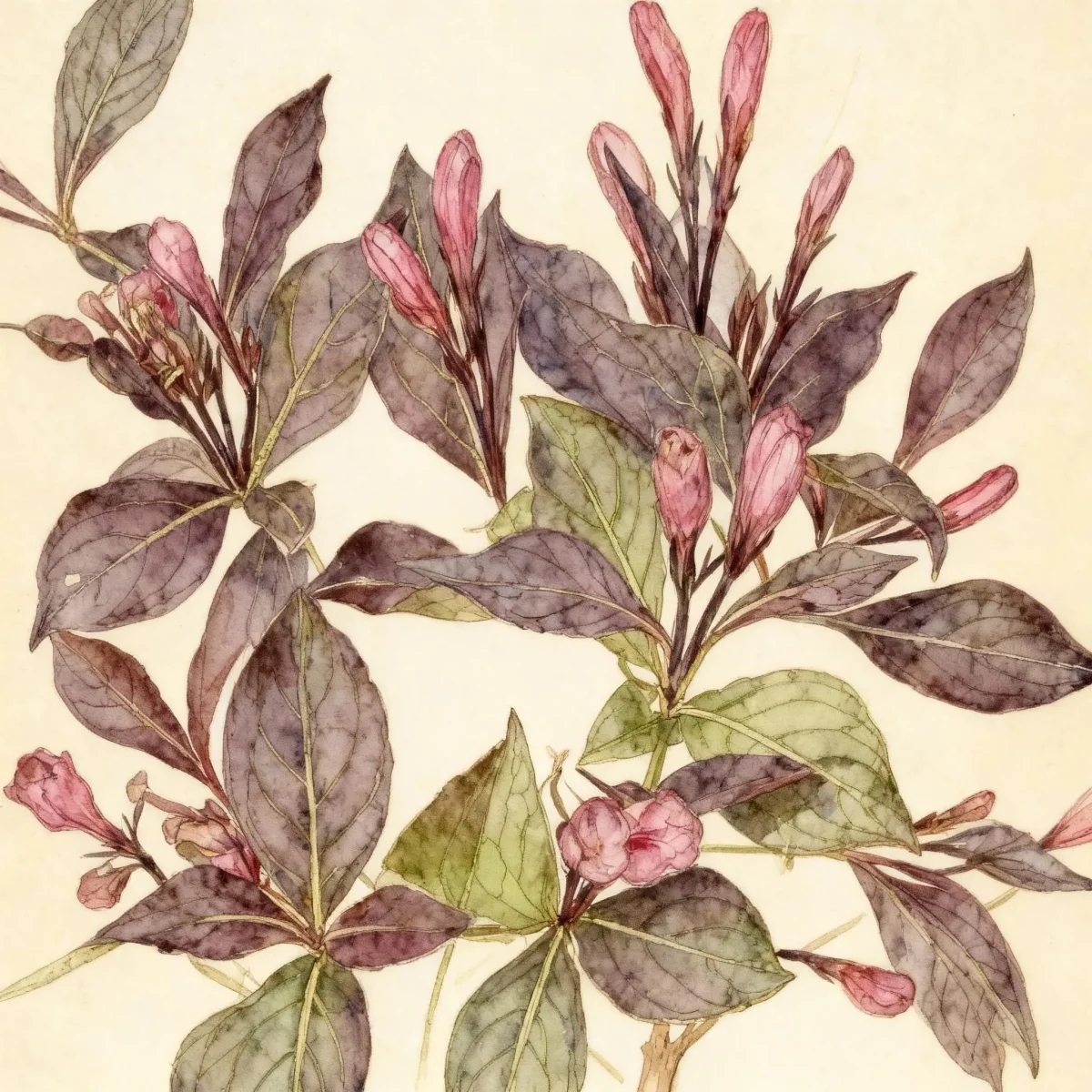
This cultivar is primarily recognized for its profuse spring flowering, featuring striking red, funnel-shaped blooms highlighted by a yellow throat, which are quite attractive to hummingbirds. Furthermore, the foliage of Weigela florida ‘Tango’ offers added value, presenting a distinct purplish hue that contrasts beautifully with brighter green plantings.
As a tough specimen, the Weigela handles average moisture and is notably tolerant of less-than-ideal ground conditions. Successfully growing this shrub requires selecting a sunny spot to maximize both the flower production and the desired foliage color.
Fast Facts
- Plant Family: Caprifoliaceae
- Plant Type: Deciduous shrub
- Hardiness Zones: USDA Zones 4-8
- Size at Maturity:
- Height: 2-2.5 ft
- Spread: 2.5-3 ft
- Bloom Time: April to June
- Bloom Description: Red with yellow throat
- Sun Exposure: Full sun
- Water Needs: Medium
- Maintenance Level: Low
How to Grow
Plant Weigela florida ‘Tango’ in the spring or fall, allowing it time to establish before harsh summer heat or deep winter cold sets in. Ensure placement receives full sun exposure for the very best flowering performance and to maintain its purplish foliage color; however, it will tolerate light or dappled shade. This shrub prefers average, medium-moisture, well-drained soil but readily adapts to average garden sites, including areas with clay soil.
Maintain consistent, medium moisture, especially during the first year after planting until the root system is well-developed. Fertilizing is rarely necessary if the soil quality is average. Prune immediately after the main spring bloom concludes to shape and encourage any sporadic repeat flowering later in the season. Avoid heavy pruning later in summer, as this can remove next year’s flower buds.
This genus is known for its ease of care, demanding low maintenance overall. For those interested in propagation, Weigela can be successfully multiplied using stem cuttings taken at the appropriate time during the growing season.
Landscape Uses
The compact nature of Weigela florida ‘Tango’ makes it an excellent choice for defining property margins or lining foundational plantings where height restrictions are important. Its 2-3 foot mature spread allows it to create continuous, low hedges that offer structure without blocking views.
Use this smaller Weigela cultivar to establish a clean border edge along walkways or driveways where a formal yet colorful boundary is desired. The purplish foliage provides year-round contrast when paired with silver-leafed plants or bright green hostas situated slightly behind it.
Consider planting Weigela florida ‘Tango’ in mass groupings for a stunning solid block of seasonal color, or utilize it in mixed perennial and shrub borders to provide reliable structure throughout the season.
Standout Features
Flower Qualities
- Showy
Noteworthy Characteristics
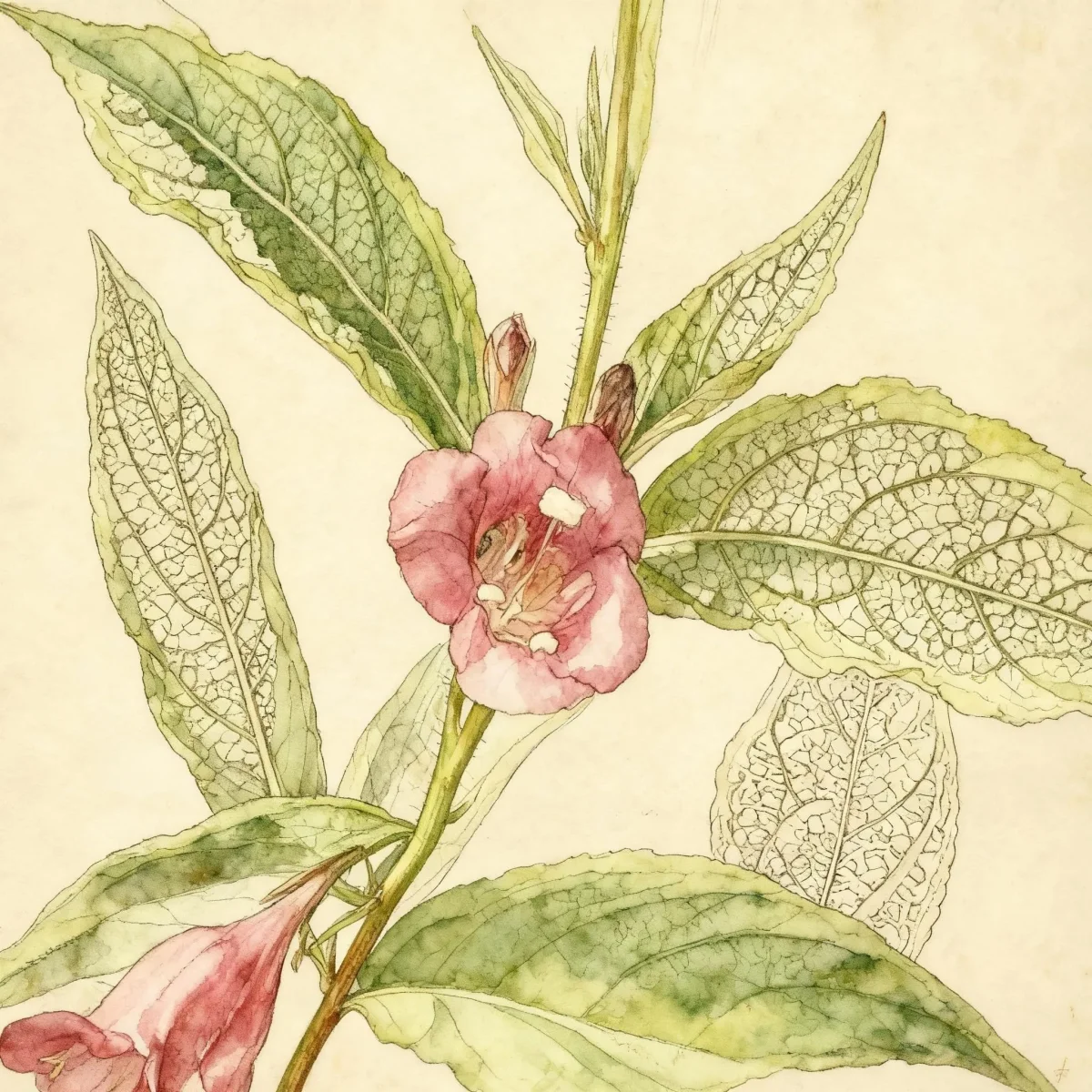
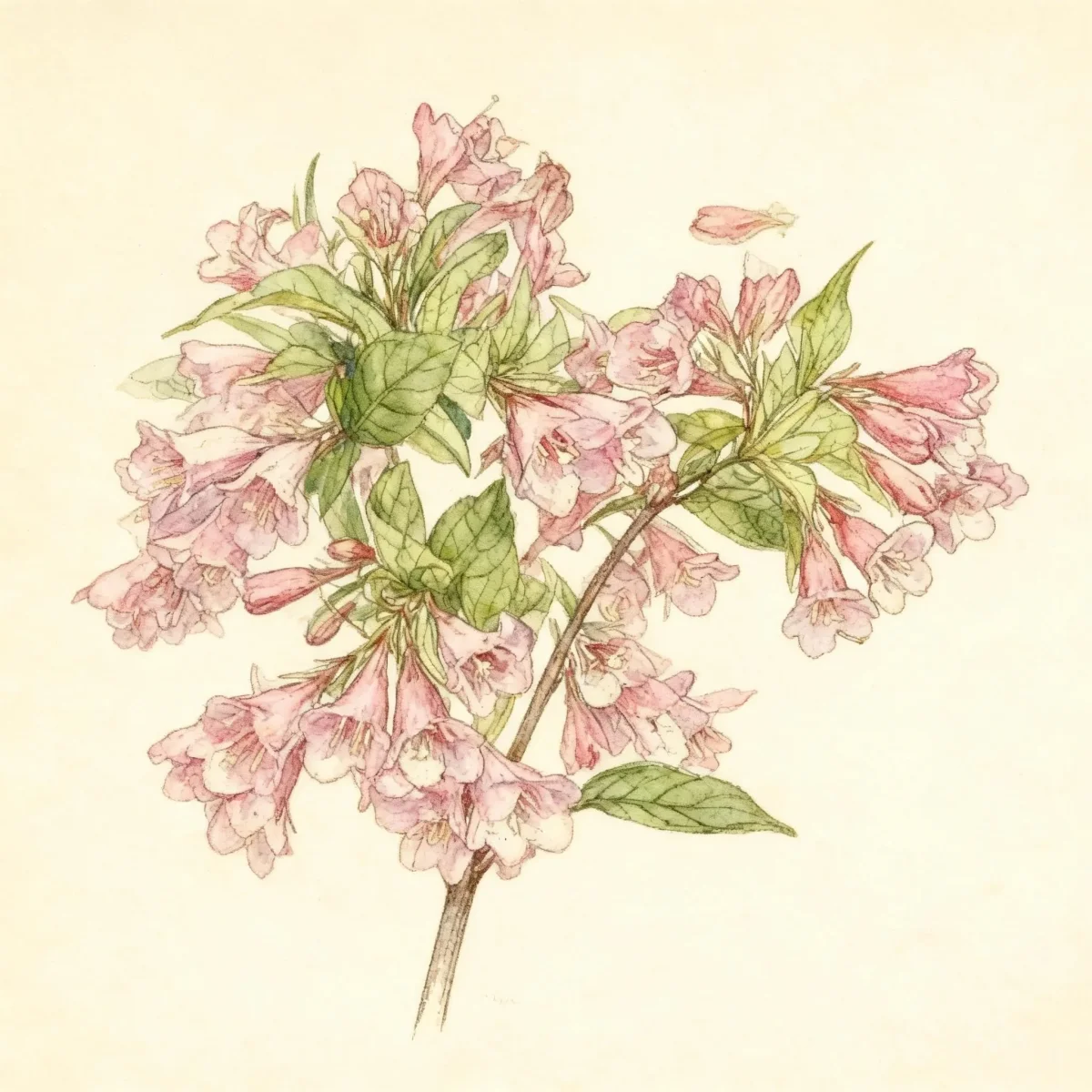
Weigela florida is native to northern China, Korea and Japan. It is a dense, rounded, deciduous shrub that typically grows to 6-10’ tall and may spread over time to as much as 12’ wide. Branching is somewhat coarse, and branches on mature shrubs tend to arch toward the ground. Funnel-shaped, rose pink flowers (each to 1.25” long) bloom profusely in spring, with a sparse and scattered repeat bloom often occurring in mid to late summer. Elliptic to obovate, medium green leaves (to 4.5” long) with serrate margins retain good color throughout the growing season. Insignificant fall color. Fruit is inconspicuous. Flowers are attractive to hummingbirds.The genus name Weigela honors Christian Ehrenfried Weigel (1748-1831), German professor at the University of Geifswald.The specific epithet florida means “freely flowering”, in reference to the flowering habit of this species.‘Tango’ is a compact, densely-rounded deciduous shrub which typically grows 2-2.5’ tall with a slightly larger spread. It is primarily grown for its compact size (one of the smallest of the weigelas), profuse spring flowers and purplish foliage. Red, funnel-shaped flowers (to 1.25” long) with yellow throats. Leaves greenish-purple above and dark green below
Tolerances
- Clay Soil
Potential Problems
This plant does not generally suffer from serious insect or disease problems, which contributes significantly to its low-maintenance rating. Gardeners should monitor for common shrub pests like aphids, but severe infestations requiring chemical intervention are rare. Proper siting—ensuring full sun and adequate drainage—is the best preventative measure against most mild aesthetic issues.
Frequently Asked Questions
What hardiness zones is Weigela suitable for?
Weigela florida ‘Tango’ is reliably hardy across USDA Zones 4 through 8.
How large does Weigela florida ‘Tango’ grow?
This compact cultivar typically reaches a height between 2 and 2.5 feet, spreading slightly wider at 2.5 to 3 feet at maturity.
When does Weigela bloom?
The primary blooming period for this Weigela occurs between April and June, displaying attractive red flowers with yellow throats.
What sun exposure does Weigela florida ‘Tango’ need?
For optimal flowering and foliage color, Weigela requires full sun exposure, although it can tolerate some dappled shade.
Conclusion
The Weigela florida ‘Tango’ offers unparalleled compact charm combined with robust, low-maintenance performance suitable for the most casual gardener. Combining eye-catching red spring blooms and distinctive purplish foliage, this small shrub excels in defined borders and foreground plantings. Before planting, always confirm your local USDA zone falls within the 4 to 8 range to ensure success with your new Weigela.
Companion Planting
When designing a border using Weigela florida ‘Tango’, select companions that complement its spring bloom or thrive under similar, relatively low-maintenance conditions. Consider pairing it with spring bulbs like daffodils or tulips, which flower before the Weigela reaches its peak, ensuring continuous interest during early spring months.
For summer texture and color contrast, low-growing, moisture-loving perennials work well beneath the shrub canopy. Plants like Hosta cultivars with chartreuse or variegated foliage provide excellent contrast against the deep purple leaves of the ‘Tango’ form during the middle of the growing season.
Since this Weigela needs full sun for its best performance, choose companion plants that also thrive in bright light conditions. Opt for sun-tolerant groundcovers or edging plants that won’t compete heavily for root space but can bridge the transition between the compact shrub and hardscaping.
Wildlife Benefits
The funnel-shaped structure of the Weigela florida ‘Tango’ flowers is perfectly suited for attracting specific pollinators. The nectar-rich blossoms serve as an excellent food source, notably drawing in hummingbirds early in the season.
While the fruit produced by this cultivar is inconspicuous, the dense branching structure of the Weigela provides valuable shelter and nesting opportunities for small songbirds throughout the year. Its low, rounded form offers good cover near ground level.
Focusing on the bloom time, planting this Weigela near other early-season nectar sources can help establish a reliable feeding corridor for avian visitors as they become more active. This hardy shrub asks for little but rewards with accessible, reliable floral energy for local wildlife.