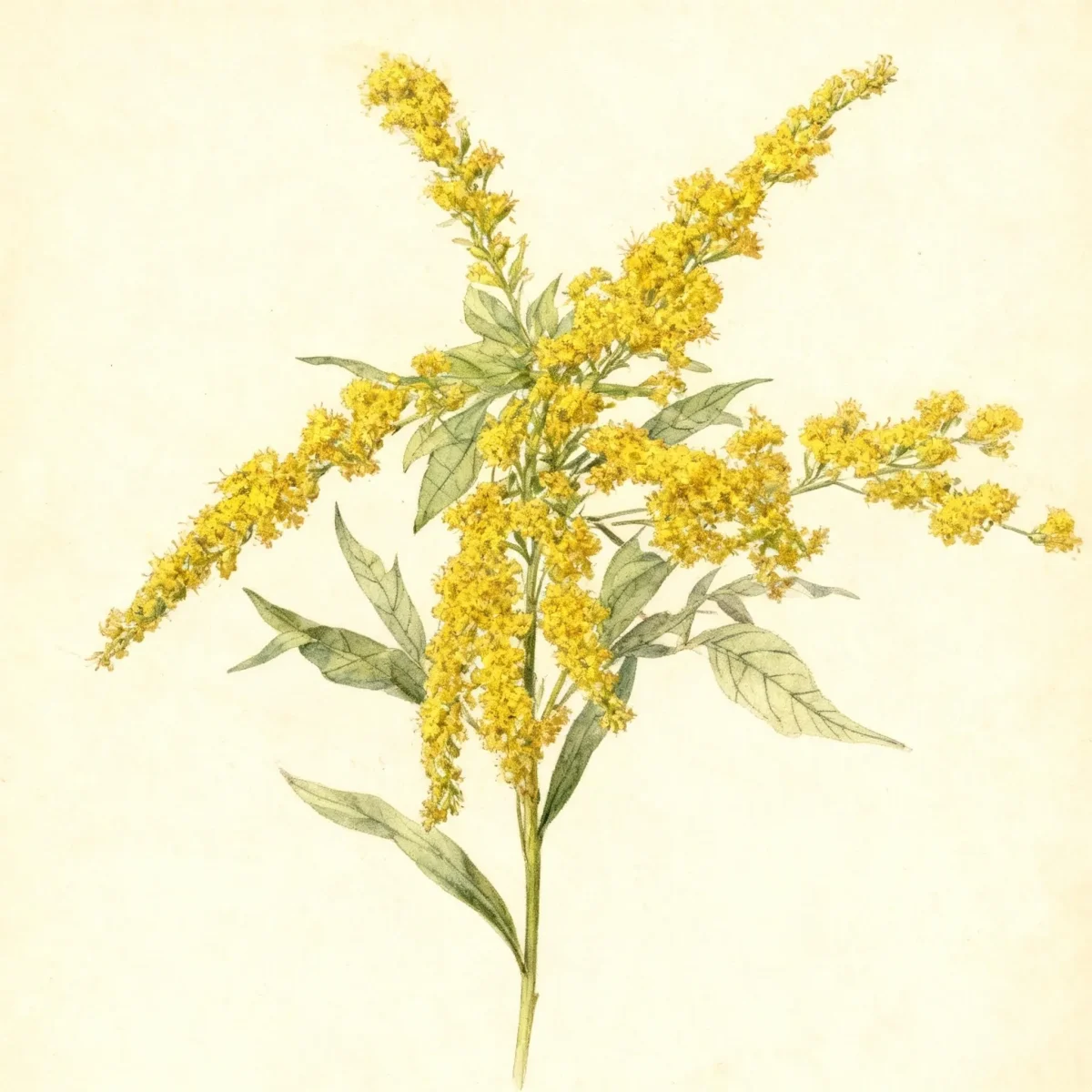
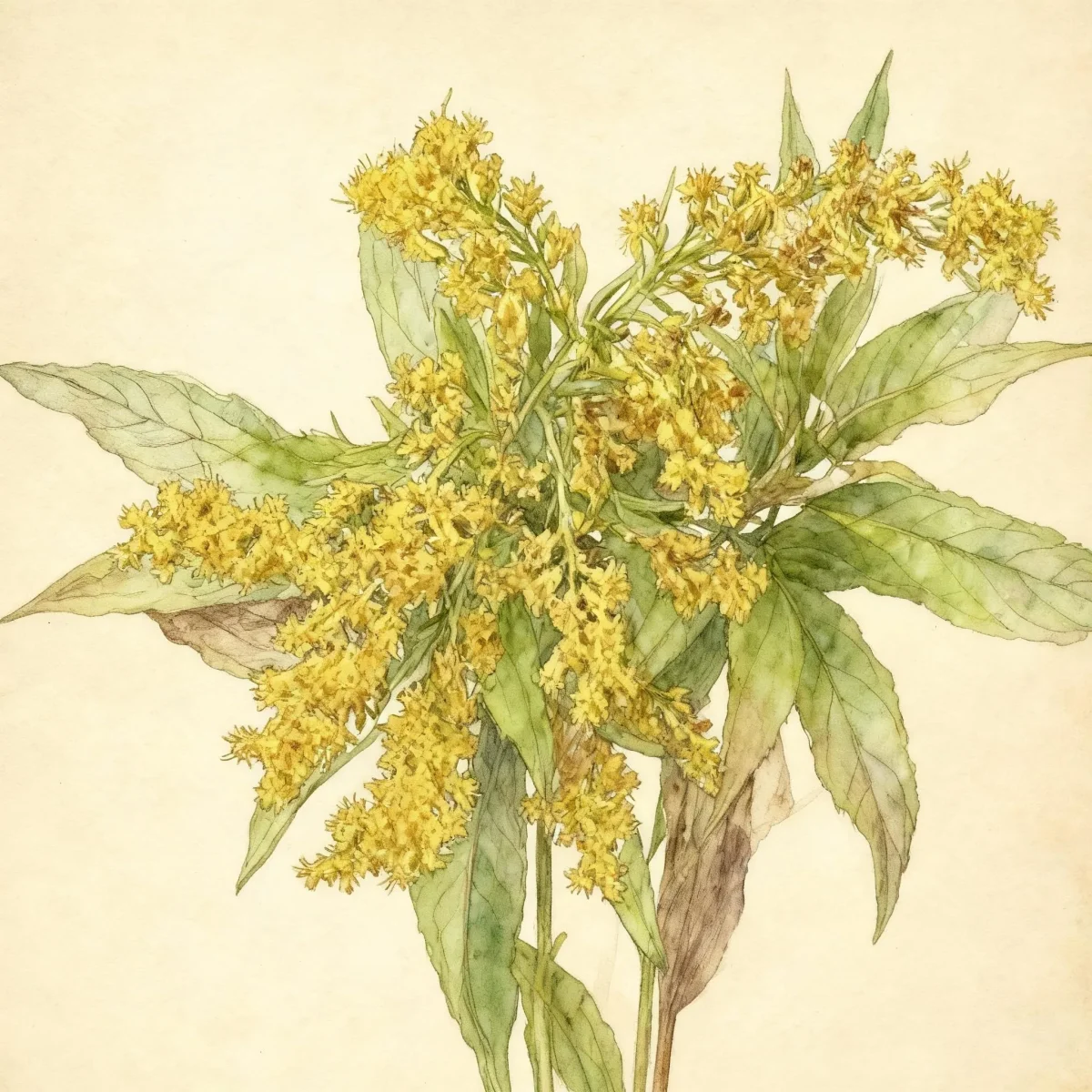
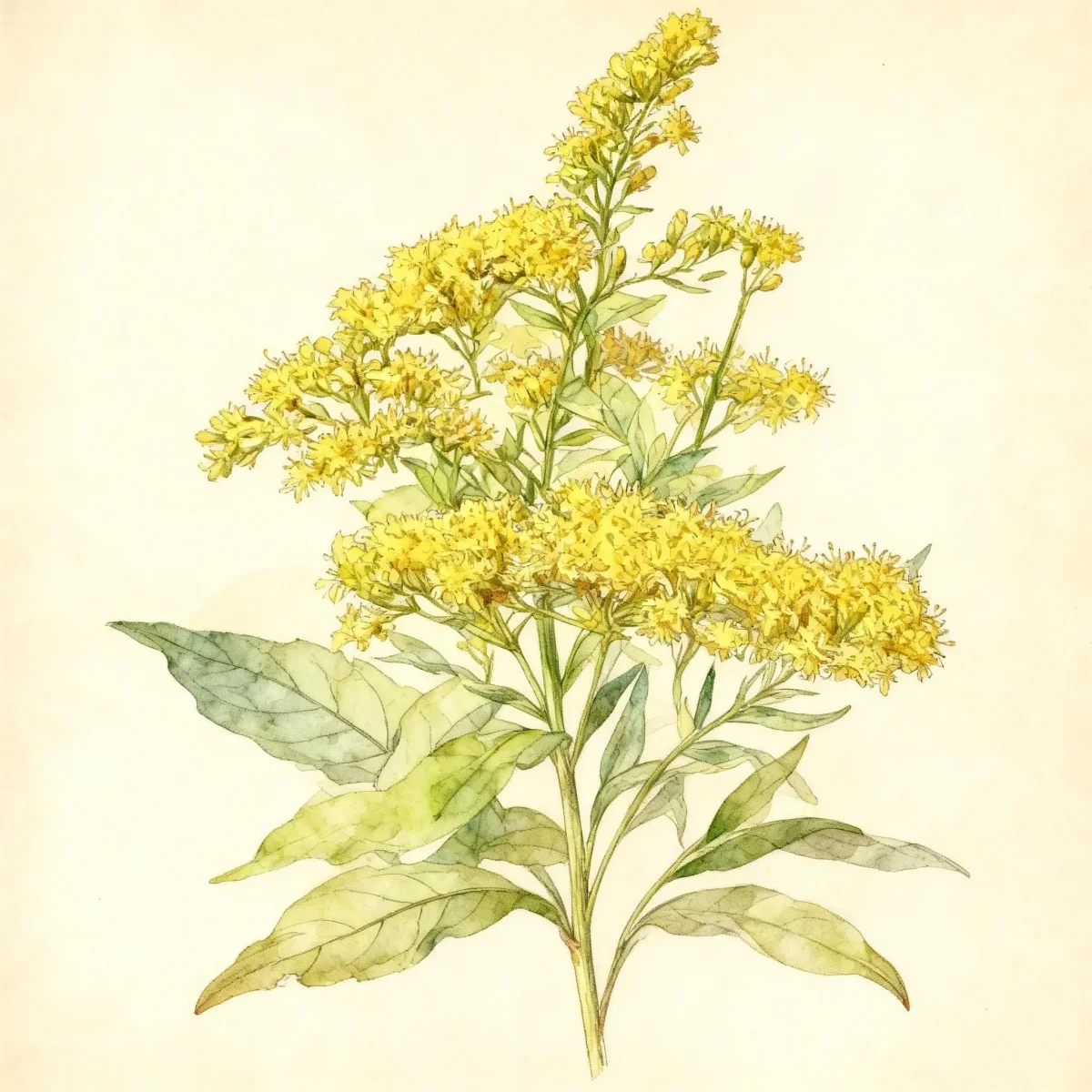
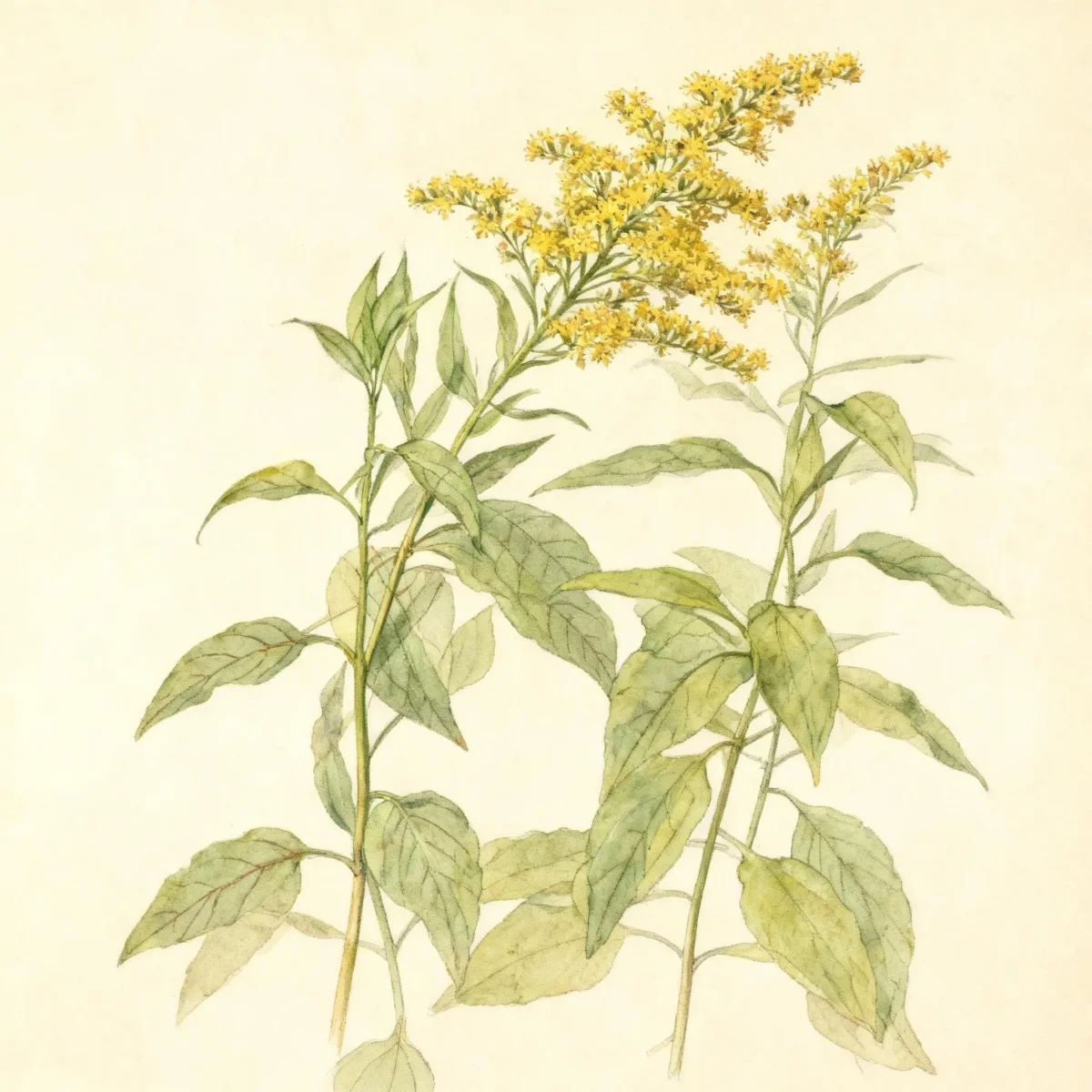
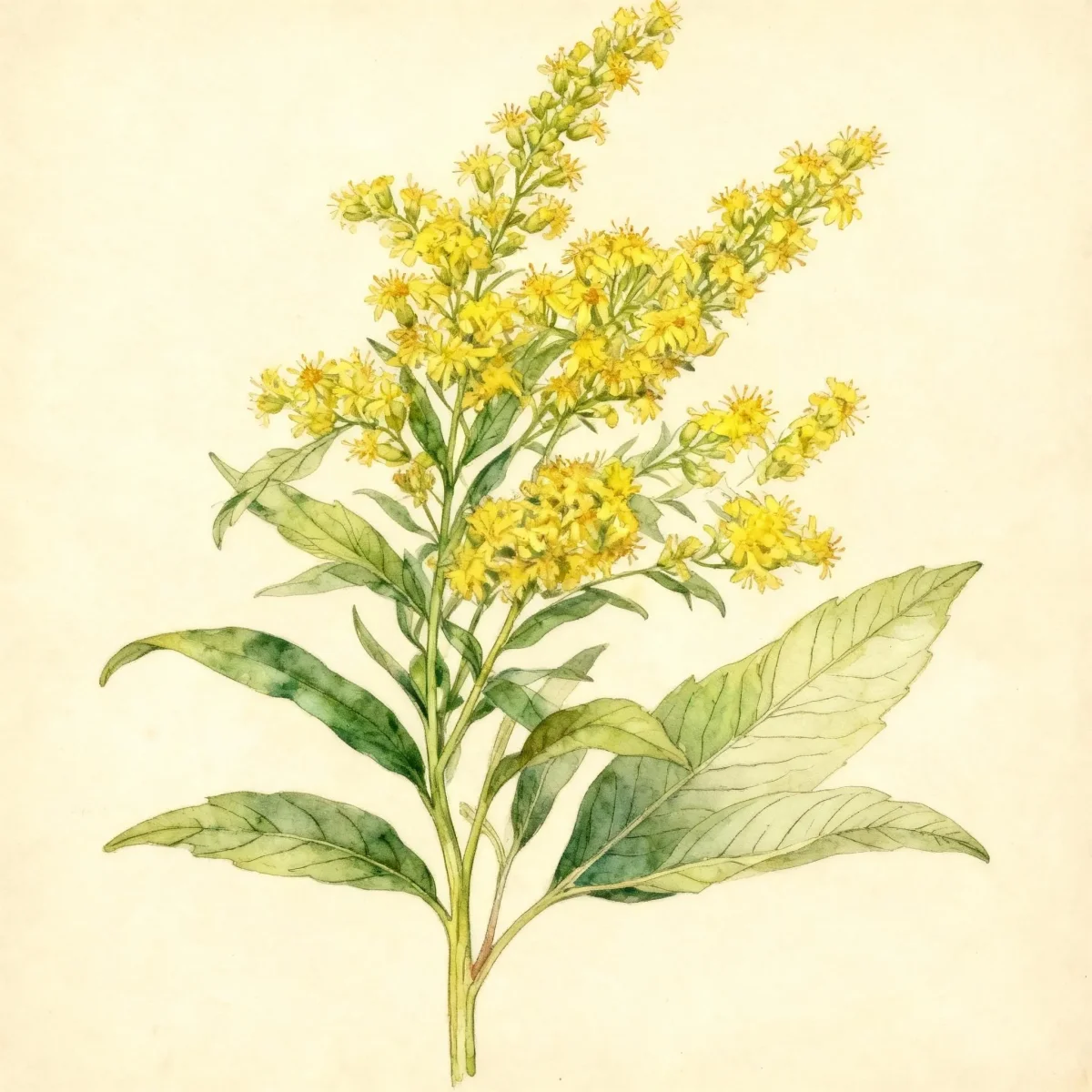
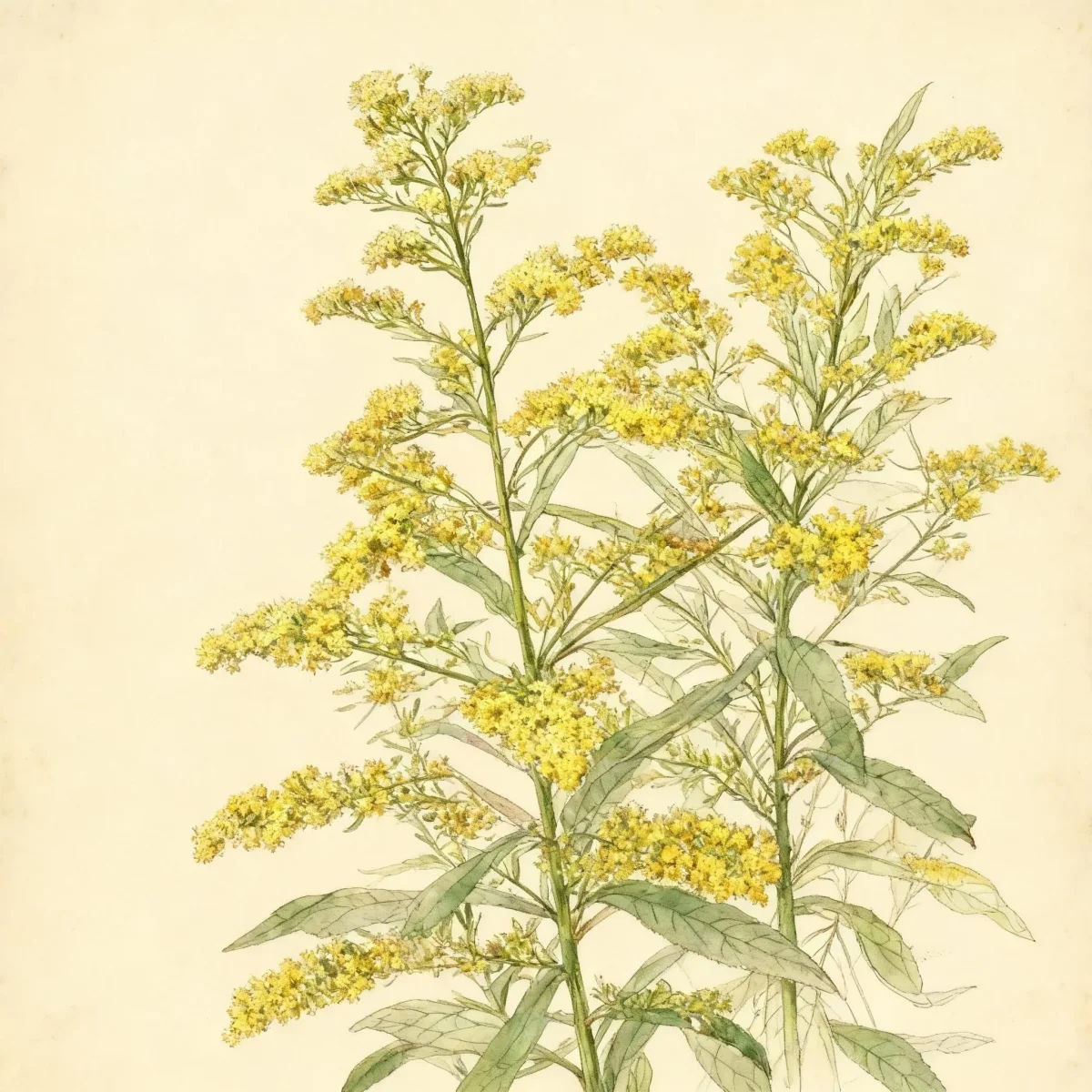
Goldenrod (Solidago 'Goldkind' GOLDEN BABY)
Goldenrod Solidago 'Goldkind' GOLDEN BABY offers dense, bright yellow fall color requiring low maintenance and tolerating dry, poor soils.
Scroll down to discover growing tips, care requirements, companion plants, and more
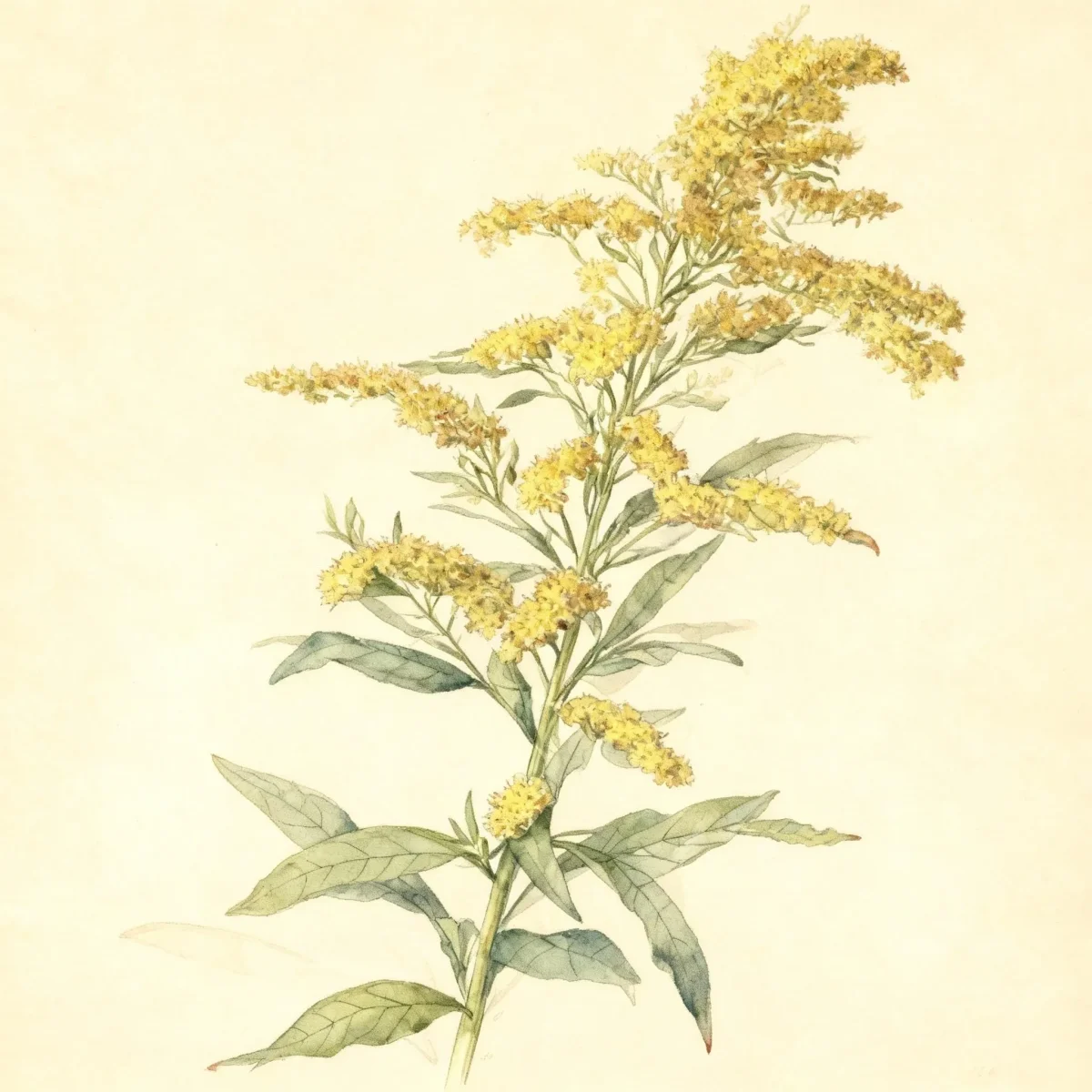
Complete Plant Information
Overview
Solidago ‘Goldkind’ GOLDEN BABY, a cherished variety of Goldenrod, brings reliable, brilliant color to the garden as summer fades into autumn. This herbaceous perennial forms neat clumps topped with masses of tiny, bright yellow flowers, ensuring a vibrant late-season display. Gardeners value this introduction for its manageable size and remarkable tolerance for less-than-ideal conditions.
This specific cultivar excels in attracting beneficial insects, making it a powerhouse for backyard ecology. The dense, plume-like panicles of Solidago ‘Goldkind’ GOLDEN BABY are magnets for bees and butterflies seeking nectar before winter. Growing easily in most conditions, this Goldenrod remains low maintenance, thriving even when neglected slightly.
For gardeners seeking structure and lasting color in the waning months, Solidago ‘Goldkind’ GOLDEN BABY provides fantastic textural appeal. Its upright, stiff stems offer contrast against softer late-season foliage, establishing it as an indispensable plant for any naturalized or perennial border design.
Fast Facts
- Plant Family: Asteraceae
- Plant Type: Herbaceous perennial
- Hardiness Zones: USDA Zones 4-8
- Size at Maturity:
- Height: 1.5-2 ft
- Spread: 0.75-1 ft
- Bloom Time: July to September
- Bloom Description: Yellow
- Sun Exposure: Full sun
- Water Needs: Dry to medium
- Maintenance Level: Low
How to Grow
Planting Solidago ‘Goldkind’ GOLDEN BABY is best done in spring or early fall, ensuring establishment before extreme temperatures arrive. Locate it in a spot receiving full sun for the best flower production, although it can manage light shade. This Goldenrod variety is very adaptable and easily grown in average, well-drained soils, flourishing even in poor, dry conditions.
Watering should be consistent until the plant is established, but once mature, it handles drought well, preferring dry to medium soil moisture levels. Fertilization is rarely necessary given its tolerance for poor soil; over-fertilizing can lead to weak, floppy growth. To maintain a compact habit and encourage further bloom, remember to remove spent flower clusters after the main flush has faded.
As a robust perennial, Solidago ‘Goldkind’ GOLDEN BABY requires minimal winter preparation. Cut back the dead stems in late winter or early spring before new growth emerges. Good air circulation is important; ensure plants are spaced correctly to help prevent minor fungal issues like powdery mildew later in the season.
Landscape Uses
The placement of Solidago ‘Goldkind’ GOLDEN BABY is highly versatile due to its sturdy, upright habit and late summer impact. It functions perfectly as a mid-height anchor toward the middle of the perennial border, providing strong vertical accents when many other plants are finished blooming. Because it handles dry soil and clay soil well, it is an excellent choice for difficult locations or areas where water conservation is a priority.
Consider using this bright Goldenrod variety in wide, naturalized drifts within a meadow garden scheme, where its massed yellow blooms create a spectacular visual tapestry in late summer. It also pairs beautifully with deep purple bloomers, such as Asters or tall ornamental grasses, offering maximum contrast. Its low maintenance and deer resistance make it a reliable background plant for structure.
Standout Features
Flower Qualities
- Showy
Noteworthy Characteristics
The genus Solidago, commonly called goldenrod, comprises about 100 perennial species popular for their bright yellow flowers that peak in fall gardens. They are exceptionally attractive to native bees and butterflies, often misunderstood as a hayfever trigger, which usually originates from wind-borne ragweed. Solidago ‘Goldkind’ GOLDEN BABY is a clump-forming hybrid featuring tiny, bright yellow flowers in dense, horizontal panicles, offering a long mid-summer to fall bloom period and making it a good candidate as a cut flower.
Tolerances
- Deer
- Drought
- Clay Soil
- Dry Soil
Potential Problems
This Goldenrod cultivar generally avoids serious health issues, keeping maintenance low. Growers should scout for signs of rust, a fungal disease that appears as orange or yellow pustules on the leaves, particularly when humidity remains high. Regularly inspect foliage for powdery mildew, which manifests as a white, dusty coating, though good air circulation helps prevent its rapid spread. Spotting leaf spot early allows for prompt removal of affected foliage to control spread.
Frequently Asked Questions
What hardiness zones is Goldenrod suitable for?
Solidago ‘Goldkind’ GOLDEN BABY is reliably hardy across USDA Zones 4 through 8.
How large does Solidago ‘Goldkind’ GOLDEN BABY grow?
This clump-forming perennial typically reaches a mature height between 1.5 and 2 feet, with a spread of 0.75 to 1 foot wide.
What sun exposure does Goldenrod need?
For the most prolific flowering display, ensure Solidago ‘Goldkind’ GOLDEN BABY receives full sun exposure throughout the growing season.
When does Goldenrod bloom?
This variety provides substantial color from July extending through September, featuring dense clusters of bright yellow flowers.
Conclusion
Solidago ‘Goldkind’ GOLDEN BABY is a high-performing, low-effort addition that guarantees vibrant yellow color when many other plants fade. Its toughness regarding drought, poor soil, and deer browsing makes this Goldenrod an essential backbone plant for late-season interest. Assess your garden’s light conditions and ensure it receives full sun to take full advantage of this excellent perennial.
Companion Planting
When designing a late-season tapestry, consider pairing Solidago ‘Goldkind’ GOLDEN BABY with complementary textures and colors. Plants that share its love for full sun and dry to medium conditions work best. Excellent partners include purple New England Asters (Symphyotrichum novae-angliae), which bloom simultaneously, creating a classic yellow and purple contrast. Also consider planting near prairie grasses like Little Bluestem, whose fine texture and developing blue-to-red winter color provide excellent structural support against the upright yellow plumes of the Goldenrod.
Wildlife Benefits
The late bloom time of Solidago ‘Goldkind’ GOLDEN BABY provides crucial nectar resources when insect populations begin to dwindle before winter. This Goldenrod is specifically noted for being very attractive to bees and butterflies seeking vital energy reserves. Planting this variety ensures your garden supports local pollinator health throughout the transition from summer to fall, making it a functional choice as well as an ornamental one.