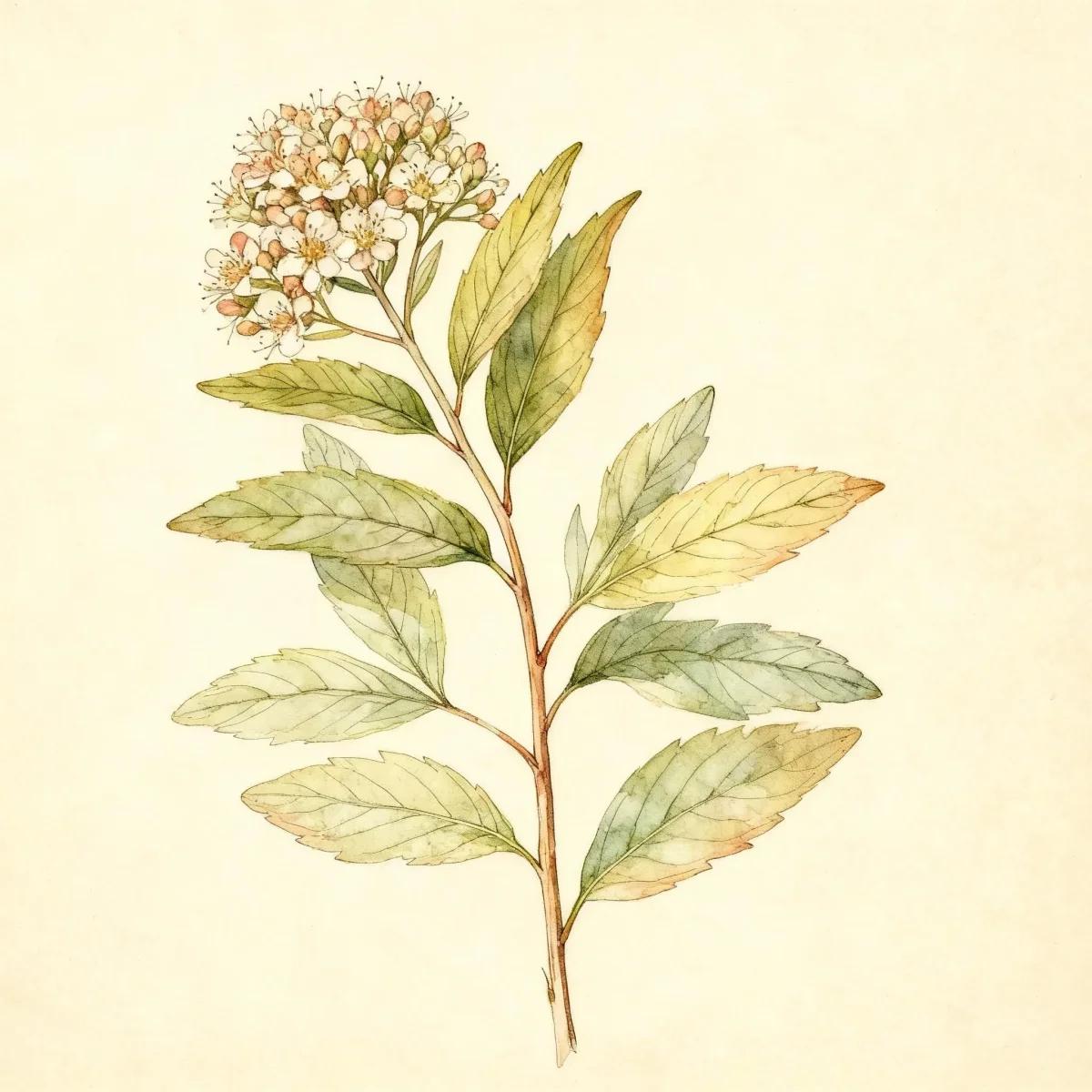
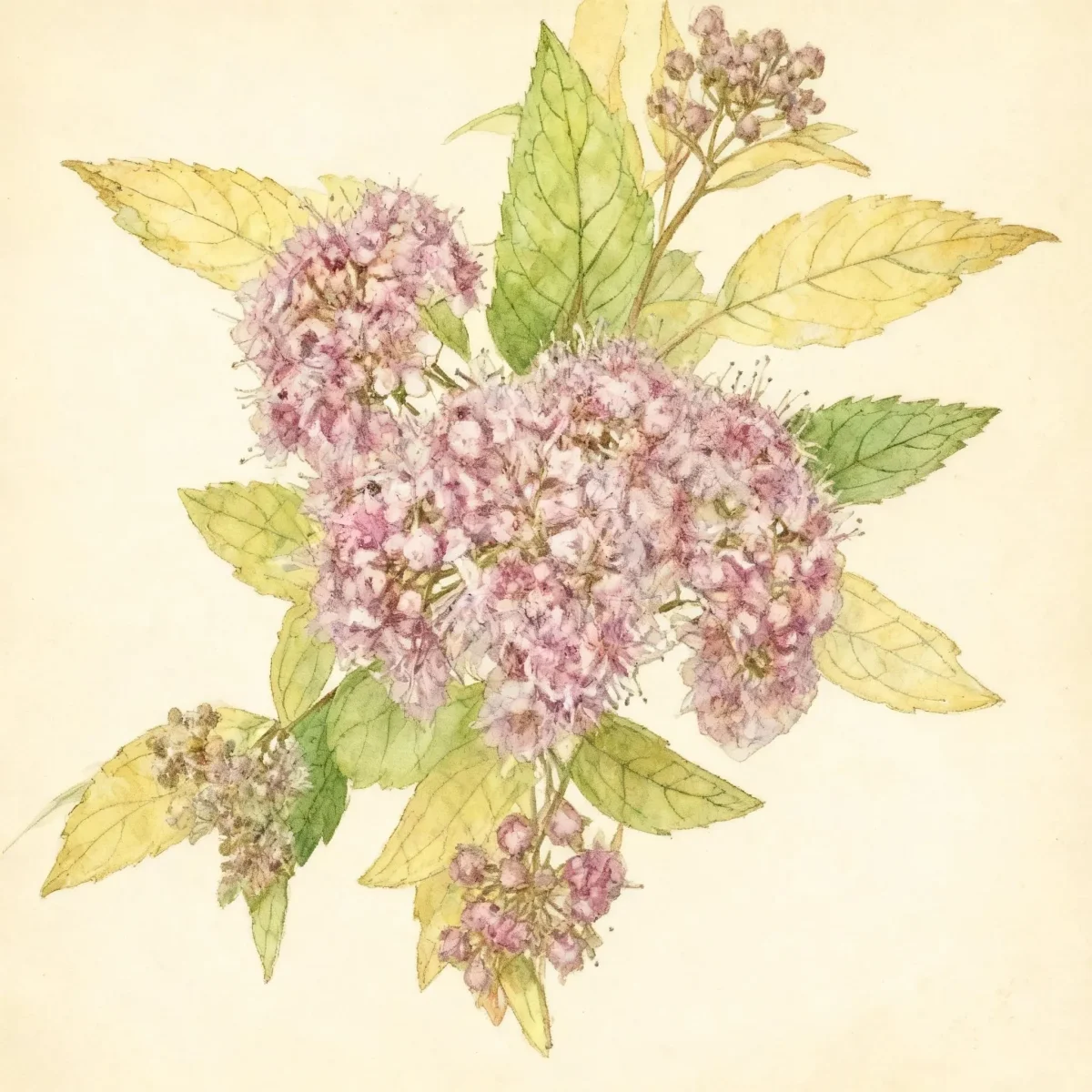
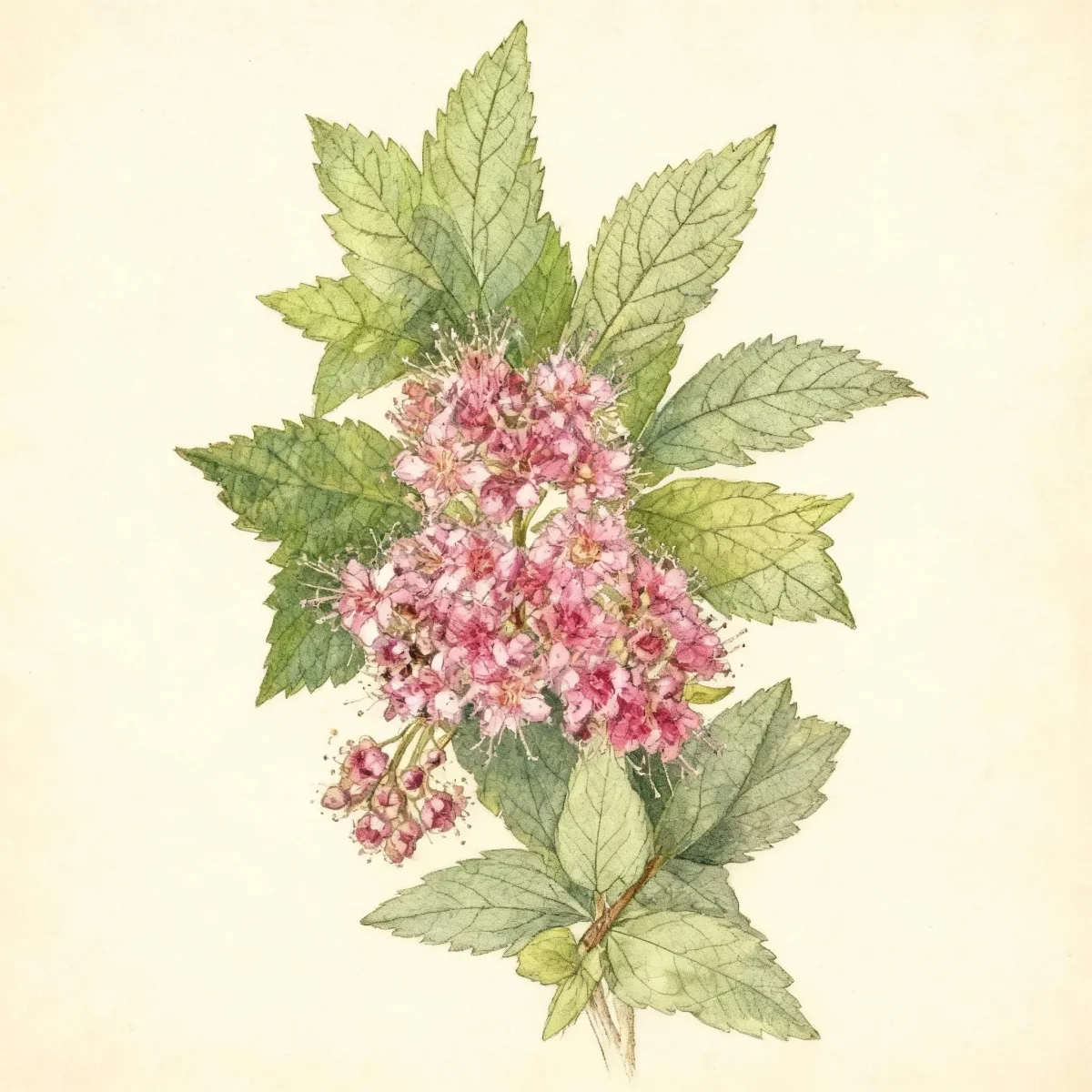
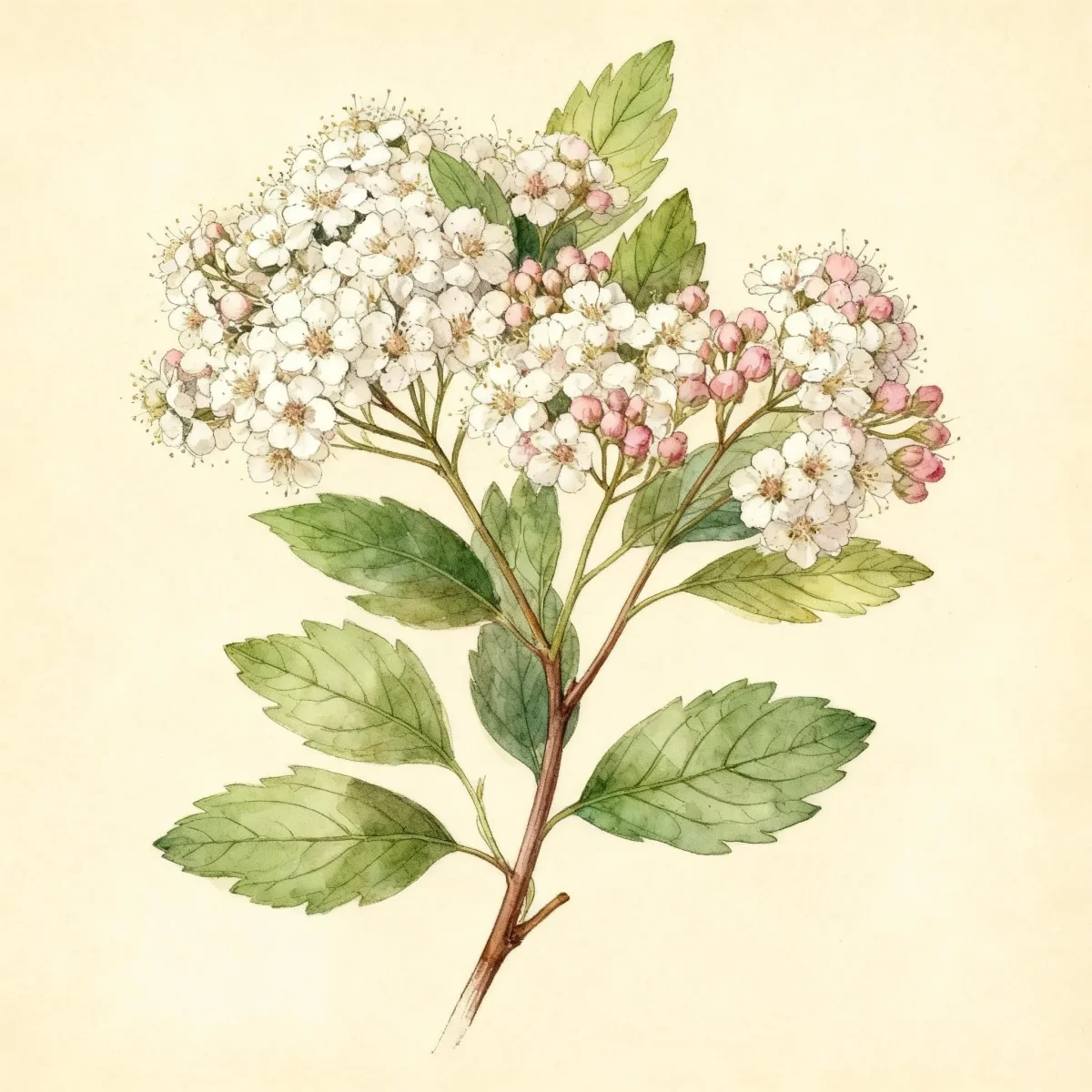
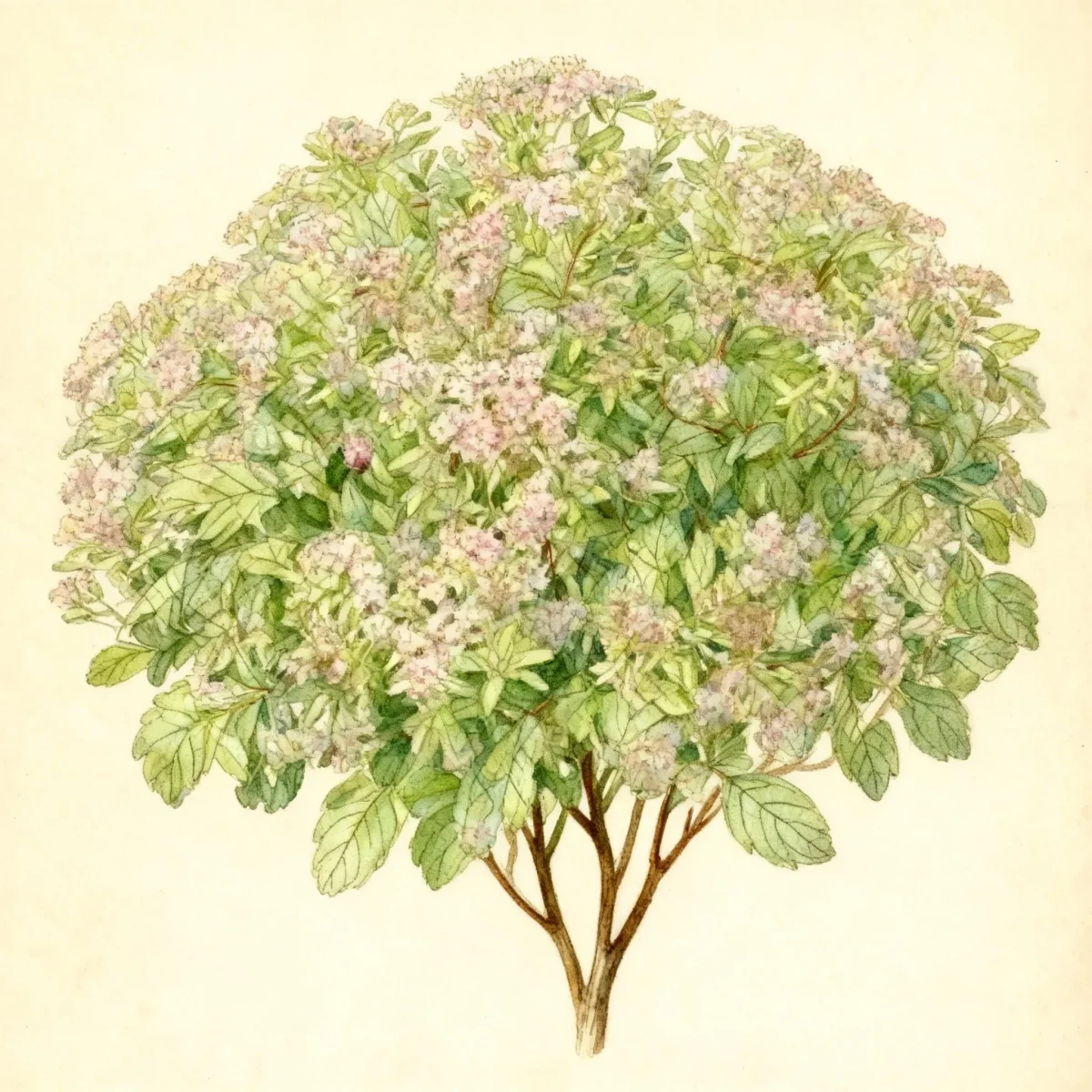
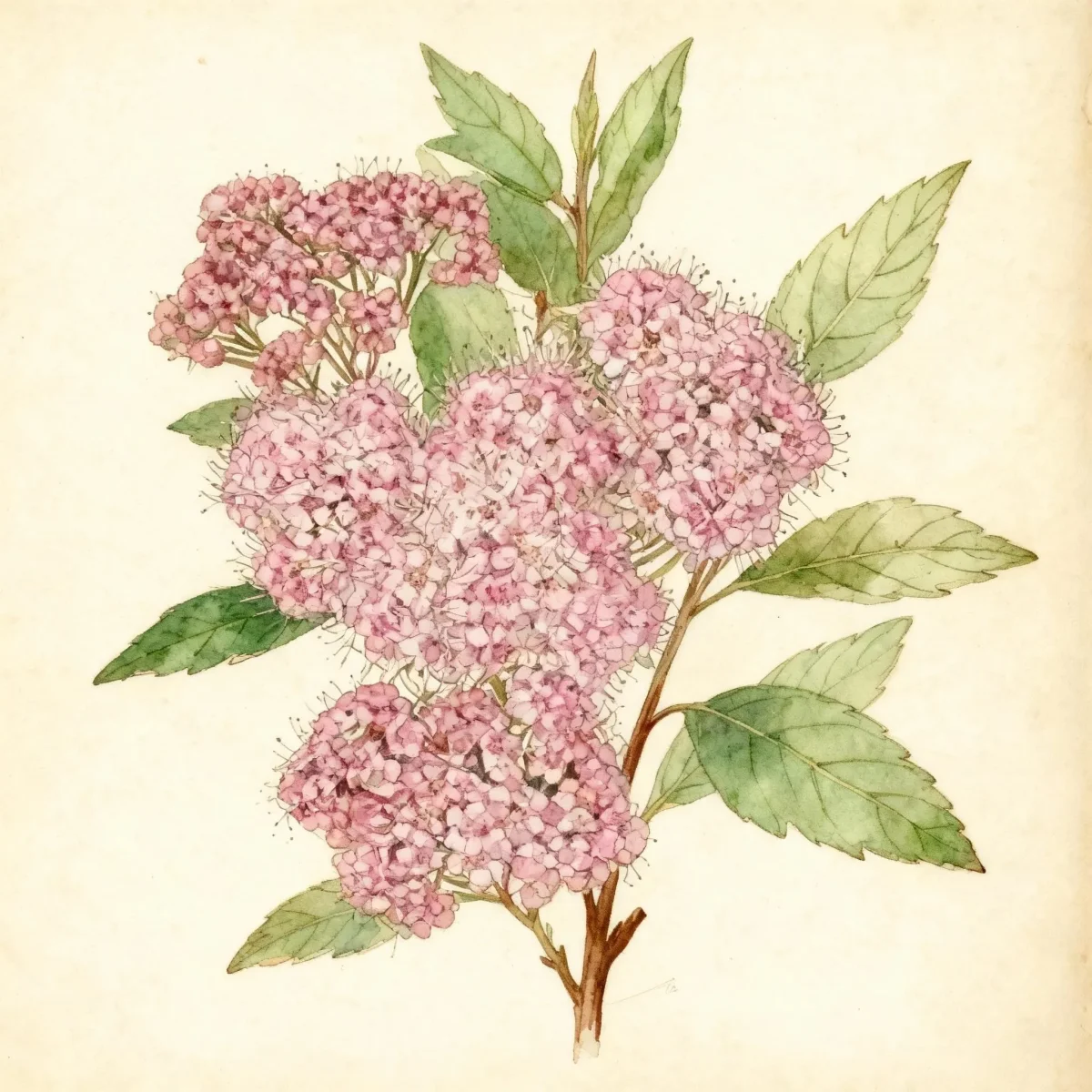
Japanese spirea (Spiraea japonica 'Nana')
Spiraea japonica 'Nana' is a dwarf, low-maintenance Japanese spirea perfect for ground cover, offering pink blooms in early summer.
Scroll down to discover growing tips, care requirements, companion plants, and more

Complete Plant Information
Overview
The Japanese spirea cultivars are garden mainstays, and Spiraea japonica ‘Nana’ stands out as an exceptionally compact and manageable choice. This dwarf deciduous shrub forms dense, neat mounds, rarely exceeding one foot in height, making it ideal where space is limited or a formal edge is desired. Its value comes from its low-maintenance nature combined with dependable spring-to-summer color.
Throughout late spring and early summer, Spiraea japonica ‘Nana’ is covered in flat-topped clusters of tiny pink flowers, presenting a cheerful display against its small, sharply toothed leaves. While the species can be larger, this cultivar provides excellent texture and structure, often developing attractive red and orange tinges in the autumn foliage. It is highly adaptable and robust, easily integrated into mixed borders or used as a low foundation planting.
For gardeners seeking reliability, Japanese spirea offers significant utility. It tolerates various conditions, including clay soil and pollution, establishing easily in full sun. Whether used as a ground cover or a border accent, this variety simplifies landscape management while rewarding growers with season-long visual interest.
Fast Facts
- Plant Family: Rosaceae
- Plant Type: Deciduous shrub
- Hardiness Zones: USDA Zones 4-8
- Size at Maturity:
- Height: 0.75-1 ft
- Spread: 1-3 ft
- Bloom Time: May to July
- Bloom Description: Pink
- Sun Exposure: Full sun
- Water Needs: Medium
- Maintenance Level: Low
How to Grow
Spiraea japonica ‘Nana’ thrives when planted in spring or fall. Select a location that receives full sun, as adequate light ensures the densest growth and best flowering performance, although it tolerates light shade. This shrub accepts a wide range of soils; however, it performs best in average, medium-moisture, well-drained loams that are rich in organic matter. Good drainage is paramount to preventing root issues in this easily grown plant.
Water needs are medium; maintain consistent moisture, especially during the establishment phase. Fertilizing is rarely necessary if planted in rich soil, but a balanced slow-release fertilizer applied in early spring can encourage robust flowering. Pruning for shape should be done in late winter or early spring before new growth starts, as Japanese spirea flowers on new wood. Light shearing immediately following the main flush of bloom can encourage some sparse, intermittent repeat flowering.
Avoid heavy pruning in late summer or fall to ensure buds set properly for the following season. Although low maintenance, be aware that Spiraea japonica ‘Nana’ is noted to spread by suckering and can occasionally be an aggressive self-seeder in favorable, moist environments. Deadheading faded flower clusters is optional but helps neaten its appearance.
Landscape Uses
The diminutive size of Spiraea japonica ‘Nana’ makes it incredibly versatile for low-level design elements. It serves perfectly as a ground cover, suppressing weeds while offering consistent texture. Use it massed on slopes to help manage erosion, a tolerance it handles well, or line it along the front edge of a shrub border where taller selections can rise behind it.
This cultivar excels as a low hedge defining pathways or walkways where a formal yet soft edge is desired. It is also an excellent choice for foundation plantings, particularly beneath windows, as it remains compact and does not obscure architectural features. Its adaptability to clay soil also makes it a reliable filler in difficult sites.
Consider pairing smaller, chartreuse-leaved companions next to the blue-green foliage of Spiraea japonica ‘Nana’) for high contrast. It also performs well alongside creeping sedums or low-growing evergreens, providing year-round interest to rock gardens where it is often suggested as a specimen plant.
Standout Features
Flower Qualities
- Showy
Noteworthy Characteristics
‘Nana’ represents a very low-growing, rounded deciduous shrub form of Japanese spirea, typically forming compact mounds reaching only about 12 inches tall. It features numerous pink flowers in flat-topped clusters during late spring and mid-summer, complemented by small, oval, blue-green leaves that provide excellent seasonal color shifts, turning appealing shades of red and orange in the autumn. The genus name, Spiraea, refers to its showy flower clusters, a characteristic beautifully maintained in this dwarf cultivar, also sometimes known as alpine spirea.
Tolerances
- Deer
- Erosion
- Clay Soil
- Air Pollution
Potential Problems
This shrub generally avoids any serious insect or disease issues, contributing to its reputation as low maintenance. However, as a member of the rose family, Spiraea japonica ‘Nana’ can occasionally be targeted by common pests and pathogens affecting related species. These might include aphids, scale, or leaf spot, and occasionally fire blight or powdery mildew, particularly if humidity is high or air circulation is poor.
Preventative care centers on proper siting—ensuring full sun and good air movement reduces the risk of fungal issues like powdery mildew. If pests like aphids appear, they can usually be managed with horticultural oils or insecticidal soap. Since the plant flowers on new wood, pruning should be timed correctly, and general cleanliness in the garden prevents overwintering pests.
Frequently Asked Questions
What hardiness zones is Japanese spirea suitable for?
Spiraea japonica ‘Nana’ is reliably hardy across USDA Zones 4 through 8, offering wide adaptability.
How large does Spiraea japonica ‘Nana’ grow?
This dwarf cultivar forms very compact mounds, typically reaching only 0.75 to 1 foot in height with a spread between 1 and 3 feet.
What sun exposure does Spiraea japonica ‘Nana’ need?
For best performance, including dense foliage and prolific pink blooms, full sun exposure is recommended, though it tolerates light shade.
When does Japanese spirea bloom?
This variety of Japanese spirea blooms reliably from May through July, displaying its characteristic pink flowers.
Conclusion
The Spiraea japonica ‘Nana’ delivers exceptional garden value through its diminutive size, reliable pink summer blooms, and unmatched ease of care. Its dense habit and resistance to common urban stresses make this form of Japanese spirea an essential choice for ground covers, edging, and low foundation plantings. Before planting, confirm that your garden falls within USDA Hardiness Zones 4 to 8 and plant during appropriate seasonal windows for best establishment.
Companion Planting
Selecting appropriate partners can enhance the visual appeal of the low-growing Spiraea japonica ‘Nana’. Since it requires sun and appreciates medium, well-drained soil, pair it with other adaptable perennials or low shrubs that share similar cultural needs. Consider using low-growing ornamental grasses, like Japanese forest grass (Hakonechloa macra) if you can provide slightly more moisture, or creeping thyme varieties that thrive with drying sun.
For textural contrast, incorporate plants that bloom later in the season or possess distinctly different foliage shapes. While Spiraea japonica ‘Nana’ offers its pink bloom early, later-blooming plants like Russian Sage or certain varieties of Coneflower (Echinacea) will extend your border’s color sequence effectively. In rock garden settings, its compact form serves as an excellent, durable green anchor.
Design Ideas for Dwarf Spirea
The functionality of Spiraea japonica ‘Nana’ as a low hedge or border restraint is one of its greatest assets. Use continuous rows to subtly define the edge of a walkway without blocking views, leveraging its rigid, mounding habit for clean lines. Because it is tolerant of air pollution, it works well in moderately urbanized settings, such as along driveways or street verges where other sensitive plants might struggle.
This cultivar is also highly effective in large-scale mass plantings where instant, uniform coverage is required. When planted closely enough, the one-foot height creates a tight, low-maintenance carpet of foliage interspersed with pink flowers for several weeks each summer. This massing effect helps suppress weeds reliably, minimizing the need for weeding schedules.