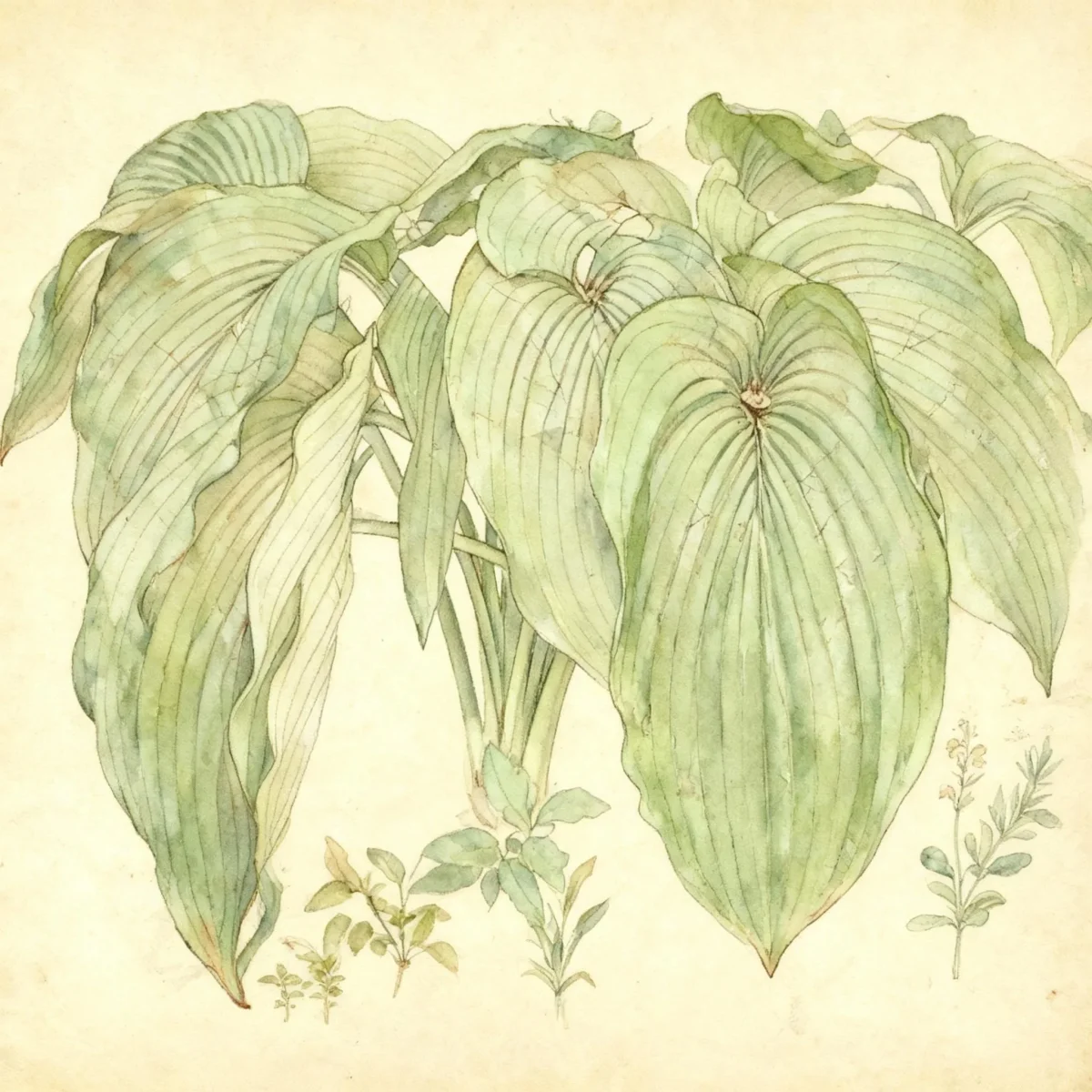
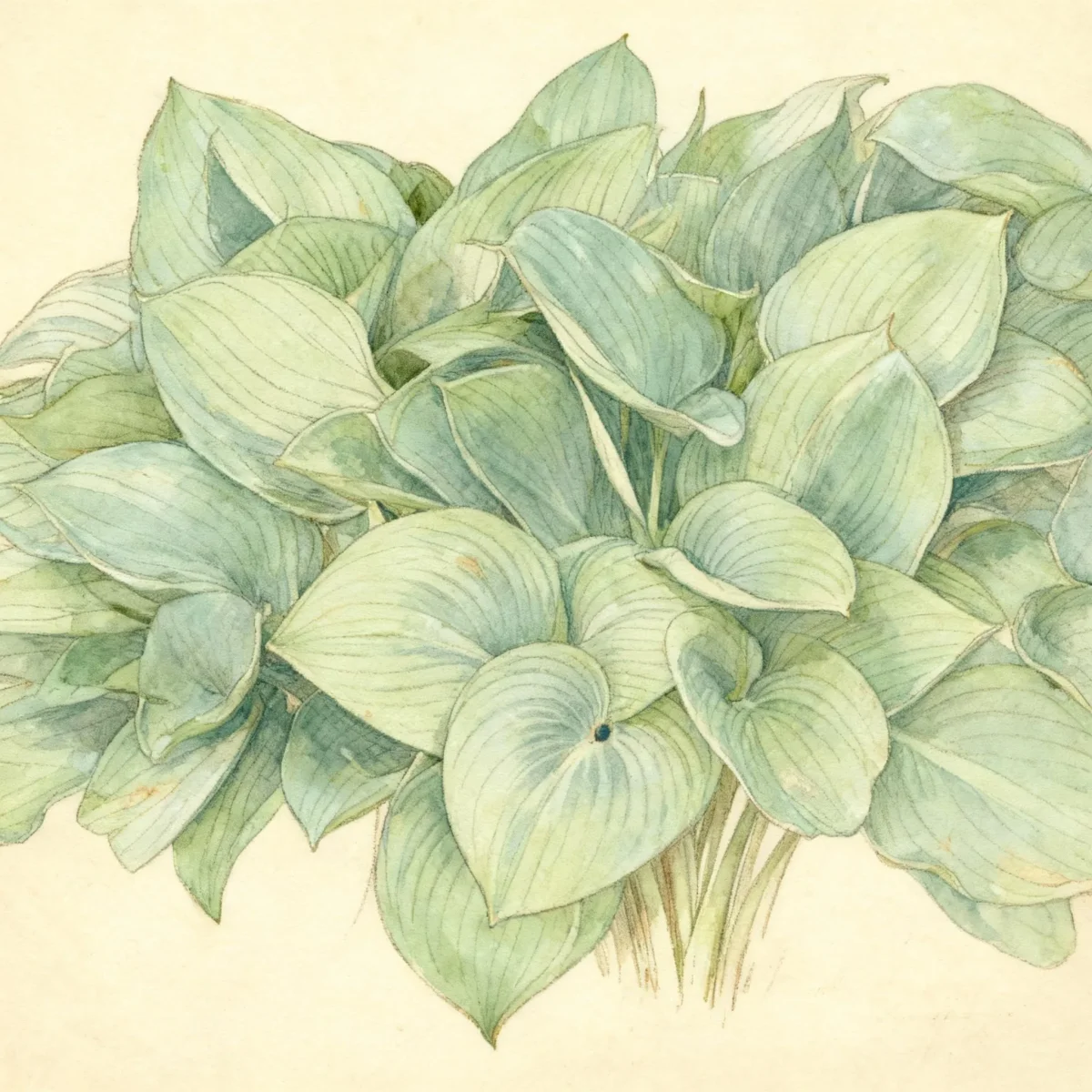
Hosta (Hosta 'Gold Standard')
Hosta 'Gold Standard' delights shade gardens with its striking gold-centered, green-margined foliage and low-maintenance profile.
Scroll down to discover growing tips, care requirements, companion plants, and more
Complete Plant Information
Overview
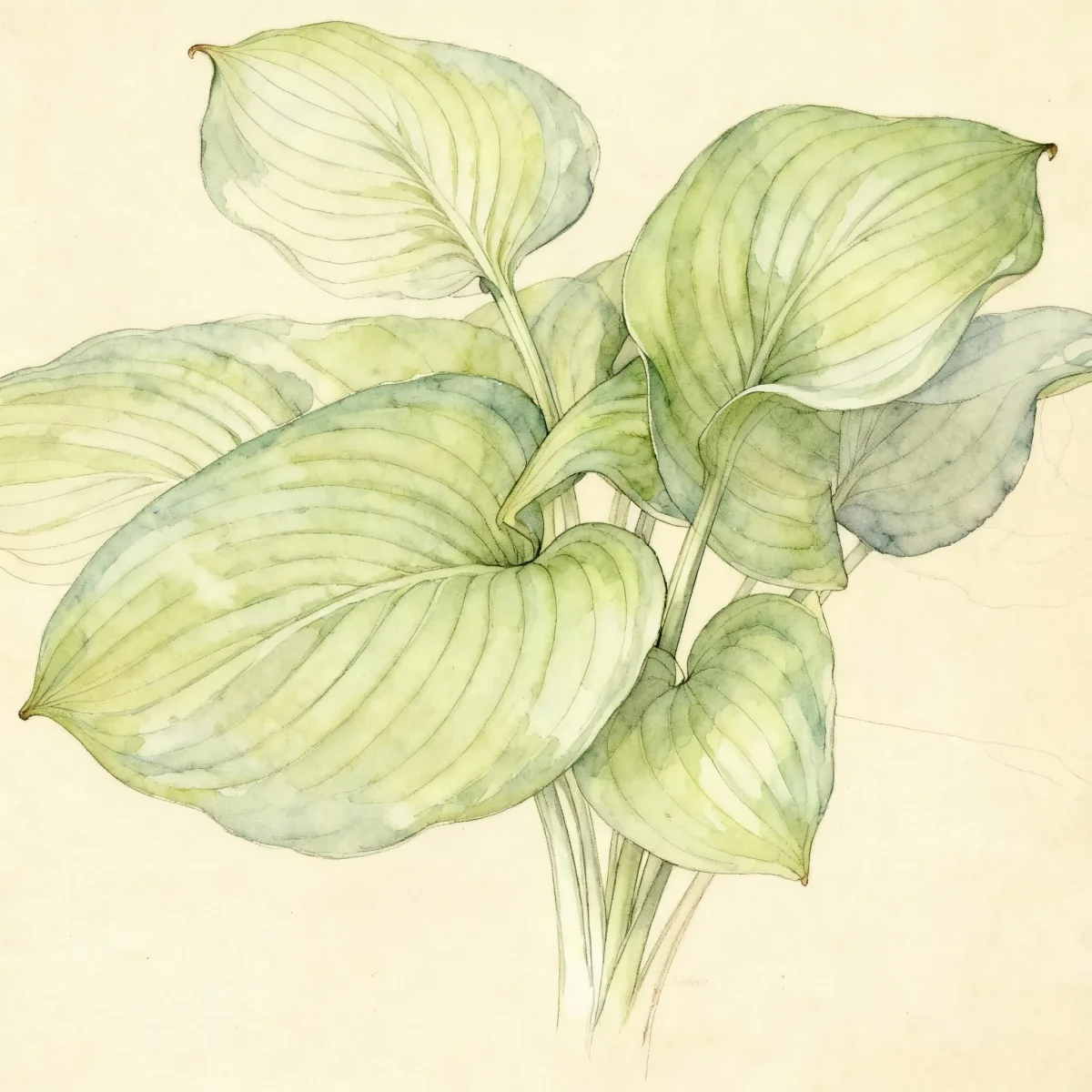
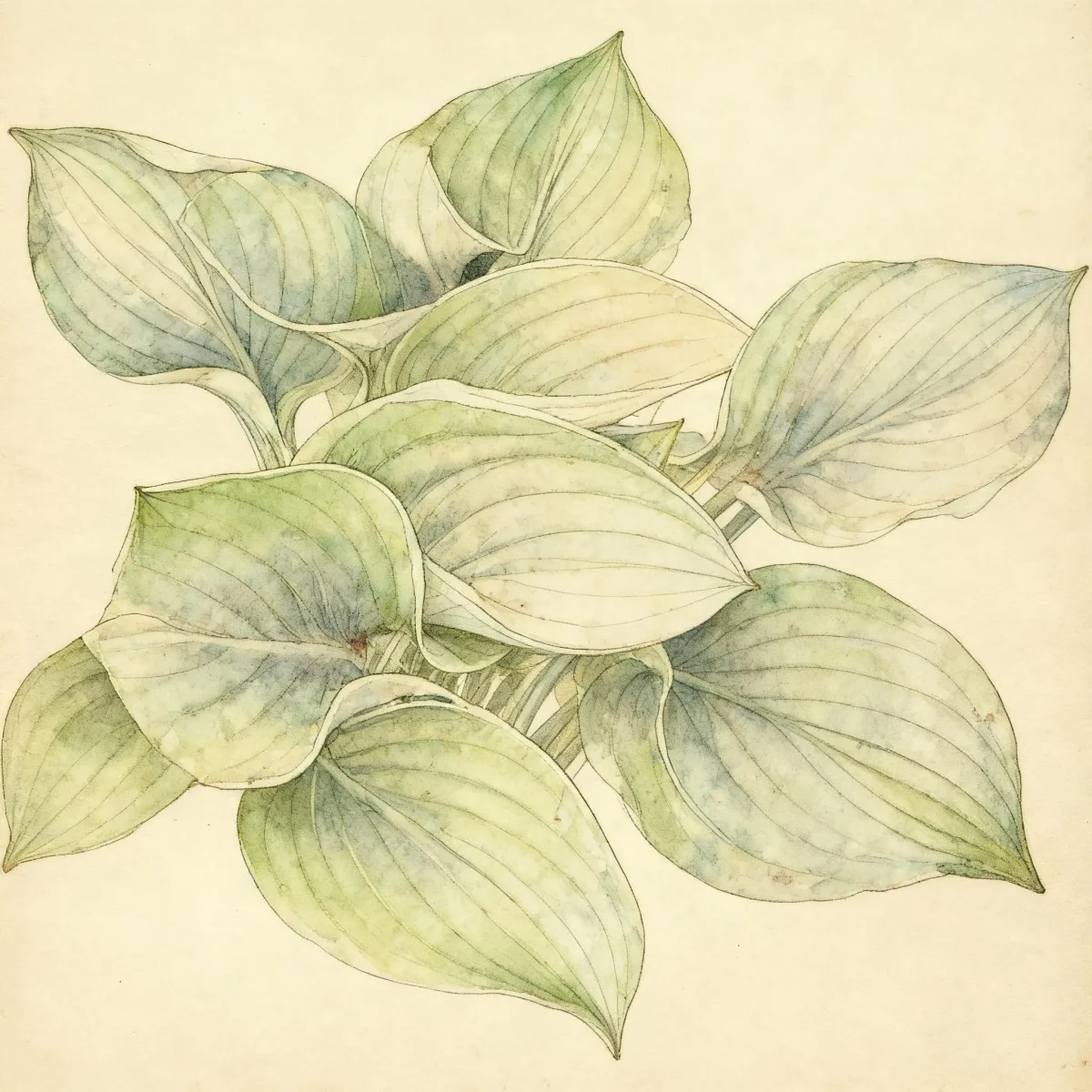
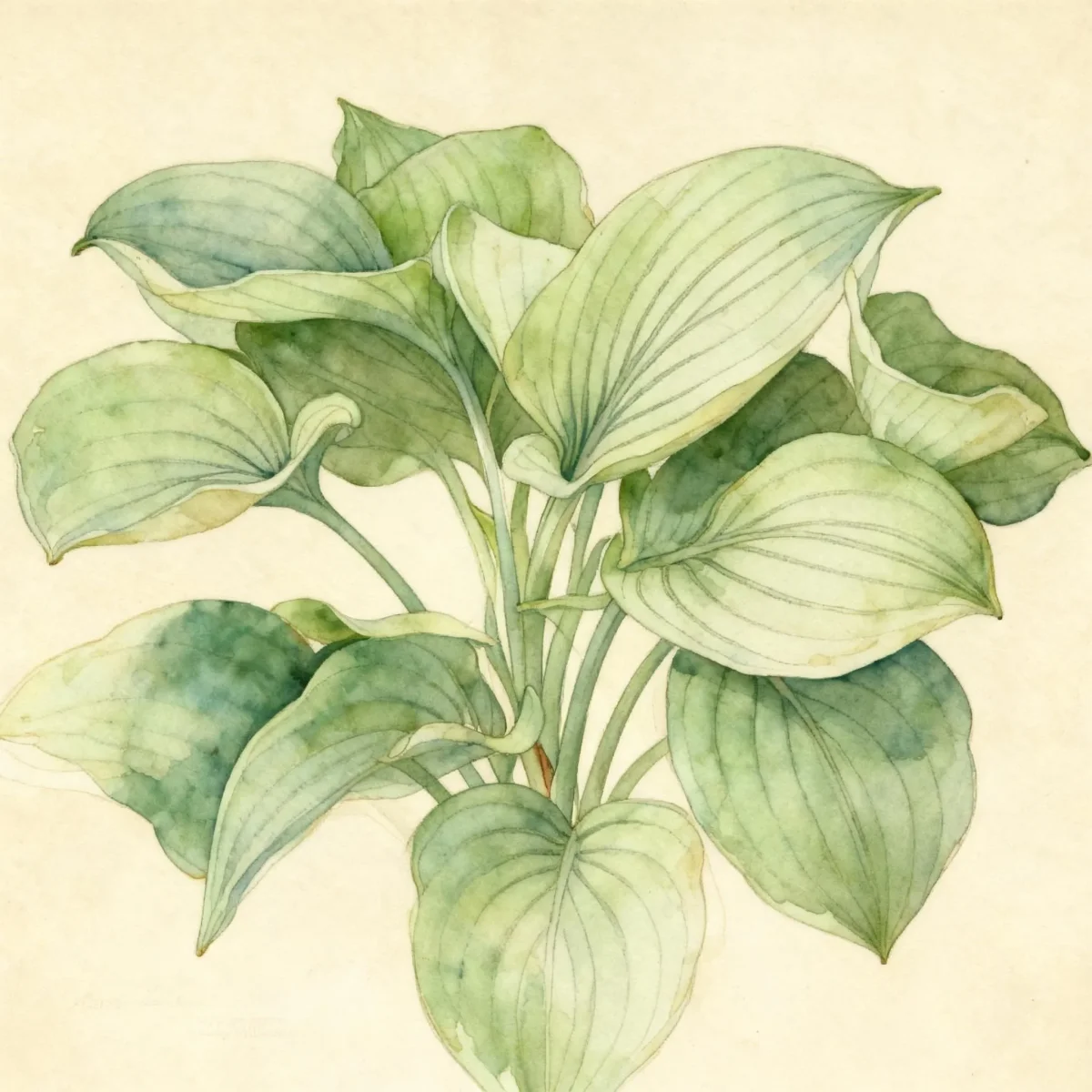
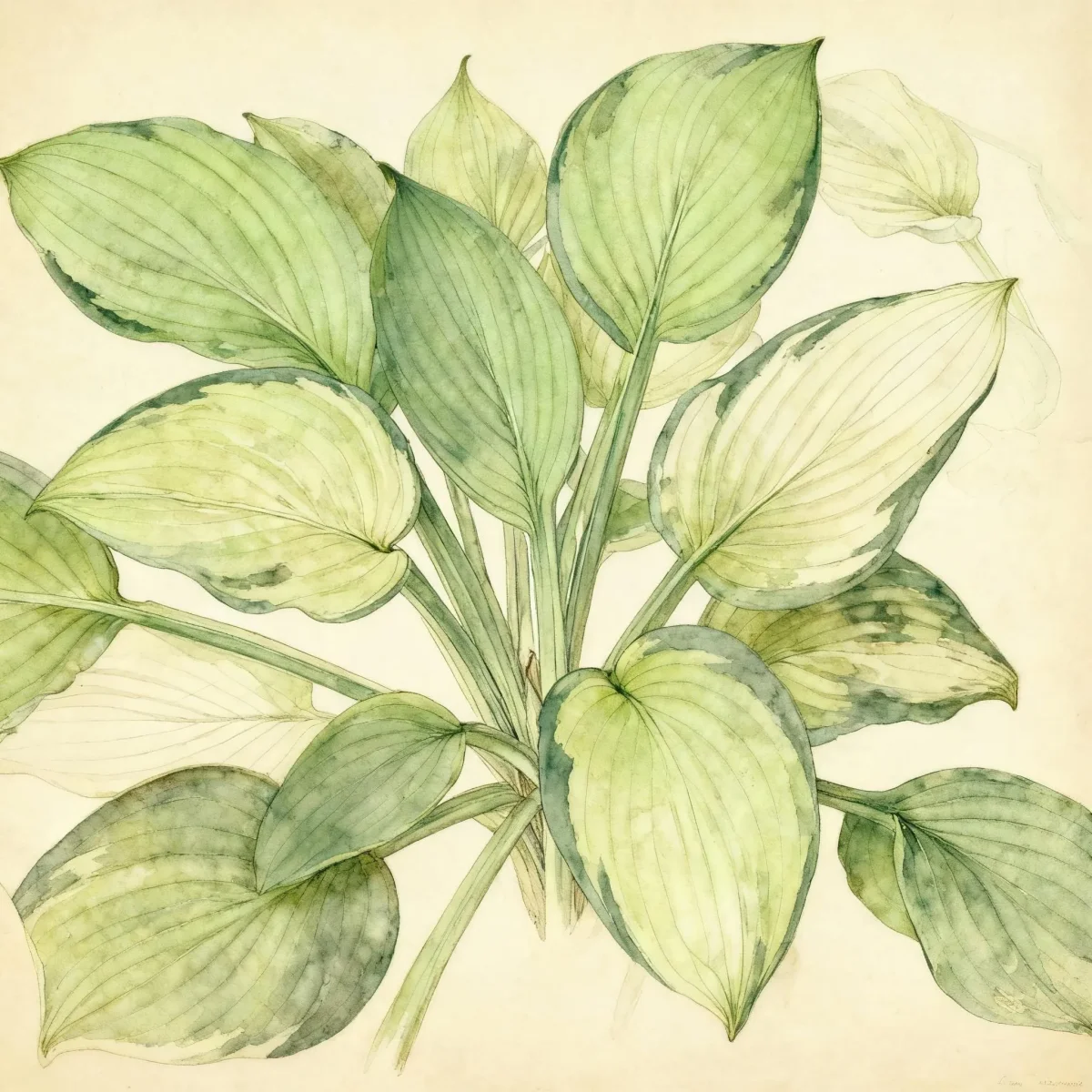
Hosta ‘Gold Standard’ is a celebrated variety prized primarily for its highly ornamental foliage, making it a cornerstone for shady garden areas. This cultivar displays wide-oval leaves whose centers transition from bright chartreuse in spring to a vibrant golden yellow as the season matures, all framed by distinct, irregular dark green margins. As an herbaceous perennial, Hosta offers reliable, low-maintenance structure, providing excellent texture and color contrast throughout the growing season beneath trees or along borders.
This medium to large Hosta variety matures into an attractive mound, suitable for defining spaces while its sturdy growth habit handles difficult, shaded areas well. While it does produce charming pinkish-lavender flowers in mid-summer, gardeners rely on the outstanding visual appeal of the Hosta ‘Gold Standard’ leaves to elevate the garden design. It is a resilient choice, establishing quickly and offering long-term garden gratification with minimal input.
Fast Facts
- Plant Family: Asparagaceae
- Plant Type: Herbaceous perennial
- Hardiness Zones: USDA Zones 3-8
- Size at Maturity:
- Height: 1.5-3 ft
- Spread: 1.5-3 ft
- Bloom Time: July to August
- Bloom Description: Pinkish-lavender
- Sun Exposure: Part shade to full shade
- Water Needs: Medium
- Maintenance Level: Low
How to Grow
Planting Hosta ‘Gold Standard’ is best done in spring or autumn, ensuring the soil is rich in organic matter and drains well. These plants thrive in part shade, though they appreciate some dappled morning sun to help intensify the yellow coloring of the leaf centers. Avoid locations where the soil is allowed to completely dry out, as consistent moisture is key to achieving the plant’s full size and best foliage quality.
Water deeply and apply this moisture directly to the soil beneath the foliage, rather than overhead watering, which can sometimes encourage fungal issues. Established clumps of Hosta ‘Gold Standard’ exhibit some tolerance for dry shade, especially if the leaves are on the thicker side, but never let the root zone desiccate entirely. As a low-maintenance perennial, routine fertilizing is rarely needed if the soil conditions are already rich.
Division of your Hosta clump can be performed in early spring just before the leaves begin to unfurl, or in the autumn after the main growing season. Always protect the plants from harsh winds, which can tear or damage the large leaves. By ensuring adequate soil quality and consistent moisture, you guarantee a spectacular display from your Hosta ‘Gold Standard’ year after year.
Landscape Uses
Hostas are the indispensable foundation plant for any shady garden design, and Hosta ‘Gold Standard’ excels in this role due to its standout bicoloration. They are extremely effective when massed together to create bold drifts of color underneath high canopies or along woodland edges where sunlight is scarce. This variety works perfectly as a mid-border plant, providing a bright band of gold that contrasts beautifully with dark green ferns or blue-leaved Hostas.
Their spreading, mounding habit makes them excellent for softening hardscape edges or massing in large groups to create a cohesive, textured ground cover effect. While flowers are secondary, the pinkish-lavender blooms atop tall scapes add vertical interest that complements low-growing companion plants. Use Hosta ‘Gold Standard’ in shady borders, woodland gardens, or anywhere a medium-scale, high-impact foliage accent is needed.
Standout Features
Flower Qualities
- Showy
Noteworthy Characteristics
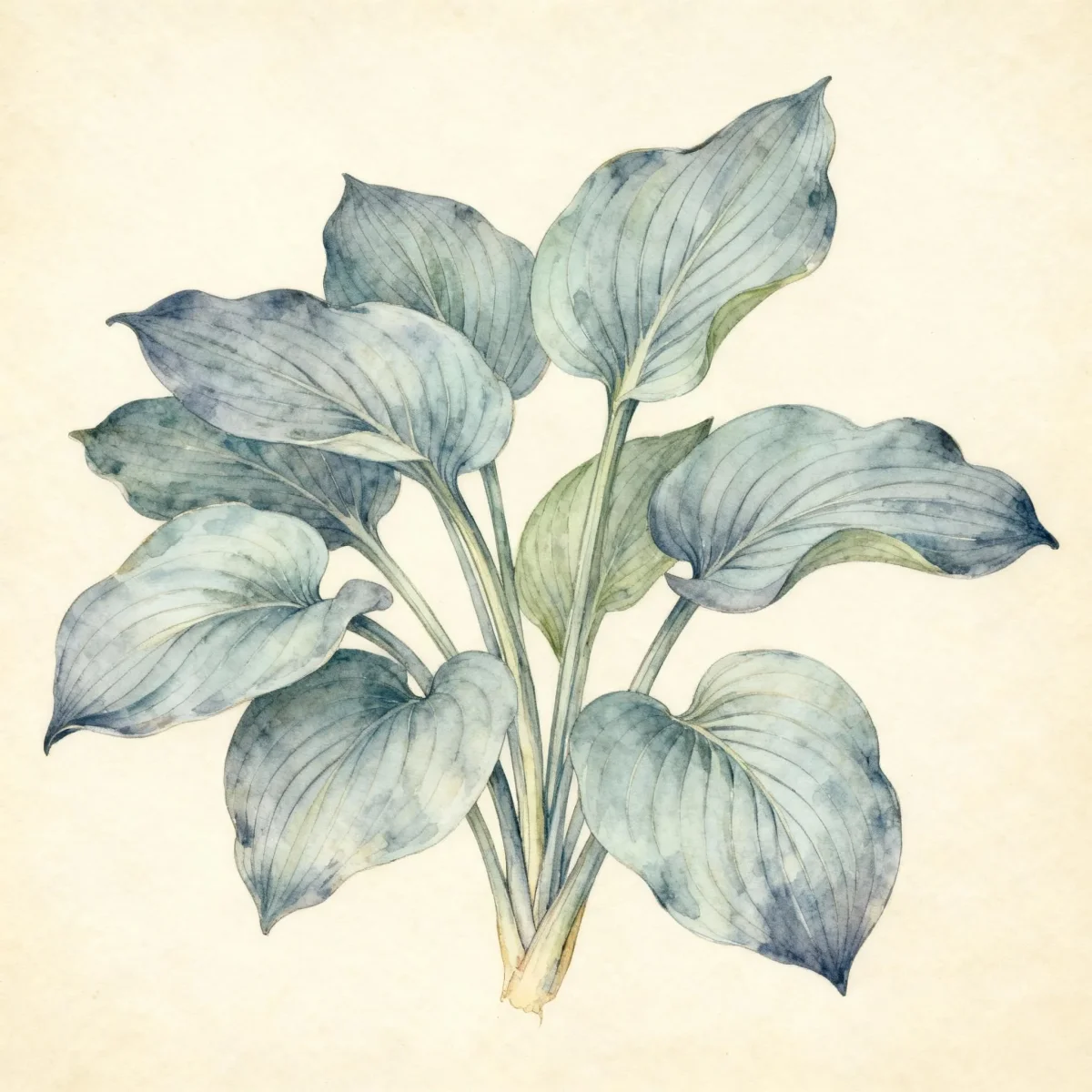
Hosta is a genus primarily celebrated for its ornamental foliage, featuring conspicuously-veined, dense basal leaves that form mounds. ‘Gold Standard’ specifically offers wide-oval, seersuckered leaves with golden centers emerging chartreuse and irregular dark green margins, reaching up to 36” wide. Funnel-shaped, pinkish lavender flowers bloom atop tall scapes in mid-summer, but it is the foliage transition—from chartreuse to brilliant gold—that makes this Hosta variety unforgettable.
Tolerances
- Heavy Shade
- Dry Soil
- Black Walnut
Potential Problems
Slugs and snails are the most common adversaries for Hosta, leaving jagged holes in the foliage that quickly diminish the visual appeal of Hosta ‘Gold Standard’. Inspect new growth regularly and manage populations early using organic baits or physical barriers. Be vigilant for foliar nematodes, which cause interveinal browning, and immediately destroy any plants showing signs of viral infections like Hosta Virus X (HVX). Deer and rabbits frequently browse Hostas, sometimes consuming them voraciously, so protection may be necessary in vulnerable areas.
Frequently Asked Questions
What hardiness zones is Hosta suitable for?
This Hosta cultivar, Hosta ‘Gold Standard’, is robustly hardy across USDA Zones 3 to 8.
How large does Hosta ‘Gold Standard’ grow?
Hosta ‘Gold Standard’ typically reaches a mature height between 1.5 and 3 feet tall, with an equal spread between 1.5 and 3 feet wide.
What sun exposure does Hosta need?
This plant performs best in conditions ranging from part shade to full shade. Morning sun is tolerated, but intense afternoon sun should be avoided.
When does Hosta bloom?
The funnel-shaped flowers typically appear between July and August and are described botanically as pinkish-lavender.
Conclusion
Hosta ‘Gold Standard’ remains a premier choice for adding dependable color and texture to shady landscapes, offering exceptional longevity and low maintenance requirements. Its distinctive gold-and-green foliage brightens otherwise dark corners, confirming its status as a shade garden staple. Before planting, ensure your area falls within USDA Hardiness Zones 3-8 and confirm that the soil has adequate organic matter for the best results with this magnificent Hosta.
Companion Planting
Selecting companions that share similar needs for shade and moisture balance will enhance the display provided by Hosta ‘Gold Standard’. Excellent partners include Astilbe, Japanese Forest Grass (Hakonechloa macra), and woodland Phlox, as they all thrive in moist, rich soils under partial shade. Use fine-textured ferns like the Japanese Painted Fern (Athyrium niponicum) to starkly contrast with the bold, coarse texture of the Hosta leaves, creating dynamic visual interest in your shade garden.
Seasonal Care Calendar
Early Spring: Gently clean up any lingering dead foliage from the previous season. This is the ideal time for division if your existing Hosta clumps have become too crowded. Apply a balanced, slow-release fertilizer only if the soil is visibly poor.
Late Spring/Summer: Maintain even soil moisture, especially during dry spells, watering directly at the base. Monitor for early signs of slugs and snails and deploy control methods proactively to protect the emerging gold foliage of Hosta ‘Gold Standard’ from cosmetic damage.
Autumn: Allow foliage to die back naturally; resist cutting it down until it has fully yellowed or dried. Protect the crowns from harsh winter winds if planting is done late in the season.