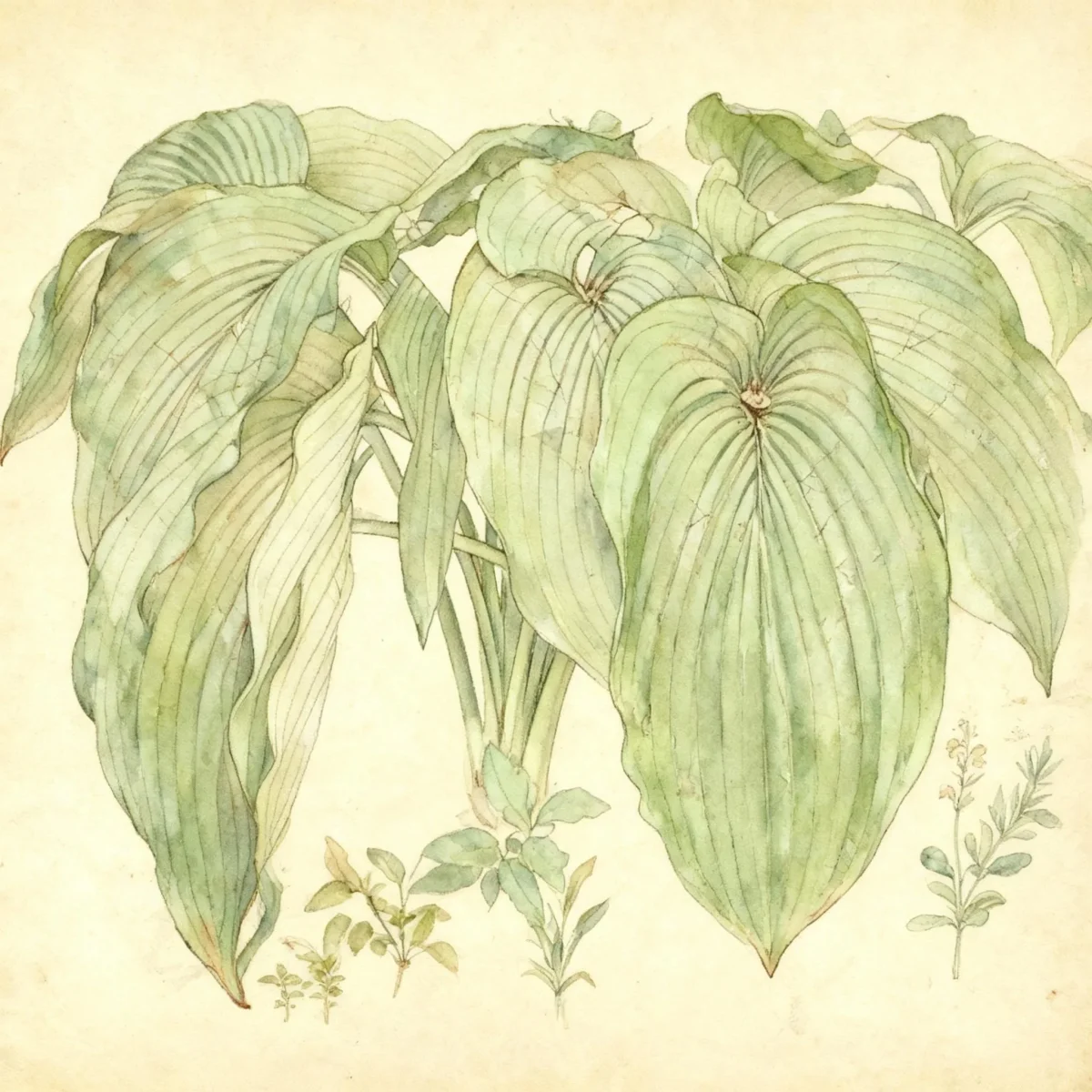
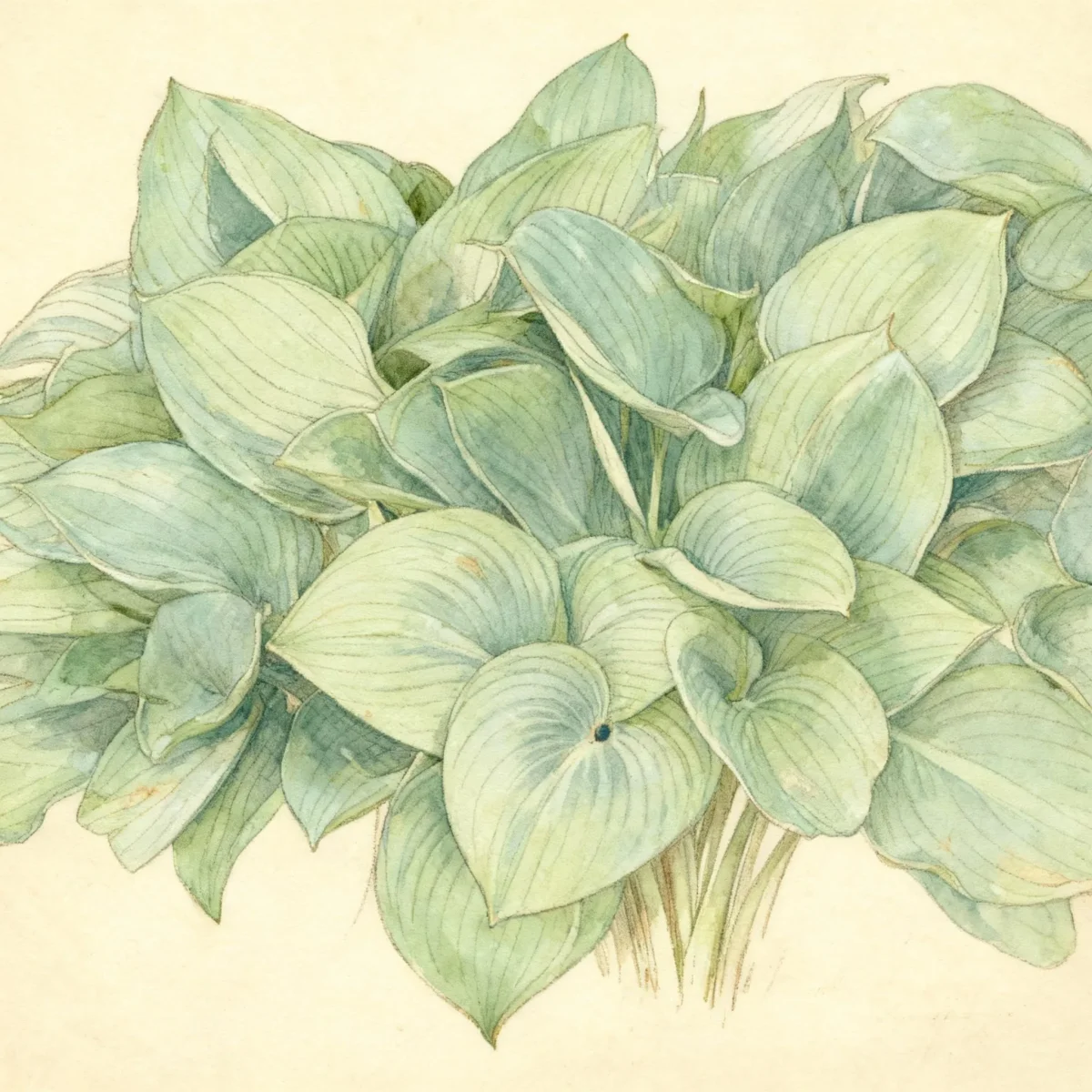
Hosta (Hosta 'Abiqua Drinking Gourd')
Hosta 'Abiqua Drinking Gourd' is a prized herbaceous perennial known for thick, blue-green, deeply cupped foliage in USDA Zones 3-8.
Scroll down to discover growing tips, care requirements, companion plants, and more
Complete Plant Information
Overview
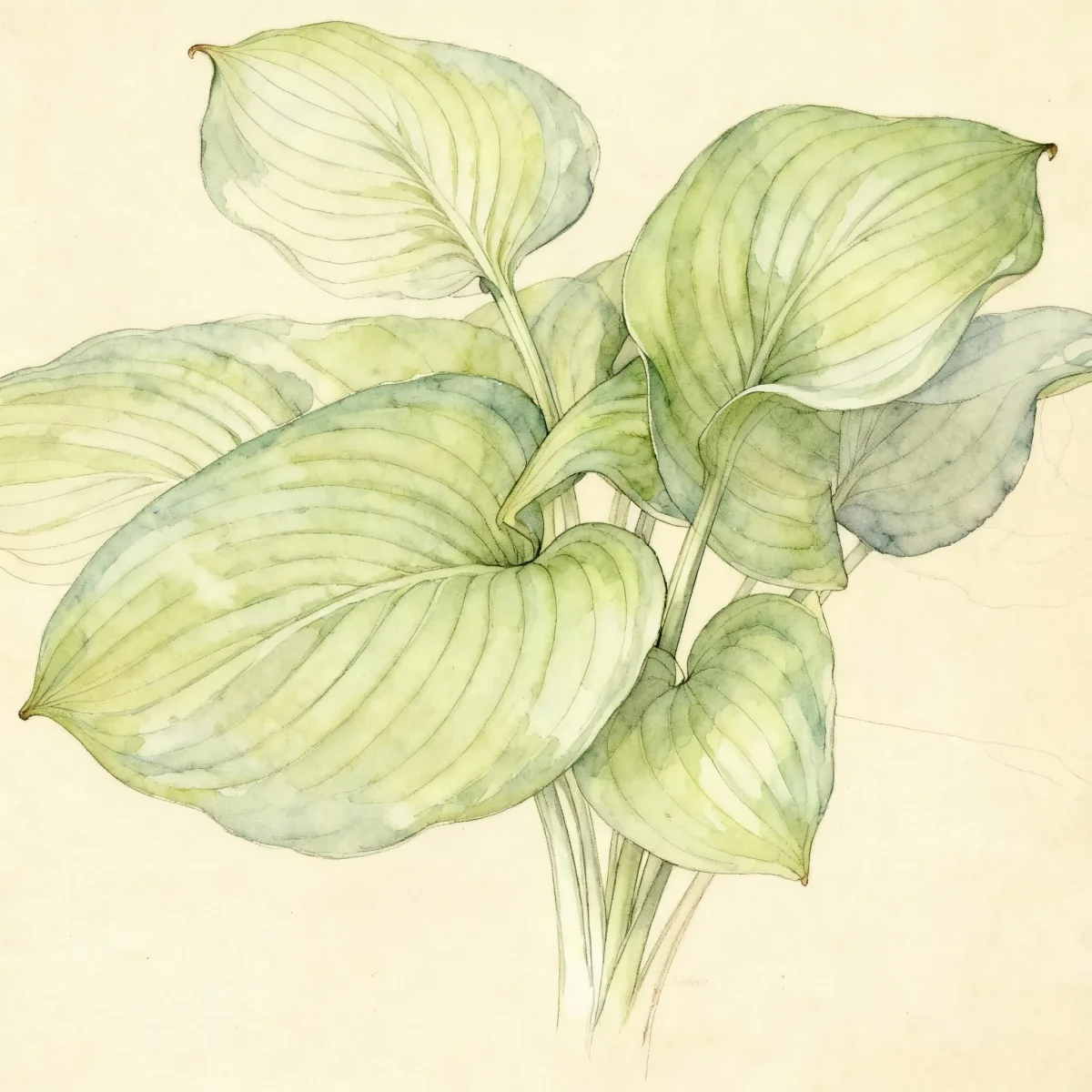
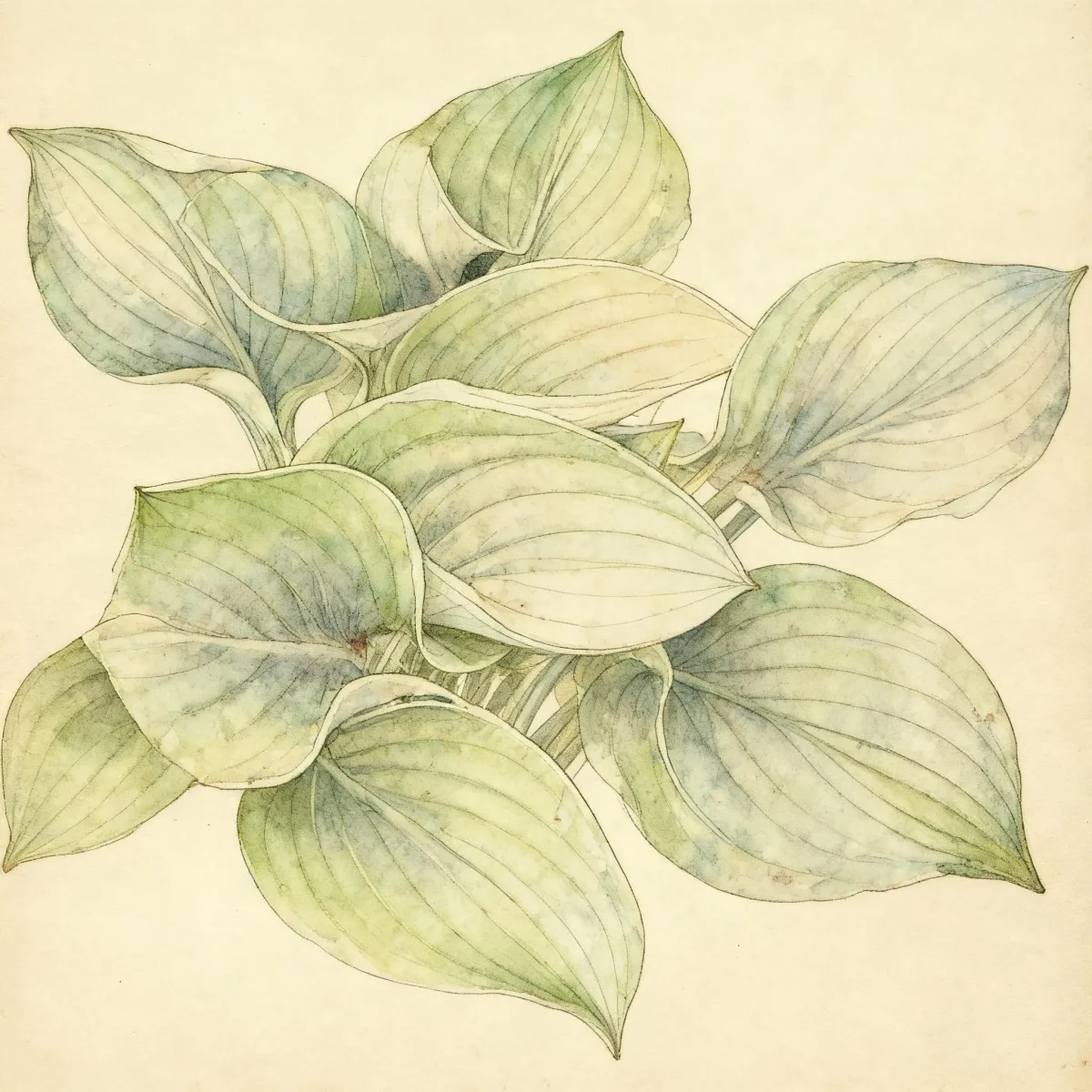
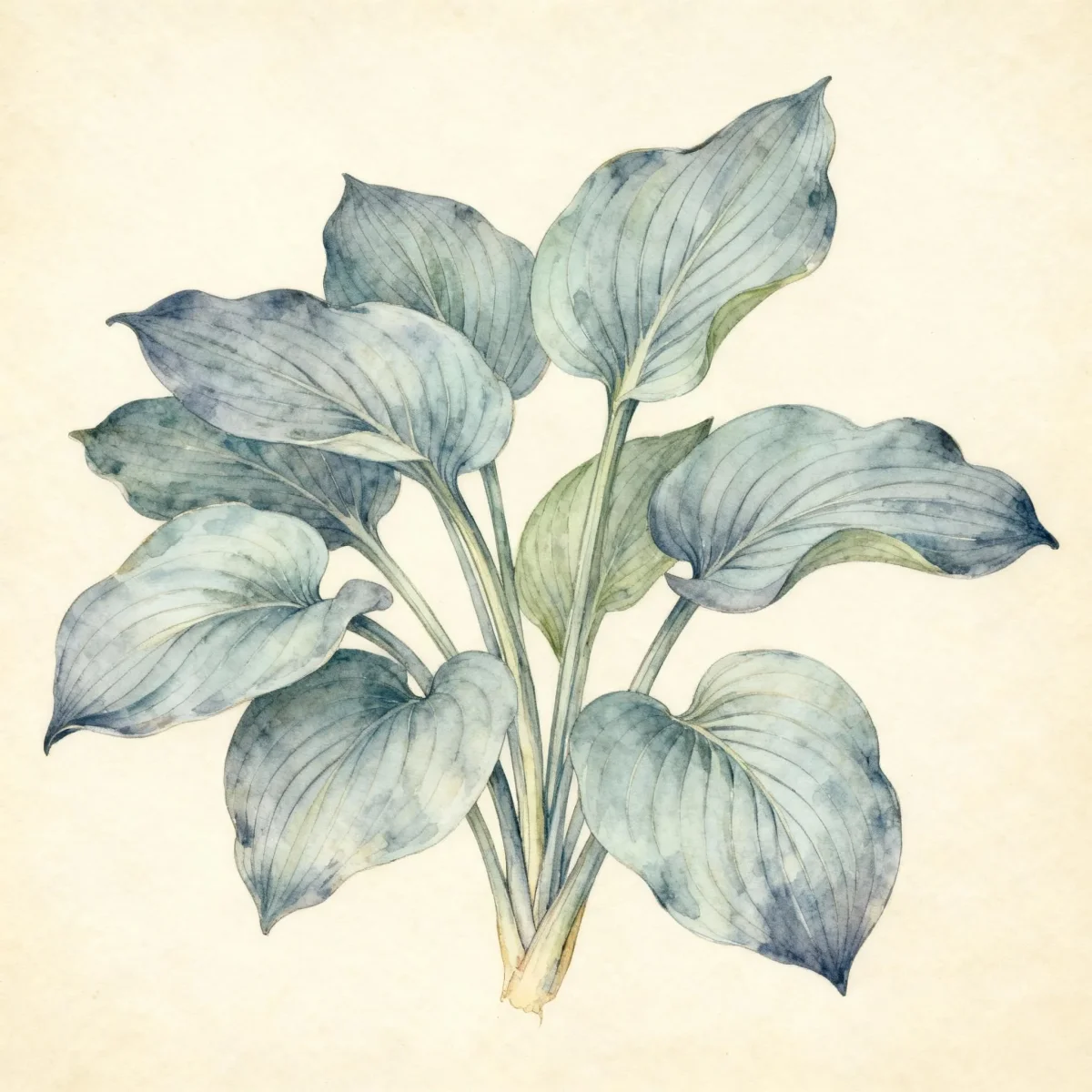
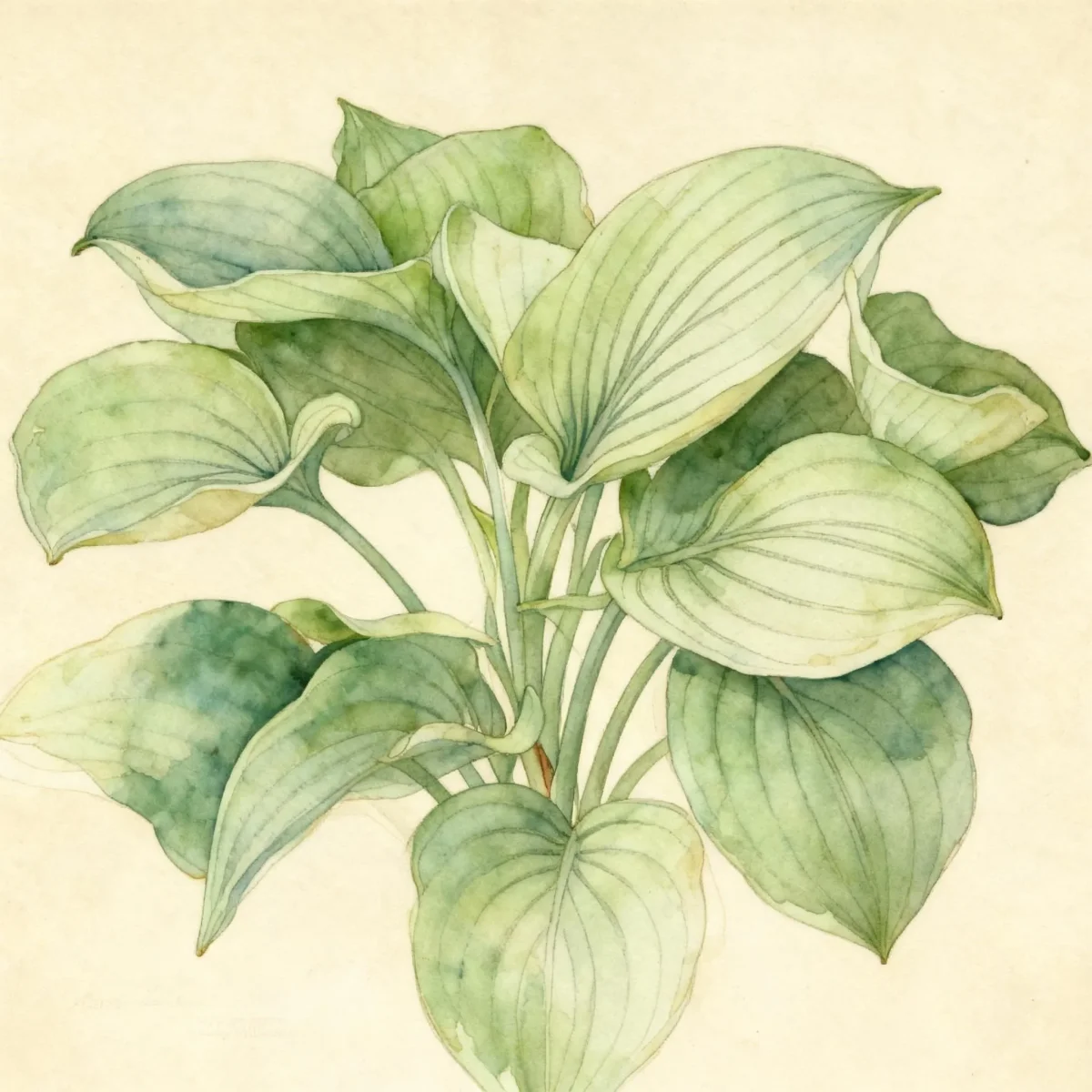
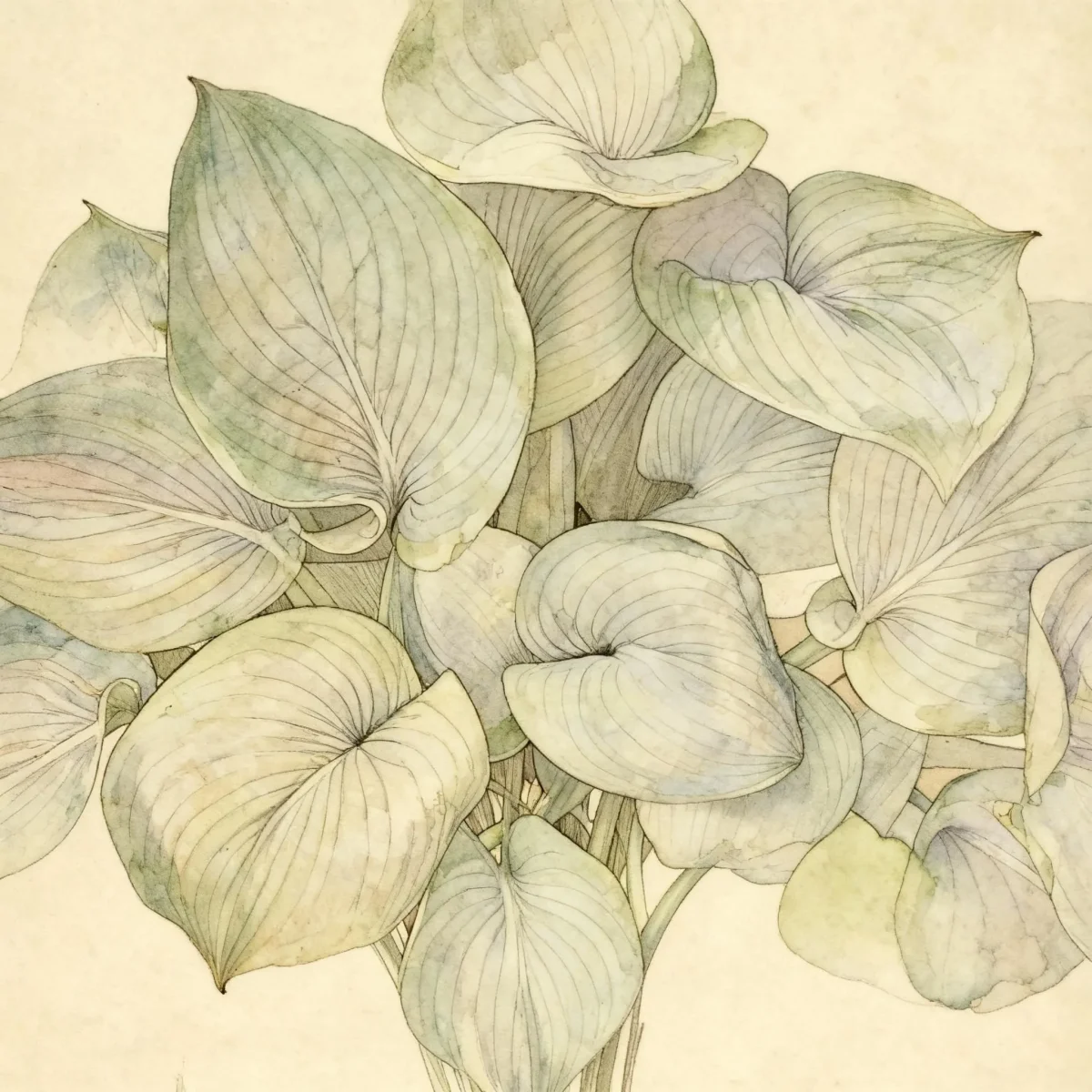
Hosta ‘Abiqua Drinking Gourd’ is a standout selection within the Hosta genus, revered primarily for its exceptionally ornamental foliage. This cultivar forms a dense, mounding clump featuring thick, heavily corrugated leaves that display a distinct blue-green hue, often retaining a waxy coating. As an herbaceous perennial, this Hosta provides reliable texture and substance to shady garden spaces year after year.
Originating from crosses involving Hosta tokudama and Hosta sieboldiana, ‘Abiqua Drinking Gourd’ was recognized in 2014 as Hosta of the Year, confirming its excellence in robust growth and visual appeal. It offers the classic low-maintenance benefits associated with the genus while boasting foliage large enough (up to 11x11 inches) to create a powerful structural presence in the landscape.
Gardeners value Hosta for covering broad shady areas where few other plants thrive. Hosta ‘Abiqua Drinking Gourd’ offers substantial texture and color contrast, thriving in conditions ranging from morning sun to deep shade, making it an indispensable backbone plant for woodland borders and foundation plantings.
Fast Facts
- Plant Family: Asparagaceae
- Plant Type: Herbaceous perennial
- Hardiness Zones: USDA Zones 3-8
- Size at Maturity:
- Height: 1.5-2 ft
- Spread: 3-4 ft
- Bloom Time: June to July
- Bloom Description: White
- Sun Exposure: Part shade to full shade
- Water Needs: Medium
- Maintenance Level: Low
How to Grow
Planting Hosta ‘Abiqua Drinking Gourd’ is best done in spring or autumn when the soil is workable. Ensure the planting location offers evenly moist, organically rich, well-drained soil. While this Hosta performs well in significant shade, achieving its best size and intense color requires some dappled sunlight or morning sun exposure.
Ongoing care is simple, fitting its low-maintenance classification. Maintain consistent moisture, especially as the plant establishes, as drying out stresses the thick leaves of this variety. Water should be applied directly to the soil beneath the foliage canopy to prevent spotting on the leaves. Divide clumps as needed, typically easiest in early spring before the leaves fully emerge.
Protect your Hosta from strong winds, which can damage the large leaves. While established plants tolerate some dry shade, consistent moisture throughout the growing season ensures the high-quality, substantial mound size that makes Hosta ‘Abiqua Drinking Gourd’ so desirable. Annual division helps maintain vigor and allows you to propagate more specimens for other areas.
Landscape Uses
Hostas are essential architectural elements for any shaded area, and the substantial mound of Hosta ‘Abiqua Drinking Gourd’ excels in this role. They are indispensable for creating rich, textured woodland gardens where their massive blue-green leaves provide outstanding contrast against fine-textured ferns or bright spring bulbs. Use them effectively when massed together for a bold, uniform statement across a wide area.
These perennials work perfectly as a background anchor in shady borders, defining edges and complementing taller shrubs that prefer similar conditions. Their substantial foliage makes them excellent substitutes for traditional bedding plants beneath mature deciduous trees, especially in difficult spots like under Black Walnut. For a formal look, mass several Hosta ‘Abiqua Drinking Gourd’ specimens for a unified, sculptural effect.
Standout Features
Flower Qualities
- Showy
Noteworthy Characteristics
Hosta is primarily grown for its ornamental foliage, with this specific cultivar featuring deeply cupped, twisted, blue-green leaves that have a waxy bloom and exhibit heavy corrugation. ‘Abiqua Drinking Gourd’ is named for the shape of its cupped leaves and was registered in 1989; it is also reputed to possess good slug resistance compared to other Hosta varieties.
Tolerances
- Heavy Shade
- Black Walnut
Potential Problems
Slugs and snails are the primary antagonists for Hosta foliage, chewing unsightly jagged holes that quickly degrade plant appearance if not managed. Regularly inspect the undersides of leaves and apply slug bait or physical barriers early in the season. Foliar nematodes can cause unsightly interveinal browning, and vigilant removal of diseased material is key to preventing the spread of fungal issues like leaf spots or crown rot.
Aphids and deer/rabbits also pose risks; rabbits often eat the leaves voraciously. Furthermore, while rare, certain viruses like Hosta Virus X (HVX) require the immediate destruction of infected plants to protect the rest of your Hosta collection. Protect exposed plants from hail, which can shred the large, broad leaves.
Frequently Asked Questions
What hardiness zones is Hosta ‘Abiqua Drinking Gourd’ suitable for?
Hosta ‘Abiqua Drinking Gourd’ is reliably cold-hardy across USDA Zones 3 through 8.
How large does Hosta ‘Abiqua Drinking Gourd’ grow?
This impressive Hosta variety typically matures to a height between 1.5 and 2 feet, spreading out 3 to 4 feet wide, forming a large, attractive mound.
What sun exposure does Hosta ‘Abiqua Drinking Gourd’ need?
This Hosta prefers part shade to full shade conditions, though it benefits from some dappled morning sunlight to achieve its best color.
When does Hosta ‘Abiqua Drinking Gourd’ bloom?
The plant produces white, funnel-shaped flowers usually blooming from June through July.
Conclusion
Hosta ‘Abiqua Drinking Gourd’ is an extraordinary standard-bearer for shade gardening, offering unparalleled blue coloration and robust, deeply textured foliage that remains attractive all season. This low-maintenance Hosta provides structure and elegance where sunlight is scarce, making its inclusion essential in woodland and shade borders. Before planting, confirm that your chosen location meets the medium water needs and offers protection from drying winds, allowing your new Hosta to flourish.
Companion Planting in Shade
Selecting appropriate companions ensures that the heavy, blue-green mound of Hosta ‘Abiqua Drinking Gourd’ is complemented rather than overwhelmed. Plants with fine, airy foliage provide an excellent textural contrast—think ferns like Japanese Painted Fern (Athyrium niponicum) or delicate Astilbes, which share similar moisture requirements. For color contrast, consider bright green or lime-colored groundcovers that thrive in lower light.
When massing plants near this Hosta, prioritize those that do not compete aggressively for root space or moisture. Spring-blooming bulbs like Daffodils or Snowdrops are excellent foreground elements, as they complete their cycle before the Hosta reaches its maximum size. This thoughtful pairing enhances the visual impact of your shade garden throughout the season.
Design Ideas for Hosta ‘Abiqua Drinking Gourd’
Use the massive leaves of ‘Abiqua Drinking Gourd’ as focal points in shaded beds. Due to its near-round shape and substantial size (up to 4 feet wide), it works wonderfully as a specimen plant near entryways or at the bend of a winding path. Its blue tone pairs beautifully with stone, slate, or dark mulches, emphasizing its cool coloration.
Consider planting this Hosta near water features or in deep shade where its waxy coating will appear particularly luminous. If planting in large groups, stagger the placement slightly to let the leaves overlap naturally, creating a dense, cohesive carpet of blue-green texture that firmly anchors the woodland or shade border design.