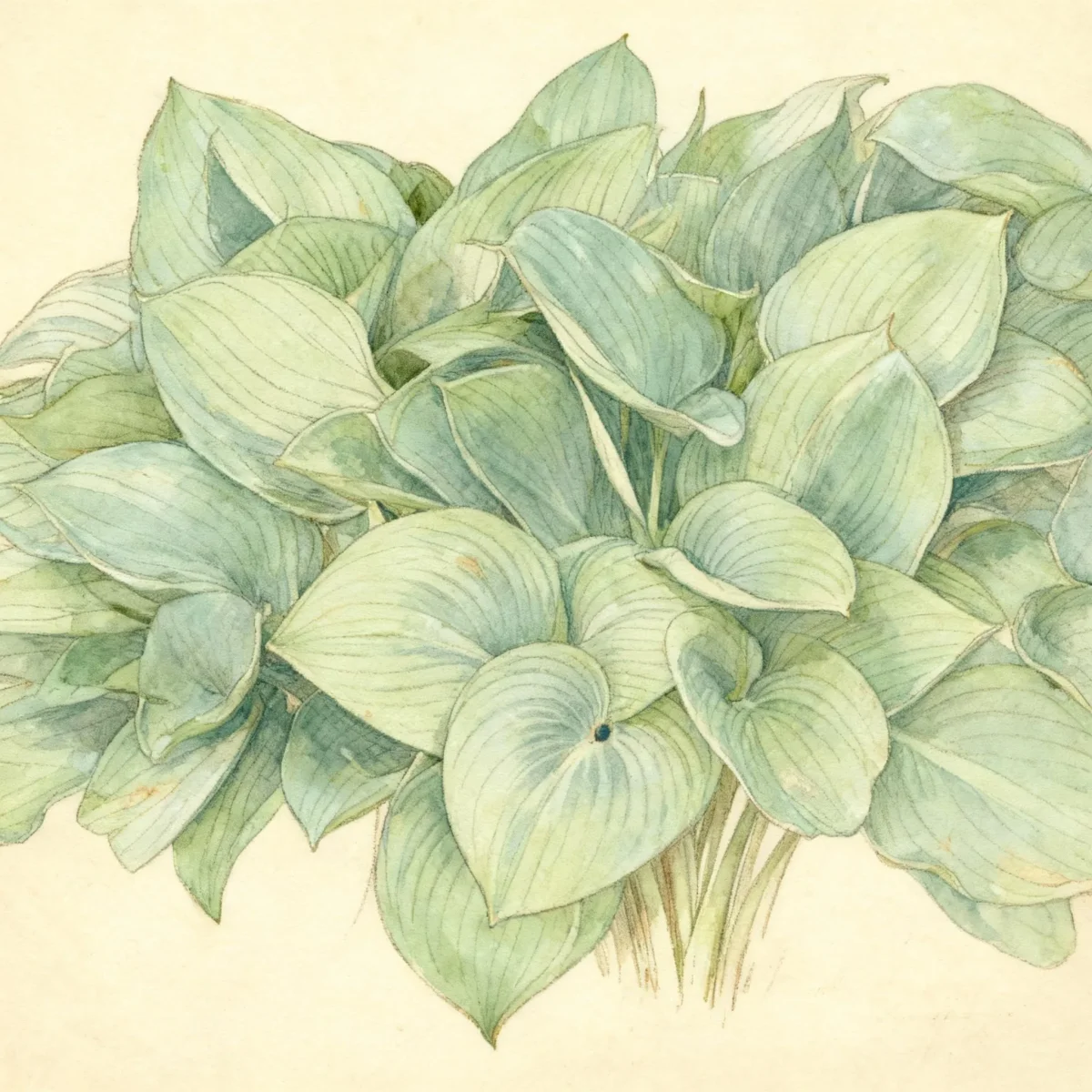
Hosta (Hosta elata)
Hosta elata is a large, low-maintenance perennial offering substantial green foliage and pale purple summer blooms, perfect for deep shade.
Scroll down to discover growing tips, care requirements, companion plants, and more
Complete Plant Information
Overview
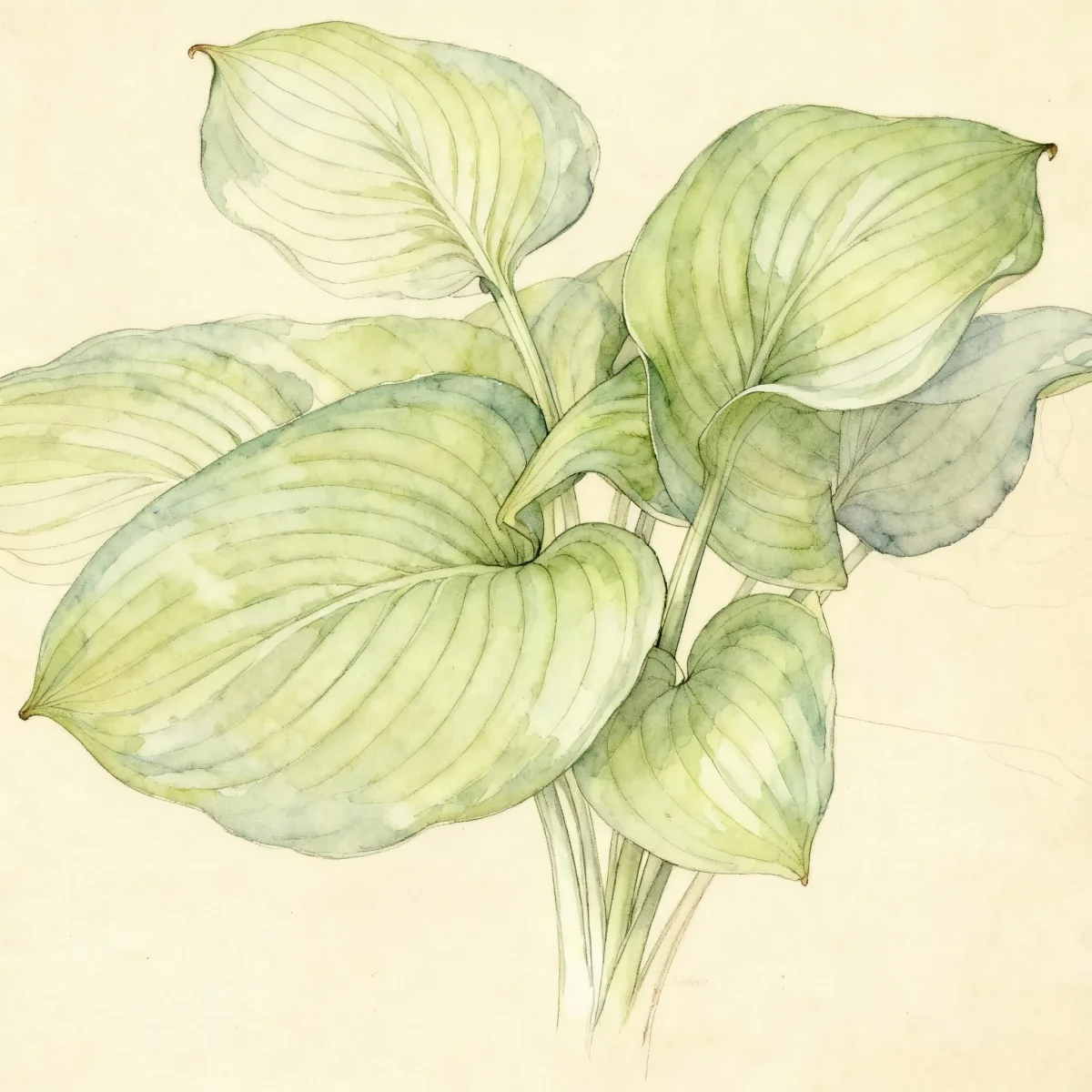
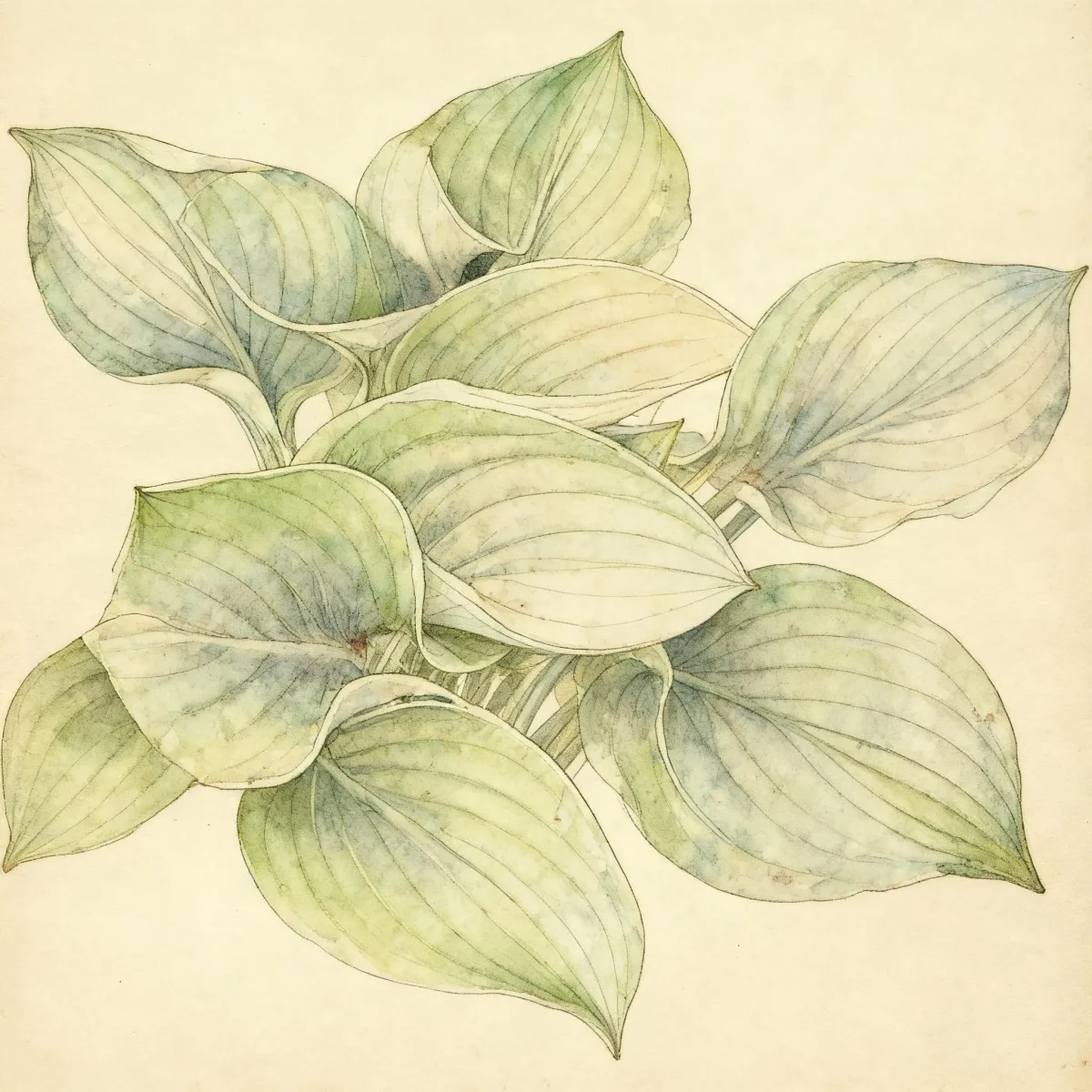
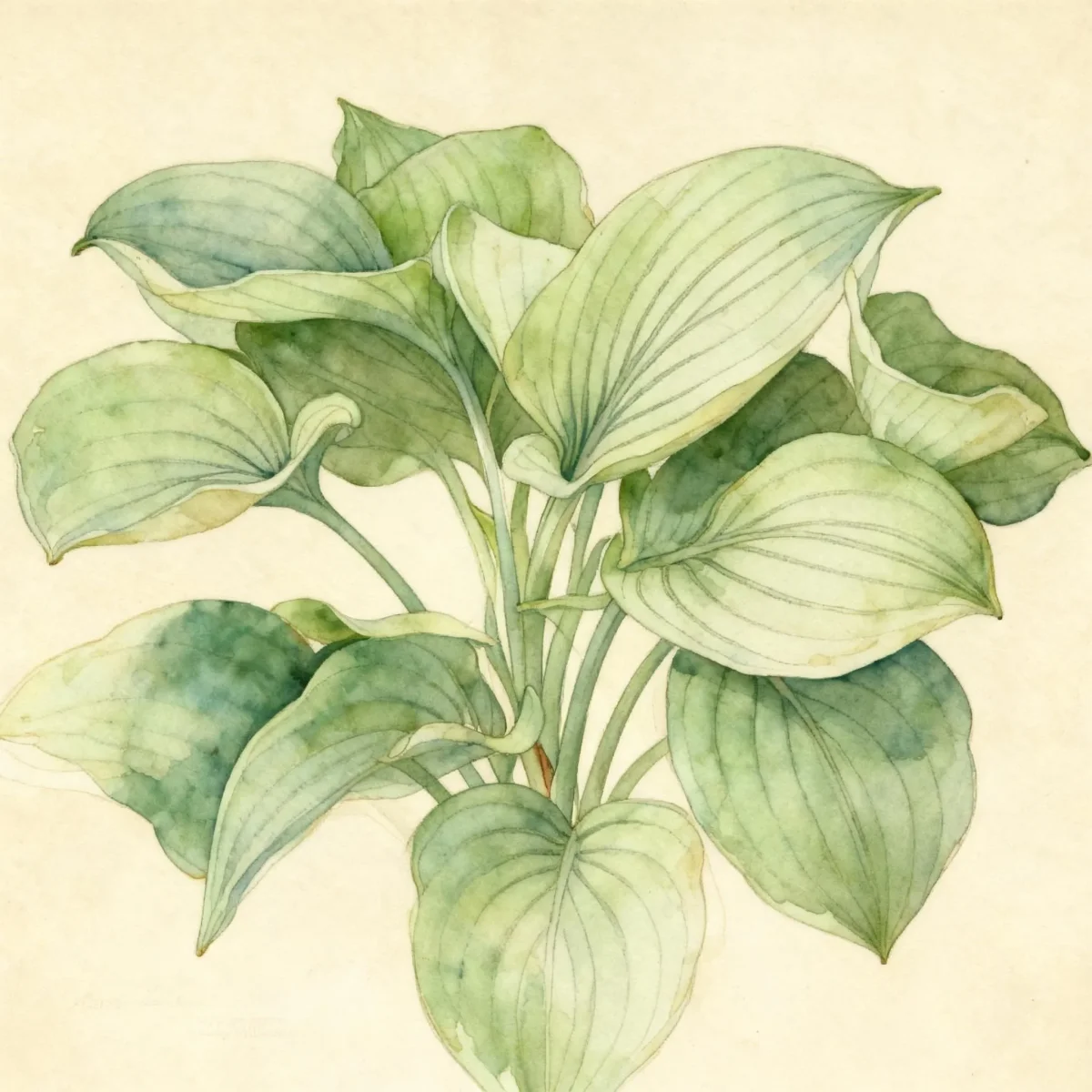
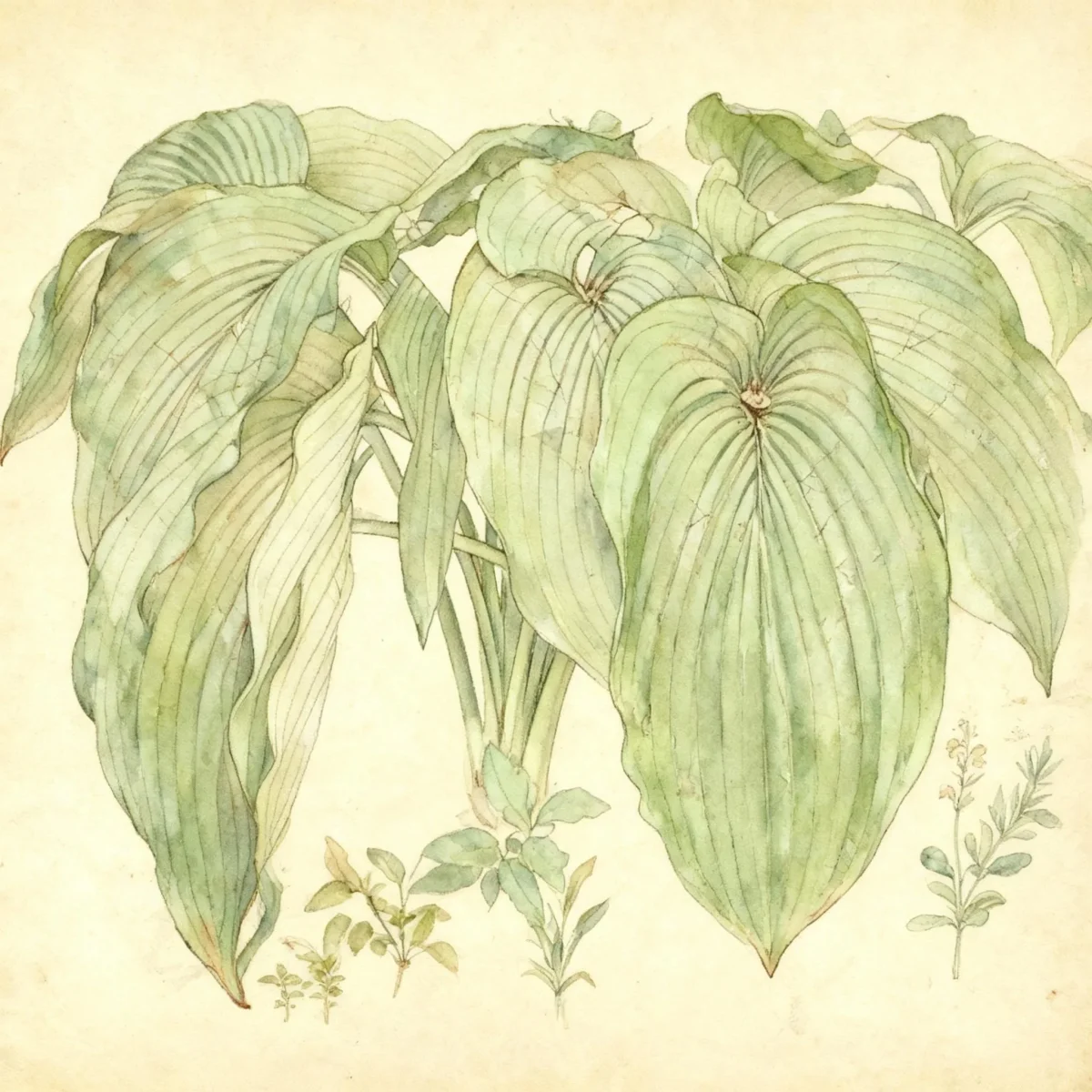
The Hosta elata is a standout herbaceous perennial prized for its substantial size and dependable performance in low-light conditions. Reaching heights up to five feet, this large Hosta provides a dramatic, structural element to shade gardens where many other plants falter. Gardeners value this plant for its resilience and its large, deeply veined, heart-shaped green leaves.
This sturdy specimen offers significant ornamental value throughout the growing season, culminating in tall flower scapes presenting clusters of attractive, pale purple to white blooms in early to mid-summer. The Hosta elata is considered a low-maintenance perennial, making it an excellent choice for gardeners seeking bold impact without demanding constant attention. Its naturalized appearance also makes it an ideal component for creating woodlands or deep shade borders.
Its ability to tolerate significant shade, coupled with its general adaptability, secures its place as a foundational plant in any sophisticated shade landscape. Whether used as an accent or massed for effect, this specific Hosta variety delivers reliable, large-scale foliage interest.
Fast Facts
- Plant Family: Asparagaceae
- Plant Type: Herbaceous perennial
- Native Range: Japan
- Hardiness Zones: USDA Zones 3-8
- Size at Maturity:
- Height: 2-5 ft
- Spread: 2-2.5 ft
- Bloom Time: June to July
- Bloom Description: Pale purple to white
- Sun Exposure: Part shade to full shade
- Water Needs: Medium
- Maintenance Level: Low
How to Grow
Planting Hosta elata is best accomplished in spring or autumn, allowing the roots time to establish before extreme summer heat or winter cold sets in. While easily grown in average, well-drained soils, this Hosta performs optimally when situated in locations receiving part shade to full shade. For the richest green color and best overall vigor, ensure the soil is amended with plenty of organic matter to promote richness and moisture retention.
During the growing season, plants require medium water needs; consistency is key. Ensure plants receive regular irrigation, applying water directly to the soil beneath the foliage rather than wetting the leaves overhead, which can encourage fungal issues. Though tolerant of many soil types, consistent moisture is crucial for supporting the large leaf mass of this impressive Hosta.
Maintenance is generally low. You typically do not need to prune extensively, though removing spent flower scapes can neaten the appearance. Divide any crowded clumps in early spring before the leaves unfurl, or in the autumn after blooming concludes, to refresh vigor and propagate new specimens.
Landscape Uses
Hostas, including the towering Hosta elata, are the undisputed mainstays of composed shade gardens worldwide. This large hosta is particularly effective when utilized as an architectural accent plant where its imposing size draws the eye, or planted in small, strategic groups to anchor transitional areas between sunny and deeply shaded spots.
They integrate seamlessly into the woodland garden aesthetic. Consider mixing Hosta elata with other shade-loving perennials that offer contrasting textures or bloom times, such as ferns, astilbes, or large-leafed brunnera. This layering effect enhances depth and interest, ensuring visual appeal remains strong even when the main Hosta bloom has passed.
For defining borders in shaded walkways or underneath deciduous trees, the substantial spread and height of Hosta elata make it invaluable for creating solid blocks of green texture. This plant thrives where it is protected from intense afternoon sun, defining and softening the edges of your garden architecture.
Standout Features
Flower Qualities
- Showy
Noteworthy Characteristics
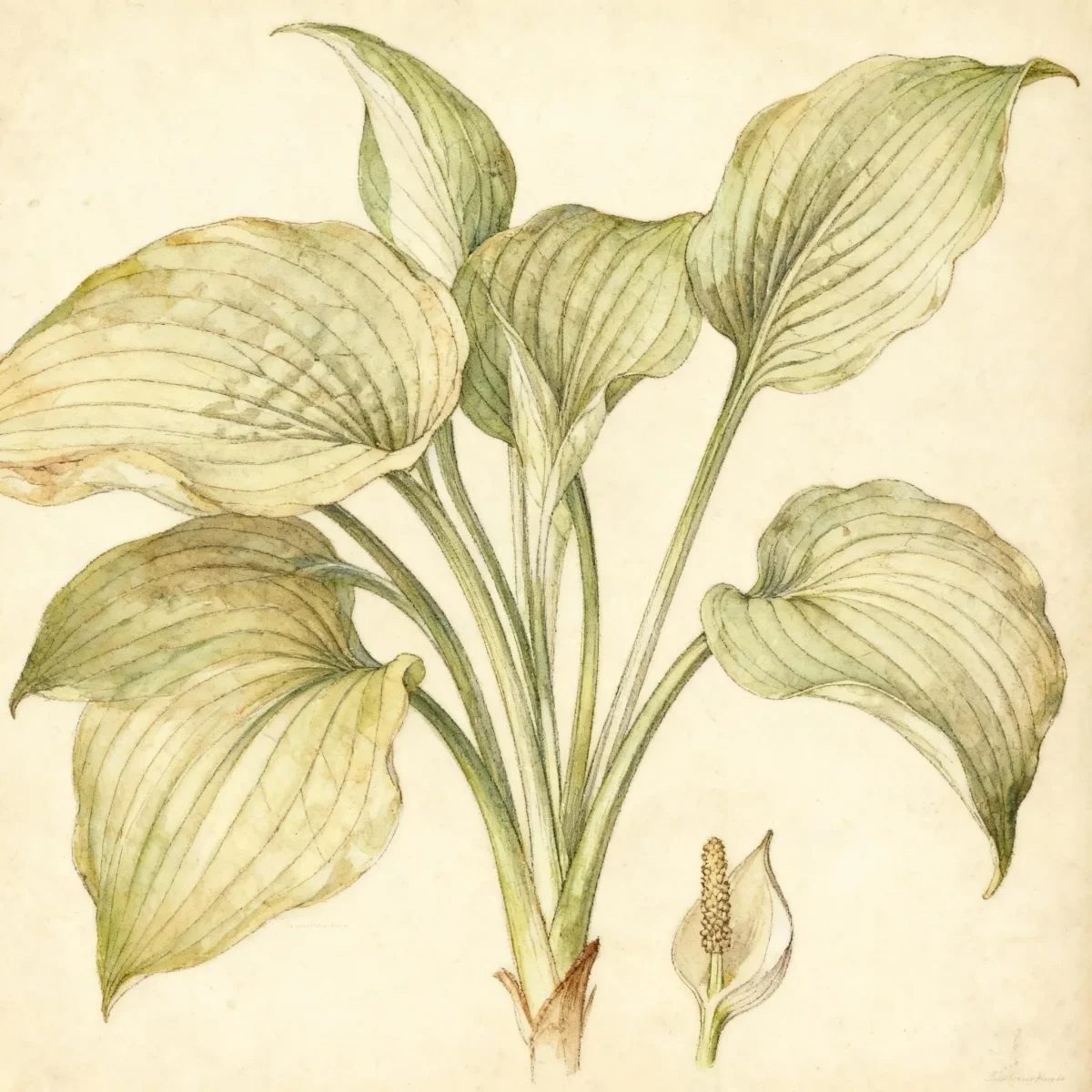
Hosta elata is recognized for being a notably large specimen plant, often achieving 30 inches tall by 30 inches wide, with flowering scapes soaring 4 to 5 feet high in summer. Confusion exists regarding its taxonomic status, with some experts suggesting the cultivar name Hosta ‘Elata’. Its deep green, heart-shaped leaves feature prominently impressed veins and wavy margins, while the tall flower stalks carry dozens of funnel-shaped, pale purple to white blooms with bright yellow anthers.
Tolerances
- Heavy Shade
- Dry Soil
- Black Walnut
Potential Problems
Slugs and snails represent the most significant threat to the foliage of Hosta elata. These common garden pests are attracted to the soft leaves, leaving behind characteristic jagged holes which can severely compromise the plant’s aesthetic value quickly if uncontrolled. Frequent monitoring, especially after rain or in humid conditions, is essential for prompt intervention.
To manage these pests, consider applying beer traps, diatomaceous earth around the base of the plants, or using slug bait specifically formulated for organic gardening, paying close attention to the application rate to protect pets or local wildlife. Less frequently, gardeners might encounter leaf spots or crown rot, usually stemming from overwatering or poor drainage, an issue minimized by ensuring the site allows for medium, well-drained moisture.
Frequently Asked Questions
What hardiness zones is Hosta suitable for?
Hosta elata is hardy and reliably perennial across USDA Zones 3 through 8.
How large does Hosta grow?
This large Hosta variety typically reaches heights between 2 and 5 feet, with a spread between 2 and 2.5 feet at maturity.
When does Hosta bloom?
The flowering period for Hosta elata occurs from June through July, producing masses of pale purple to white flowers on tall scapes.
What sun exposure does Hosta need?
This plant requires protection from intense light, thriving best in environments ranging from part shade to full shade.
Conclusion
The Hosta elata is an essential, low-maintenance perennial offering significant architectural presence through its large green foliage and vertical summer flowers. Its remarkable tolerances make it a reliable performer in difficult, shaded garden spots where other plants struggle. Confirm your regional hardiness zone compatibility and plan to introduce this magnificent Hosta into your landscape this coming spring or fall for guaranteed shade garden elevation.
Companion Planting
Selecting appropriate companions for Hosta elata revolves around complementing its texture and cultural needs, specifically shade and medium moisture. Good companions include shade-loving, fine-textured plants like Japanese Forest Grass (Hakonechloa macra) or delicate Ferns, whose airy structure contrasts beautifully with the Hosta’s broad leaves.
For color contrast during the mid-summer bloom, consider planting lower-growing perennials that thrive in similar conditions. White or blue hydrangeas, Lobelia, or white Astilbes provide a lovely backdrop or mid-layer companion to the towering height of the Hosta elata. Ensure companions do not aggressively outcompete the Hosta, particularly for root space in established woodland settings.
Propagation Tips
The most straightforward way to propagate Hosta elata is through division, a process that also rejuvenates the parent plant. This should ideally be done in early spring before the shoots fully unfurl, as the crown is easiest to see and separate cleanly at this time.
To divide, carefully dig up a mature clump; if the clump is very large, a sharp spade can be used to cut wedges directly from the root mass. Ensure each resulting division contains a healthy set of roots and at least two or three growing points (or ‘eyes’) to ensure successful re-establishment. Replant these divisions immediately at the same depth they were previously growing.