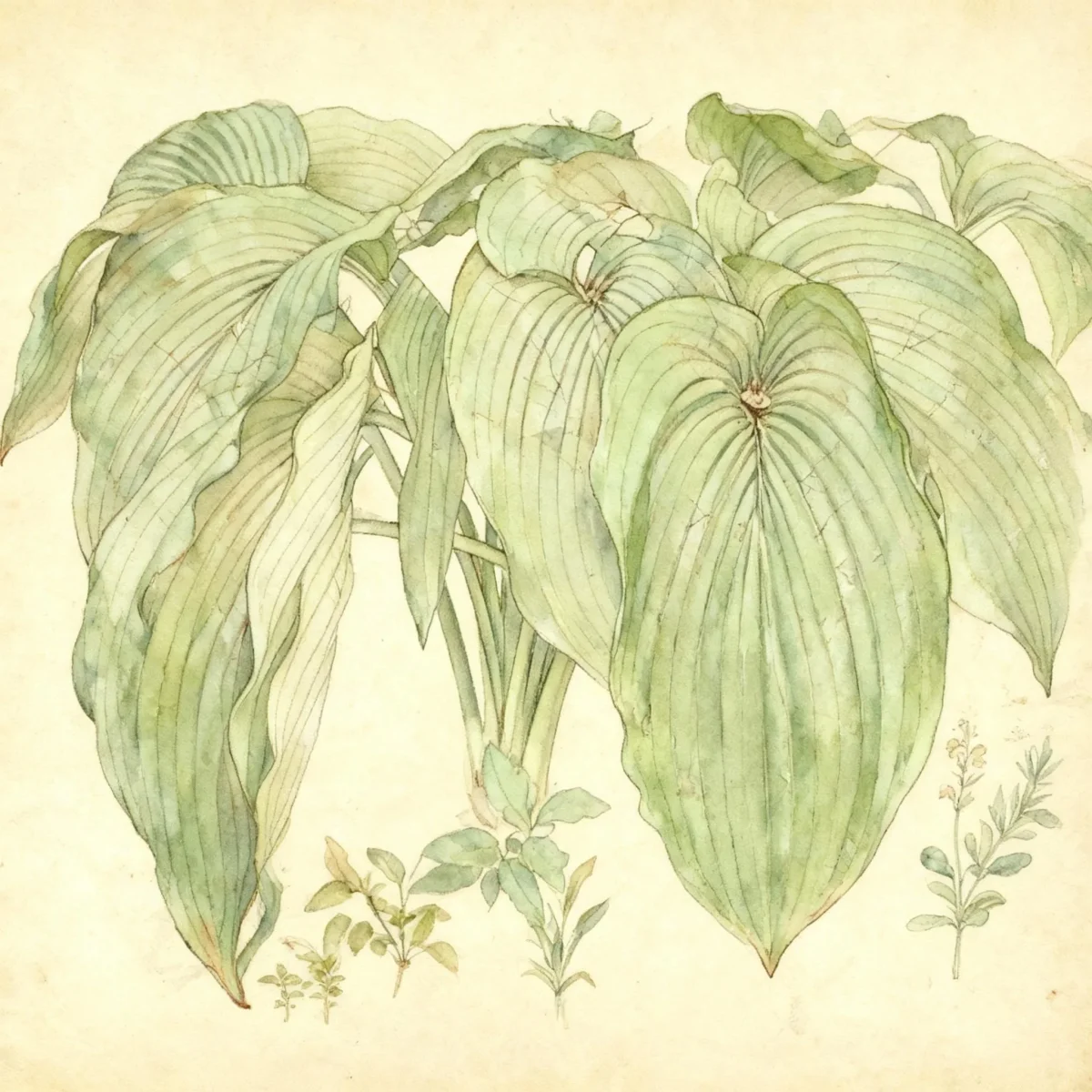
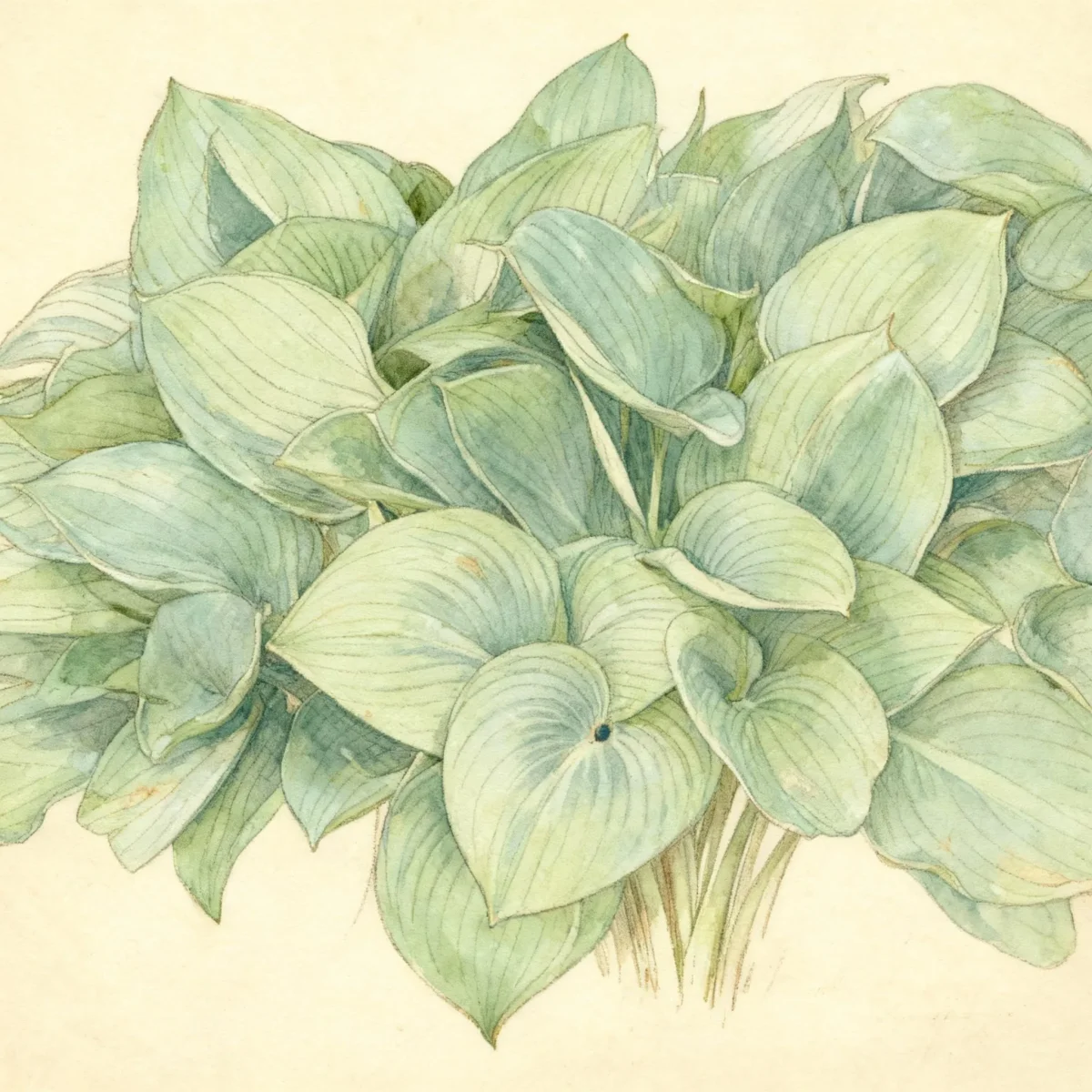
Hosta (Hosta 'King James')
Hosta 'King James' is a robust, low-maintenance perennial perfect for deep shade, offering large, substantial blue-green foliage.
Scroll down to discover growing tips, care requirements, companion plants, and more
Complete Plant Information
Overview
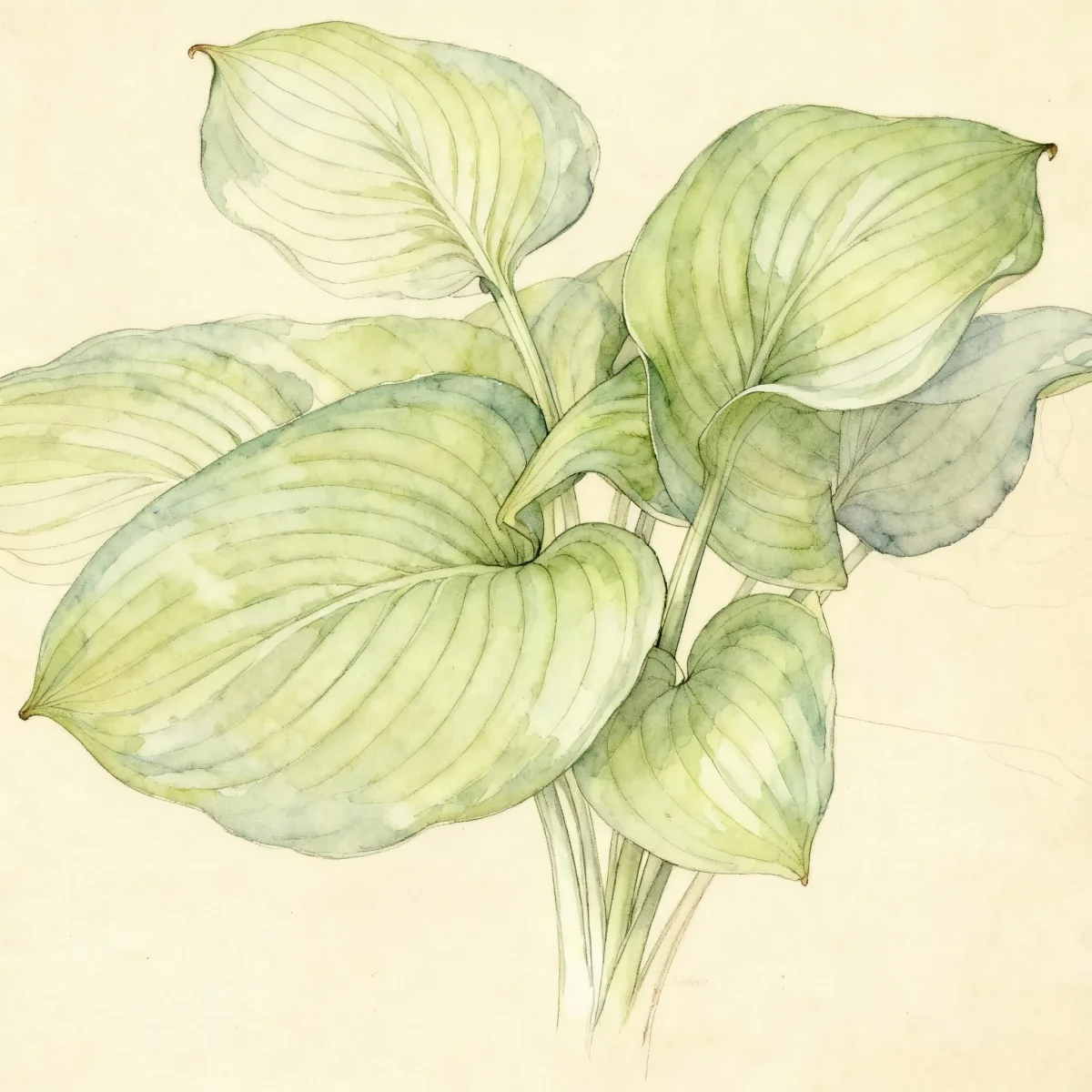
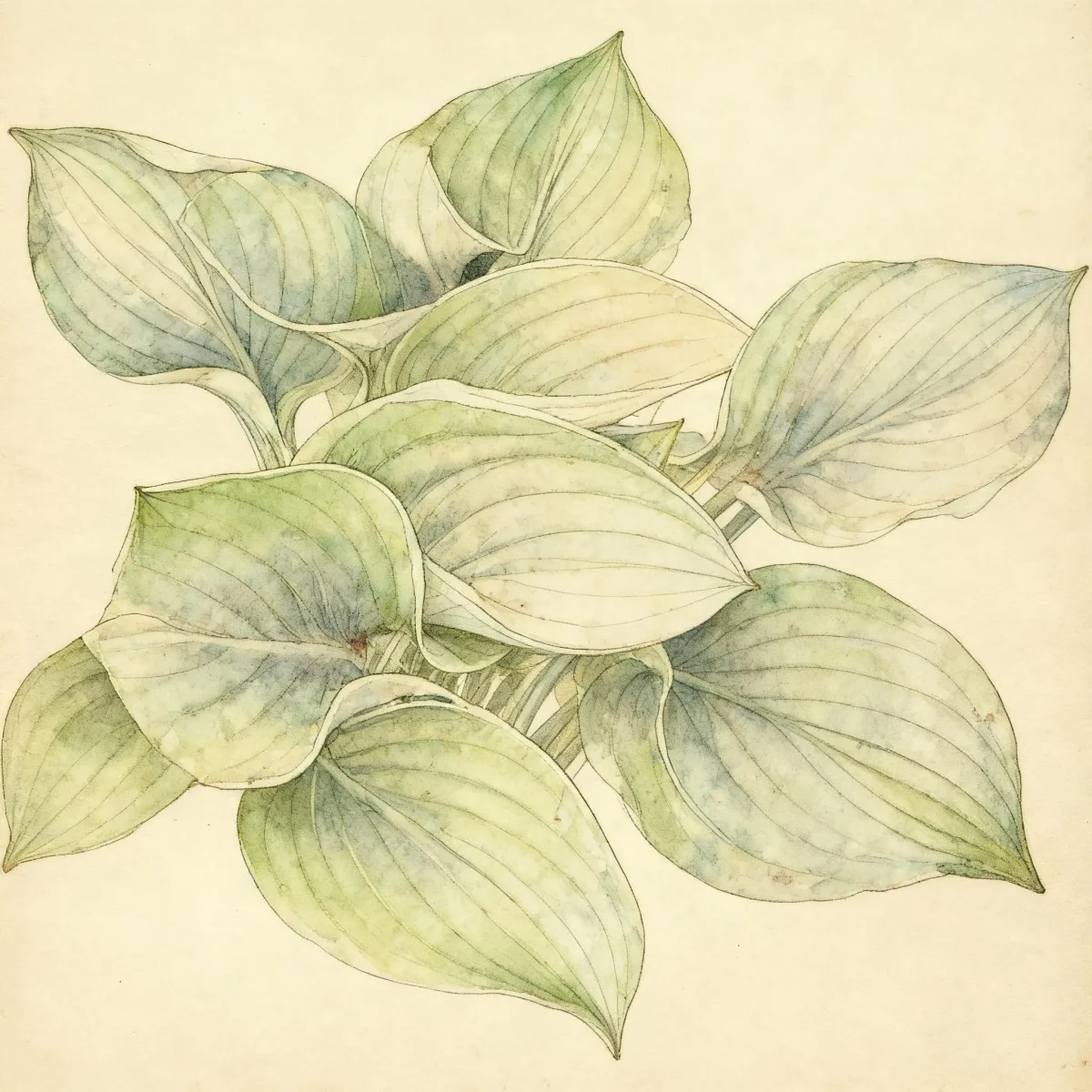
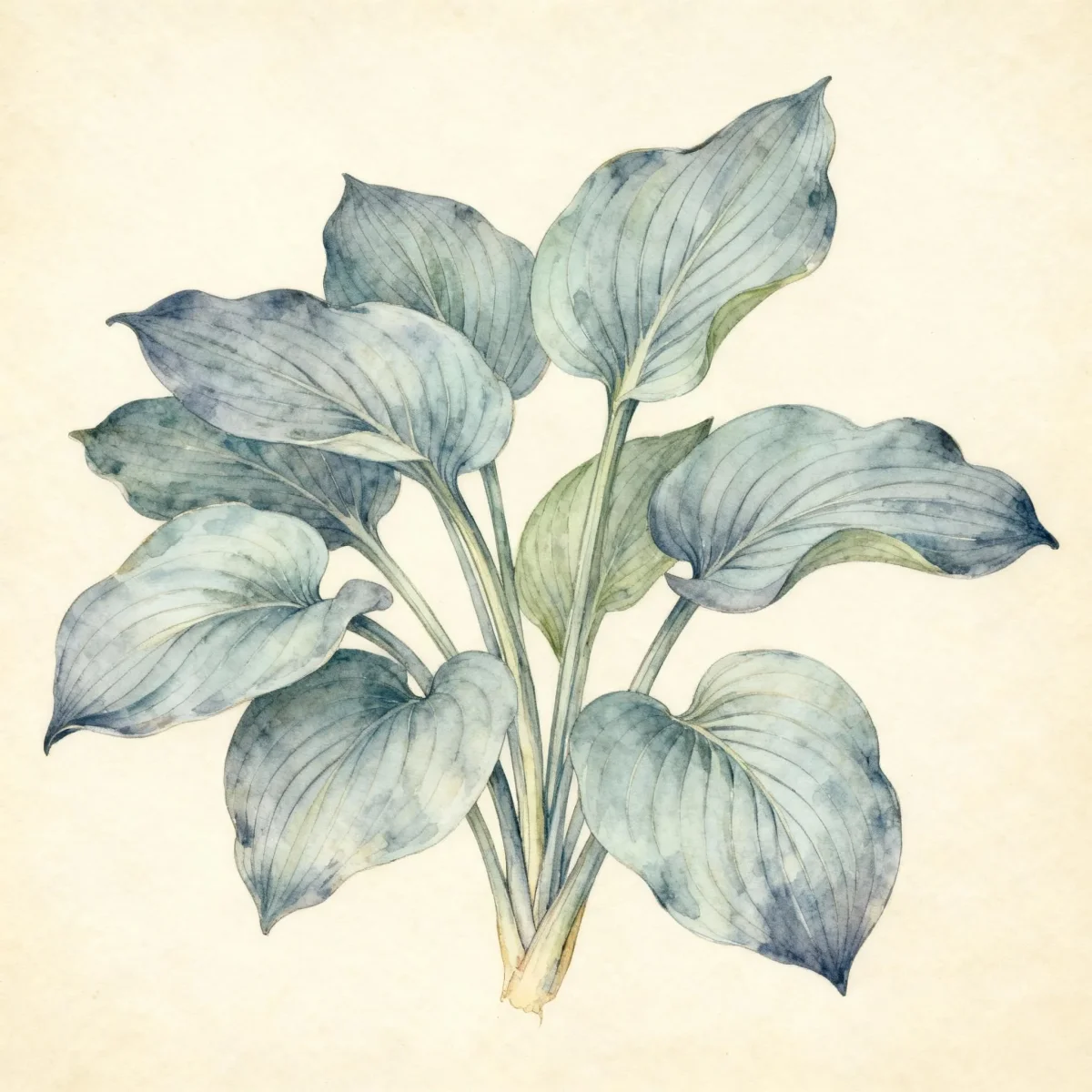
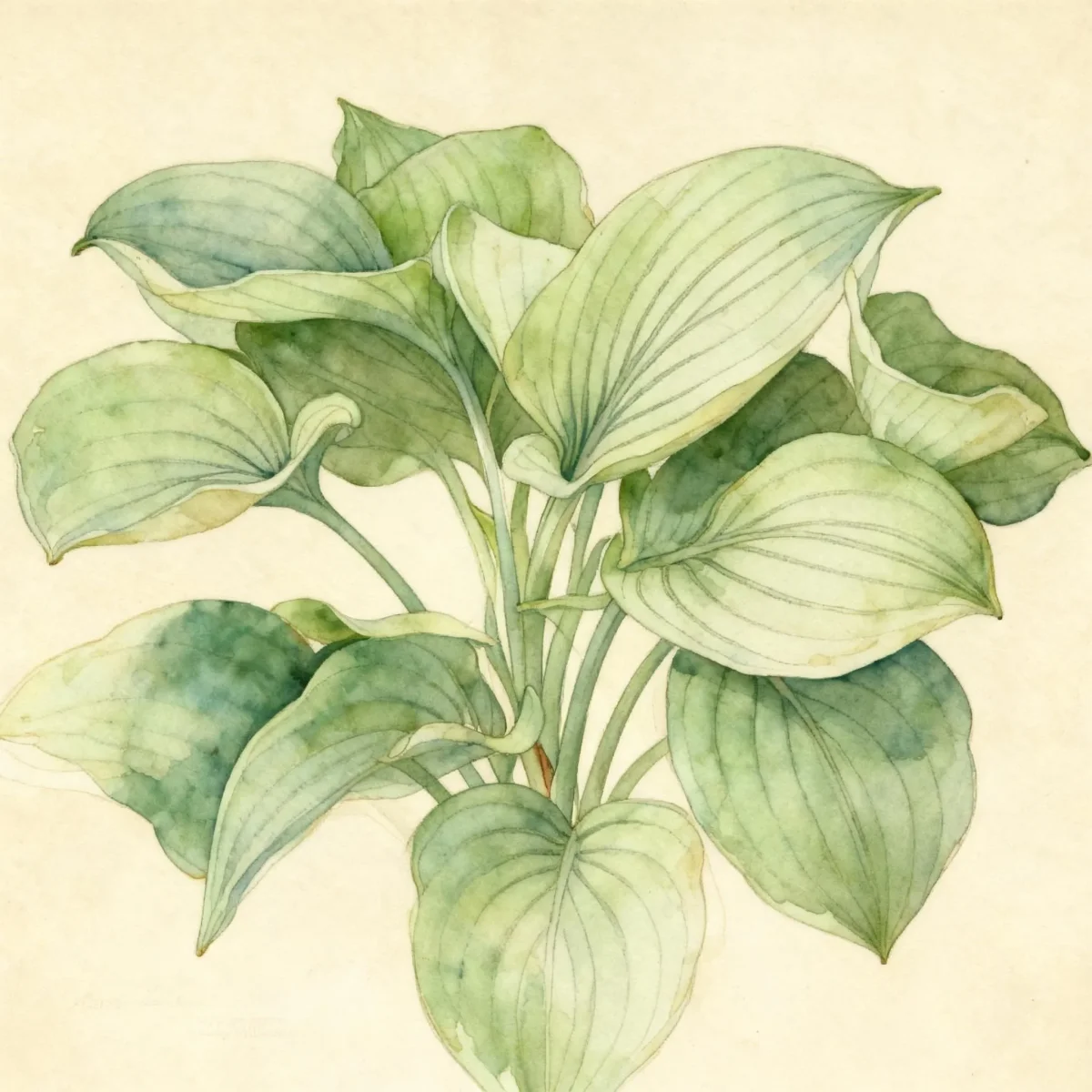
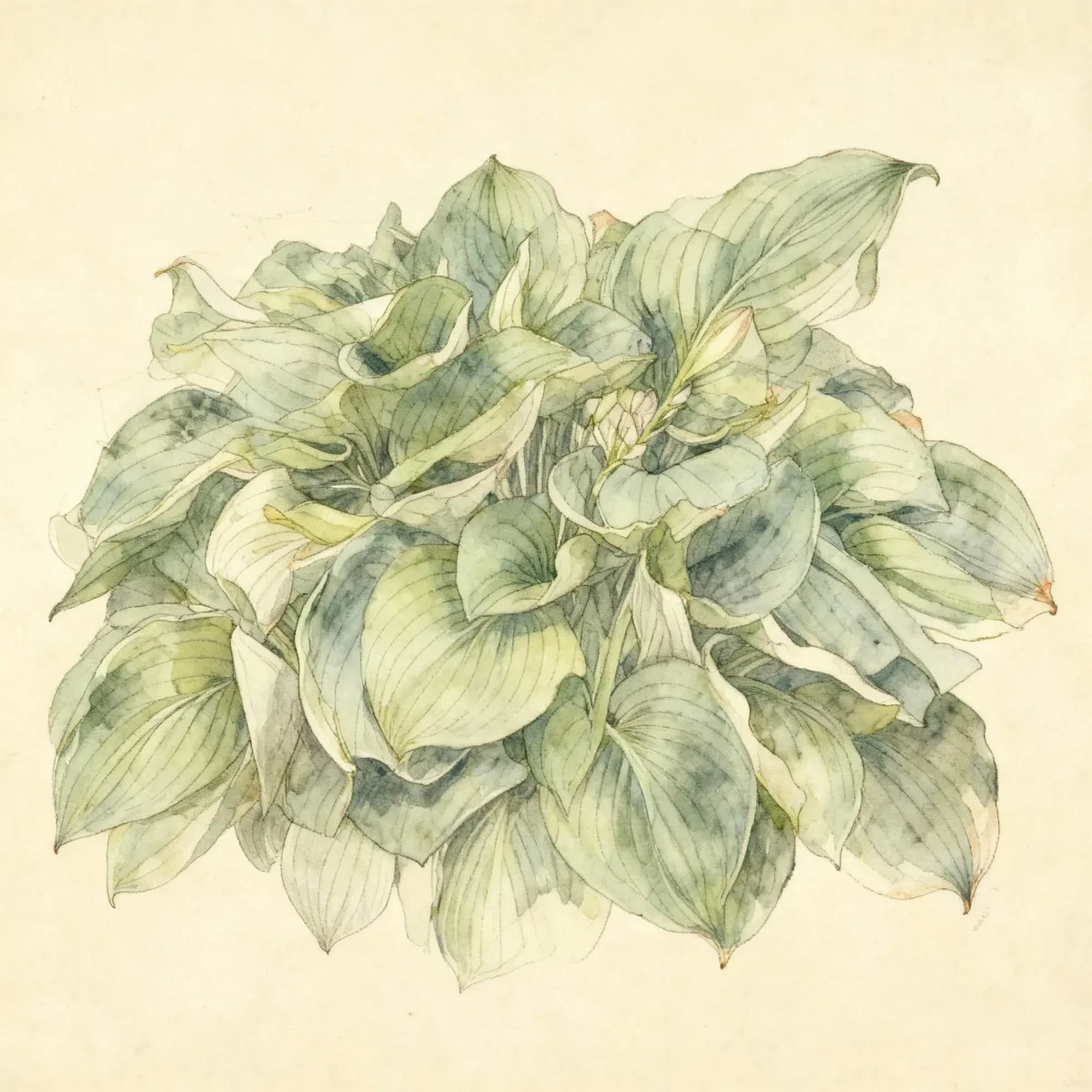
Hosta ‘King James’ is a highly desirable cultivar prized for its substantial, performance-oriented foliage that thrives in the deepest shadows of the garden. This specimen Hosta develops large, medium gray-green leaves, distinguishing itself as a reliable anchor plant in shaded landscapes. As a member of the versatile Hosta genus, it offers low maintenance combined with significant aesthetic impact throughout the growing season.
This variety reaches impressive dimensions, forming mounds up to 2.5 feet tall and 5 feet wide, providing excellent ground coverage. The near white to pale lavender blooms appearing between June and July offer a subtle summertime display above the robust leaf structure. True to the nature of many high-quality Hostas, Hosta ‘King James’ proves to be hardy and resilient under challenging light conditions.
Gardeners value Hosta ‘King James’ for its ability to define structure in predominantly dark garden areas where few other perennials succeed. Its cultural requirements are straightforward, focusing primarily on consistent moisture and protection from harsh winds, making it an excellent choice for both novice and experienced shade gardeners seeking dependable, imposing foliage.
Fast Facts
- Plant Family: Asparagaceae
- Plant Type: Herbaceous perennial
- Hardiness Zones: USDA Zones 3-8
- Size at Maturity:
- Height: 2-2.5 ft
- Spread: 4-5 ft
- Bloom Time: June to July
- Bloom Description: Near white to pale lavender
- Sun Exposure: Part shade to full shade
- Water Needs: Medium
- Maintenance Level: Low
How to Grow
Planting Hosta ‘King James’ is best performed in the spring or autumn when soil moisture is adequate. Locate your new Hosta in soil that is organically rich and well-drained, ensuring the central crown is situated just at the soil surface. While this Hosta performs best in dappled morning sun or part shade, it tolerates deep or heavy shade exceptionally well, which is a major benefit of the genus.
Maintenance for this large Hosta is generally low, but consistent moisture management is crucial. Water should be applied directly to the soil beneath the leaf canopy, avoiding wetting the foliage unnecessarily to help deter potential summer diseases. While established, thick-leaved specimens show some tolerance for dry shade, achieving the best size and leaf quality requires avoiding long periods of dryness.
Divide Hosta clumps as necessary, typically in early spring before the leaves have completely unfurled, or in the autumn. Always ensure Hosta ‘King James’ is planted in a location sheltered from strong winds, which can tear or tatter the larger leaves during summer storms. This protection helps maintain the pristine appearance of this ornamental specimen.
Landscape Uses
Hostas, including robust varieties like Hosta ‘King James’, are foundational elements within any successful shade garden design. Their primary value lies in the impressive texture and color of their foliage, which provides necessary contrast beneath taller, light-filtering trees. They serve extremely well when massed together for a sweeping carpet effect or used individually as specimen plants along shadowed pathways.
Consider using Hosta ‘King James’ as a bold middle-ground or background element in borders, especially when paired with finer-textured, lighter-colored shade companions. These might include ferns, Astilbes, or white-flowering woodland ephemerals that complement the large, substantial leaves without competing for visual dominance. The 4-to-5-foot spread allows it to effectively fill wide, shady spaces.
Standout Features
Flower Qualities
- Showy
Noteworthy Characteristics
Hosta is a genus of about 70 species of shade-loving, rhizomatous, clump-forming, herbaceous perennials which are native to open woodlands, woodland margins and glades in Japan, Korea, China and eastern Russia. ‘King James’ is a hybrid of Hosta montana that displays large leaves, measuring 16 by 11 inches, featuring a cordate base and 17 prominent pairs of veins, characterized by medium gray-green coloring. Its near white to pale lavender flowers are held aloft on a 32-inch stem, and it typically matures to 2 to 2.5 feet tall and 4 to 5 feet wide, often being confused with ‘King Michael’ due to its imposing size.
Tolerances
- Heavy Shade
- Black Walnut
Potential Problems
The main nuisance affecting Hosta foliage, including that of Hosta ‘King James’, comes from slugs and snails, which chew unsightly jagged holes in the leaves. Vigilance is required, as unchecked infestations can quickly ruin the ornamental quality of the foliage. Apply preventative measures, such as iron phosphate baits or beer traps, early in the season.
Other issues include possible damage from foliar nematodes, which cause interveinal browning, and less common problems like leaf spots or crown rot if drainage is poor. Furthermore, this Hosta is highly attractive to deer and rabbits, so placement in protected areas or using appropriate repellents is advisable for preserving the plant’s appearance.
Frequently Asked Questions
What hardiness zones is Hosta suitable for?
Hosta ‘King James’ is hardy and adaptable across USDA Zones 3 through 8, indicating excellent cold tolerance in most temperate climates.
How large does Hosta ‘King James’ grow?
This specimen Hosta typically reaches a mature height of 2 to 2.5 feet, spreading out to a width of 4 to 5 feet, creating a substantial mound of foliage.
What sun exposure does Hosta need?
Hosta requires part shade to full shade conditions for optimal growth; excessive afternoon sun should be avoided to prevent leaf scorch.
When does Hosta bloom?
The blooms on Hosta ‘King James’ appear reliably from June into July, featuring soft, near white to pale lavender flowers.
Conclusion
Hosta ‘King James’ stands out as an incredibly valuable perennial for gardeners prioritizing dramatic foliage texture in low-light environments. Its impressive size, year-round structural integrity, and relatively low maintenance make this Hosta a reliable choice for creating lush, shaded scenes. Confirm your local hardiness zone compatibility and plant early in the season to ensure this magnificent specimen establishes well for years of impressive growth.
Companion Planting in Shade
When designing a shade border around Hosta ‘King James’, select companions that offer textural or color contrast to highlight its large, blue-green leaves. Fine-textured plants, such as Japanese Forest Grass (Hakonechloa macra) or various true ferns, create a beautiful interplay with the bold Hosta leaves. Additionally, light-colored flowering perennials like white Bleeding Heart (Dicentra spectabilis ‘Alba’) or Astilbe provide necessary pops of brightness against the deep shade where Hosta thrives.
Grouping these shade lovers together ensures that moisture and soil needs are generally met, as most excellent shade performers prefer humus-rich, consistently moist conditions similar to those required by Hosta. Avoid aggressive spreaders that might choke out the crown of your Hosta ‘King James’ during periods of rapid spring growth.
Seasonal Care Calendar
Spring is the critical time for Hosta maintenance, focusing on division if overcrowding occurs, and ensuring the soil is enriched with compost to promote strong foliage emergence. As the weather warms, initiate protective measures against slugs and snails immediately upon seeing new shoots. Summer care revolves entirely around consistent, deep watering applied at the base of the plant, ensuring the medium does not dry out, especially during peak heat waves.
In the autumn, Hosta foliage will naturally yellow and die back; allow this process to complete naturally before cutting the dead matter back to the ground. Winter preparation is minimal as Hosta ‘King James’ is very cold-hardy in its recommended zones, requiring no special winter covering unless situated in an area prone to severe freeze-thaw cycles that might heave the crowns.