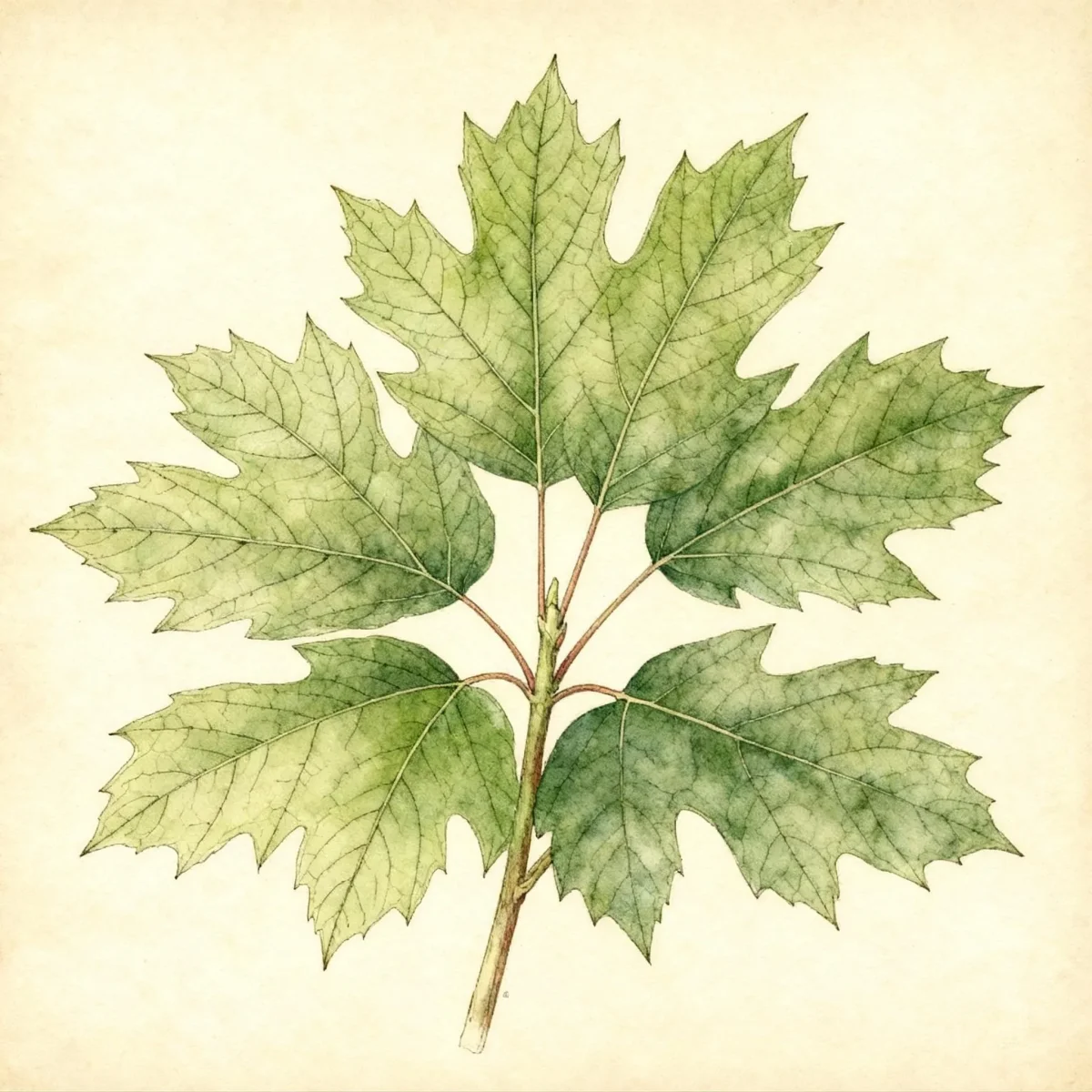
Oakleaf hydrangea (Hydrangea quercifolia 'Little Honey')
Hydrangea quercifolia 'Little Honey' is a compact Oakleaf hydrangea celebrated for brilliant golden spring foliage and crimson fall color.
Scroll down to discover growing tips, care requirements, companion plants, and more
Complete Plant Information
Overview
Hydrangea quercifolia ‘Little Honey’ offers four-season interest, making it a standout choice for any garden, particularly prized for its compact size among Oakleaf hydrangeas. This cultivar is valued for its stunning foliage, which emerges a brilliant golden yellow in spring and deepens to rich crimson by autumn, providing exceptional fall color. As a deciduous shrub, it provides reliable structure, complemented by exfoliating bark that adds texture to the winter landscape.
The Oakleaf hydrangea thrives across a wide range, handling both full sun and partial shade, which offers gardeners flexibility in placement. With its manageable size, Hydrangea quercifolia ‘Little Honey’ performs beautifully near foundations or as a focal point, contrasting nicely with its larger relatives. Its low maintenance requirements further solidify its position as a dependable favorite for consistent seasonal display.
Fast Facts
- Plant Family: Hydrangeaceae
- Plant Type: Deciduous shrub
- Hardiness Zones: USDA Zones 5-9
- Size at Maturity:
- Height: 3-4 ft
- Spread: 4-5 ft
- Bloom Time: June to July
- Bloom Description: White
- Sun Exposure: Full sun to part shade
- Water Needs: Medium
- Maintenance Level: Low
How to Grow
Plant Hydrangea quercifolia ‘Little Honey’ in spring or fall when conditions are cooler, allowing the roots time to establish before summer heat. This Oakleaf hydrangea prefers organically rich, medium-moisture, well-drained soils. Ensure the location receives full sun to part shade; too much deep shade will diminish the leaf color intensity, which is a major feature of ‘Little Honey’.
Watering should be consistent, especially during establishment. This shrub thrives in moist soils; applying a summer mulch is strongly recommended to help conserve soil moisture, crucial for uniform growth. Fertilizing is rarely necessary if incorporated into rich soil initially, but if needed, apply sparingly in early spring.
Pruning on Oakleaf hydrangeas should be minimal, as flower bloom occurs reliably on old wood (stems produced the previous year). If shaping is required, prune immediately after the summer flowering period concludes. In colder areas like Zone 5, provide extra winter protection, such as a thick layer of mulch around the base or burlap wrapping, especially when the plant is young.
Landscape Uses
Hydrangea quercifolia ‘Little Honey’ is excellent when positioned where its layered, colorful architecture can be appreciated year-round. Its compact stature, generally remaining between 3 to 4 feet tall, makes it ideal as an accent specimen near patios or entryways where its seasonal foliage transformations are highlighted. It works well planted in groups or masses for a striking effect in shrub borders, softening the edges of woodland areas or foundation plantings.
This cultivar also excels as an informal hedge, offering more visual interest than traditional hedging materials through its exfoliating bark and prominent summer blooms. Furthermore, it adapts well to container culture, provided the pot is sufficiently large to accommodate its mature spread of 4 to 5 feet and consistent moisture is maintained throughout the growing season.
Standout Features
Flower Qualities
- Showy
Noteworthy Characteristics
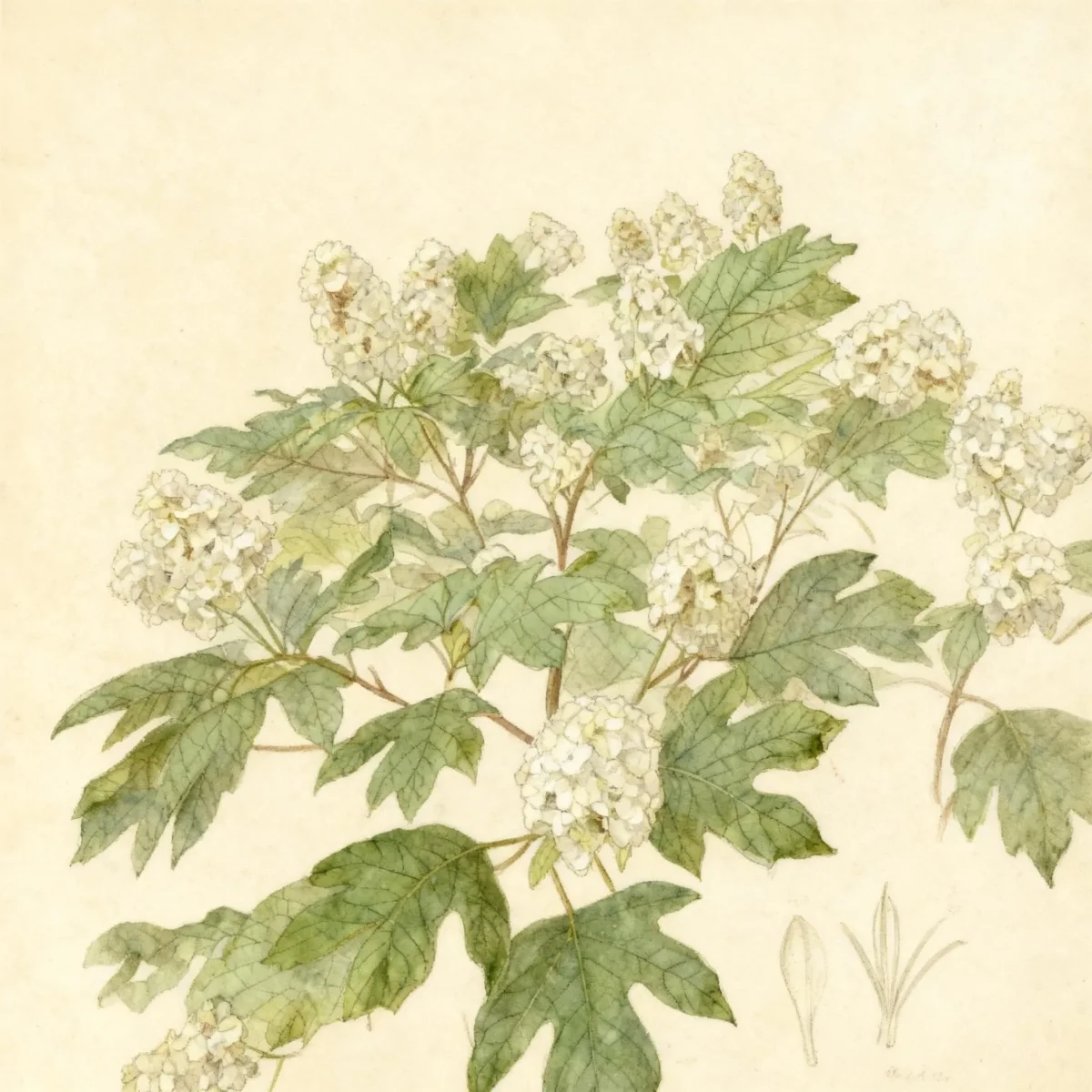
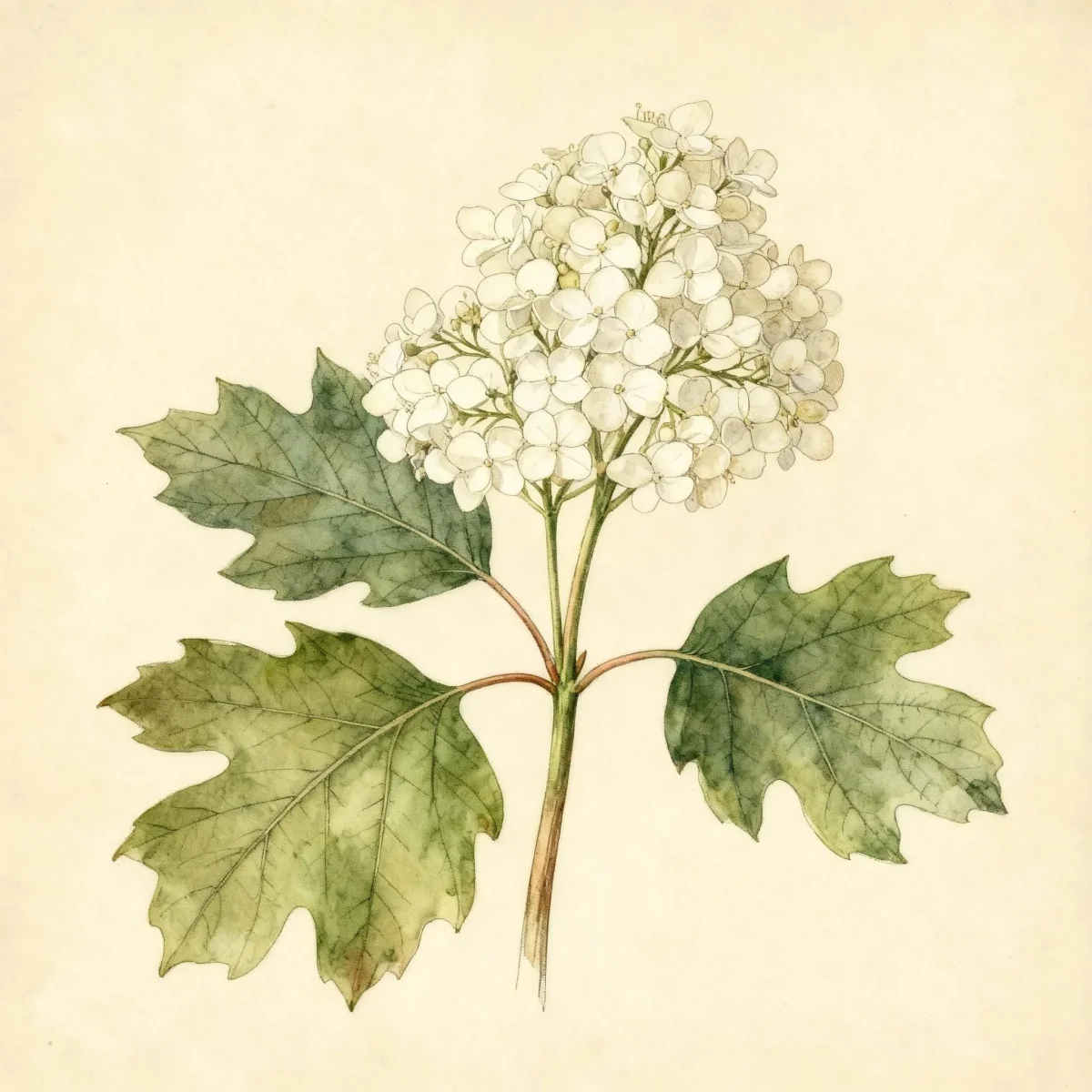
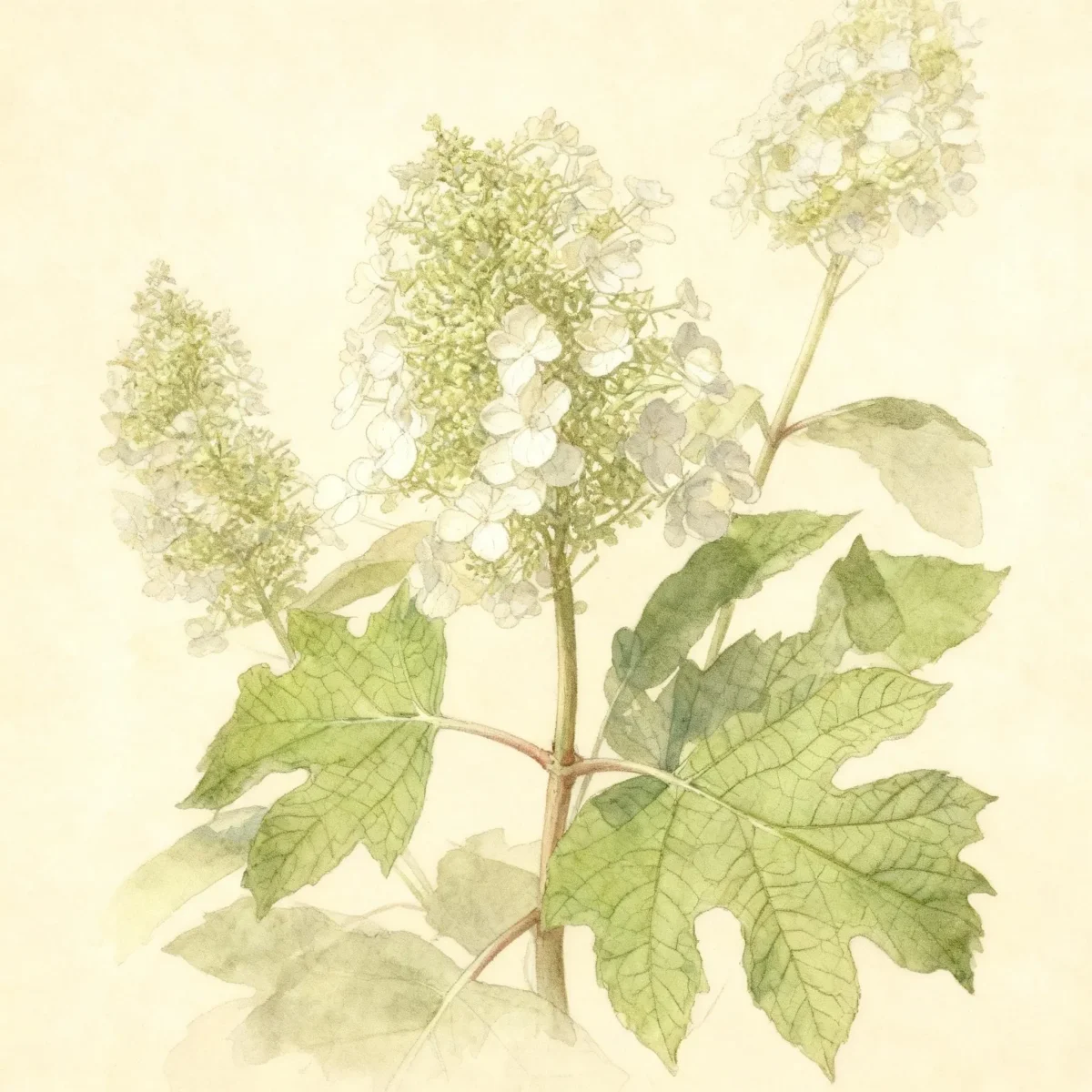
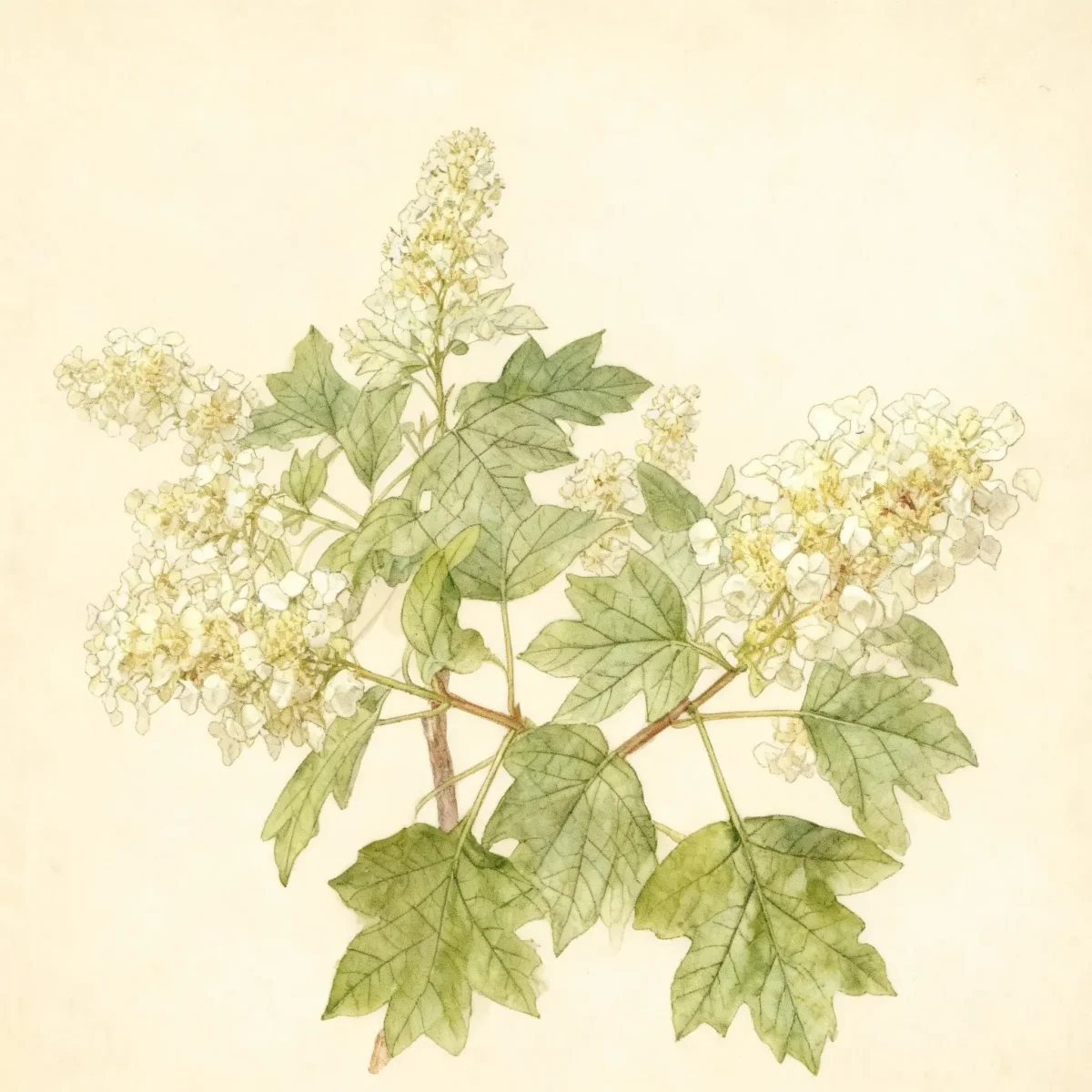
The Hydrangea quercifolia ‘Little Honey’ is a compact sport of the species, maturing smaller, around 3-4 feet high and 4-5 feet wide. Its highly ornamental oak-shaped leaves transition from golden yellow in spring to lime green before developing exceptional crimson fall color, while cone-shaped white flower panicles appear in early summer, often fading to pink. The mature stems display attractive reddish tones throughout the winter months, ensuring year-round visual appeal.
Potential Problems
This Oakleaf hydrangea generally faces no severe pest or disease issues, contributing to its low maintenance rating. However, growers should watch for occasional susceptibility to powdery mildew, especially in humid conditions, and leaf blight. Aphids and spider mites are infrequent visitors that can usually be managed with horticultural oils or strong water sprays if infestations become noticeable.
Tolerances
Frequently Asked Questions
What hardiness zones is Hydrangea quercifolia ‘Little Honey’ suitable for?
This beautiful Oakleaf hydrangea variety is broadly adaptable, thriving in USDA Hardiness Zones 5 through 9. Gardeners in Zone 5 should provide winter protection, especially when establishing newer plantings.
How large does Hydrangea quercifolia ‘Little Honey’ grow?
Hydrangea quercifolia ‘Little Honey’ is a compact cultivar, reaching a mature height between 3 to 4 feet tall, with a spread typically spanning 4 to 5 feet wide.
What sun exposure does Oakleaf hydrangea need?
For optimal health and best foliage color, Hydrangea quercifolia ‘Little Honey’ requires full sun exposure or part shade. Ensure it gets sufficient light to develop its signature golden and crimson leaf tones.
When does Hydrangea quercifolia ‘Little Honey’ bloom?
This shrub sets its showy, cone-shaped white flowers primarily between June and July, offering lovely summer interest before the intense fall color display begins.
Conclusion
The Hydrangea quercifolia ‘Little Honey’ is a genuinely rewarding shrub, offering vibrant foliage color, reliable summer blooms, and interesting winter bark, all within a compact, low-maintenance package. Integrating this specific Oakleaf hydrangea cultivar into your landscape ensures year-round interest and structural beauty. Before planting, confirm that your local growing conditions fall within USDA Zones 5-9 and plan for soil rich in organic matter.
Companion Planting
Selecting companions that share the moisture and light requirements of Hydrangea quercifolia ‘Little Honey’ will create a cohesive planting scheme. Consider pairing it with shade-tolerant perennials that offer contrasting textures, such as Hostas or Ferns, particularly those with blue or variegated foliage. For a woodland edge aesthetic, spring bulbs like Daffodils or early blooming woodland Phlox blend well, fading gracefully as the Oakleaf hydrangea reaches peak bloom in June and July.
Seasonal Care Calendar
Spring is the prime time for assessing winter damage; prune any dead or damaged stems back to new growth just as buds begin to swell. Applying a fresh layer of mulch in late spring helps retain the medium moisture levels the Oakleaf hydrangea prefers throughout the hotter months. Summer care focuses nearly entirely on ensuring deep, consistent watering, especially if rainfall is sparse, preventing the leaves from wilting. In the fall, simply allow the leaves to display their magnificent crimson hue before they drop; no pruning should occur until late winter or early spring, as growth in summer can impair the following year’s bloom.