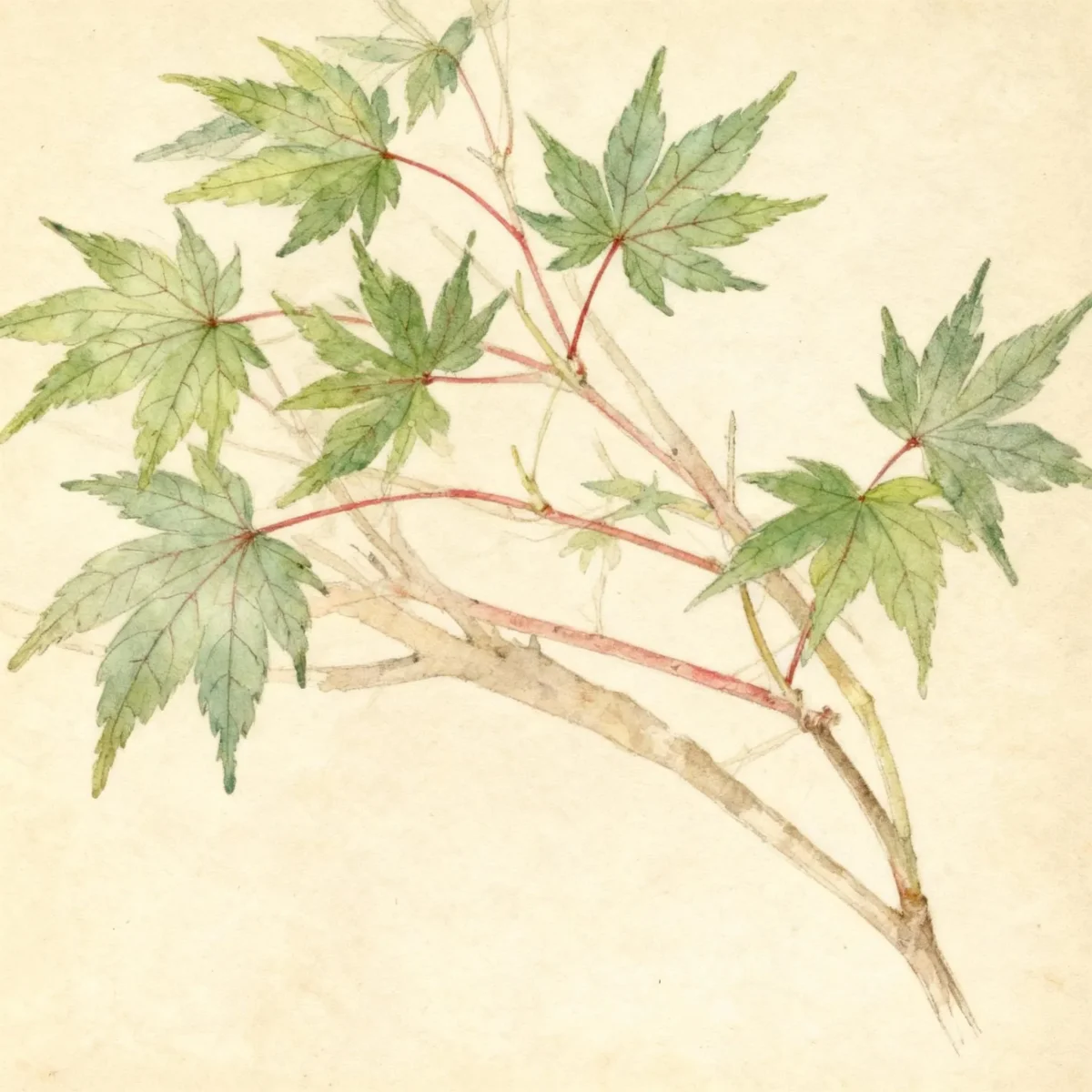
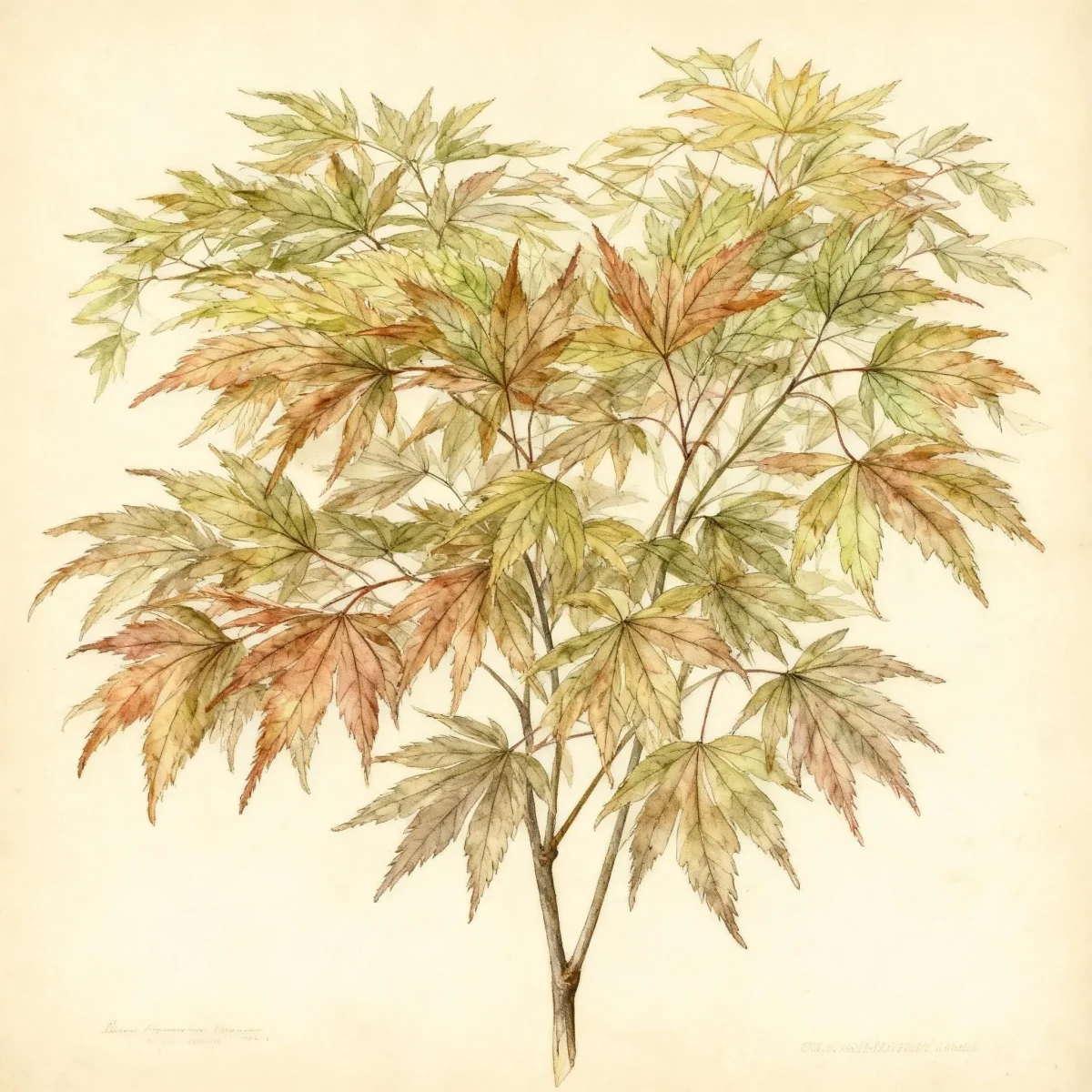
Sugar maple (Acer saccharum 'Sweet Shadow')
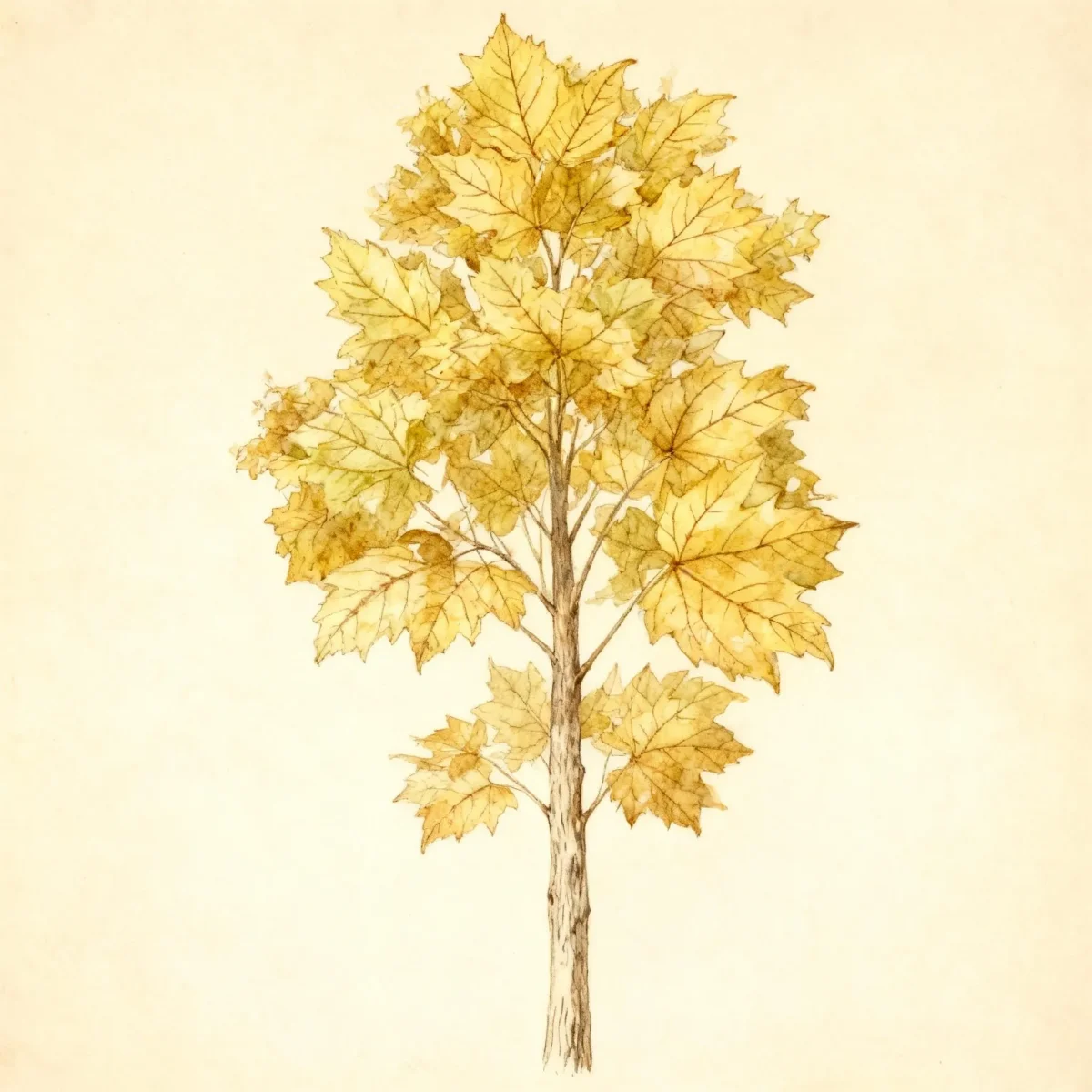
Acer saccharum 'Sweet Shadow' is a stunning Sugar maple cultivar, prized for its deeply cut foliage and vibrant orange fall color in zones 4-8.
Scroll down to discover growing tips, care requirements, companion plants, and more
Complete Plant Information
Overview
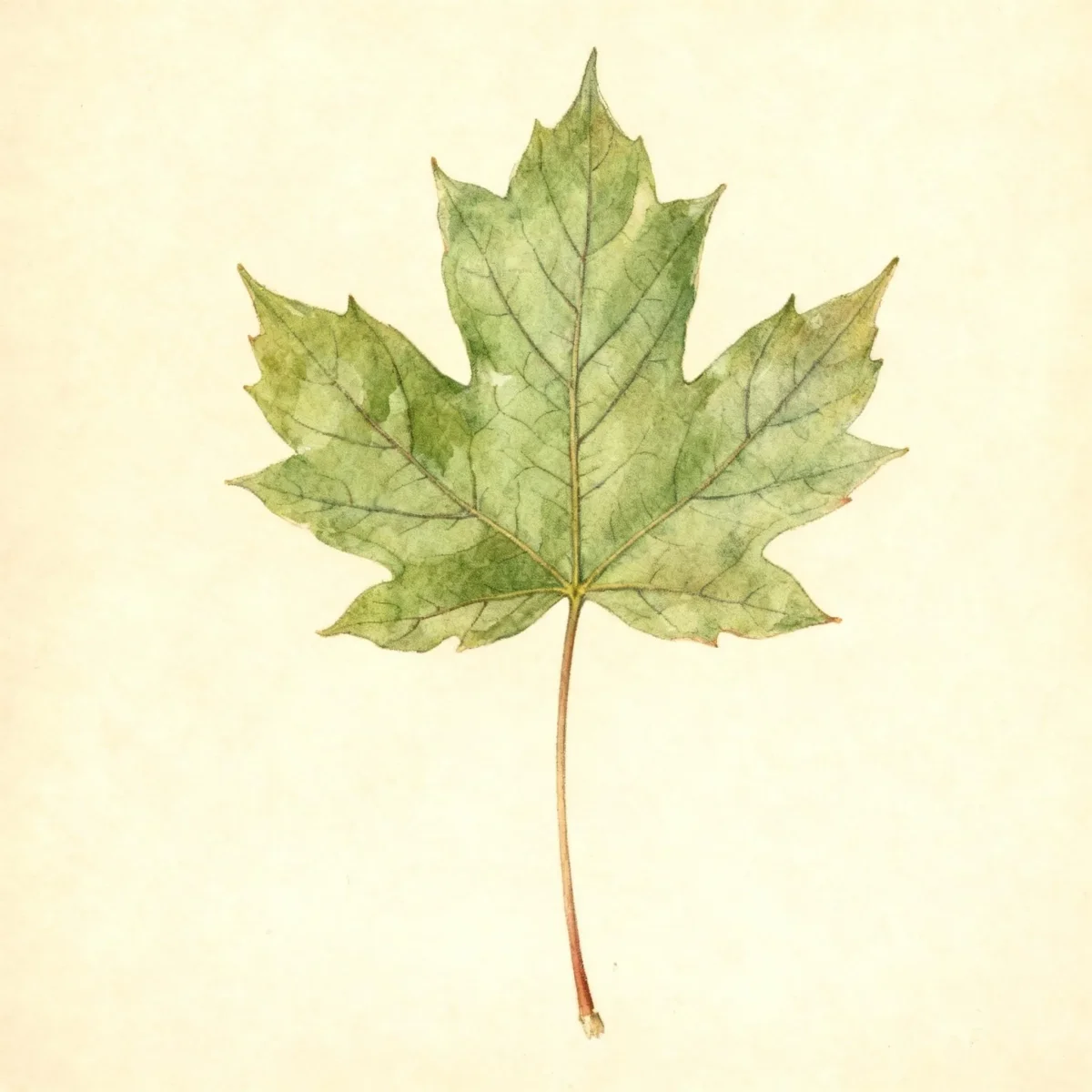
The Acer saccharum ‘Sweet Shadow’, a distinctive cultivar of the renowned Sugar maple, offers gardeners a unique texture compared to the standard species. Its deeply cut, dark green leaves create a fine-textured appearance that catches the eye, especially as it transitions into brilliant orange hues come autumn. This tree is prized for its reliable structure and stunning seasonal display, making it a fantastic specimen choice.
Cultivated for its manageable size, typically reaching 45 to 50 feet tall, this Sugar maple retains the majestic presence of its parent while fitting well into larger residential or park settings. It thrives with low maintenance when established in suitable conditions, rewarding the gardener with shade and beauty for many years.
As a central component of Eastern hardwood forests, planting Acer saccharum ‘Sweet Shadow’ supports regional ecology while providing excellent shade relief. Its history is intertwined with North American heritage, famously linked to maple syrup production, cementing the Sugar maple as a culturally significant landscape tree.
Fast Facts
- Plant Family: Sapindaceae
- Plant Type: Tree
- Hardiness Zones: USDA Zones 4-8
- Size at Maturity:
- Height: 45-50 ft
- Spread: 35-45 ft
- Bloom Time: March to April
- Bloom Description: Yellowish-green
- Sun Exposure: Full sun to part shade
- Water Needs: Medium
- Maintenance Level: Low
How to Grow
Planting the Acer saccharum ‘Sweet Shadow’ should ideally occur in spring or early fall. Select a location that provides full sun to partial shade exposure for the best performance. This Sugar maple cultivar demands average, medium moisture, well-drained soil, preferring fertile and slightly acidic conditions. Planting in compacted or poorly drained areas should be avoided, as these conditions challenge its growth significantly.
Established trees require medium water amounts, maintaining consistent soil moisture without becoming waterlogged, especially during dry summer periods when leaf scorch can occur. Generally, this variety requires low maintenance; fertilization is rarely necessary if the native soil is adequate. Pruning should be focused on removing crossed or damaged limbs, typically performed during the dormant season.
A critical consideration for any site selection is pollution and salt tolerance. This Sugar maple is intolerant of road salt and generally struggles with urban pollution, so avoid placing it immediately adjacent to heavily salted driveways or curbside locations. Growing Acer saccharum ‘Sweet Shadow’ successfully means respecting its intolerance for stressful urban environments.
Landscape Uses
The Acer saccharum ‘Sweet Shadow’ is highly recommended as an excellent specimen tree for open lawns or park settings, where its impressive fall color and spreading canopy can be fully appreciated. Its mature height and spread offer substantial shade, making it a functional choice for cooling large areas around structures. While it can be considered a street tree, gardeners must be vigilant about site selection.
If utilizing this Sugar maple near paved areas, ensure it is situated where road salt application will not be a significant issue, as salt toxicity is a common cultural problem for maples. In garden design, its refined foliage texture pairs well with broad-leaved evergreens or coarse herbaceous perennials that provide contrast underneath its canopy. The rounded to vase-shaped form of Acer saccharum ‘Sweet Shadow’ makes it excellent for defining borders or anchoring larger landscape masses.
Standout Features
Flower Qualities
- Insignificant
Noteworthy Characteristics
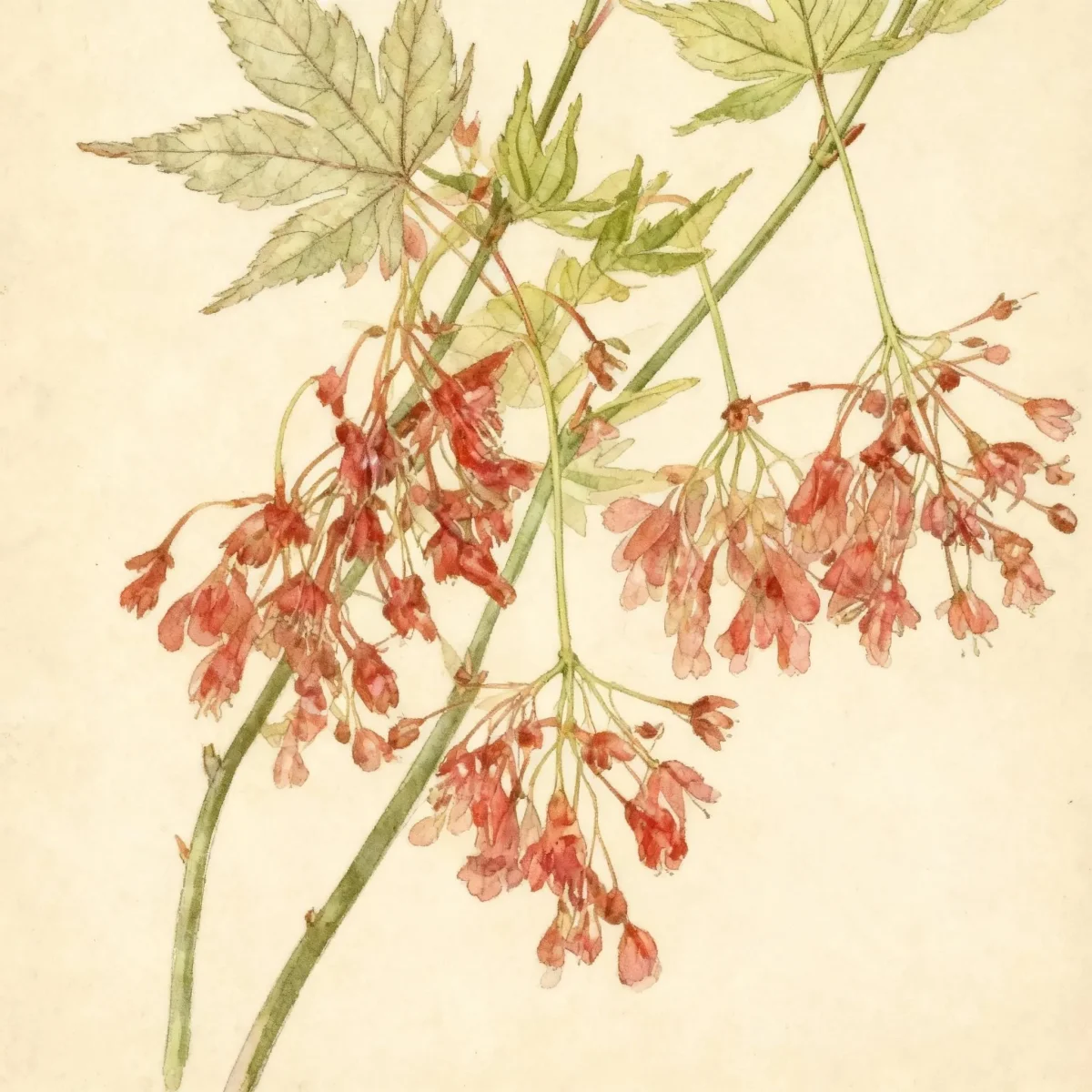
Acer saccharum commonly known as sugar maple is a deciduous, Missouri native tree which will typically grow 40’ to 80’ tall (sometimes to 100’) with a dense, rounded crown. This tree is a main component of the Eastern U.S. Hardwood forest and is one of the trees which is most responsible for giving New England its reputation for spectacular fall color. Medium green leaves (3-6” wide with 3-5 lobes) turn yellow-orange in autumn, sometimes with considerable color variations. Fruit is the familiar two-winged samara. Sugar maples are long-lived trees which grow relatively slowly (somewhat faster in the first 35 years). Native Americans taught the early colonists how to tap these trees to make maple syrup which has now become a multi-billion dollar industry in the U.S. And Canada. Excellent shade tree. The sugar maple leaf is the national symbol of Canada.Genus name is the Latin name for a maple tree.Specific epithet means sugary in reference to the sweet sap. Saccharum is the genus name for sugarcane. ‘Sweet Shadow’ is a cultivar that typically grows 45-50’ tall in cultivation. It has a rounded to vase-shaped form (perhaps more upright than the species) and is noted for its deeply cut leaves and orange fall color. Dark green leaves (to 6” wide) have deep cuts that give the tree a fine-textured appearance. Pale yellowish-green flowers appear in clusters in spring before the leaves emerge. Flowers give way to clusters of paired samaras (to 1 3/4” long) with nearly parallel wings. Samaras mature in late summer. U.S. Plant Patent PP2139 issued in 1962
Tolerances
- Heavy Shade
Potential Problems
The Sugar maple, including the Acer saccharum ‘Sweet Shadow’ cultivar, is susceptible to several fungal and pest issues. Watch for signs of verticillium wilt, anthracnose, fungal cankers, leaf spot, and tar spot, which primarily affect foliage aesthetics or overall vigor. Insect threats include aphids, borers, and scale insects, requiring monitoring, particularly in stressed trees.
Leaf scorch is a significant concern during periods of drought; ensure adequate moisture, especially in the first few years post-planting, to mitigate this stress. Since this Sugar maple has been frequently evaluated as a street tree, remember its documented intolerance to common urban stresses like soil compaction, pollution, and, crucially, road salt application. Proper site selection is the primary preventative management against many of these potential problems.
Frequently Asked Questions
What hardiness zones is Sugar maple (Acer saccharum ‘Sweet Shadow’) suitable for?
The Acer saccharum ‘Sweet Shadow’ is suitable for USDA Hardiness Zones 4 through 8. Ensure your planting location falls within this range for optimal survival.
How large does Sugar maple (Acer saccharum ‘Sweet Shadow’) grow?
This cultivar typically matures to a height of 45 to 50 feet and achieves a spread between 35 and 45 feet, offering substantial shade.
When does Sugar maple (Acer saccharum ‘Sweet Shadow’) bloom?
Bloom time occurs in early spring, generally from March to April, producing pale, yellowish-green flowers before the distinctive deeply cut leaves fully emerge.
What sun exposure does Sugar maple (Acer saccharum ‘Sweet Shadow’) need?
Acer saccharum ‘Sweet Shadow’ prefers full sun to part shade conditions for healthy growth and excellent fall color development.
Conclusion
The Acer saccharum ‘Sweet Shadow’ offers superb ornamental value with its distinctive, finely cut foliage and reliably intense orange fall display, making it a superior upgrade to the standard Sugar maple in appropriate settings. While requiring well-drained, slightly acidic soil and sensitivity to salt, its low maintenance once established ensures long-term landscape satisfaction. Before planting, confirm that your site offers protection from road salt and compaction to guarantee the success of your new specimen tree.
Companion Planting
When designing spaces around your Sugar maple, consider herbaceous perennials and shrubs that share similar preferences for well-drained, slightly acidic soil and moderate moisture. Planting shade-tolerant groundcovers like Hosta or native woodland phlox beneath the canopy will suppress weeds and keep the root zone cool during summer months. Due to the shallow root system common to maples, avoid intensely competitive shallow-rooted plants directly adjacent to the trunk base.
For height contrast, consider slower-growing, acid-loving evergreens such as certain varieties of Rhododendron or Azalea, provided they are situated where they receive dappled light rather than dense, deep shade. These companions offer evergreen structure, complementing the dramatic seasonal changes seen in the Acer saccharum ‘Sweet Shadow’ throughout the year.
Seasonal Care Calendar
Spring is when the pale yellowish-green flowers of the Sugar maple appear before leaf-out; this is an excellent time to apply a slow-release, balanced fertilizer if soil tests indicate a deficiency. Summer care centers around consistent, deep watering, especially during establishment or drought, focusing water at the drip line rather than directly against the trunk.
Fall is the highlight season, showcasing the fiery orange transformation of this cultivar’s leaves; rake leaves promptly if planted near lawns susceptible to snow mold, though leaf mulch around the base helps protect roots. Winter protection involves inspecting for physical damage from heavy snow or ice, though generally, once mature, the Acer saccharum ‘Sweet Shadow’ is quite hardy within its recommended zones.