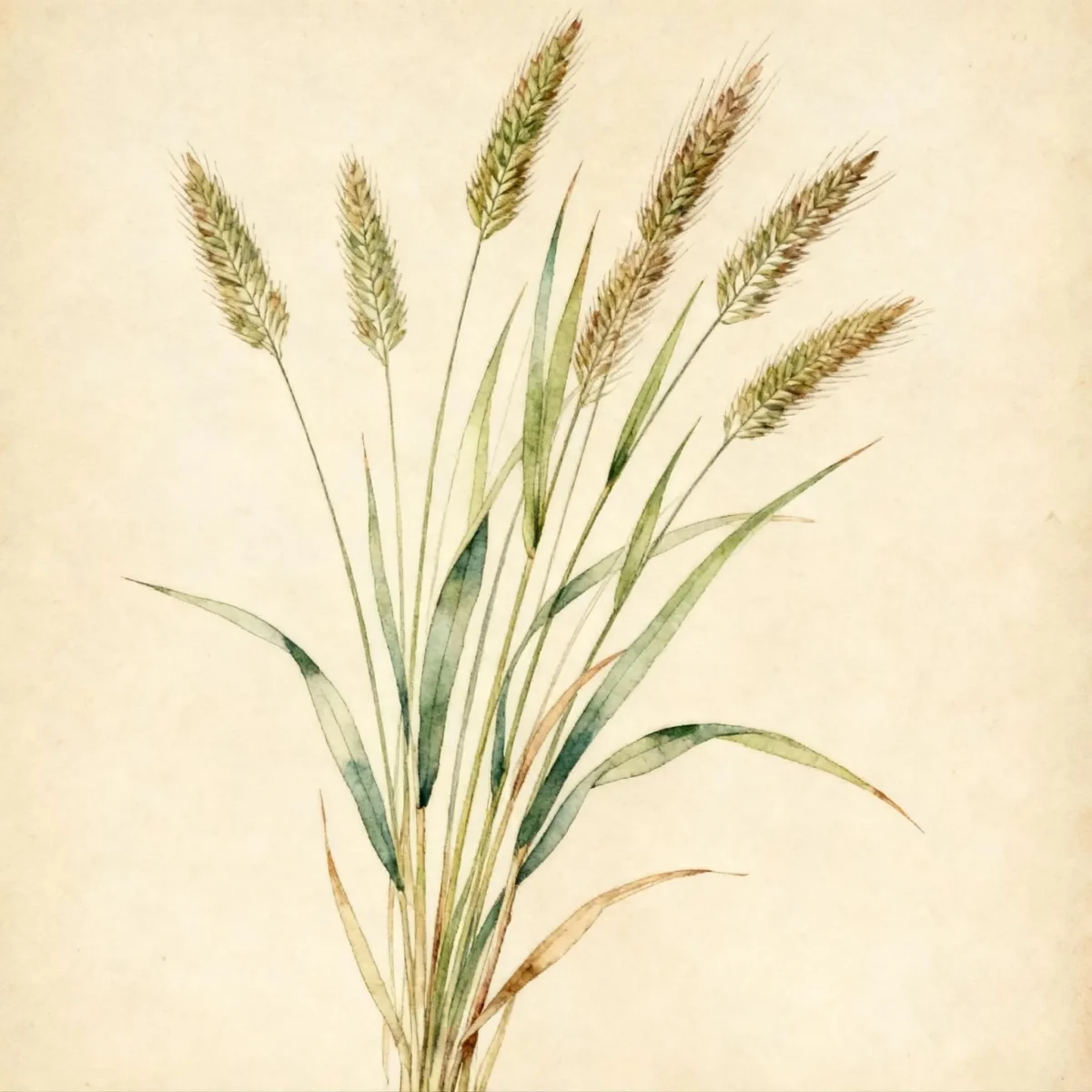
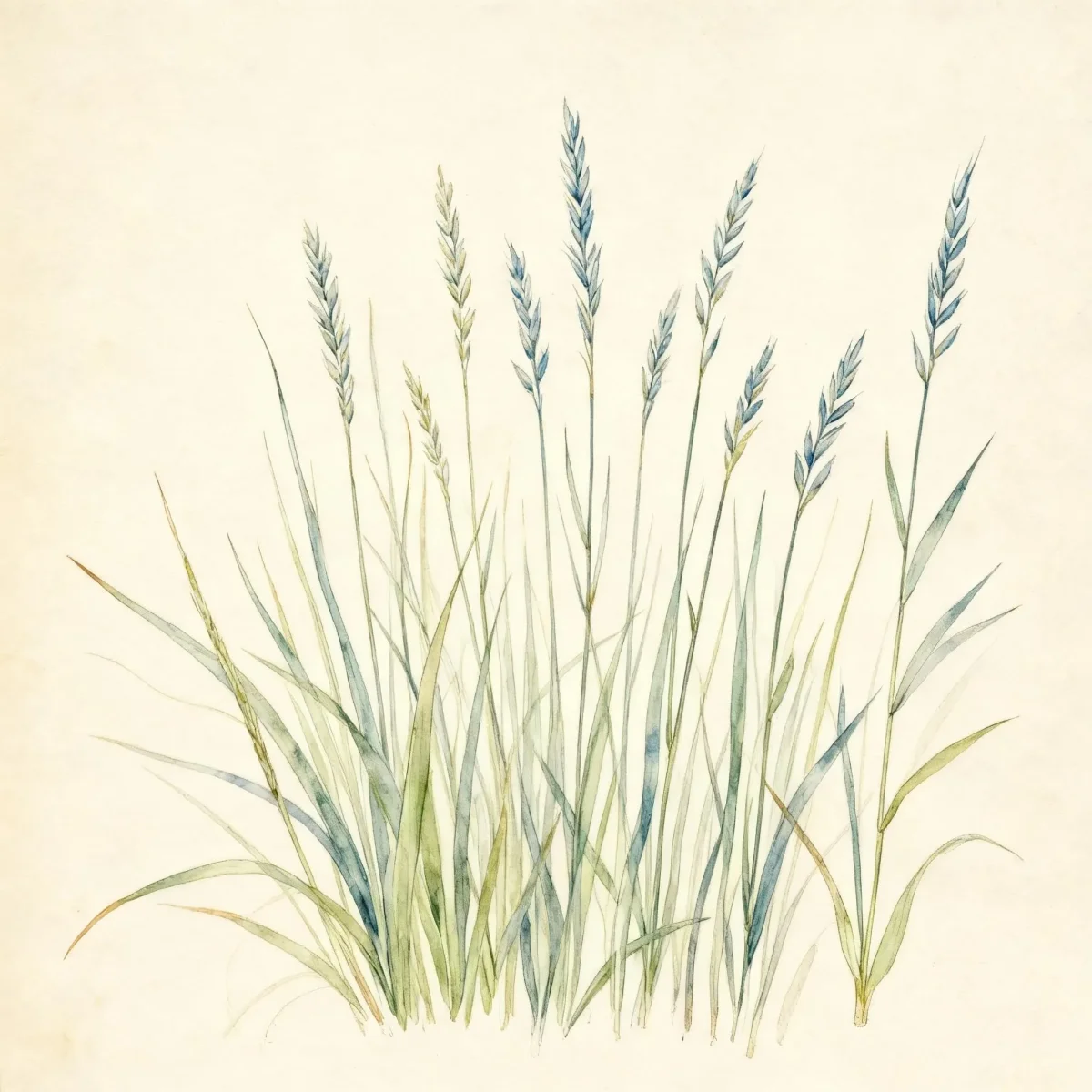
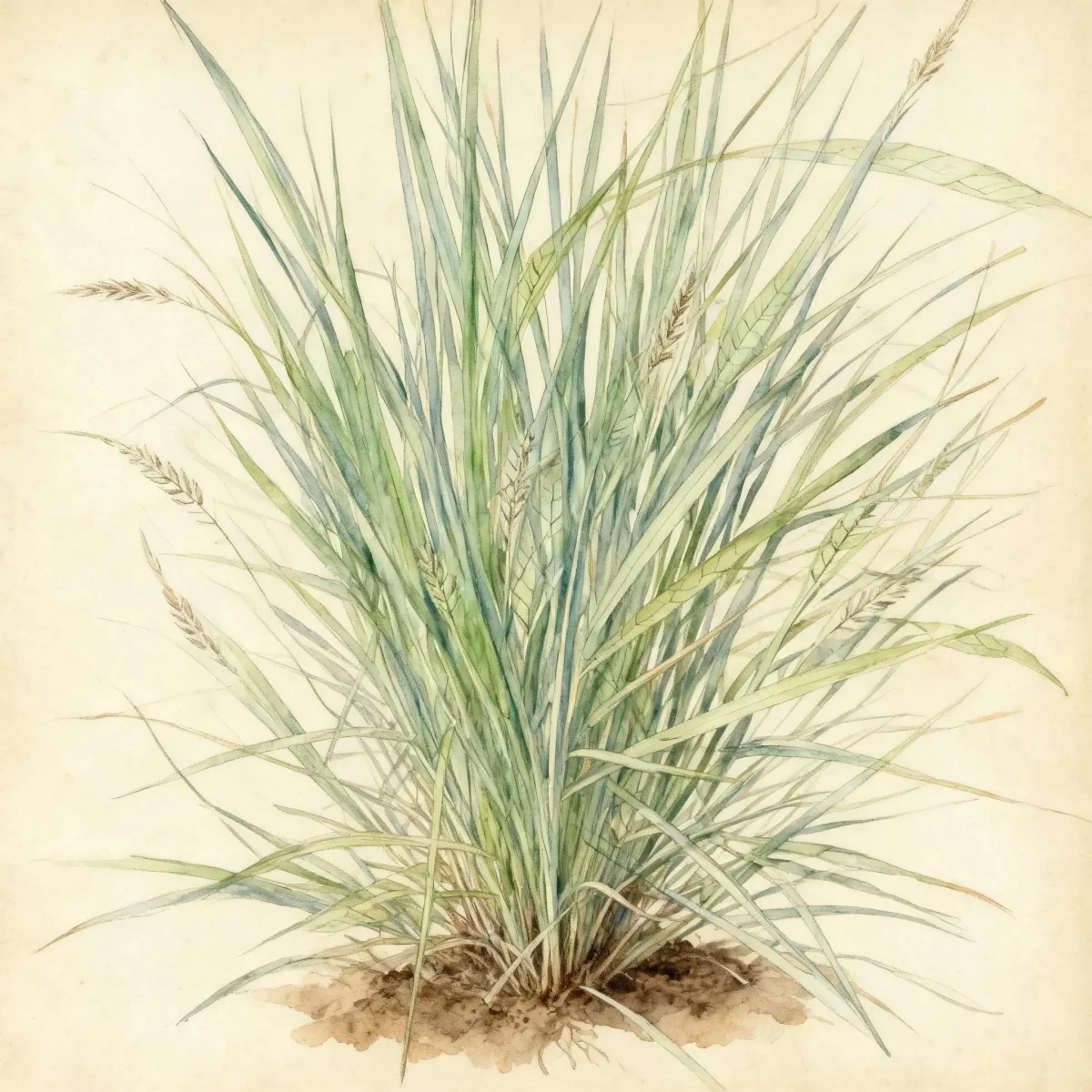
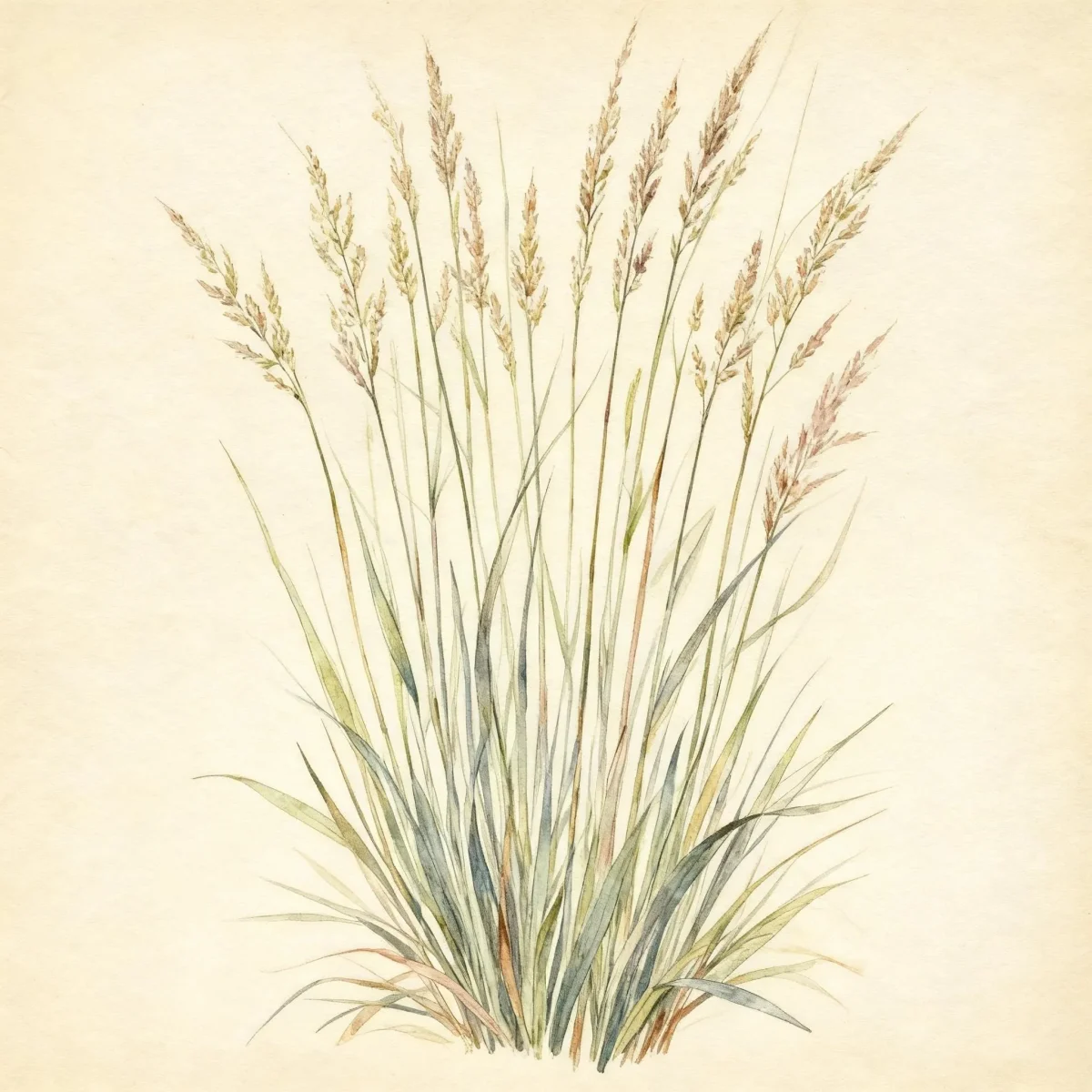
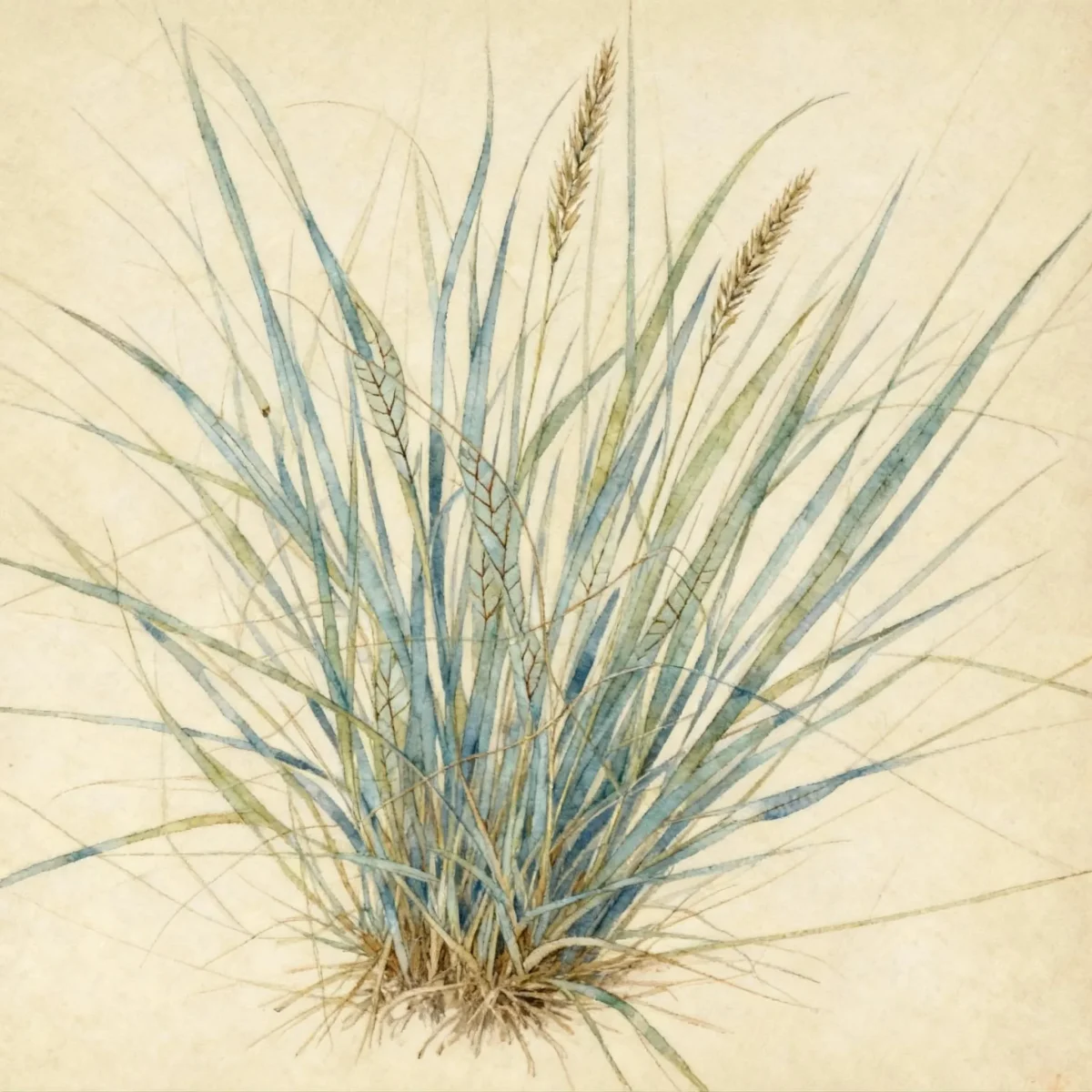
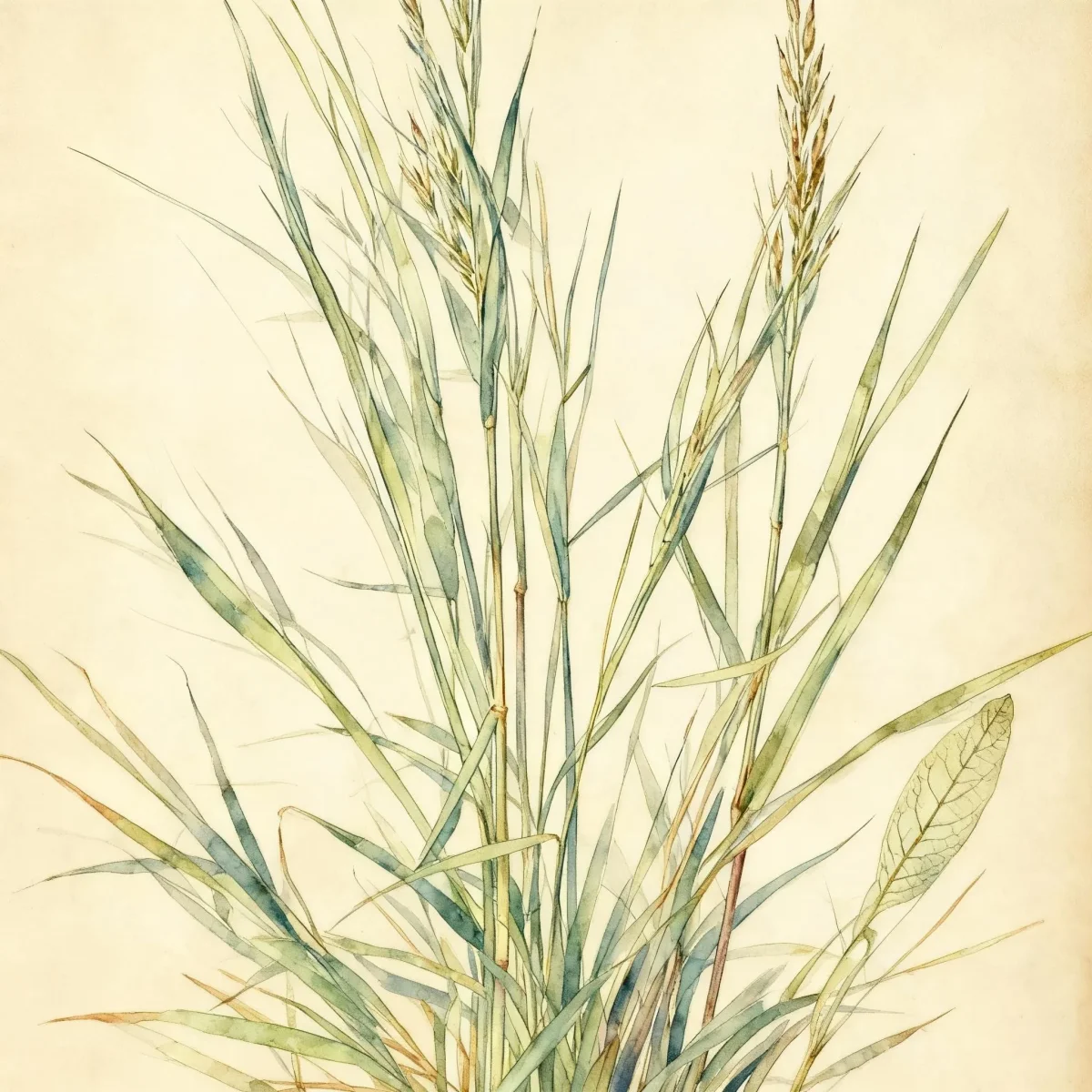
Buffalo grass (Buchloe dactyloides 'Sharp's Improved')
Buchloe dactyloides 'Sharp's Improved' is a drought-tolerant Buffalo grass. Enjoy low-maintenance turf in full sun across USDA Zones 3-9.
Scroll down to discover growing tips, care requirements, companion plants, and more
Complete Plant Information
Overview
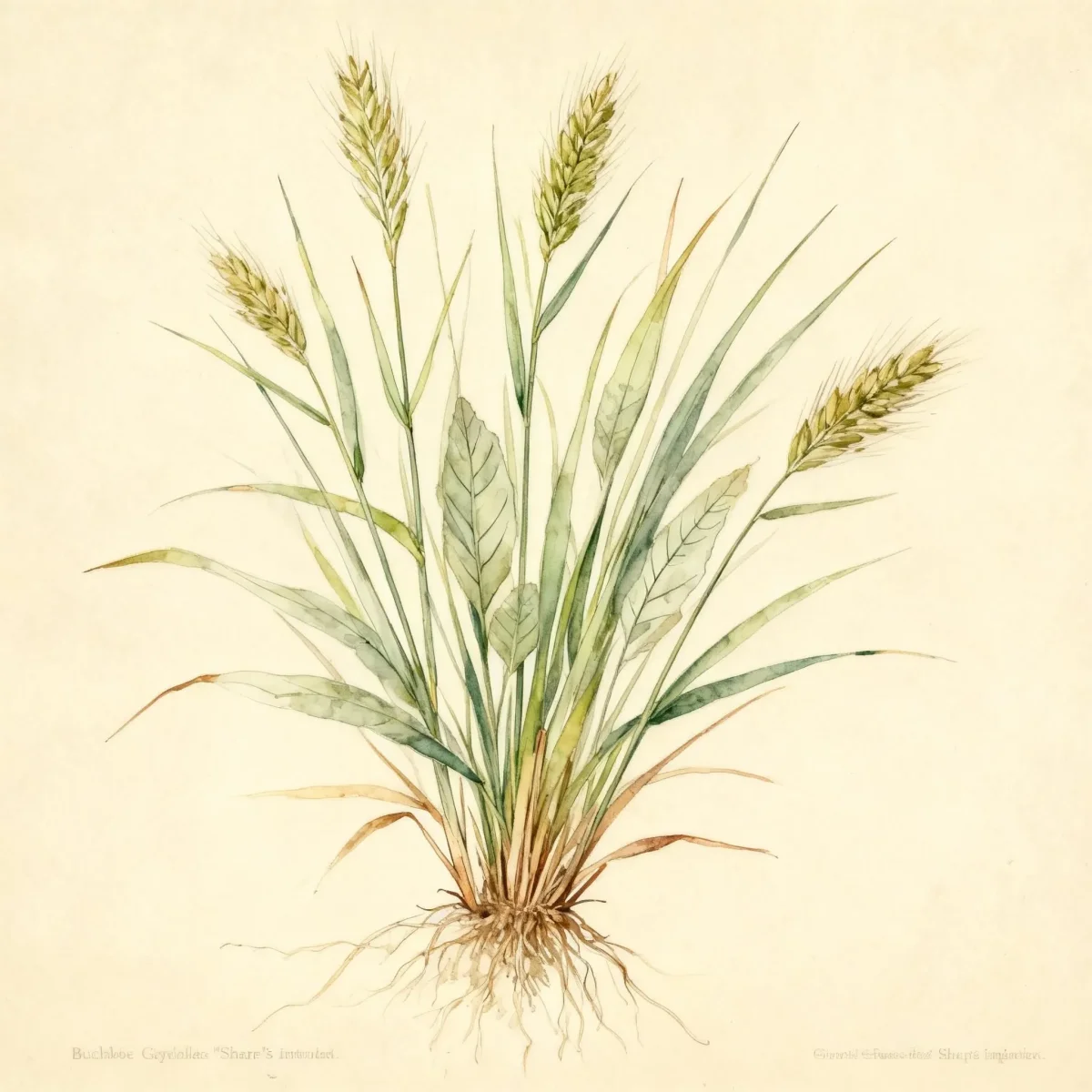
Buchloe dactyloides ‘Sharp’s Improved’ is a highly resilient, warm-season perennial grass prized for its exceptional low-maintenance characteristics, making it an excellent native turf alternative. This Buffalo grass variety offers a fine texture and dense coverage once fully established, surviving harsh conditions where other turfs fail. Its deep drought tolerance and heat resistance align perfectly with sustainable landscaping goals.
As a dominant species of the shortgrass prairie, Buffalo grass naturally thrives in challenging environments. ‘Sharp’s Improved’ is a specific cultivar selected for vigor and suitability as a turfgrass, providing an eco-friendly option for large areas like lawns, parks, and roadsides. Gardeners seeking to reduce water usage and input will find this grass fills that requirement beautifully.
While providing excellent turf quality in optimal conditions, gardeners should note that the foliage of Buchloe dactyloides ‘Sharp’s Improved’ turns straw-colored during dormancy in cooler months. This trait reminds us of its native origins, but its reliable performance during hot, humid summers with minimal fertilization makes it a practical, water-wise choice for sunny landscapes across widespread hardiness zones.
Fast Facts
- Plant Family: Poaceae
- Plant Type: Turfgrass
- Hardiness Zones: USDA Zones 3-9
- Size at Maturity:
- Height: 0.25-0.5 ft
- Spread: 0.5-0.5 ft
- Bloom Time: Non-flowering
- Bloom Description: Green
- Sun Exposure: Full sun
- Water Needs: Dry to medium
- Maintenance Level: Low
How to Grow
Establish Buchloe dactyloides ‘Sharp’s Improved’ when soil and air temperatures are consistently warm, typically planting seed in April through June. This Buffalo grass requires average, dry to medium moisture conditions but absolutely demands well-drained soil and full sun exposure, showing intolerance to shade. While it can be established from seed, sod or plugs are also viable establishment methods for faster coverage.
Once installed, maintenance revolves around restraint, especially concerning water. Avoid frequent watering entirely; this turf adapts well to drought and alkaline soils. Fertilization needs are minimal to maintain its low-input profile. If you choose to mow, aim for a height of 2–3 inches; however, establishing it as a naturalized area allows it to grow undisturbed to 4–6 inches tall.
Note that plants intolerant of excessive moisture will suffer, performing poorly in areas receiving high rainfall. During periods of dormancy in fall and spring, the turf will naturally appear straw-colored, which is normal behavior for this warm-season perennial. No significant pest or disease issues are usually observed, contributing to the low management requirement.
Landscape Uses
Buchloe dactyloides ‘Sharp’s Improved’ excels where low establishment costs and minimal upkeep are priorities. Its ability to naturalize makes it ideal for expansive areas, including roadsides, broad park settings, or large residential yards needing drought management. Use this Buffalo grass on dry, sunny slopes where its spreading habit also contributes valuable erosion control.
For homeowners, consider using ‘Sharp’s Improved’ in areas too hot or dry for traditional cool-season grasses. It establishes a firm, relatively dense turf capable of handling moderate use—though it shows intolerance to very heavy foot traffic. When used near borders or walkways, be mindful of its stoloniferous spread into adjacent, possibly shaded, plantings.
For an ecological approach, pair this native species with other drought-tolerant, full-sun perennials suitable for the shortgrass prairie aesthetic. While it forms a mono-culture turf, strategically placed groupings of native wildflowers or low-growing ornamental grasses can provide seasonal contrast while the Buffalo grass remains dormant.
Standout Features
Noteworthy Characteristics
Buchloe dactyloides, known as buffalo grass, is a dioecious, drought-tolerant, heat-resistant, fine-textured, warm season perennial grass that is native primarily to the Great Plains. It is commonly called buffalo grass because it was at one time regularly grazed by herds of buffalo (American bison). The cultivar ‘Sharp’s Improved’ is reportedly a vigorous variety with acceptable quality as a turf grass that forms a low maintenance turf surviving hot, humid summers with minimal water. Key drawbacks include dormancy coloring in cooler months and potential stoloniferous spread into neighboring garden beds.
Tolerances
- Drought
- Erosion
- Dry Soil
Potential Problems
Serious insect or disease problems are generally absent in healthy stands of Buchloe dactyloides ‘Sharp’s Improved’. However, gardeners should remain aware of specific threats. Chinch bug activity can occasionally become troublesome, requiring monitoring, particularly during peak summer heat.
Fungal issues like Brown patch, summer patch, and various leaf spots may manifest, especially if cultural conditions are stressed or slightly over-watered. The most common management concern is controlling the plant’s natural spread; stolons may creep aggressively into adjacent flower beds or lawns that receive more moisture or shade.
To manage spread, establish clear physical barriers or edging where the Buffalo grass borders desired plantings. Regular, but infrequent, mowing at 2-3 inches helps manage vigor without stressing the plant.
Frequently Asked Questions
What hardiness zones is Buffalo grass suitable for?
Buchloe dactyloides ‘Sharp’s Improved’ is widely adaptable, thriving in USDA Zones 3 through 9, making it a robust choice for many regions.
How large does Buffalo grass grow?
When fully mature, this grass typically reaches a height between 0.25 and 0.5 feet tall, with a uniform spread of about 0.5 feet.
What sun exposure does Buchloe dactyloides ‘Sharp’s Improved’ need?
This turfgrass requires full sun exposure to maintain optimal density and health, as it is strongly intolerant of shade.
When does Buffalo grass bloom?
This variety is listed as non-flowering, though inconspicuous green blooms may appear in summer.
Conclusion
For gardeners prioritizing water conservation without sacrificing ground cover, Buchloe dactyloides ‘Sharp’s Improved’ offers a superior, low-input solution. This durable Buffalo grass handles intense heat and dry conditions remarkably well compared to standard turf species. Check your local climate and soil drainage to ensure compatibility before planning your installation of this excellent, naturally adapted turf.
Companion Planting for Drought Tolerant Yards
Selecting appropriate companions for Buchloe dactyloides ‘Sharp’s Improved’ involves choosing other species that naturally thrive under full sun and dry to medium soil moisture. Pairing it with native, low-growing wildflowers works well for enhancing biodiversity while maintaining a low-water landscape aesthetic. Consider integrating switchgrass (Panicum virgatum) varieties that tolerate drier upper slopes, providing vertical contrast to the low-growing turf.
These companion plants should share the same general needs regarding soil pH and temperature adaptation, ensuring that turf maintenance practices (like infrequent watering during summer) do not harm surrounding ornamentals. Utilizing groundcovers that spread slowly and accept poor, dry soil will help unify the design around your low-maintenance Buffalo grass areas.
Seasonal Care Calendar
Spring preparation for Buchloe dactyloides ‘Sharp’s Improved’ is minimal; allow the grass to green up naturally as temperatures rise, avoiding heavy fertilization. Mid-spring to early summer is the prime window for seeding any new areas as the soil warms up. During the hot summer months, focus solely on observing water needs—water only during extended dry spells, allowing the turf to go dormant naturally if drought is severe.
Fall transition involves allowing the grass to naturally enter dormancy; avoid heavy watering late in the season, which can signal the plant to stay active when it should be preparing for winter. Winter care revolves around protection from excessive foot traffic when the foliage is straw-colored and dormant. No substantial cleanup or pruning is required when spring revival begins.