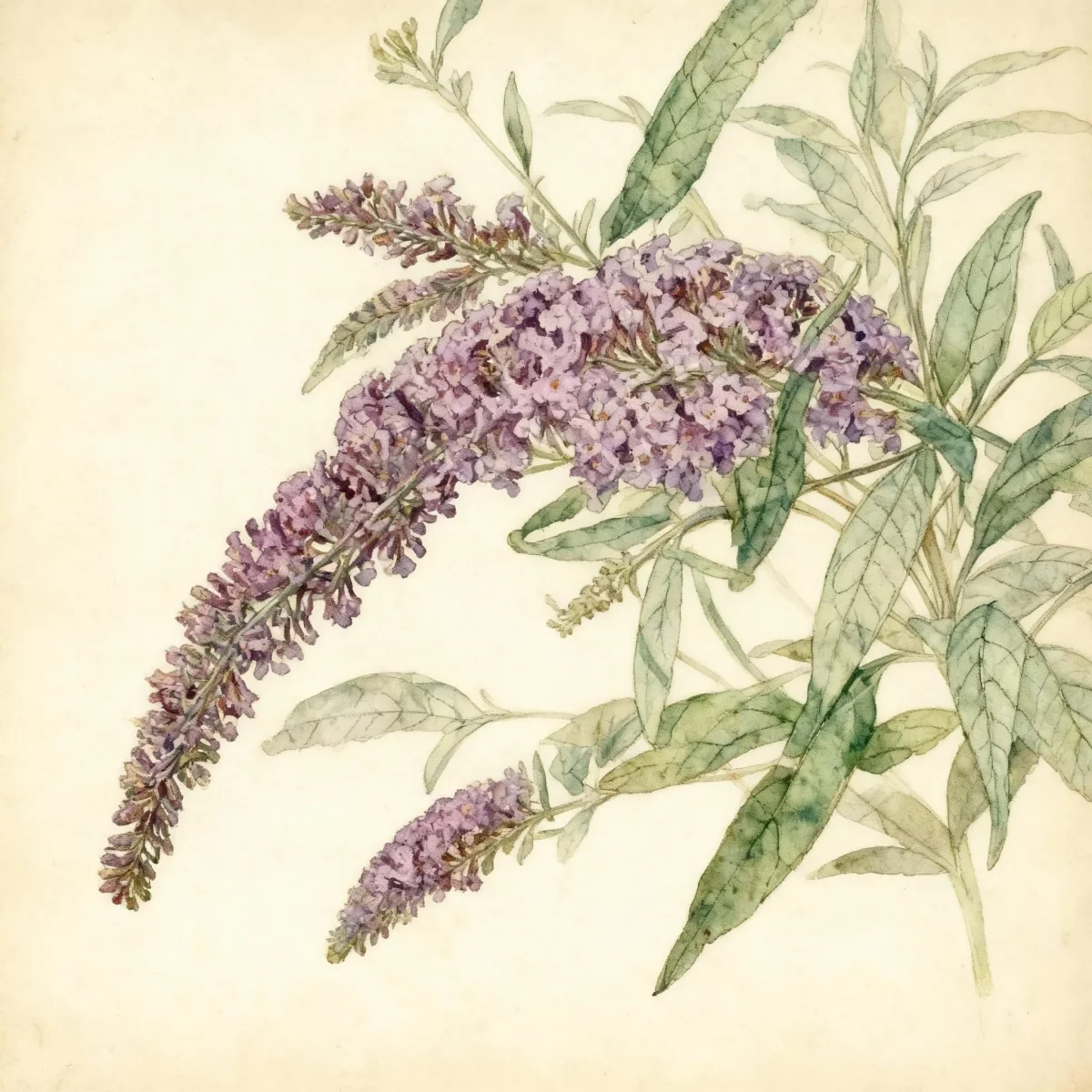
Butterfly bush (Buddleja 'Bicolor')
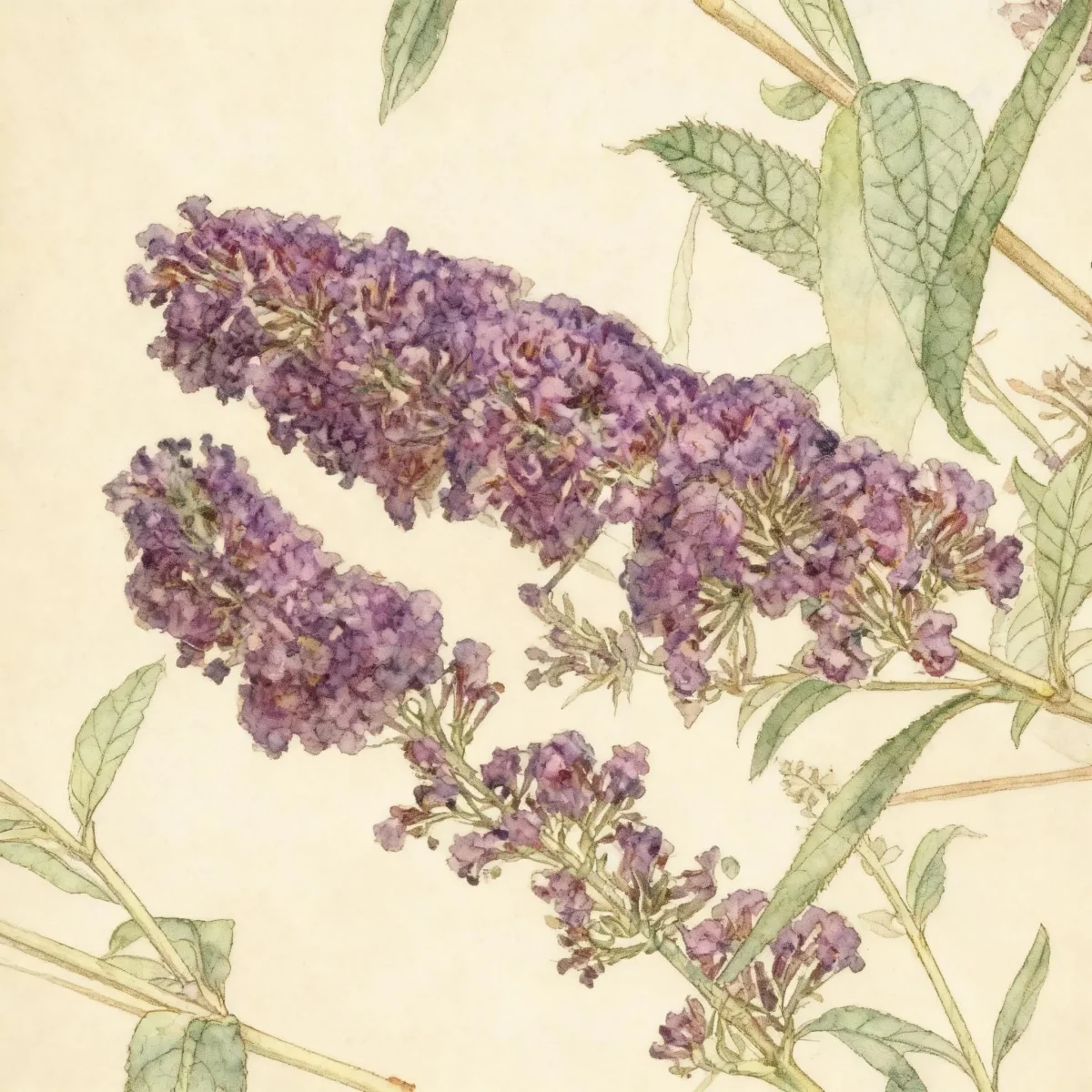
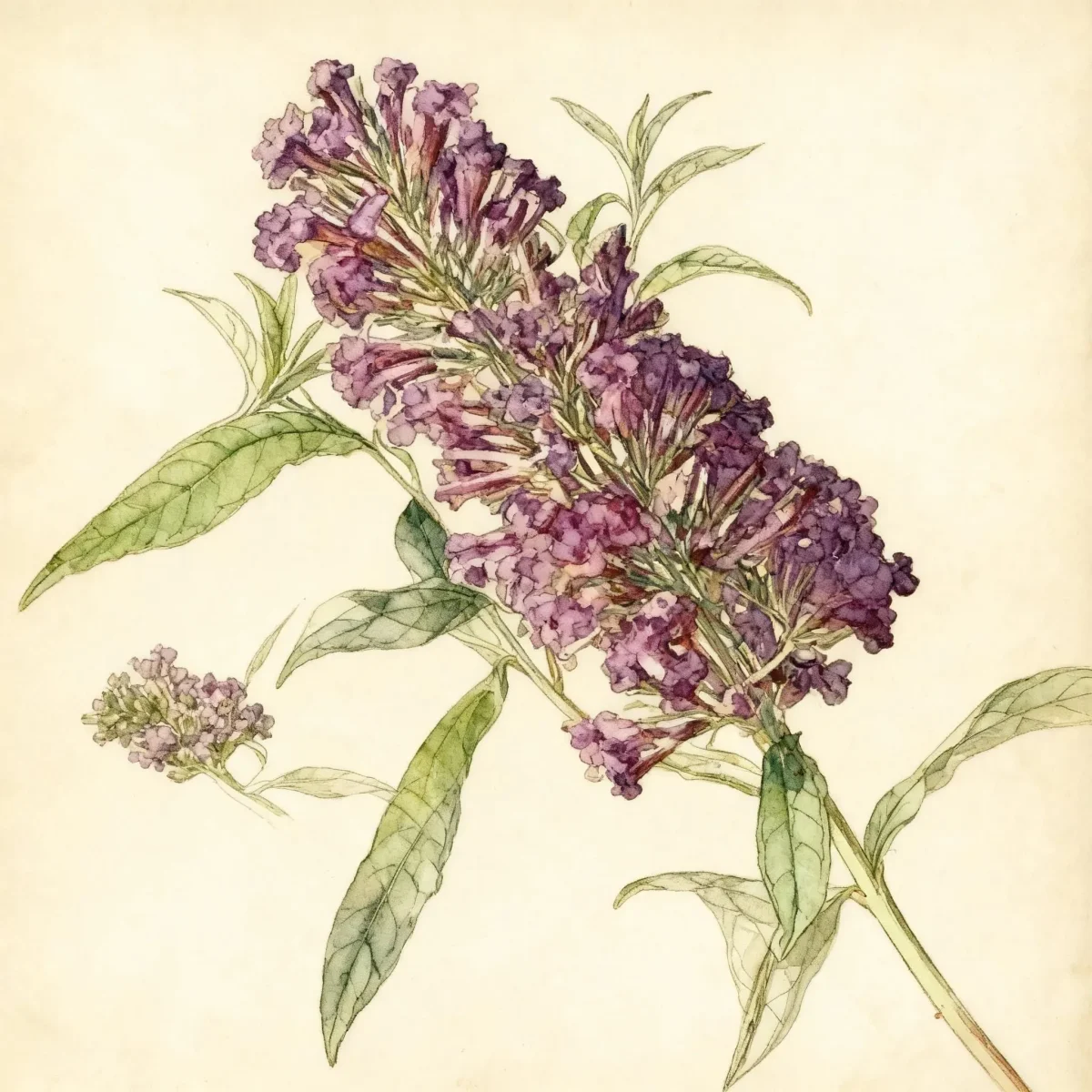
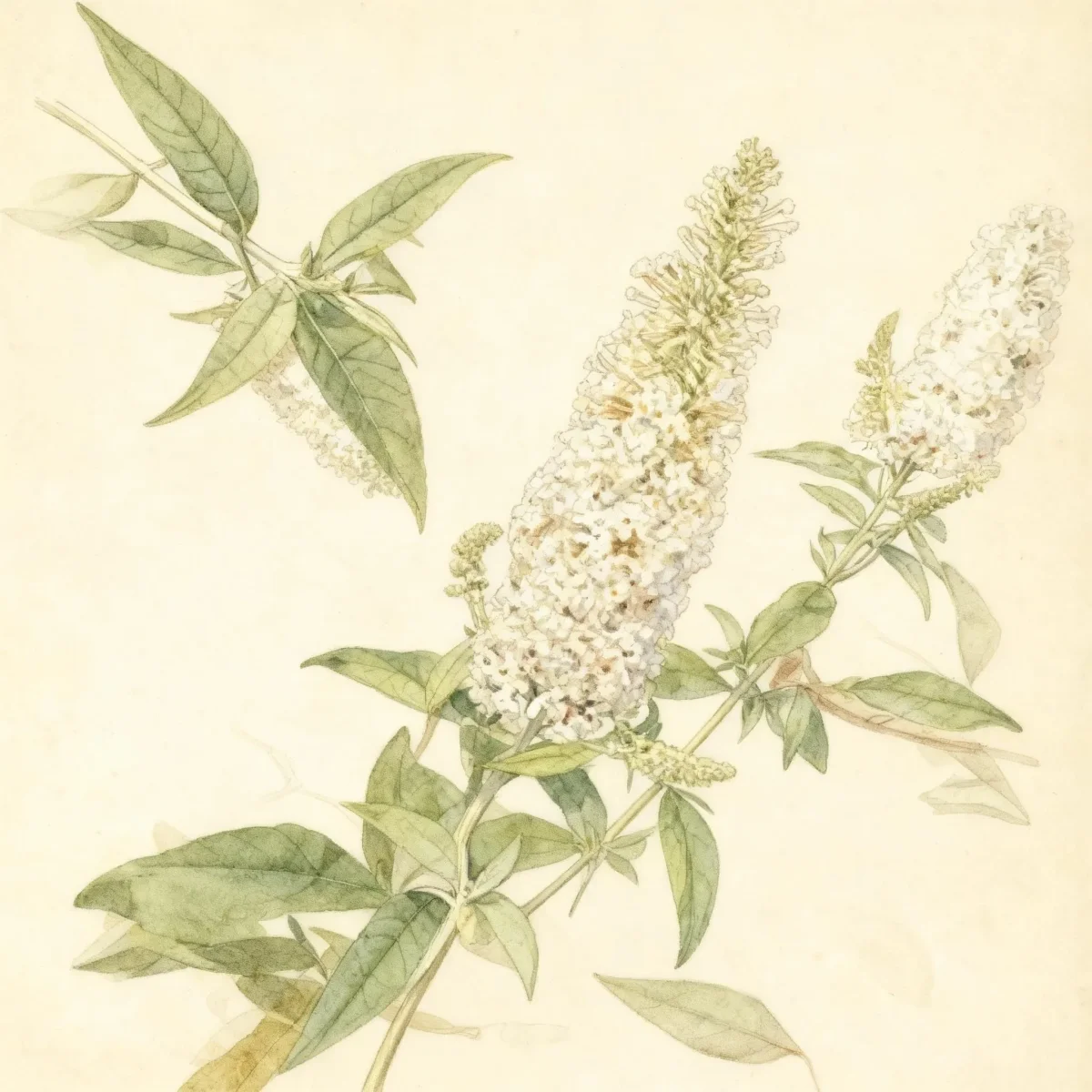
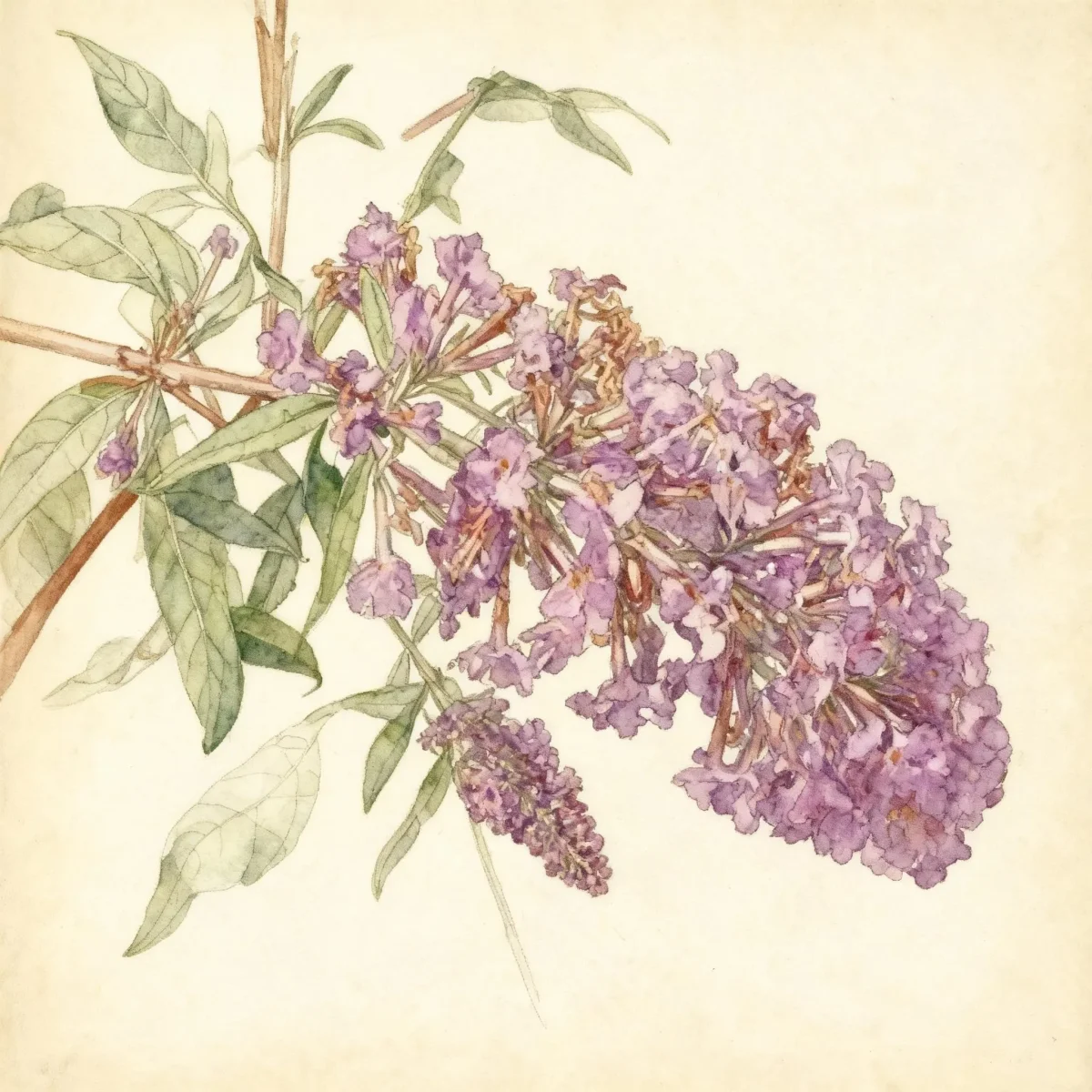
Buddleja 'Bicolor' is a captivating Butterfly bush valued for its showy, fragrant yellow/raspberry blooms from June to September.
Scroll down to discover growing tips, care requirements, companion plants, and more
Complete Plant Information
Overview
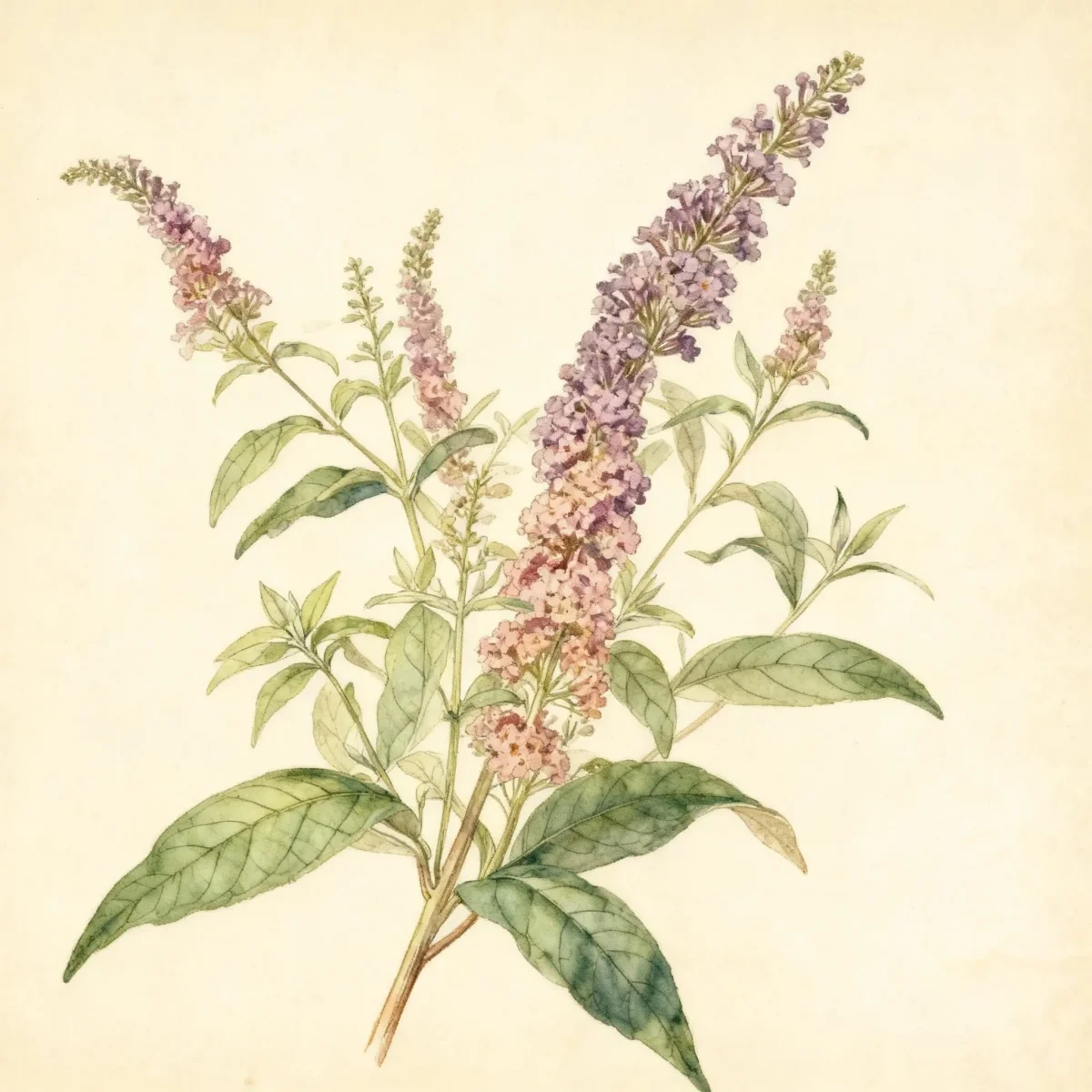
The Buddleja ‘Bicolor’ butterfly bush stands out in the summer garden due to its unique flowering characteristic: panicles that display both bright yellow and deep raspberry-colored blooms simultaneously. This deciduous shrub is renowned for its vigorous growth and its powerful attraction to butterflies and other pollinators, making it a vital component of wildlife-friendly landscapes. As a species commonly known as butterfly bush, Buddleja ‘Bicolor’ offers season-long color, typically blooming continuously from early summer until the first frost.
This variety generally reaches heights between 6 and 8 feet with a similar spread, offering substantial texture and fragrance when planted in a prominent border location. While it thrives in full sun and prefers medium moisture, it is noted for being adaptable, even tolerating clay soil if drainage is managed. Its low maintenance requirements further cement its status as a favorite for gardeners seeking high visual impact with minimal ongoing effort.
For gardeners in cooler regions, understanding the annual pruning requirement is key to success with this plant. Although winter dieback is common below Zone 7, annual hard pruning promotes the fastest, strongest regrowth and the most superior flowering display the following season. Expect Buddleja ‘Bicolor’ to deliver a spectacular show, rewarding you with masses of highly fragrant, bi-colored flowers throughout the warmest months.
Fast Facts
- Plant Family: Scrophulariaceae
- Plant Type: Deciduous shrub
- Hardiness Zones: USDA Zones 6-9
- Size at Maturity:
- Height: 6-8 ft
- Spread: 5-7 ft
- Bloom Time: June to September
- Bloom Description: Yellow and raspberry
- Sun Exposure: Full sun
- Water Needs: Medium
- Maintenance Level: Low
How to Grow
Plant Buddleja ‘Bicolor’ in the spring or fall, ensuring location selection maximizes sunlight; full sun is critical, as insufficient light leads to weedy, sparse habits and diminished flowering performance. This butterfly bush performs best in average, well-drained soils with medium moisture. While it can adapt to clay soil, ensure the site does not remain wet or poorly draining, as Buddleja suffers significantly under saturated conditions.
Water consistently after planting to help establish the root system. Once mature, this plant requires medium water, tolerating some dryness but performing best with regular summer irrigation during dry spells. Fertilization is usually unnecessary; excessive feeding can promote lush foliage at the expense of flowers.
Pruning is the most vital care step for this cultivar. In late winter or very early spring, cut plants back hard, often close to the ground, even if they did not die back naturally over winter. This hard pruning ensures vigorous new growth that produces superior, larger flowers and maintains a better shape on the maturing Buddleja ‘Bicolor’. Deadheading spent flower spikes during the growing season will encourage a longer, more continuous bloom period. Gardeners in marginal zones like 5b/6a should plant in a protected spot and apply winter mulch.
Landscape Uses
The reliable and extended bloom window of the Buddleja ‘Bicolor’ makes it an outstanding feature shrub when other woody plants are struggling for color. It is highly effective when placed toward the back of perennial borders where its 6-to-8-foot height can anchor the design, providing a backdrop for shorter, complementary flowers. Consider using this butterfly bush in cottage gardens to maximize its informal charm, or plant several specimens in mass near outdoor seating areas to fully enjoy the fragrant flowers and the steady stream of visiting pollinators.
Beyond traditional borders, this cultivar functions perfectly in rose gardens, where its mid-summer bloom covers any post-spring lull in rose performance. Its upright-arching habit also suits informal screens or hedges, provided you adhere to annual pruning for shape control. As the plant is noted as a popular fresh cut flower, ensure you plant enough specimens to harvest stems without significantly impacting the landscape impact.
Standout Features
Flower Qualities
- Showy
- Fragrant
Noteworthy Characteristics
Buddleja is a genus of about 100 species of mainly shrubs but also some trees and climbers, native to Asia, Africa and North and South America. The most noteworthy feature of the Buddleja ‘Bicolor’ cultivar is its distinct bicoloration, offering both yellow and raspberry flowers within the same panicle. These fragrant flowers, which reach up to 5-6 inches long, are extremely attractive to butterflies, and when hard-pruned annually, the plant maintains an upright, manageable habit reaching 6-8 feet per season.
Tolerances
- Rabbit
- Clay Soil
Potential Problems
This butterfly bush generally avoids serious insect or disease issues, which contributes to its low-maintenance appeal. However, be aware that nematodes can pose problems, particularly in the warmer, southern regions of the U.S. Rabbits typically leave this plant alone. A major consideration for Buddleja ‘Bicolor’ is its potential to self-seed and become invasive in certain regions, including parts of the UK and New Zealand; always check local regulations before planting. Responsible deadheading can help mitigate unwanted spread.
Frequently Asked Questions
What hardiness zones is Butterfly bush suitable for?
The Buddleja ‘Bicolor’ butterfly bush is reportedly winter hardy in USDA Zones 6 through 9, though protection is suggested in the colder end of this range.
How large does Buddleja ‘Bicolor’ grow?
When hard-pruned annually, this deciduous shrub typically matures to a height of 6 to 8 feet tall with a spread ranging from 5 to 7 feet.
What sun exposure does the butterfly bush need?
This specific cultivar requires full sun exposure to flourish; it becomes sparse and flowers poorly if grown in insufficient light.
When does Buddleja ‘Bicolor’ bloom?
The bloom time spans from June through September, producing unique flowers described as yellow and raspberry.
Conclusion
The Buddleja ‘Bicolor’ butterfly bush offers a fantastic combination of vibrant, unique, bi-colored flowers and strong pollinator appeal, all wrapped up in a relatively low-maintenance shrub. Its extended bloom period ensures your garden remains lively throughout the summer heat when few other shrubs perform reliably. Before planting, confirm that your location falls within USDA Zones 6-9 or plan for appropriate winter care for your Buddleja ‘Bicolor’.
Companion Planting
When integrating Buddleja ‘Bicolor’ into your garden design, consider companion plants that share its preference for full sun and well-drained soil, while offering contrasting textures or bloom times. Coneflowers (Echinacea) and Black-Eyed Susans (Rudbeckia) are excellent partners, as they bloom heavily alongside the butterfly bush and attract similar wildlife. For height control, plant lower-growing, drought-tolerant perennials like Sedum or ornamental grasses around the base of the shrub to soften its structure.
Wildlife Benefits
The primary ecological contribution of the butterfly bush, including the ‘Bicolor’ cultivar, is its unparalleled attraction to insects. The genus name itself reflects its strong draw for butterflies, which feed heavily on the abundant nectar produced by the dense flower spikes throughout the summer. While highly beneficial for butterflies, gardeners should be mindful that in some areas, this plant can be locally invasive due to seed dispersal, so pairing it with sterile or less aggressive bloomers can sometimes be a responsible design choice.