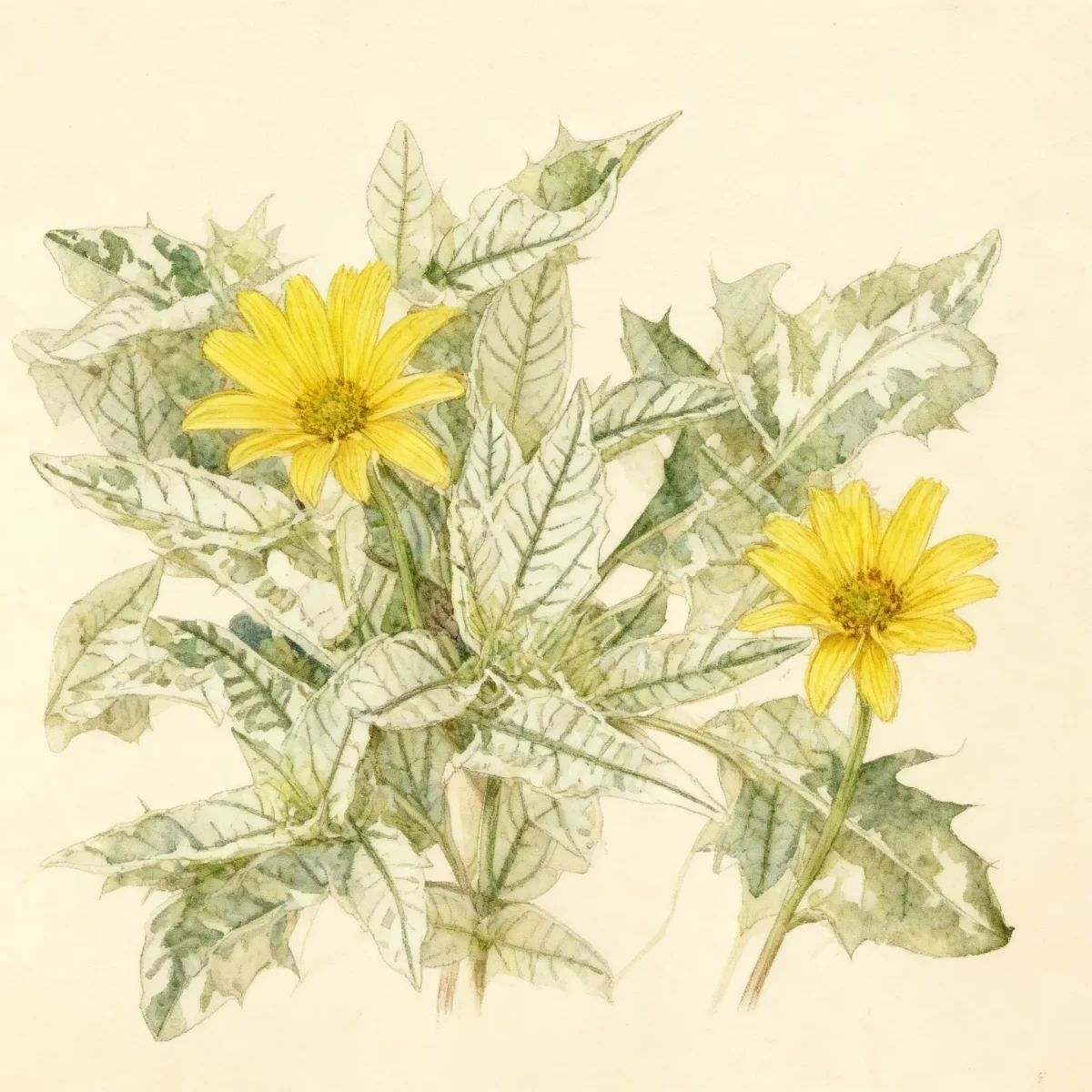
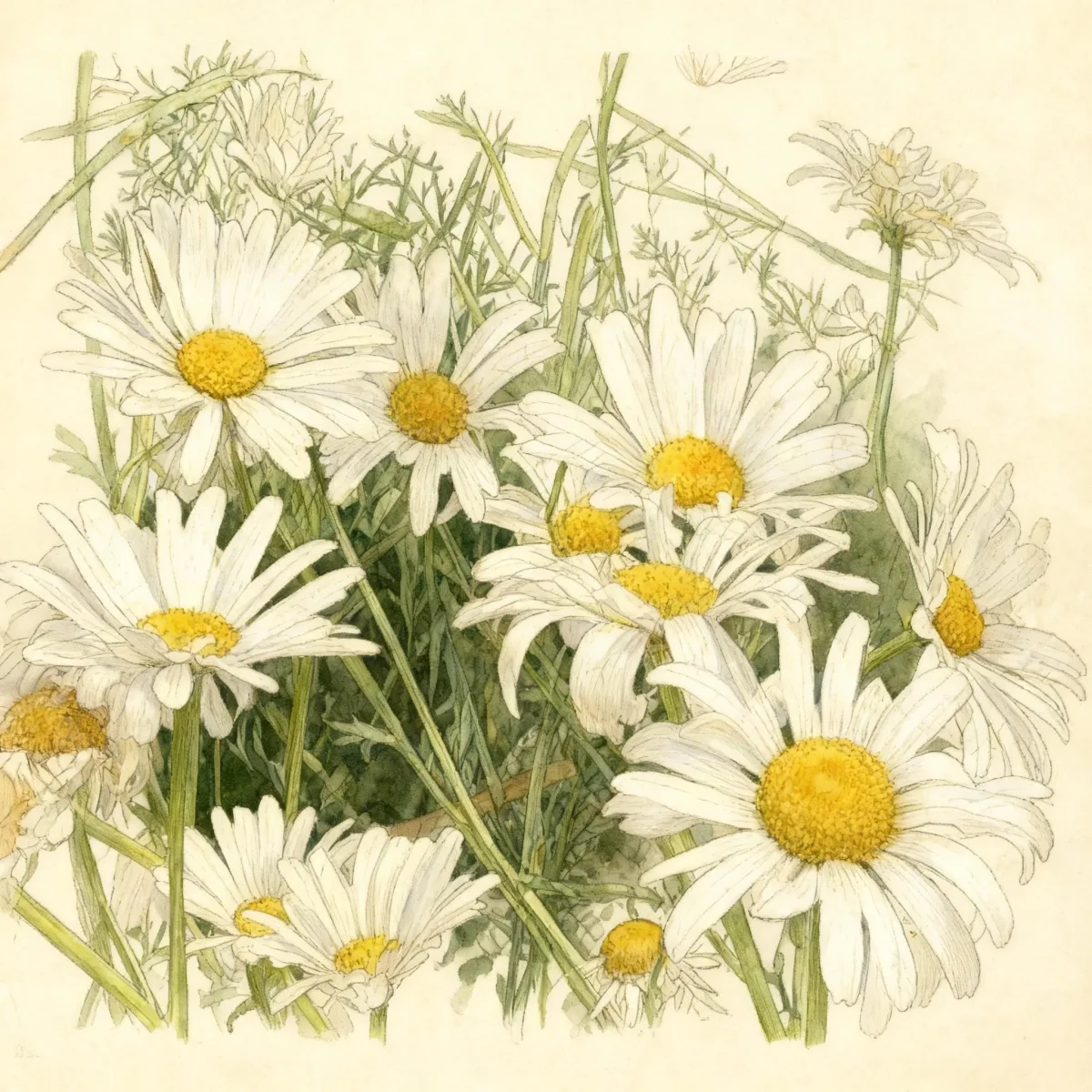
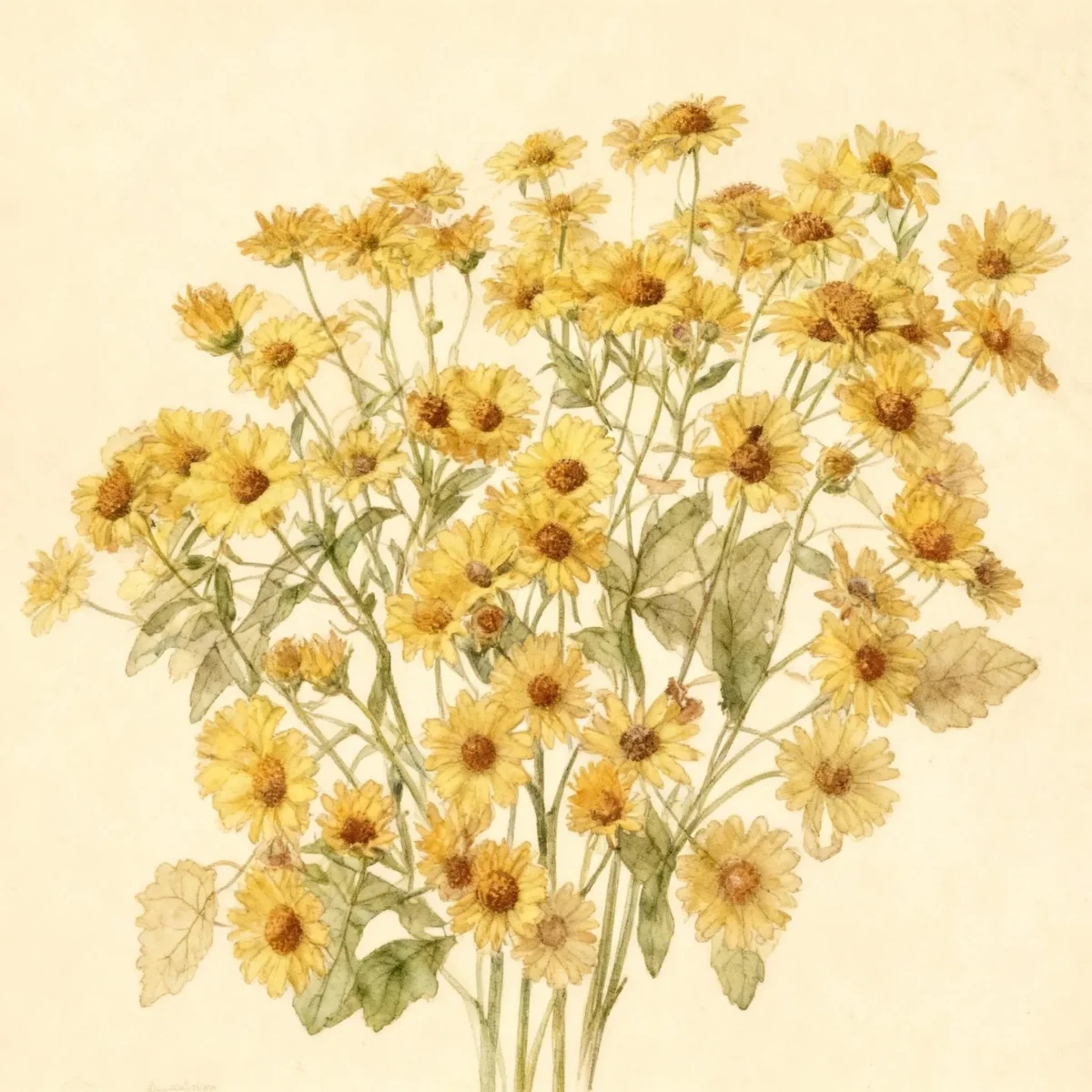
Ox-eye daisy (Heliopsis helianthoides var. scabra 'Spitzentanzerin' BALLERINA)
Heliopsis helianthoides var. scabra 'Spitzentanzerin' BALLERINA, the Ox-eye daisy, offers showy summer color, low maintenance, and drought tolerance for zones 3-9.
Scroll down to discover growing tips, care requirements, companion plants, and more
Complete Plant Information
Overview
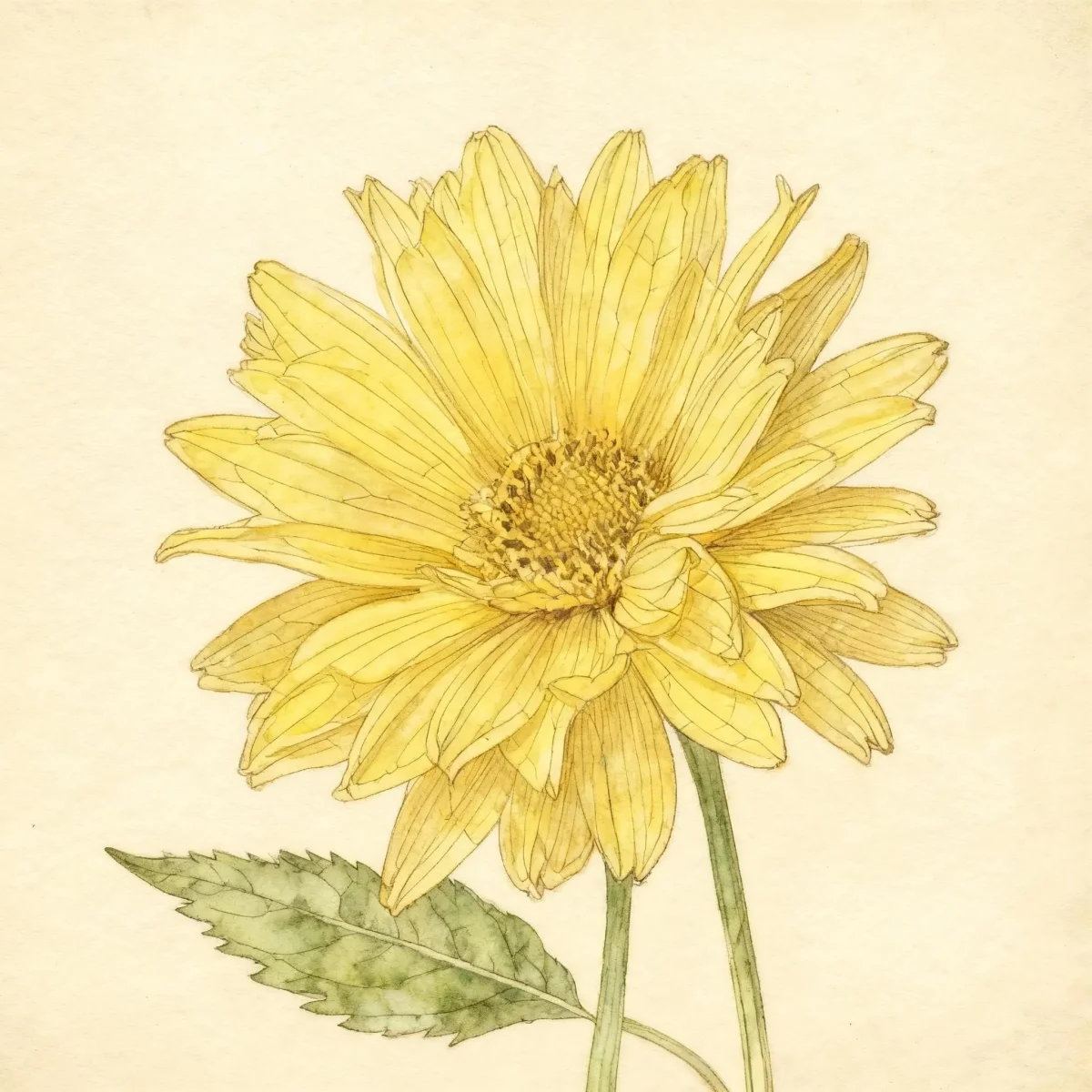
Heliopsis helianthoides var. scabra ‘Spitzentanzerin’ BALLERINA is a superb, compact cultivar prized for its reliable and extended summer color display. As a robust herbaceous perennial, commonly known as Ox-eye daisy or false sunflower, it brings vibrant, daisy-like blooms to the garden essentially from mid-summer until early fall. This specific variety ensures stiff stems, reducing the need for staking, making it a consistently tidy addition to sunny borders.
This North American native excels due to its remarkable adaptability. The Ox-eye daisy thrives under conditions where many other perennials struggle, tolerating poor, dry, and clay soils with ease. This ease of culture, combined with its low maintenance requirements, makes Heliopsis helianthoides var. Scabra ‘Spitzentanzerin’ BALLERINA an excellent choice for both novice and experienced gardeners seeking long-lasting performance.
The semi-double, orange-yellow flowers are highly attractive to essential insect pollinators, including butterflies, while the resulting seed heads offer supplemental food for birds late in the season. Planting Heliopsis helianthoides var. scabra ‘Spitzentanzerin’ BALLERINA guarantees a cheerful, upright presence throughout the warmest months.
Fast Facts
- Plant Family: Asteraceae
- Plant Type: Herbaceous perennial
- Hardiness Zones: USDA Zones 3-9
- Size at Maturity:
- Height: 2-3 ft
- Spread: 1.5-2 ft
- Bloom Time: July to September
- Bloom Description: Yellow rays with brown center disks
- Sun Exposure: Full sun
- Water Needs: Dry to medium
- Maintenance Level: Low
How to Grow
Heliopsis helianthoides var. scabra ‘Spitzentanzerin’ BALLERINA should be planted in the spring or fall in a location that guarantees full sun exposure for the best bloom density. It establishment itself readily in average, dry to medium, well-drained soil. While it tolerates a wide variety of soil types, including heavy clay, excellent drainage is crucial for long-term health.
Watering should be consistent during the first growing season to help the Ox-eye daisy establish a deep root system. Once established, this plant shows significant drought tolerance, though regular watering during intense summer heat will encourage more prolific flowering. Fertilizing is rarely necessary, as rich soils can increase the risk of weak stems that might flop.
To maximize the season of bloom, employ simple maintenance by regularly removing spent flowers (deadheading). This encourages the plant to set more buds rather than diverting energy into seed production. In late fall or early spring, cut the faded stems back near the ground.
Landscape Uses
The consistent height and exceptional bloom period of Heliopsis helianthoides var. scabra ‘Spitzentanzerin’ BALLERINA make it an invaluable backbone plant for the perennial border. Its upright habit, typically 2 to 3 feet tall, allows it to provide mid-level structure without overwhelming smaller plants placed in front. The vibrant yellow blooms serve as excellent textural contrast against finer-leaved perennials or deep purple foliage.
Furthermore, this Ox-eye daisy is highly regarded as a source for fresh cut flowers. The stems are stiff and strong, holding the daisy-like heads well in arrangements. Plant drifts of Heliopsis helianthoides var. scabra ‘Spitzentanzerin’ BALLERINA near paths or cutting garden areas to ensure easy access all summer long.
Standout Features
Flower Qualities
- Showy
- Good Cut
Noteworthy Characteristics
Heliopsis helianthoides, commonly called oxeye sunflower or ox-eye daisy, is an upright, clump-forming, nearly glabrous, sunflower-like, short-lived perennial. The cultivar ‘Spitzentanzerin’ is noted for its compact habit, rarely needing staking, and features semi-double, orange-yellow, daisy-like flowers atop stiff stems. Its glossy, deep green foliage provides an attractive backdrop while it blooms lengthily from summer into early fall.
Tolerances
- Drought
- Erosion
- Clay Soil
- Dry Soil
- Shallow-Rocky Soil
Potential Problems
This cultivar generally resists serious insect or disease issues, which contributes to its low maintenance rating. Gardeners should occasionally watch for red aphids, which may appear, but these rarely cause significant damage requiring intervention. One of the most common fungal concerns in the sunflower family is powdery mildew; however, Heliopsis helianthoides var. Scabra ‘Spitzentanzerin’ BALLERINA reportedly possesses some resistance to this common issue. If powdery mildew does appear, ensure good air circulation by avoiding overly dense plantings.
Frequently Asked Questions
What hardiness zones is Ox-eye daisy suitable for?
Heliopsis helianthoides var. scabra ‘Spitzentanzerin’ BALLERINA performs reliably across USDA Zones 3 through 9.
How large does Heliopsis helianthoides var. scabra ‘Spitzentanzerin’ BALLERINA grow?
This specific cultivar typically reaches a manageable height between 2 and 3 feet, with a spread of 1.5 to 2 feet wide.
What sun exposure does Ox-eye daisy need?
For the most vigorous growth and continuous bloom, the Ox-eye daisy requires full sun exposure, though it can tolerate a small amount of light shade.
When does Heliopsis helianthoides var. scabra ‘Spitzentanzerin’ BALLERINA bloom?
Expect showy blooms from July straight through to September, featuring yellow ray flowers surrounding distinctive brown center disks.
Conclusion
The Ox-eye daisy, specifically the dependable cultivar Heliopsis helianthoides var. scabra ‘Spitzentanzerin’ BALLERINA, provides outstanding, long-season color with minimal fuss. Its tolerance for poor soils and drought makes it a versatile workhorse for sunny areas. Before planting, confirm that your garden falls within USDA Zones 3-9, and then enjoy season after season of vibrant, low-maintenance beauty.
Wildlife Benefits
Heliopsis helianthoides, the species behind the Ox-eye daisy, provides essential late-season forage for numerous pollinators. Its open, accessible flower structure allows easy access for various bees and butterflies seeking nectar and pollen when many other summer flowers begin to fade. Planting ‘Spitzentanzerin’ ensures that your garden remains active and vibrant well into autumn.
The structure of the flower head, developing into small seeds, also offers accessible food sources for smaller seed-eating birds as the season progresses. Integrating this sturdy perennial into the landscape contributes positively to local biodiversity, supporting both flying insects and avian visitors throughout the growing cycle.