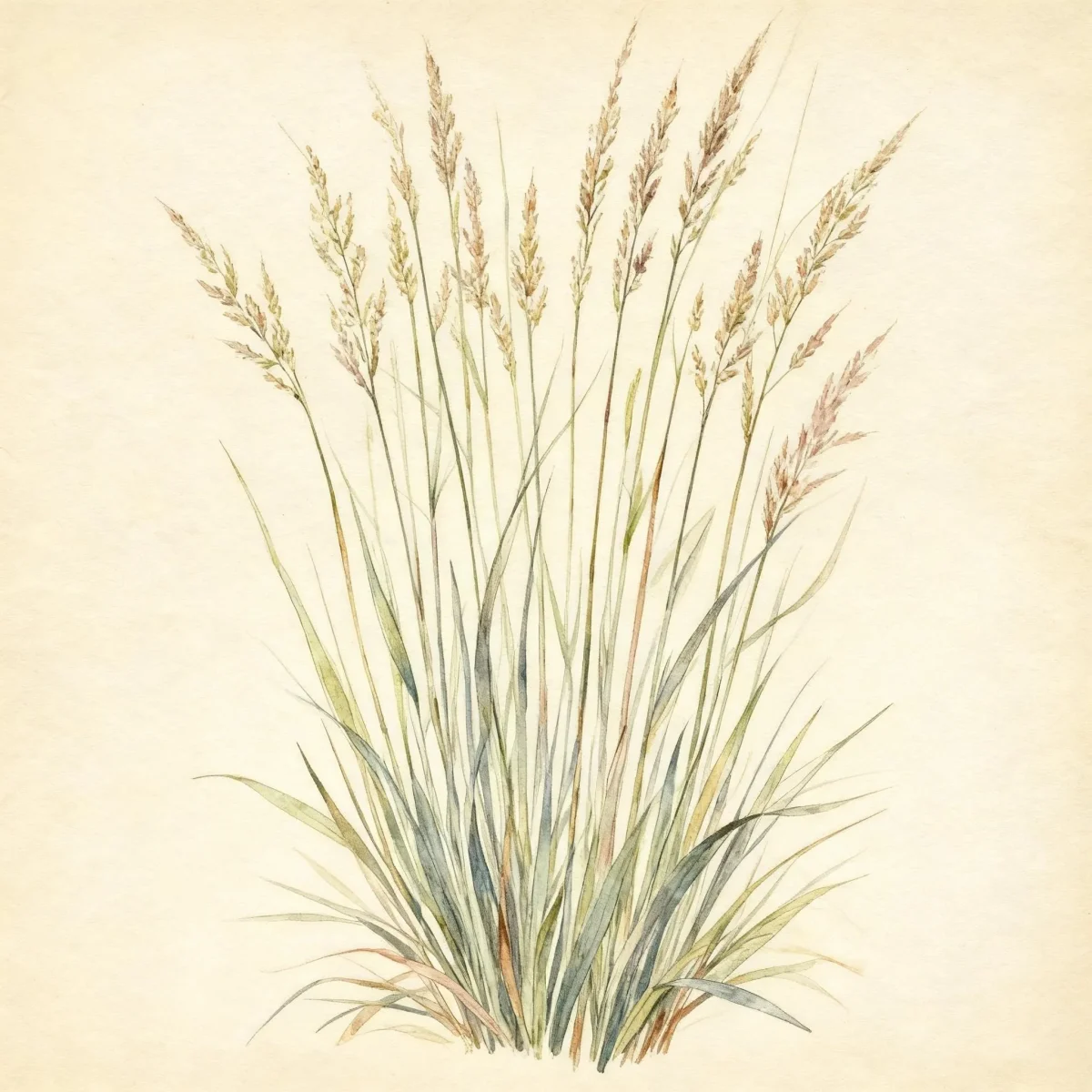
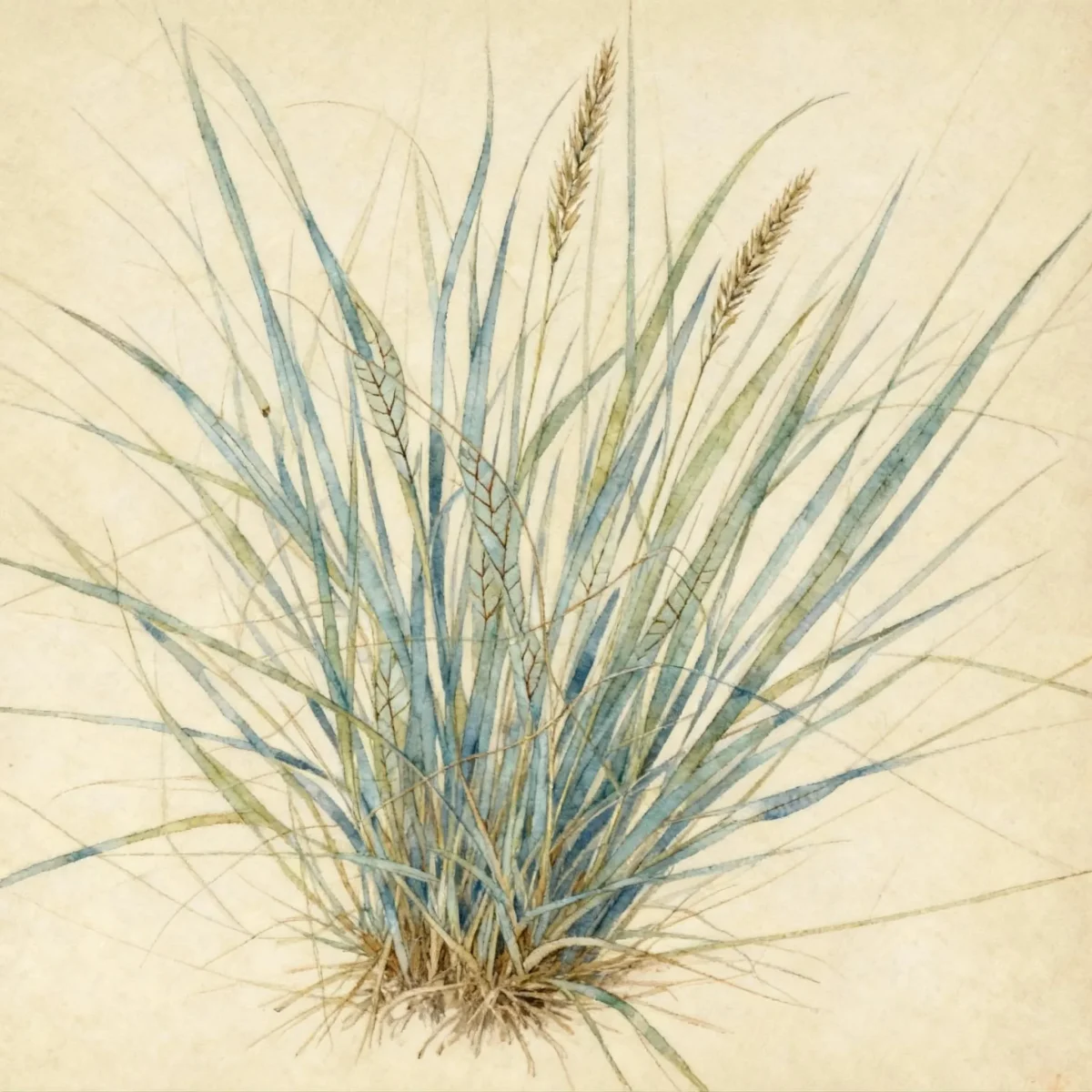
Pearl millet (Pennisetum glaucum ''Purple Baron'')
Pennisetum glaucum 'Purple Baron' is a showy annual ornamental grass, Pearl millet, offering dark purple foliage and spikes.
Scroll down to discover growing tips, care requirements, companion plants, and more
Complete Plant Information
Overview
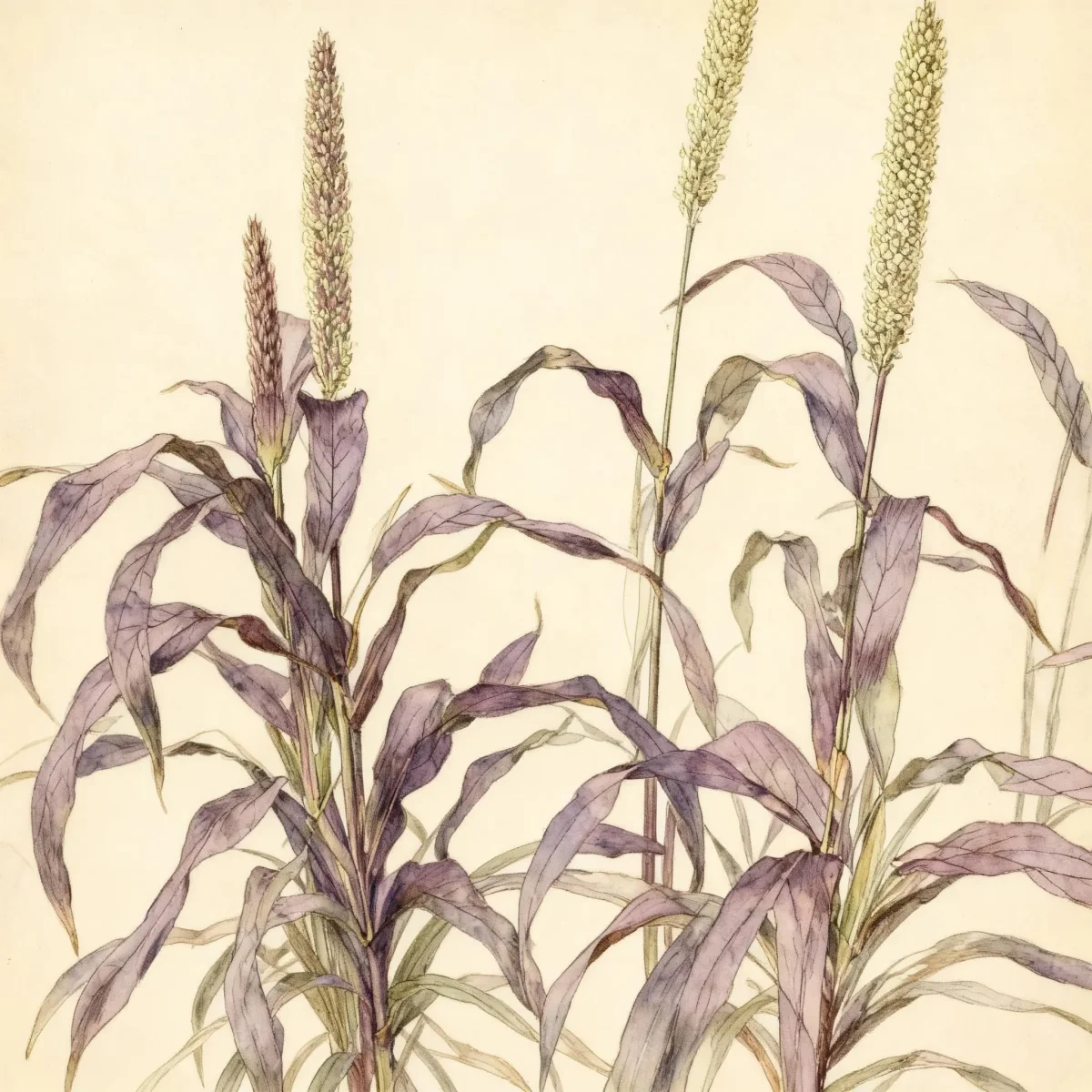
Pennisetum glaucum ‘Purple Baron’, commonly known as Pearl millet, is a highly valued ornamental grass celebrated for its intense coloration and upright, structured form. This selection offers dramatic dark purple foliage that emerges chartreuse green and deepens beautifully as summer heat arrives, making it a standout annual specimen. Gardeners appreciate this grass for its rapid seasonal color, textural contrast, and low maintenance requirements when grown in appropriate conditions.
As a fast-growing annual, Pennisetum glaucum ‘Purple Baron’ transforms borders and containers quickly, providing immediate vertical impact. Its cultivation history is ancient, originating in Africa, but today it is prized globally as a cereal grain, forage crop, and striking feature plant. The attractive purple flower spikes enhance its ornamental appeal from mid-summer well into the fall.
For successful growth and the richest purple hue, Pennisetum glaucum ‘Purple Baron’ demands consistent warmth and full solar exposure. Although drought-tolerant once established, providing medium moisture during its active growth phase ensures the best performance and foliage quality throughout the season.
Fast Facts
- Plant Family: Poaceae
- Plant Type: Ornamental grass
- Hardiness Zones: USDA Zones 2-11
- Size at Maturity:
- Height: 2.5-3.25 ft
- Spread: 0.75-1.25 ft
- Bloom Time: July to September
- Bloom Description: Purple
- Sun Exposure: Full sun
- Water Needs: Medium
- Maintenance Level: Low
How to Grow
Start Pennisetum glaucum ‘Purple Baron’ from seed indoors or directly sow once soil temperatures consistently stay above 70°F for best germination rates. This grass thrives in evenly moist, well-draining soil, although it shows good tolerance for drier periods and drought once established. Avoid sites where water pools, as overly wet or waterlogged conditions significantly hinder seed production and overall vigor.
During the growing season, maintain a consistent medium watering schedule, especially early on. Fertilization is rarely needed, supporting its low-maintenance profile. Optimal foliage color development for this ornamental millet is directly tied to maximum sun exposure; ensure it receives full sun throughout its life cycle.
Be mindful of temperature; if seedlings experience cool conditions or become root-bound before transplanting, it commonly leads to stunted mature growth. As an annual, ‘Purple Baron’ requires replanting each spring, though its robust growth allows it to quickly fill its allotted space.
Landscape Uses
Pennisetum glaucum ‘Purple Baron’ excels as a vertical accent, bringing strong, dark color into mixed summer borders and large container arrangements. Its rich purple spikes and linear foliage provide excellent textural counterpoint to broad-leaved annuals or mounding perennials. Use it strategically where you need height without overly wide lateral spread, such as flanking an entryway or breaking up a mass planting.
Due to its bird-attracting seeds, this Pearl millet is a fantastic inclusion in wildlife or bird gardens. The dense vertical habit of Pennisetum glaucum ‘Purple Baron’ also makes it effective for creating temporary, dynamic hedges or screens over one season. Allow the flowerheads to mature to enjoy their dried form in late-season arrangements, complementing the fresh cut purple spikes.
Standout Features
Flower Qualities
- Showy
- Good Cut
- Good Dried
Fruit Qualities
- Edible
Noteworthy Characteristics
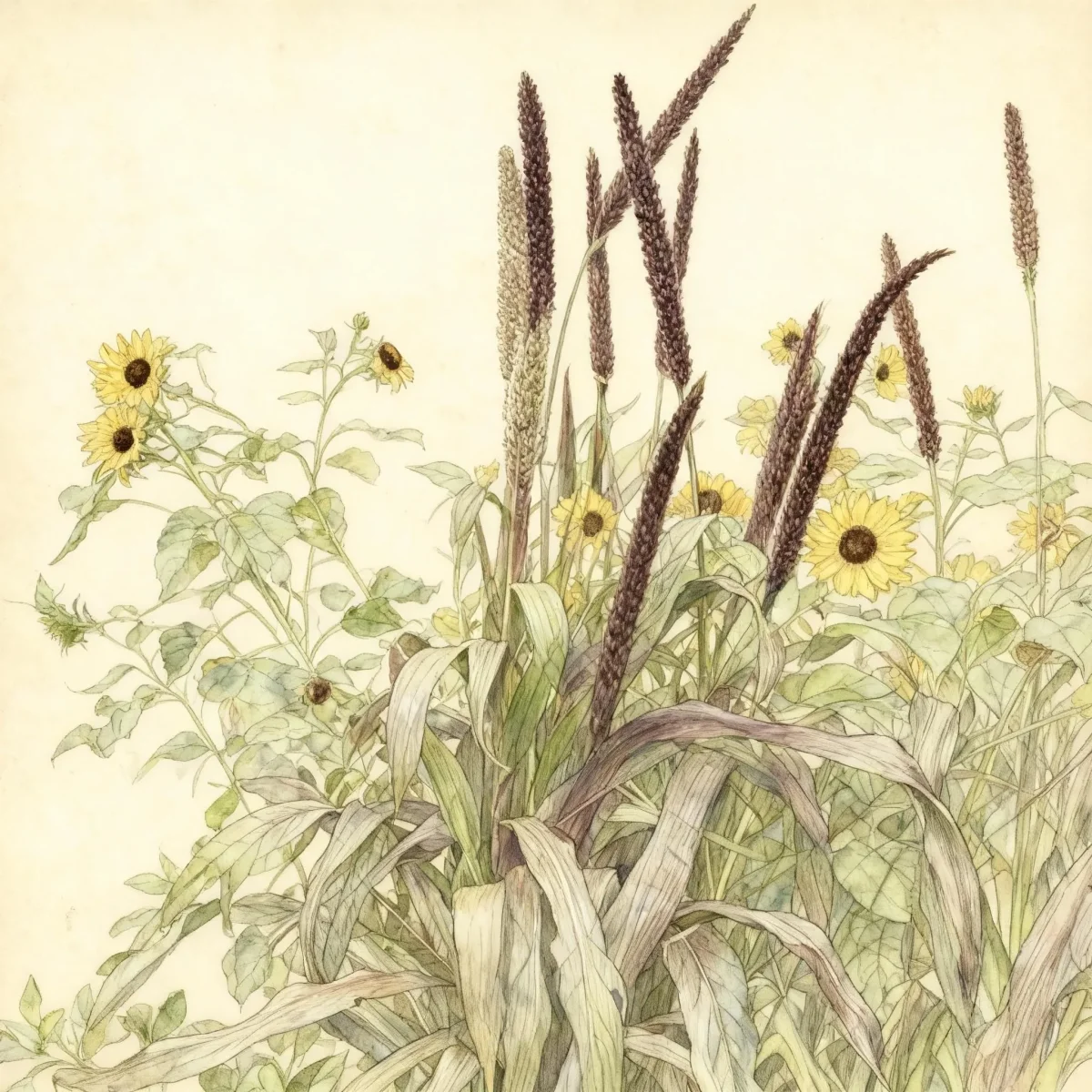
Pennisetum glaucum, commonly called pearl millet, is a cultivated annual bunch grass native to Africa, domesticated millennia ago. It is now utilized globally as forage, a cereal grain, and an ornamental. The specific selection ‘Purple Baron’ features a compact habit, maturing around 3.25 feet tall, characterized by narrowly lanceolate leaves that turn a deep dark purple in warm weather, complemented by large, dark purple terminal flower spikes.
Tolerances
- Drought
- Dry Soil
Potential Problems
Rust and leaf spot diseases can occasionally impact the foliage of Pennisetum glaucum ‘Purple Baron’. Furthermore, this ornamental grass may occasionally suffer damage from piercing-sucking insects such as chinch bugs and stink bugs. Proactive cultural care, such as ensuring excellent air circulation and avoiding overhead watering late in the day, can help mitigate fungal issues, while regular scouting helps catch pest infestations early.
Frequently Asked Questions
What hardiness zones is Pennisetum glaucum ‘Purple Baron’ suitable for?
This plant is hardy across USDA Zones 2 through 11, though it is grown as a warm-season annual in most regions.
How large does Pearl millet grow?
Mature Pennisetum glaucum ‘Purple Baron’ typically reaches a height between 2.5 and 3.25 feet, with a spread of 0.75 to 1.25 feet.
What sun exposure does Pennisetum glaucum ‘Purple Baron’ need?
For the best performance and deepest dark purple foliage color, this ornamental grass requires full sun exposure.
When does Pearl millet bloom?
The characteristic purple, bottle-brush like flower spikes of Pennisetum glaucum ‘Purple Baron’ appear from July through September.
Conclusion
Pennisetum glaucum ‘Purple Baron’ remains an excellent choice for gardeners seeking reliable, high-impact color throughout the summer season. Its unique, deep purple foliage and easy cultivation cement its status as a favorite annual ornamental grass. Review your local climate and ensure you can provide the necessary heat and full sun to maximize the dramatic appearance of your Pearl millet this year.
Wildlife Benefits
The fruits (seeds) produced by Pennisetum glaucum ‘Purple Baron’ are notably attractive to a wide variety of seed-eating birds. Incorporating this grass into your landscape offers a seasonal food source, contributing positively to local bird populations. While it is grown ornamentally, remember that the small, rounded grains are the same nutritious seeds used in commercial birdseed mixes.
Companion Planting
The cultural requirements of Pennisetum glaucum ‘Purple Baron’—full sun, medium water, and well-drained soil—make it compatible with many classic summer annuals and heat-loving perennials. Pair it with silver-leaved companions like Dusty Miller or contrasting bright-colored flowers such as Zinnias and Marigolds for intense visual impact. Plants that enjoy similarly dry to medium-moisture conditions in full sun, such as Sedum or Verbena, will ensure all parts of your border thrive together without over- or under-watering conflicts.