Hosta 'Northern Halo' (Hosta 'Northern Halo')
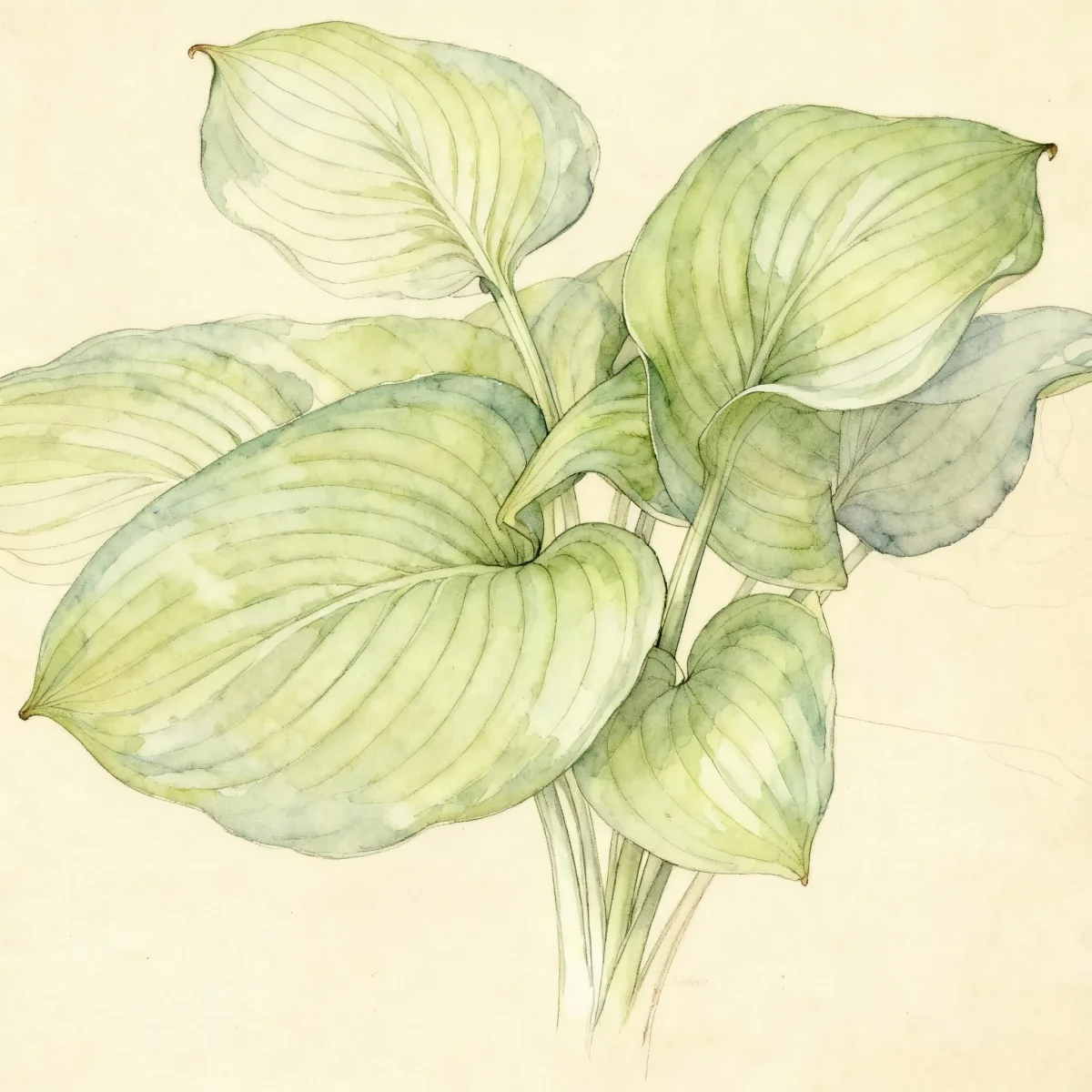
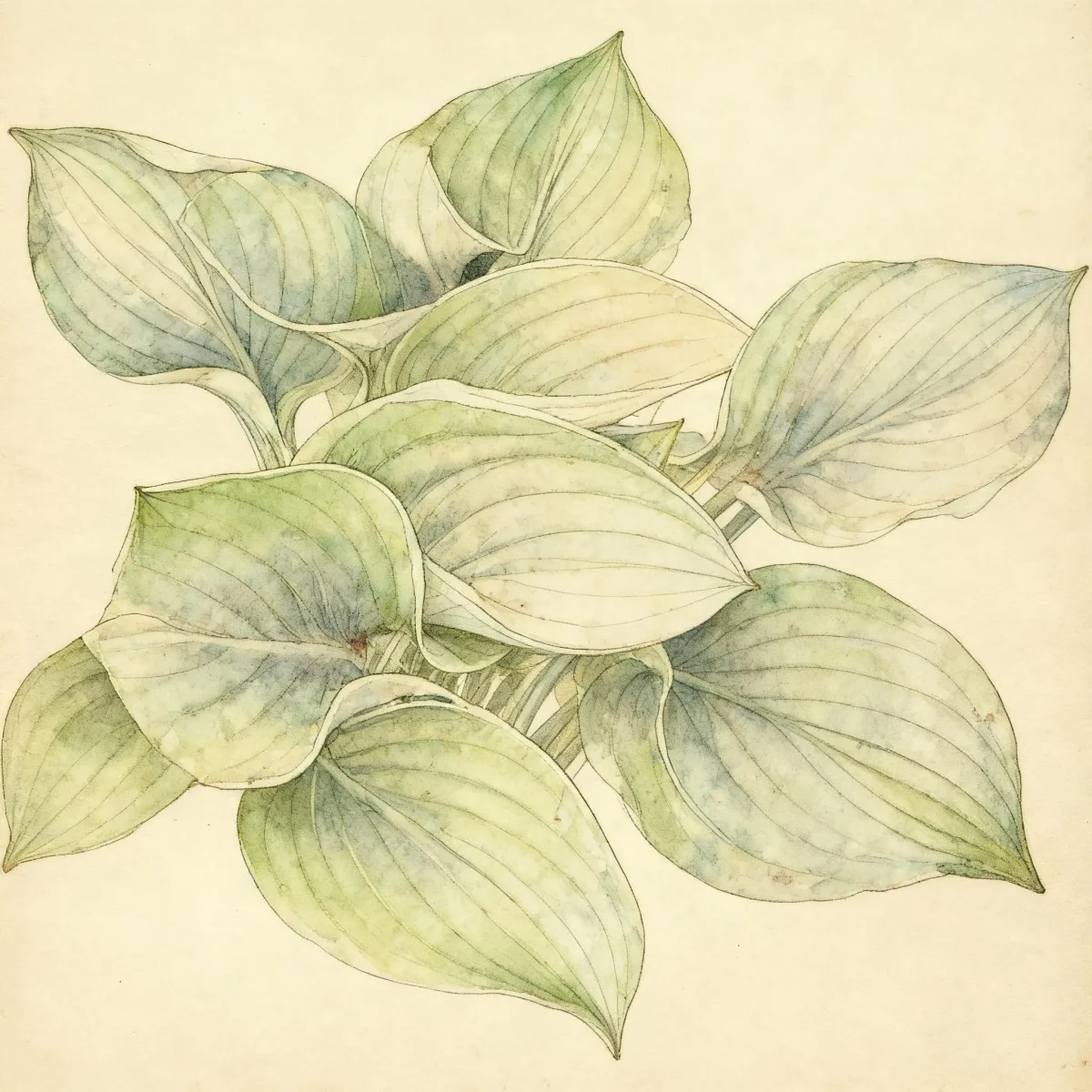
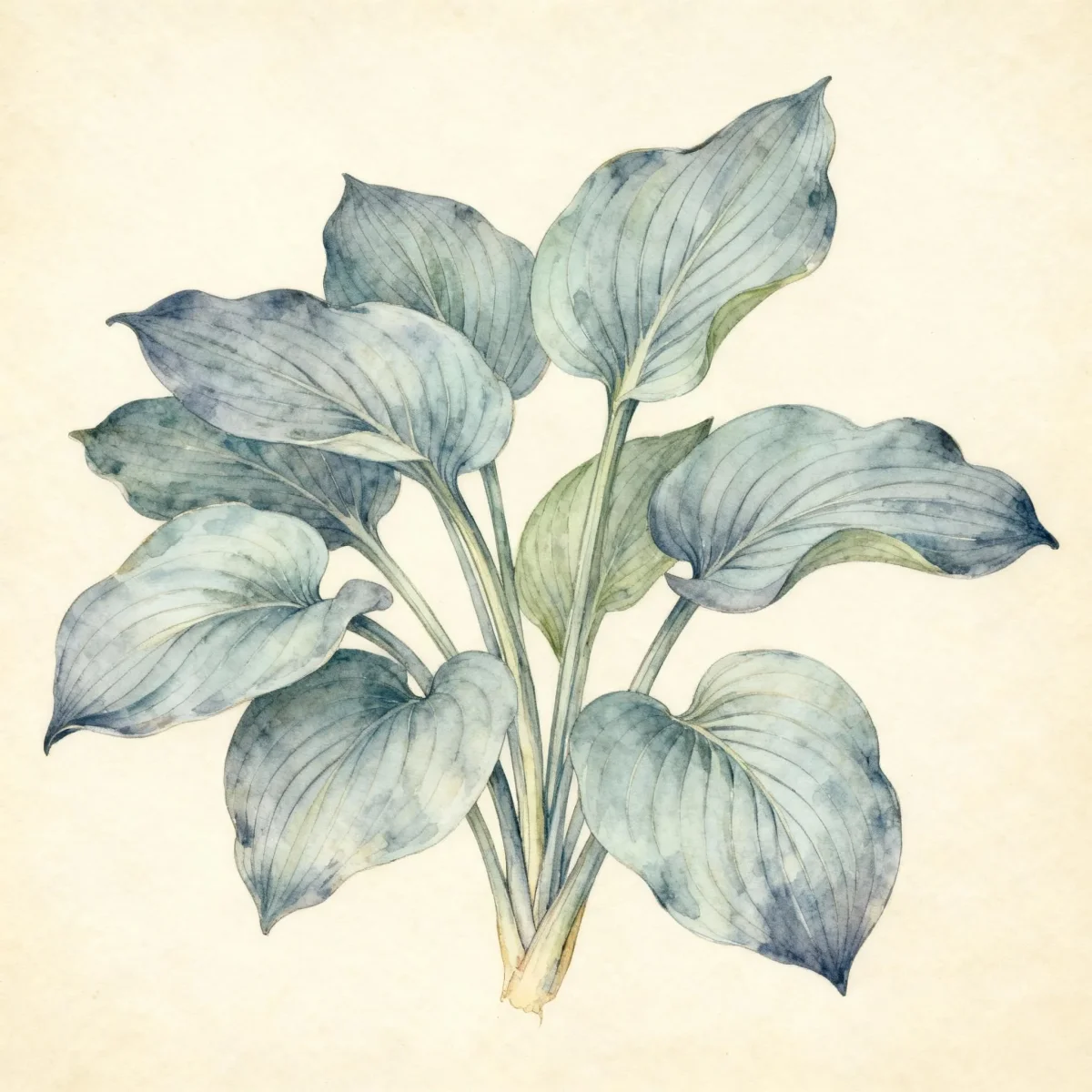
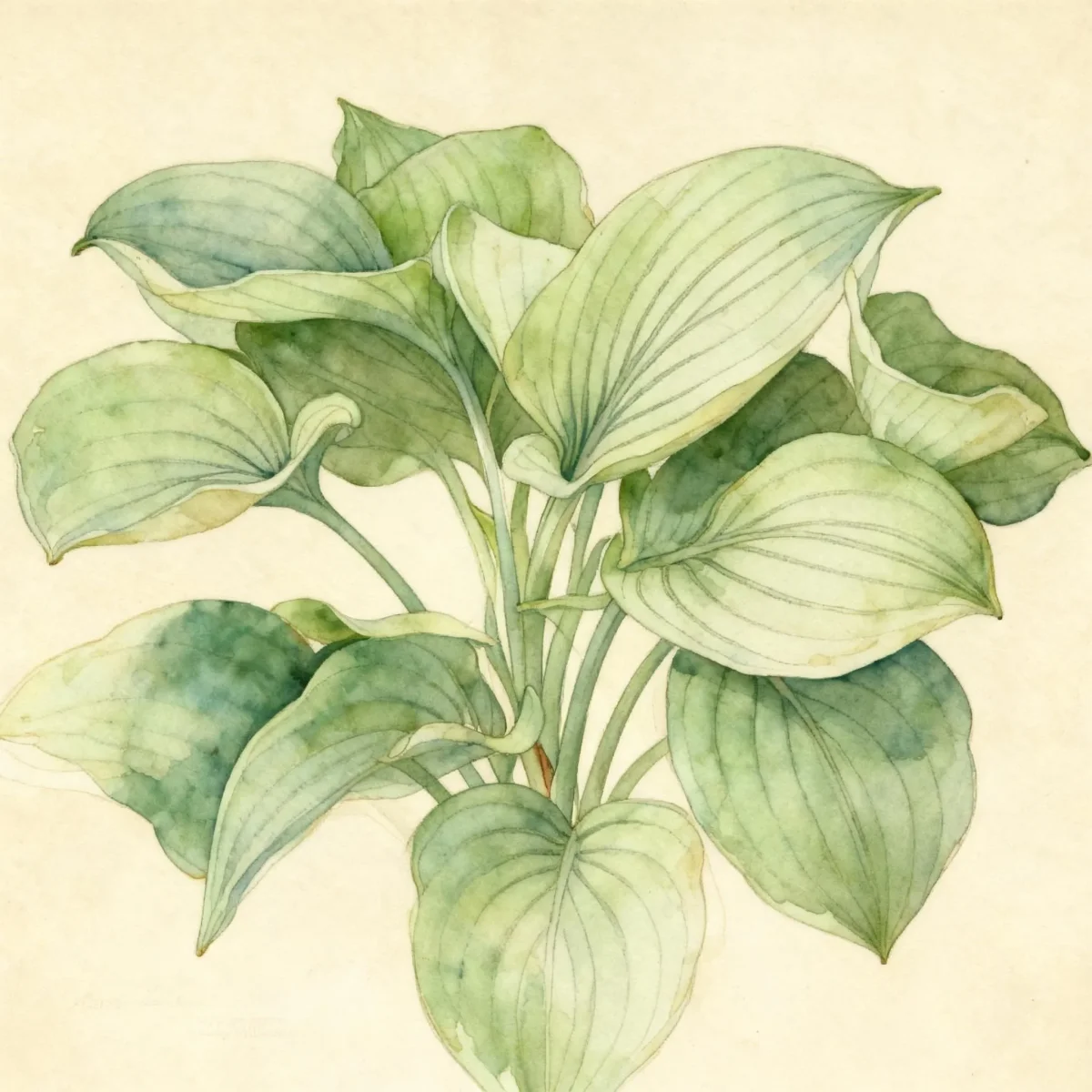
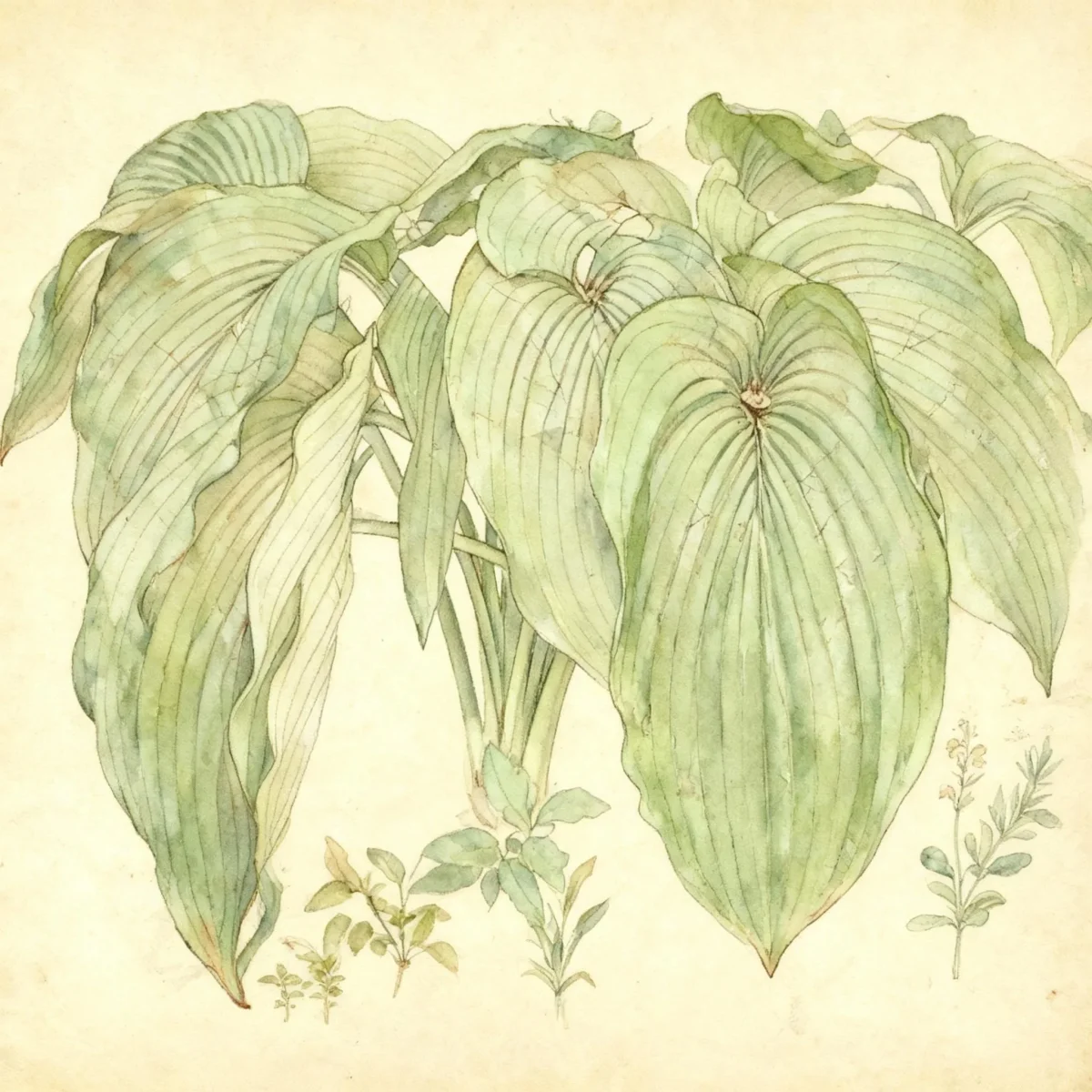
Hosta 'Northern Halo' forms a mound of cupped, blue-green leaves with white margins, blooming white in summer. Low maintenance shade perennial.
Scroll down to discover growing tips, care requirements, companion plants, and more
Complete Plant Information
Overview
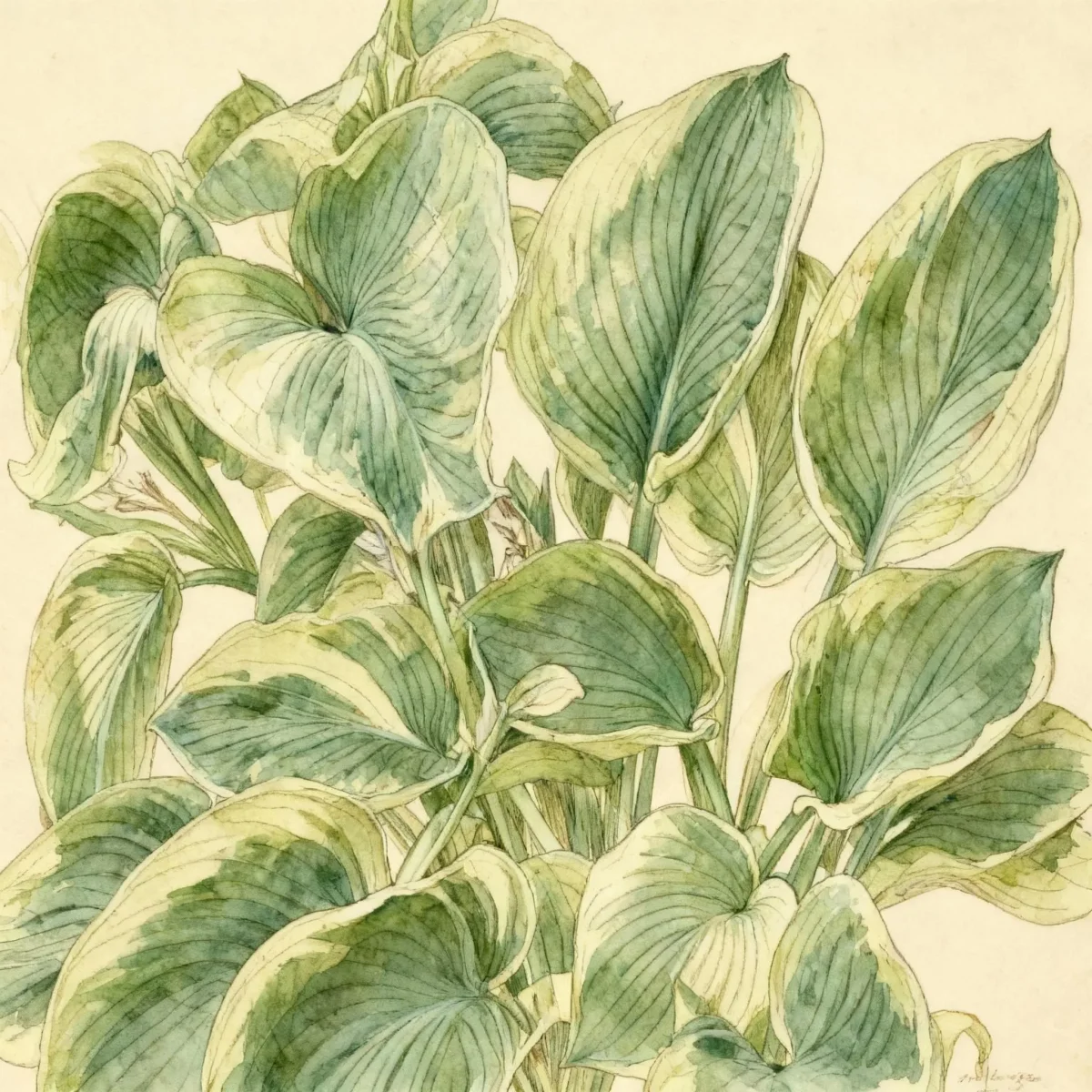
Hosta ‘Northern Halo’ is a highly valued, dependable, and versatile herbaceous perennial, primarily sought after for its outstanding ornamental foliage which provides essential color and texture in shaded landscapes. This cultivar forms an erect, medium-sized mound, reaching up to 20 inches tall, characterized by uniquely thick, heart-shaped leaves displaying a striking blue-green center contrasted sharply by crisp white margins. As a low-maintenance fixture, the Hosta ‘Northern Halo’ offers significant aesthetic benefits by crowding out undesirable garden weeds with its dense leaf coverage throughout the growing season. Blooming occurs from July through August, featuring classic, bell-shaped white flowers atop tall scapes, which, while attractive, serve mainly as a bonus to the stunning leaf presentation of Hosta ‘Northern Halo’.
Fast Facts
- Plant Family: Asparagaceae
- Plant Type: Herbaceous perennial
- Hardiness Zones: USDA Zones 3-8
- Size at Maturity:
- Height: 1-2 ft
- Spread: 2-3 ft
- Bloom Time: July to August
- Bloom Description: White
- Sun Exposure: Part shade to full shade
- Water Needs: Medium
- Maintenance Level: Low
How to Grow
Plant Hosta ‘Northern Halo’ in locations receiving part shade to full shade for optimal performance. The best cultural practice involves amending the soil to be organically rich and ensuring it is consistently moist yet well-drained. While established plants tolerate some dry shade, especially those with thicker leaves, consistent watering applied directly beneath the foliage promotes the best size and form for your Hosta ‘Northern Halo’. Avoid planting in areas exposed to harsh winds, which can damage the substantial leaves.
Division of Hosta ‘Northern Halo’ is straightforward and recommended when the clumps become too dense, typically occurring in either early spring before the leaves emerge or in the autumn. As a generally low-maintenance perennial, routine care involves monitoring moisture levels, particularly during hot, dry spells. Fertilization is rarely necessary if the soil is organically rich; focus instead on maintaining soil health.
Landscape Uses
Hostas, including the distinguished Hosta ‘Northern Halo’, are the cornerstone of nearly any successful shade garden design. Due to their mounding habit and outstanding foliage contrast, they work exceptionally well massed together or planted in effective groups to define shady borders or woodland pathways. The blue-green centers framed by bright white margins on Hosta ‘Northern Halo’ offer necessary light punctuation beneath taller shrubs or broadleaf evergreens that provide dappled sunlight.
They serve excellently as a background planting, softening the transition between structural elements and ground covers. Consider pairing Hosta ‘Northern Halo’ with plants that contrast in texture or color, such as ferns, Astilbes, or deep purple Heucheras, to maximize the visual impact of the foliage throughout the season. Their ability to thrive in deep shade makes them indispensable for brightening those difficult, dark corners of the yard.
Standout Features
Flower Qualities
- Showy
- Good Cut
Noteworthy Characteristics
Hosta is a genus of shade-loving perennials primarily grown for their highly ornamental foliage, which features conspicuously veined, basal leaves forming a dense mound. The specific cultivar, ‘Northern Halo’, presents an erect habit with thick, heavily corrugated, heart-shaped leaves colored blue-green with distinct white margins, offering superior contrast in the garden. This dependable perennial provides textural interest and robust color, thriving with minimal garden intervention.
Tolerances
- Heavy Shade
- Black Walnut
Potential Problems
The primary concern for most hostas, including Hosta ‘Northern Halo’, involves pests, chiefly slugs and snails which are highly attracted to the foliage. These mollusks chew characteristic ragged holes in the leaves, and unchecked populations can rapidly defoliate a plant. Managing this requires vigilant monitoring and the application of appropriate baits or barriers aimed at controlling both slugs and snails.
Foliar nematodes can cause interveinal browning, and while leaf spot or crown rot are less common, they can occur, often linked to poor drainage or overly damp conditions. Furthermore, the lush leaves are frequently a welcome meal for deer and rabbits, requiring physical protection or the use of repellents if wildlife pressure is high in your landscape.
Frequently Asked Questions
What hardiness zones is Hosta ‘Northern Halo’ suitable for?
Hosta ‘Northern Halo’ is well-suited for USDA Zones 3 through 8, offering resilience across a wide range of temperate climates.
How large does Hosta ‘Northern Halo’ grow?
This medium hosta typically reaches a mature height between 1 and 2 feet tall, spreading out to a width of 2 to 3 feet.
What sun exposure does Hosta ‘Northern Halo’ need?
Hosta ‘Northern Halo’ thrives best in environments ranging from part shade to full shade; morning sun or sun dappled conditions are ideal.
When does Hosta ‘Northern Halo’ bloom?
Blooms for Hosta ‘Northern Halo’ appear from July into August, presenting attractive white, bell-shaped flowers atop long scapes.
Conclusion
Hosta ‘Northern Halo’ remains an essential plant for gardeners seeking reliable structure and vibrant foliage in low-light areas of the landscape. Its thick, variegated leaves provide superior texture and contrast that lasts all season long. Before planting, ensure your location within USDA Zones 3–8 provides medium moisture and adequate shade, and enjoy the low maintenance this perennial offers.
Companion Planting in Shade
When designing a space for Hosta ‘Northern Halo’, consider companion plants that offer complementary textures. Ferns are excellent partners, as their fine, airy fronds contrast beautifully with the broader, cupped leaves of the hosta. Additionally, plants that provide strong color contrast, such as bright green Hakonechloa (Japanese Forest Grass) or perennials with deep purple foliage like certain Heucheras, help the white margins of Hosta ‘Northern Halo’ really pop.
Seasonal Care Calendar
For spring preparation, divide overgrown clumps of Hosta ‘Northern Halo’ as soon as growth begins, ensuring a clean division for new plants. Throughout summer, the primary focus is consistent moisture management—water deeply at the base of the plant, keeping the soil evenly moist for best results. Fall cleanup involves cutting back the dead foliage only after it has yellowed considerably, allowing the plant to store energy, or removing it promptly after the first heavy frost to reduce possible overwintering pest harborages.