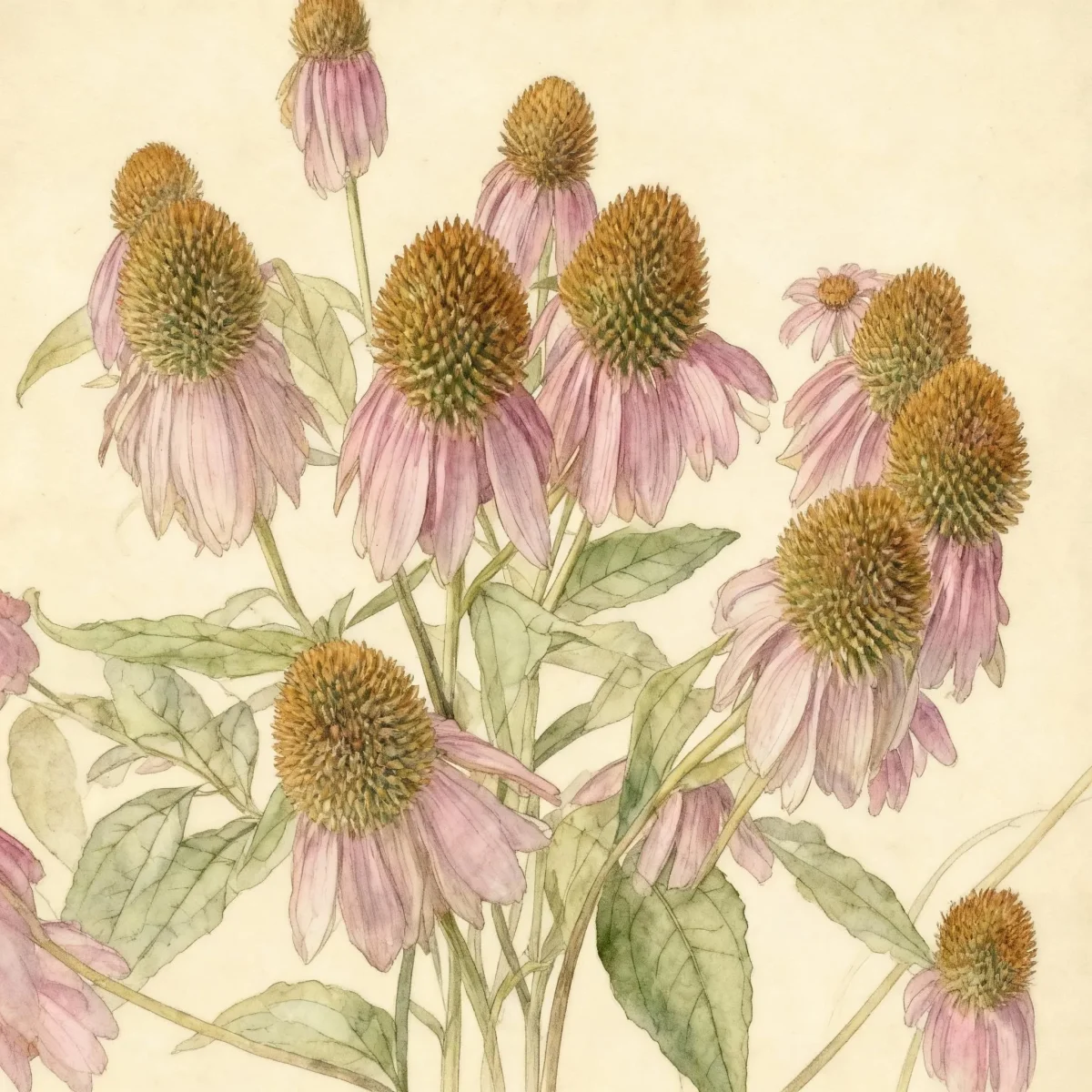
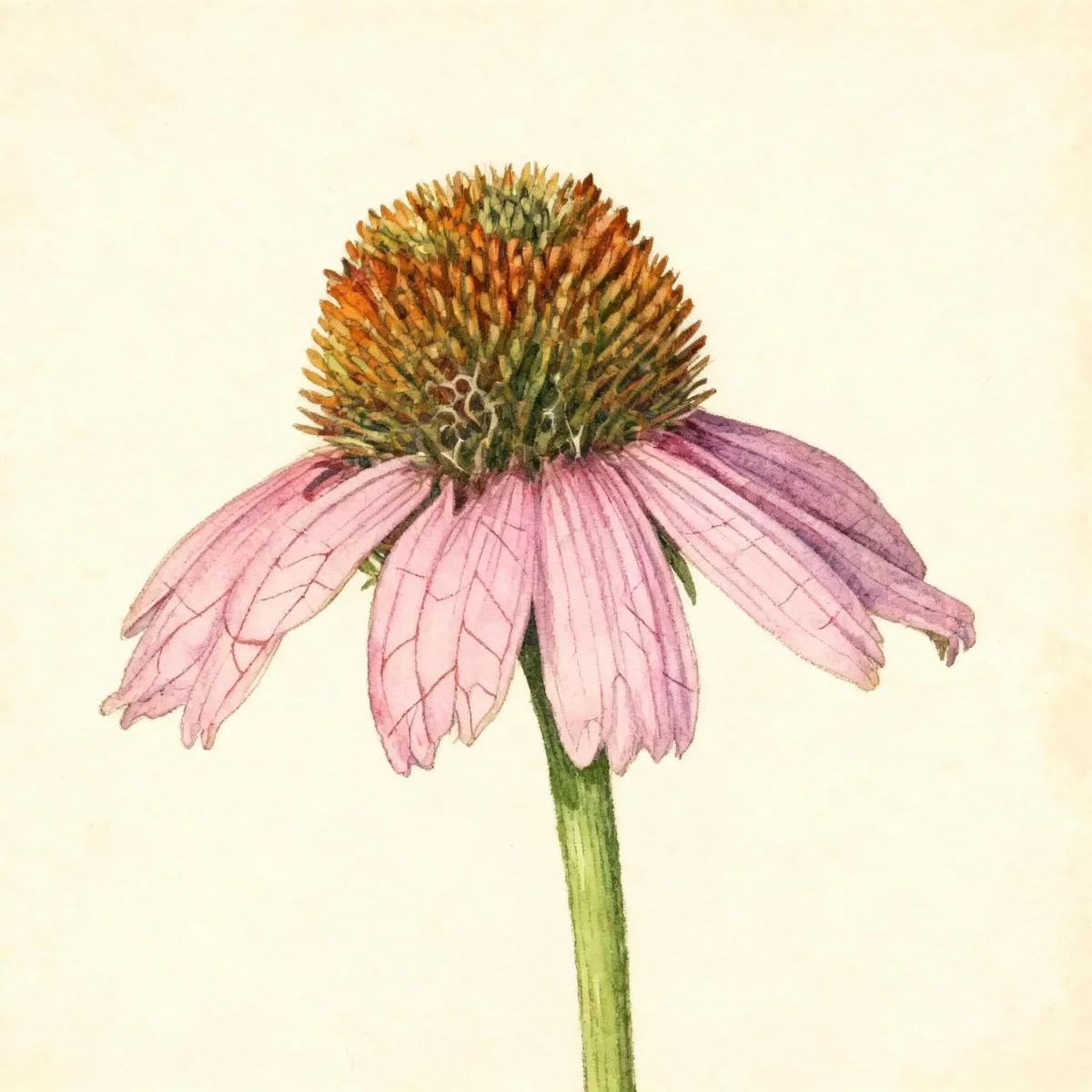
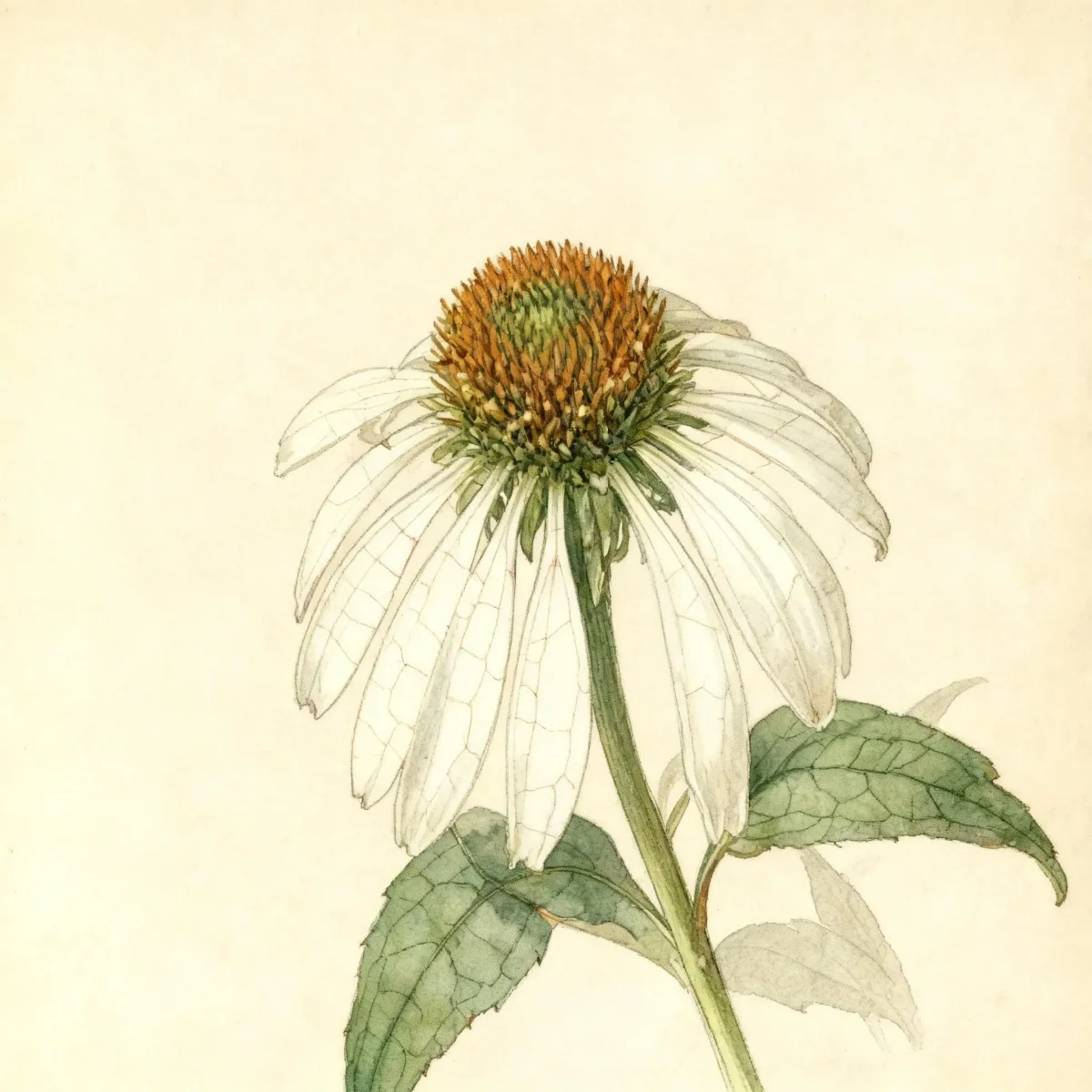
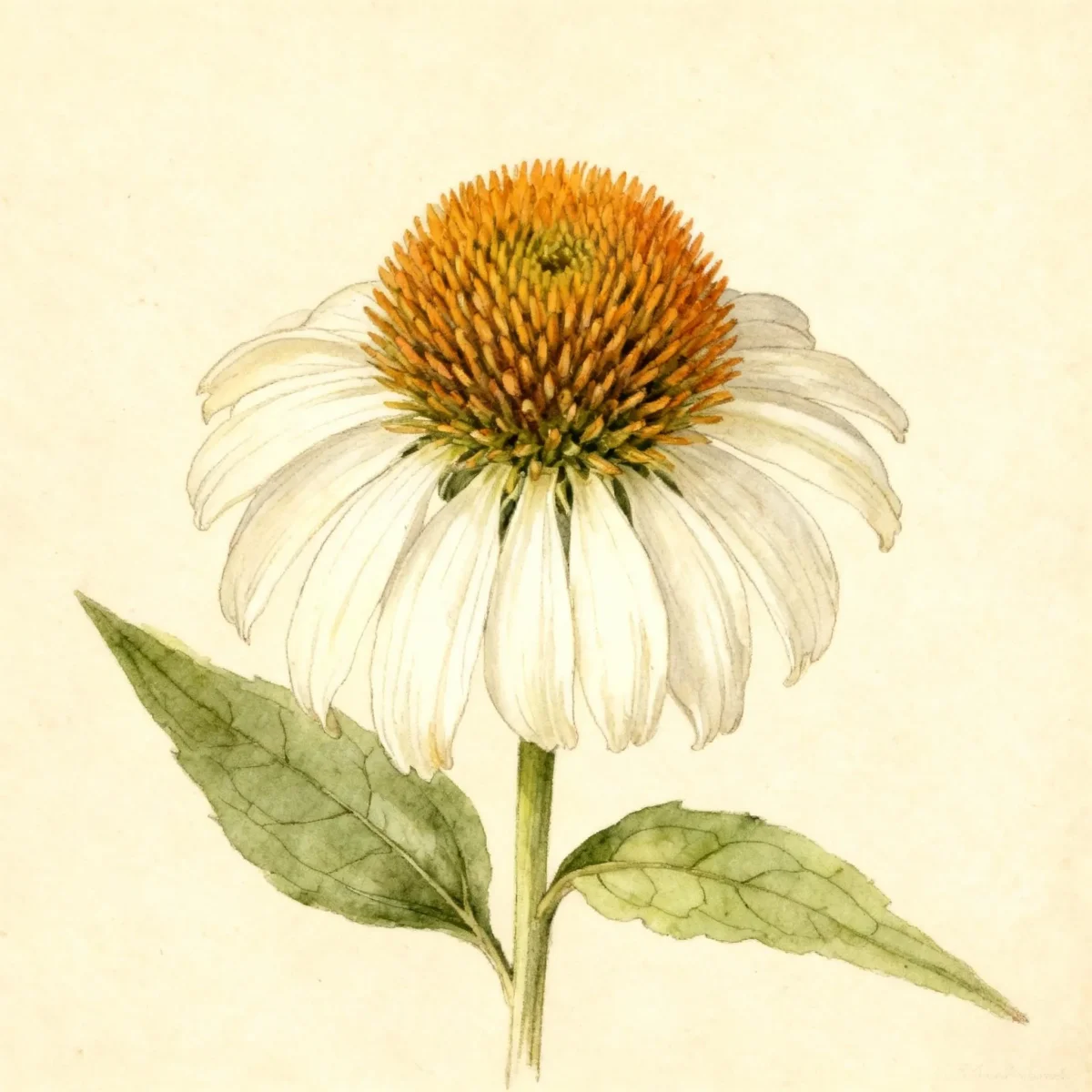
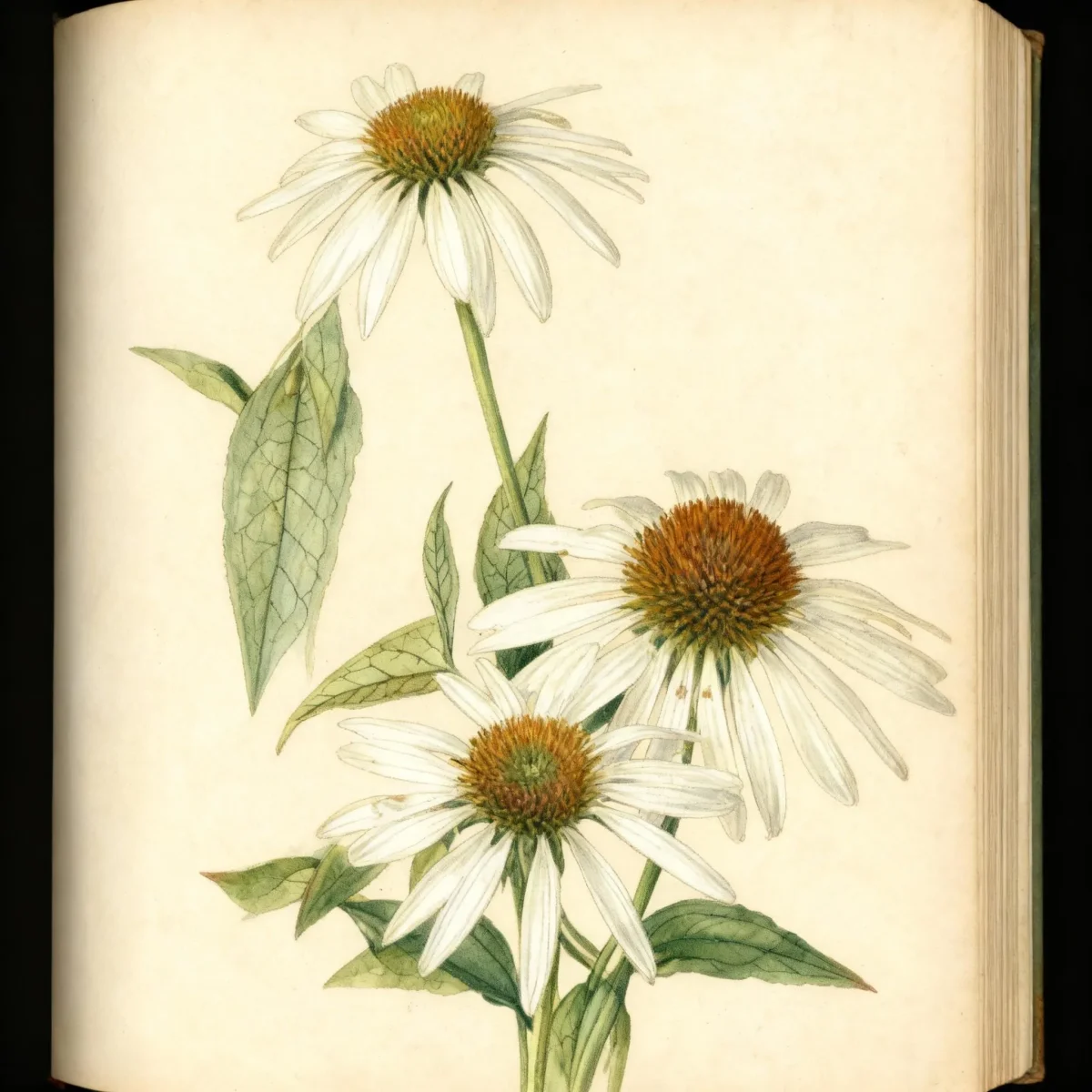
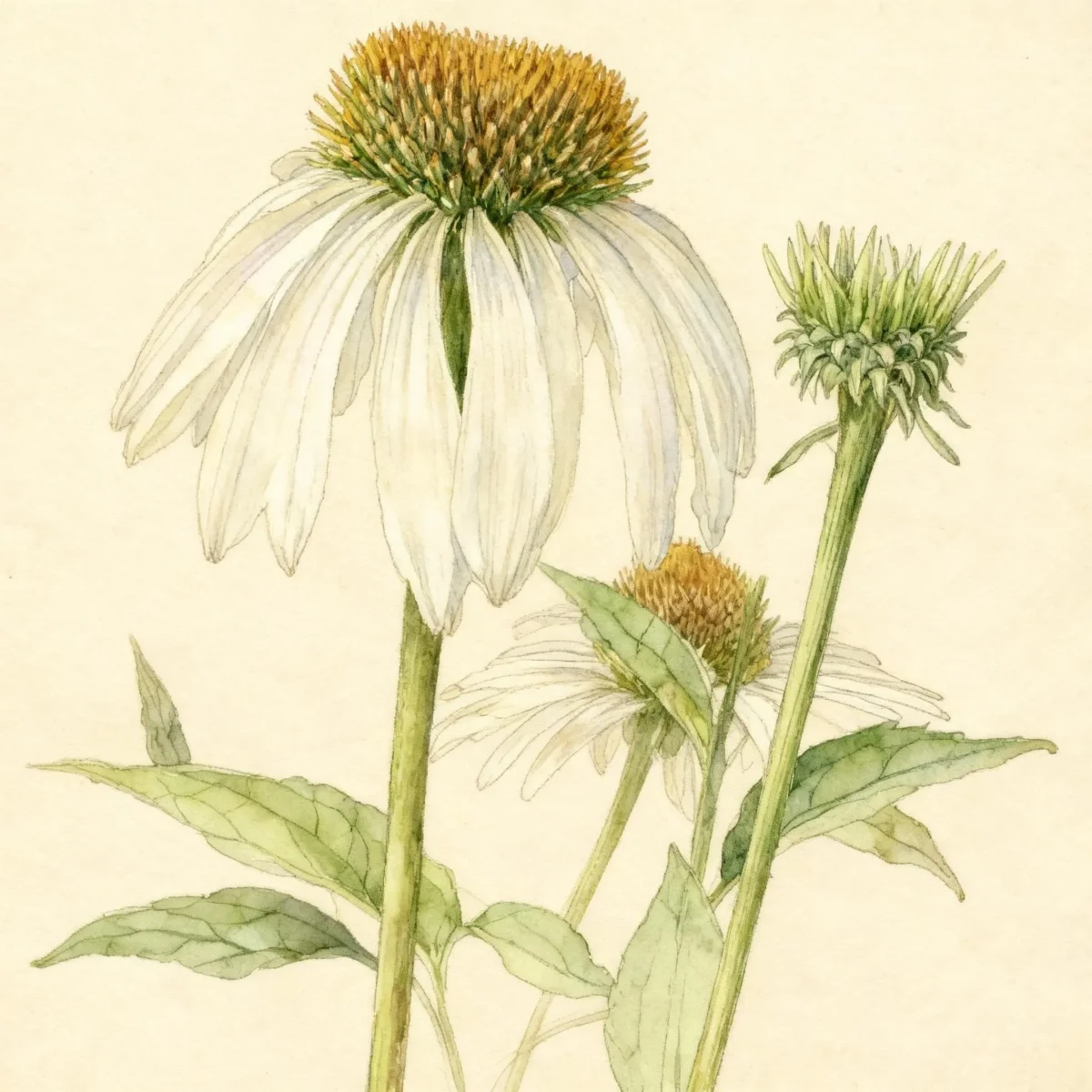
Purple coneflower (Echinacea purpurea 'Primadonna Deep Rose')
A stunning herbaceous perennial, Echinacea purpurea 'Primadonna Deep Rose' offers showy, deep rose blooms from June to August, thriving in full sun.
Scroll down to discover growing tips, care requirements, companion plants, and more
Complete Plant Information
Overview
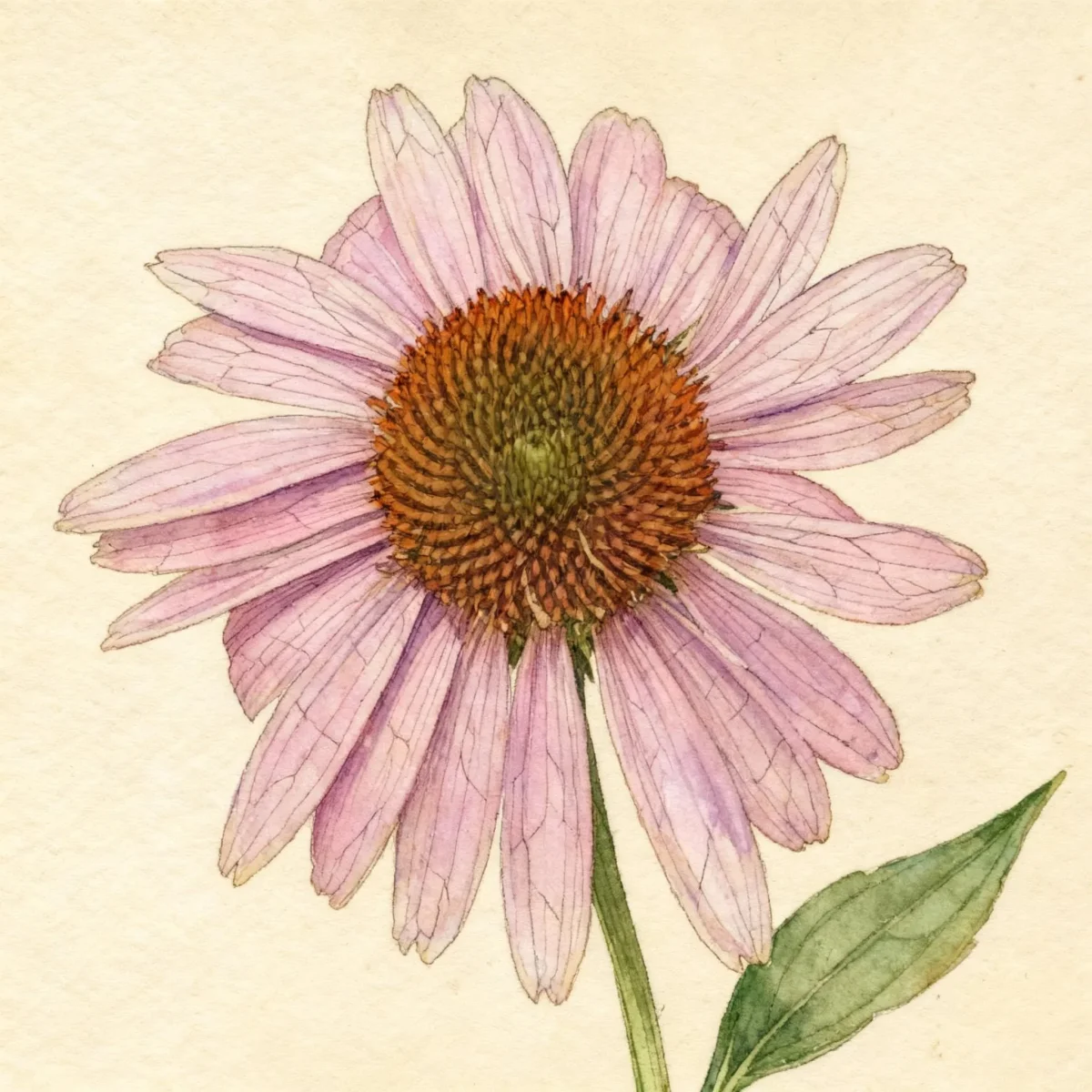
Echinacea purpurea ‘Primadonna Deep Rose’ is a spectacular cultivar of the beloved Purple coneflower, valued for its incredibly vibrant color display throughout the summer months. This robust herbaceous perennial features large, showy flowers reaching up to 5-6 inches in diameter, characterized by slightly drooping deep rose ray flowers surrounding a prominent dark orange-brown central cone. Gardeners appreciate the resilience and reliability of this plant, which requires surprisingly little attention once established.
This variety is particularly noted for its sturdy, well-branched stems, allowing it to stand tall between 2 and 3 feet high without staking, making it an excellent structural element in borders. As an adaptable plant, the Purple coneflower handles heat, humidity, and various soil conditions with ease, providing long-lasting color and essential late-season interest for pollinators. Planting Echinacea purpurea ‘Primadonna Deep Rose’ ensures you have a supply of flowers suitable for cutting and drying, alongside a magnet for beneficial insects.
Fast Facts
- Plant Family: Asteraceae
- Plant Type: Herbaceous perennial
- Hardiness Zones: USDA Zones 3-8
- Size at Maturity:
- Height: 2-3 ft
- Spread: 1.5-2 ft
- Bloom Time: June to August
- Bloom Description: Deep rose
- Sun Exposure: Full sun to part shade
- Water Needs: Dry to medium
- Maintenance Level: Low
How to Grow
The best time to establish Echinacea purpurea ‘Primadonna Deep Rose’ is generally in the spring after the danger of hard frost has passed, although container-grown plants can be set out throughout the growing season. These plants thrive when positioned in full sun, though they will tolerate partial shade, which may slightly reduce bloom quantity. They are remarkably adaptable, preferring average, dry to medium, well-drained soil, and exhibiting significant tolerance for heat and poor substrate.
Maintenance for this Purple coneflower is commendably low. While established plants are drought-tolerant, consistent water during prolonged dry spells aids flowering, especially during establishment. Fertilizing is rarely required; rich soil can sometimes lead to floppier growth. Deadheading spent flowers will promote continued blooming until frost, though prompt removal of spent blooms is not strictly necessary as the plant often reblooms naturally.
If you wish to encourage natural reseeding for a more cottage-garden look, leave some spent seed heads in place over winter, as birds like goldfinches readily feed on the mature seeds. Divide clumps of Echinacea purpurea ‘Primadonna Deep Rose’ every four years or so if overcrowding diminishes flower production or vigor.
Landscape Uses
Echinacea purpurea ‘Primadonna Deep Rose’ functions brilliantly as a foundation plant in mass plantings, creating sweeping drifts of deep rose color along borders. They function excellently in meadow plantings or more naturalized wildflower gardens where their upright structure contrasts nicely with lower-growing fillers. Because of its legendary toughness, it is a cornerstone for low-maintenance and native plant gardens.
Consider massing the deep rose blooms alongside the golden tones of Black-eyed Susans (Rudbeckia) for a classic, eye-catching summer display that echoes their shared family traits. The architectural winter structure left by the dead flower stems also lends visual interest, even when the plant is dormant. This perennial is equally effective tucked into the part shade transition areas of a woodland garden setting.
Standout Features
Flower Qualities
- Showy
- Good Cut
- Good Dried
Noteworthy Characteristics
Echinacea purpurea, commonly called purple coneflower, is a coarse, rough-hairy, herbaceous perennial native to moist prairies and open woods of the central and southeastern United States. The cultivar ‘Primadonna Deep Rose’ is an upright plant, reaching 30-36 inches tall on sturdy stems, bearing large flowers (5-6” diameter) with slightly drooping deep rose rays and dark orange-brown centers. The genus name Echinacea refers to the bristly, hedgehog-like central cone characteristic of most flowers in this genus.
Tolerances
- Deer
- Drought
- Clay Soil
- Dry Soil
- Shallow-Rocky Soil
Potential Problems
Japanese beetles can occasionally bother the foliage of Echinacea purpurea ‘Primadonna Deep Rose’, typically during mid-summer feeding frenzies. Fungal issues, such as leaf spot, may arise in overly humid or crowded conditions. To manage these, ensure adequate air circulation by providing proper spacing, and avoid overhead watering late in the day. Susceptibility to aster yellows disease, a serious condition transmitted by leafhoppers, means healthy cultural practices are your best defense against overall plant stress.
Frequently Asked Questions
What hardiness zones is Purple coneflower suitable for?
Echinacea purpurea ‘Primadonna Deep Rose’ is highly adaptable and hardy across USDA Zones 3 through 8.
How large does Echinacea purpurea ‘Primadonna Deep Rose’ grow?
Mature plants typically reach a height between 2 and 3 feet, with a spread ranging from 1.5 to 2 feet wide.
What sun exposure does Purple coneflower need?
For the best performance and maximum deep rose blooms, site Echinacea purpurea ‘Primadonna Deep Rose’ where it receives full sun, although it tolerates light afternoon shade.
When does Purple coneflower bloom?
The primary bloom time for this cultivar is from June through August, displaying its signature deep rose flowers.
Conclusion
The reliability, stunning deep rose coloration, and low-maintenance nature make Echinacea purpurea ‘Primadonna Deep Rose’ an essential addition to any summer garden plan. This versatile Purple coneflower supports local ecosystems while providing exceptional cut and dried flower material. Before planting, confirm that your site offers sufficient sun exposure and appropriate drainage for optimal success with this magnificent perennial.
Companion Planting
When selecting neighbors for your Echinacea purpurea ‘Primadonna Deep Rose’, seek out plants that share similar cultural requirements: full sun to light shade and dry to medium moisture levels. Grouping them with other drought-tolerant prairie natives enhances the cohesive, natural look. Consider pairing the deep rose tones with the silvery foliage of Lamb’s Ears (Stachys byzantina) for textural contrast, or place them near ornamental grasses that will sway gently alongside the stiff stems of the coneflower.
Wildlife Benefits
The central cone of these flowers is highly significant for attracting beneficial insects and wildlife throughout their long blooming cycle. Leaving the seed heads standing during autumn and winter provides crucial food sources for goldfinches and other seed-eating birds during the colder months. The open structure of the blossoms offers excellent landing platforms for various native bees and butterflies seeking nectar well into late summer.