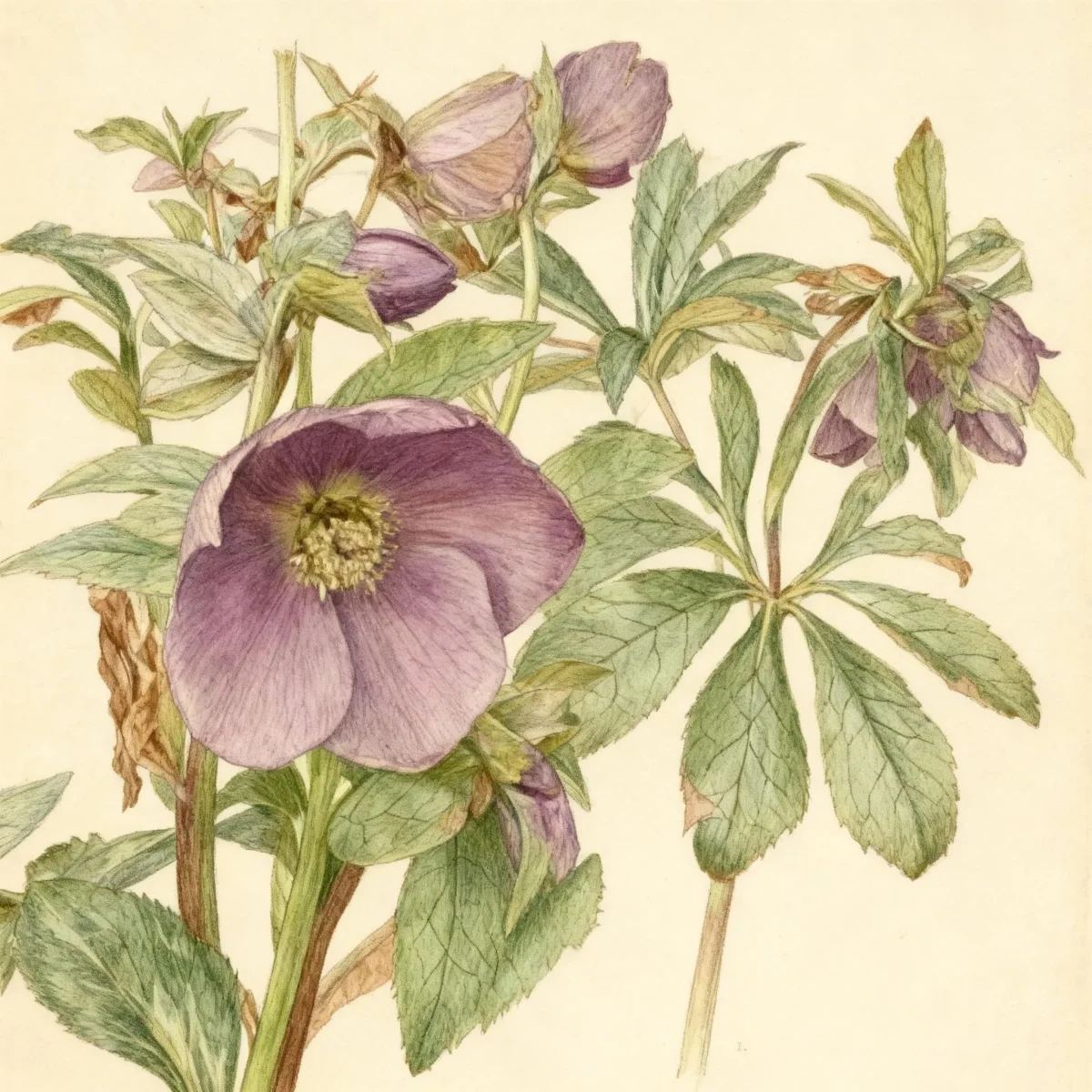
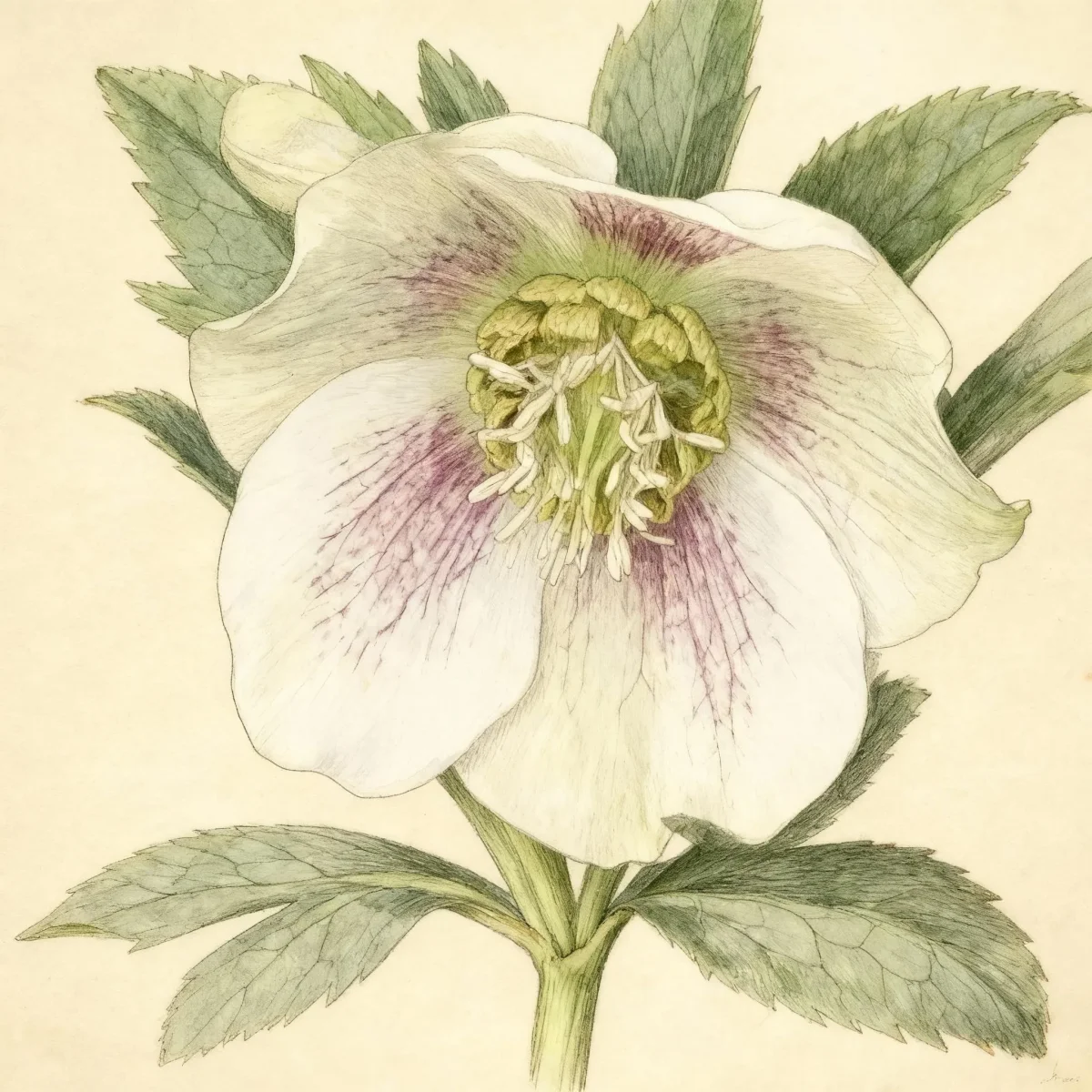
Hellebore (Helleborus × hybridus 'White Lady Spotted')
The stunning Helleborus × hybridus 'White Lady Spotted' Hellebore offers white, red-spotted flowers in early spring. It is a low-maintenance, evergreen perennial.
Scroll down to discover growing tips, care requirements, companion plants, and more
Complete Plant Information
Overview
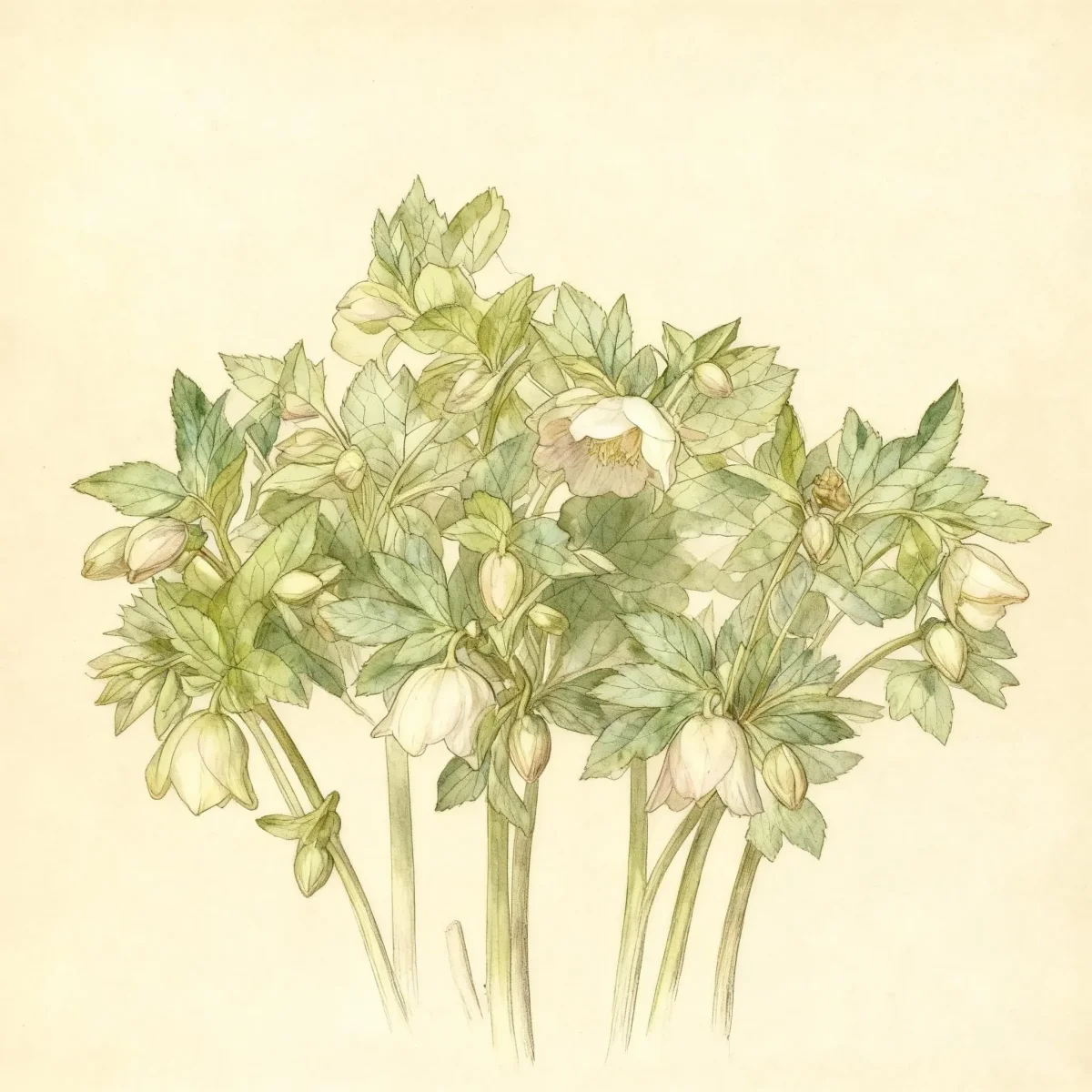
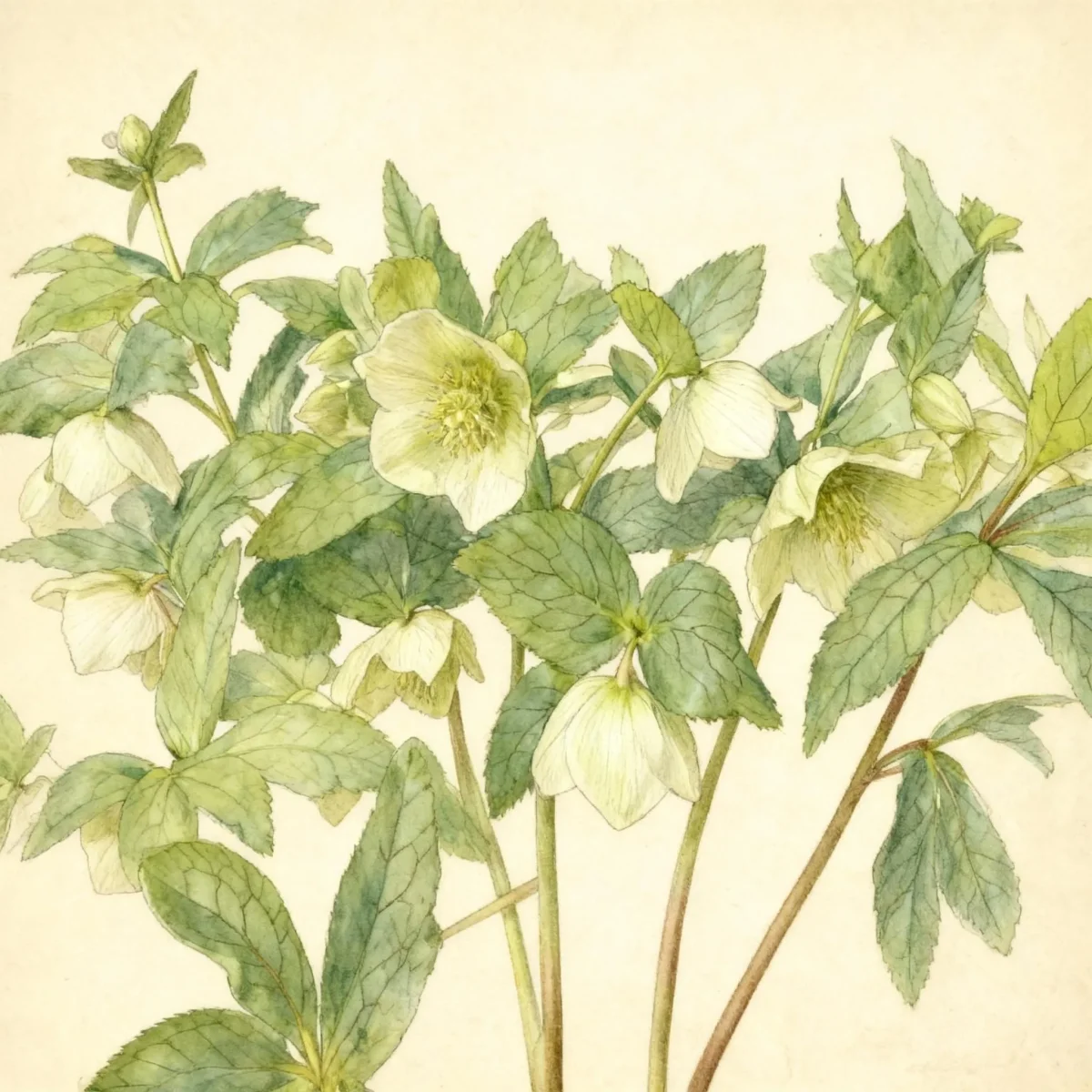
The Helleborus × hybridus ‘White Lady Spotted’ is a valuable, low-maintenance perennial prized for its exceptionally early bloom time—often signaling the end of winter. This specific variety of Hellebore, frequently called a Lenten rose, brightens the garden when little else is active, boasting cup-shaped white flowers accented by distinctive dark red spotting in the centers. Its bushy, clump-forming habit is enhanced by waxy, evergreen foliage that provides year-round structure in the landscape.
Growing easily in shady conditions, the Hellebore fits perfectly into woodland settings or under the high canopy of established trees. Its robustness, combined with its striking bloom, makes the Helleborus × hybridus ‘White Lady Spotted’ a staple for gardeners seeking reliable, long-lasting interest. While highly ornamental, gardeners must remember that all parts of this plant are toxic if ingested.
Fast Facts
- Plant Family: Ranunculaceae
- Plant Type: Herbaceous perennial
- Hardiness Zones: USDA Zones 4-9
- Size at Maturity:
- Height: 1-1.5 ft
- Spread: 1-1.5 ft
- Bloom Time: March to May
- Bloom Description: White with red spotted centers
- Sun Exposure: Part shade to full shade
- Water Needs: Medium
- Maintenance Level: Low
How to Grow
Planting your Hellebore is best done in the shade or part shade, which mimics its native environment. Ensure the location offers organically rich, fertile, humusy, and well-drained soil, preferably with an alkaline pH. While the foliage is evergreen, providing protection from harsh winter winds or insulation from snow cover can prevent leaves from becoming tattered or scorched during severe cold snaps.
Water needs are medium; maintain consistently moist but never soggy soil, especially for new plantings. Established Helleborus × hybridus ‘White Lady Spotted’ are relatively self-sufficient. No routine fertilization is usually necessary if the soil is rich. You can cut back the old flowering stems immediately after the bloom finishes in late spring, which encourages robust new foliage growth for the upcoming season.
If your clumps of Hellebore become congested, division is possible, though it should be performed in late summer or early fall. Be patient if starting from seed, as hybrid hellebores can take up to two years before they produce their first display of flowers.
Landscape Uses
The visual impact of a mass planting of Helleborus × hybridus ‘White Lady Spotted’ in early spring is undeniable. These plants are the perfect harbingers of spring, best situated where their early flowers can be easily viewed from a kitchen window, patio, or walkway. They naturalize well, slowly spreading through self-seeding to create attractive drifts in shady locales.
They thrive when grouped beneath deciduous trees or large shrubs, complementing the developing spring ephemeral display. Consider using this low-growing Hellebore as an attractive, year-round groundcover in shady borders where other plants struggle. Their evergreen nature maintains excellent texture even after the last bloom fades.
Standout Features
Flower Qualities
- Showy
Noteworthy Characteristics
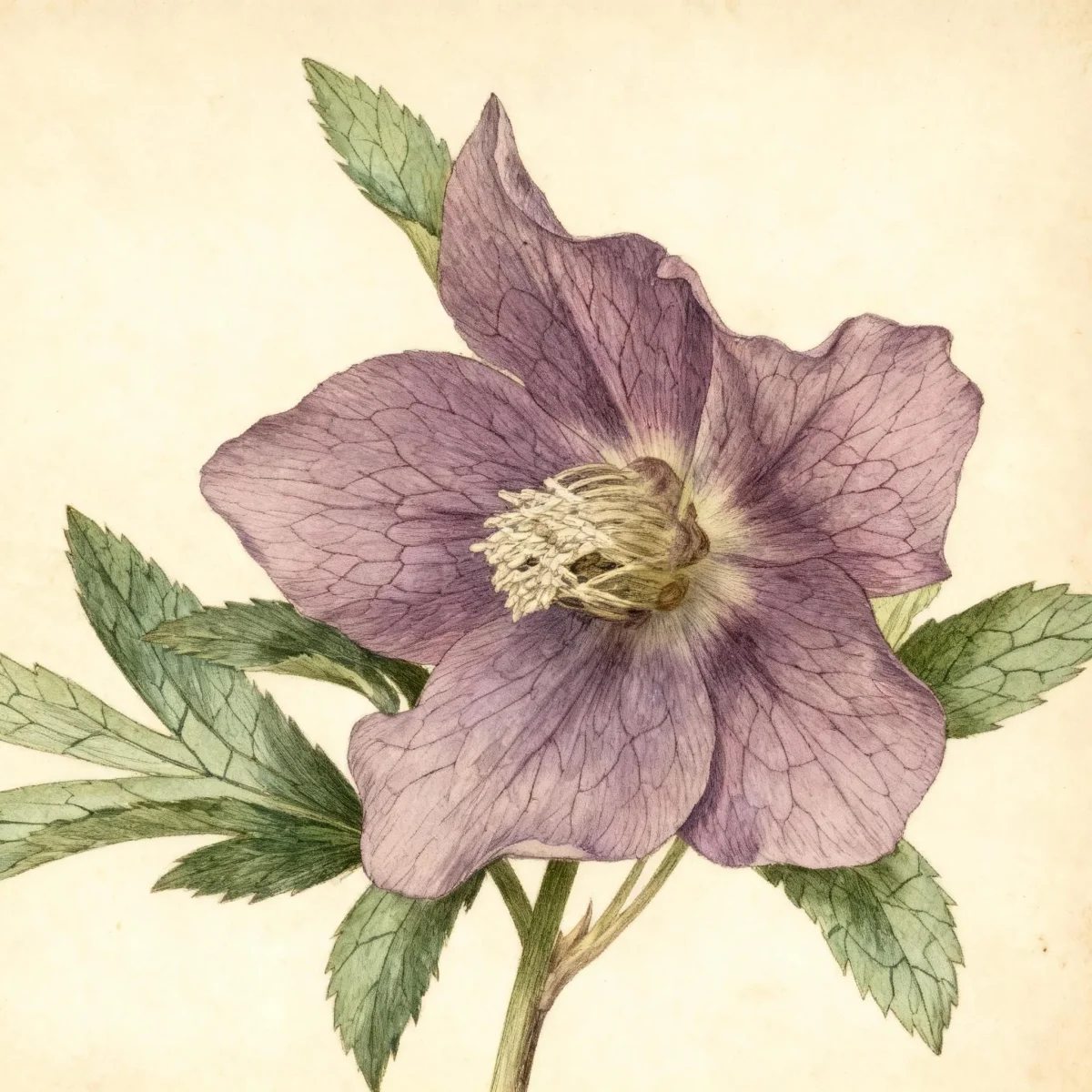
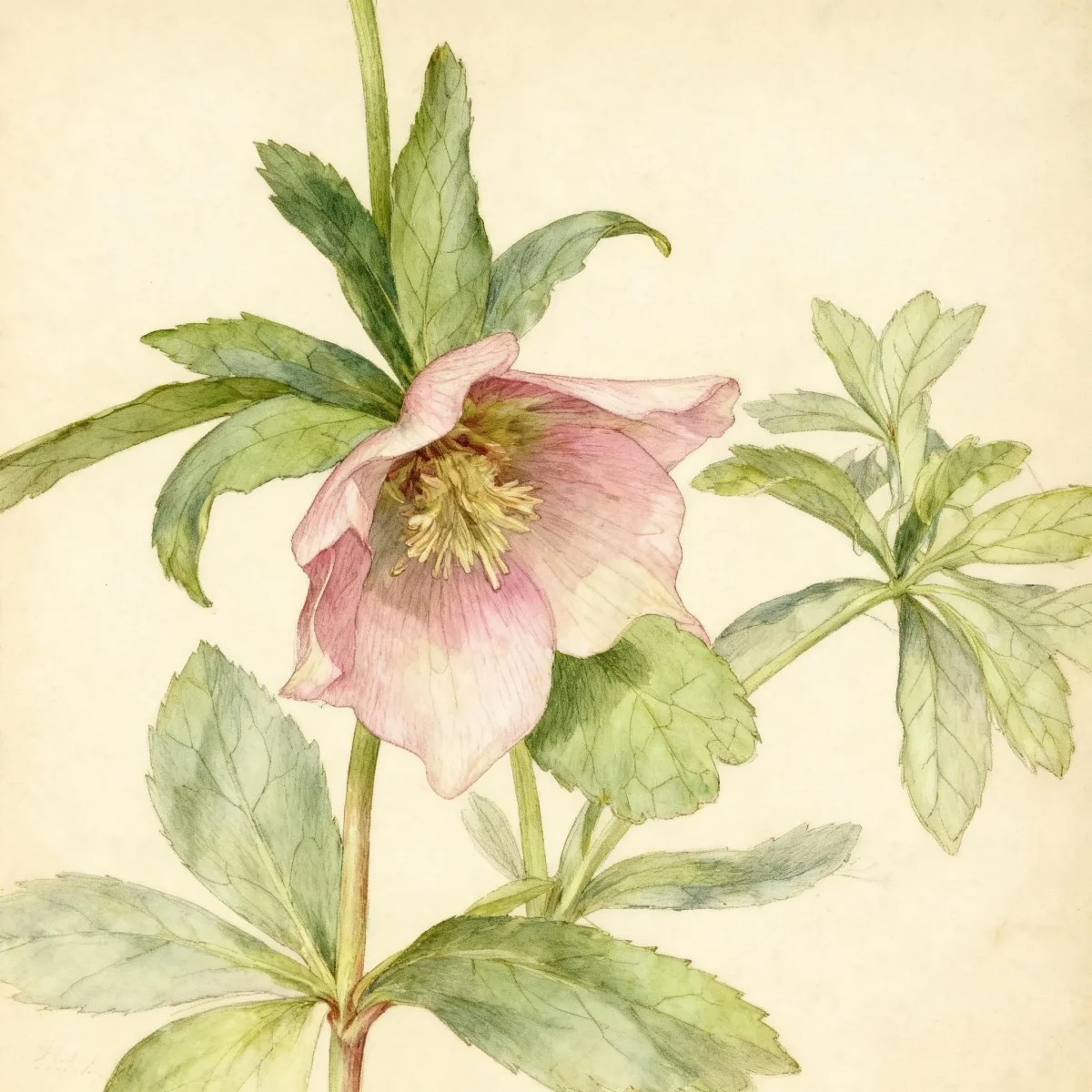
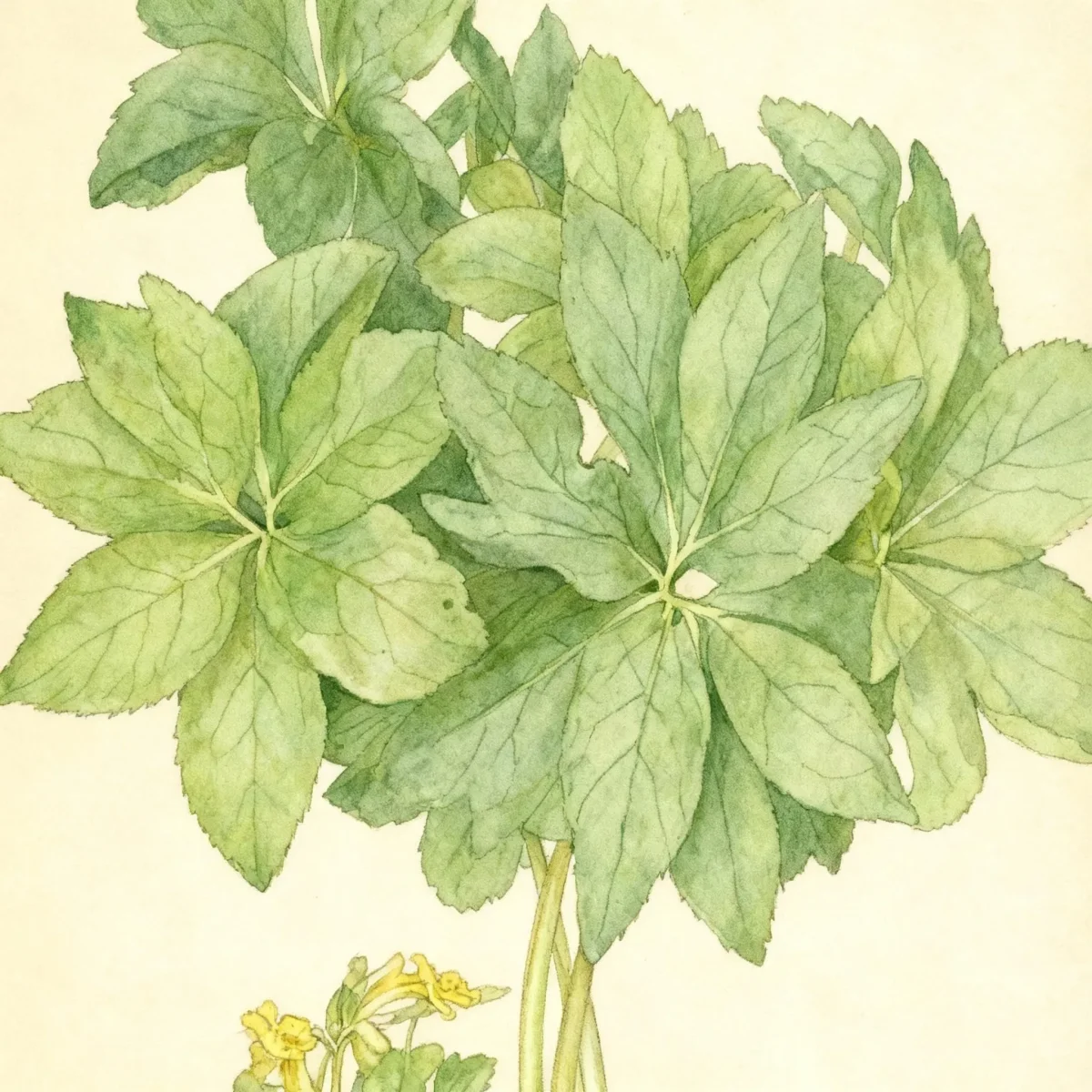
Hybrid hellebores, sometimes commonly called hybrid Lenten roses or hybrid winter roses, are bushy, clump-forming perennials which typically grow to 12-15” tall. They are noted for producing single, cup-shaped flowers (typically 2-3” diameter) with five showy, usually overlapping petals (technically sepals), but sometimes come in a double flowered form. Flowers bloom in a large variety of colors, including various shades and tints of white, pink, red, purple, and yellow, and sometimes have inside spotting. Bloom typically commences in mid to late winter extending into early spring. Flowers appear at the tips of branched stems clad with evergreen dark green leaves which are divided into glossy, leathery, deeply-lobed, often toothed, lanceolate to elliptic segments.Genus name comes from the Greek words bora meaning “food” and helein meaning “injures/destroys” in reference to the plant’s toxic leaves, stems and roots which are poisonous to humans if ingested. ‘White Lady Spotted’ is one of a number of seed-strain hybrid hellebores (known as the Lady Series) developed by Gisela Schmiemann of Cologne, Germany. It is a bushy, clump-forming perennial that typically grows to 12-15” tall and is noted for its glossy, leathery, evergreen, dark green leaves and its late winter to early spring bloom of white flowers with dark red spotted centers. Cup-shaped flowers (to 2-3” diameter) with overlapping petals bloom at the tips of leafy stems from late winter to mid-spring (March to May in St. Louis). Evergreen leaves are deeply lobed and divided into 7-10, narrow, lance-shaped to elliptic, usually-toothed segments.
Tolerances
- Deer
- Heavy Shade
Potential Problems
This Hellebore variety generally avoids serious insect or disease pressures, making it a reliable choice. Occasional issues growers might encounter include crown rot, particularly if drainage is poor, and mild cases of leaf spot. The most critical consideration is that the leaves, stems, and roots are poisonous if ingested by pets or humans, requiring placement away from accessible areas if toxicity is a concern.
Frequently Asked Questions
What hardiness zones is Helleborus × hybridus ‘White Lady Spotted’ suitable for?
The Helleborus × hybridus ‘White Lady Spotted’ is suitable for USDA Hardiness Zones 4 through 9, offering wide adaptability across many regions.
How large does Hellebore grow?
This herbaceous perennial typically reaches a mature height between 1 to 1.5 feet tall and spreads to a similar width of 1 to 1.5 feet, forming a neat clump.
When does Hellebore bloom?
The Hellebore blooms quite early, typically from March to May, showcasing beautiful white flowers with distinctive red spotted centers right as winter transitions to spring.
What sun exposure does Helleborus × hybridus ‘White Lady Spotted’ need?
This plant thrives best in conditions ranging from part shade to full shade, making it an excellent choice for brightening darker corners of the garden.
Conclusion
For gardeners seeking early spring color and reliable evergreen texture, the Helleborus × hybridus ‘White Lady Spotted’ is an exceptional choice due to its low maintenance requirements and striking spotted flowers. This Hellebore establishes quickly and rewards patience if grown from seed with years of dependable performance. Always confirm your garden area falls within USDA Zones 4 to 9 before planting to ensure the best success for this beautiful woodland perennial.
Companion Planting
When integrating Helleborus × hybridus ‘White Lady Spotted’ into a shade garden, consider pairing it with plants that emerge later in the season, allowing the Hellebore’s early bloom to take center stage. Hostas and Japanese Forest Grass (Hakonechloa macra) make excellent textural partners, as their growth will fill in around the Hellebore clumps later in summer, obscuring any aging foliage. Brunnera, with its heart-shaped leaves, also shares similar moisture and shade requirements, creating a lush, layered understory tapestry.
Seasonal Care Calendar
Early spring is prime time for enjoying your Hellebore, but care should be year-round. Before new growth begins in late winter, gently remove any tattered, old evergreen leaves to provide a clearer view of the emerging flower stalks. After the bloom finishes in late spring (May), performing a light trim of the spent flower stems encourages the plant to direct energy into producing fresh, glossy foliage. Avoid heavy fertilization; instead, rely on top-dressing with compost in the fall, which helps insulate roots slightly and improves soil fertility over time.